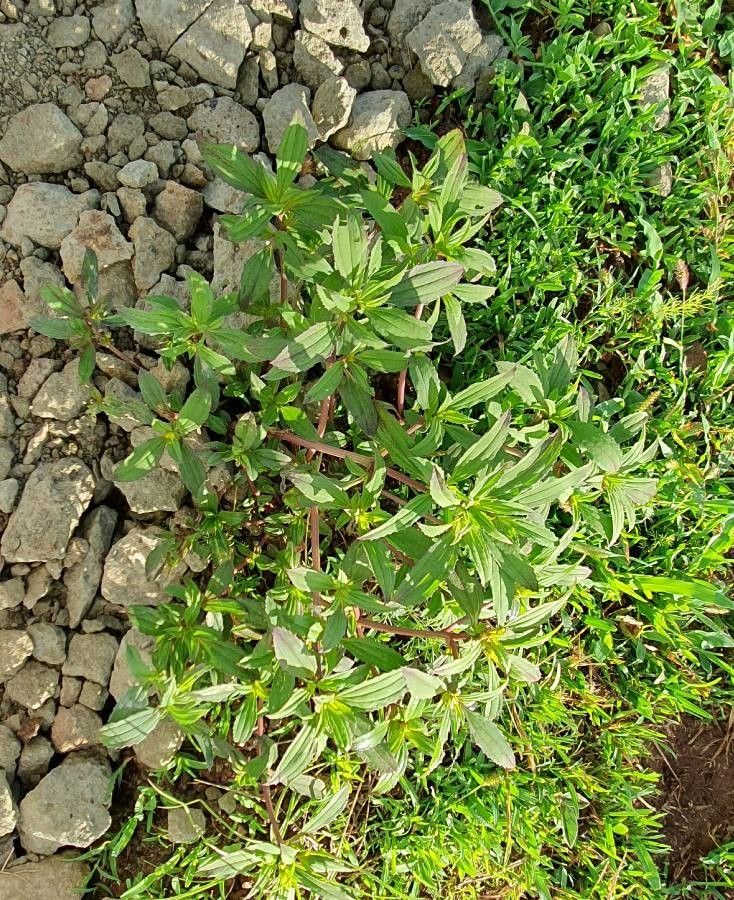
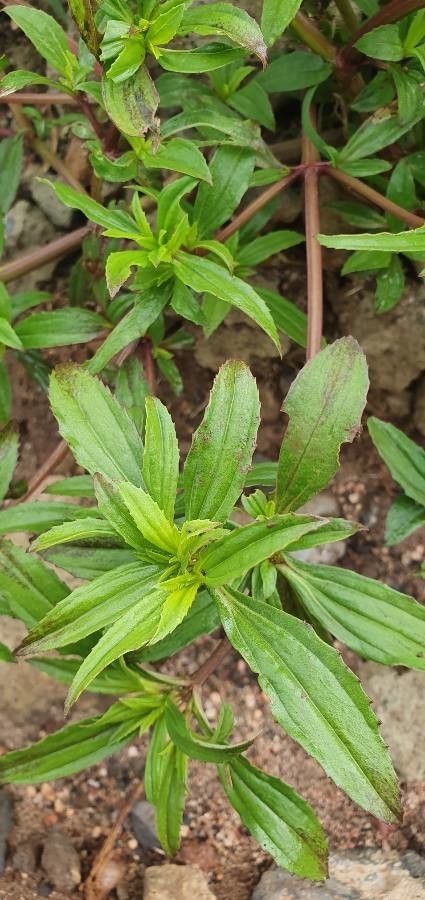
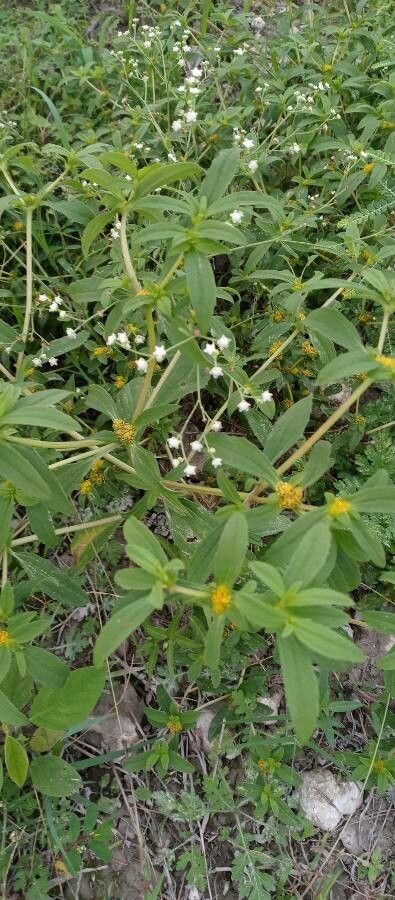
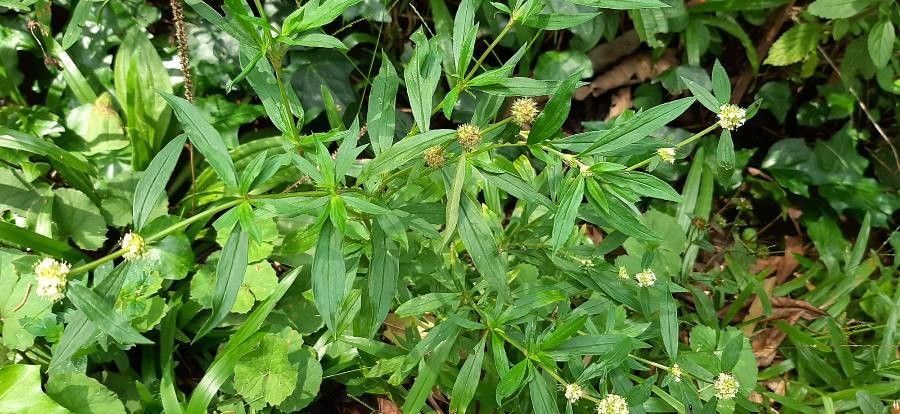
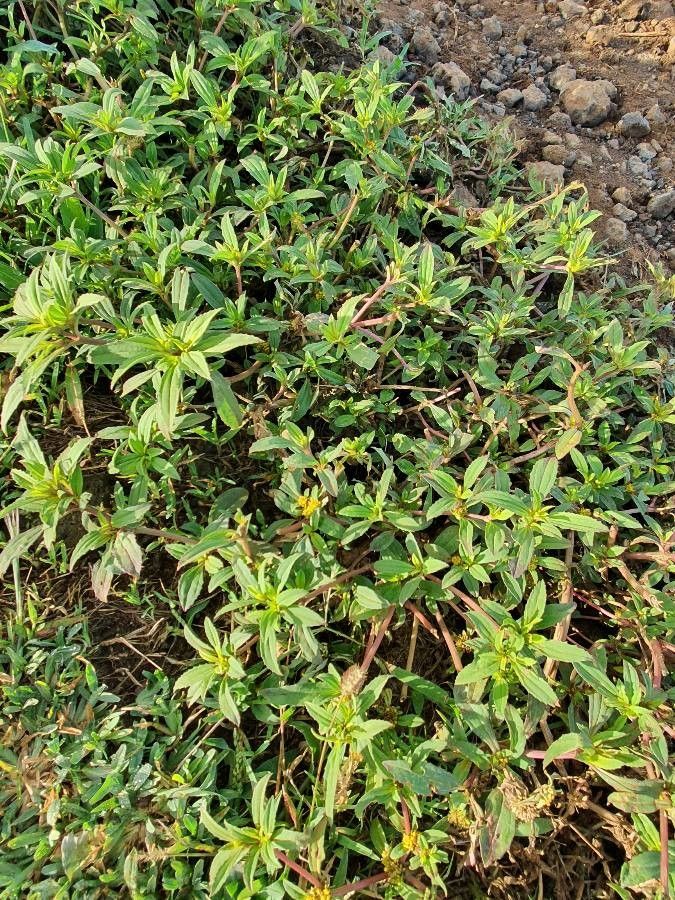
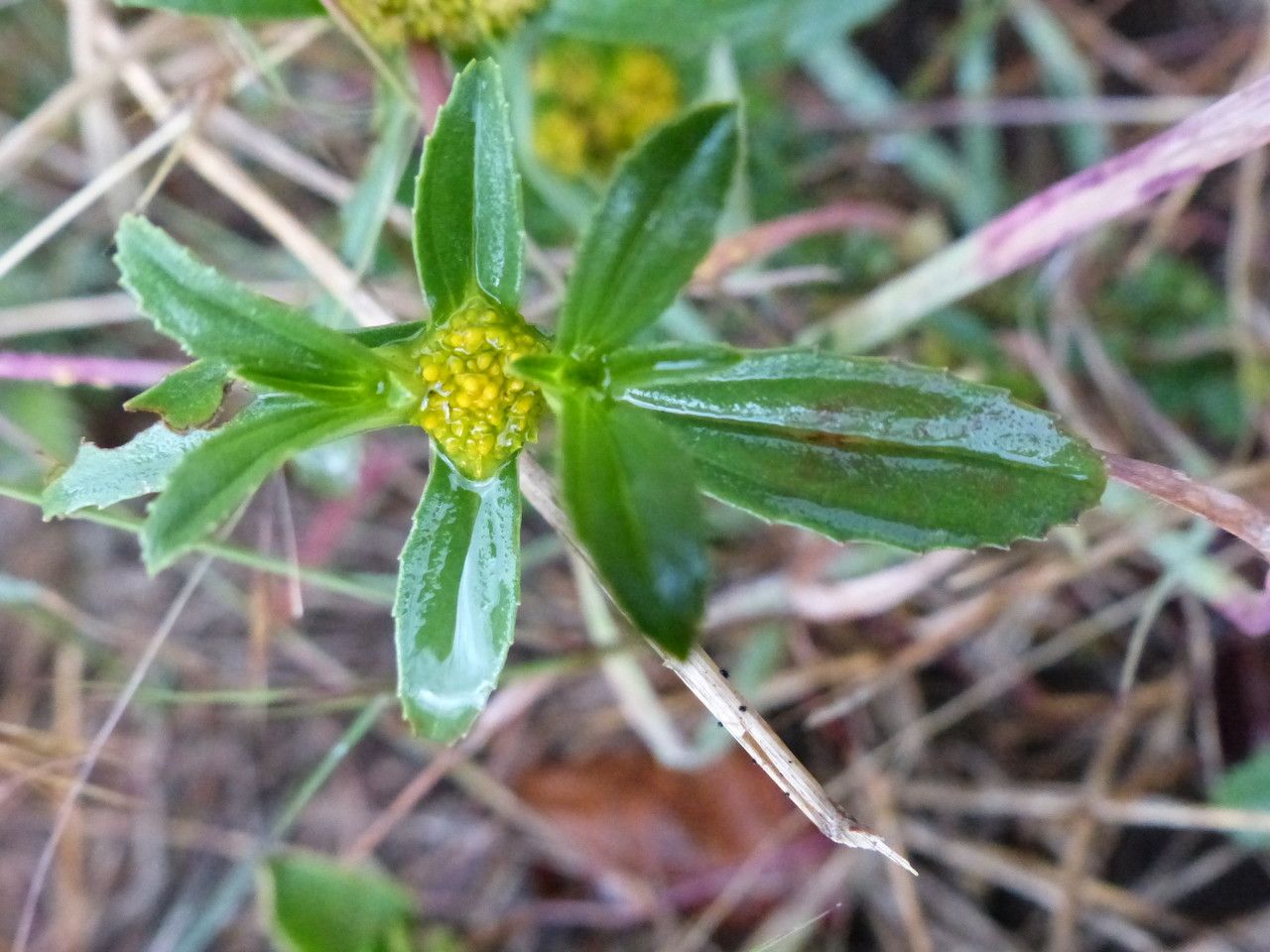
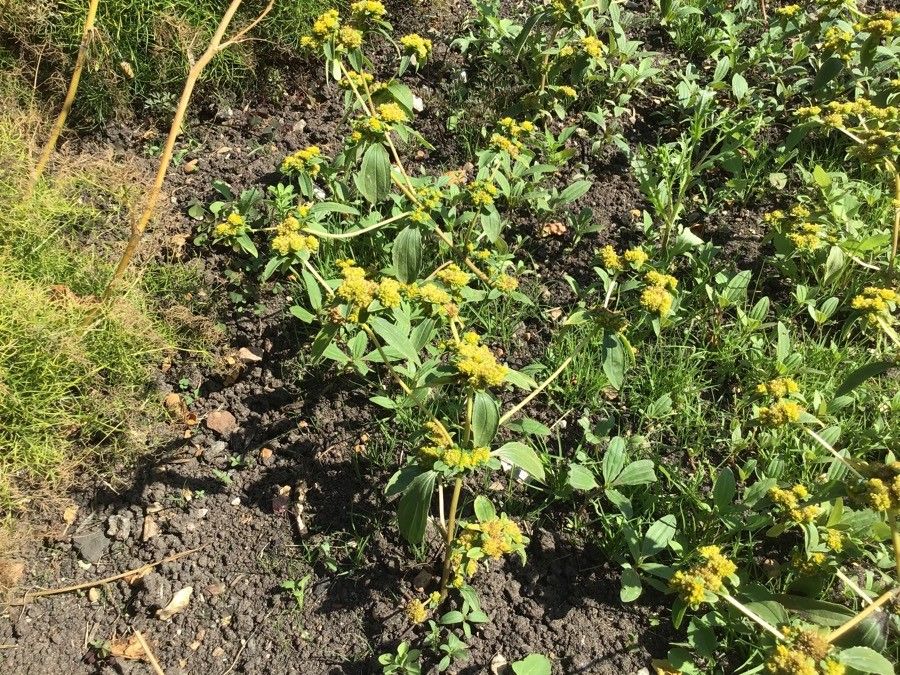
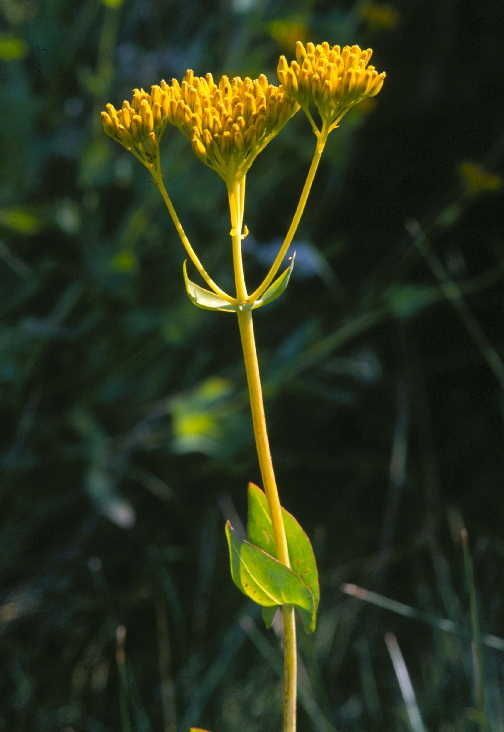
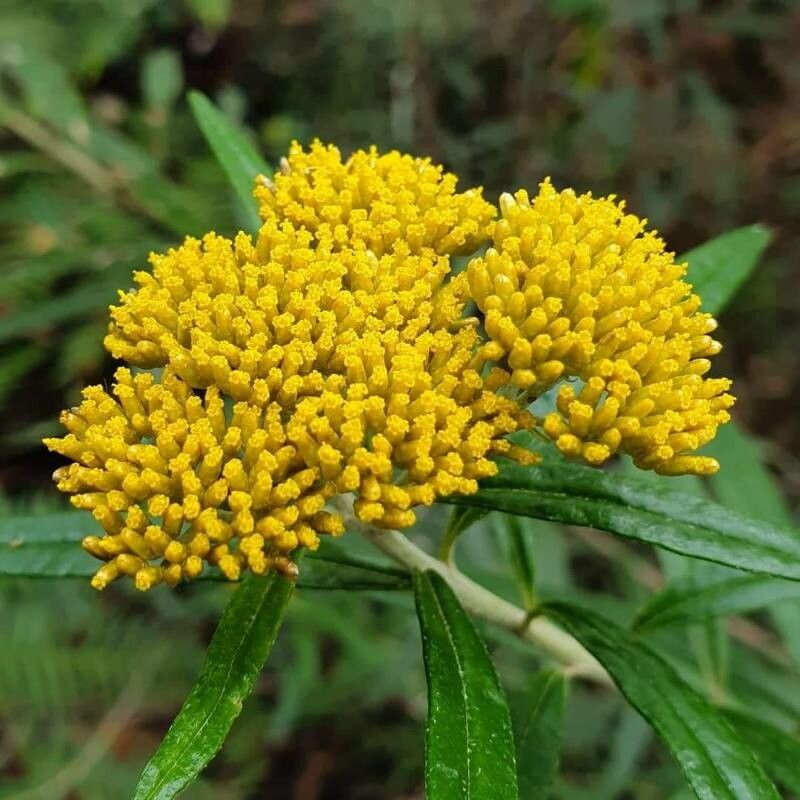
Flaveria trinervia, commonly known as the three-nerved flaveria, is a flowering plant belonging to the Asteraceae family. Native to both North and South America, it thrives in various habitats including grasslands, savannas, and disturbed areas. This plant typically reaches a height of up to 1 meter and features narrow leaves characterized by three distinct veins. Its small yellow flowers, each with a diameter of about 5 mm, add to its ornamental appeal.
Flaveria trinervia is notable for its resilience to drought conditions, thanks to a deep root system that enables it to draw water from deeper soil layers. Furthermore, it holds potential for use in phytoremediation due to its capacity to accumulate heavy metals from contaminated soil. In addition, some cultures have traditionally used Flaveria trinervia for medicinal purposes, such as treating fever and inflammation.
The introduced species is fairly disease-resistant and generally not prone to illness. However, it can be vulnerable to pests and diseases present in its surroundings. These infections are usually mild. For care, this plant needs moderate maintenance. It should be pruned regularly to maintain an attractive appearance and healthy growth. Fertilizing can also help encourage flowering. The introduced species is suitable for anyone with outdoor space, such as a garden or patio, and does not demand extensive care experience. It may require increased attention when grown indoors.
How to keep Flaveria Trinervia.
Light
The introduced species prefers locations that receive direct sunlight. It can also tolerate areas with a moderate amount of light. In its native range, abundant sun exposure is what supports healthy growth. Both too little and too much sunlight can lead to declines in its health.
Water
Introduced species thrive best in environments with consistent weekly rainfall, as they prefer steady moisture without becoming waterlogged. To maintain their health, these species need weekly watering and flourish in sunny areas where they receive balanced sunlight and adequate soil moisture. They are ideally suited for regions with regular rain cycles.
Temperature
The introduced species comes from tropical areas, where the climate is generally warm and humid. Consequently, it is well suited to high temperatures and humidity. It does not handle sudden temperature changes well and prefers a consistent temperature, so avoiding indoor temperature swings is important. It typically cannot tolerate cold and needs warmer conditions to grow. If the ambient temperature drops too low, the plant may stop growing or even die.
Fertilizer
Introduced species respond well to regular, light applications of fertilizer to encourage healthy leaf development. Fertilize Introduced species about once a month during the summer. Nitrogen is important for foliage, so supplying nitrogen-rich sources helps Introduced species thrive.
Pruning
Selective pruning can greatly benefit introduced plant species by enhancing airflow, removing dead branches, and shaping the plant. The best time to perform pruning is from early to late spring, as this practice promotes health and vigor in the plants. It's important to sanitize your tools to prevent the spread of disease and to regularly assess introduced species to ensure pruning is done at the right time.
Botanical profile.
- Plant Type
- Herb
- Life Cycle
- Annual
- Genus
- Flaveria
- Family
- Asteraceae
- Hardiness Zone
- 9-11
- Mature Height
- 2.13 m
- Mature Spread
- 20 cm to 40 cm
- Leaf Color
- Green
- Leaf Type
- Semi-evergreen
- Flower Color
- Yellow
- Flower Size
- 0.15 cm
- Bloom Time
- Mid summer, Late summer, Early fall, Mid fall
- Planting Time
- Spring, Summer, Autumn
- Harvest Time
- Fall
- Native Area
- Bahamas, Belize, Cuba, Mexico, Venezuela, Peru, Ecuador, Jamaica
Other names.
Reader questions.
What should I do if I give too much or too little water to my Introduced species?
The solution for underwatering introduced species is straightforward: when you notice your plant is dry, water it more frequently. On the other hand, overwatering can be a more serious problem. If you don't catch it early, your introduced species may develop diseases that lead to decline and death. To prevent this, it's important to choose a suitable location with ample sunlight and good drainage. If you overwater an introduced species that is potted, you may need to transfer it to a new pot. The previous container might not have had proper drainage or enough drainage holes. When repotting an overwatered introduced species, use loose soil and an efficiently draining pot.
How much sunlight do Introduced species need each day to grow well?
In order to thrive, it is important to provide the plants with at least 6 to 8 hours of sunlight each day. Ideally, they should receive more sunlight in the morning, particularly during the summer season. The Introduced species has a higher requirement for full sun and benefits greatly from increased sunlight. By providing ample light, these plants are able to produce more food, showcase beautiful blooms, and ultimately survive better.
How often should I water my plants from outside my area?
Introduced species require regular watering throughout the growing season. In the beginning of spring, you should water the plant once a week. As the weather gets warmer, you may need to increase watering to two or three times a week. However, exceeding this rate can harm the plant. It's important to keep the soil moist but not wet, regardless of how often you water. Watering an Introduced species in a pot requires more frequent watering because pot soil can dry out faster. Generally, you should water a potted Introduced species a few times a week, compared to just once a week for one planted in the ground.
What kind of sunlight do Introduced species need?
The Introduced species prefers full sunlight for optimal growth. To ensure even sun exposure, it is recommended to avoid overcrowding them. The leaves should not be deprived of sunlight. If planted in pots, place the herbaceous flowers in windows where they can receive direct sun year-round. It is important to note that they do not thrive in partial or filtered light, as this may result in weak stems and unhealthy flowers. Therefore, it is best to keep the Introduced species always exposed to the sun.
How much water does my new type of plant or animal need?
There are a few ways to determine how much water to give your Introduced species. One method is to feel the soil for moisture and water until the top six inches feel moist. Another approach is to use a set measurement, like giving about two gallons of water per week, depending on the weather and soil dryness. However, following strict guidelines could result in overwatering if your plant needs less water. When growing Introduced species in a container, you should water enough to moisten all dry layers of soil. To check, stick your finger in the soil or water until you see a slight trickle from the drainage holes.
Can the sun harm plants? How can we shield introduced species from damage caused by sunlight and heat?
When the temperature rises above 90℉(32℃), introduced species can be damaged by extreme heat, especially if they are exposed to prolonged sun exposure. It is recommended to provide shade in the afternoon during the summer months. Keep in mind that sunlight during the summer is stronger and lasts 50% longer than in winter. If the introduced species is stressed from sunlight, ensure they are well-hydrated by watering them when the top of the soil is about 2 inches dry. If it's too hot outside, consider moving container plants indoors. It is normal for plant leaves to wilt during the day, but they should recover at night. However, if the introduced species continues to droop, it indicates rapid water loss and they should be watered promptly.
How can I know if I'm giving enough water to my introduced species?
Avoiding overwatering of Introduced species can be a bit challenging. On one hand, these plants have deep roots that need to be moistened weekly. However, overwatering can lead to root rot and browning. Underwatering is not as common for Introduced species as they can survive without supplemental watering for a while. But if they don't get enough water, they may start wilting and have dry leaves.
Is it necessary to shield introduced species from sunlight?
The Introduced species thrives in the sun and is actually heliotropic. It is recommended to plant them in south-facing gardens for optimal exposure from morning to afternoon. While they benefit from the sun, some species may get sunburned. To protect them from the afternoon and midday sun, consider providing shade from a tree or wall. Growing the Introduced species in shady areas is not feasible due to the energy requirements for larger flower growth. For best results, always ensure they have full sun lighting conditions.
How should I make sure my Introduced species gets enough water throughout the year?
As the season progresses, the water needs of your Introduced species will increase. In spring, watering once a week is recommended. However, during the hot summer months, you may need to water your Introduced species more frequently, possibly up to three times a week. This is particularly important for plants in containers, as the soil can dry out faster. In autumn, when the temperature cools and the sun isn't as strong, your Introduced species may require less water, even though it is still blooming.
What happens when Introduced species don't get enough sunlight?
When introduced species are not exposed to enough sunlight or placed in locations with full sun, their photosynthetic process slows down. This lack of sunlight causes the stems to become leggy as they stretch thin and long in search of more sunlight. In shady areas, they will not bloom or produce seeds. Additionally, insufficient sunlight results in older leaves dying, new leaves appearing lighter in color, and new growth being smaller than previous growth. Although introduced species thrive in sunny conditions, they can suffer from wilting when exposed to excessive heat and ultraviolet light during extreme summer months. To prevent leaves and flowers from scorching, consider covering them with a green shade net, particularly during summer. Indoors, use a fan to reduce heat.
How should I water my non-native plants as they grow?
Introduced species undergo different growth stages throughout the year, each with varying water requirements. Initially, when you plant the seed, it's important to provide more water to promote germination. This entails regular watering to keep the soil consistently moist. As the seedling emerges from the soil after a few weeks, it will require slightly less water. Once the plant matures, you can switch to a regular watering schedule of about once per week. However, during flower development, it might be necessary to increase watering slightly to support the process.
Do species that are brought to a new area need extra attention to sunlight as they grow?
Introduced species require more light compared to their mature counterparts as they grow. While it is important to ensure that younger ones receive sufficient light, sudden exposure to full sunlight, particularly if they were grown in a nursery, might pose a challenge for them. Due to their heightened sensitivity to the summer sun, it is advisable to gradually and slowly adjust the lighting for them.