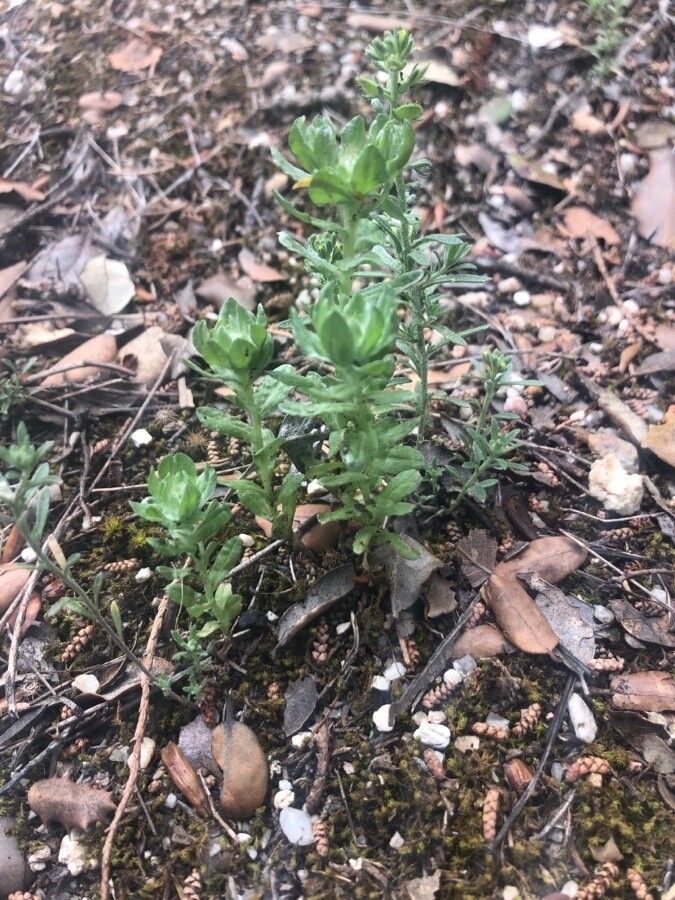
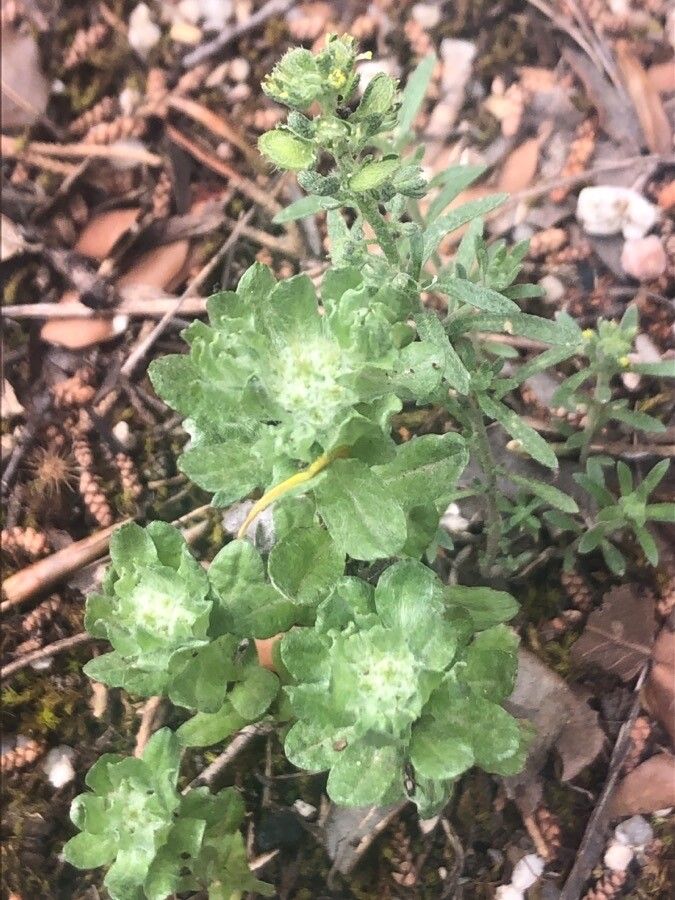
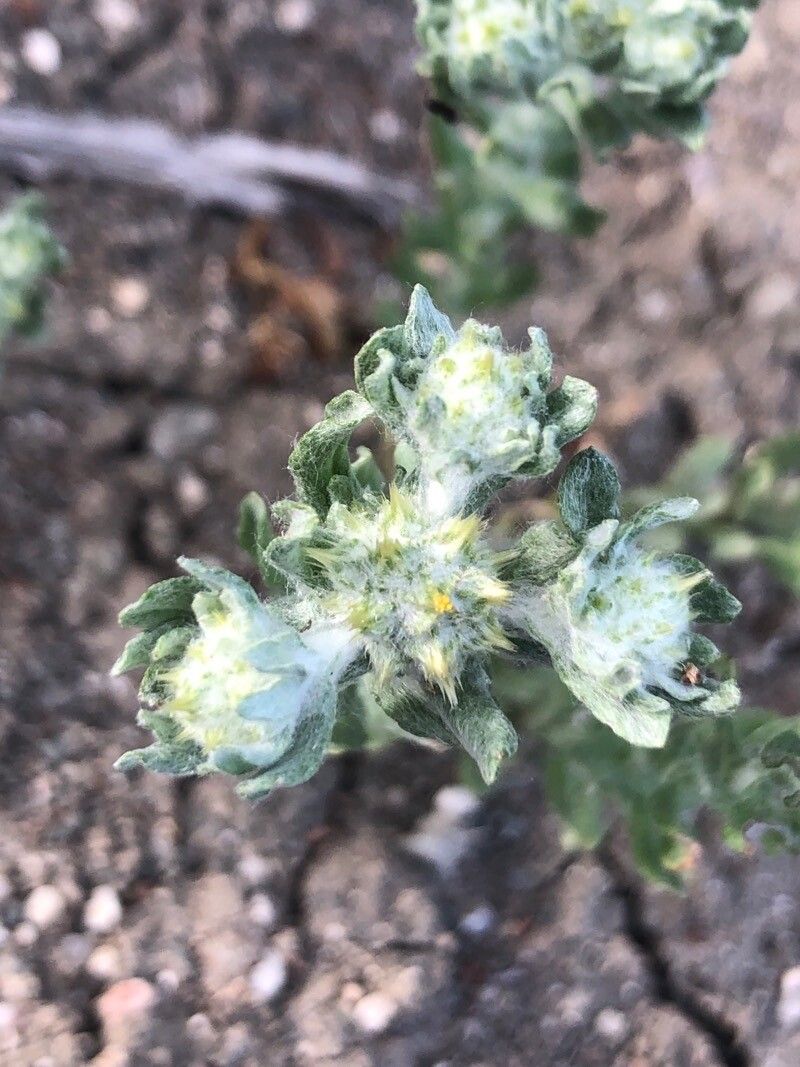
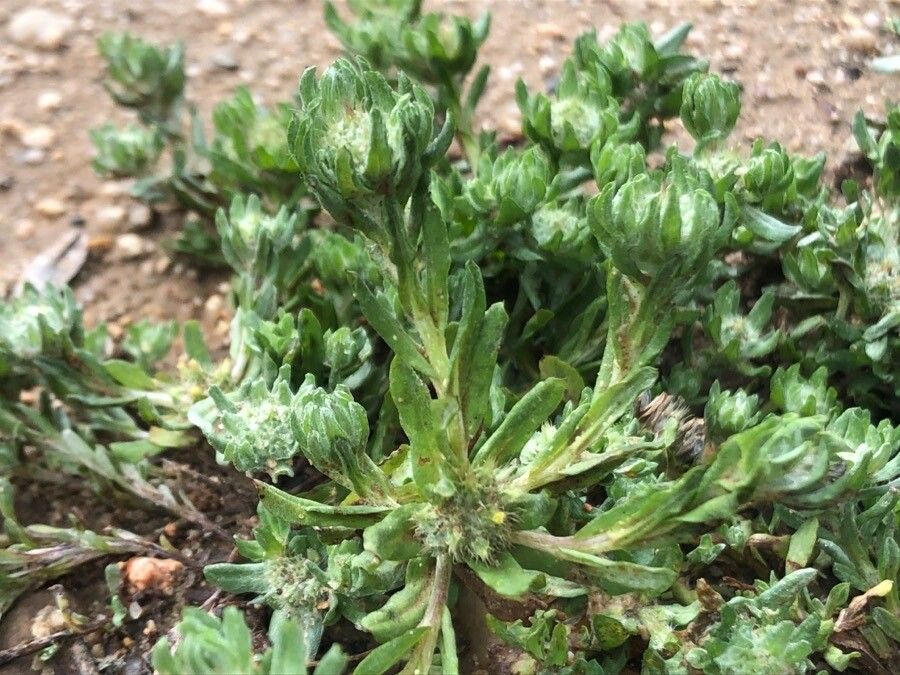
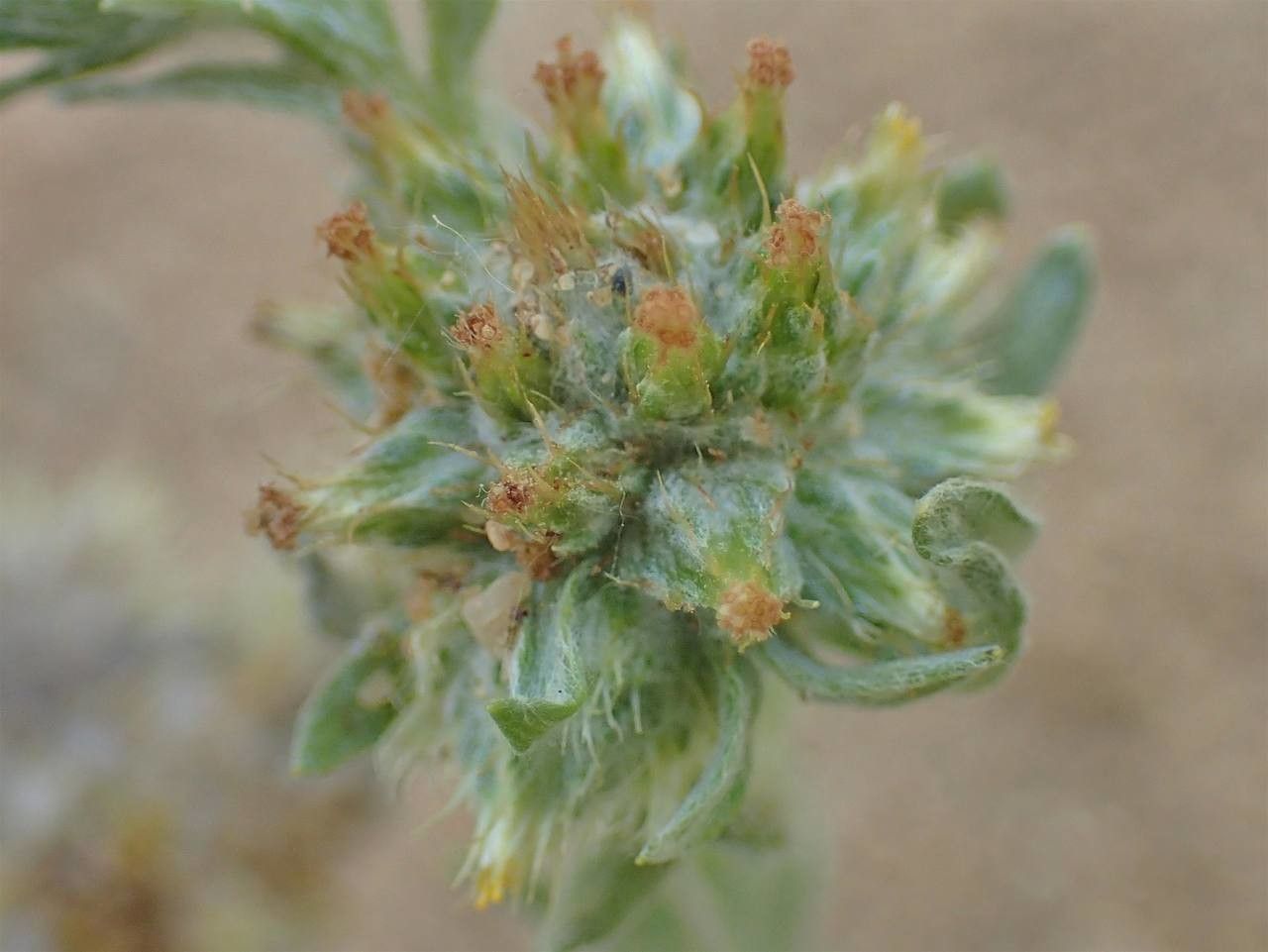
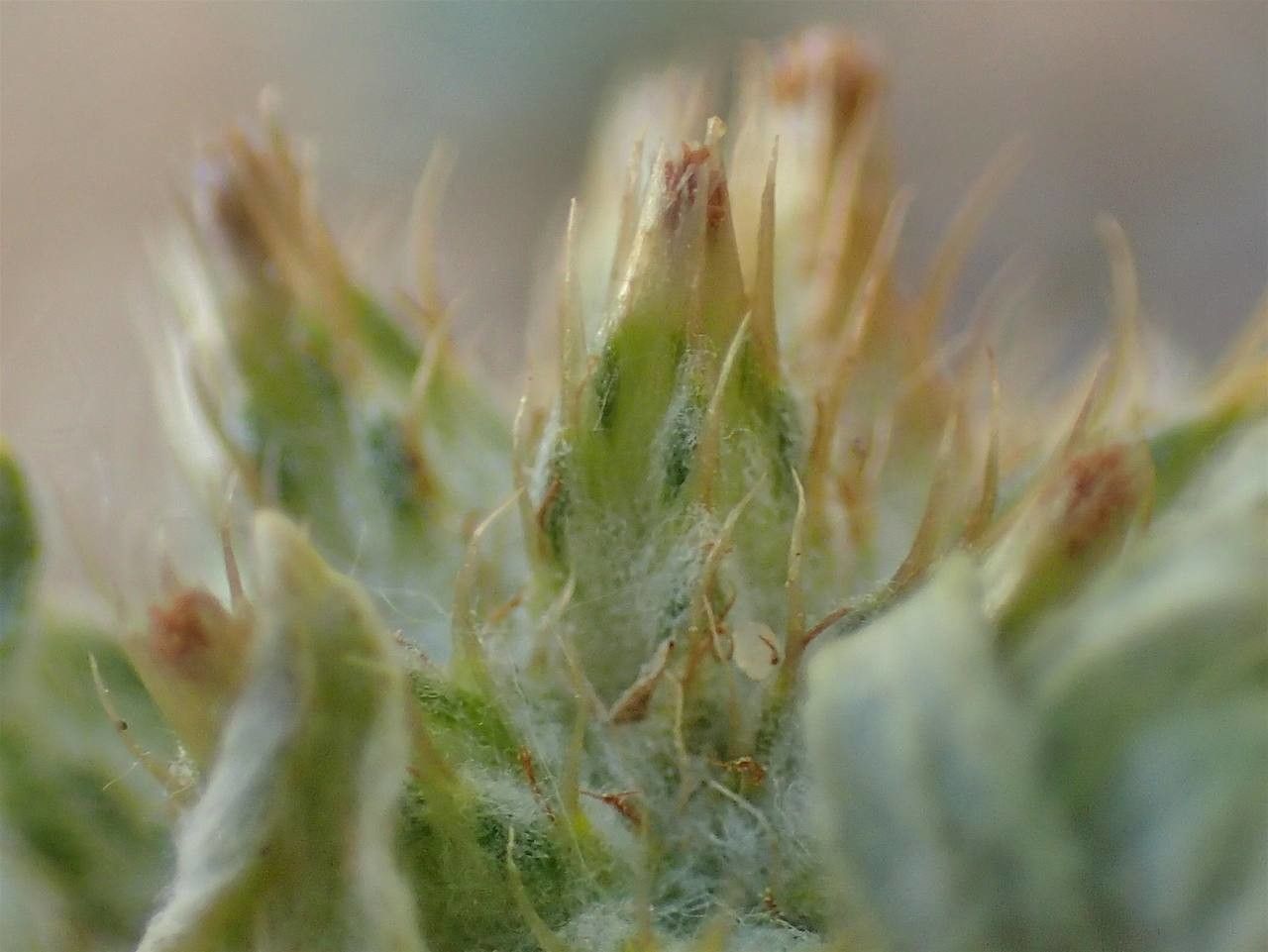
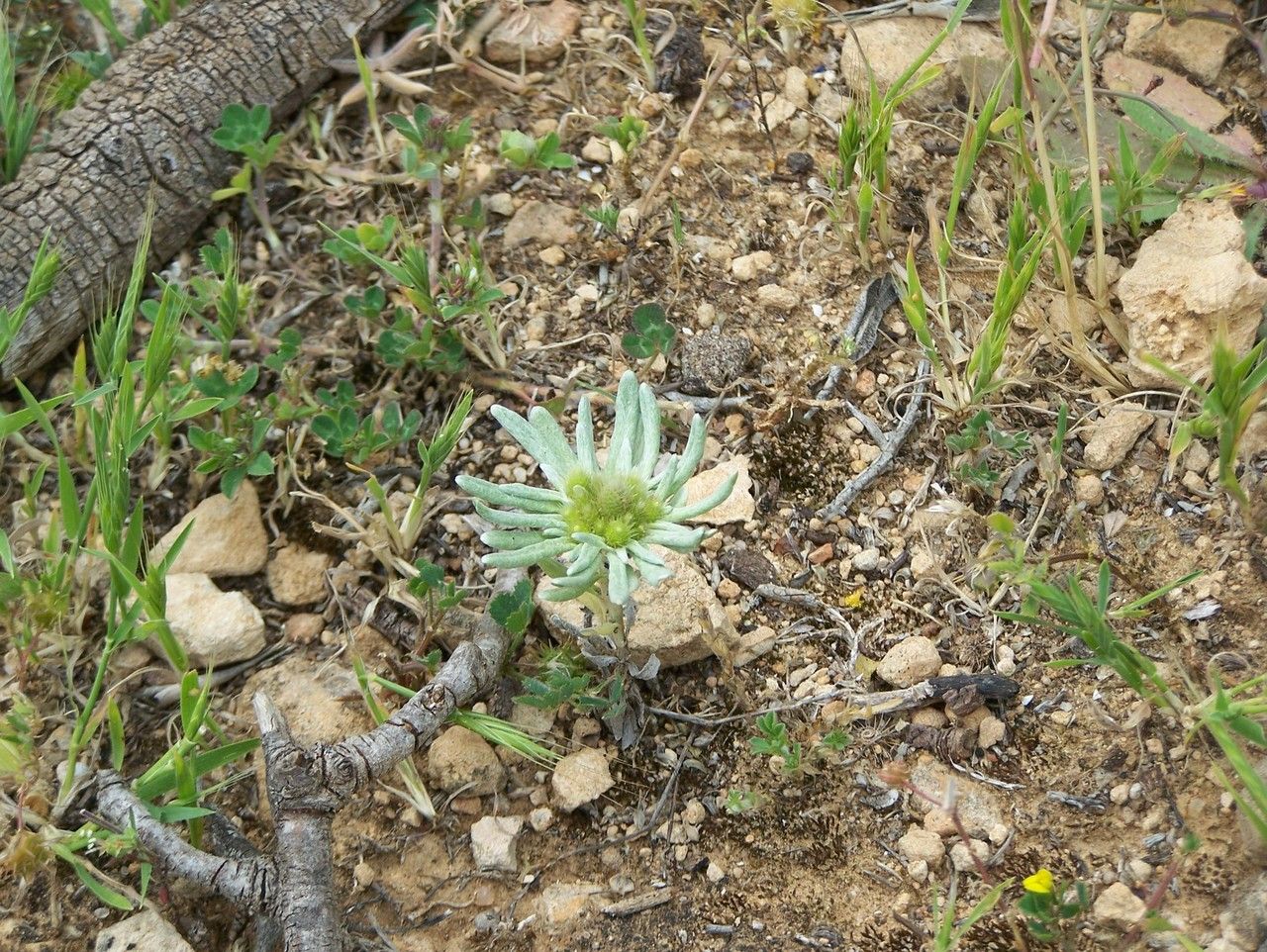
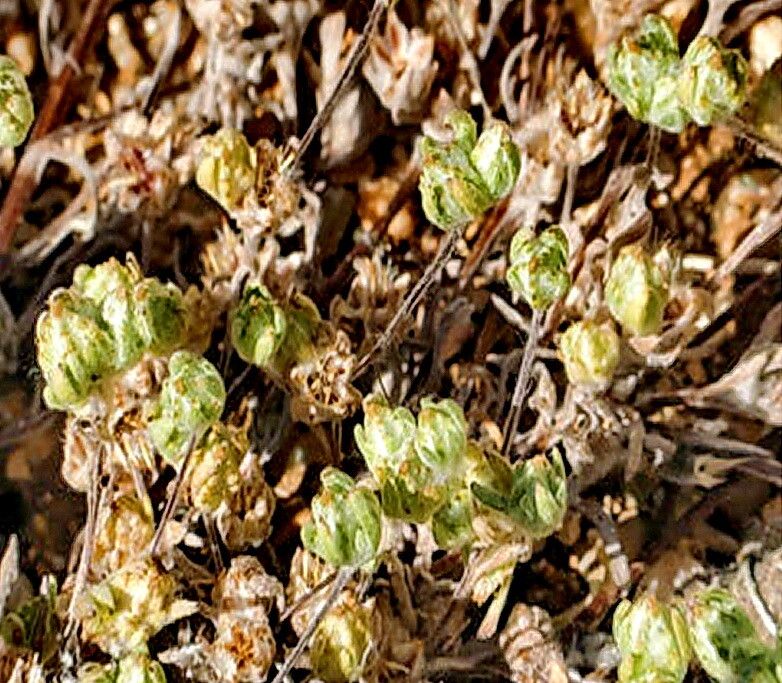
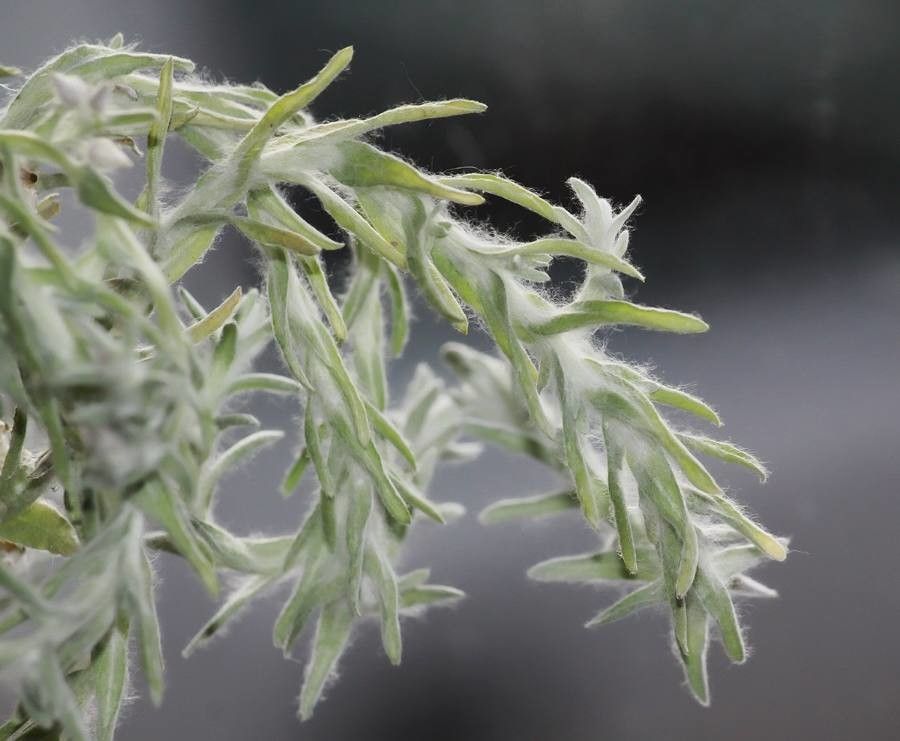
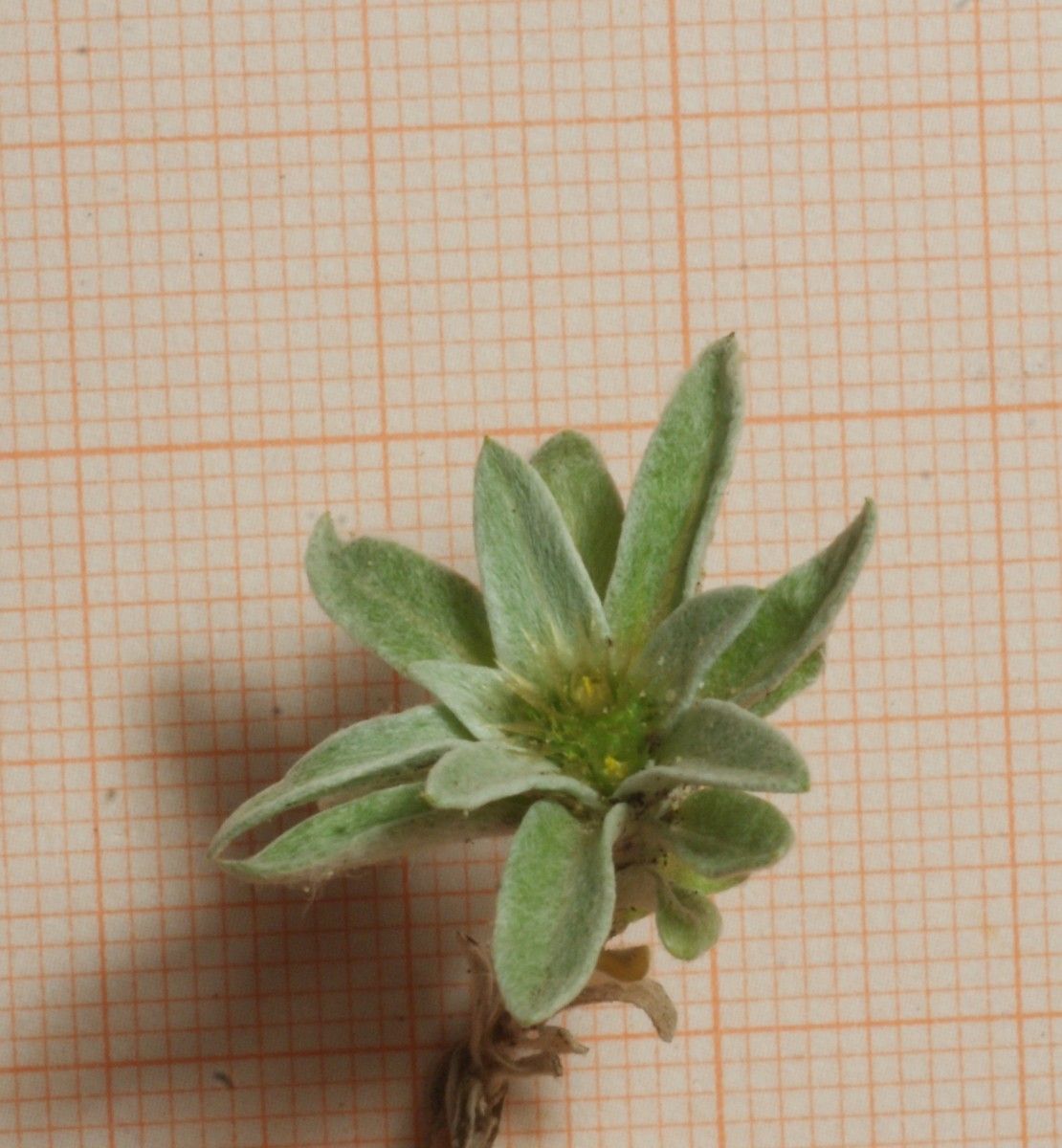
Filago pyramidata, the broadleaf cottonrose or broad-leaved cudweed, is a European plant species in the sunflower family. It is native to the Mediterranean region of southern Europe, northern Africa, and the Middle East, plus Great Britain, the Low Countries, and Germany. It is also naturalized in scattered locations in North America (British Columbia, Oregon, California) and Australia (South Australia, Victoria), Pakistan, and other places.Filago pyramidata is an annual plant up to 30 cm (12 in) tall, covered with woolly hairs. It produces flower heads in dense clumps of 8-16 heads, each containing several small flowers.
Broadleaf cottonrose is fairly disease-resistant and is generally not prone to illnesses. However, it can still be affected by pests and diseases found in its surroundings. These infections are typically not severe. Regarding care, this plant needs moderate maintenance. It should be pruned regularly to keep a good appearance and encourage healthy growth. Fertilizing can also help stimulate flowering. Broadleaf cottonrose is appropriate for anyone with an outdoor area, such as a garden or patio, and does not require much caregiving experience. It may need more attention when cultivated indoors.
How to keep Filago Pyramidata.
Light
Broadleaf cottonrose comes from bright, open habitats and flourishes in full sun. It can tolerate partial sun but prefers direct sunlight for optimal growth. This annual and biennial plant is noted for its sun-loving nature.
Water
The broadleaf cottonrose, a plant native to arid regions, flourishes with little moisture and thrives in dry conditions. While weekly watering is important, be careful not to overwater it. To cultivate it indoors, use well-draining soil that mimics its natural habitat to prevent root rot.
Temperature
Broadleaf cottonrose can tolerate a wide range of temperatures, but its distribution can still be constrained by different combinations of water and heat. It performs best in warm summer conditions with sufficient rainfall or watering. Extended periods of cloudy, rainy weather or prolonged high temperatures can raise the chance of Broadleaf cottonrose dying. In winter, adequate protection from cold can increase the plant's survival rate.
Fertilizer
Broadleaf cottonrose can benefit from frequent, light applications of fertilizer to encourage healthy leaf growth. Fertilize Broadleaf cottonrose about once a month during the summer. Nitrogen is important for foliage, and adding nitrogen-rich sources helps Broadleaf cottonrose thrive.
Pruning
Broadleaf cottonrose is known for its distinctive flower clusters and silvery foliage. To keep it healthy and looking its best, it's important to prune it between early and late spring. Pruning helps maintain the plant's shape, removes dead or diseased growth, and improves air circulation, which reduces the risk of disease. For precise cuts that encourage robust growth and overall plant health, be sure to use clean, sharp tools.
Botanical profile.
- Plant Type
- Herb
- Life Cycle
- Annual
- Genus
- Filago
- Family
- Asteraceae
- Hardiness Zone
- 7-10
- Mature Height
- 5 cm to 30 cm
- Mature Spread
- 5 cm to 20 cm
- Leaf Color
- Gray, Silver
- Leaf Type
- Deciduous
- Flower Color
- White
- Flower Size
- 0.20 cm to 0.25 cm
- Bloom Time
- Summer
- Planting Time
- Spring, Summer
- Harvest Time
- Late summer, Early fall, Mid fall
- Native Area
- Libya, Turkey, India, Montenegro, Pakistan, Croatia, Slovenia, Morocco, Uzbekistan, Russia, Iraq, Germany, Oman, Belgium, Netherlands, France, Saudi Arabia, Portugal, Tajikistan, Tunisia, Cyprus, Bulgaria, Armenia, Greece, Lebanon, Serbia, China, Norway, Afghanistan, Syria, Kyrgyzstan, Kazakhstan, Italy, Spain, Switzerland, Iran, Albania, Azerbaijan, United Kingdom, Algeria, Kuwait, Turkmenistan
Other names.
Reader questions.
How should I water my Broadleaf cottonrose plant?
Watering Broadleaf cottonrose is a flexible process. You can use a garden hose with a spray nozzle, a watering can, or any other common watering tool. This plant is not too particular about the type of water it receives - rainwater, tap water, or filtered water will all suffice. Avoid watering from above to prevent damage to the leaves and flowers and to lower the risk of disease. Drip irrigation systems are recommended for watering this plant as they distribute water evenly and directly to the soil. When it comes to container-grown Broadleaf cottonrose, use a cup, watering can, or tap to apply water directly to the soil.
What are the sunlight requirements for Broadleaf cottonrose?
Broadleaf cottonrose, also known by its botanical name Filago pyramidata, thrives in environments that closely mimic its native bright, open habitats. It requires full sun, defined as more than 6 hours of sunlight daily, to grow optimally. Partial sun, or about 3-6 hours of sunlight per day, is also tolerable, but the plant prefers abundant direct sunlight for optimal growth and health. An insightful tip to remember is to observe how sunlight moves through your garden, selecting locations that provide an ideal balance of light and shade to match the specific needs of your plants, including the Broadleaf cottonrose.
What should I do if I give my Broadleaf cottonrose plant too much water or too little water?
To properly care for your Broadleaf cottonrose, it's important to address the issues of underwatering and overwatering. When your plant lacks moisture, the simple solution is to water it more regularly. However, overwatering can be more problematic and can lead to diseases and even the death of your plant. To prevent this, it's crucial to choose a suitable location for your plant that receives ample sunlight to dry the soil and has good drainage to prevent waterlogging. If you have an overwatered Broadleaf cottonrose in a pot, you may need to consider repotting it. Ensure that the new pot has proper drainage holes and use loose soil to promote efficient drainage.
How can artificial lighting be used for indoor Broadleaf cottonrose plants?
For Broadleaf cottonrose plants grown indoors, adequate lighting is crucial, especially when natural sunlight is insufficient, such as during winter or in less sunny indoor spaces. Artificial lighting presents a practical solution to this challenge. LED lights are recommended because they can be customized to supply the specific light wavelengths needed by plants. The artificial light requirements vary based on the type of plant - full sun plants need 30-50W/sq ft, partial sun plants require 20-30W/sq ft, and full shade plants need 10-20W/sq ft. The light source should be placed 12-36 inches above the plant to mimic natural sunlight as closely as possible. It's also essential to replicate the natural daylight hours most plants thrive under, which typically means providing 8-12 hours of light per day.
How frequently should I water my Broadleaf cottonrose?
Broadleaf cottonrose requires regular watering throughout the growing season. In spring, water the plant about once per week. As the season progresses and gets warmer, you may need to water it two to three times per week. However, exceeding this rate can harm the plant. Regardless of watering frequency, make sure the soil remains moist but not wet. If the Broadleaf cottonrose is in a pot, you'll need to water it more frequently. The soil in pots tends to heat up and dry out faster than ground soil. In most cases, water a container-grown Broadleaf cottonrose a few times per week, compared to just once per week for a plant in the ground.
What are the symptoms of light deficiency in Broadleaf cottonrose?
When Broadleaf cottonrose is grown indoors or under inadequate light conditions, it might exhibit several symptoms indicating light deficiency. These include the development of smaller new leaves, leggy or sparse growth due to longer spaces between leaves or stems, faster leaf drop as a resource conservation measure, slowed or completely ceased new growth, and lighter-colored or pale new leaves lacking chlorophyll and essential nutrients. Additionally, chlorosis might occur, causing leaves to turn yellow as chlorophyll breaks down. Excessive sunlight can lead to sunscald, leaf curling as a defense mechanism against water loss, wilting due to increased transpiration, and leaf scorching characterized by brown, dry patches on leaves.
How much water does my Broadleaf cottonrose require?
Determining the right amount of water for your Broadleaf cottonrose can be approached in a few different ways. Some gardeners prefer to assess soil moisture by feeling it and recommend watering until the top six inches are moist. Alternatively, you can use a set measurement of around two gallons per week depending on temperature and soil dryness, but don't stick strictly to this if your plant requires less water. When growing in a container, use a different method. Ensure all soil layers are moist by checking with your finger, or water until you see some excess water coming out of the pot's drainage holes.
How do you address light deficiency or excessive sunlight exposure in Broadleaf cottonrose?
Addressing light deficiency or excessive sunlight exposure in Broadleaf cottonrose involves several strategies. Indoors, gradually move the plant to sunnier locations until it receives at least 6 hours of direct sunlight daily, utilizing a south-facing window and keeping curtains open for maximum exposure. If the plant is large, consider supplemental artificial light, keeping a desk or ceiling lamp on for a minimum of 8 hours daily or investing in professional grow lights. Outdoors, adjust the plant's location gradually to prevent sunburn, allowing it to adapt to increased light intensities. If sunlight is obstructed, prune any trees or foliage blocking the light or transplant smaller plants to sunnier areas, ensuring to do so during their dormant period. It's important to note that while parts of the plant affected by insufficient sunlight may not recover, new growth following increased light exposure will be healthy.
How can I know if I'm giving enough water to my Broadleaf cottonrose?
To avoid overwatering your Broadleaf cottonrose, keep in mind its deep roots that need to be moistened weekly. However, be careful as these plants are highly prone to root rot and browning when overwatered. On the other hand, underwatering is less of a concern as these plants can tolerate some drought. Yet, if you neglect to water them for too long, they will start to wilt and develop dry leaves.
How should I water my Broadleaf cottonrose throughout the year?
As the seasons change, your Broadleaf cottonrose will have varying water needs. In the spring, watering about once a week should be sufficient. However, as the summer heat sets in, your Broadleaf cottonrose will likely require more frequent watering, sometimes up to three times a week. This is especially important for potted plants, as container soil tends to dry out faster in warm weather. In the fall, when the temperature cools and the sun becomes less intense, your Broadleaf cottonrose may need slightly less water, even while it is still in bloom.
How should I water my Broadleaf cottonrose as it grows?
Broadleaf cottonrose goes through various growth stages throughout the year, each with different water requirements. Initially, when you start with a seed, it is important to provide more water than the mature plant will need. This means watering frequently to keep the soil consistently moist during germination. As the Broadleaf cottonrose begins to emerge from the soil after a couple of weeks, it will require slightly less water compared to the seedling stage. Once the plant is fully mature, you can switch to a weekly watering frequency. Additionally, during flower development, it may be necessary to give slightly more water to support the process.
What's the difference in how we should water Broadleaf cottonrose plants inside versus outside?
There are multiple reasons why Broadleaf cottonrose plants are better suited for outdoor rather than indoor growth. Firstly, these plants tend to grow tall, making it difficult to accommodate them indoors. Additionally, Broadleaf cottonrose requires more sunlight than most indoor locations can offer on a daily basis. However, if you manage to provide a suitable indoor growing environment, be aware that you may need to water your Broadleaf cottonrose more frequently compared to outdoor growth. Indoor locations are typically drier due to HVAC units, and container soil can dry out rapidly as well, unlike soil in the ground.