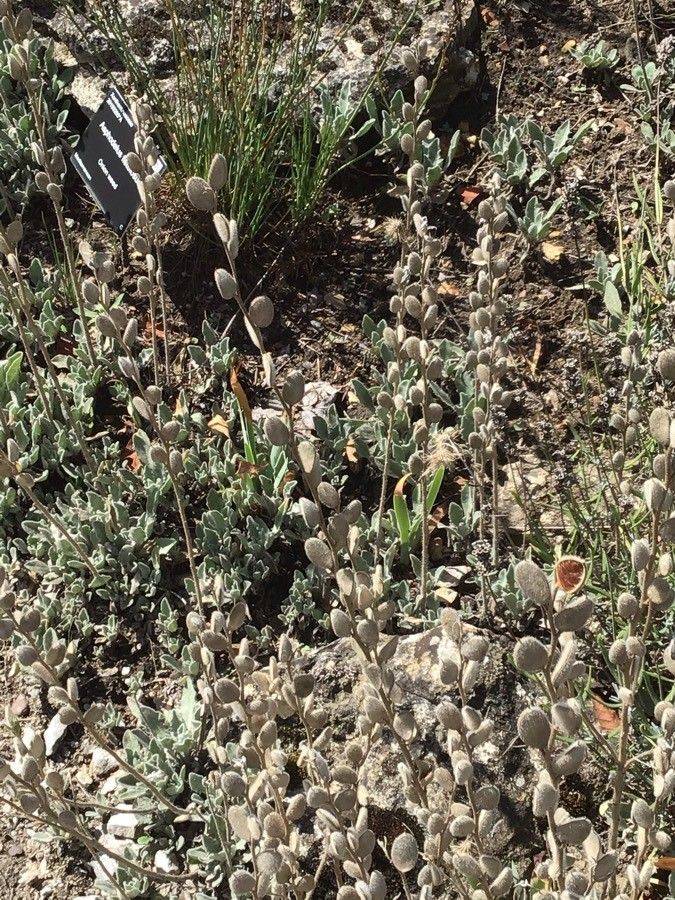
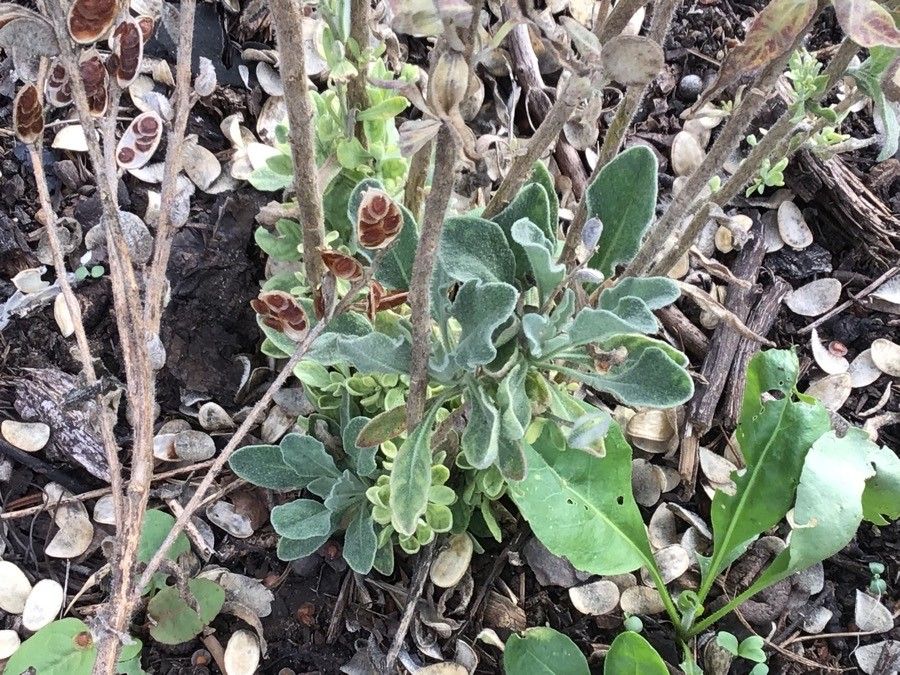
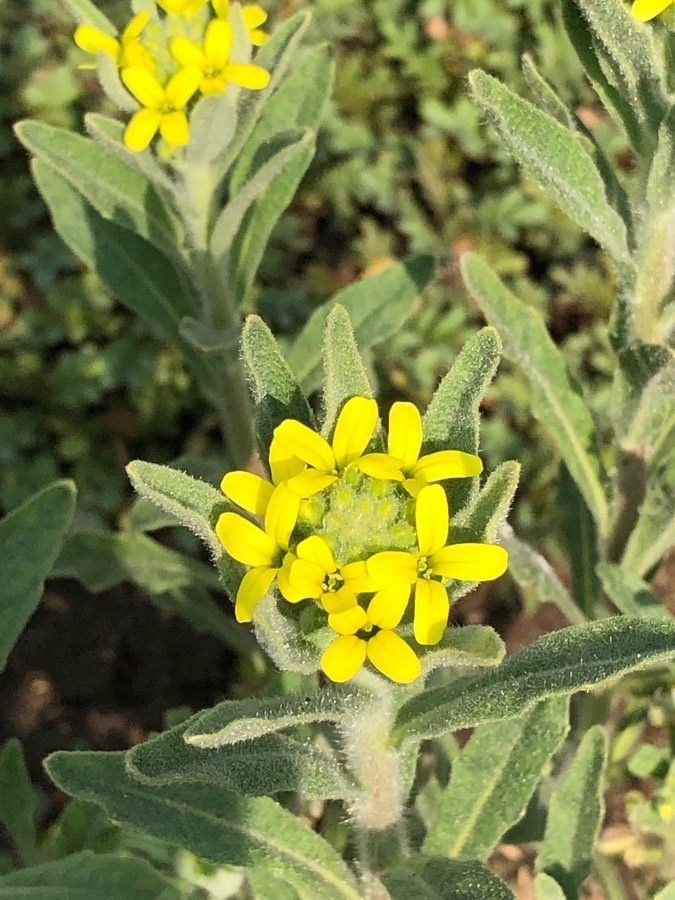
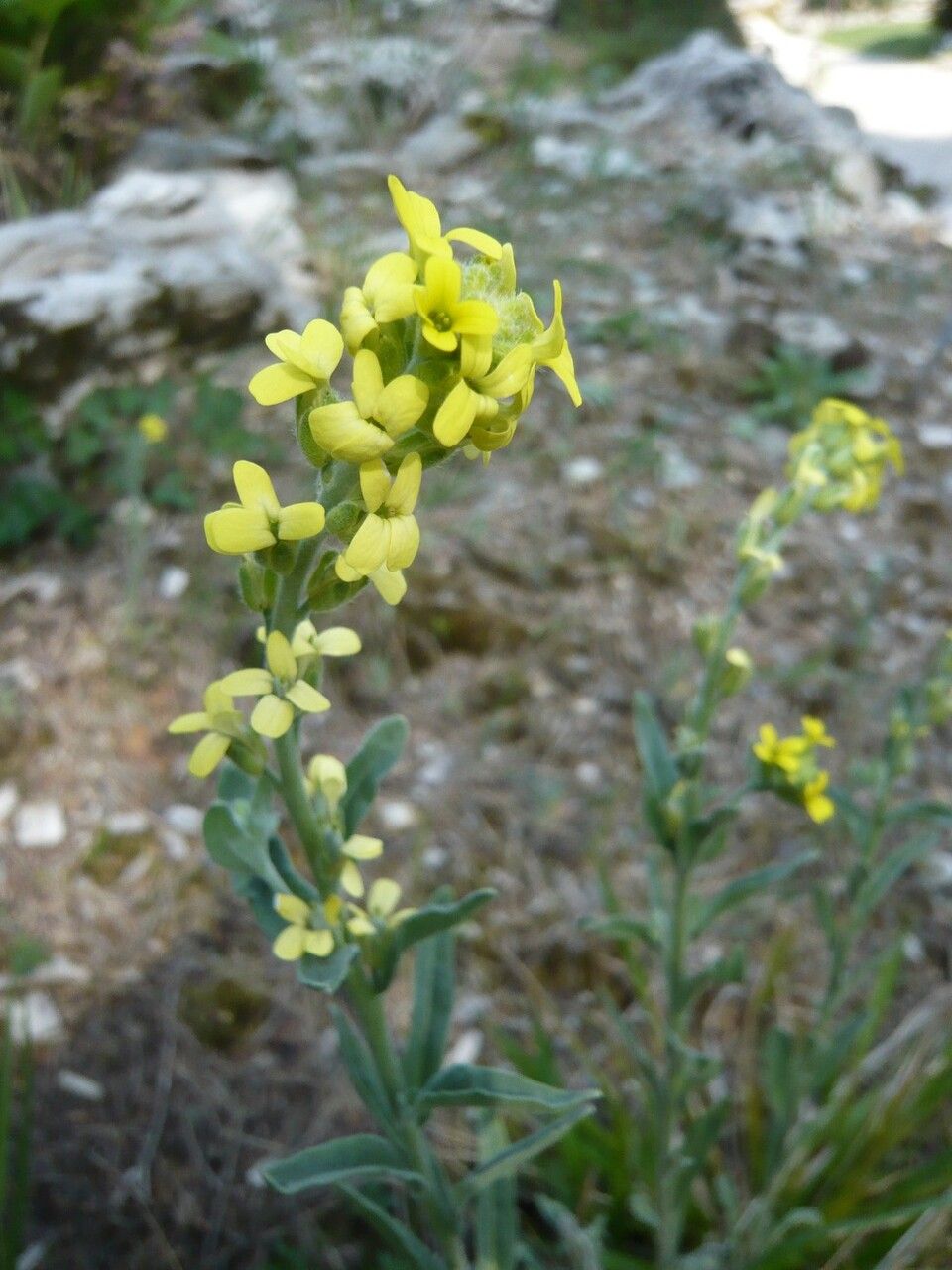
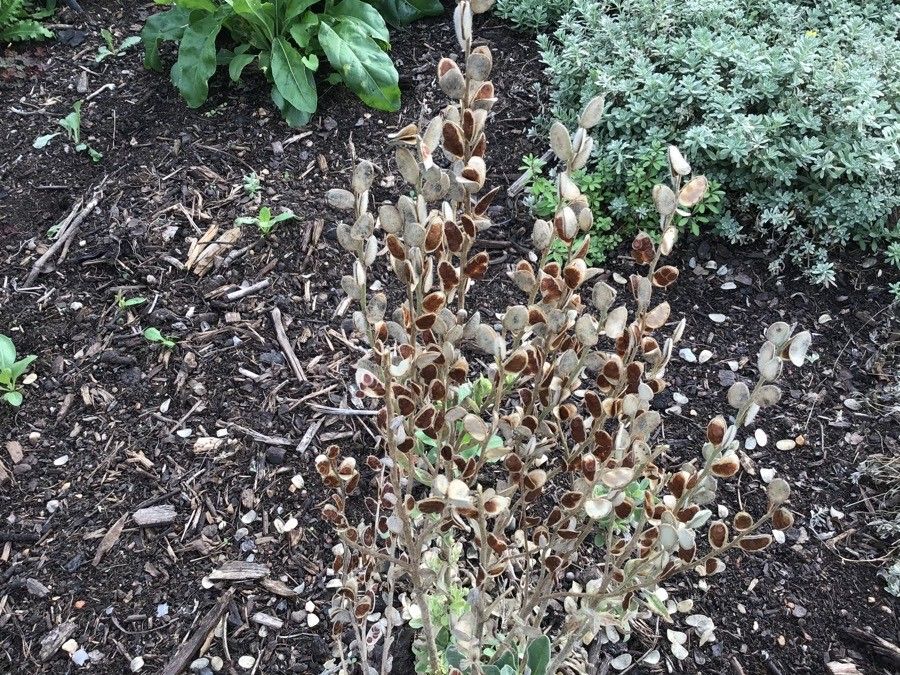
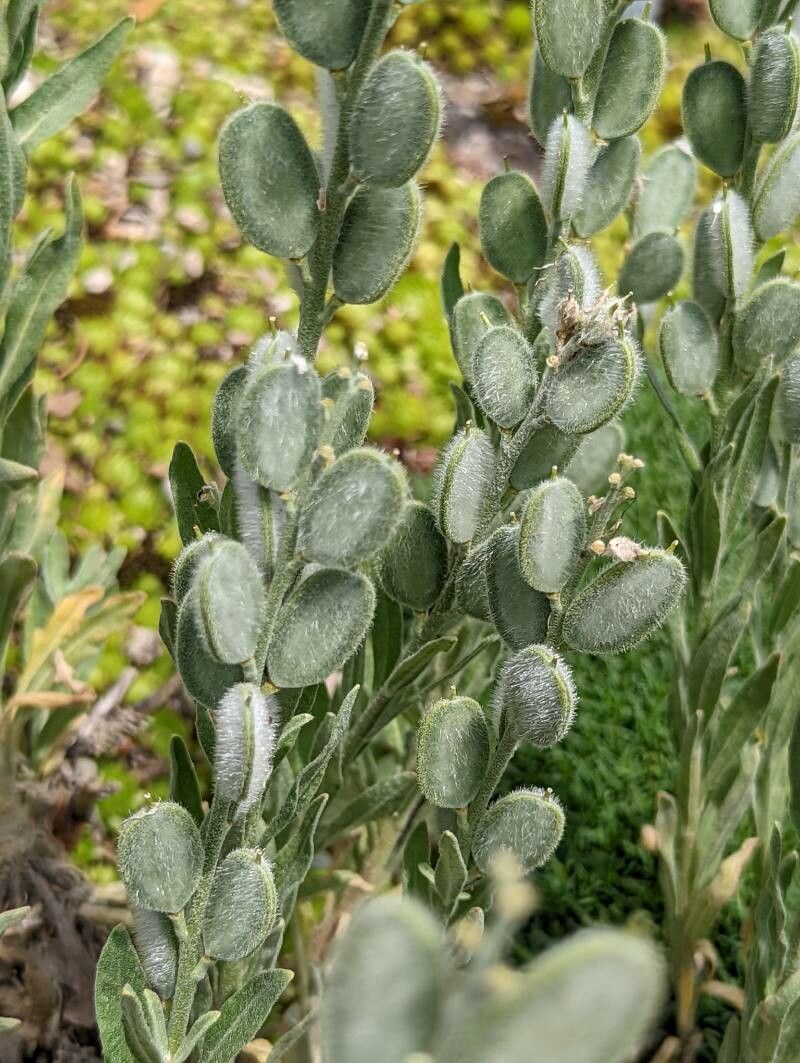
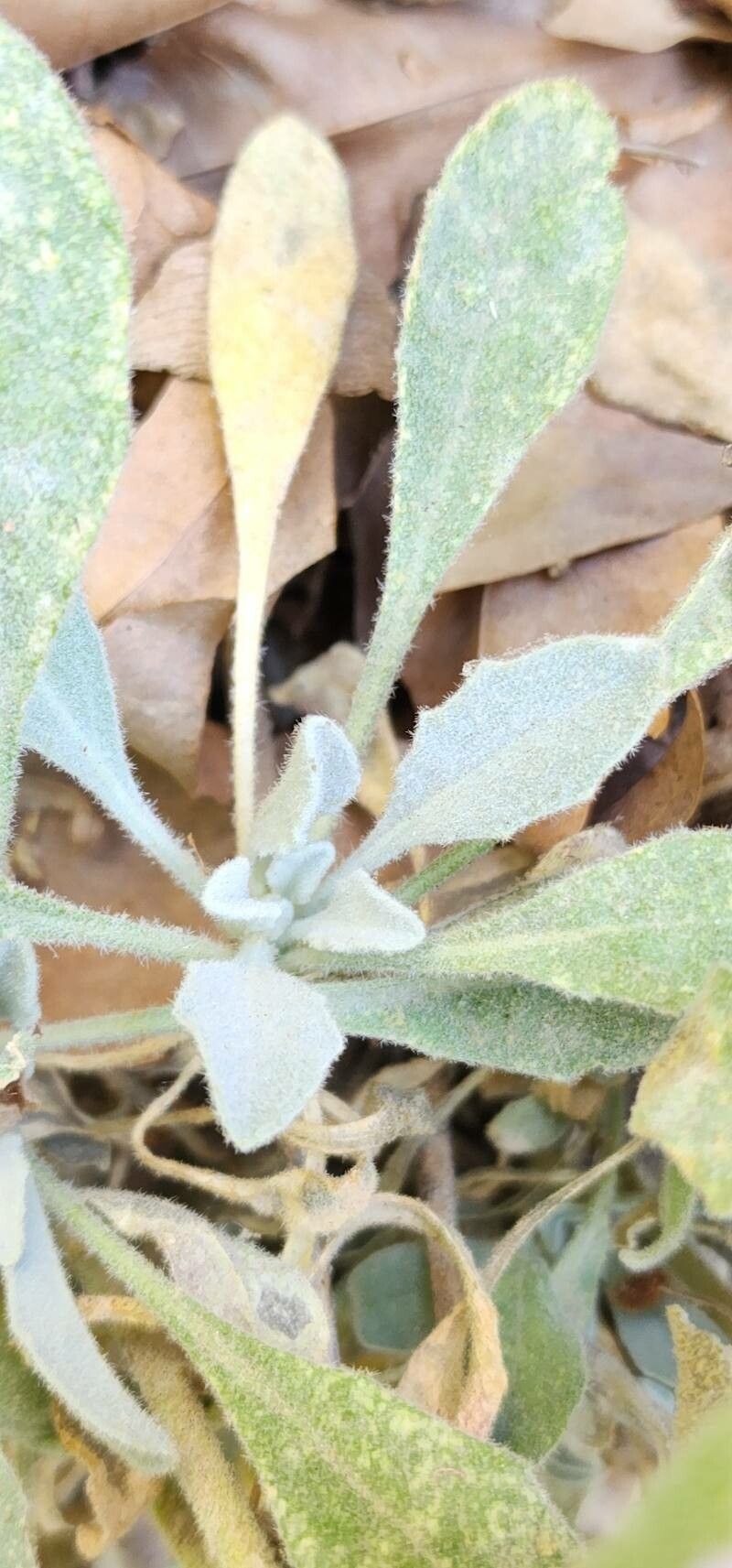
Fibigia clypeata is an Asian species of flowering plant of the genus Fibigia in the family Brassicaceae. It is distributed throughout Greece, Iran, Jordan, Lebanon, Palestine, Syria and Turkey, where it flowers between February and April.This plant is found in abundance and is native to the Shouf Biosphere Reserve in Lebanon. Its common Arabic name is بتلة كالمرساة. Its common English name is False-gypsophila ankyropetalum. Its common French name is Ankyropetale fausse- gypsophylle.It is a drought-tolerant perennial suitable for xeriscaping.Its current name is Fibigia clypeata subsp. eriocarpa (DC. ,Greuter, 2012). Its homotypic synonyms are Farsetia eriocarpa (DC., 1821) and Fibigia Eriocarpa (DC., Boiss., 1867).
Roman Shields is fairly resistant to disease and usually does not fall ill easily. Still, it can be affected by pests and diseases present in its environment. These outbreaks tend to be mild. For care, the plant needs moderate maintenance. It should be pruned regularly to keep a neat appearance and support healthy growth. Fertilizing can also help encourage flowering. Roman Shields is suitable for anyone with outdoor space, like a garden or patio, and does not demand extensive gardening experience. It may require extra care if grown indoors.
How to keep Fibigia Clypeata.
Light
Roman Shields thrives in environments that receive ample daytime sunlight. Its native habitats are commonly found in areas where clear skies predominate. Too little light can lead to wilting, while too much can scorch the leaf tips, and the plant requires consistent illumination at every stage of growth.
Water
Originating from Southern Europe, Roman Shields thrive in environments with moderate moisture, balanced by periods of dryness and rainfall. To maintain optimal conditions, it's best to water them weekly. During the growing season, rainwater helps promote healthy growth by mimicking the natural water variations of their native habitat.
Temperature
Roman Shields is native to environments that usually have a consistent temperate climate and thrives most in temperatures between 68 and 95 °F (20 to 35 °C). The plant can adjust to warmer seasons by increasing its water uptake to offset temperature spikes.
Fertilizer
The primary time to fertilize Roman Shields is in early spring when the flowers are beginning to form. Using the proper fertilizer promotes improved blooms and helps Roman Shields produce attractive flowers. Fertilizing in early spring ensures strong flowering throughout the season and supplies energy for periods of dormant growth.
Pruning
Prune Roman Shields in early to late spring to remove dead stems and encourage bushier growth. To prevent disease, use clean, sharp tools. After pruning, consider adding mulch to help retain moisture. Regular pruning not only enhances the ornamental value of Roman Shields but also improves the overall aesthetic appeal of your garden.
Botanical profile.
- Plant Type
- Herb
- Life Cycle
- Perennial, Biennial
- Genus
- Fibigia
- Family
- Brassicaceae
- Hardiness Zone
- 6-9
- Mature Height
- 61 cm
- Mature Spread
- 30 cm
- Leaf Color
- Green
- Leaf Type
- Deciduous
- Flower Color
- Yellow
- Flower Size
- 1.02 cm to 1.52 cm
- Bloom Time
- Early spring, Mid spring
- Planting Time
- Spring, Summer, Autumn
- Harvest Time
- Late spring, Early summer
Other names.
Reader questions.
How should I water my Roman Shields properly?
To properly water the Roman Shields, it is important to follow these steps: 1. Use filtered water at room temperature or slightly warmer. Tap water may contain harmful particles that can negatively affect the plant's health. 2. The Roman Shields prefers warm environments, so avoid using cold water as it may shock the plant. 3. Instead of overhead watering, apply the filtered room temperature water directly to the soil until it is fully soaked. This method helps to avoid foliage complications. 4. Soaking the soil has many benefits for the plant. It ensures that the roots are adequately moistened and allows them to spread and collect the necessary nutrients from the soil.
What are the sunlight requirements for Roman Shields?
Roman Shields require full sun exposure to thrive, meaning they should receive above 6 hours of sunlight daily. It's essential to observe the movement of sunlight through your garden to find spots that provide a perfect balance of light and shade, ensuring the plants' health and happiness. Their native environment typically has ample daylight exposure, making it vital for their growth. Insufficient or excessive light can lead to issues such as wilting, scorching, or slower growth.
What is the best temperature for Roman Shields?
The best temperature for Roman Shields depends on the time of year. There are two primary seasons to consider: the growing season and the dormancy season. During the growing season, when Roman Shields has sprouted, the ideal temperature range is between 65-80℉ (18-27℃). If the temperature drops below 15℉ (-10℃), the plant may suffer. Its leaves may turn brown and wilt, but with some assistance, Roman Shields may be able to survive a short cold snap. Similarly, during the warmer parts of the year, Roman Shields should be protected from temperatures that are too high. The maximum temperature range for this plant is 95-105℉ (35-40℃). Anything above that can damage the foliage and blooms, causing wilting, drooping, and even sunburn on the leaves. Recovery from such damage can be challenging for Roman Shields. Fortunately, there are several quick and easy ways to address this issue.
What do I do if I give my Roman Shields too much or too little water?
Both overwatering and underwatering can harm the health of your Roman Shields, but overwatering is more common. When this plant gets too much water, its stems and leaves wilt and turn yellow. Overwatering for a long time can also cause diseases like root rot, mold, and mildew, which can be fatal for your plant. Underwatering is less common because Roman Shields are somewhat tolerant of drought. However, it is still possible, and if it happens, the leaves will become dry and brown. It is very important to recognize the signs of overwatering early when taking care of your Roman Shields. Some of the diseases caused by overwatering, like root rot, may not be fixable if you wait too long. If you see early signs of overwatering, reduce your watering immediately. You should also check the soil quality where your Roman Shields is planted. If the soil doesn't drain well, replace it with loose, well-draining potting mix. If you notice signs of underwatering, simply water more frequently until the signs go away.
How can artificial lighting benefit Roman Shields?
Artificial lighting can be crucial for the growth of Roman Shields, especially when natural sunlight is insufficient, like in winter or less sunny spaces. It promotes healthier and faster growth. LED lights are recommended as they can be customized to provide specific light wavelengths needed by the plant. For full sun plants, 30-50W/sq ft of artificial light is needed; partial sun plants require 20-30W/sq ft, and full shade plants need 10-20W/sq ft. The light should be placed 12-36 inches above the plant and kept on for 8-12 hours a day to mimic natural daylight hours.
What temperatures do young Roman Shields need in their first year?
If this is the first year of your Roman Shields being planted outside, it may require some extra care during the coldest months. Frost can be particularly damaging to a first-year Roman Shields, and may hinder its healthy growth in the spring. To ensure its well-being, the plant should be kept at or above 40℉ (5℃) until it becomes established. This can be achieved by either bringing the Roman Shields indoors for a month or two, or by using mulch or fabric barriers to protect it from frost. During the first year or two, it is advisable to plant Roman Shields in a shadier location. This is because smaller and weaker plants have a harder time regulating their own temperatures in hot weather. Ideally, first-year Roman Shields should not receive more than five hours of direct sunlight per day, especially if the temperature exceeds 80℉ (27℃). To control the summer heat, using shadecloth and providing regular watering or misting are essential.
How often do I need to water my Roman Shields?
If your Roman Shields plant is in a pot, the most precise way to check if it needs water is to stick your finger into the soil. If the top two to three inches of soil are dry, it's time to water it. If you're growing Roman Shields outdoors in the ground, you can use the same method. Once the top few inches of soil have dried out, it's time to water. Normally, you'll need to water this plant about once a week in spring and early fall. During extremely hot weather, you may need to water it twice or more per week. However, mature, well-established Roman Shields plants have a great ability to survive drought.
What symptoms indicate insufficient sunlight for Roman Shields?
Symptoms of inadequate lighting in Roman Shields include smaller new leaves, leggy or sparse growth, faster leaf drop, delayed or halted growth, paler new leaves, chlorosis (yellowing leaves due to chlorophyll breakdown), sunscald (damage from intense sunlight), leaf curling (to minimize water loss), wilting (from too much sun causing increased water loss), and leaf scorching (brown, dry edges on leaves). These symptoms signify that the plant is not receiving the optimal light conditions for its health.
How can I keep Roman Shields safe from really hot or really cold weather?
If cold temperatures below 15℉(-10℃) occur during the growing season, there are ways to protect Roman Shields from frost damage. If you're growing them in containers, bring them inside with indirect light until it warms up again. If they're in the ground, use mulch or horticultural fabric to create an insulated barrier. To prevent damage from temperatures hotter than 80℉(27℃), limit their sunlight exposure to six hours or less per day, preferably in the morning. Use shade cloth or fine plastic mesh to reduce direct sunlight during the hottest parts of the day. A misting system can also help lower ground temperatures with a slow release of cooling mist.
How much water do my Roman Shields require?
When watering your Roman Shields, don't be afraid to use plenty of water. Make sure the top two to three inches of soil are dry before watering, and then give the plant a good, deep watering. It's important to add enough water to saturate the soil completely, causing excess water to flow out of the drainage holes at the bottom of your pot. If you don't see excess water draining, you may not have watered enough, but be careful not to let water accumulate in the soil as this can harm the plant. On the other hand, if water doesn't drain properly, it could mean that the soil doesn't drain well, which is not good for the plant's health. If you're watering plants outside, one inch of rain per week should be enough.
What are solutions for Roman Shields' light-related issues?
To address light deficiencies or excess in Roman Shields, gradually acclimate plants to the right amount of sunlight. Indoors, move plants weekly to sunnier locations until they receive at least 6 hours of direct sunlight a day, or use artificial light for large or immobile plants. Outdoors, also move plants progressively to avoid shock. Prune trees that shade your plants too much, and consider transplanting smaller plants to sunnier spots during their dormant period. While some parts of the plant affected by light issues may not recover, new growth will be healthy with better light exposure.
Suggestions for the ideal temperatures during the inactive season for Roman Shields.
In order for Roman Shields to remain dormant and avoid sprouting too early, it needs a certain level of cold during the winter months. If it starts sprouting before the last frost danger has passed, it could be fatal, especially if it's already started growing when the frost hits. Ideally, winter temperatures should stay below 32℉(0℃), but if they reach 40℉(5℃), it's not a problem. However, in more temperate climates like woodland rainforests, unexpected warm spells can cause Roman Shields to sprout prematurely. If there's still a risk of frost, you can protect the sprout by covering it with clear plastic on stakes. This cover can be removed once the frost danger has passed. Although Roman Shields may naturally sprout at the right time occasionally, using this method increases the chances of successful second sprouting.