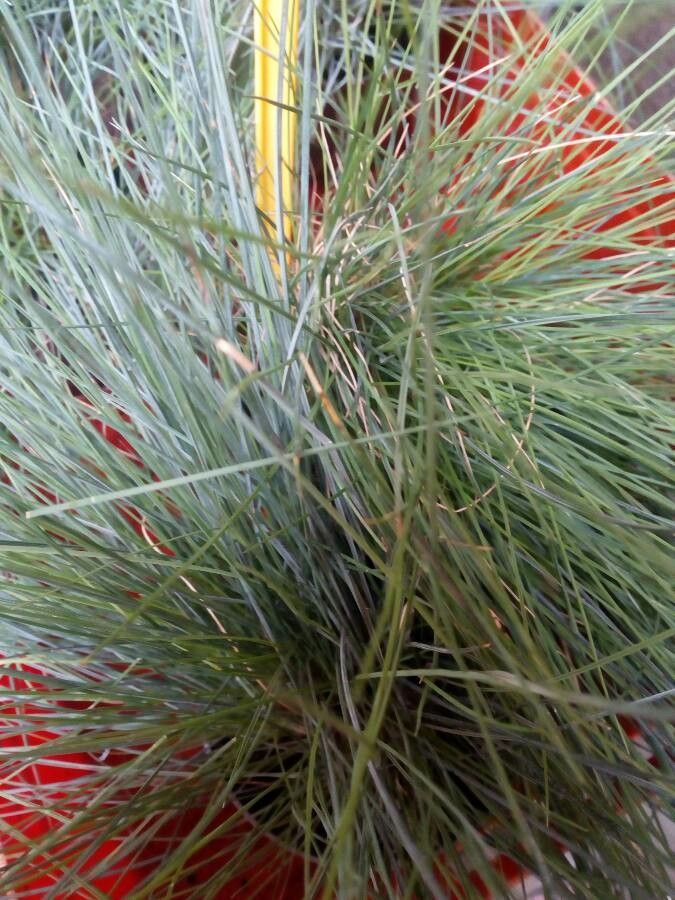
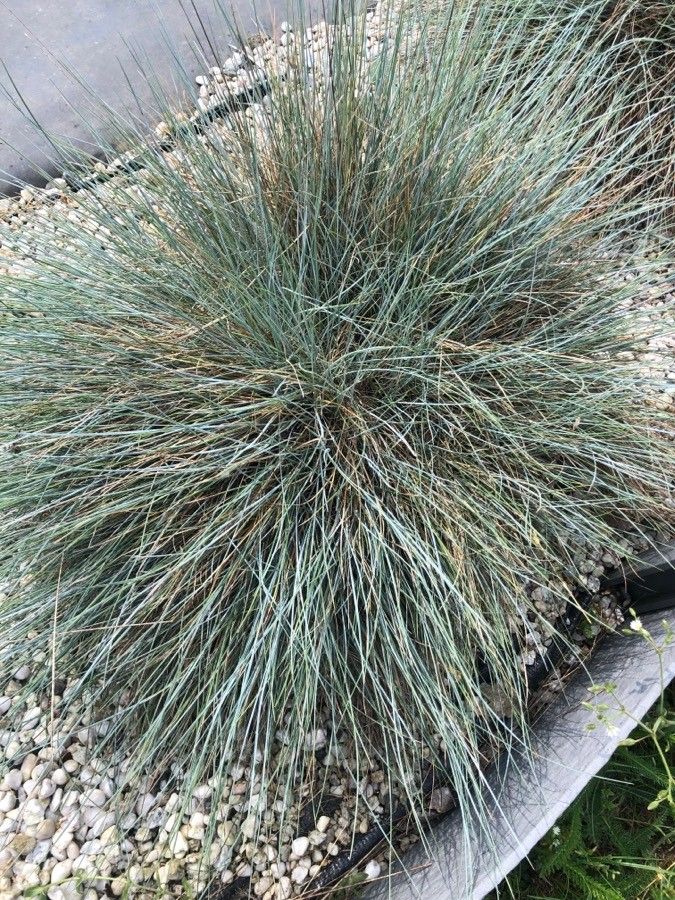
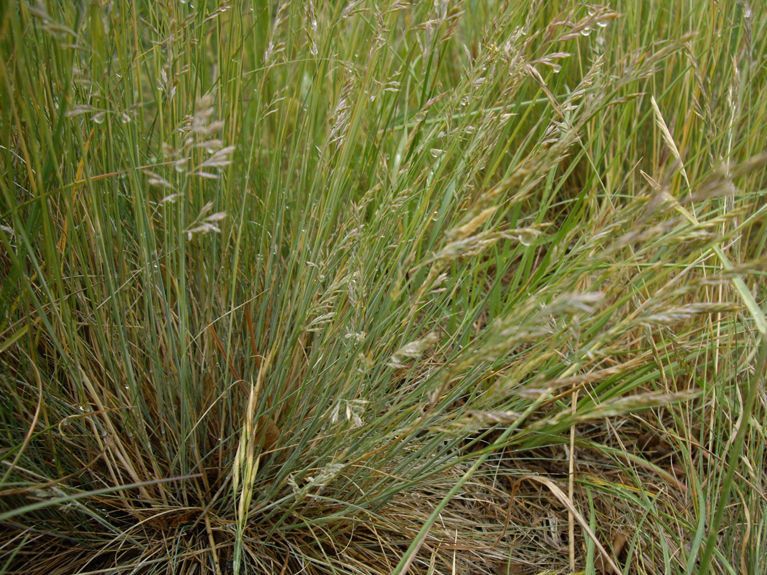
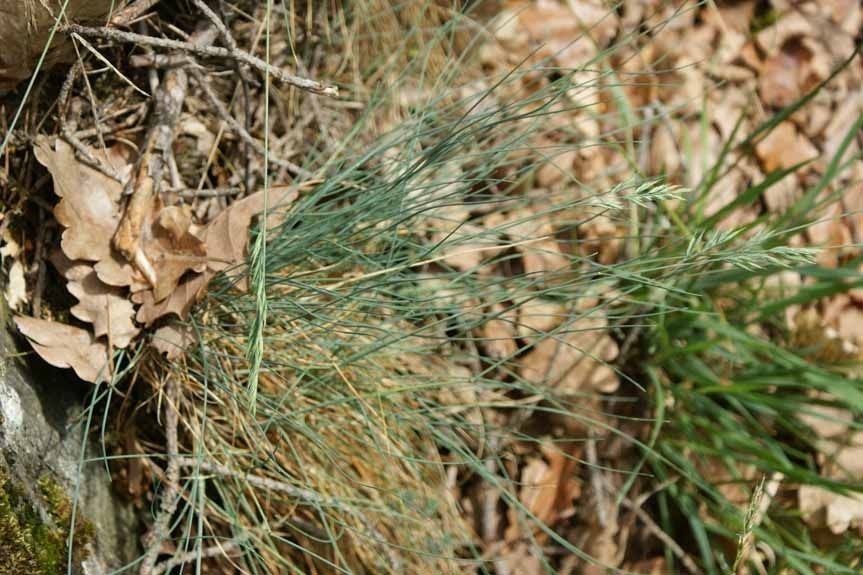
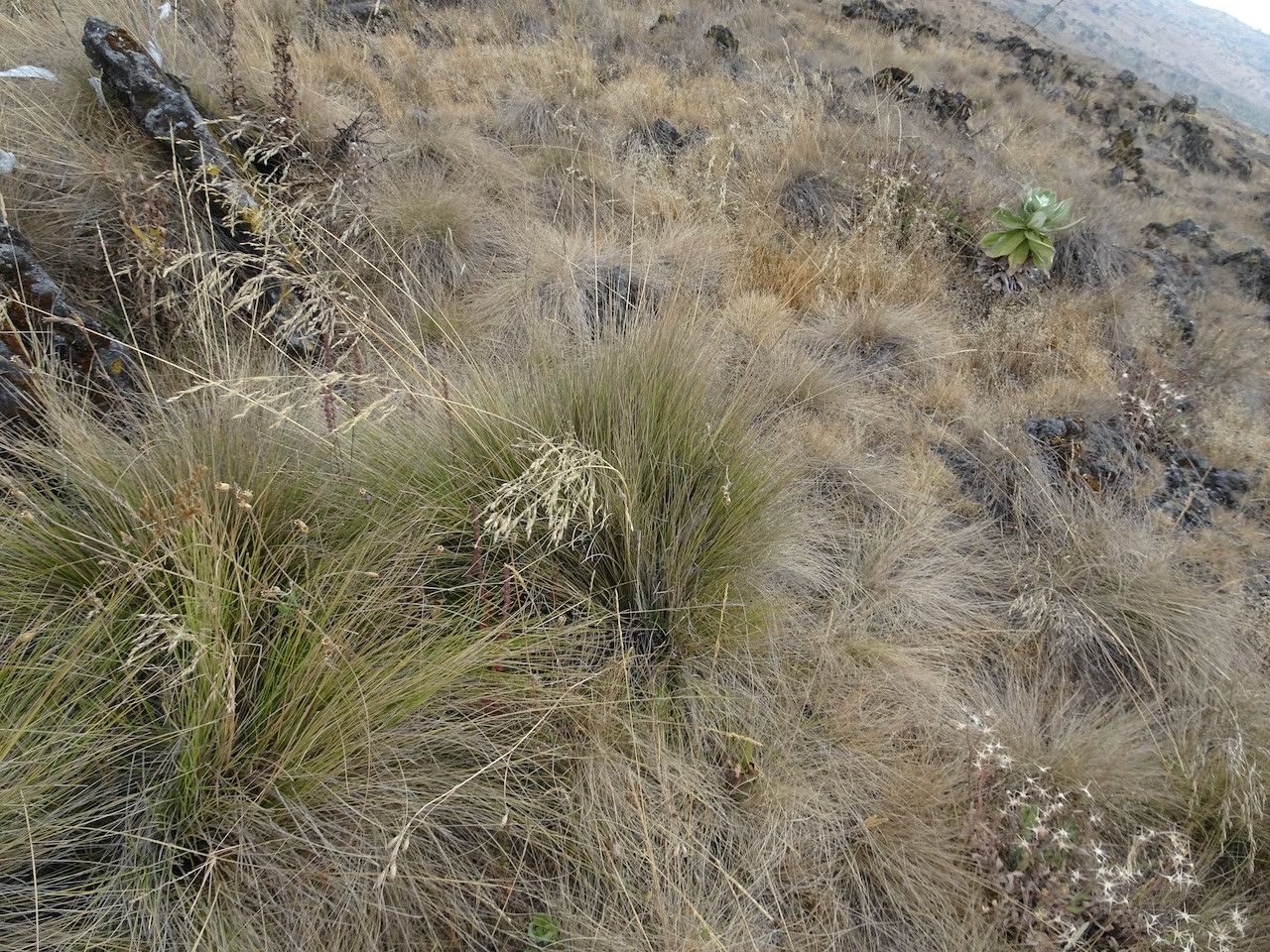
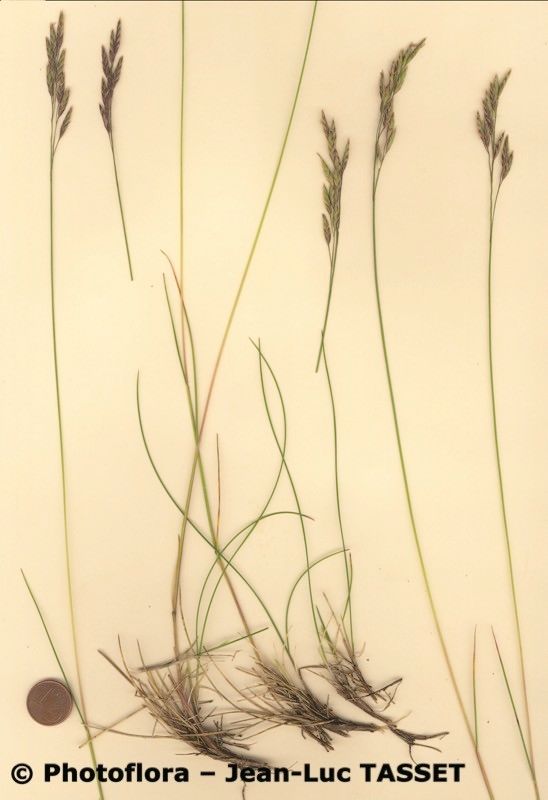
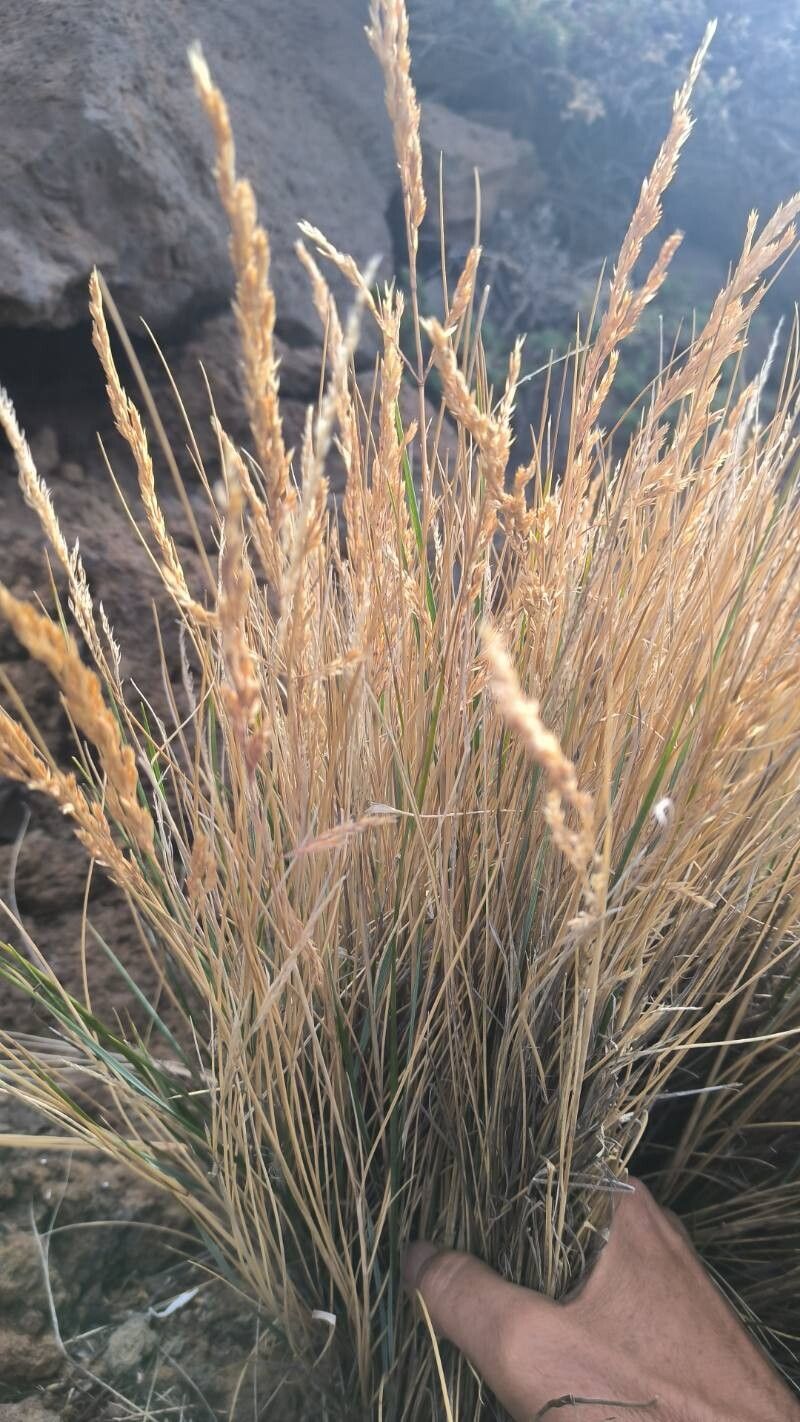
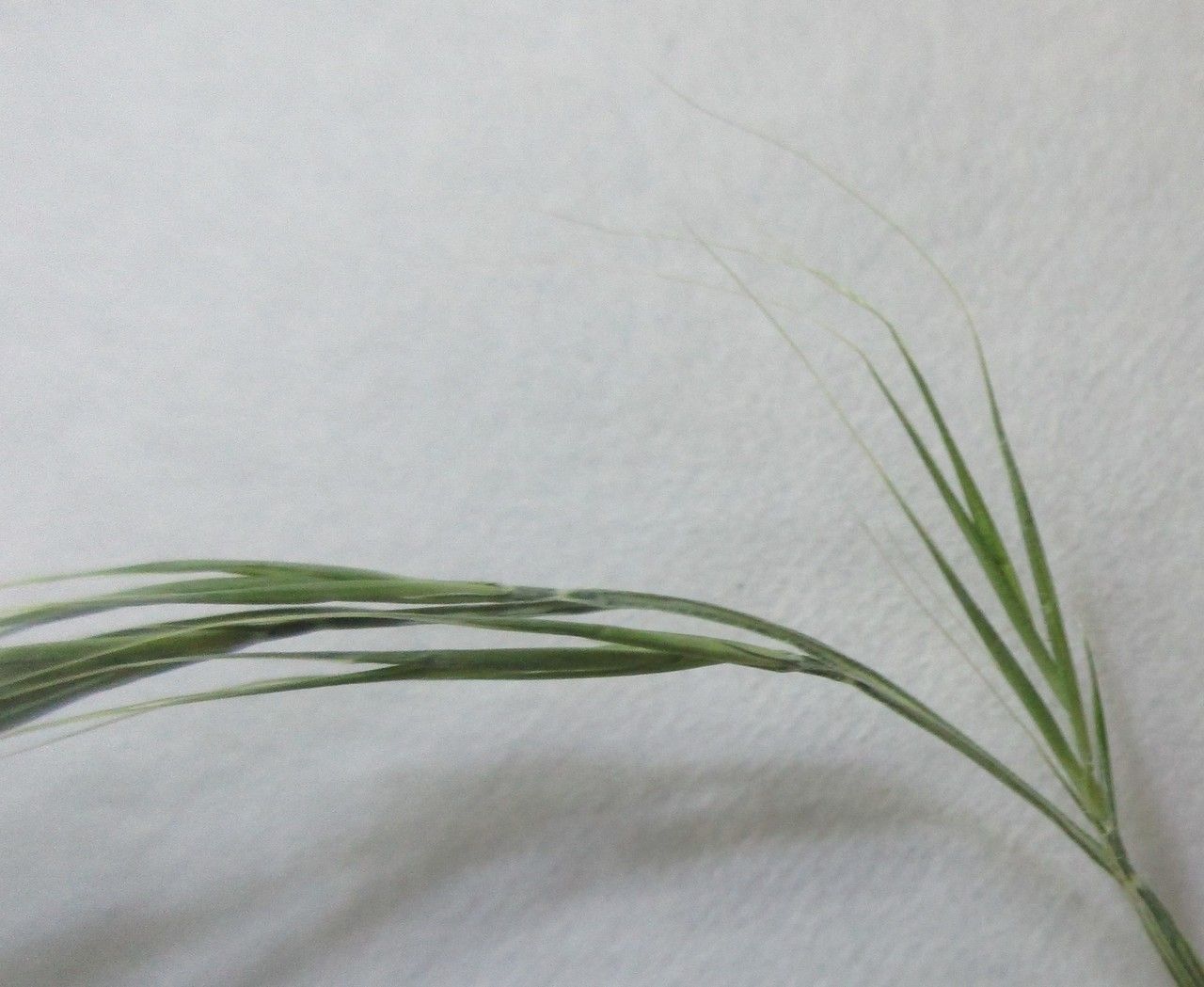
Festuca valesiaca, the Volga fescue, is a species of flowering plant in the family Poaceae. It is native to Europe and Asia. It was introduced to North America when it was deliberately planted. There it can be found in such US states as Arizona, Kansas, Montana, Vermont and Wyoming.
Wallis fescue shows strong disease resistance and is usually not susceptible to diseases. In terms of upkeep, this plant is fairly low-maintenance. When grown outdoors it needs only light watering, and larger specimens generally do not require pruning. Smaller plants, however, should be trimmed after they finish blooming. Wallis fescuet is suitable for anyone with an outdoor area, such as a garden or deck, and does not demand a lot of caretaking experience.
How to keep Festuca Valesiaca.
Light
Wallis fescue is a perennial herbaceous plant that favors sunny sites and originates from open habitats, commonly thriving in meadows and grasslands. It prefers full sun but can also tolerate partial sun.
Water
Wallis fescue is a grass species native to dry grasslands, and it thrives with minimal moisture. For optimal growth, it should be watered twice a week. This watering schedule enhances its drought tolerance while preventing waterlogging. Additionally, Wallis fescue benefits from natural rainfall and well-draining soil, which help prevent root rot during wetter seasons.
Temperature
Wallis fescue can tolerate a wide range of temperatures, but its distribution may still be restricted by particular combinations of moisture and heat. It does best in warm summer climates with sufficient rainfall or watering. Long stretches of cloudy, rainy weather or sustained high temperatures can raise the chance of Wallis fescue dying. In winter, adequate protection from cold can increase the plant’s survival rate.
Fertilizer
Wallis fescue needs extra nutrients to encourage healthy new growth. In spring, spreading compost around the base of the plant will supply the nutrition it requires. Fertilizing supports strong growth and helps the plant better resist diseases and pests.
Botanical profile.
- Plant Type
- Grass
- Life Cycle
- Perennial
- Genus
- Festuca
- Family
- Poaceae
- Hardiness Zone
- 4-8
- Mature Height
- 30 cm to 61 cm
- Mature Spread
- 20 cm to 30 cm
- Leaf Color
- Light Green, Gray
- Leaf Type
- Semi-evergreen
- Flower Size
- 0.25 cm to 0.51 cm
- Bloom Time
- Late spring, Early summer
- Planting Time
- Spring, Summer
- Harvest Time
- Mid summer, Late summer
Other names.