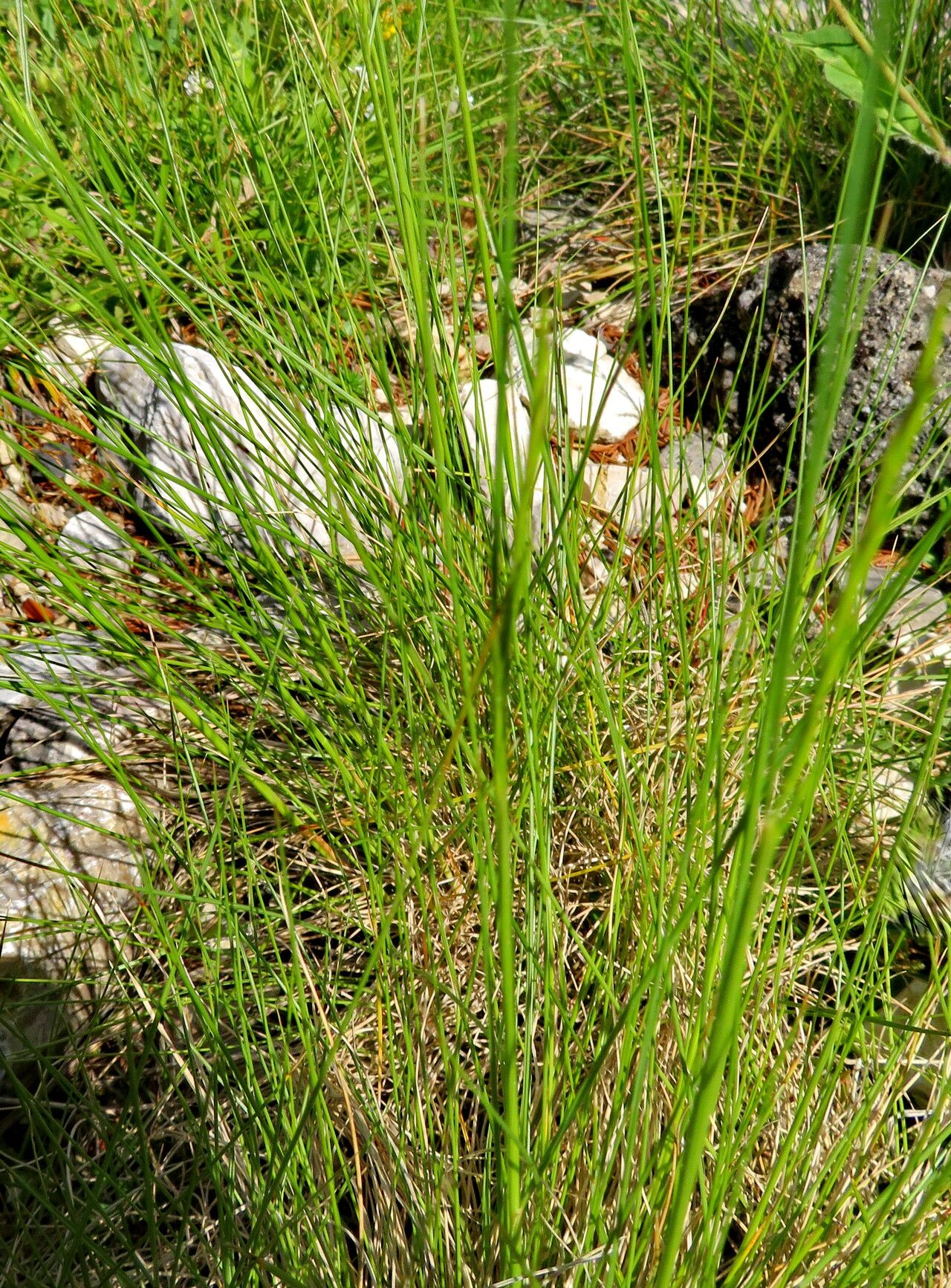
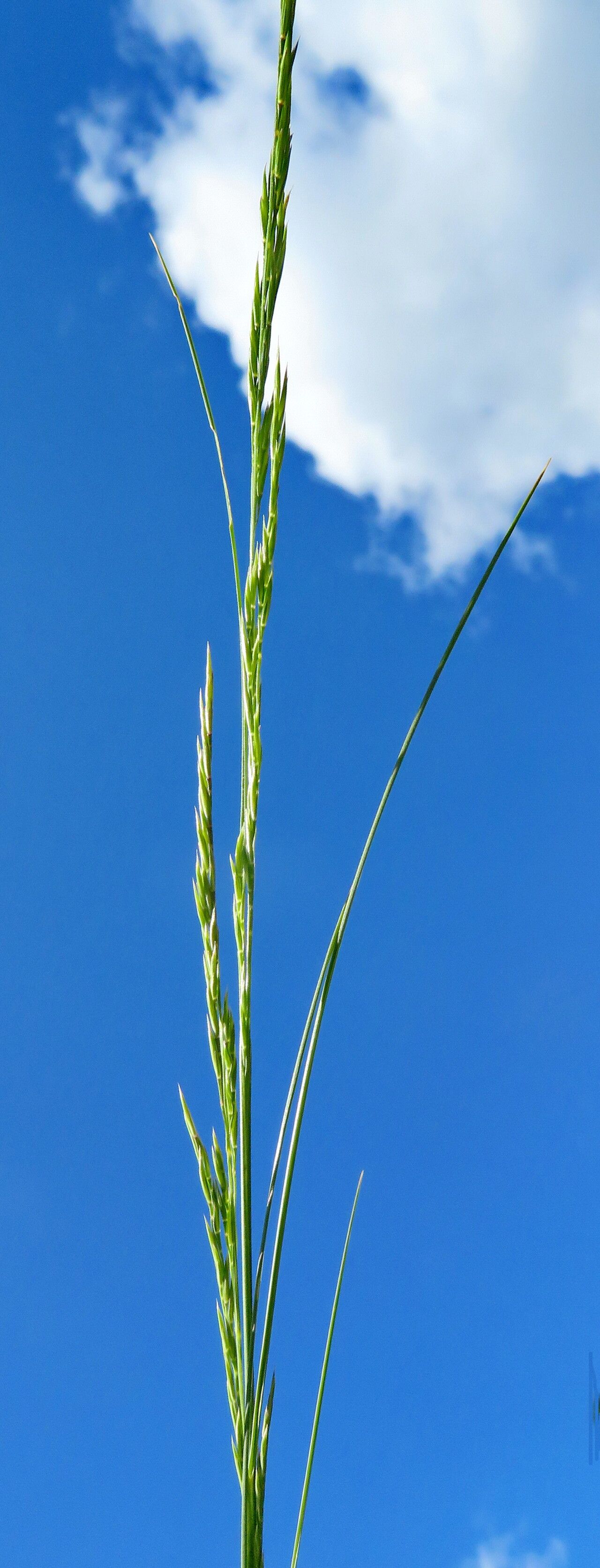
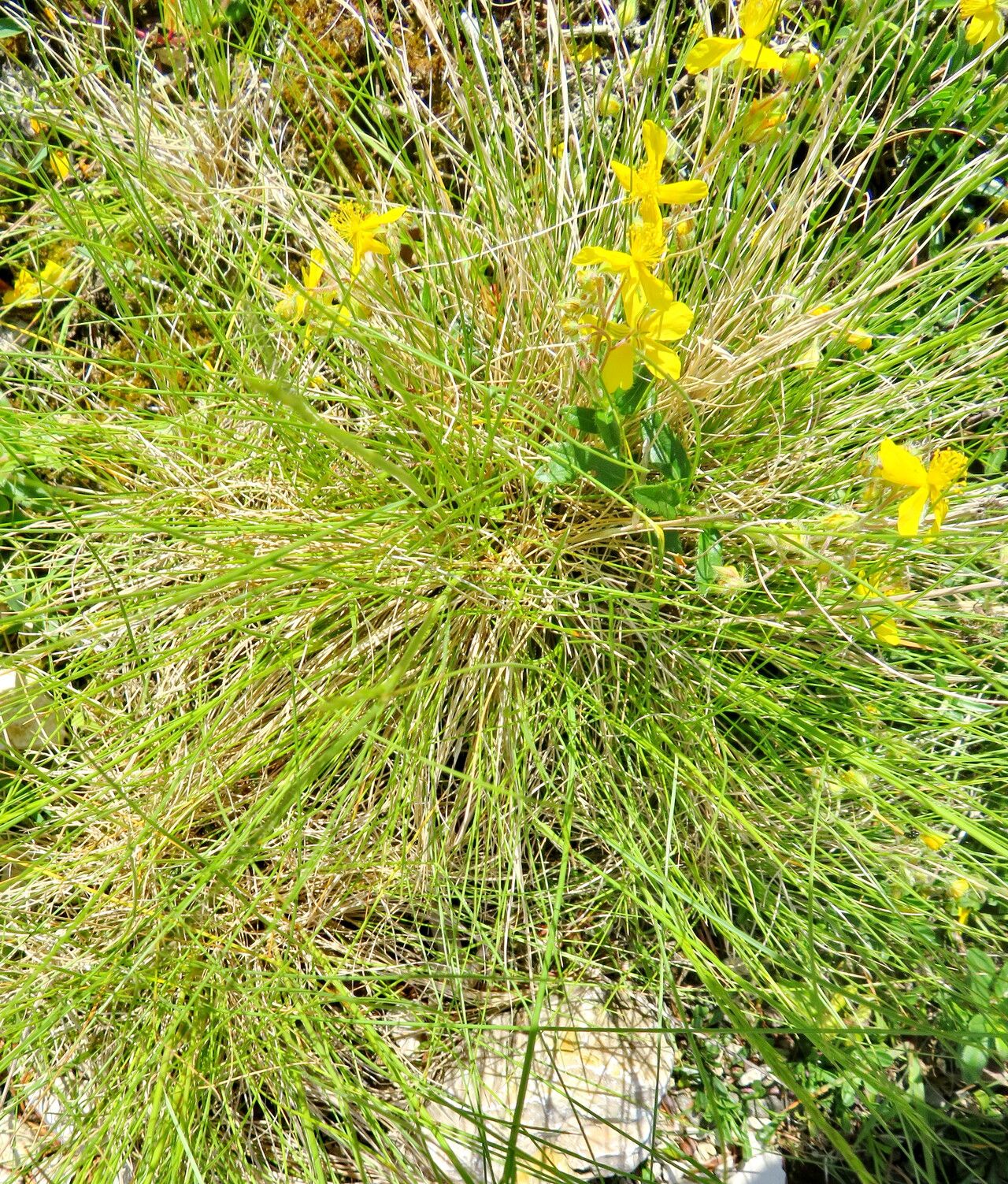
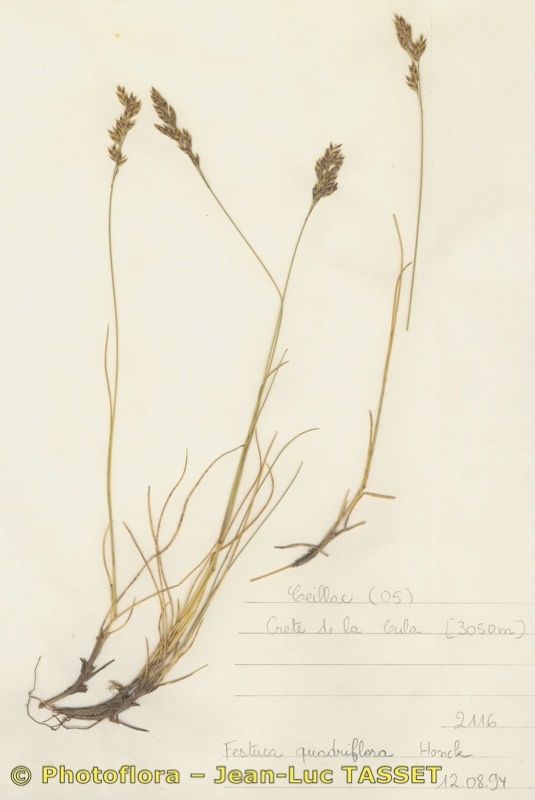
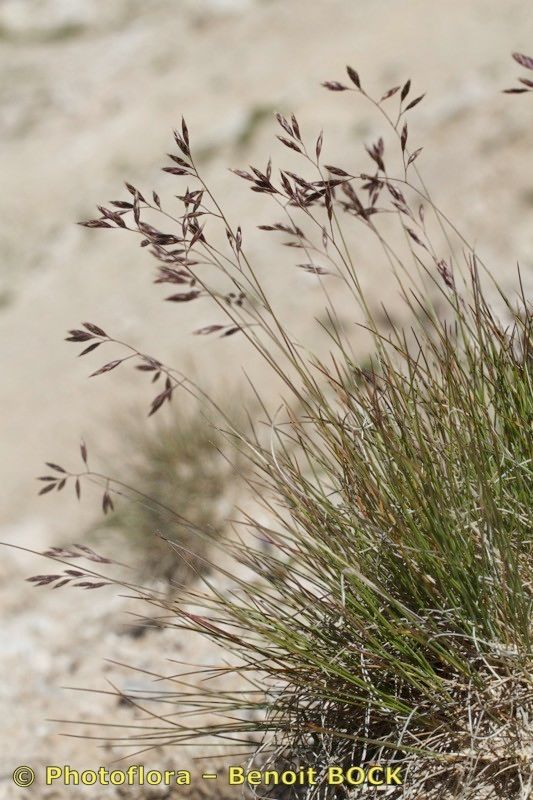
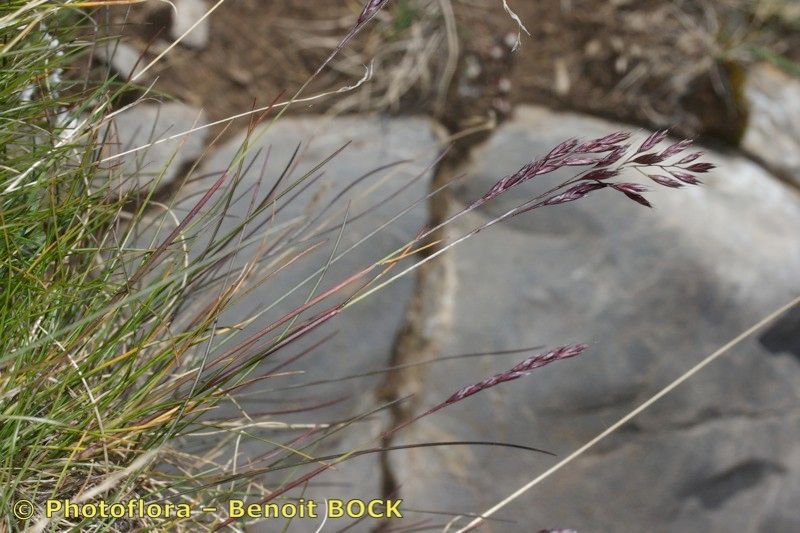
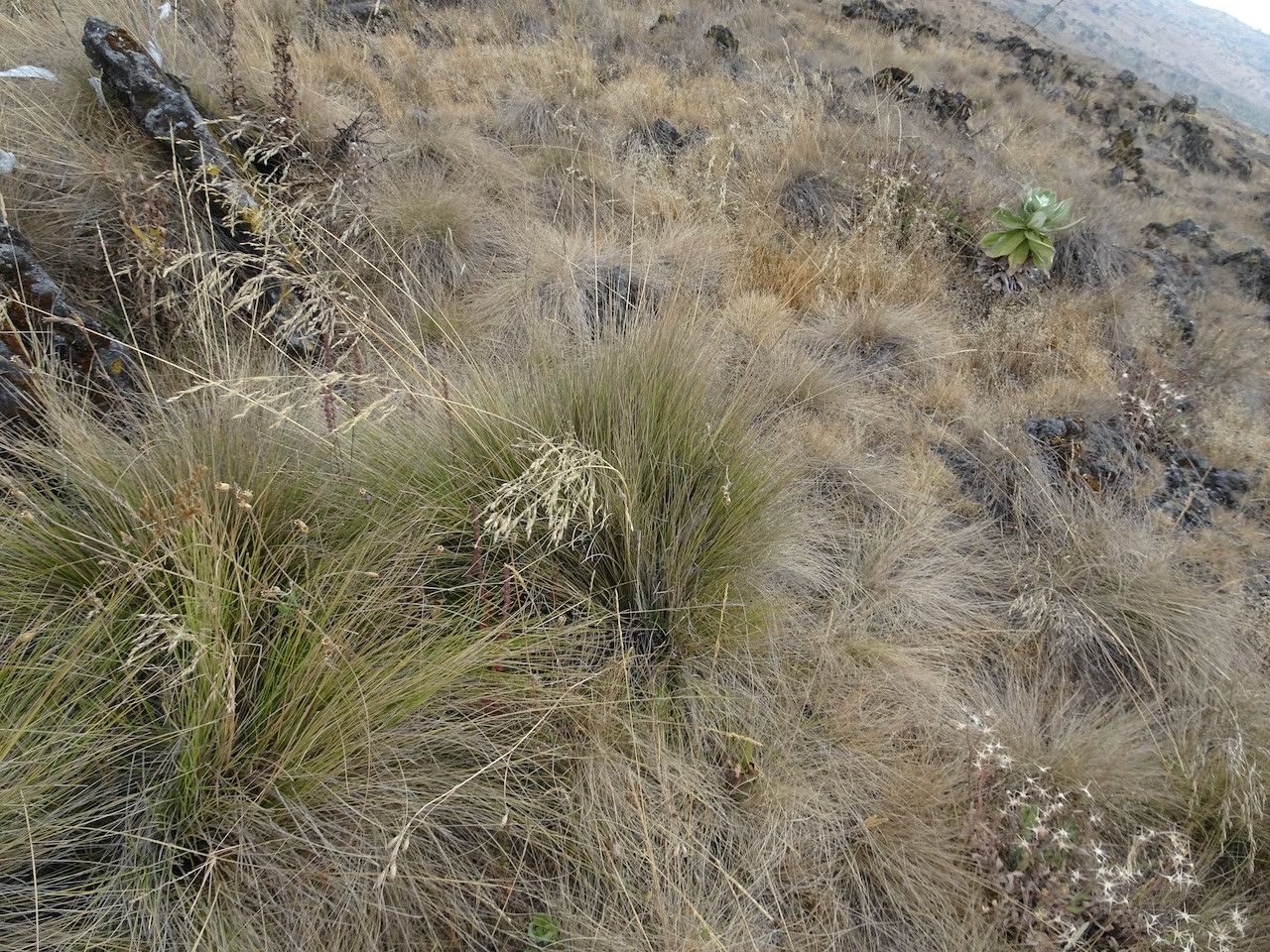
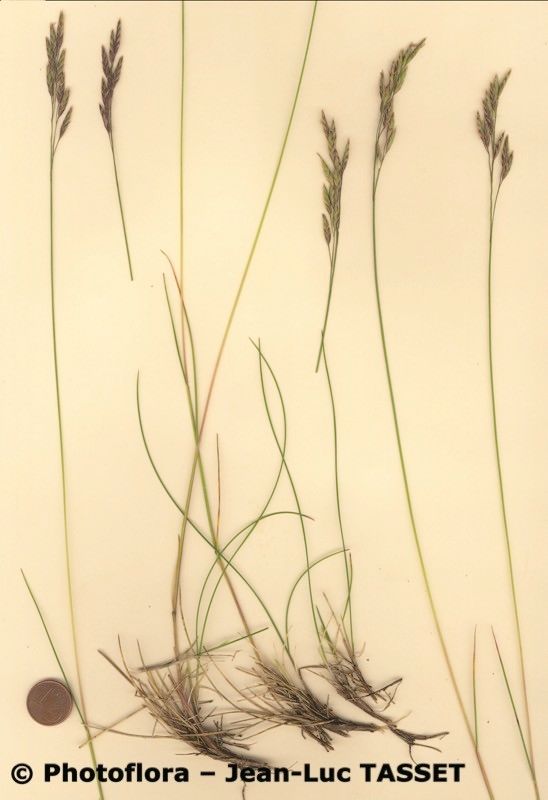
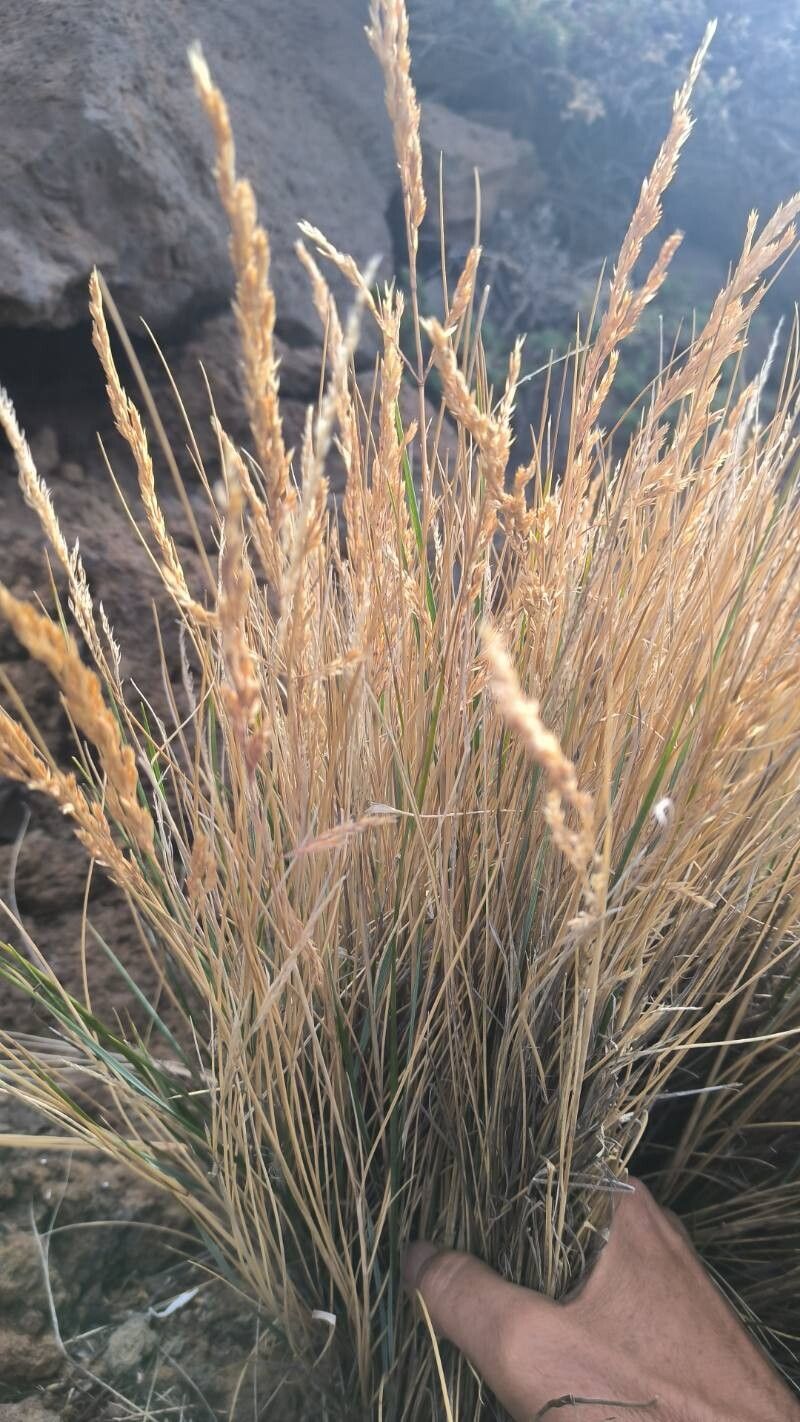
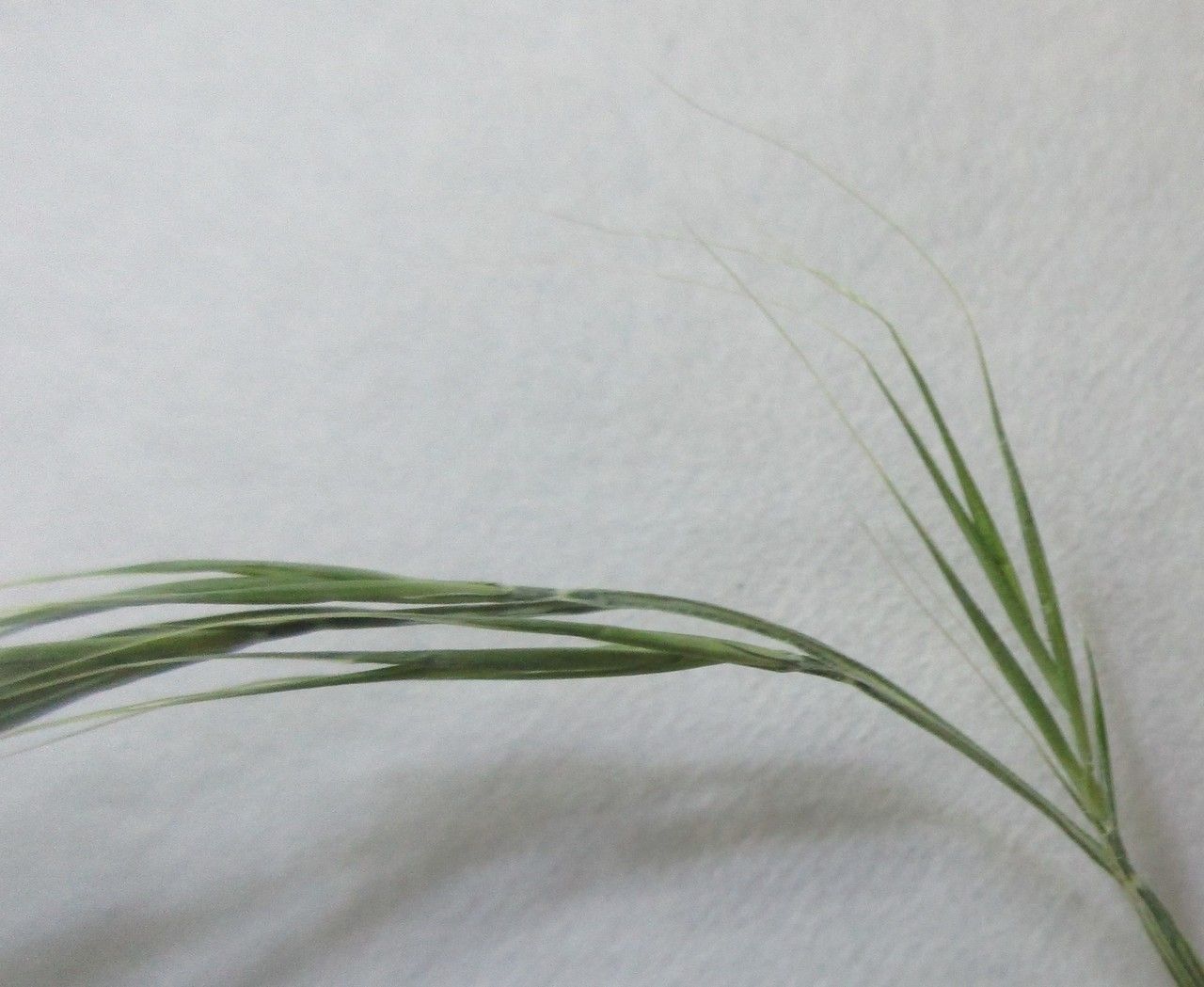
Festuca ovina, sheep's fescue or sheep fescue, is a species of grass. It is sometimes confused with hard fescue (Festuca trachyphylla).
Hard fescue is resistant to disease and is generally not susceptible to ailments. In terms of care, this plant is relatively low maintenance. When grown outdoors, it needs little watering, and larger plants typically do not require pruning. Smaller plants, however, should be pruned after they have bloomed. Hard fescue is appropriate for anyone with an outdoor area, such as a garden or deck, and does not need extensive care experience.
How to keep Festuca Pumila.
Light
Hard fescue performs best with a full day of sunlight but can tolerate some shade, although that may slow its growth. Coming from environments with abundant light, it can weaken or become more susceptible to disease if kept in too much shade or deprived of sufficient sunshine.
Temperature
Hard fescue developed in regions with a moderate temperature range of 41 to 89.6 °F (5 to 32 ℃). It favors cooler climates and may require protection or relocation during hotter seasons.
Fertilizer
Hard fescue is a cool-season grass that primarily grows in spring and autumn. It becomes dormant in winter and its growth slows during the summer. Applying suitable fertilizers in spring can replenish nutrients and encourage vigorous, dense growth. Properly nourished lawns are greener, more resilient, and more resistant to pests and weeds.
Botanical profile.
- Plant Type
- Grass
- Life Cycle
- Perennial
- Genus
- Festuca
- Family
- Poaceae
- Hardiness Zone
- 4-8
- Mature Height
- 30 cm
- Mature Spread
- 30 cm
- Leaf Color
- Green, Blue, Gray
- Leaf Type
- Evergreen
- Flower Color
- Green, Yellow
- Flower Size
- 0.51 cm to 0.76 cm
- Bloom Time
- Late spring, Early summer
- Planting Time
- Spring, Summer, Autumn
- Harvest Time
- Mid summer, Late summer