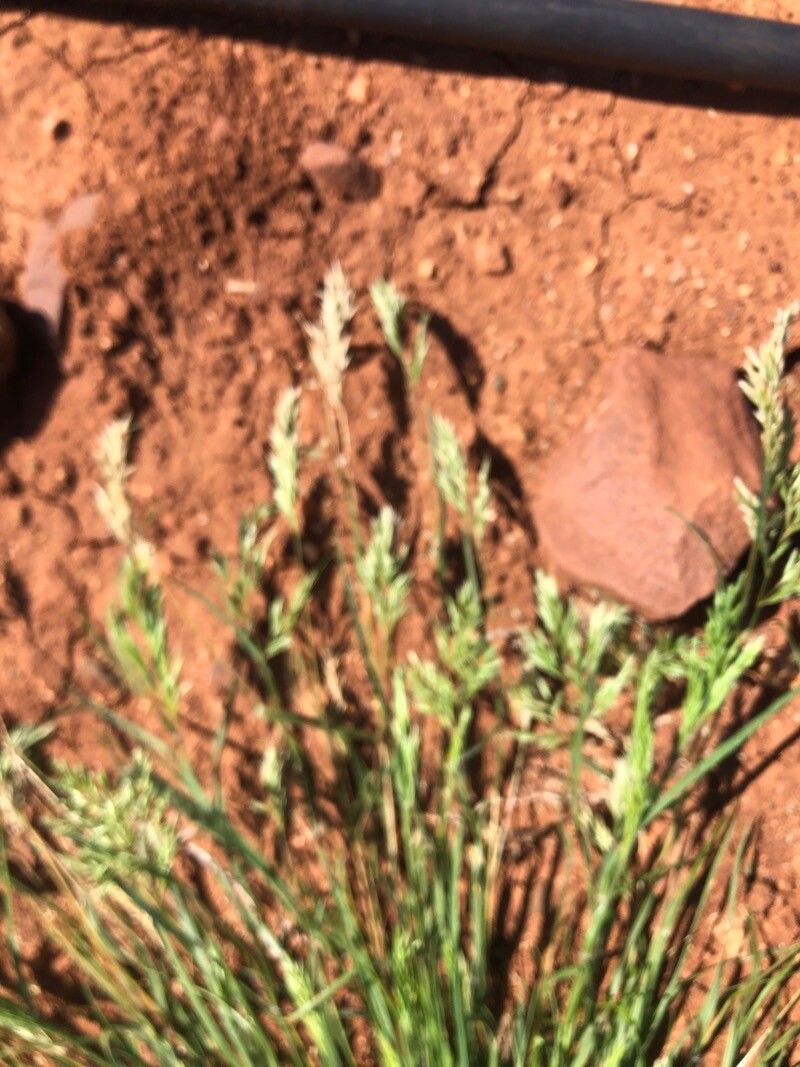
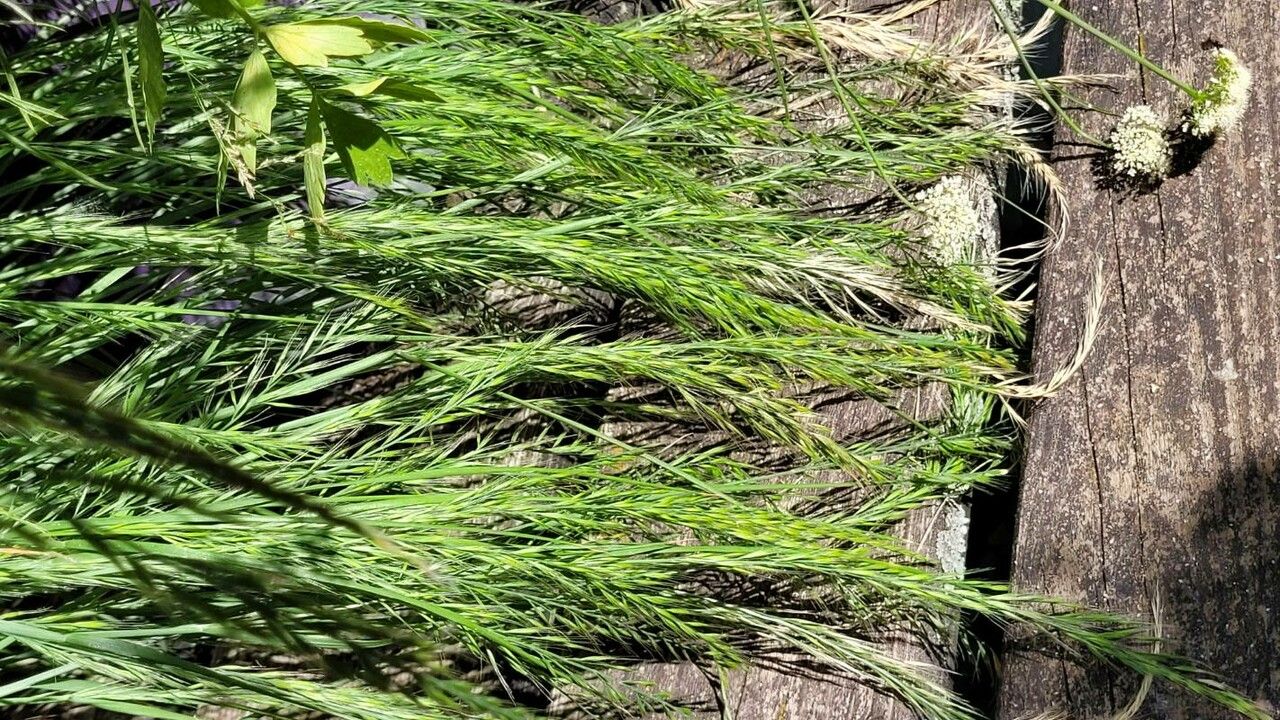
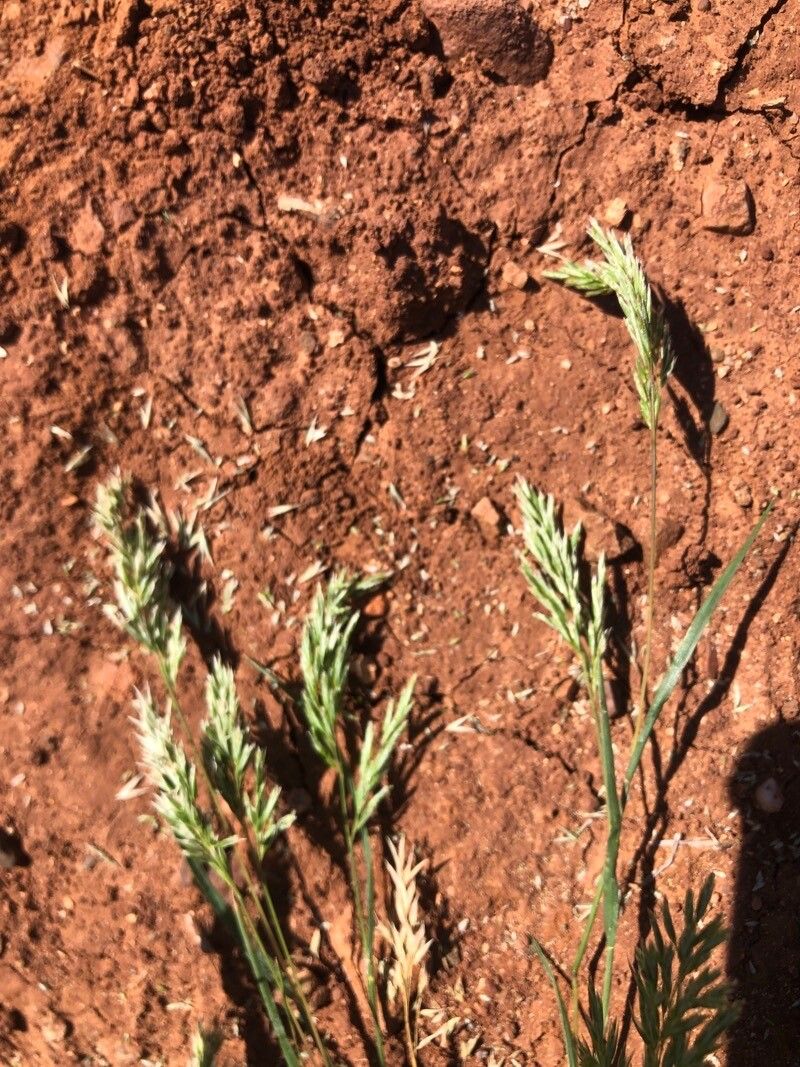
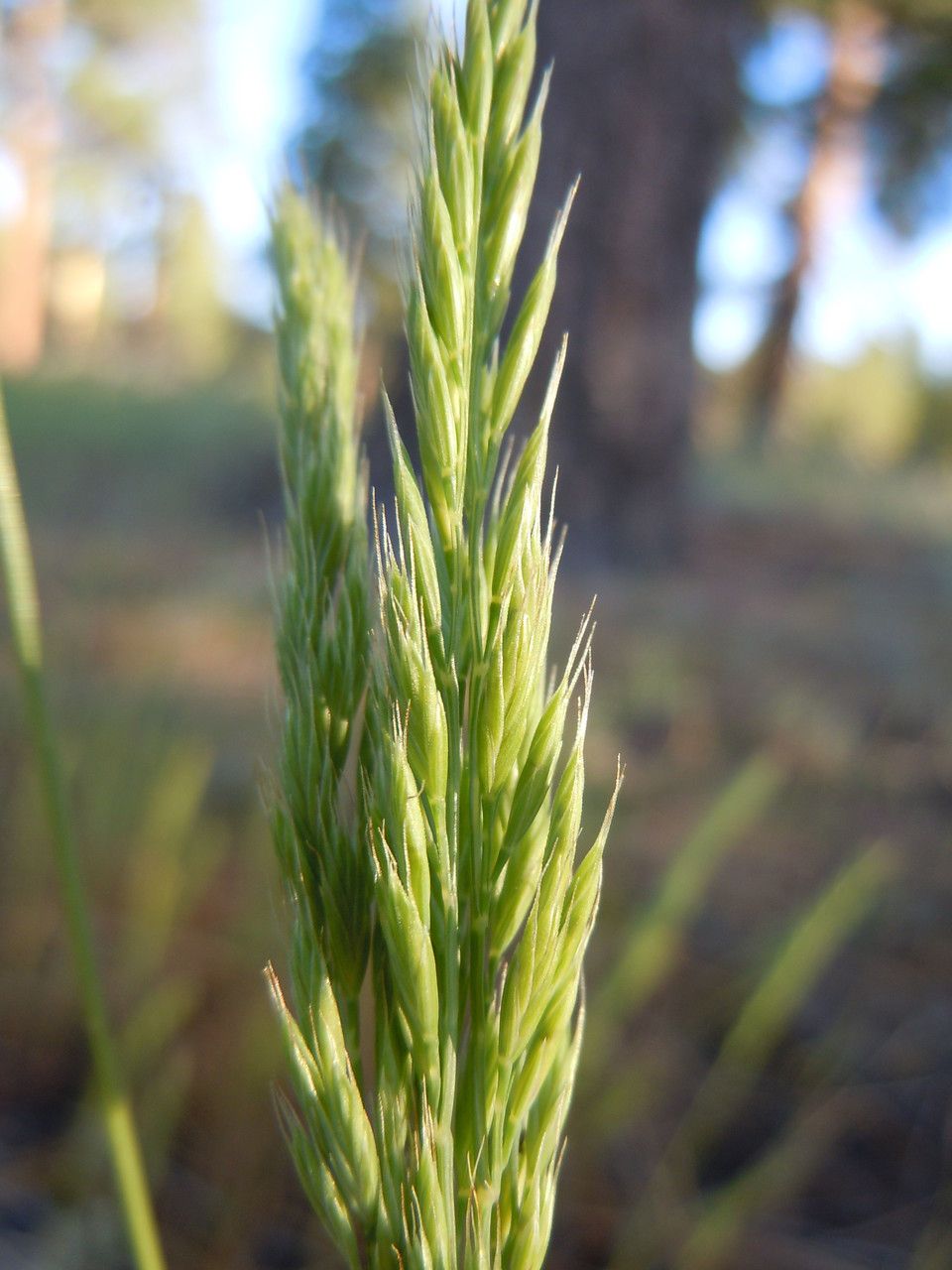
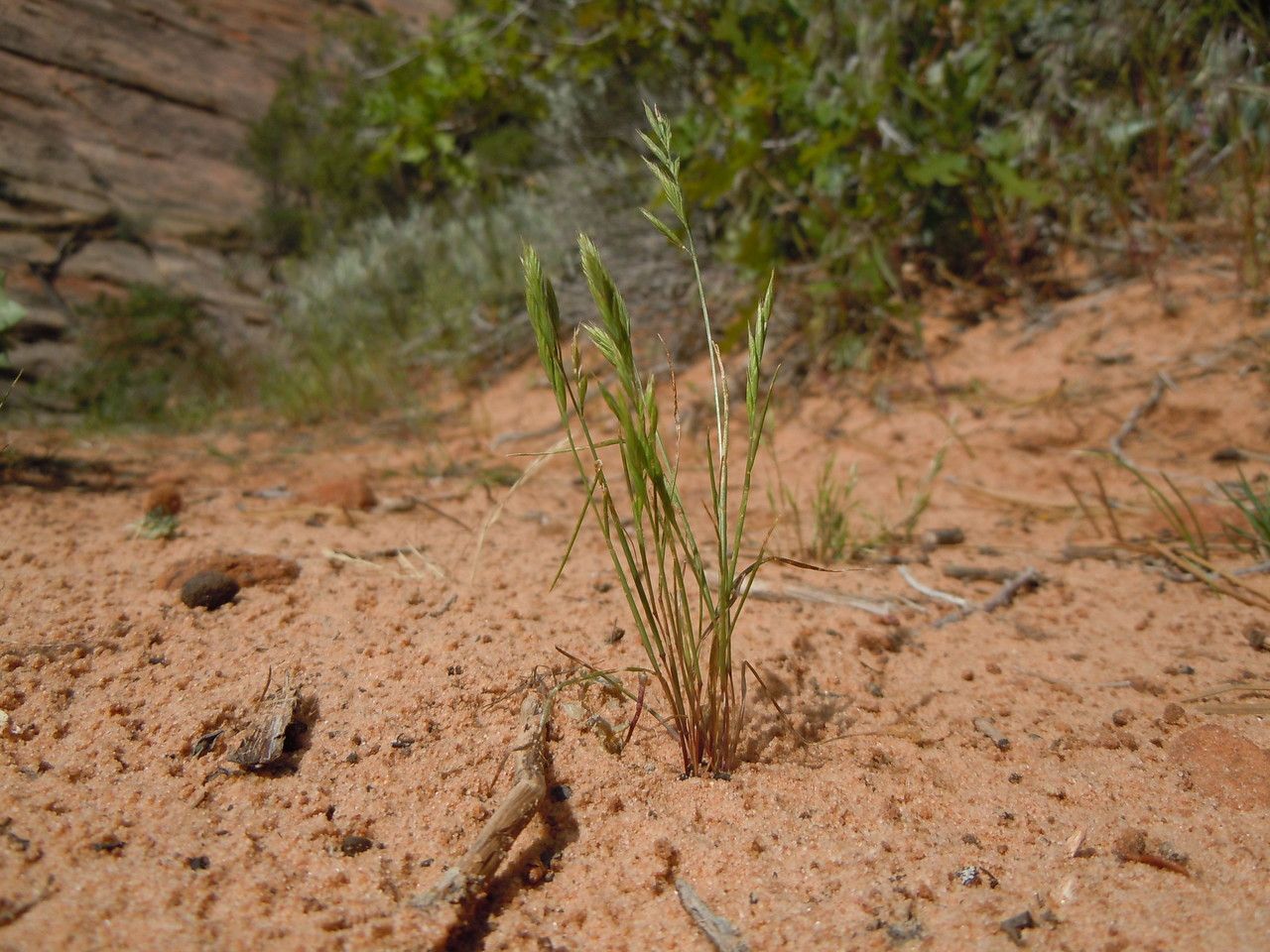
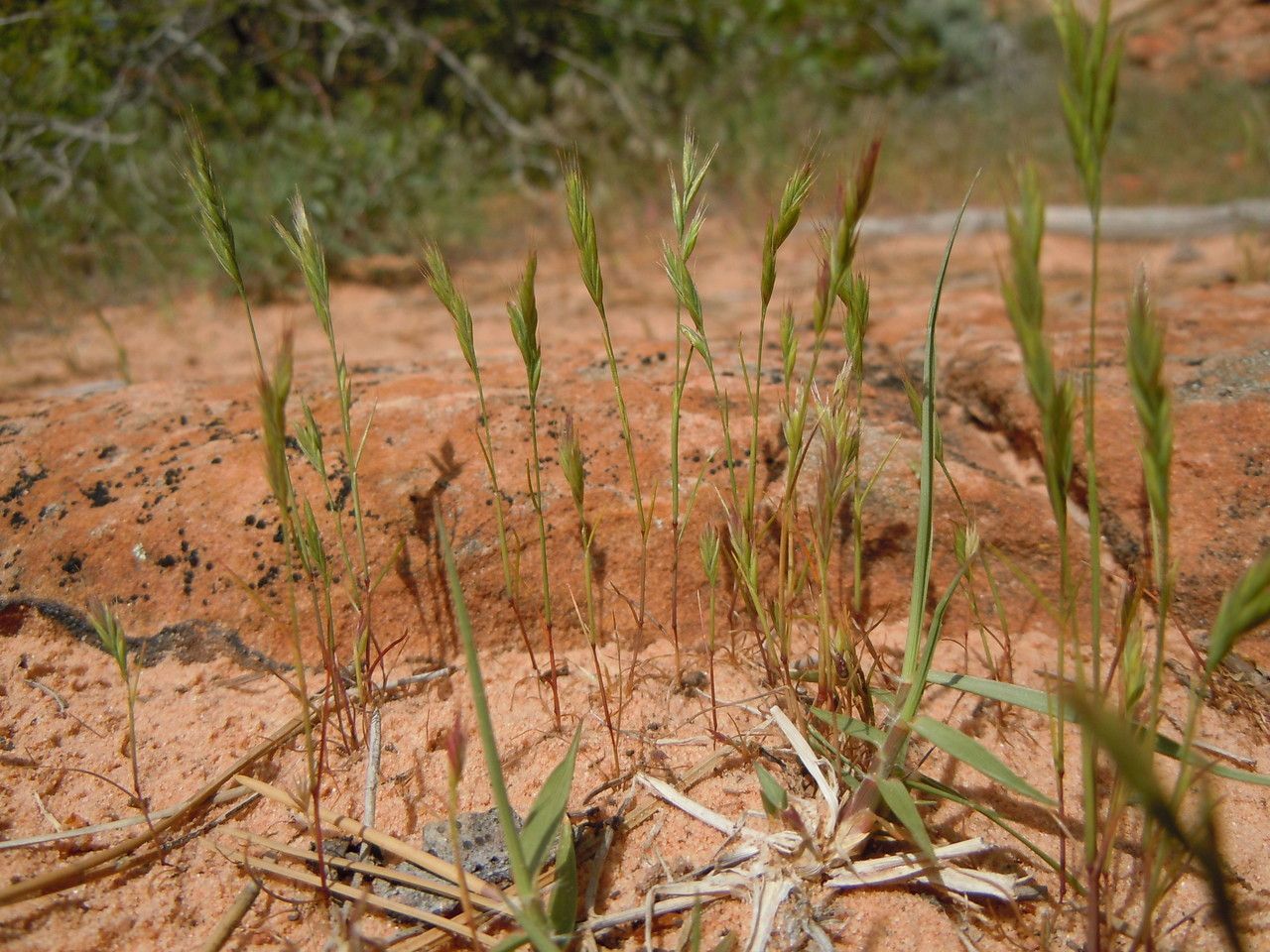
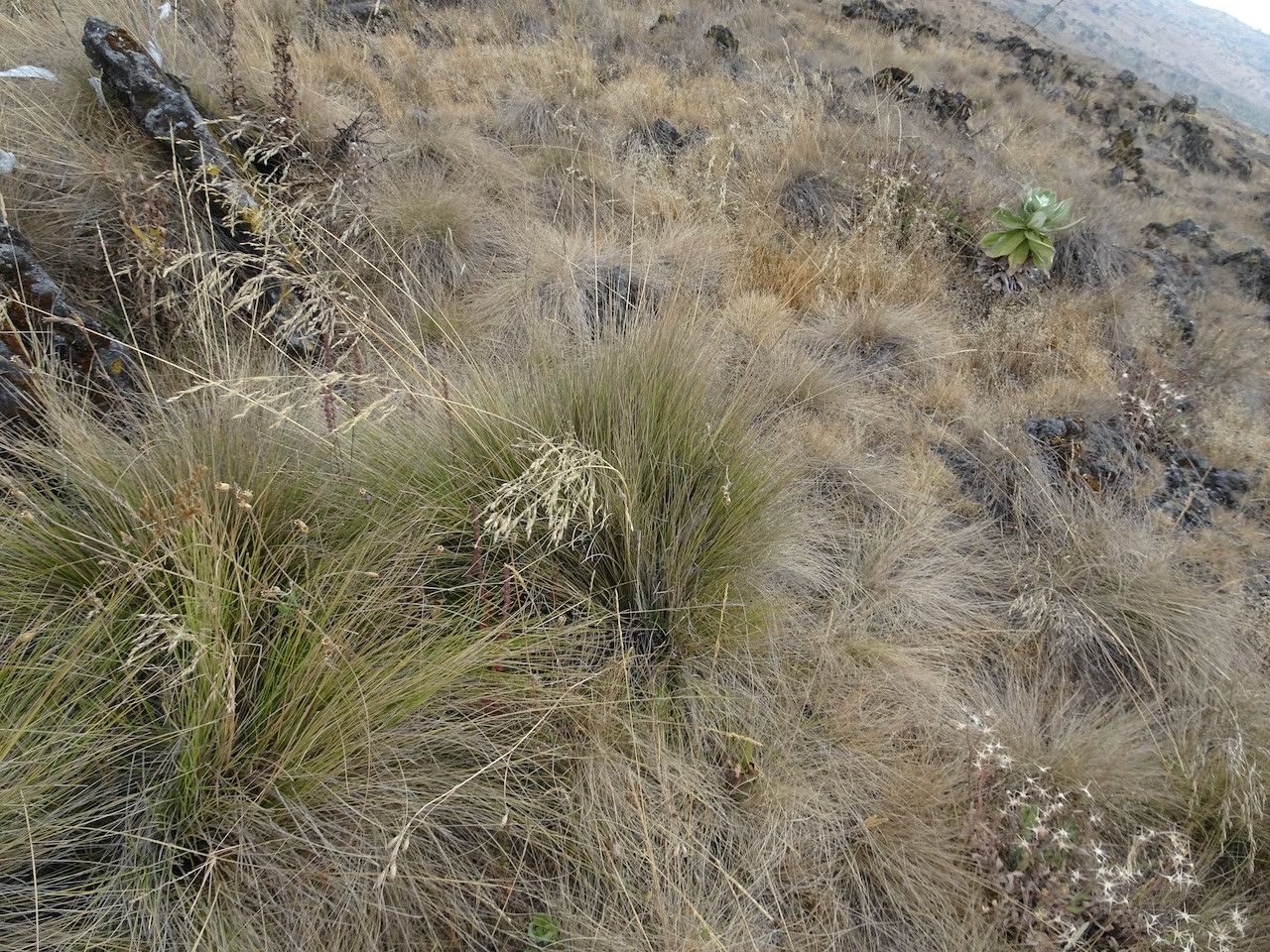
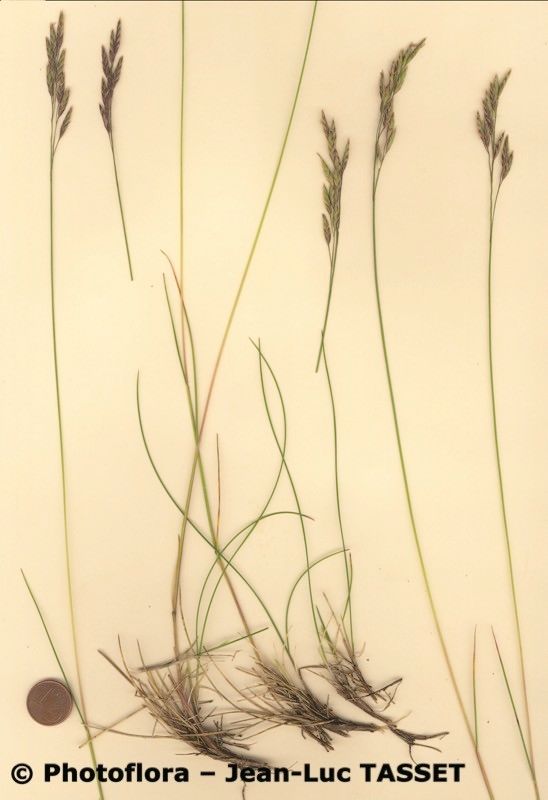
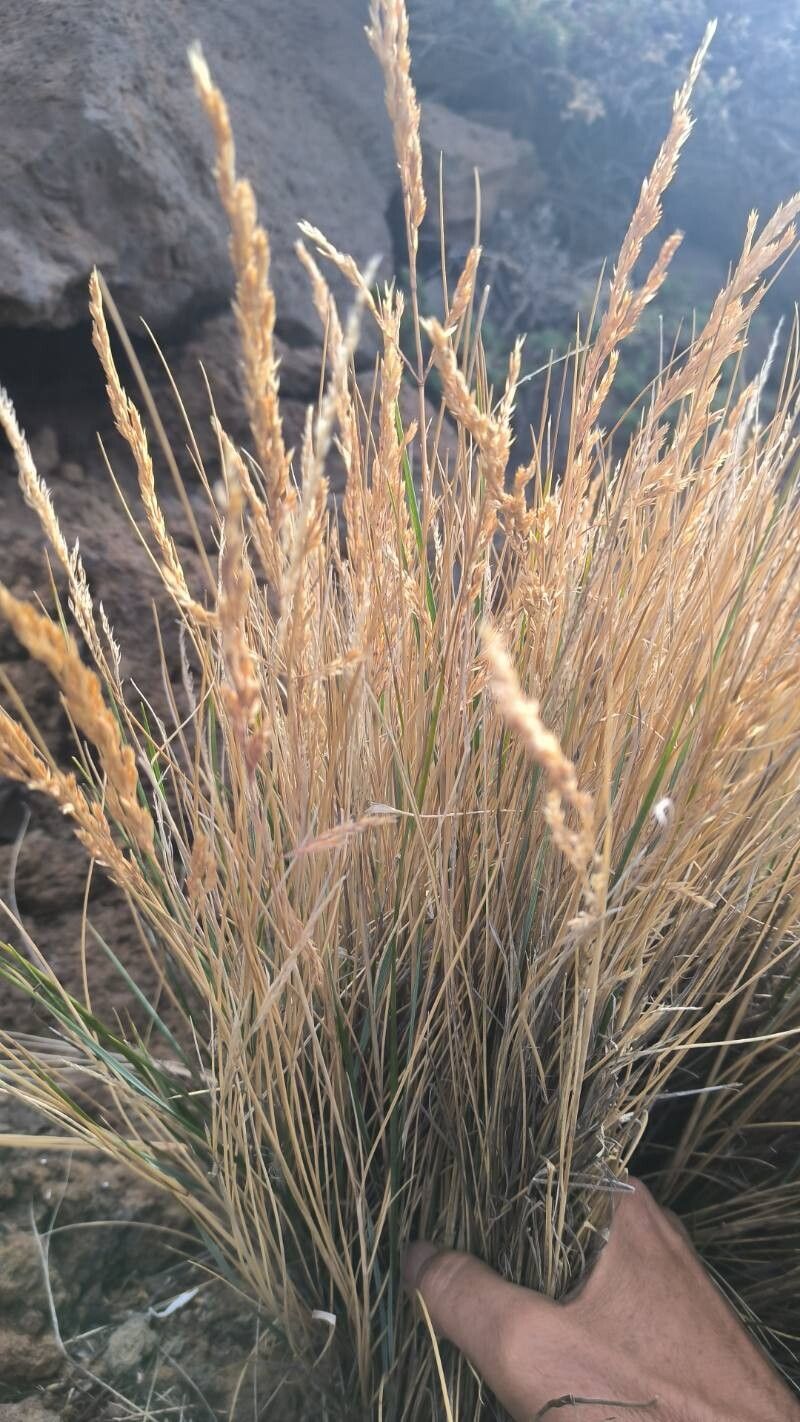
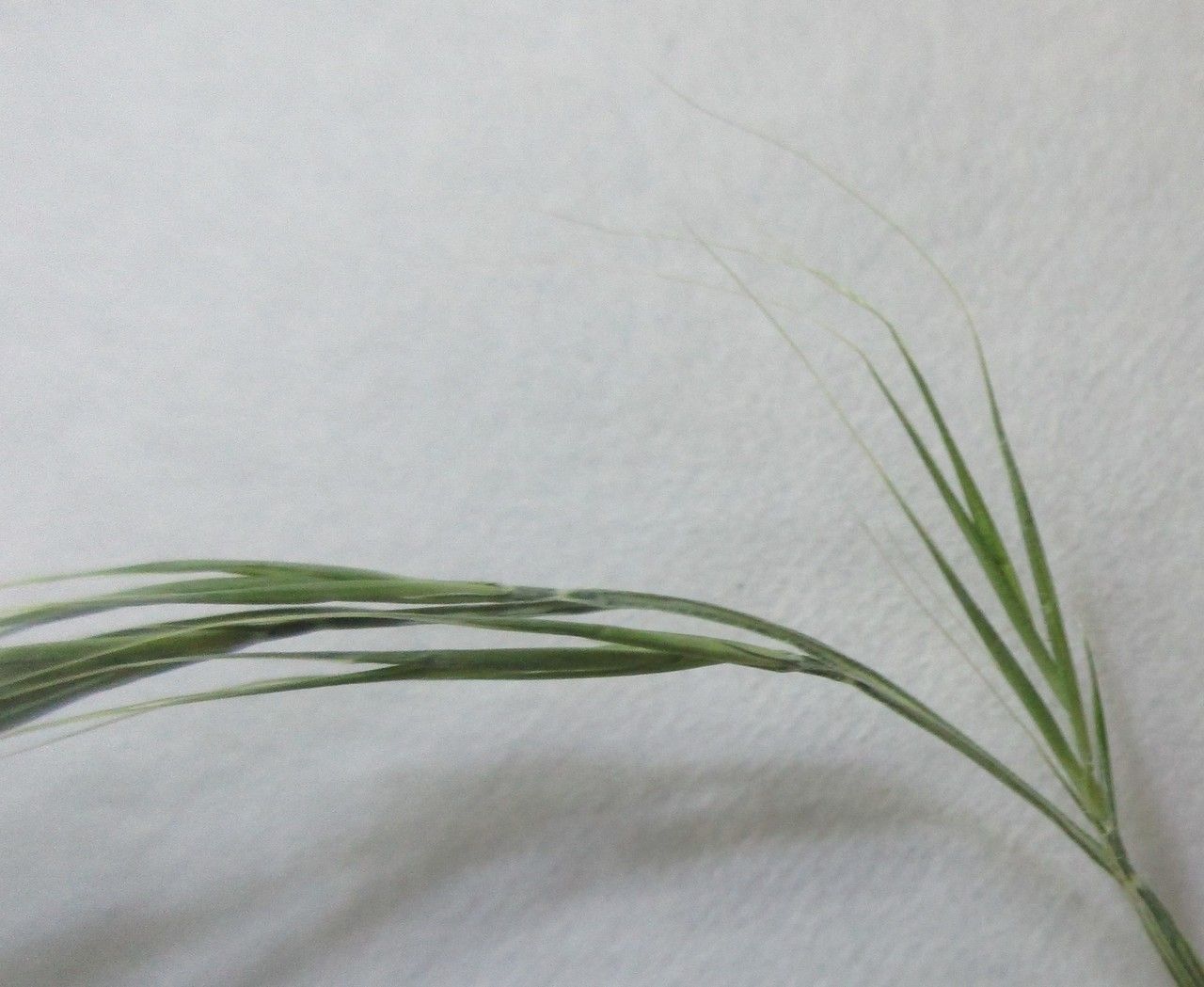
Festuca octoflora, also known as Vulpia octoflora, is an annual plant in the grass family (Poaceae). The common name six-week fescue is because it supplies about 6 weeks of cattle forage after a rain. Other common names include sixweeks fescue, six-weeks fescue, pullout grass, eight-flower six-weeks grass, or eight-flowered fescue.
Six-weeks fescue resists disease well and is usually not susceptible to illnesses. Regarding care, this plant is fairly low maintenance. When grown outdoors it needs only light watering, and larger plants typically do not require pruning. Smaller plants, however, should be pruned after they have bloomed. Six-weeks fescuet is appropriate for anyone with an outdoor area, such as a garden or deck, and does not require much care experience.
How to keep Festuca Octoflora.
Light
Six-weeks fescue comes from bright, open environments and does best in full sun. It can tolerate partial sun, but it prefers direct sunlight for optimal growth. This plant, which may be annual or biennial, is noted for its sun-loving character.
Temperature
Six-weeks fescue can adjust to a broad range of temperatures, but its range may still be restricted by different combinations of moisture and heat. It does best in warm summer climates with sufficient rainfall or irrigation. Extended periods of cloudy, rainy weather, as well as prolonged high temperatures, can raise the chance of Six-weeks fescue dying. In winter, adequate protection from cold can increase the plant's survival rate.
Botanical profile.
- Plant Type
- Grass
- Life Cycle
- Annual
- Genus
- Festuca
- Family
- Poaceae
- Hardiness Zone
- 4-9
- Mature Height
- 5 cm to 61 cm
- Mature Spread
- 3 cm
- Leaf Color
- Green
- Leaf Type
- Semi-evergreen
- Flower Color
- Yellow, Green
- Flower Size
- 0.25 cm to 0.51 cm
- Bloom Time
- Early spring, Mid spring
- Planting Time
- Spring, Autumn
- Harvest Time
- Mid spring, Late spring
Other names.