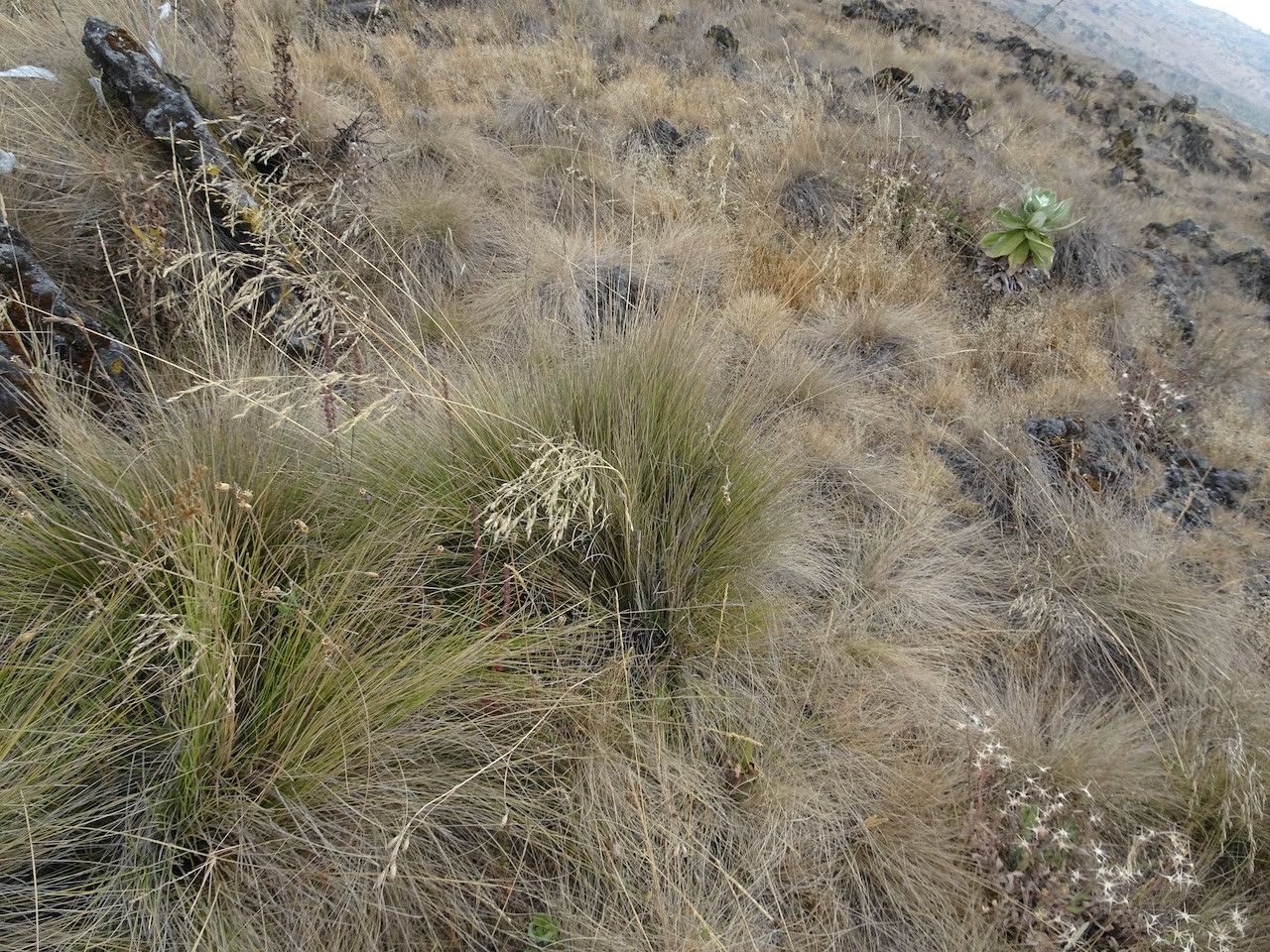
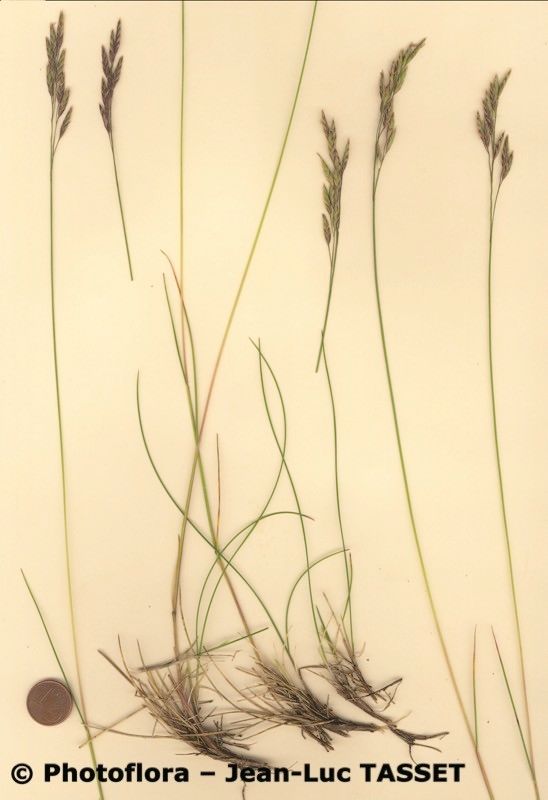
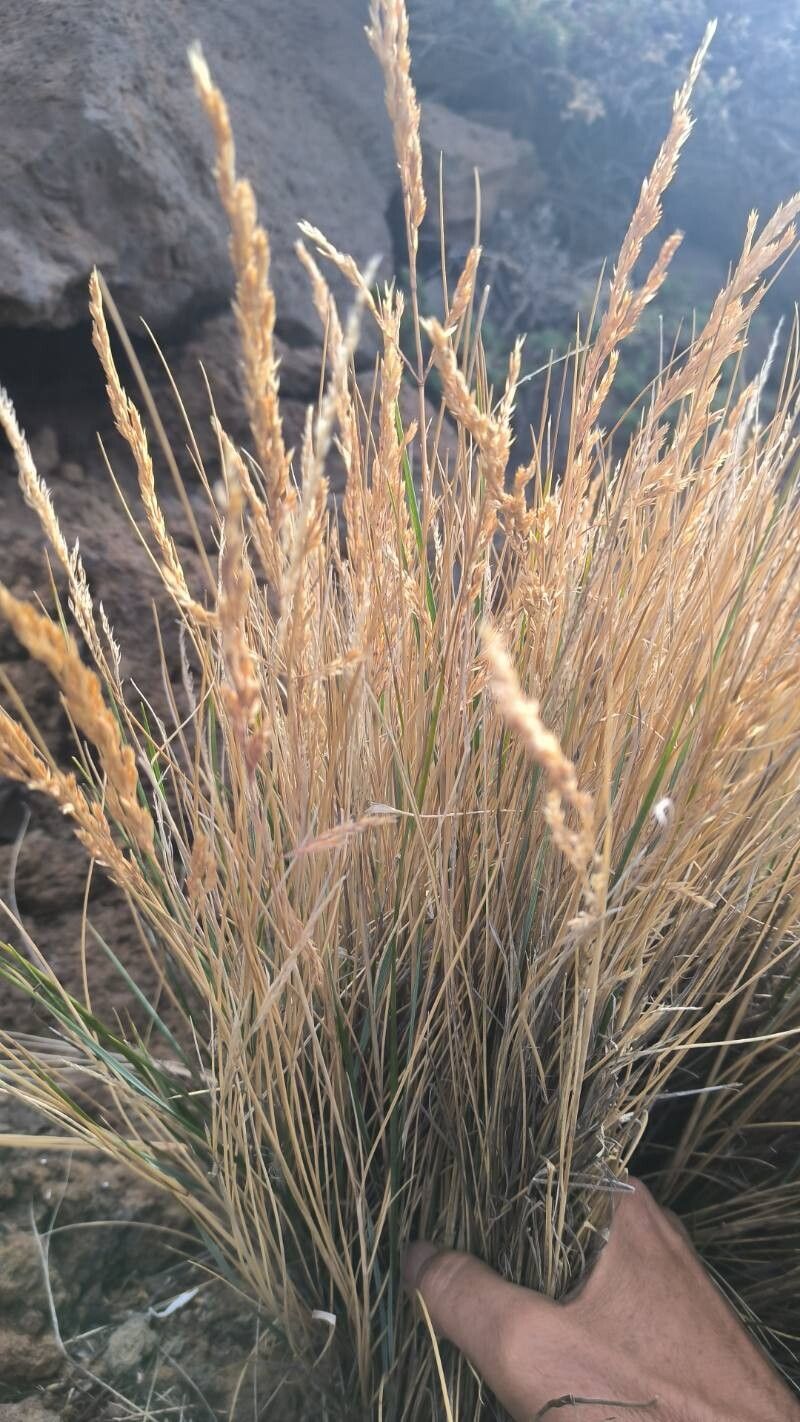
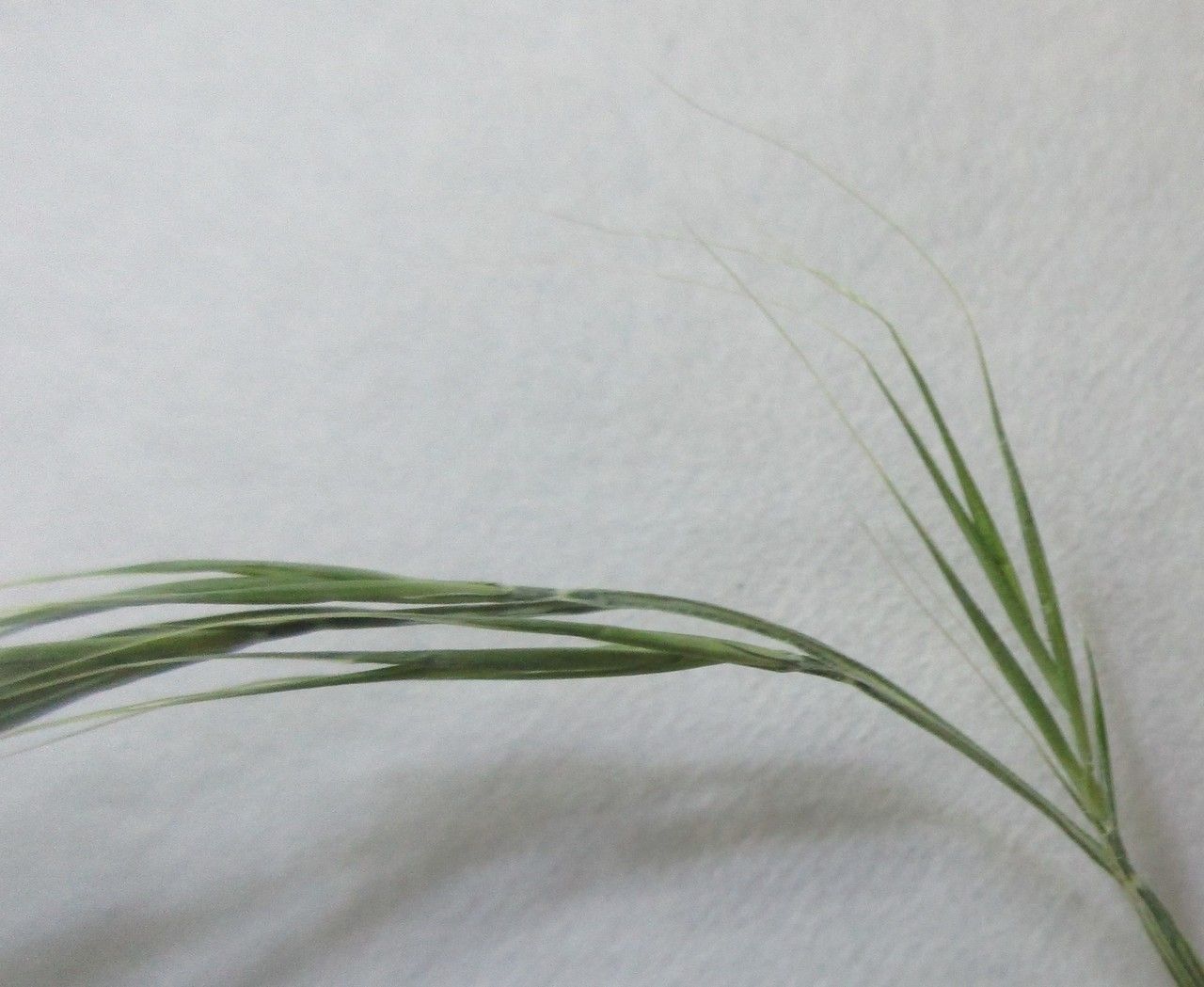
Festuca occidentalis is a species of grass known as western fescue. It is native to much of the northern half of North America and is most widely distributed in the west. It is most often found in forest and woodland habitat. The specific epithet occidentalis is Latin, meaning "western".
Western fescue has strong disease resistance and is generally not susceptible to diseases. Regarding care, this plant is fairly low maintenance. When grown outdoors it needs little watering, and larger plants usually do not require pruning. Smaller plants, however, should be pruned after they have bloomed. Western fescue is appropriate for anyone with an outdoor space, such as a garden or deck, and does not demand much care experience.
How to keep Festuca Occidentalis.
Light
Western fescue occurs naturally in habitats like forest understories or rocky areas, where it is subject to natural shade. It prefers partial sun but can tolerate both full sun and full shade, demonstrating its versatile and hardy nature.
Water
Western fescue, a grass species adapted to dry conditions, thrives with moderate moisture and benefits from weekly watering for optimal health. It adjusts well to seasonal rainfall patterns, making it an ideal choice for temperate climates with varying water availability.
Temperature
Western fescue does best in cold climates and at high elevations. It favors cool temperatures, good air circulation, and a moist environment. In summer, precautions should be taken to keep it cool, since it is very sensitive to heat and can easily die from it. Dry conditions can also damage the plant. In winter, no special cold protection is necessary, but maintaining soil moisture is important.
Fertilizer
Western fescue needs extra nutrients to encourage healthy new growth. In spring, applying compost around the base of the plant can effectively supply the nutrition it requires. Fertilizing helps support vigorous growth and helps the plant fend off diseases and pests.
Pruning
Western fescue is a perennial grass known for its tufted growth and fine leaves. To promote healthy growth, it is best to prune it in early spring, taking care to trim the grass without damaging any live tissue. Regular pruning helps control the plant's spread, improves airflow, and reduces the risk of disease, all of which contribute to vigorous growth and long-term vitality.
Botanical profile.
- Plant Type
- Grass
- Life Cycle
- Perennial
- Genus
- Festuca
- Family
- Poaceae
- Hardiness Zone
- 2
- Mature Height
- 0.91 m to 1.22 m
- Mature Spread
- 61 cm
- Leaf Color
- Green
- Leaf Type
- Evergreen
- Flower Color
- Yellow, Green, Brown
- Flower Size
- 10.16 cm to 25.40 cm
- Bloom Time
- Late spring, Early summer
- Planting Time
- Spring, Summer, Autumn
- Harvest Time
- Mid summer, Late summer
Other names.
Reader questions.
What are the sunlight requirements for Western fescue (Festuca occidentalis)?
Western fescue (Festuca occidentalis) requires full sun, which means it needs above 6 hours of sunlight daily. It's important to observe how sunlight moves through your garden to find spots that offer a good balance of light and shade, ensuring the best conditions for your plants' growth and happiness.
What are the ideal conditions for Western fescue to thrive?
Western fescue, known botanically as Festuca occidentalis, thrives best in cold regions and high-altitude areas. It flourishes in environments that provide cool temperatures, ample ventilation, and a consistently moist setting. To ensure its well-being during the warm summer months, it's crucial to employ various cooling measures due to its high susceptibility to heat, which can easily result in its demise. Unlike many other plants, Western fescue does not particularly struggle in the cold and in fact, requires no specific cold protection in winter, though maintaining soil moisture is advised for its overall health.
How should Western fescue be cared for in winter?
For Western fescue, winters don't pose as much of a threat due to its high cold tolerance. There's no need for additional frost protection measures. However, it's beneficial to prepare the plant for winter by watering it generously before the first freeze of autumn. This practice ensures that the soil stays moist as it enters a frozen state, helping to prevent drought and water scarcity for the plant during the winter and the early stages of spring. This preparatory step is vital for the plant's survival and growth.
What measures should be taken if Western fescue experiences low temperatures?
Western fescue is remarkably tolerant to low temperatures and can usually withstand conditions down to -40°C. Should temperatures dip below this extreme threshold, there might not be immediate visible damage in winter, but the plant could show a decreased ability to sprout or fail to sprout at all in the following spring. To address this issue, in spring, gardeners should remove any parts of the plant that have failed to sprout, thus helping to encourage new growth and maintain the health of the plant.
What should be done if Western fescue is exposed to high temperatures?
High temperatures are problematic for Western fescue, impacting its growth negatively by causing it to stop growing and become more prone to rot. In situations where the temperature exceeds 21°C, it's advisable to trim away any parts of the plant that have become sunburned or dried up. Repositioning the plant to an area with shade during the peak midday and afternoon sunlight, or utilizing a shade cloth to artificially create shade, can be very beneficial. Additionally, watering the plant during the cooler morning and evening hours helps keep the soil moist and supports the plant's overall health under high temperature stress.