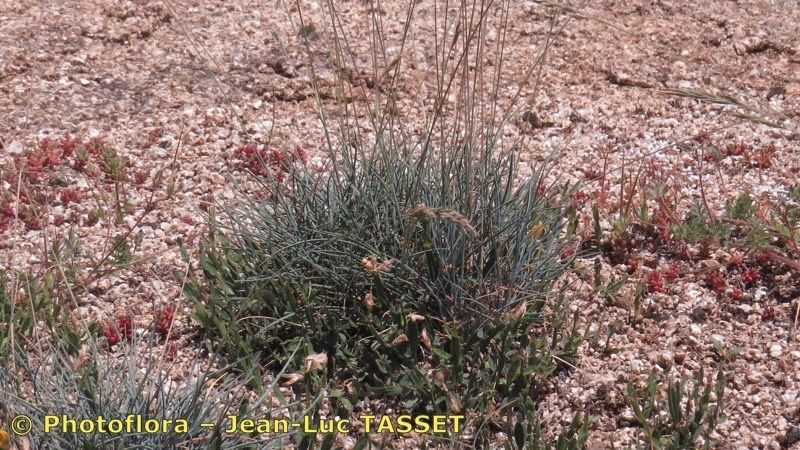
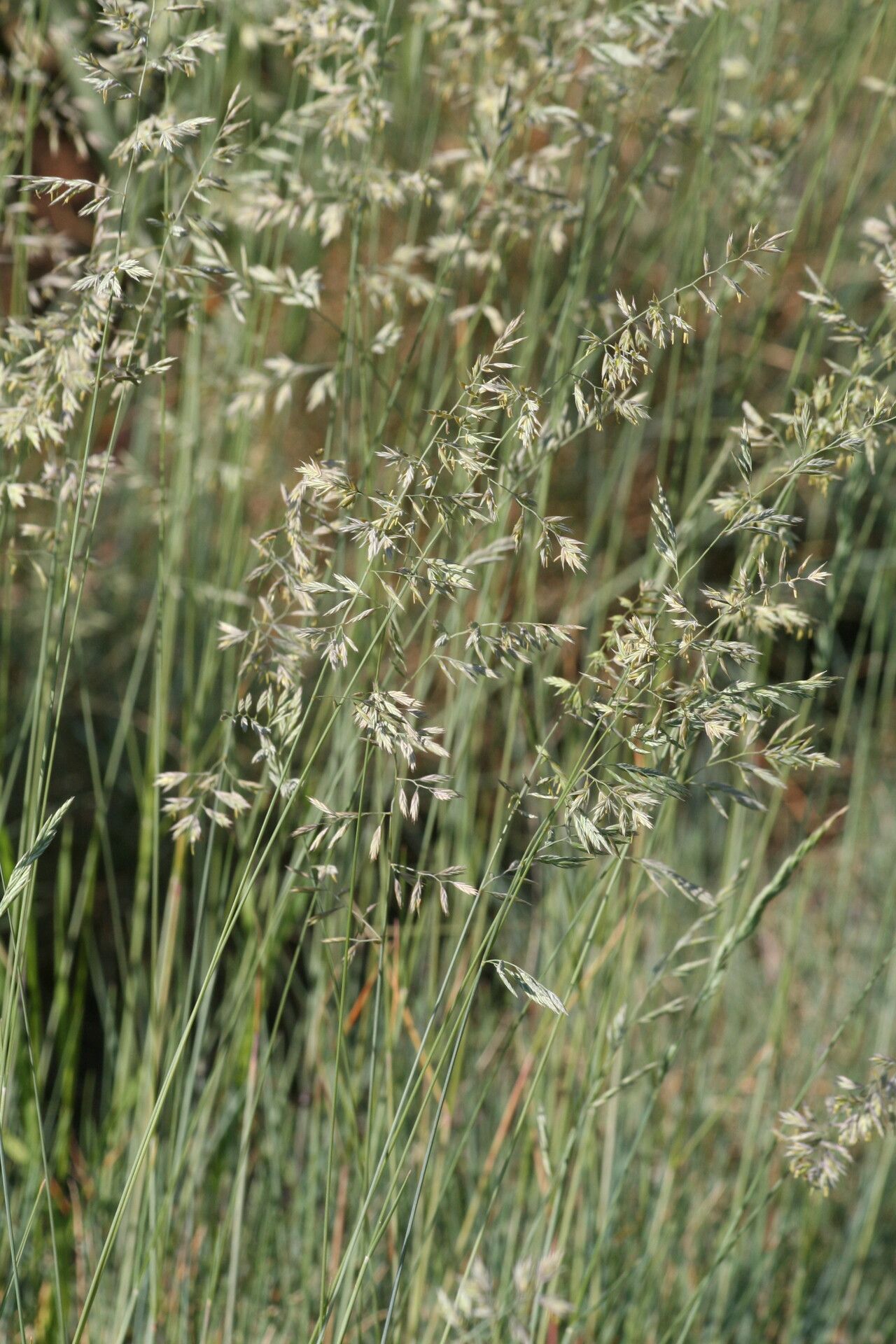
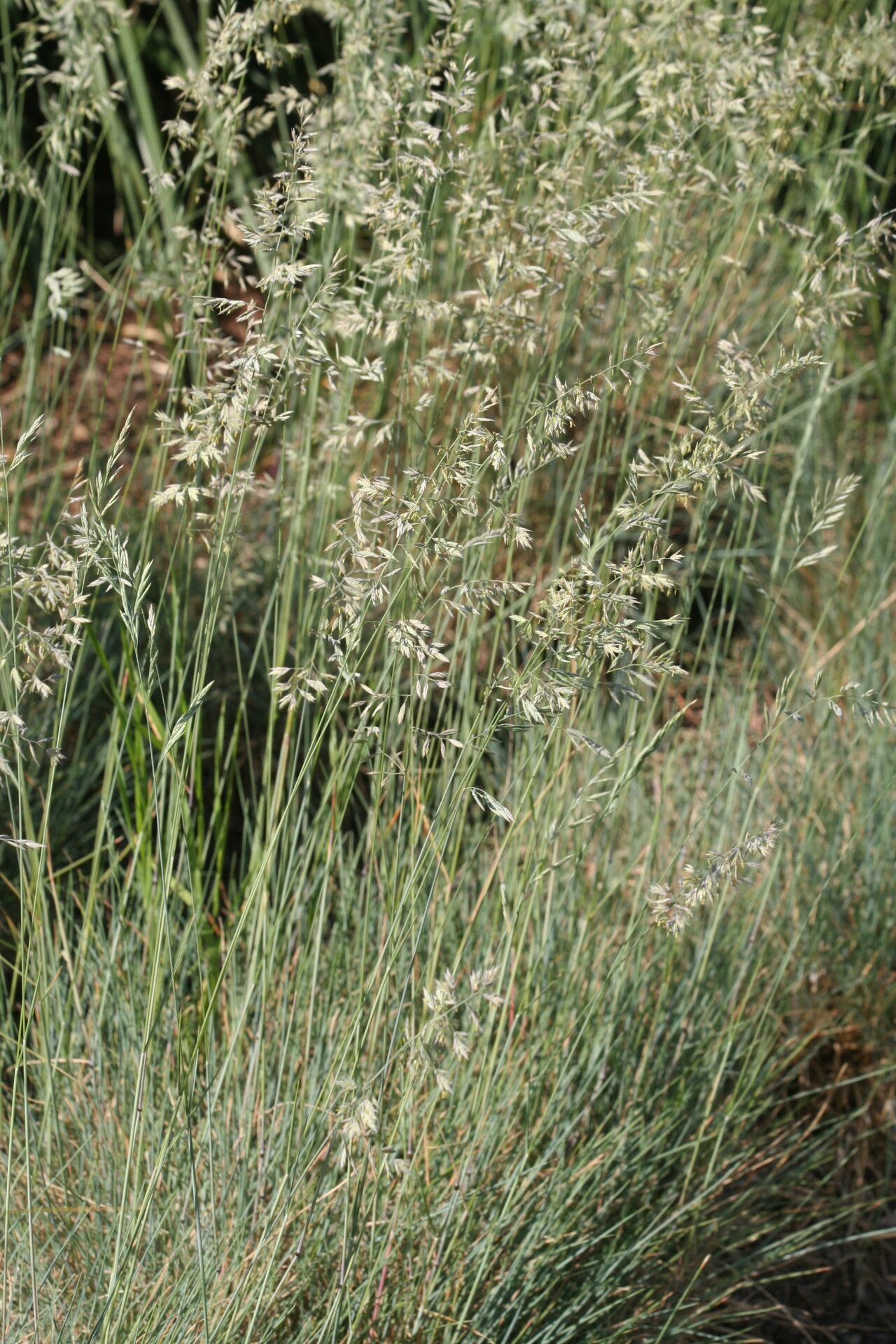
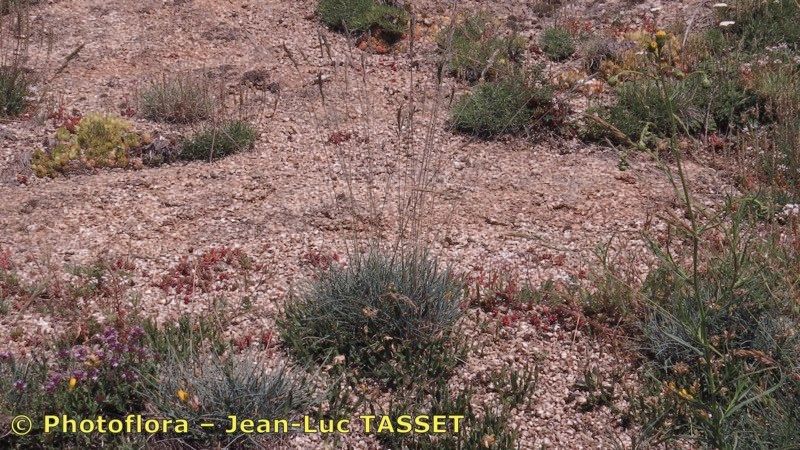
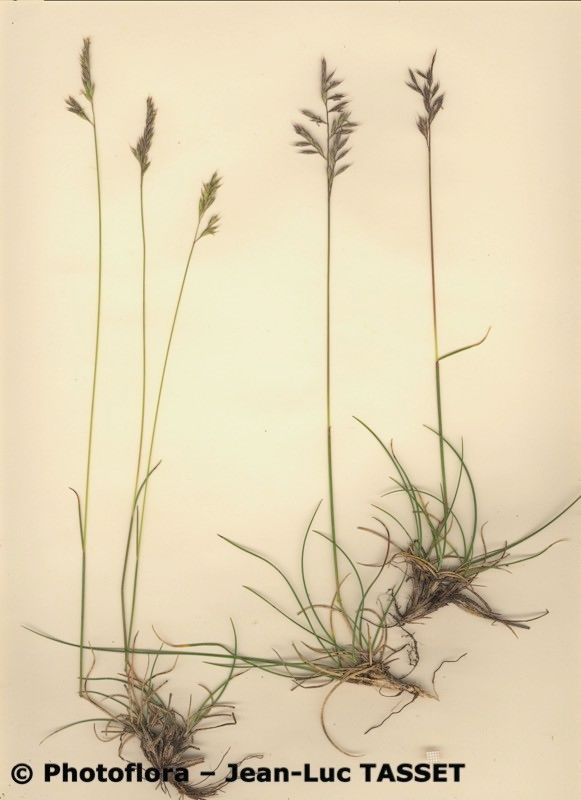
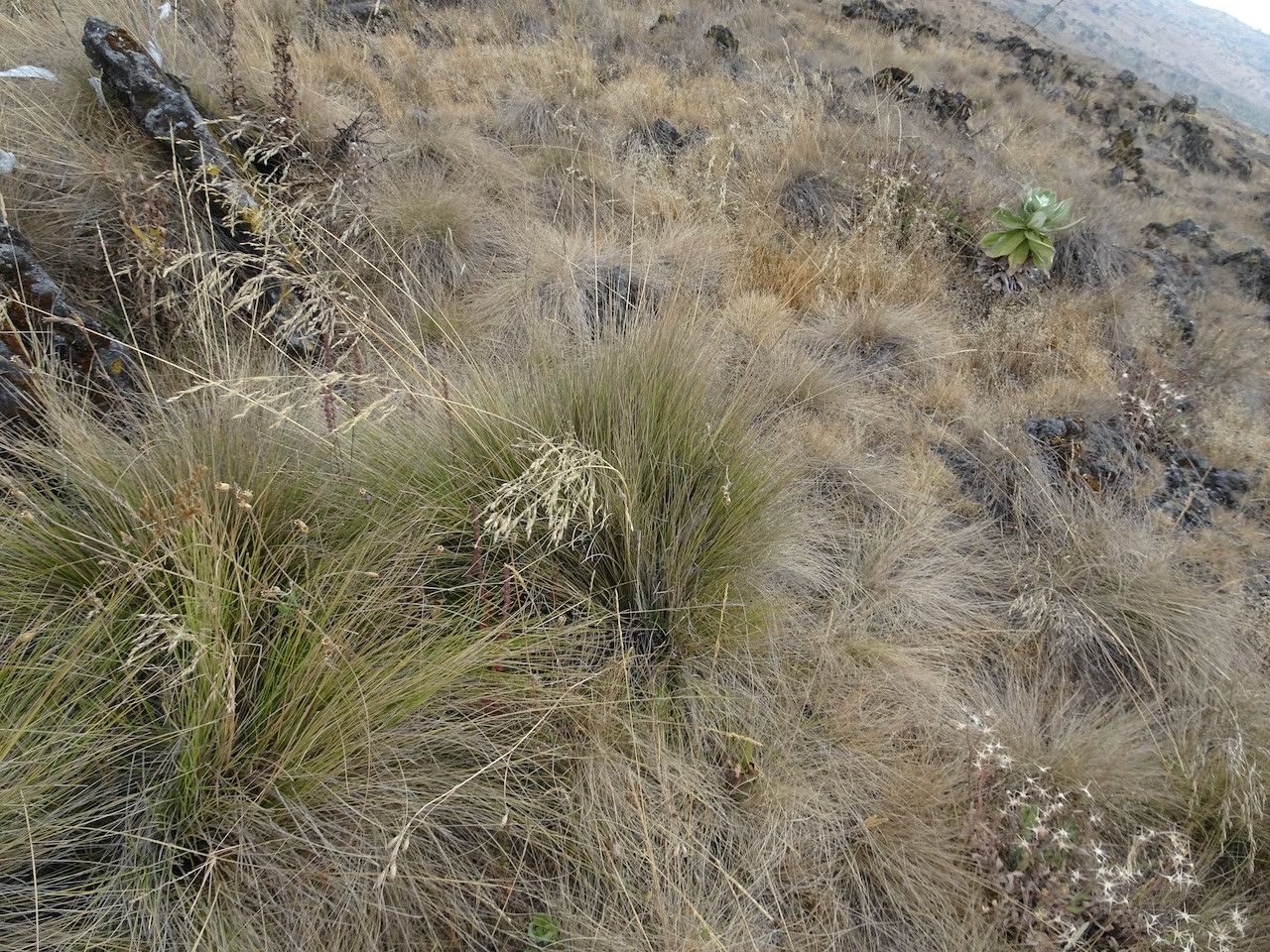
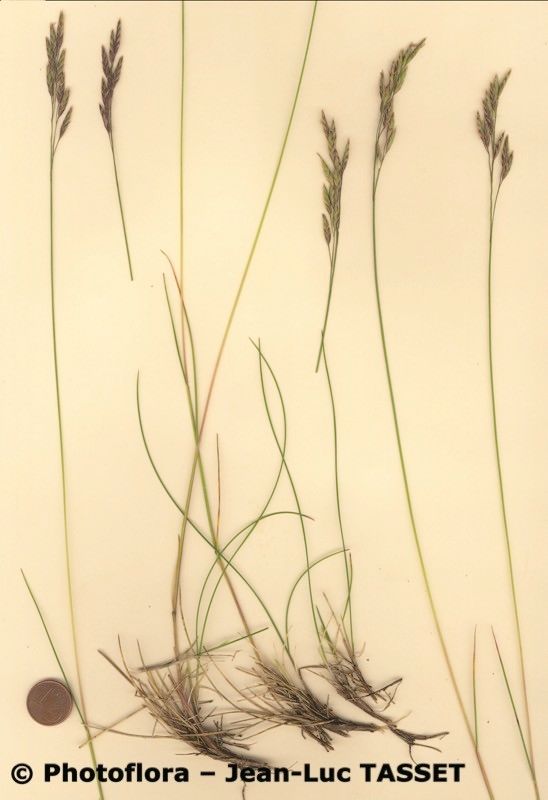
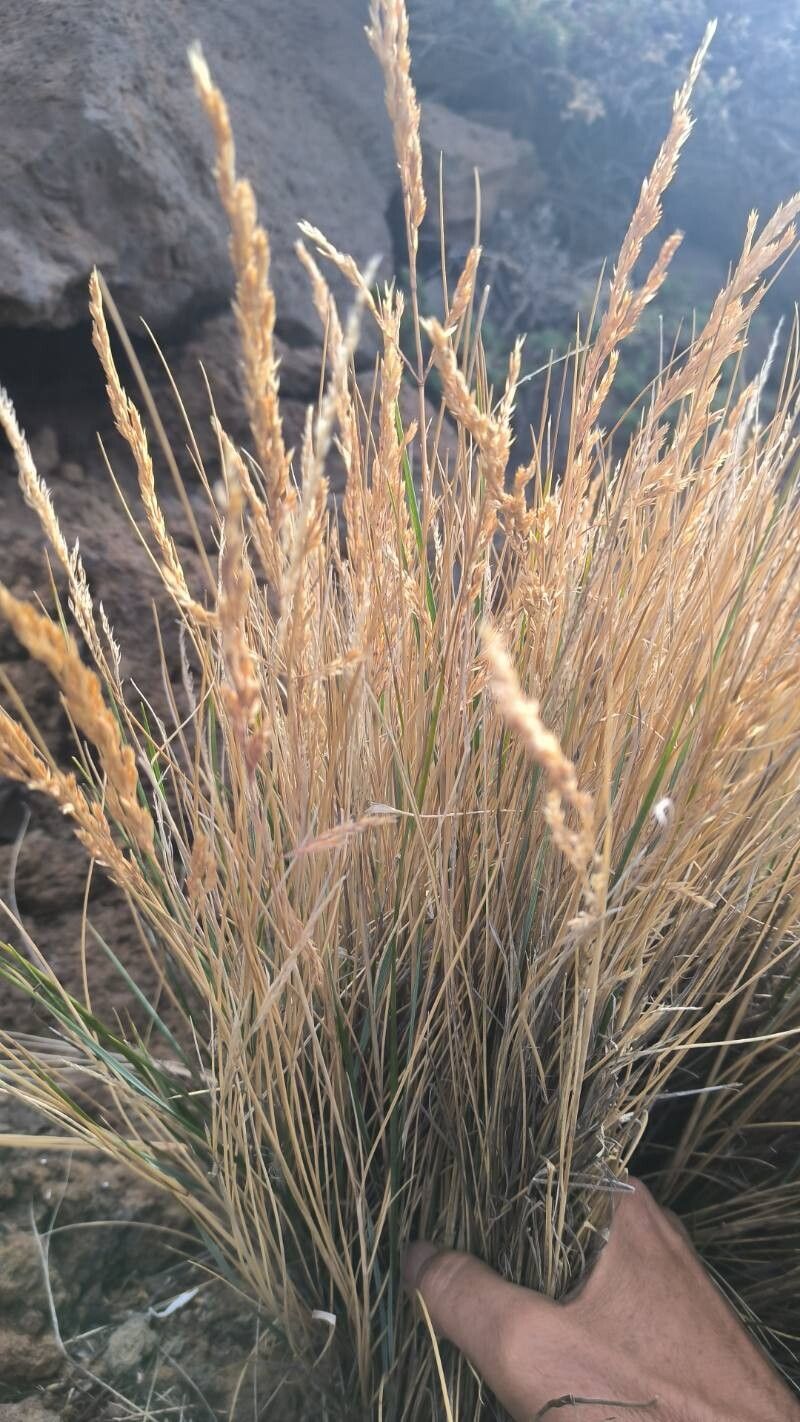
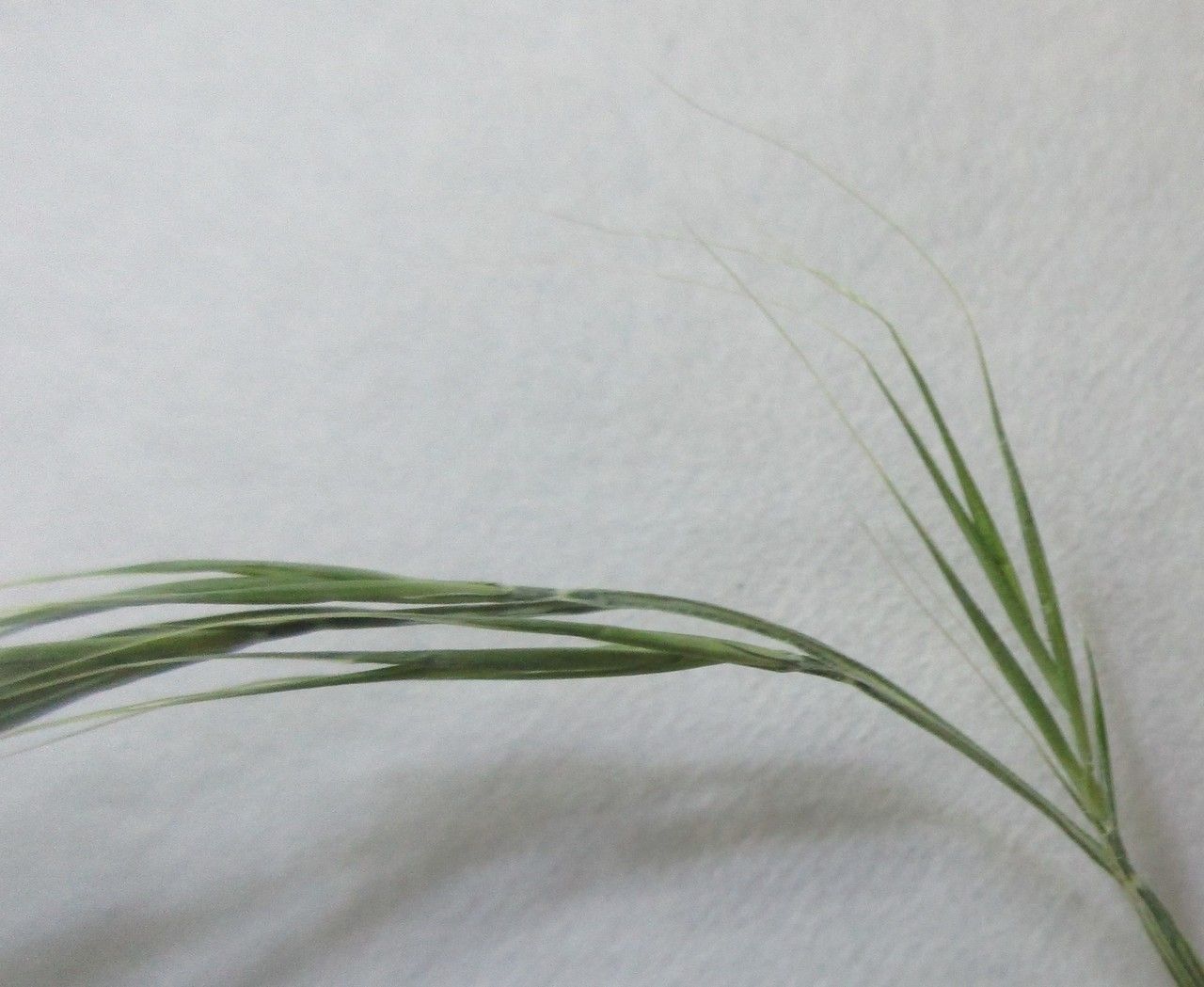
Festuca longifolia, known in Britain and Ireland as blue fescue, is a species of grass which is native to Channel Islands and Southern Devon. It was described by Auquier in 1977.
Red Fescue is relatively disease-resistant and typically does not suffer from illnesses. Regarding care, this plant is fairly low-maintenance. When grown outdoors it needs little watering, and larger specimens usually do not require pruning. Smaller specimens, however, should be pruned after they have finished blooming. Red Fescue is suitable for anyone with an outdoor area, such as a garden or deck, and does not demand much plant-care experience.
How to keep Festuca Longifolia.
Light
Red fescue maintains peak health when given plentiful sunlight, reflecting its origin in open habitats. It can tolerate lower light levels, but this may limit optimal growth. Excessive or insufficient sunlight can reduce its vigor or fade its color.
Temperature
Red Fescue is a temperate woody species that requires temperatures of 41 to 95 ℉ (5 to 35 ℃). It is native to cooler, moist habitats and can withstand light frosts. In the colder months, Red Fescue should be maintained at 41 to 50 ℉ (5 to 10 ℃) to promote dormancy and prevent frost damage.
Fertilizer
Red Fescue is a cool-season grass that primarily grows in spring and fall. It becomes dormant in winter and its growth slows in summer. Applying suitable fertilizers in spring can replenish nutrients and encourage vigorous, dense growth. Well-fed lawns are greener, resilient, and resist pests and weeds.
Botanical profile.
- Plant Type
- Grass
- Life Cycle
- Perennial
- Genus
- Festuca
- Family
- Poaceae
- Hardiness Zone
- 4-10
- Mature Height
- 30 cm to 61 cm
- Mature Spread
- 10 cm
- Leaf Color
- Green, Blue, Gray, Silver
- Leaf Type
- Evergreen
- Flower Color
- Yellow, Brown, Purple, Gold
- Flower Size
- 5.08 cm to 20.32 cm
- Bloom Time
- Late spring, Early summer
- Planting Time
- Spring, Winter
- Harvest Time
- Mid summer
Other names.