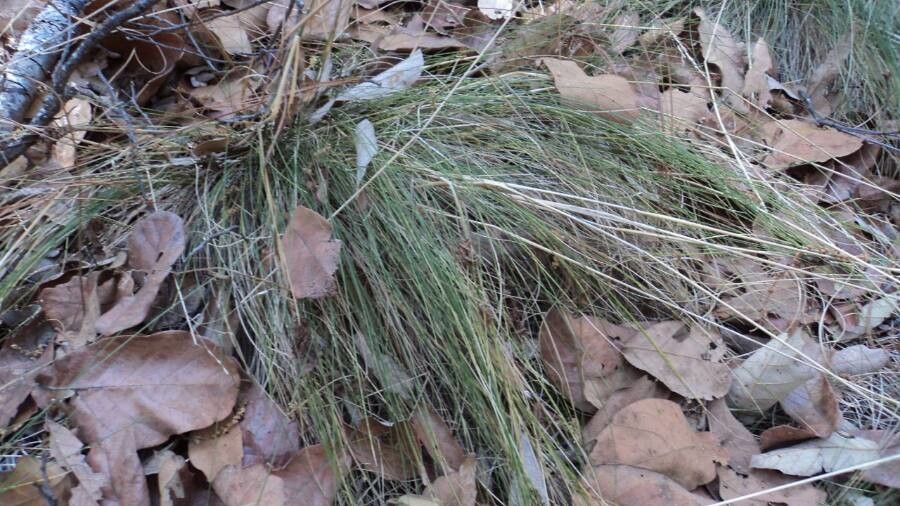
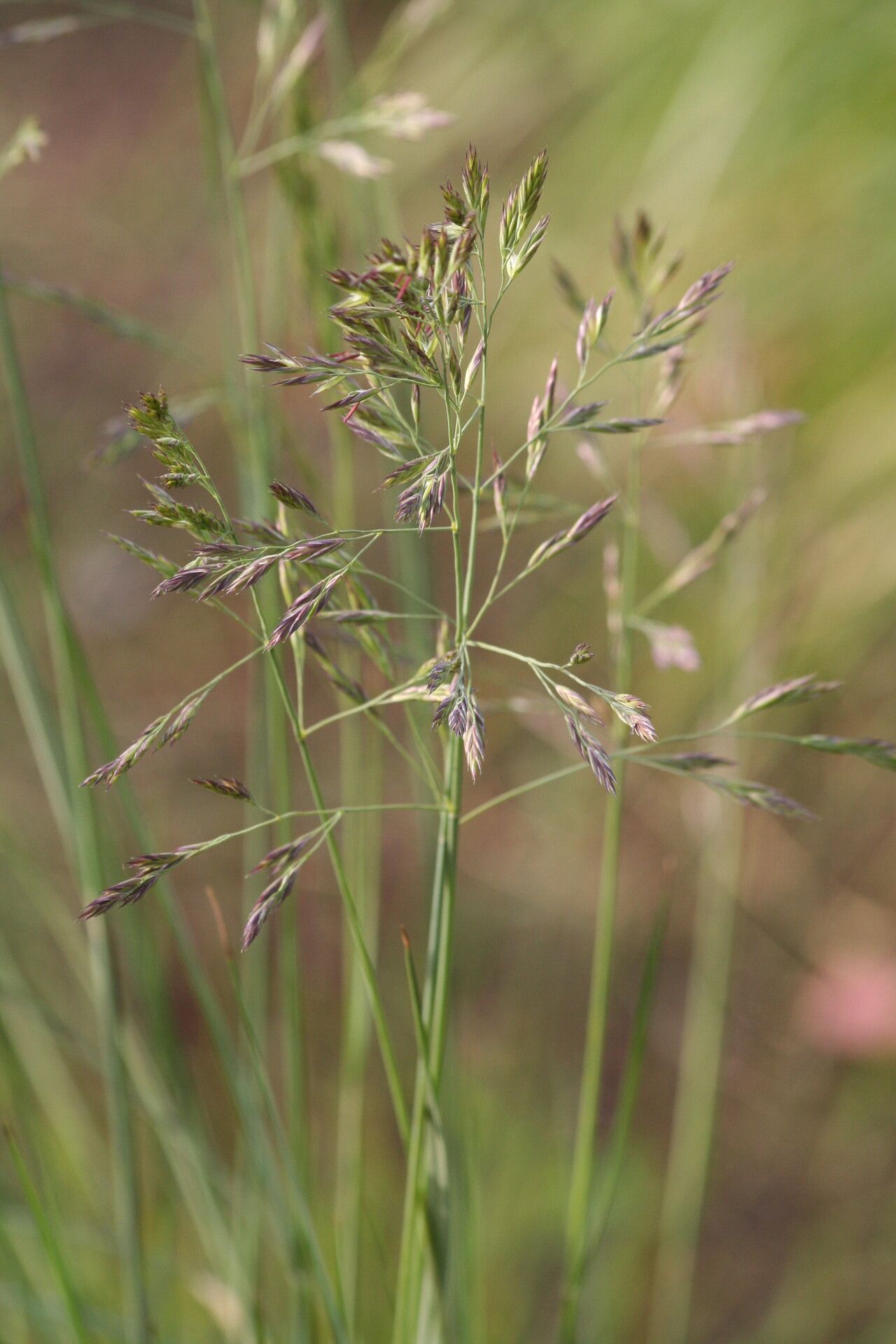
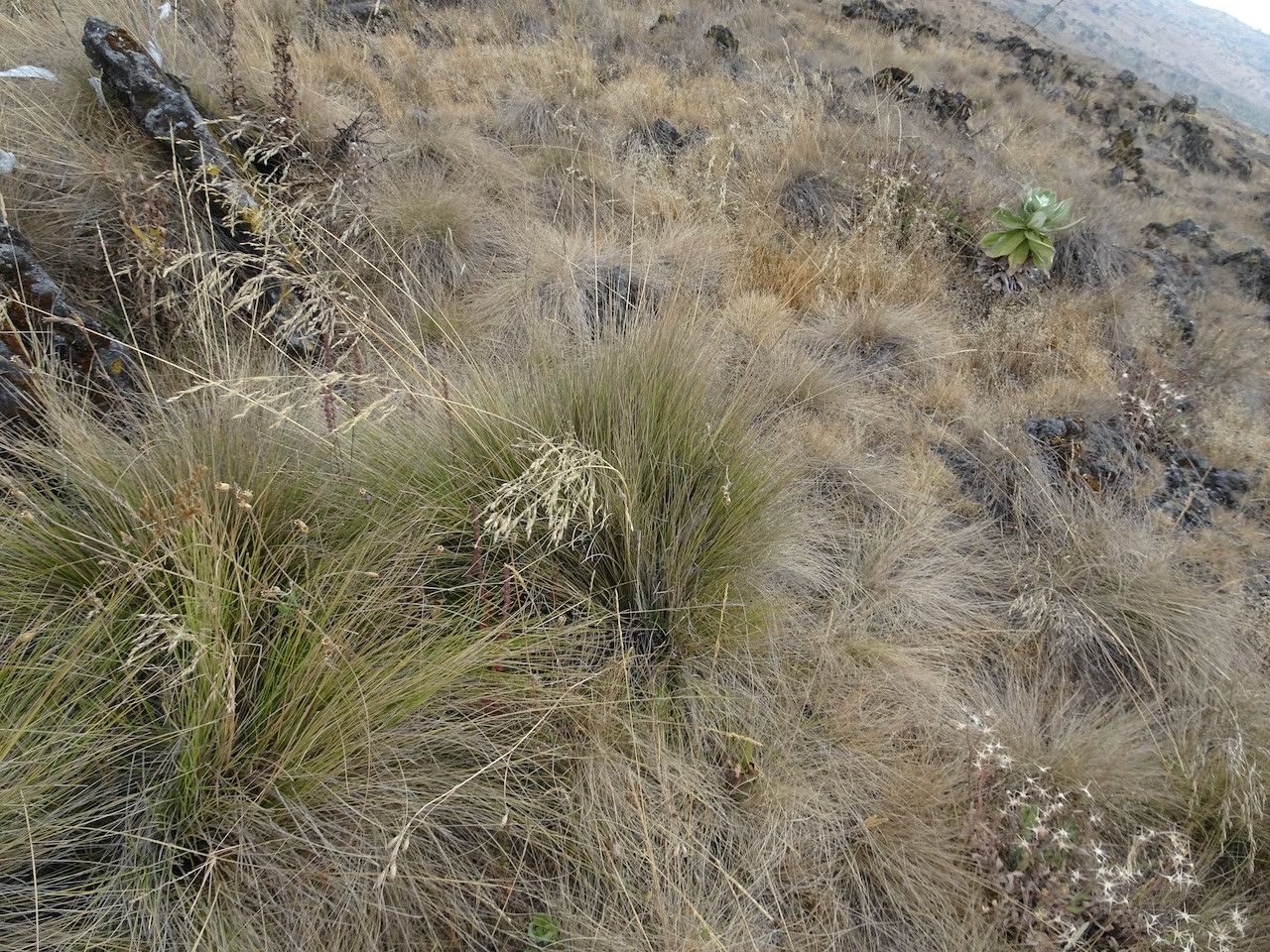
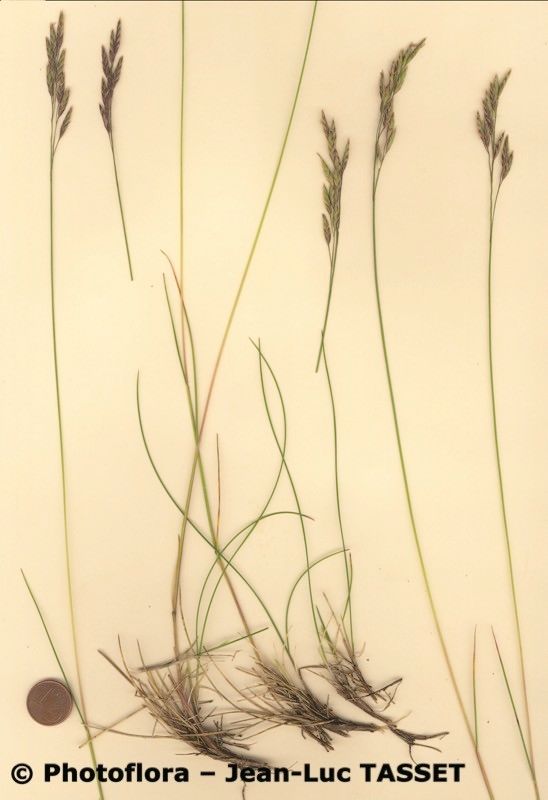
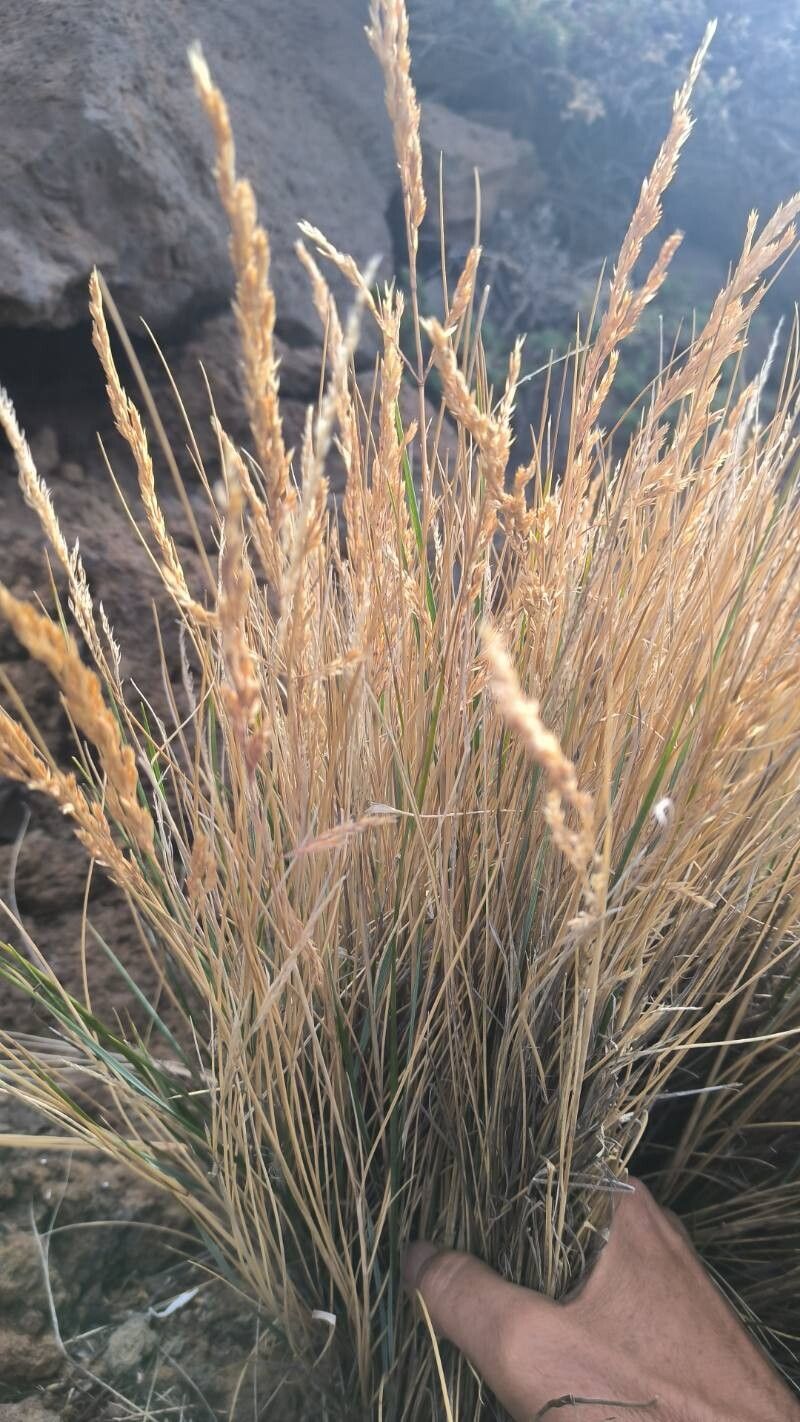
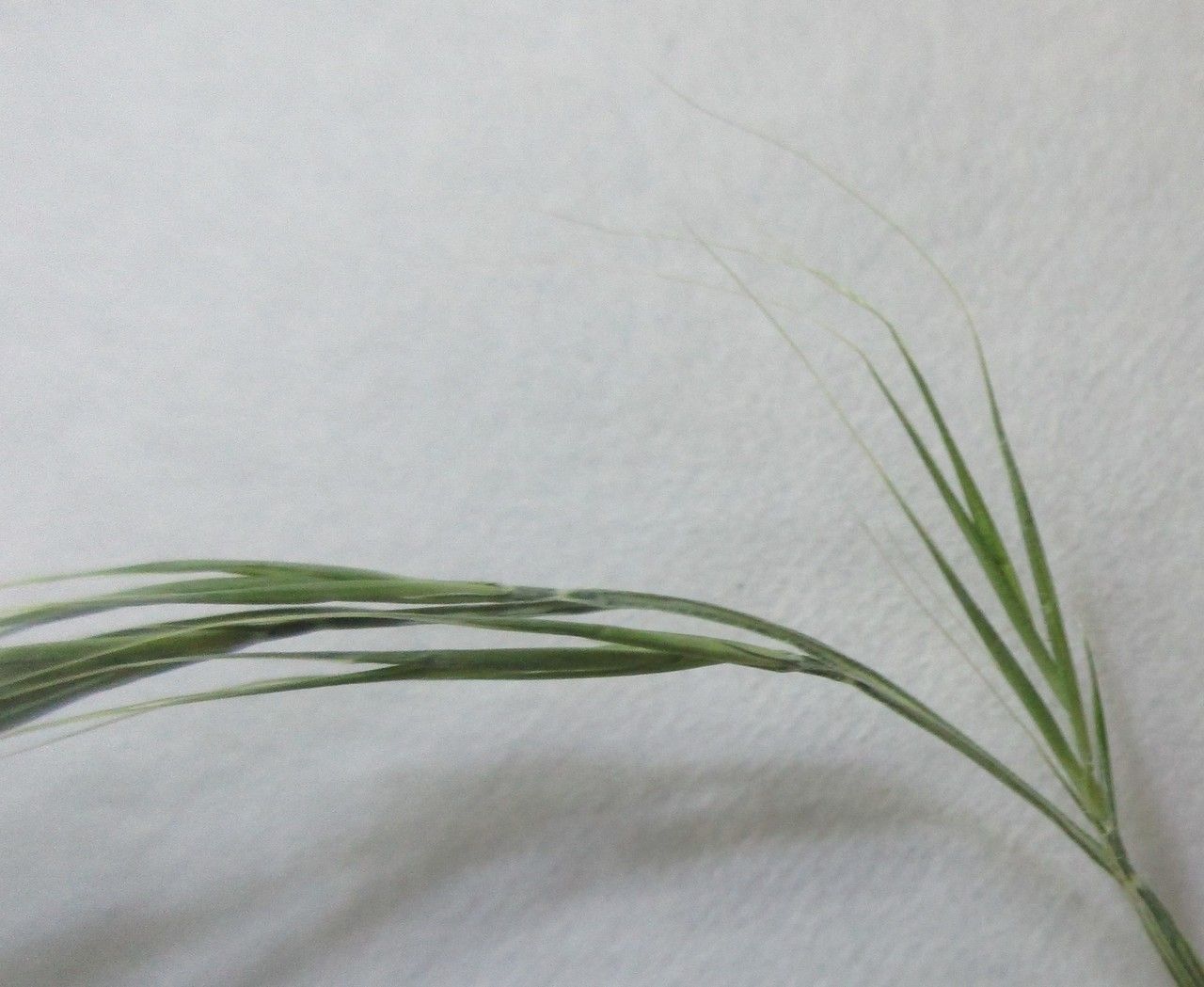
Festuca californica is a species of grass known by the common name California fescue. This fescue species is native to the U.S. states of California and Oregon, where it is a member of many plant communities, including chaparral and oak woodlands.
California Fescue displays strong resistance to disease and is typically not susceptible to illnesses. As for upkeep, this plant is fairly low maintenance. When grown outdoors it needs only minimal watering, and larger specimens usually do not require pruning. Smaller plants, however, should be pruned after they finish blooming. California Fescuet is appropriate for anyone with an outdoor area like a garden or deck and does not require a lot of care experience.
How to keep Festuca Californica.
Light
California Fescue prefers plenty of sunlight but can tolerate conditions with reduced sun. Native to open, sunny habitats, the plant does best in those same conditions. However, both too much and too little sun can impede its growth.
Water
California Fescue flourishes in temperate regions and benefits from regular watering once a week. Although it can withstand short periods of dryness, maintaining consistent moisture is essential for its health as an evergreen, especially in outdoor environments with changing climates.
Temperature
The California fescue thrives at temperatures between 59 and 95 ℉ (15 to 35 ℃). Native to California, it handles the temperate climate of the state well. In winter, give this plant ample sunlight and shelter from wind to help it adjust to cooler temperatures.
Fertilizer
California Fescue needs added nutrients to encourage healthy new growth. In spring, spreading compost around the plant’s base will effectively supply the nutrition it requires. Fertilizing supports vigorous growth and helps the plant fend off diseases and pests.
Pruning
California Fescue benefits from regular pruning, which is best performed in early spring. By trimming old foliage and removing spent flower heads, you can encourage new growth and improve air circulation, reducing the risk of fungal problems. There's usually no need for severe cutting; a light trim is sufficient to maintain a tidy appearance and enhance the plant's overall health.
Pot & Repot
When repotting California Fescue, select a flower pot 1–2 inches (2.5–5.1 cm) larger with ample drainage. Use a well-draining potting mix. Repot in spring or fall, ensuring the root ball is slightly lower than the rim of the flower pot. Water thoroughly after repotting and place it in a warm spot with indirect sunlight.
Botanical profile.
- Plant Type
- Grass
- Life Cycle
- Perennial
- Genus
- Festuca
- Family
- Poaceae
- Hardiness Zone
- 7-10
- Mature Height
- 0.46 m to 1.37 m
- Mature Spread
- 0.46 m to 1.07 m
- Leaf Color
- Green, Blue, Gray
- Leaf Type
- Evergreen
- Flower Color
- Yellow, Green, White, Purple, Brown
- Flower Size
- 1.02 cm to 1.52 cm
- Bloom Time
- Mid spring, Late spring
- Planting Time
- Autumn
- Harvest Time
- Early summer, Mid summer
Other names.
Reader questions.
What are the sunlight requirements for California Fescue?
California Fescue thrives in conditions where it can receive ample sunlight, ideally in full sun which means above 6 hours of sunlight or partial sun, about 3-6 hours of sunlight daily. This plant is native to open habitats where sunlight is abundant, making it well-suited to thrive under similar conditions in your garden or outdoor space. It's important to observe the movement of sunlight through your garden to choose spots that offer the right balance of light and shade, ensuring the plant's growth is not hindered by too much or too little sun.
What is the preferred temperature range for California Fescue?
California Fescue thrives in a temperature range of 59 to 95°F (15 to 35°C). It is well-adapted to the temperate climate of its native California, requiring ample sunlight and wind protection during winter months. The plant possesses strong cold resistance, making special frost protection measures unnecessary, except when temperatures are expected to drop below -15°C. For winter preparation, it is advised to water the plant abundantly before the first freeze to ensure the soil remains moist through winter and early spring, aiding in drought and water scarcity prevention.
How does artificial lighting support plant growth in indoor settings?
When natural sunlight is insufficient especially during winter or in less sunny indoor spaces, artificial lighting becomes crucial for the optimal growth of indoor plants, including California Fescue. LED lights are recommended as they can be customized to provide specific wavelengths needed for plant growth. Full sun plants require 30-50W/sq ft, partial sun plants need 20-30W/sq ft, and full shade plants require 10-20W/sq ft of artificial light. The light source should be placed 12-36 inches above the plant to mimic natural sunlight conditions, and the duration should mimic the plant species' natural daylight hours, usually between 8-12 hours per day.
How does California Fescue respond to low temperatures?
California Fescue is cold-tolerant and prefers temperatures to remain above 15°C. While it shows remarkable resilience in winter, maintaining it above -10°C is crucial. If temperatures fall below -15°C, there might not be noticeable changes immediately, but a decrease or absence of sprouting can occur come spring. To mitigate this, it's recommended to remove any parts that fail to sprout as spring arrives.
What are the symptoms of inadequate lighting for California Fescue?
Symptoms of light deficiency in California Fescue include new leaves growing smaller than the previous ones, leggy or sparse growth indicating spaces between leaves or stems are elongating, faster leaf drop as a conservation measure, delayed or halted growth, and lighter-colored new leaves due to a lack of chlorophyll. Excessive sunlight exposure can lead to chlorosis (leaves turning yellow), sunscald, leaf curling as a defense mechanism to reduce water loss, wilting, and leaf scorching characterized by brown, dry, or crispy leaf edges.
How should I care for California Fescue during high temperatures?
During the summer, it's important to ensure that temperatures around California Fescue do not exceed 35°C. Exposure to temperatures above 41°C can cause the plant's leaves to lighten in color, become prone to curling, suffer from sunburn, and in severe cases, lead to wilting and drying out of the plant. To prevent this, trim away sunburned and dried-up areas, relocate the plant to a shadier location, or use a shade cloth for protection against midday and afternoon sun. Additionally, watering in the morning and evening can help maintain soil moisture.
What solutions can mitigate lighting issues for California Fescue?
To optimize growth and address lighting issues, gradually move indoor plants to sunnier locations each week until they receive at least 6 hours of direct sunlight daily, utilizing a south-facing window. If moving the plant isn't feasible, consider using artificial lighting such as a desk lamp or professional plant grow lights for at least 8 hours daily. For outdoor plants, similarly, gradually increase sunlight exposure to avoid sunburn. Reducing obstructions like pruning trees can help, and for smaller plants, consider transplanting during their dormant period to a sunnier spot. Note that parts of the plant already affected may not recover, but new growth should be healthy with improved lighting conditions.
What are the botanical details of California Fescue?
California Fescue is botanically named Festuca californica. Native to California, it is a plant that adapts well to the state's temperate climate, showcasing strong cold resistance while thriving in a broad temperature range. Its care involves proper sunlight exposure, winter wind protection, and adequate watering before the onset of winter to prevent drought.