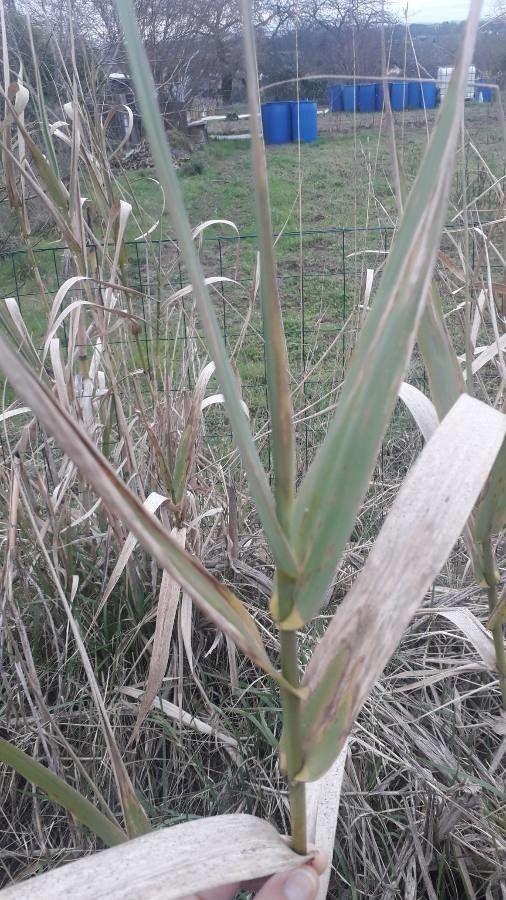
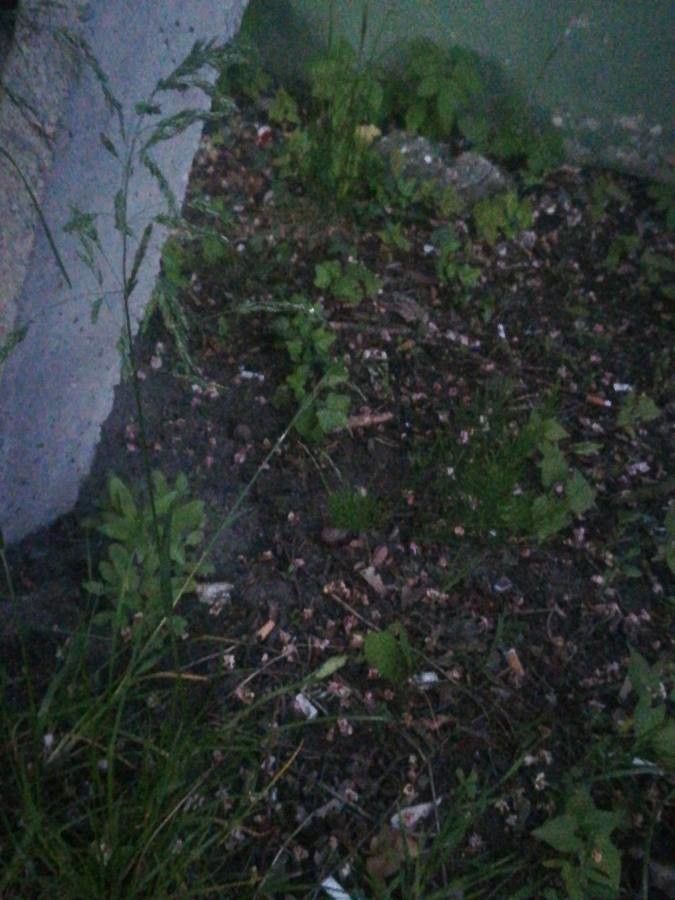
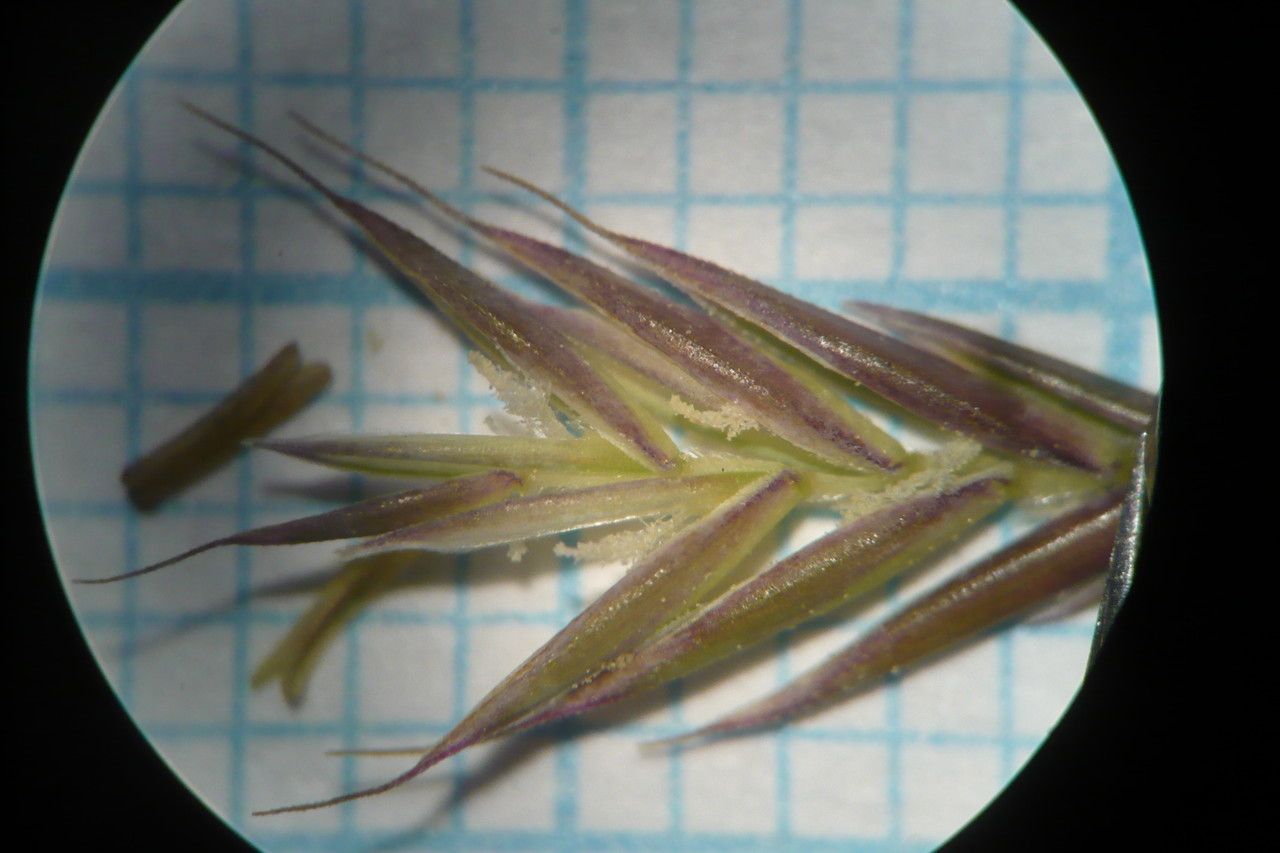
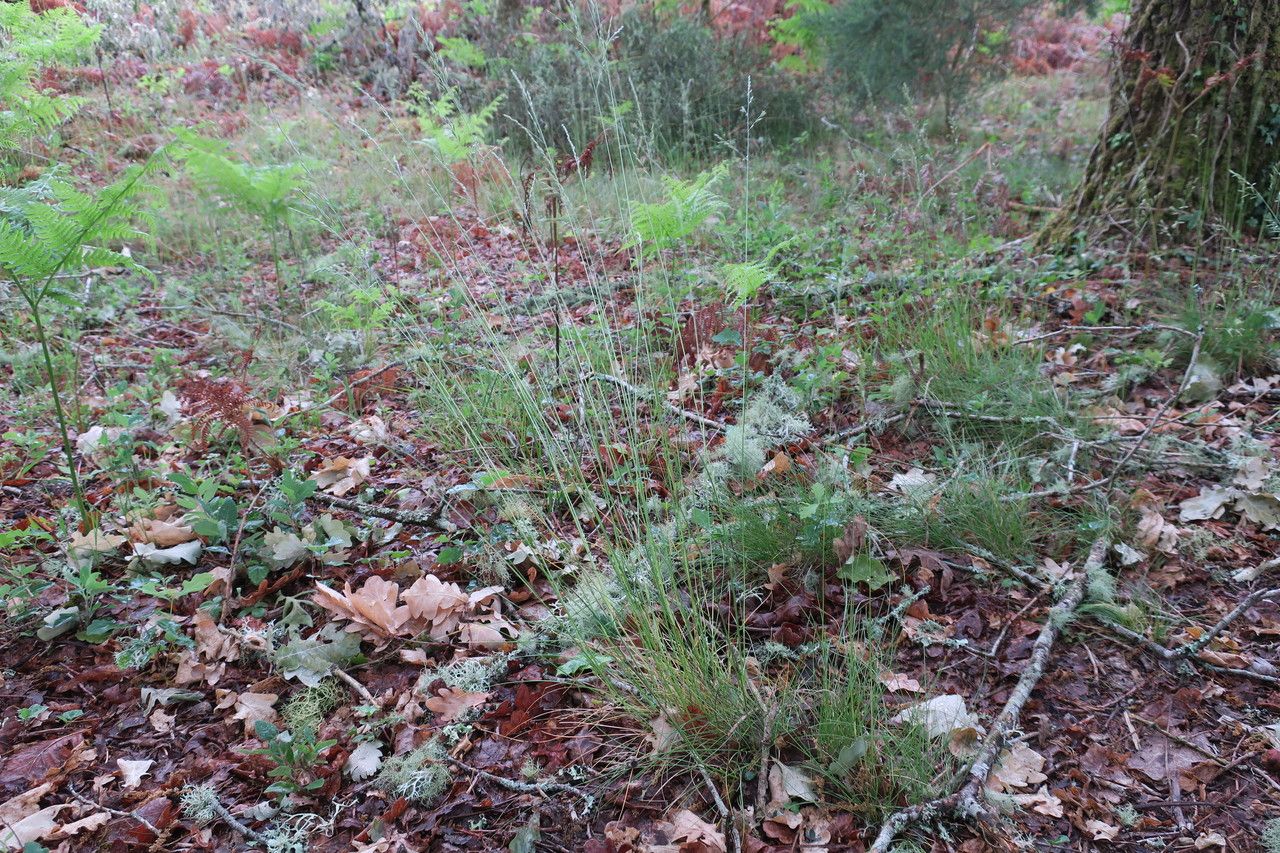
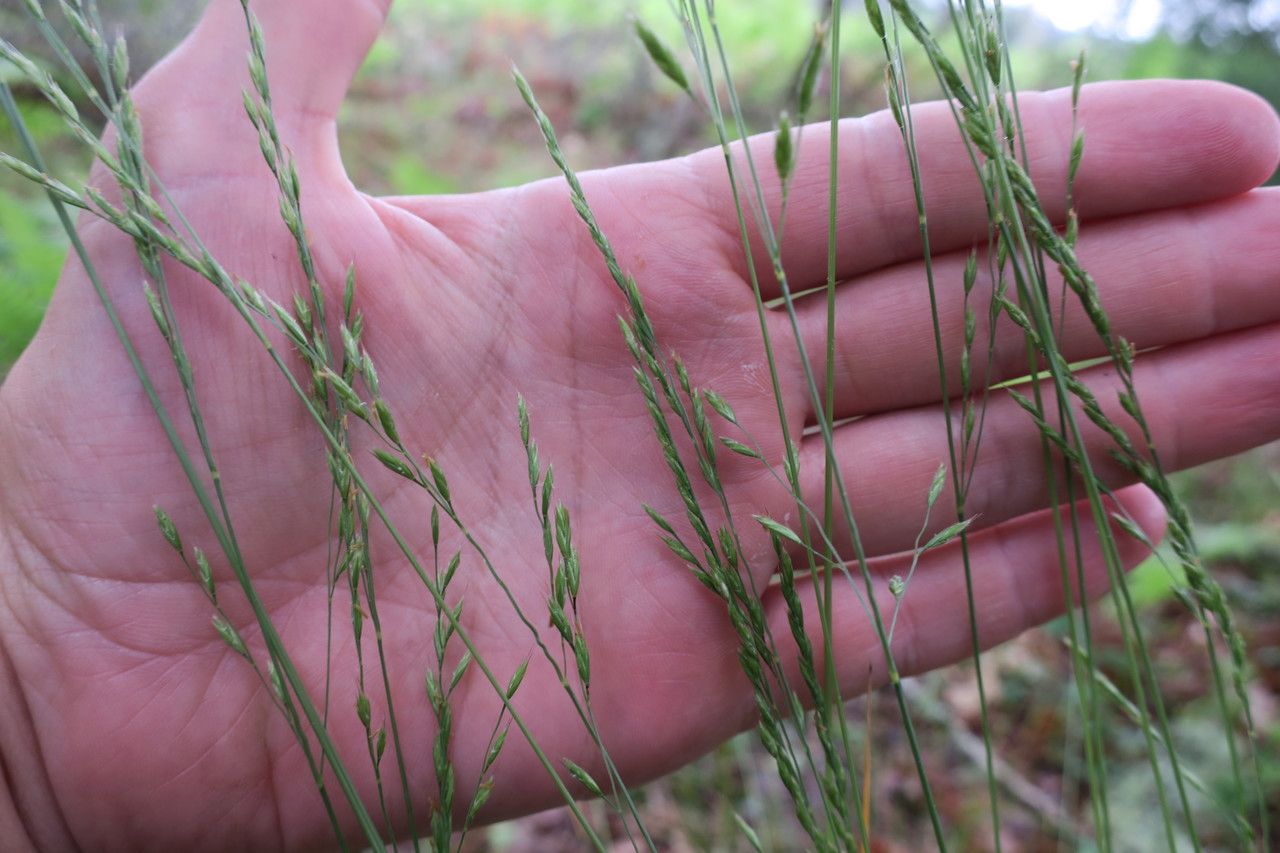
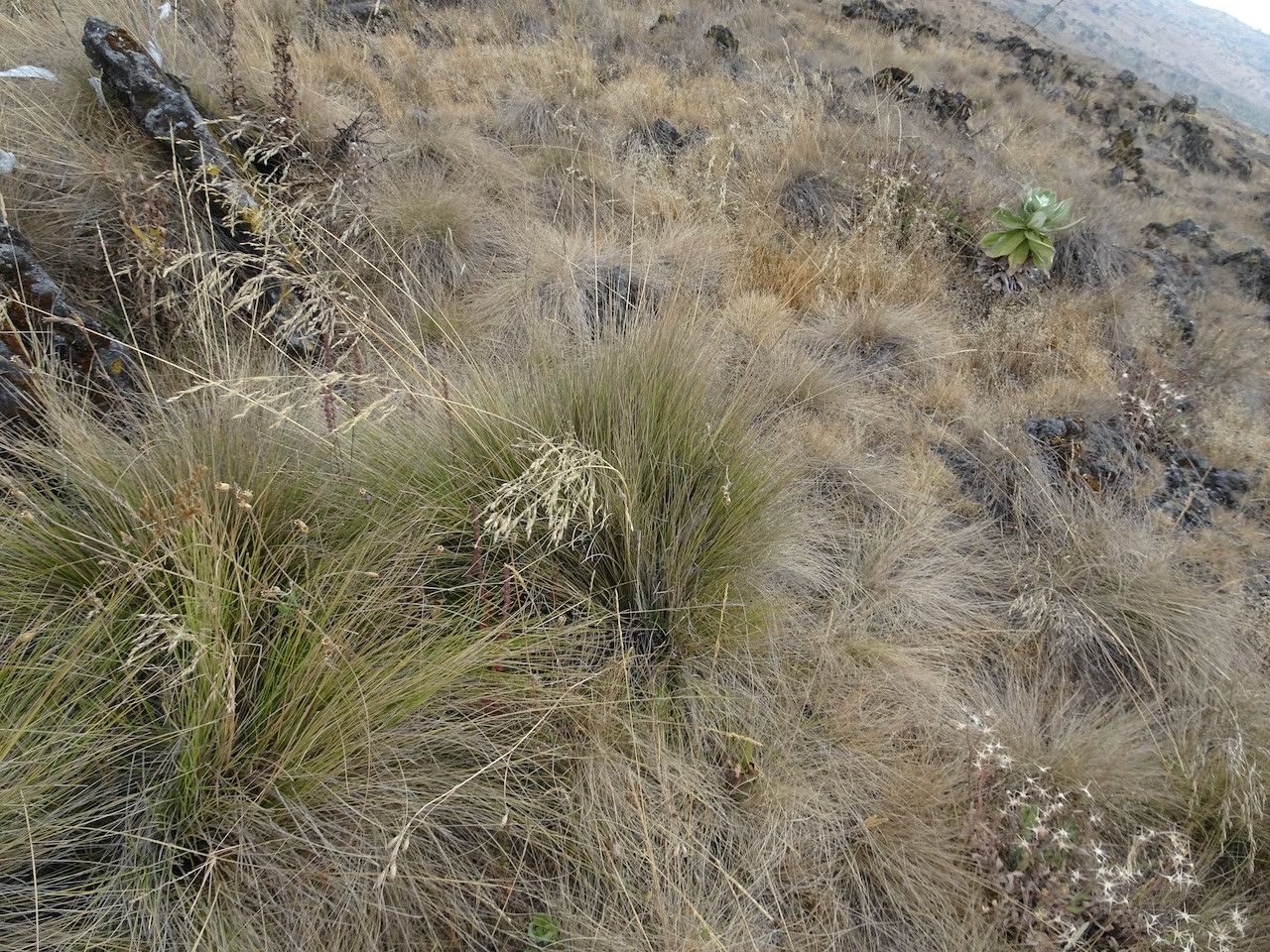
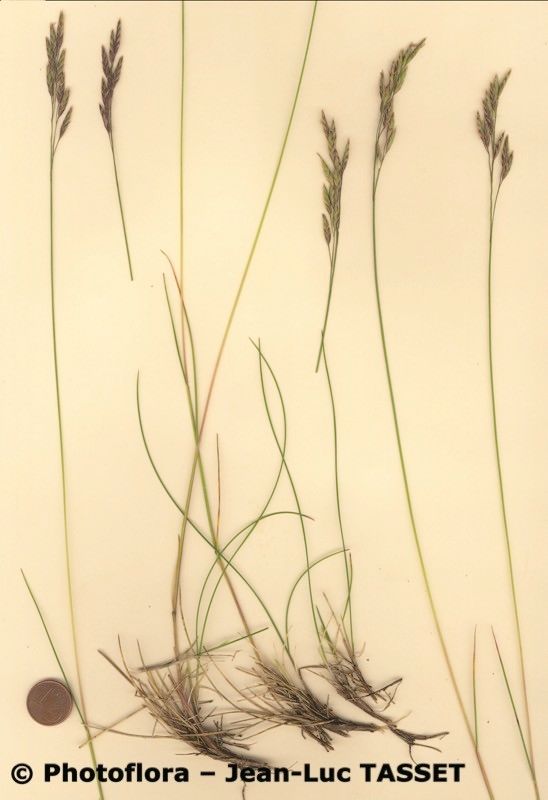
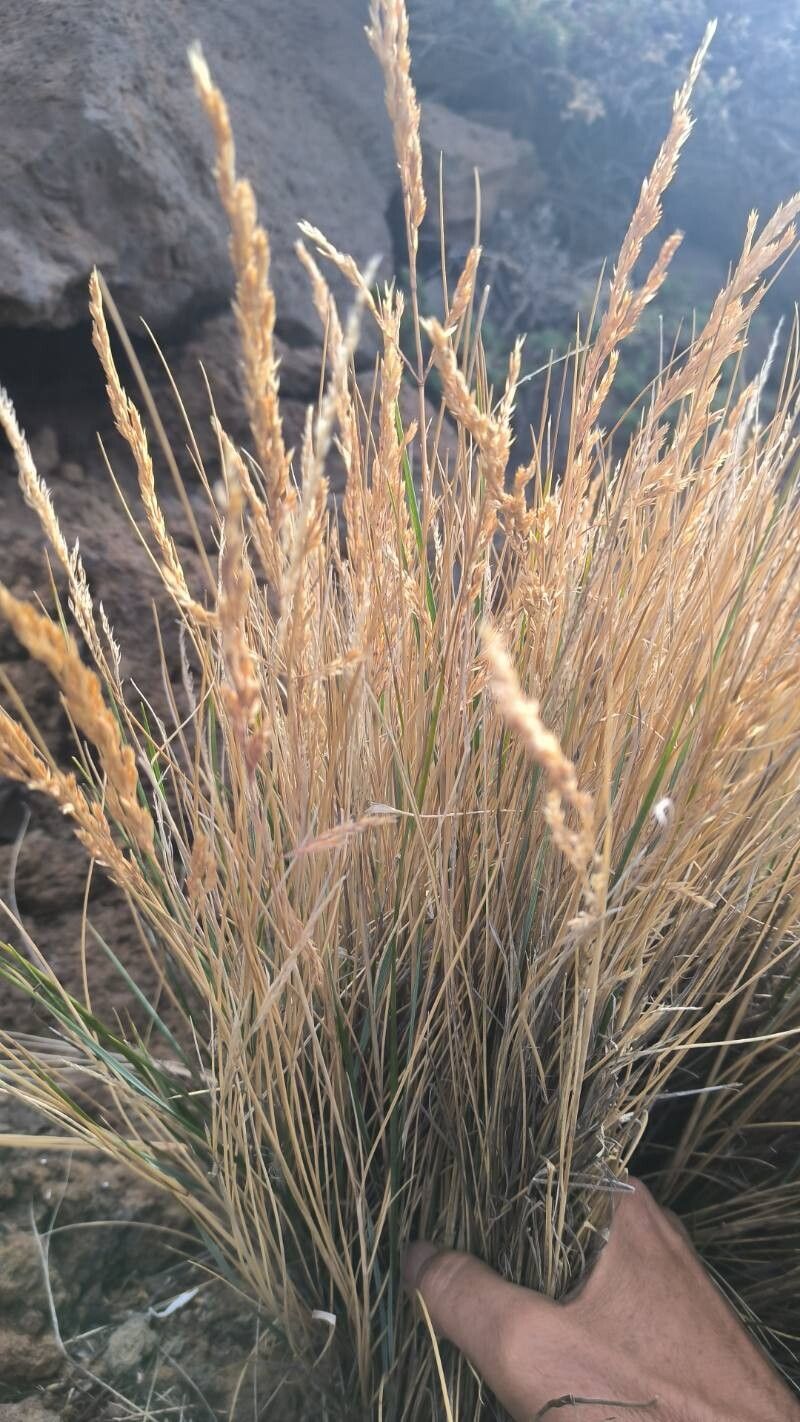
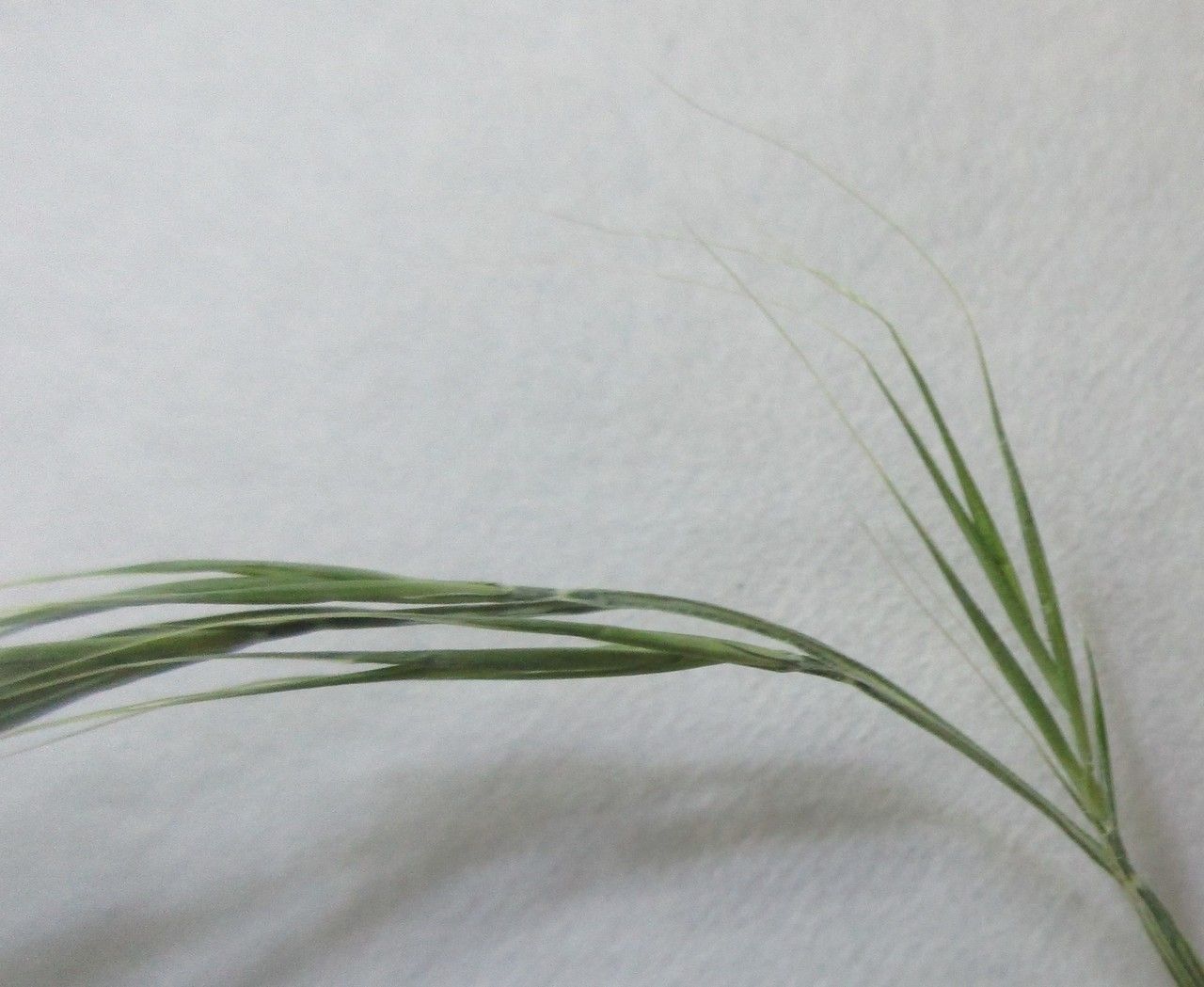
Festuca brevipila, commonly known as short-hair fescue, is a cool-season perennial grass native to the western United States. It typically grows in dense tufts and features a fine texture with narrow, blue-green leaves. During the summer, the plant produces small flowers on tall stems.
Short-hair fescue is frequently used for erosion control and as a low-maintenance turfgrass in areas such as golf courses, parks, and roadsides. It exhibits excellent drought tolerance and thrives even in poor soils with low fertility.
This grass prefers full sun to partial shade and requires well-drained soil for optimal growth. It can be propagated either through seed or by dividing established clumps.
Overall, Festuca brevipila is an attractive grass species that offers numerous landscaping benefits and adapts well to various growing conditions.
Hard fescue is resistant to disease and is generally not susceptible to ailments. In terms of care, this plant is relatively low maintenance. When grown outdoors, it needs little watering, and larger plants typically do not require pruning. Smaller plants, however, should be pruned after they have bloomed. Hard fescue is appropriate for anyone with an outdoor area, such as a garden or deck, and does not need extensive care experience.
How to keep Festuca Brevipila.
Light
Hard fescue is a sun-loving, perennial herbaceous plant that comes from open habitats and often does well in meadows and grasslands. It favors full sun but can also tolerate partial sun.
Temperature
Hard fescue can tolerate a wide range of temperatures, but its occurrence can still be restricted by different combinations of moisture and heat. It performs best in warm summer climates with sufficient rainfall or watering. Extended periods of cloudy, rainy weather or prolonged high temperatures can raise the chance of Hard fescue dying. In winter, adequate protection from cold can boost the plant's survival.
Fertilizer
Hard fescue is a warm-season grass that does well in summer and goes dormant in winter. Applying fertilizer is essential for thick growth, a bright green color, and durability against stresses like heat, drought, and cold. Lawns left unmaintained become weak and thin, making them prone to invasion by unwanted grasses and weeds, and to insect and disease problems.
Botanical profile.
- Plant Type
- Grass
- Life Cycle
- Perennial
- Genus
- Festuca
- Family
- Poaceae
- Hardiness Zone
- 4-8
- Mature Height
- 30 cm to 61 cm
- Mature Spread
- 20 cm to 30 cm
- Leaf Color
- Dark Green, Gray
- Leaf Type
- Semi-evergreen, Evergreen
- Flower Size
- 0.25 cm to 0.51 cm
- Bloom Time
- Late spring, Early summer
- Planting Time
- Spring, Summer, Autumn
- Harvest Time
- Mid summer, Late summer
- Native Area
- Austria, Sweden, Croatia, Belarus, Russia, Germany, Estonia, Latvia, Belgium, Netherlands, France, Czech Republic, Poland, Ukraine, Lithuania, Norway, Switzerland, Denmark, Japan, Finland, United Kingdom
Other names.