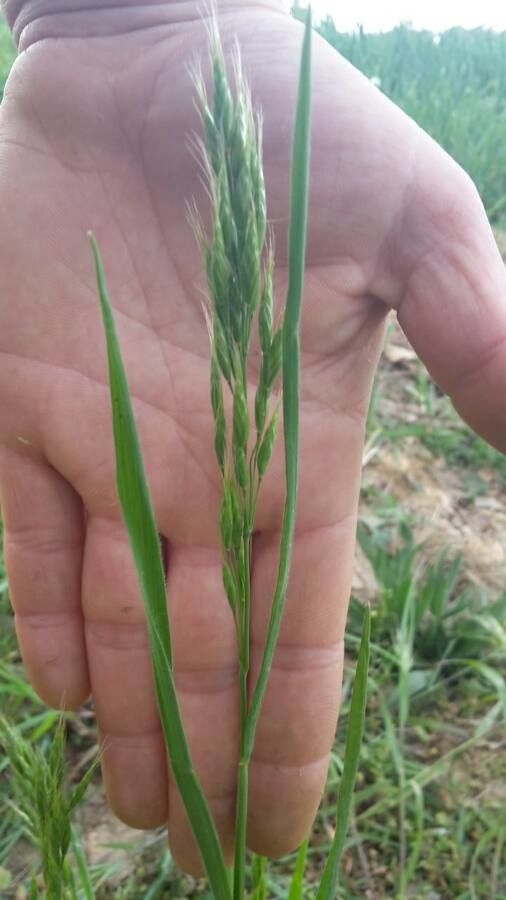
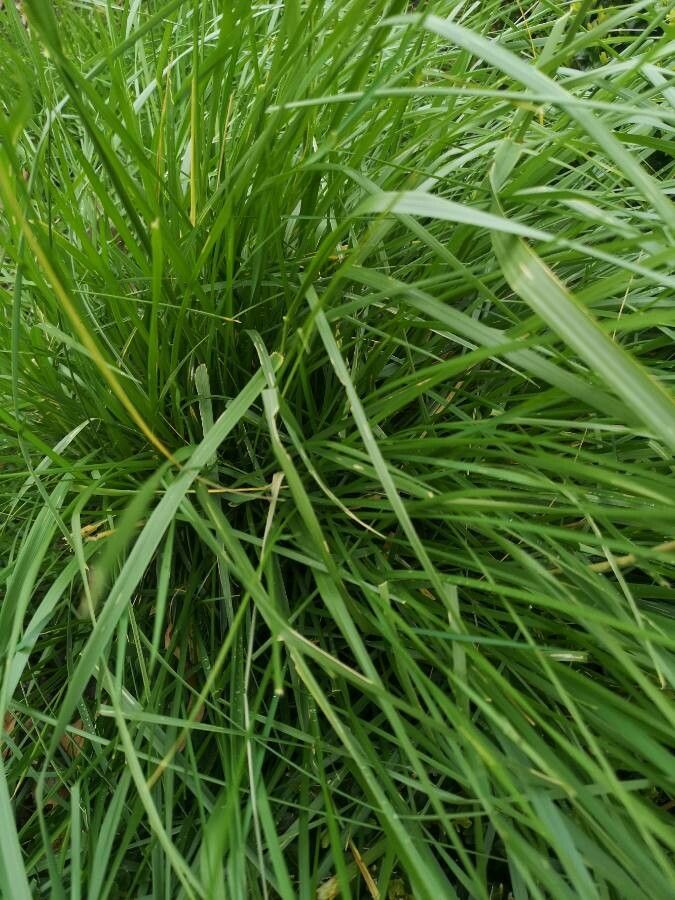
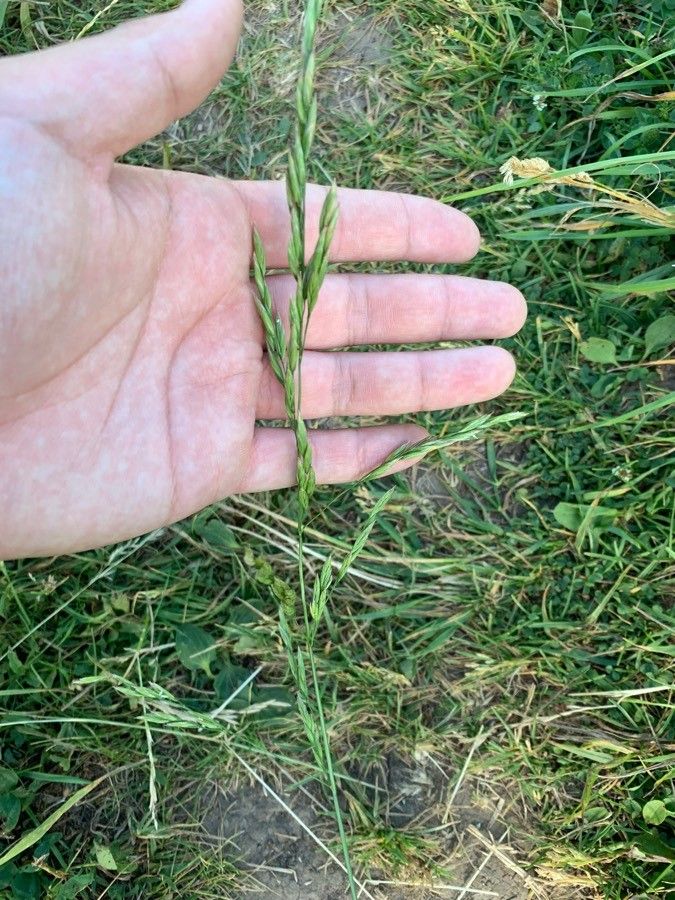
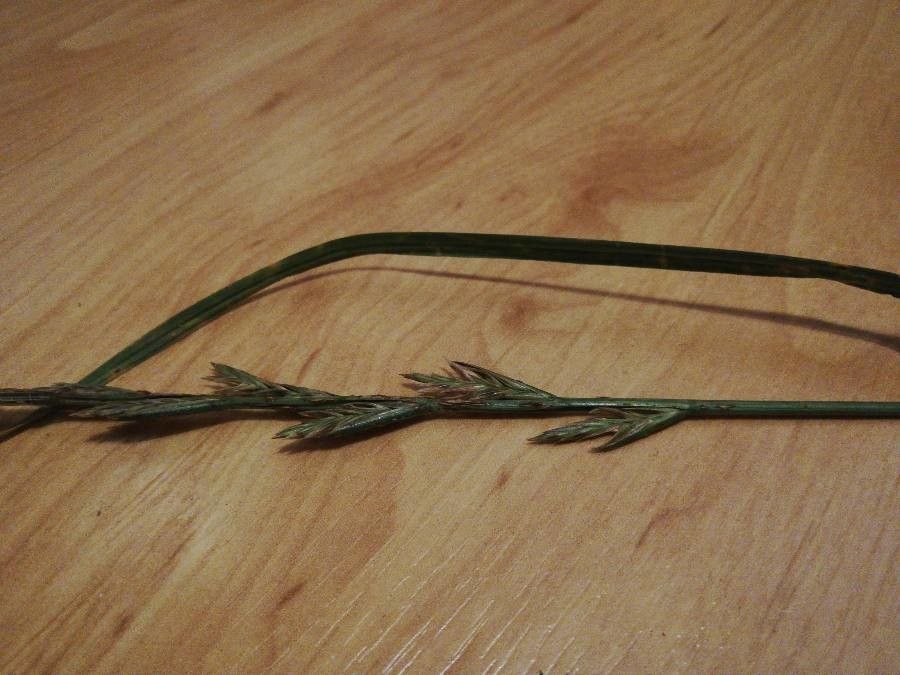
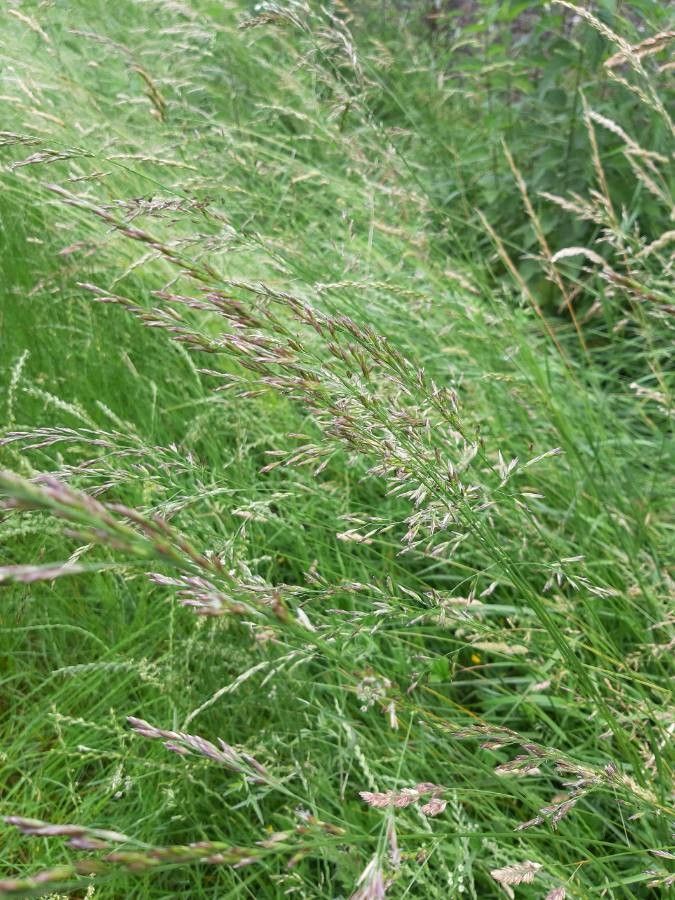
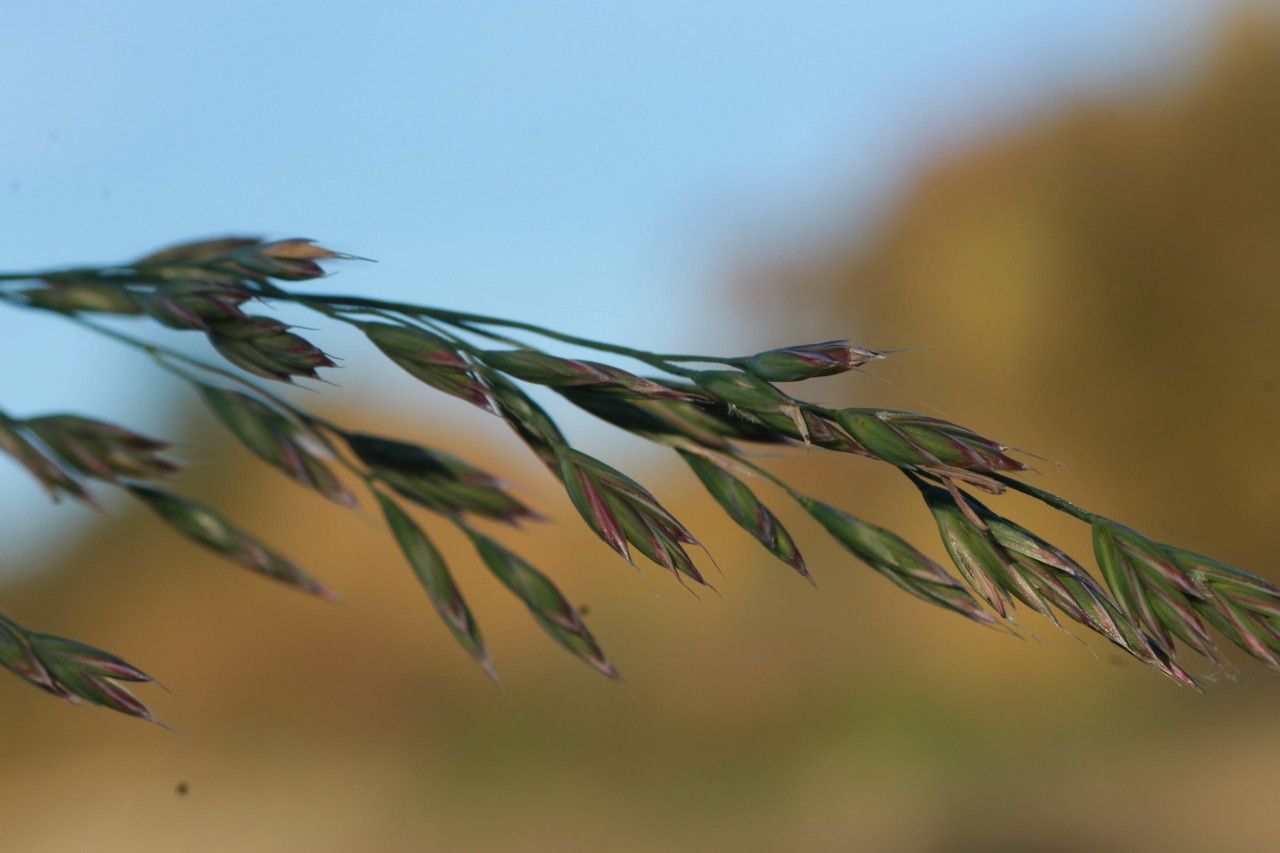
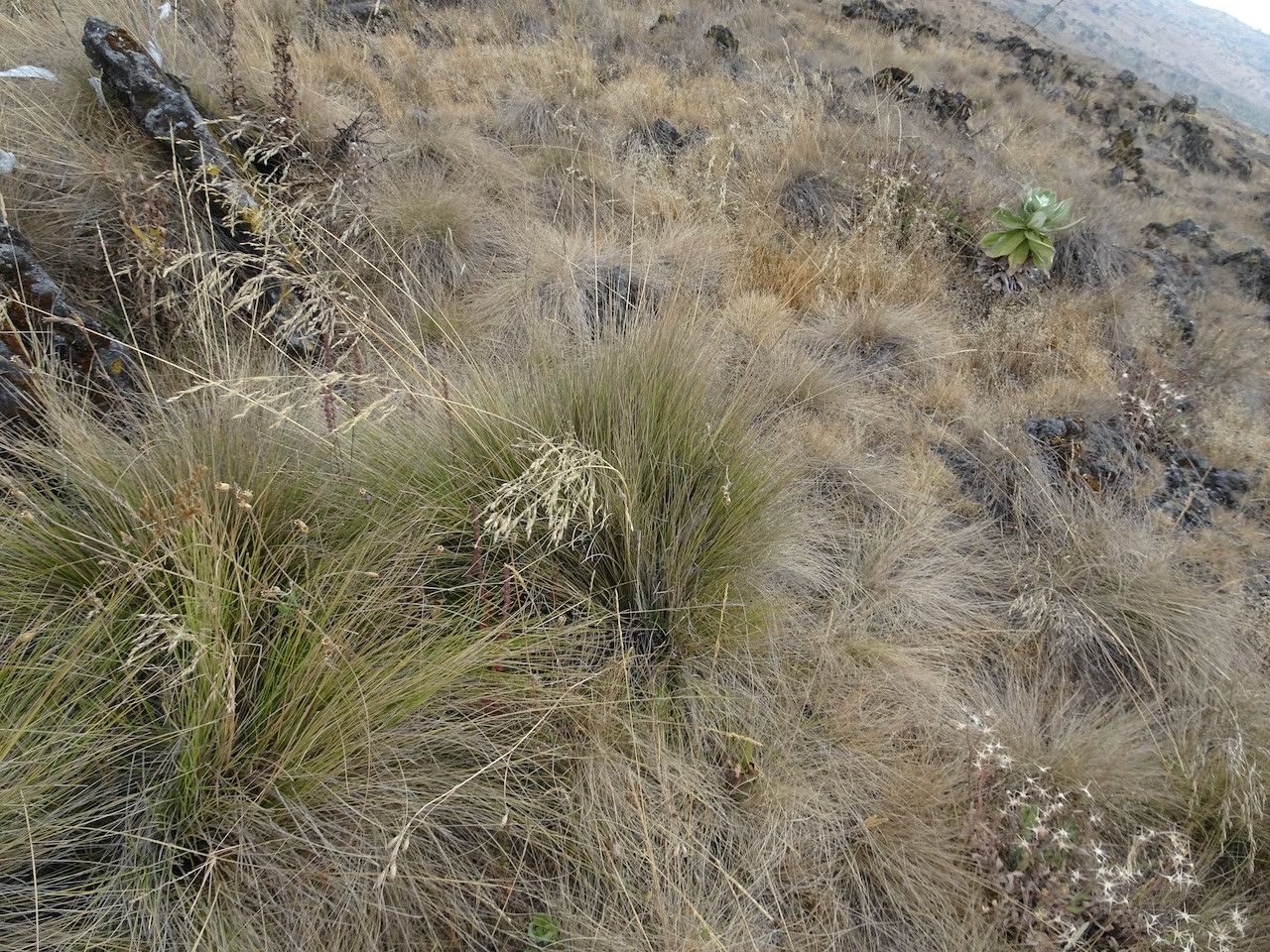
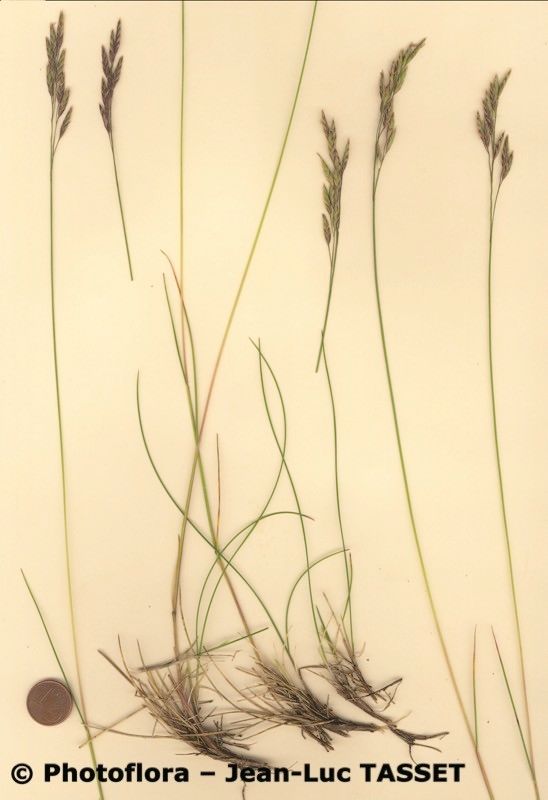
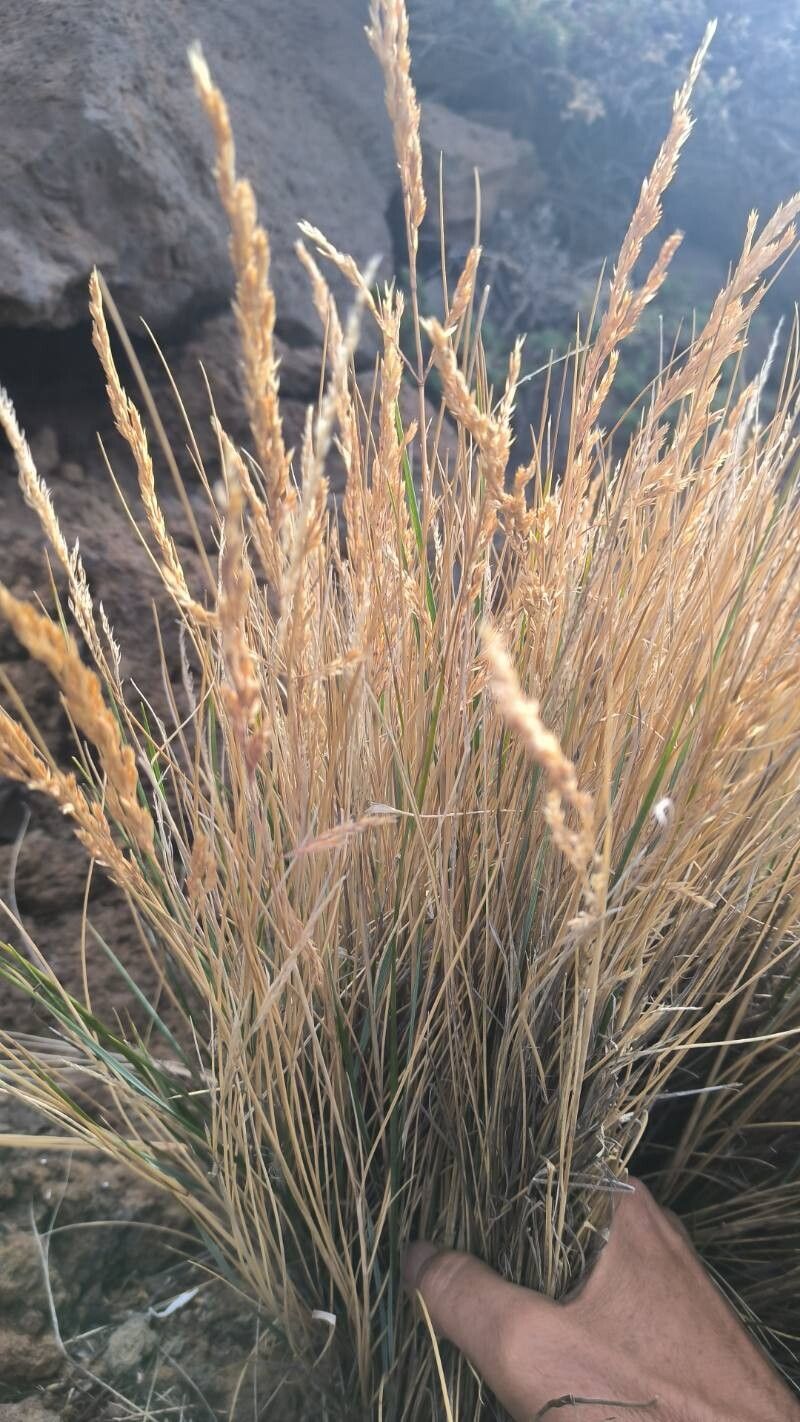
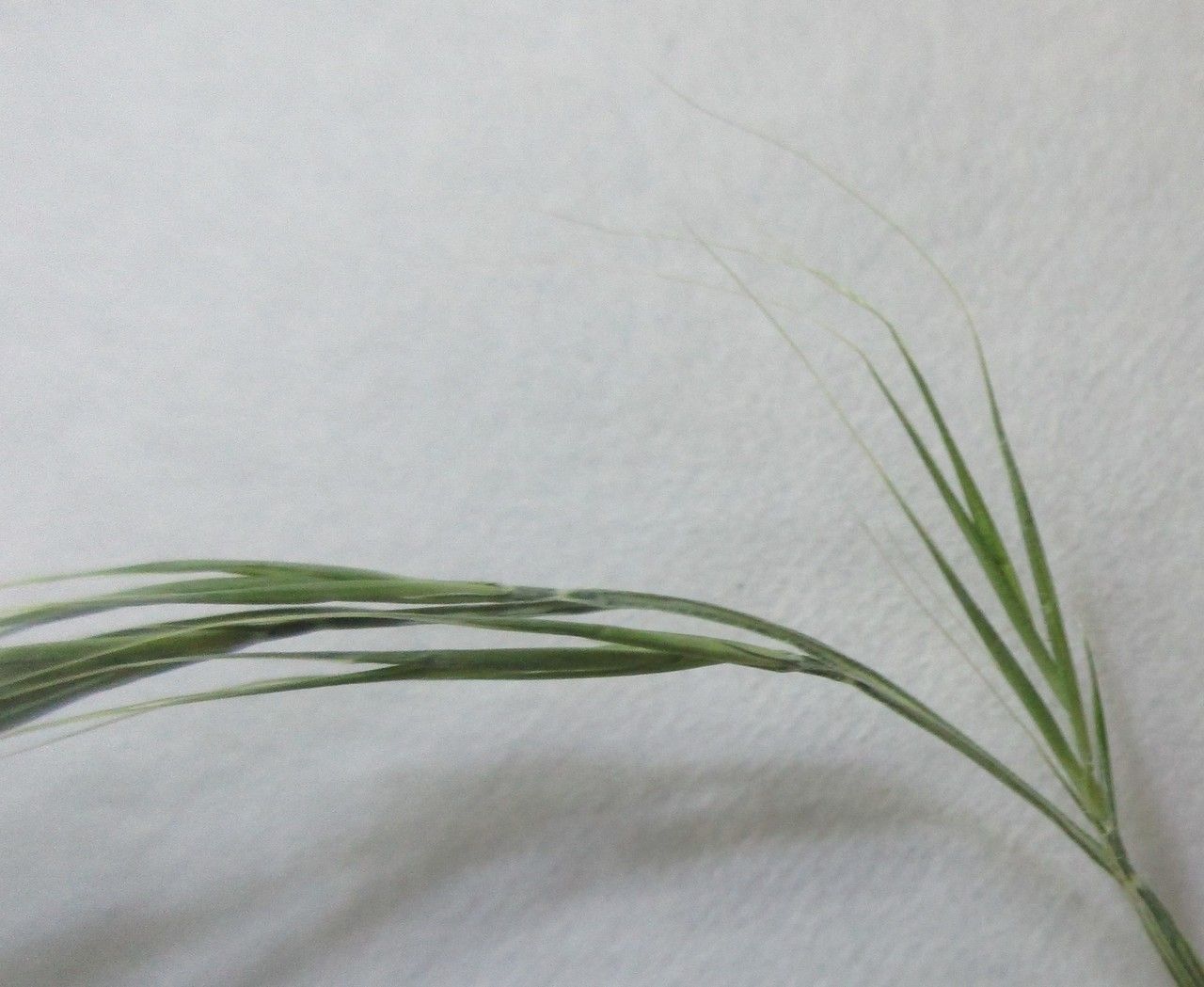
Festuca arundinacea (syn., Schedonorus arundinaceus and Lolium arundinaceum) is a species of grass commonly known as tall fescue. It is a cool-season perennial C3 species of bunchgrass native to Europe. It is an important forage grass throughout Europe, and many cultivars have been used in agriculture. It is also an ornamental grass in gardens, and a phytoremediation plant. The predominant cultivar found in British pastures is S170, an endophyte-free variety. In its native European environment, tall fescue is found in damp grasslands, river banks, and in coastal seashore locations. Its distribution is a factor of climatic, edaphic, or other environmental attributes. In New Zealand, where it is introduced, the species is particularly prolific in salt marshes, where it is often a major part of the plant biota.
Tall Fescue has strong resistance to disease and is generally unlikely to contract illnesses. Regarding care, this plant is fairly low-maintenance. When grown outdoors it needs only minimal watering, and larger specimens typically do not require pruning. Smaller plants, however, should be pruned after they finish blooming. Tall Fescue is appropriate for anyone who has an outdoor area, such as a garden or deck, and does not demand extensive care experience.
How to keep Festuca Arundinacea.
Light
Tall Fescue thrives when soaked in ample sunlight. Although it can endure somewhat reduced amounts of sunshine, full exposure to solar rays is best for its health. The species originates from environments abundant in sunlight. Both insufficient and excessive sun exposure can weaken its vigor.
Water
Water your tall fescue grass with about 1 to 2 inches every week. Deeply soak the ground up to 4 to 6 inches deep to reach the long roots thoroughly. The grass’ deep rooting enables it to be pretty drought-resistant. During the summer months or in hotter climates, keep an eye out because they may need additional watering.
Temperature
Tall Fescue performs best in its native habitat and has particular temperature needs. It favors temperatures between 0 and 38 °C (32 and 100.4 °F). As a temperate woody species, it adjusts well to different climates. Seasonal shifts may call for temperature-related care. In colder periods, shielding the plant from freezing temperatures is essential, while in hotter periods providing plenty of water and shade helps preserve its health.
Fertilizer
Tall Fescue is a cool-season grass that primarily grows in spring and autumn. It becomes dormant in winter and its growth slows during summer. Applying suitable fertilizers in spring can replenish nutrients and encourage vigorous, dense growth. Properly nourished lawns are greener, more resilient, and better at resisting pests and weeds.
Pruning
Mow your tall fescue when the grass reaches about 4 inches tall. Mowing the grass allows the clumps to spread out, encouraging a denser, fuller lawn. Take care not to cut over an inch of the grass during every mowing session.
Toxicity
Most tall fescue grasses are infected with an endophyte that makes them toxic. Your grass will produce ergot-alkaloid compounds that can cause fatal toxicosis in animals, pets, and people that consume it. Symptoms of toxicity may include fever, rapid breathing, excessive salivation, lameness, and increased water intake.
Further reading →
The toxicity and danger assessments provided are for reference only. We do not assure their accuracy, so it's crucial not to depend on them. Seek professional advice when necessary for accurate guidance.
Botanical profile.
- Plant Type
- Grass
- Life Cycle
- Perennial
- Genus
- Festuca
- Family
- Poaceae
- Hardiness Zone
- 3-11
- Mature Height
- 76 cm to 91 cm
- Mature Spread
- 30 cm to 61 cm
- Leaf Color
- Green
- Leaf Type
- Deciduous
- Flower Color
- Green, Yellow
- Flower Size
- 20.32 cm to 30.48 cm
- Bloom Time
- Mid spring, Late spring, Early summer
- Planting Time
- Spring
- Harvest Time
- Early summer, Mid summer
- Native Area
- Throughout Europe
Other names.