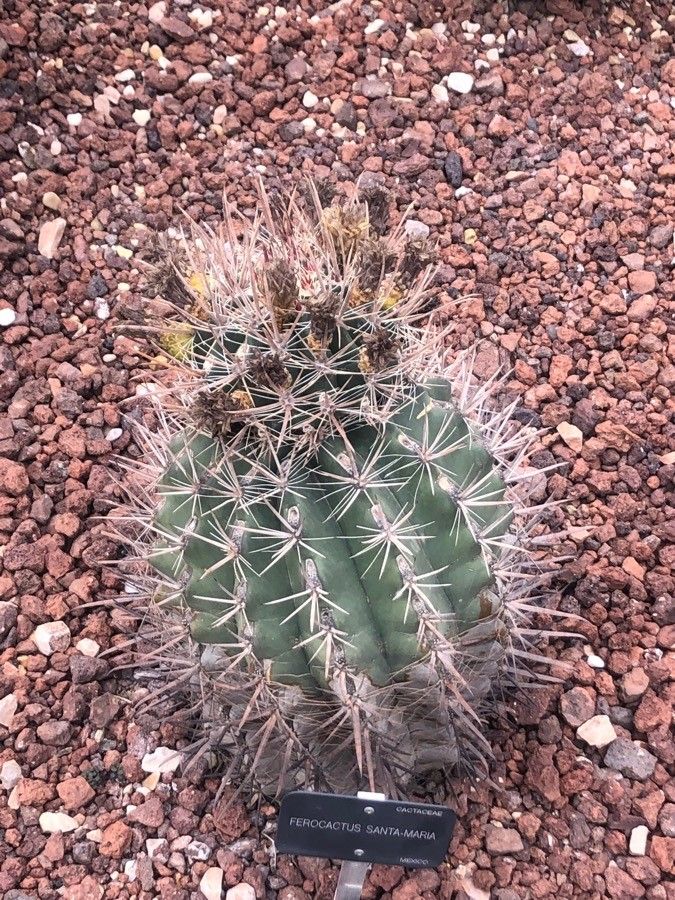
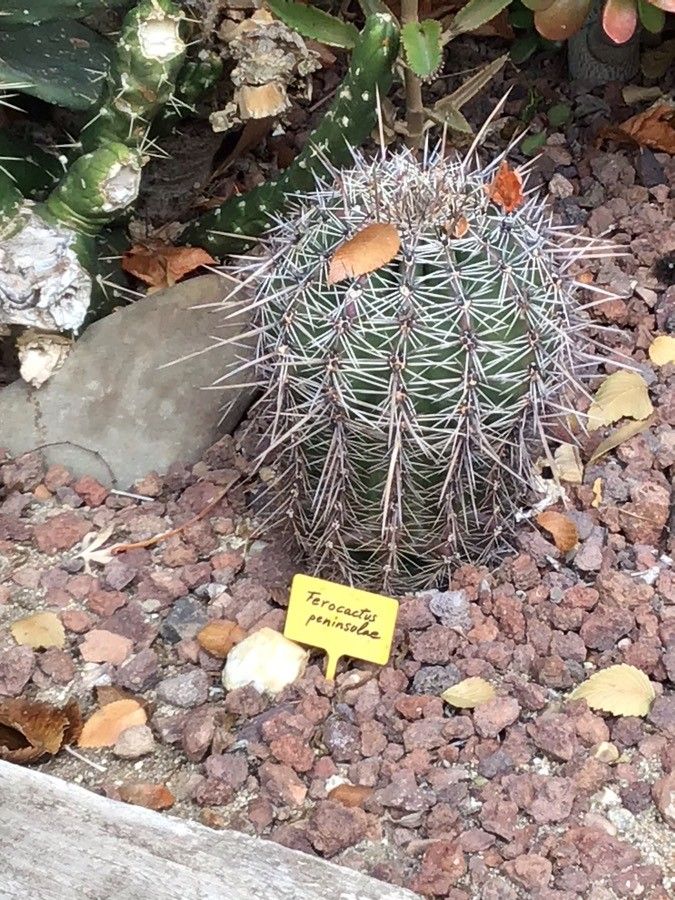
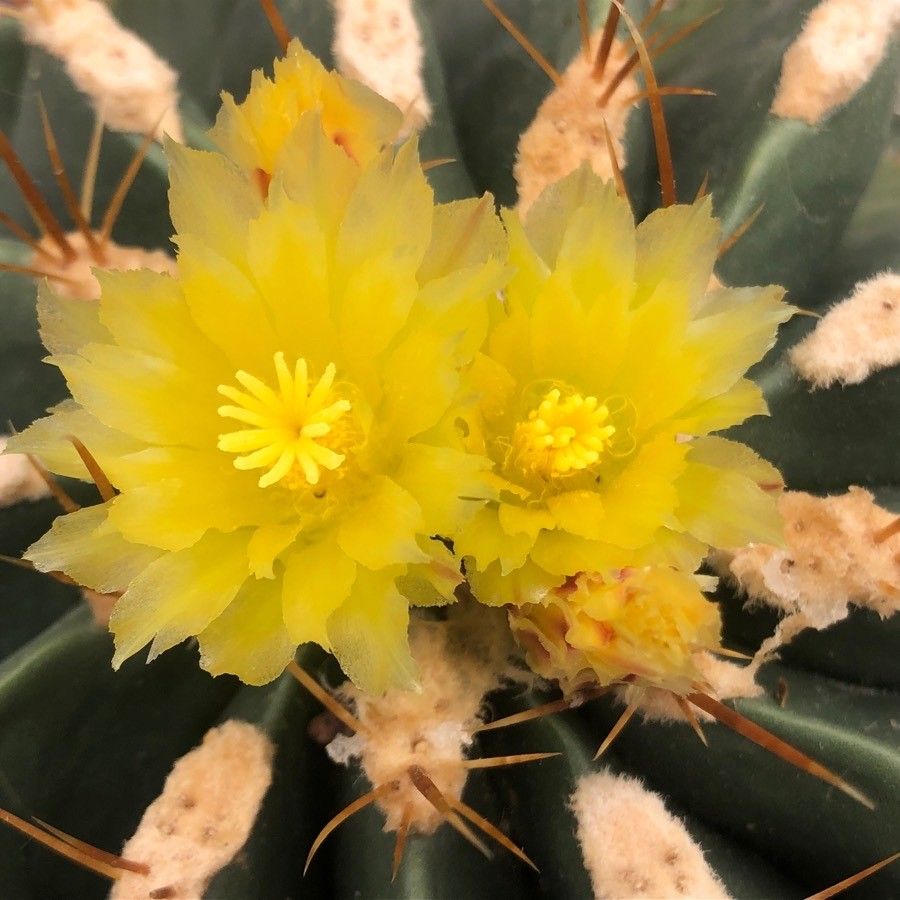
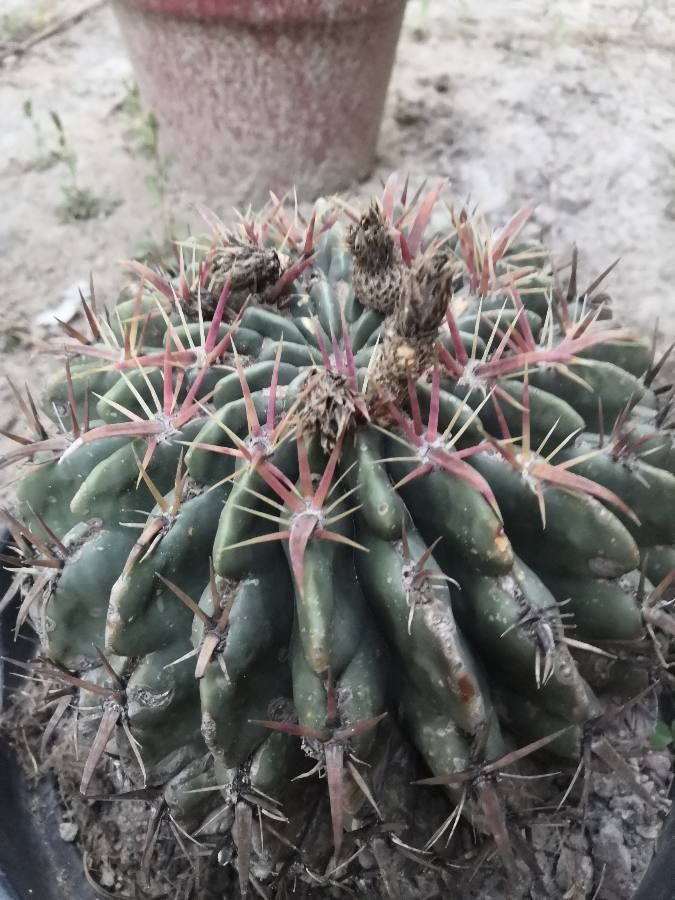
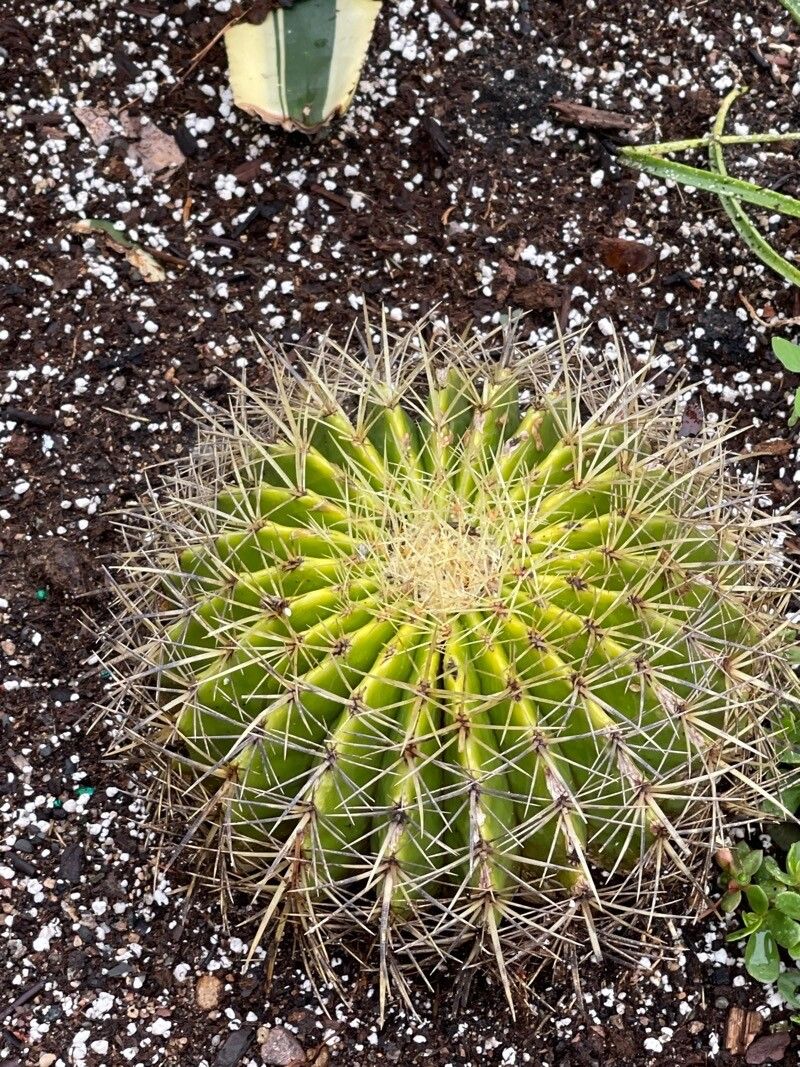
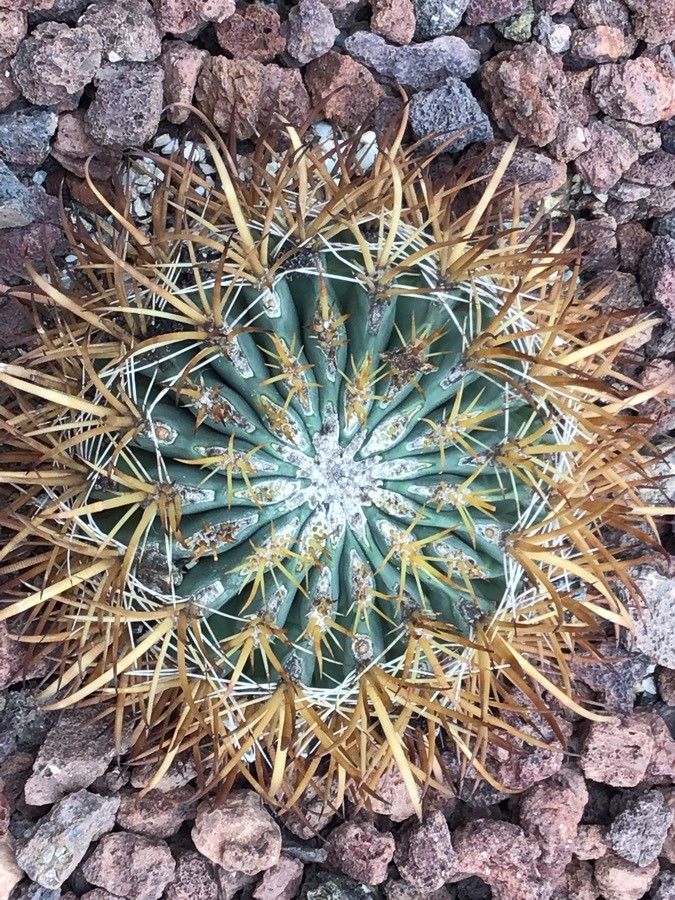
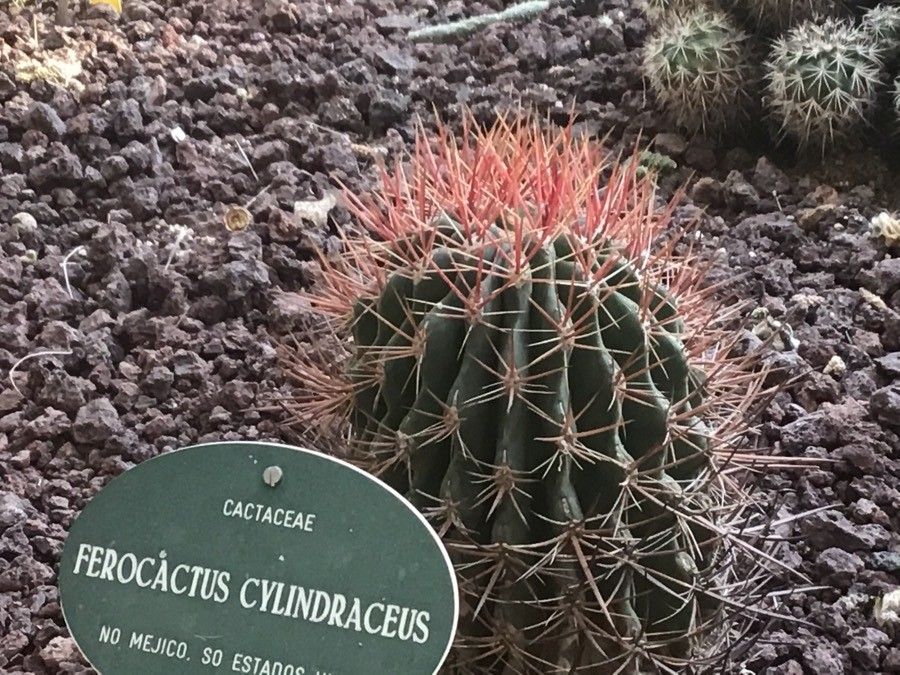
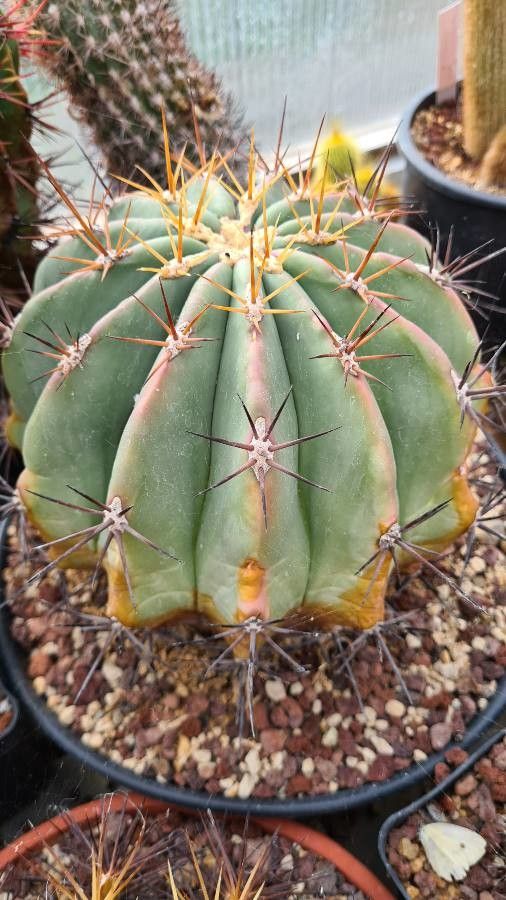
Ferocactus peninsulae is a barrel cactus in the genus Ferocactus of the family Cactaceae.
The Townsend barrel cactus has strong disease resistance and tolerates normal care without becoming ill easily. It can, however, be vulnerable to mealybugs; these pests may cause some damage but are generally not a serious danger. Regarding care, the Townsend barrel cactus is drought-tolerant and does not need frequent watering. It can withstand long intervals without water and requires little fertilizer. That said, it is very prone to root rot if kept in poor light and overwatered. Overall, the Townsend barrel cactus suits people who want a low-maintenance plant, though it is important to meet its basic needs. It is particularly appropriate for those who are away for long periods and might forget to water regularly.
How to keep Ferocactus Peninsulae.
Light
The townsend barrel cactus does best when it receives plentiful sunlight throughout the day. This pronounced preference arises from its native habitats, where sun exposure is abundant. Excessive sunlight causes little or no harm, so it tolerates intense sun, whereas too little light can inhibit its growth.
Water
The Townsend barrel cactus is ideal for arid climates due to its high drought tolerance. It only needs watering once every three weeks. Its capability to store water allows it to withstand extreme heat, making it an excellent choice for xeriscaping.
Temperature
The Townsend barrel cactus is a hardy plant native to temperate habitats where temperatures range from 68 to 100 °F (20 to 38 ℃). It performs best within this temperature range. Seasonal adjustments may be needed to recreate its natural conditions.
Fertilizer
For Townsend barrel cactus, light applications of fertilizer once or twice a year during the growing season are adequate. Avoid fertilizing in winter and in summer when it is dormant. Use less fertilizer for repotted plants and wait a couple of months after repotting before feeding. Fertilizing helps maintain healthy growth and promotes blooming.
Pruning
The Townsend barrel cactus needs minimal pruning. To encourage healthy growth, remove any withered flowers and branches. This practice helps the plant focus its nutrients on the thriving parts.
Pot & Repot
Repot the Townsend barrel cactus every 2-3 years in the spring to promote healthy roots. Choose a larger pot to accommodate growth and ensure proper drainage by using sandy soil. Water the cactus sparingly and place it in bright light to aid its recovery, as the Townsend barrel cactus is drought-tolerant and can be easily damaged by overwatering.
Botanical profile.
- Plant Type
- Succulent
- Life Cycle
- Perennial
- Genus
- Ferocactus
- Family
- Cactaceae
- Hardiness Zone
- 9-11
- Mature Height
- 61 cm
- Mature Spread
- 30 cm
- Leaf Color
- Green
- Leaf Type
- Semi-evergreen
- Flower Color
- Yellow, Orange
- Flower Size
- 5.08 cm to 7.62 cm
- Bloom Time
- Mid summer
- Planting Time
- Spring
- Harvest Time
- Mid summer, Late summer
Reader questions.
What are the sunlight requirements for a Townsend barrel cactus?
The Townsend barrel cactus requires more than 6 hours of sunlight daily to thrive best. It is originally from habitats with abundant sun exposure, making it a sun-enduring species. Overexposure to sunlight has little to no effect on it, while insufficient sun exposure may impede its growth. It's important to observe the movement of sunlight through your garden to find spots that offer a good balance of light and shade, ensuring the plants' well-being.
What is the ideal temperature range for Townsend barrel cactus?
The ideal temperature range for Townsend barrel cactus, which is native to temperate environments, is between 68 to 100°F (20 to 38°C). This plant thrives best within this temperature spectrum, requiring seasonal adjustments to closely simulate its natural habitat. It is a heat-loving plant that enters dormancy in winter and needs to be moved indoors if outdoor temperatures drop below 0°C. Ensure it's placed near a south-facing window to maximize sunlight exposure, and consider using supplemental lighting if natural light is insufficient. During colder times, when the temperature falls below 20°C, its growth slows, necessitating a reduction or complete halt of watering to prevent root rot. For those grown outdoors, watering should be completely stopped in cooler temperatures, and if possible, a temporary greenhouse should be set up for insulation or the plant can be wrapped with plastic film or fabric to protect it from the cold.
How do you provide sufficient light for indoor Townsend barrel cacti?
For indoor Townsend barrel cacti, when natural sunlight is insufficient, artificial lighting becomes essential for optimal growth, especially in winter or less sunny spaces. LED lights are recommended because they can be tailored to provide specific wavelengths of light needed by plants. Full sun plants require 30-50W/sq ft, partial sun plants 20-30W/sq ft, and full shade plants 10-20W/sq ft of artificial light. The light source should be placed 12-36 inches above the plant to mimic natural sunlight, and most plants need 8-12 hours of light per day.
How should you care for Townsend barrel cactus in low temperatures?
Townsend barrel cactus is not tolerant of low temperatures and requires special care during colder months. It thrives in temperatures above 20°C and should always be kept above 0°C during winter. Exposure to temperatures below -5°C can weaken the plant, making it susceptible to wilting and root rot. If frost damage occurs, trim off any frostbitten areas and check for root rot. Affected roots should be removed, and the plant can be propagated through cuttings. It's crucial to move the plant indoors to a warm environment promptly and place it near a south-facing window to ensure it gets enough sunlight. Supplemental lighting can be used if natural light is insufficient.
What are the common symptoms of insufficient light in Townsend barrel cacti?
Symptoms of insufficient light in Townsend barrel cacti include smaller new leaves, leggy or sparse growth, faster leaf drop, slower or no new growth, and pale leaves indicating a lack of chlorophyll. Moreover, chlorosis can occur with leaves losing their green color, turning yellow. Sunscald, leaf curling, wilting, and leaf scorching are also symptoms that can arise from too much sunlight exposure, indicating the plant's struggle against unsuitable light conditions.
What are the steps for managing Townsend barrel cactus in high temperatures?
In high temperature conditions, particularly during summer when temperatures should ideally be kept below 100°F (38°C), special care is necessary for Townsend barrel cactus. If temperatures exceed 109°F (43°C), the plant will cease to grow, experiencing significant water loss, wilting, and increased susceptibility to sunburn. To manage this, remove any sunburned or rotten parts of the plant. Additionally, provide shade during the harshest, afternoon sunlight until the plant shows signs of recovery and new growth. For plants suffering from root rot due to excessive heat, cease watering entirely until new, healthy roots start to form.
What solutions are available for Townsend barrel cacti facing insufficient sunlight?
For Townsend barrel cacti facing insufficient sunlight, moving them to sunnier locations gradually each week until they get at least 6 hours of direct sunlight daily is recommended. For indoor plants, use south-facing windows and consider additional artificial lighting. For outdoor plants, adapt them gradually to avoid sunburn. Reducing obstructions like pruning trees to allow more sunlight is advisable for both settings. For smaller plants, transplanting during their dormant period with good sunlight and drainage is optimal. Note that parts of the plant affected by lack of sunlight might not recover, but new growth should be healthy after light conditions improve.