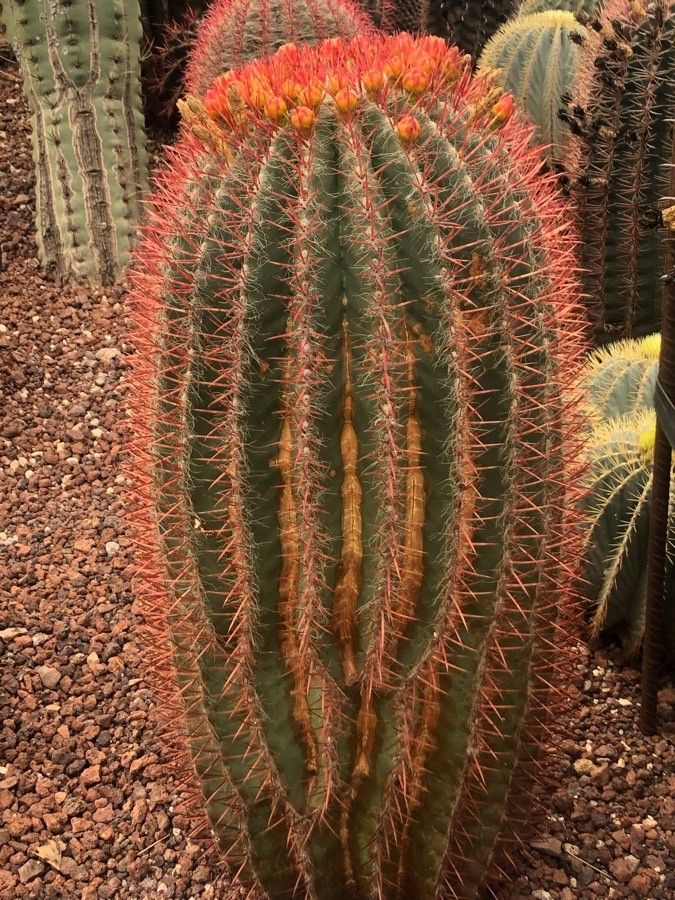
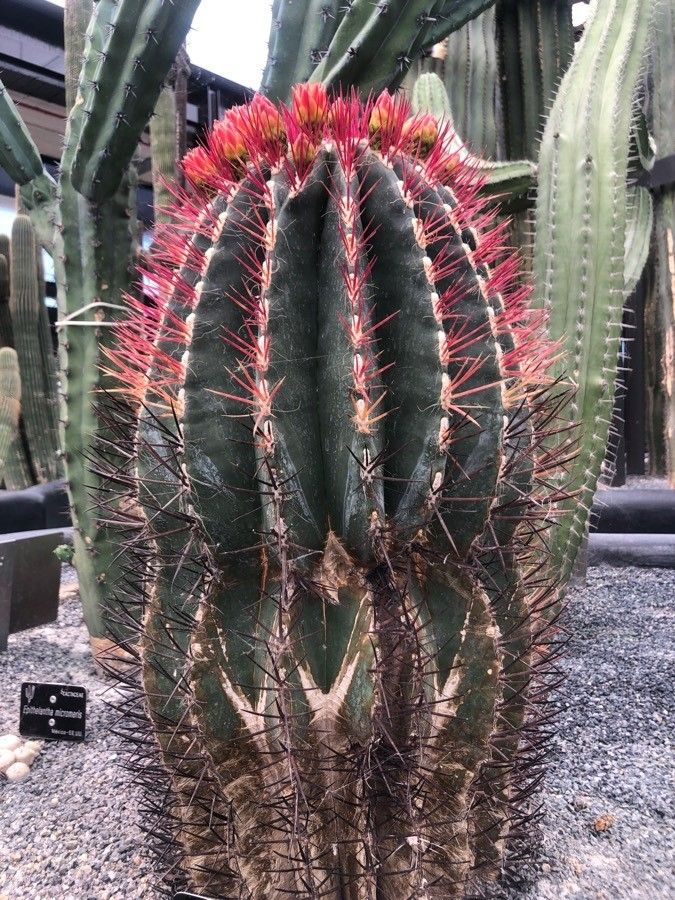
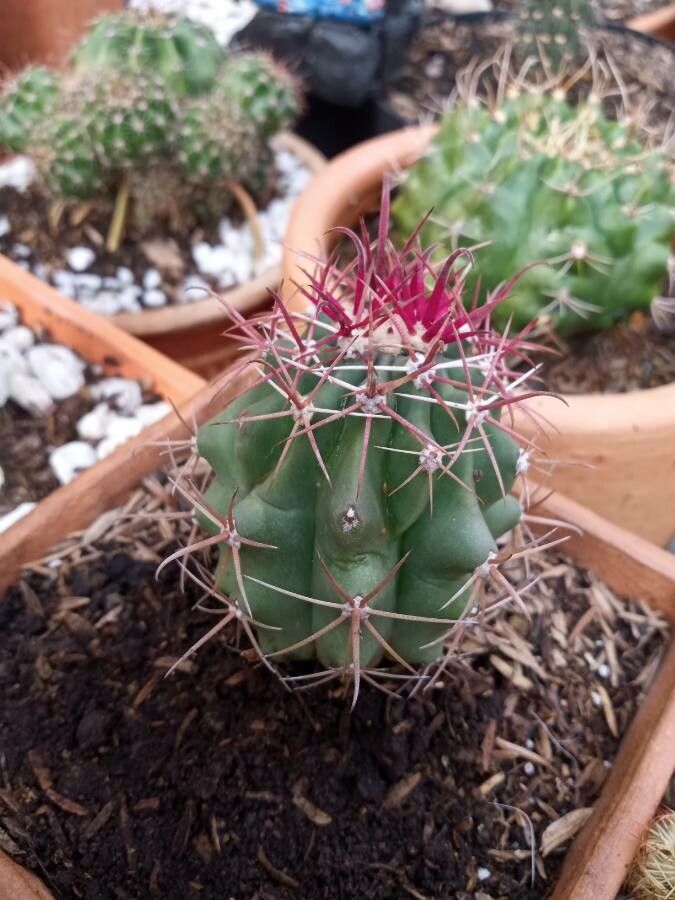
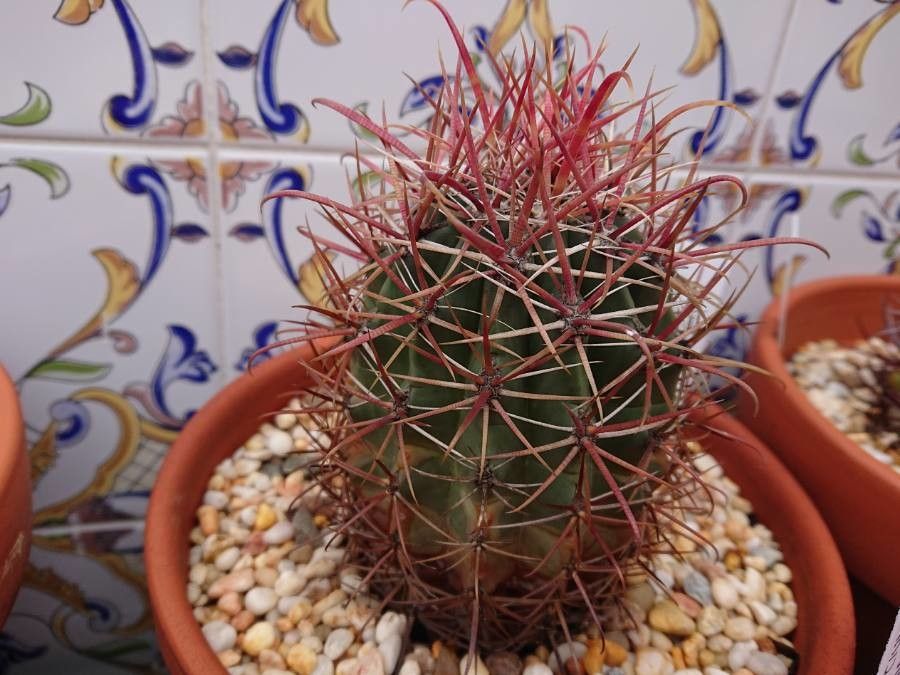
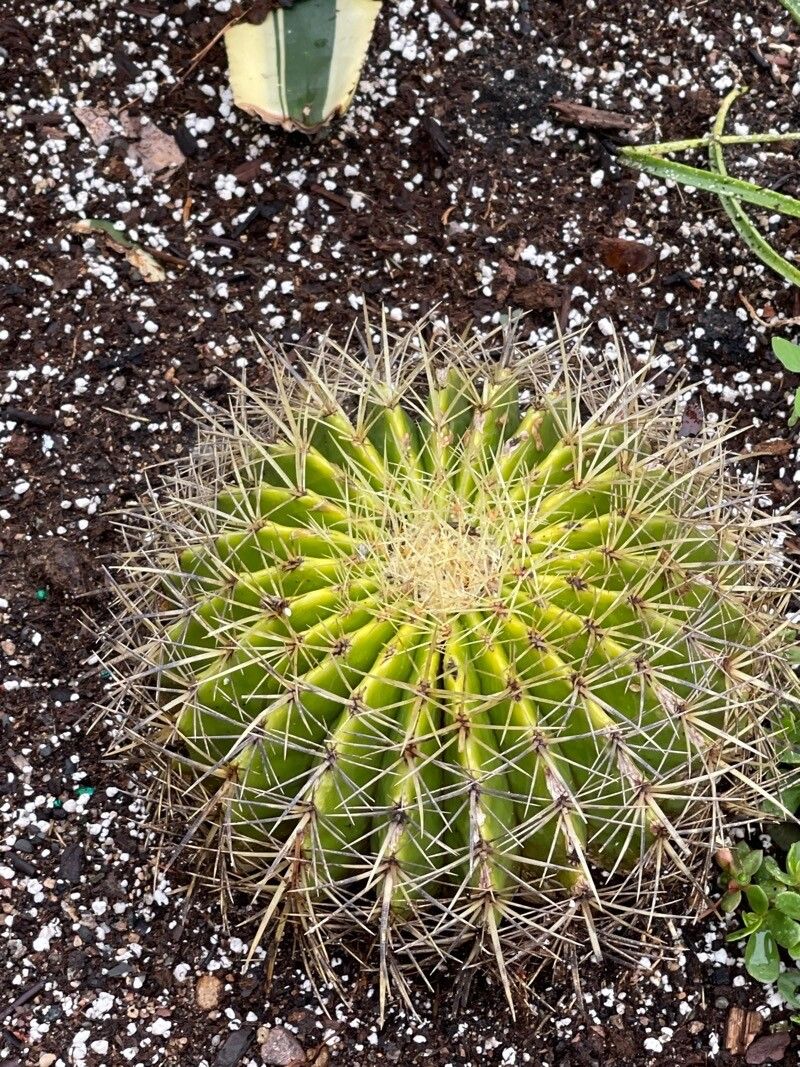
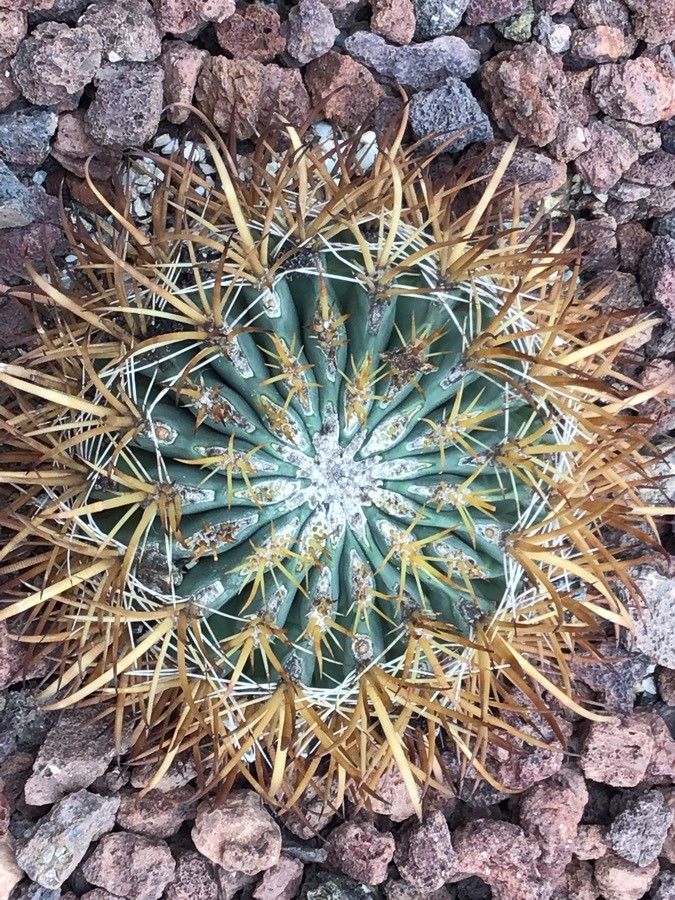
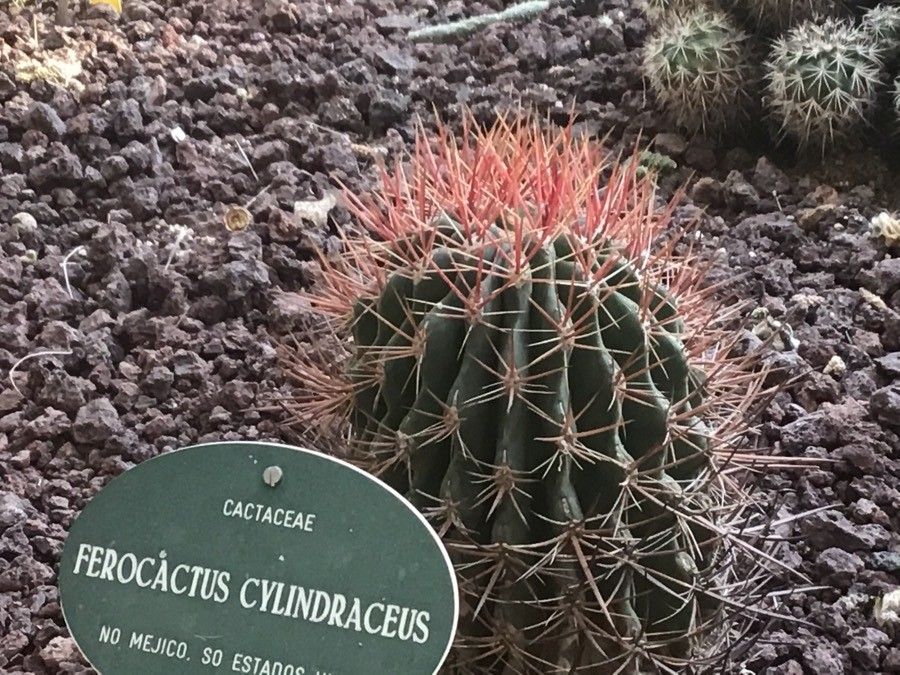
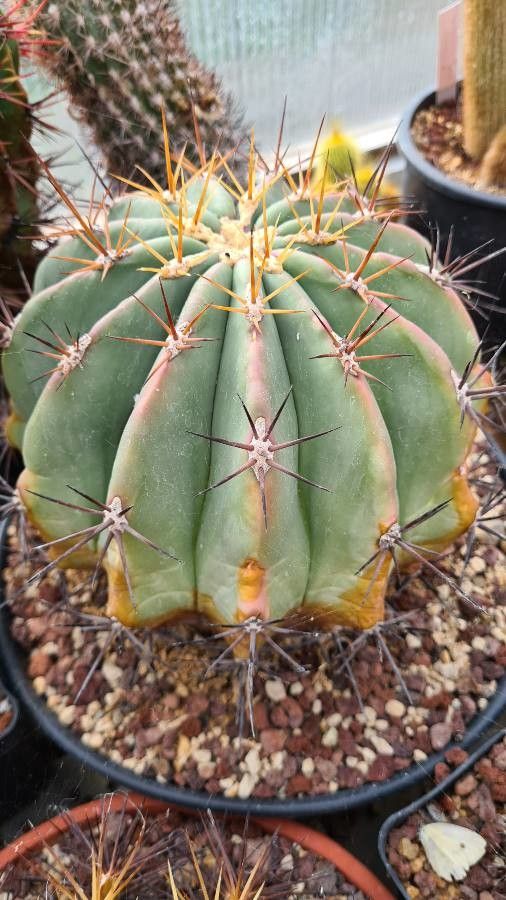
Ferocactus gracilis, or the fire barrel cactus, is a species of Ferocactus from Northwestern Mexico. This cactus gets its common name from the striking red coloration of its defensive spines and flowers.
Fire barrel cactus is fairly resistant to disease and generally stays healthy under typical care conditions. It can, however, be vulnerable to mealybugs; these pests may cause some harm but are usually not a major risk. Regarding care, Fire barrel cactus is drought-tolerant and does not require frequent watering. It can endure long stretches without water and needs little fertilizer. That said, it is very prone to root rot if kept in poor lighting and watered too much. In general, Fire barrel cactus is a good choice for people who prefer low-maintenance plants, though it remains important to meet its basic needs. It is especially suitable for those who are away for extended periods and might forget to water regularly.
How to keep Ferocactus Gracilis.
Light
Native to arid regions, the Fire barrel cactus thrives in full sun; its natural habitat is marked by intense sunlight and little shade. It will also tolerate partial sun, providing some flexibility in its growth.
Water
The fire barrel cactus is well-suited to arid environments, displaying exceptional drought resistance. It only needs to be watered once every three weeks. As an evergreen plant, it lowers its metabolic activity during dormancy, which makes it ideal for growing in containers in areas with little rainfall.
Temperature
The fire barrel cactus is native to warm climates, preferring temperatures from 68 to 100 °F (20 to 38 °C). It thrives in milder conditions and may need altered care—reduced watering and possibly added insulation—if kept in colder or hotter environments.
Fertilizer
For Fire barrel cactus, small amounts of fertilizer once or twice a year during the growing season are adequate. Do not fertilize in winter or summer when the plant is dormant. Cut back on feeding for repotted plants and wait a couple of months after repotting before applying fertilizer. Feeding supports healthy growth and helps produce blooms.
Pruning
The fire barrel cactus needs very little pruning. Concentrate on removing any withered flowers and branches so the plant can direct its nutrients towards healthy growth.
Pot & Repot
Repot Fire barrel cactus in spring or summer, choosing a pot slightly larger than the current one with good drainage. Use a well-draining, sandy or gritty cactus mix. Handle it carefully to avoid the spines. Let the cactus dry out before repotting to help prevent root rot. After repotting, wait a week before watering to give the roots time to heal.
Botanical profile.
- Plant Type
- Succulent
- Life Cycle
- Perennial
- Genus
- Ferocactus
- Family
- Cactaceae
- Hardiness Zone
- 9-11
- Mature Height
- 1.52 m
- Mature Spread
- 30 cm
- Leaf Color
- Green, Dark Green
- Leaf Type
- Evergreen
- Flower Color
- Yellow, Orange
- Flower Size
- 5.08 cm to 6.35 cm
- Bloom Time
- Late spring, Summer
- Planting Time
- Spring, Summer
- Harvest Time
- Late summer, Fall
Other names.
Reader questions.
What are the sunlight requirements for a Fire Barrel Cactus?
A Fire Barrel Cactus, known botanically as Ferocactus gracilis, thrives in full sun, requiring above 6 hours of direct sunlight daily to mirror its native arid environments characterized by intense sunlight and minimal shade. However, it can also adapt to partial sun conditions, which involve about 3-6 hours of sunlight. Adequate exposure to sunlight is crucial for the cactus's health, promoting its growth and flowering. Remember to observe the sunlight patterns in your garden or indoor space to find the perfect spot that offers a balance of light and shade, ensuring the cactus's well-being.
What is the ideal temperature range for growing Fire barrel cactus?
Fire barrel cactus thrives best in warm environments with temperatures ranging from 68 to 100°F (20 to 38°C). It prefers milder climates and may need special care, such as less watering and possibly insulation, in conditions that are cooler or hotter than its ideal temperature range. This cactus is a heat-loving plant that enters a dormant state during winter, and care should be adjusted during colder months to accommodate its needs.
Can Fire Barrel Cactus be grown under artificial lighting?
Yes, Fire Barrel Cactus can be grown under artificial lighting, especially when natural sunlight is insufficient, such as during winter or in less sunny indoor spaces. For optimal growth under artificial lights, it's recommended to: 1. Choose the right type of artificial light, like LED lights, which can provide specific wavelengths needed by plants. Full sun plants need 30-50W/sq ft, partial sun plants need 20-30W/sq ft, and full shade plants need 10-20W/sq ft of artificial light. 2. Set the correct distance by placing the light source 12-36 inches above the plant to mimic natural sunlight conditions. 3. Mimic natural daylight hours, ensuring most plants receive 8-12 hours of light per day. This approach helps in fostering healthier and faster growth when outdoor lighting conditions aren't ideal.
What should I do with my Fire barrel cactus when the temperature drops?
When outdoor temperatures fall below 0°C, it's essential to move your Fire barrel cactus indoors to protect it from the cold. Position it near a south-facing window to ensure it gets enough sunlight. If natural light is insufficient, consider using supplemental lighting. It's also crucial to reduce or stop watering when the temperature drops below 20°C to prevent root rot. For cacti grown outdoors, cease watering entirely during low temperatures, and consider insulating the plant with materials like plastic film or fabric, or even setting up a temporary greenhouse if possible.
What are the signs of insufficient lighting in Fire Barrel Cactus?
Fire Barrel Cactus requires strong light to thrive, and signs of insufficient lighting include: 1. Smaller new leaves compared to older ones, indicating a lack of growth. 2. Leggy or sparse growth, with long spaces between leaves or stems, gives the plant a stretched-out, weak appearance. 3. Faster leaf drop as the plant conserves resources by shedding older leaves. 4. Slowed or halted new growth as the plant enters survival mode. 5. Lighter-colored or irregularly patterned new leaves, signifying nutrient deficiencies. Remedying insufficient light involves gradually moving the plant to sunnier locations or supplementing with artificial light to ensure at least 6 hours of direct sunlight daily.
How does low temperature affect Fire barrel cactus, and what are the solutions?
Fire barrel cactus is not tolerant of low temperatures and shows optimum growth above 20°C. Exposure to temperatures below 0°C can weaken the plant, causing it to wilt and become prone to root rot, especially if temperatures fall below -5°C. Mild frost damage might not show immediate symptoms, but the plant could gradually wither within a week. To address frostbite, trim the affected areas, check for and remove any rotted roots, and then propagate if necessary. Moving the plant to a warmer indoor environment near a south-facing window can help, as well as using supplemental lighting if natural light is insufficient.
How do you address sunlight-related problems in Fire Barrel Cactus?
To address sunlight-related problems in Fire Barrel Cactus: For indoor plants, gradually move them to a sunnier spot each week to receive at least 6 hours of direct sunlight daily or use artificial lighting, such as desk or ceiling lamps for at least 8 hours daily. For outdoor plants, acclimatize them to more sunlight gradually to prevent sunburn. If plants are grown in the ground and sunlight is blocked, consider pruning obstructions or transplanting the cactus during its dormant period to a location with ample sunlight. While parts of the plant affected by prior insufficient light may not recover, new growth should be healthy once light conditions improve.
How does high temperature affect Fire barrel cactus, and what should I do?
During the summer, it's important to ensure that Fire barrel cactus does not remain in temperatures above 38°C. Exposure to temperatures exceeding 43°C can halt its growth, leading to water loss, wilting, and a higher risk of sunburn. To help the plant recover from heat stress or sunburn, remove sunburned and rotted parts, provide protection from direct afternoon sunlight until recovery, and refrain from watering if there's root rot until new roots have formed.