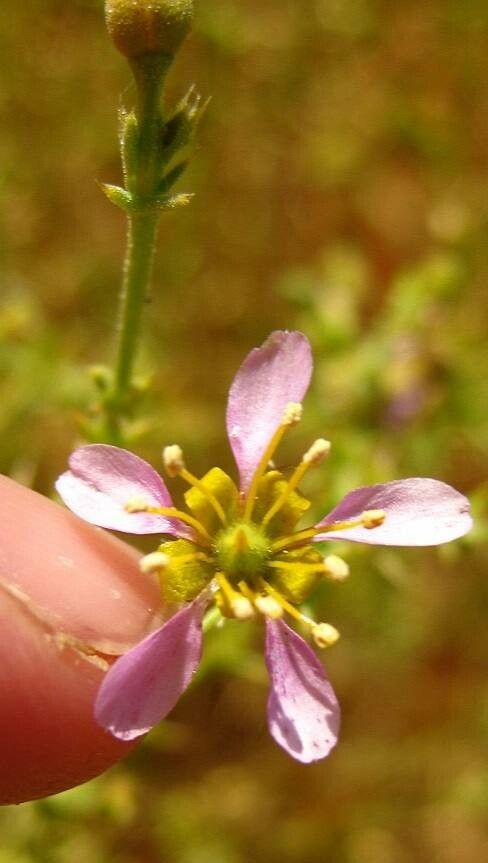
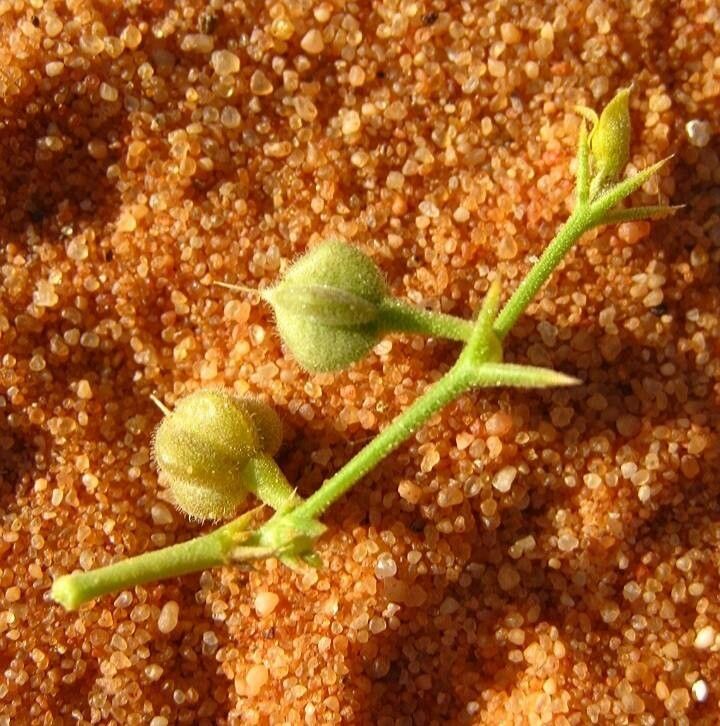
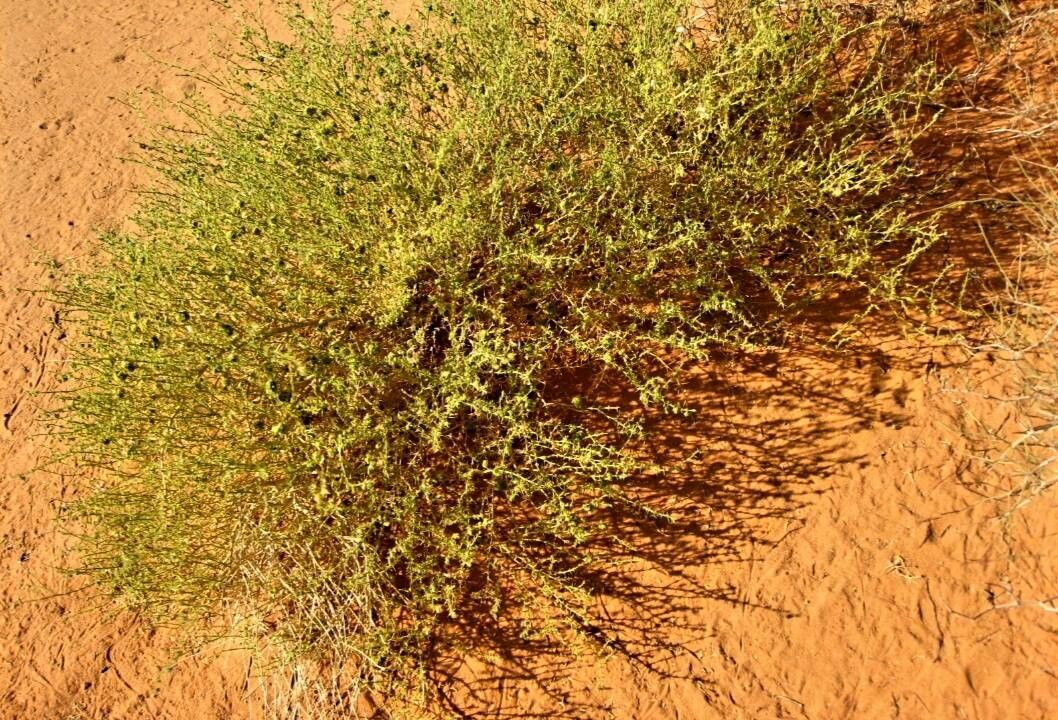
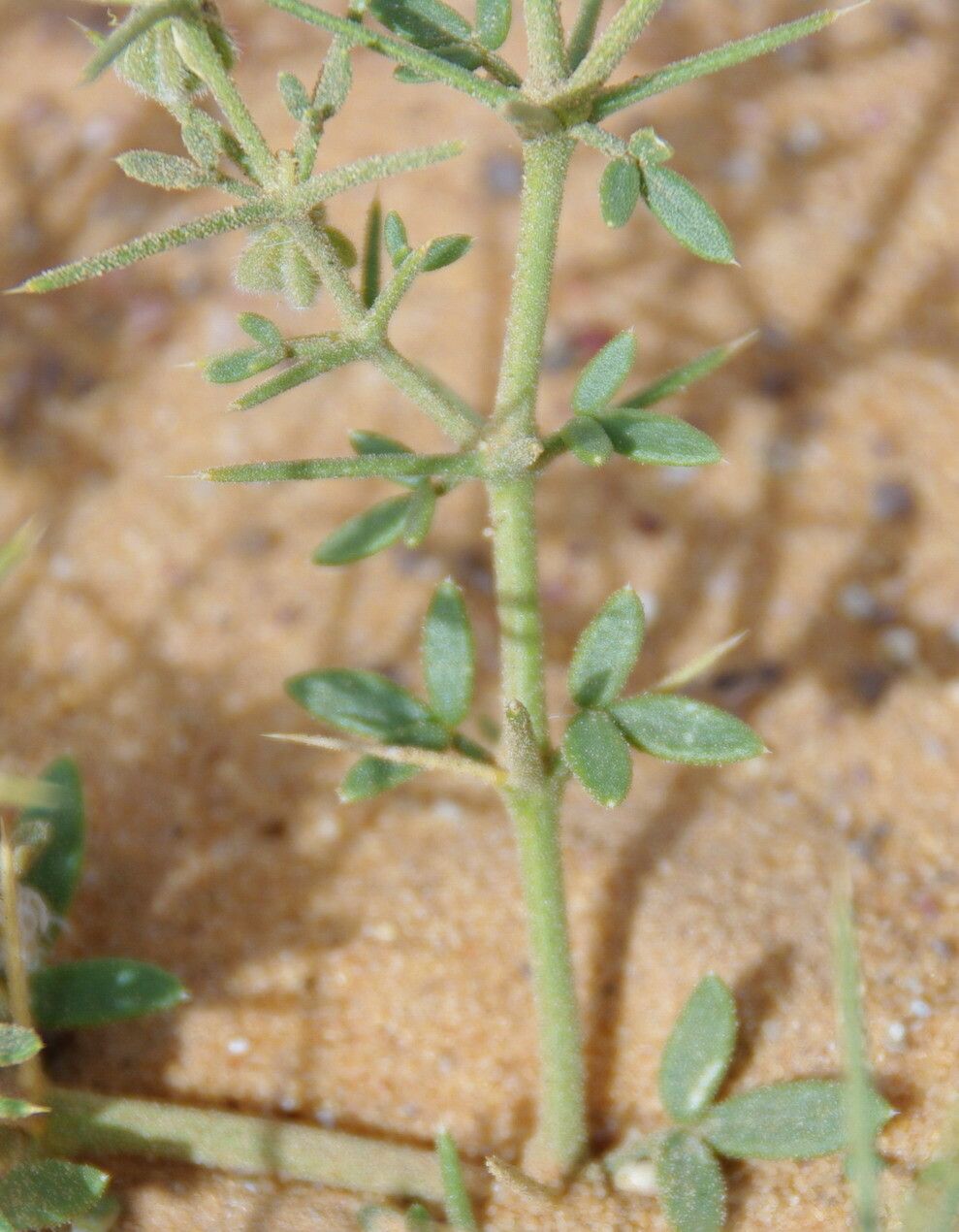
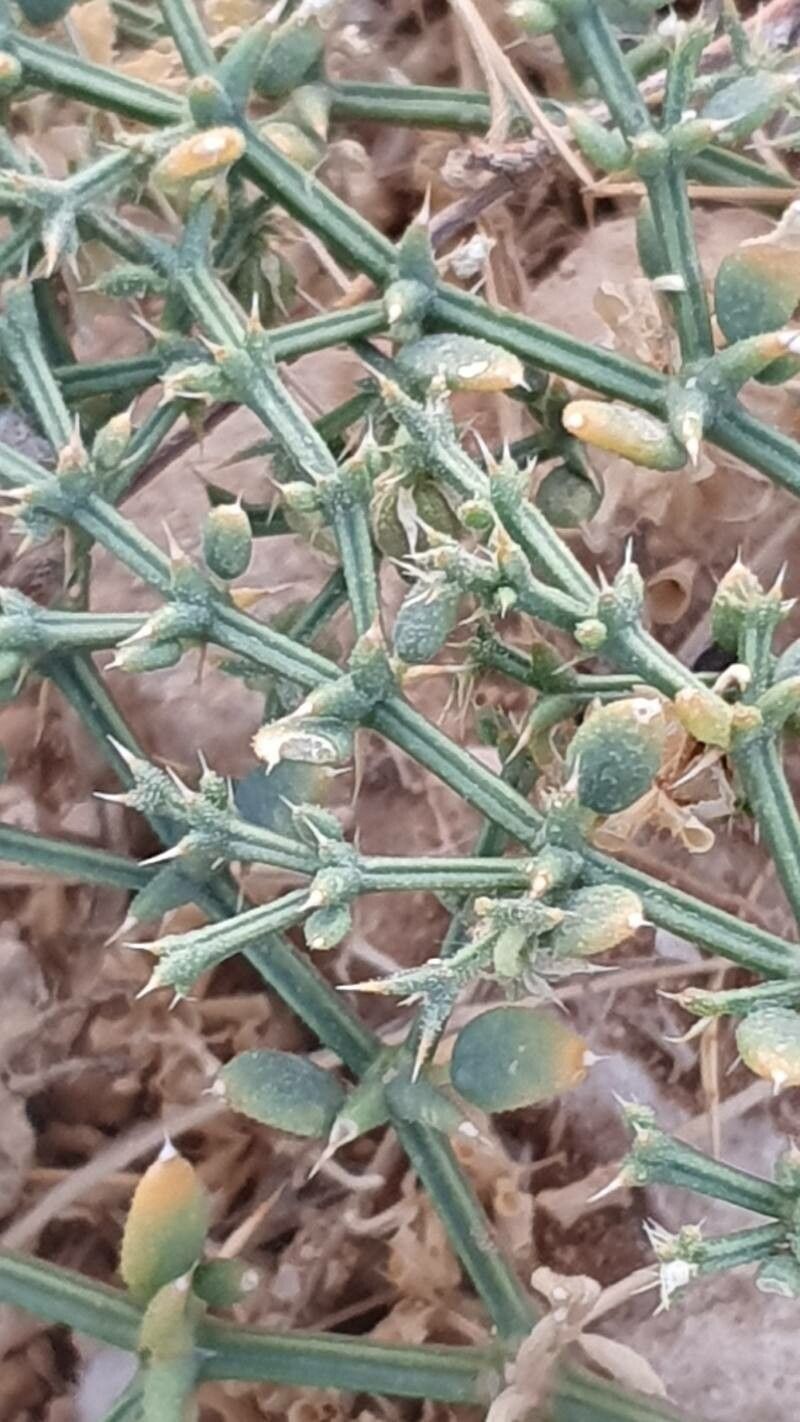
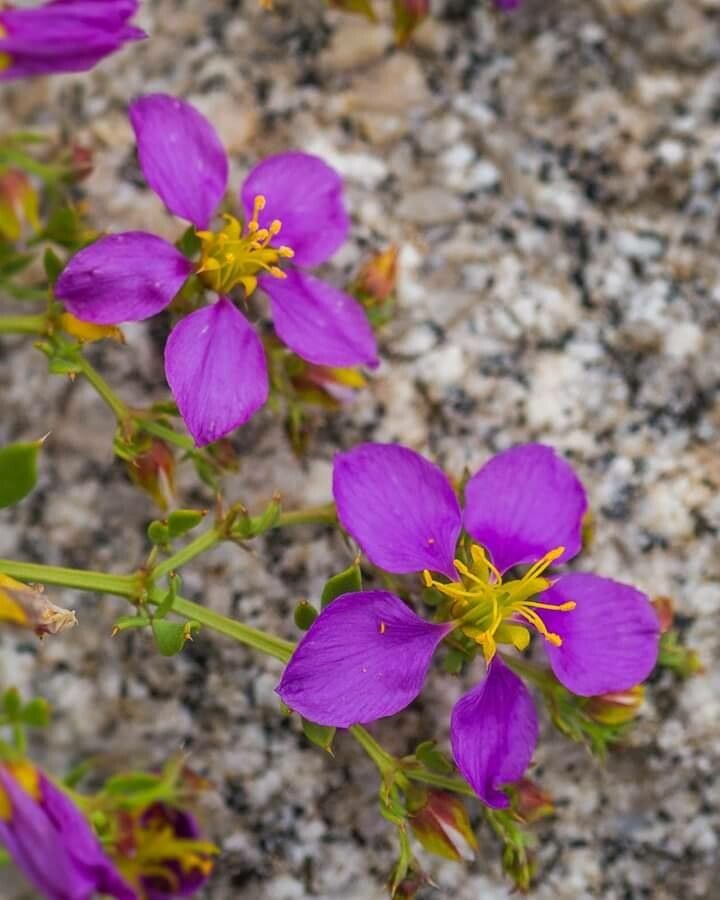
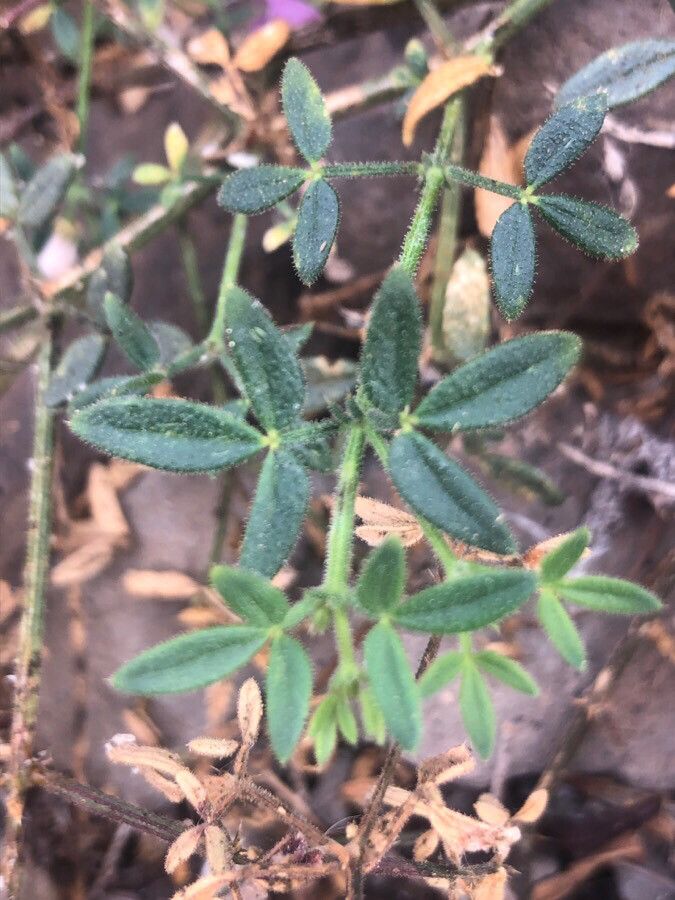
Fagonia laevis, the California fagonbush, is a species of plant in the Zygophyllaceae, the caltrop family. It is a perennial subshrub of the southwestern United States and Northwestern Mexico desert regions in California, southern Nevada, Arizona, southwest Utah, Sonora, Baja California and Baja California Sur. It thrives upon hot, dry, slopes and hillsides that also receive seasonal-(winters of the Southwest) or monsoon moisture.
California fagonbush is resistant to disease and generally not susceptible to illnesses. In terms of care, the plant is fairly low maintenance. When grown outdoors it needs only minimal watering, and larger plants typically do not require pruning. Smaller plants, however, should be pruned after they bloom. California fagonbusht is appropriate for anyone with an outdoor area, such as a garden or deck, and does not call for a lot of gardening experience.
How to keep Fagonia Laevis.
Light
California fagonbush performs best in full sun. This characteristic comes from its native habitats, where it developed in places exposed to constant sunlight. Ongoing sun exposure is necessary for proper growth and development. Without it, the plant may show reduced growth and could become sick. Conversely, there are no recorded negative effects from excessive exposure.
Water
The California fagonbush is a drought-tolerant plant native to arid regions, where it thrives with minimal moisture. It should be watered every 2-3 weeks to match its natural adaptation to infrequent rainfall. This plant is ideal for xeriscaping, as it excels in harsh climates by enduring long dry periods.
Temperature
California fagonbush is a plant that grows best in areas where the average temperature is between 68 and 100 °F (20 and 38 °C). This range most closely replicates its native growing environment. Adjusting temperatures with seasonal changes may not be required, since it tolerates temperature fluctuations within this range.
Fertilizer
Fertilizing is essential for the care of California fagonbush. Regular feeding during the growing season maintains the energy needed for its showy leaves and supports overall growth. Failing to fertilize can lead to unhealthy leaves, reduced ornamental value, and stunted or weak growth that is prone to breaking.
Pruning
Pruning the California fagonbush in early spring offers several benefits, including enhanced growth and flowering. To promote better air circulation, remove any dead stems, and trim long branches to help maintain the plant's shape. Make clean cuts just above healthy buds to encourage growth and improve the plant's longevity. Overall, regular pruning is essential for the optimal cultivation of the California fagonbush.
Botanical profile.
- Plant Type
- Shrub
- Life Cycle
- Perennial
- Genus
- Fagonia
- Family
- Zygophyllaceae
- Hardiness Zone
- 10-11
- Mature Height
- 46 cm
- Mature Spread
- 91 cm
- Leaf Color
- Green
- Leaf Type
- Deciduous
- Flower Color
- Purple
- Flower Size
- 1.02 cm
- Bloom Time
- Spring, Summer
- Planting Time
- Spring, Autumn
- Harvest Time
- Late spring, Summer, Early fall, Mid fall
- Native Area
- Mexico
Other names.
Reader questions.
How should I water my California fagonbush to make it grow best?
To promote excellent root development, place a garden hose at the base of the plant. Avoid spraying the leaves directly, as this can lead to increased watering needs if the plant is outdoors and exposed to direct sunlight. For moistening the roots, you can use bubblers for each plant or soaker hoses to cover the entire garden or bed. When adding or removing plants, make sure to water deeply to encourage deep root growth. After watering, drain any excess water and allow the soil to dry before watering again. To prevent diseases, water at ground level instead of spraying water on the leaves. On sunny days, consider spraying water on the entire bush. Whether the plant is in a pot or in the ground, it is important to prioritize deep watering rather than light sprinkling for California fagonbush.
What are the sunlight requirements for California fagonbush?
California fagonbush requires full sun exposure, meaning it needs above 6 hours of sunlight per day. The plant originates from environments that are exposed to constant sunshine, making this continuous exposure crucial for its healthy growth and development. Insufficient sunlight can lead to stunted growth and possible plant illness, whereas there's no documented harm from over-exposure. It's essential to observe the movement of sunlight through your garden to pick spots that offer a perfect balance of light and shade, ensuring the plant's well-being.
What are the ideal temperature conditions for California fagonbush?
The California fagonbush thrives in areas with an average temperature ranging from 68 to 100 °F (20 to 38 °C), which closely matches its natural habitat's climate. This plant is adaptable to temperature fluctuations within this range and is distinctively heat-loving. Nevertheless, it is vulnerable to cold temperatures. In order to protect the plant during colder months, it is recommended to bring it indoors if it has been grown outside, placing it near a bright window while ensuring it's not too close to heaters. Keeping the temperature above 20°C in winter encourages healthy plant growth, whereas temperatures nearing 5°C can harm the plant.
What should I do if I give too much or too little water to a California fagonbush?
An overwatered California fagonbush exhibits yellow leaves that drop off and wilt. The plant may also look dull and unhealthy, with mushy stems. If you notice these signs, it's best to adjust your watering schedule. Wilting could also indicate under watering, characterized by crispy and dry leaves, while overwatered plants have soft, wilted leaves. When the soil is dry and additional watering isn't enough, thoroughly water the plant. This will help the California fagonbush recover, although it will still appear dry with yellow leaves due to root damage. Once it returns to normal, the yellowing of leaves will stop. Indoor California fagonbushes should have their moisture levels checked regularly to prevent overwatering. Look out for black spots, and if present, allow the soil to dry out for a few days before watering again. Overwatering can lead to root rot, so transfer the plant to a different pot if you notice discolored and slimy roots. It's important to prevent root rot by avoiding overly soggy soil. When planting the California fagonbush outdoors, check the soil's moisture levels by digging a little deeper. If it feels too dry, it may indicate underwatering. Adequate watering is necessary to aid in the plant's recovery.
Can California fagonbush be grown indoors and how?
Yes, California fagonbush can be grown indoors, especially in areas where natural sunlight is insufficient. In such cases, artificial lighting serves as a vital solution for promoting faster, healthier growth. LED lights are recommended due to their ability to be customized to the specific wavelengths needed by the plant. For full sun plants like the California fagonbush, 30-50 watts per square foot of artificial light is needed. The light source should be placed 12-36 inches above the plant to mimic natural sunlight, and the duration should match the natural daylight hours for the species, typically 8-12 hours per day.
How should I care for a California fagonbush in low temperatures?
California fagonbush prefers warm climates and doesn't tolerate cold temperatures well. It flourishes when temperatures are kept above 20°C and must remain above 5°C during the winter season. Exposure to temperatures below 1°C can lead to discoloration of the leaves, with frost damage showing as a gradual change in leaf color to brown or black, accompanied by wilting and drooping. To mitigate frost damage, it's advisable to trim off the frost-affected parts and move the plant to a warmer, indoor setting for protection against the cold. Placing the plant near a south-facing window ensures it gets sufficient sunlight, and it's also recommended to keep it away from heaters or air conditioning vents to avoid air dryness.
How frequently should I water my California fagonbush?
The California fagonbush prefers deep, infrequent watering, especially when planted in pots. Since the soil in pots dries out faster, it's important to soak them with a gallon of water each time. In cold regions, watering is necessary every 3 to 5 days. It's best to water early in the morning when the soil is dry, whether indoors or outdoors. To determine if watering is needed, check the soil inside. If the top 2-3 inches are dry, it's time for a full watering. During hot days, check the moisture daily as the heat can quickly dry out the pot's soil. In gardens, irrigation is also necessary. In hot climates, watering once a week is ideal. Only water when about 2 to 3 inches of soil become too dry, whether indoors or outdoors. Keep in mind the amount of rainfall on the plant, as additional watering could lead to root rot. If there's a lot of rainfall, extra watering may not be necessary. The California fagonbush typically grows in spring and fall. Outdoors, it's recommended to add 3 to 4 inches of mulch to conserve water. Sandy soil requires more frequent watering due to its faster drainage, while clay soil can go 2-3 days without watering to avoid root rot. To keep track, mark the date on the calendar each time you water. If you notice the leaves drooping, it's a sign that watering might be overdue.
What are the symptoms of light deficiency in California fagonbush?
Symptoms of light deficiency in California fagonbush include smaller new leaves, leggy or sparse growth, faster leaf drop, slower or no new growth, lighter-colored new leaves, and conditions like chlorosis, where leaves lose their green color. Sunscald, leaf curling, wilting, and leaf scorching are symptoms caused mainly by excessive sunlight but can also indicate light-related stress. These symptoms highlight the importance of proper light exposure for the plant's health.
What are the effects of high temperatures on California fagonbush and how can I protect it?
In the summer months, the California fagonbush should ideally be kept below 38°C to prevent heat stress. Temperatures above 43°C can cause the leaves to lighten and increase the risk of sunburn. To care for a plant that has suffered from high temperatures, you should trim away the sunburned and dried parts. Relocating the plant to an area with shade during the midday and afternoon helps in preventing further sun damage. Additionally, watering the plant in the morning and evening aids in maintaining soil moisture, which is crucial during hotter periods.
How much water does my California fagonbush need?
The California fagonbush generally needs about a gallon of water on a regular schedule. For potted plants, water them deeply until water drips out of the bottom of the pot, and then wait for the soil to dry before watering again. You can use a water calculator or moisture meter to keep track of how much water you've given to your plant in a week. During the flowering period, provide plenty of water but allow the moisture to evaporate afterwards to prevent root rot. If the California fagonbush is planted outside and receives enough rainfall, it may not need additional watering. However, if the plant is young or newly planted, make sure it gets 1-2 inches of rain per week. As it continues to grow, it can rely solely on rainfall unless there are no showers for 2-3 weeks or during excessively hot weather. In that case, give the plant a full watering during the cooler part of the day to avoid heat damage. Additional watering may be required during prolonged dry spells.
What solutions are available for California fagonbush light issues?
To address light issues for California fagonbush, gradually move plants to sunnier locations, ensuring they receive at least 6 hours of direct sunlight daily. For indoor plants that can't be easily moved, using artificial light such as desk lamps or professional grow lights for at least 8 hours daily can provide necessary supplemental light. Outdoors, it's crucial to gradually transition plants to prevent sunburn. Pruning nearby trees can reduce obstructions, and transplanting smaller plants during their dormant period to areas with ample sunlight and good drainage may be necessary for ground-grown specimens. Parts of the plant affected by insufficient sunlight might not recover, but new growth should be healthy following these adjustments.
Should I water my California fagonbush more or less depending on the time of year or the weather?
The California fagonbush needs water from rain when grown outdoors, but it can tolerate dry weather. During the spring and fall, the soil should be kept moist but not soggy, as alternating dry and moist conditions help the plant grow well. In the summer, hot weather and lack of rainfall can cause the water to evaporate quickly, so more frequent watering is required to keep the plant moist. In winter, the California fagonbush needs less water as it goes dormant and drops its leaves. A well-draining but moisture-retentive soil mixture, like terracotta, can help with water evaporation. Once the plant begins to leaf out and go dormant in spring, watering can be skipped and it can rely on fall and winter rains to survive. Good drainage is important at all times, especially during winter, to prevent ponding. When planted in pots, the plant has limited root growth and needs to be well-watered, especially in summer. Deep soaking once or twice a week, avoiding shallow sprinkles, is recommended to reach the roots and avoid fungal growth. Even during dormancy, the California fagonbush should not be allowed to dry out completely. Excessive watering should be avoided, as the plant doesn't like sitting in water for too long and poorly draining soil can cause winter damage. Applying mulch can help reduce stress, conserve water, and promote healthy blooms.