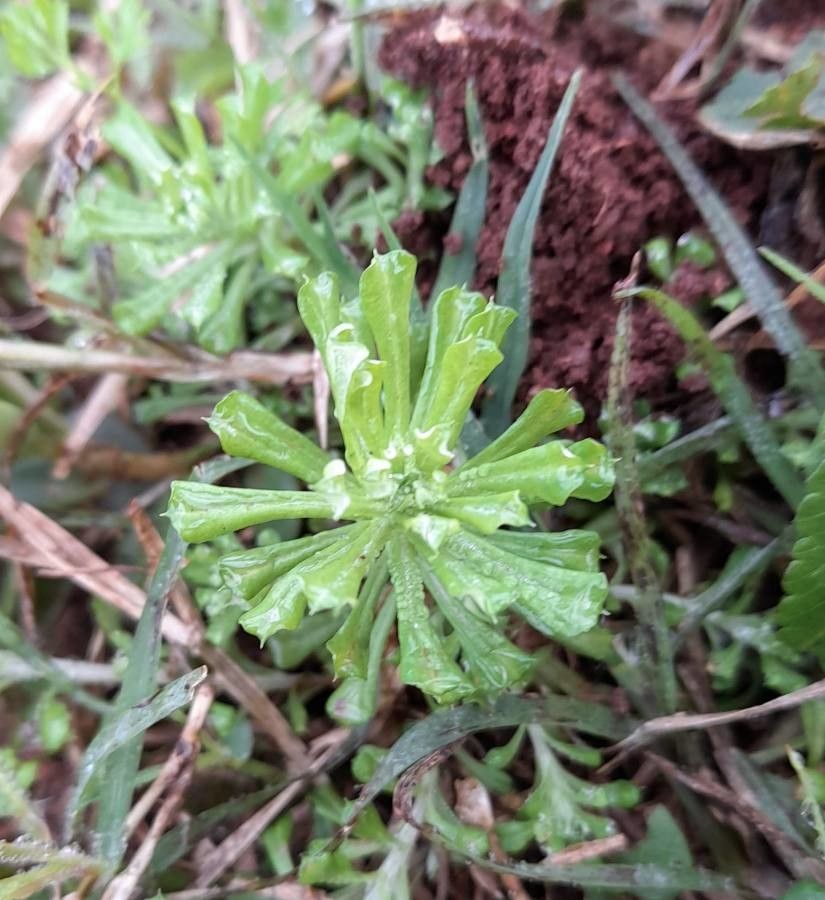
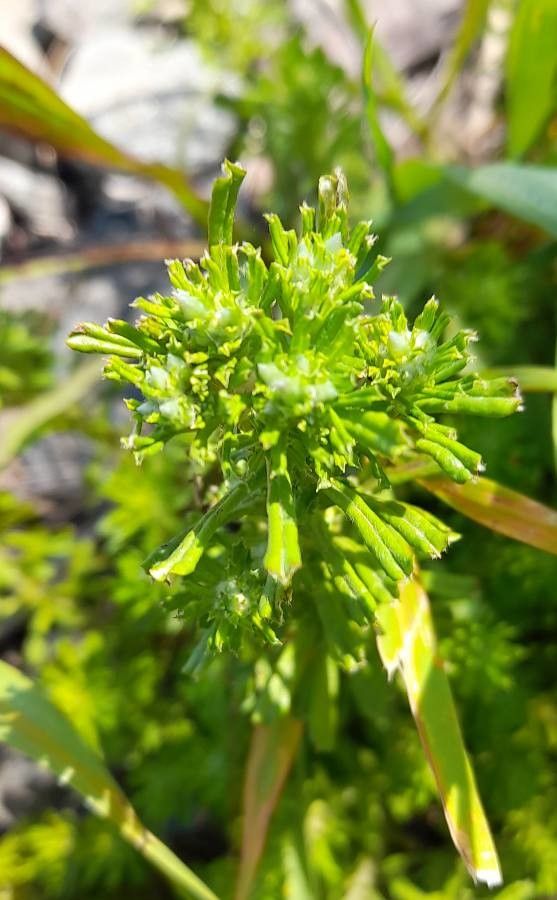
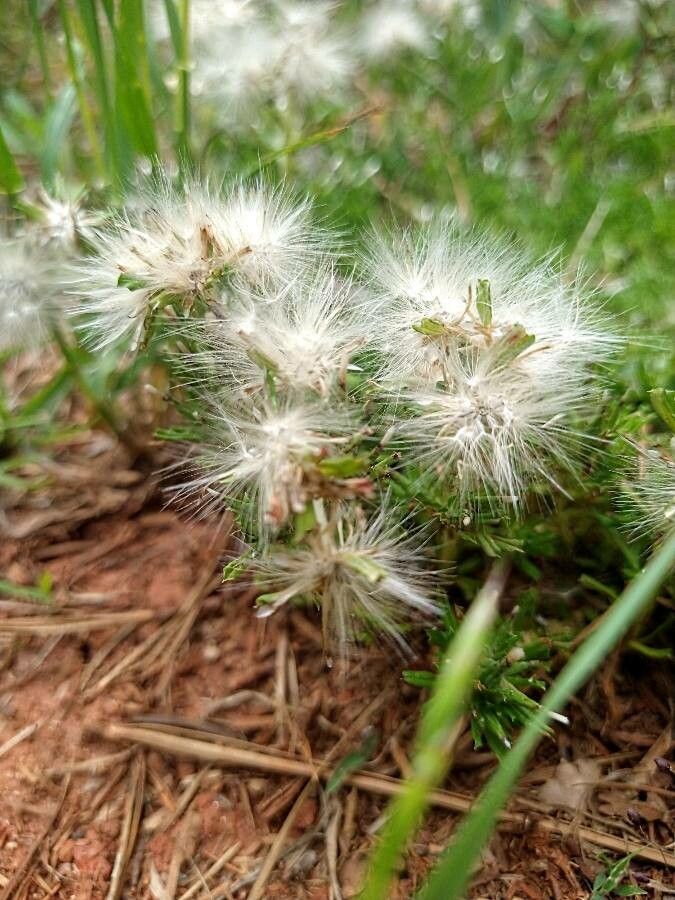
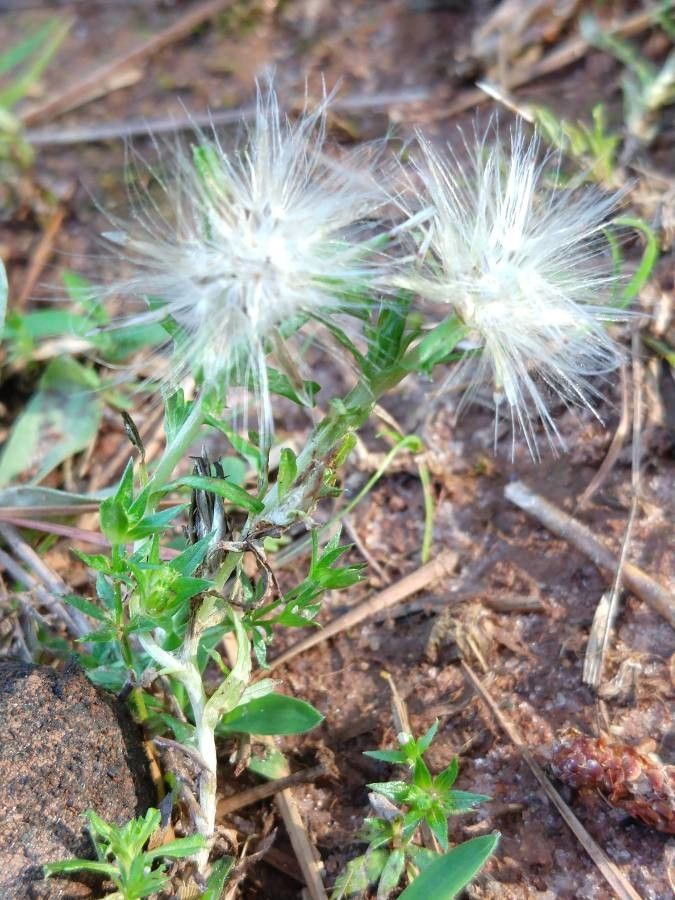
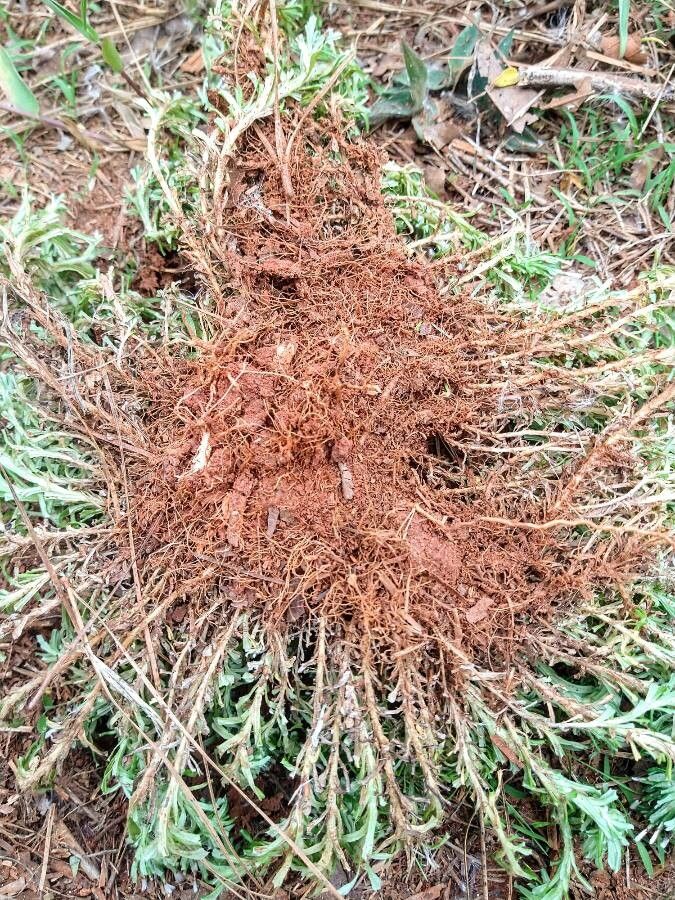
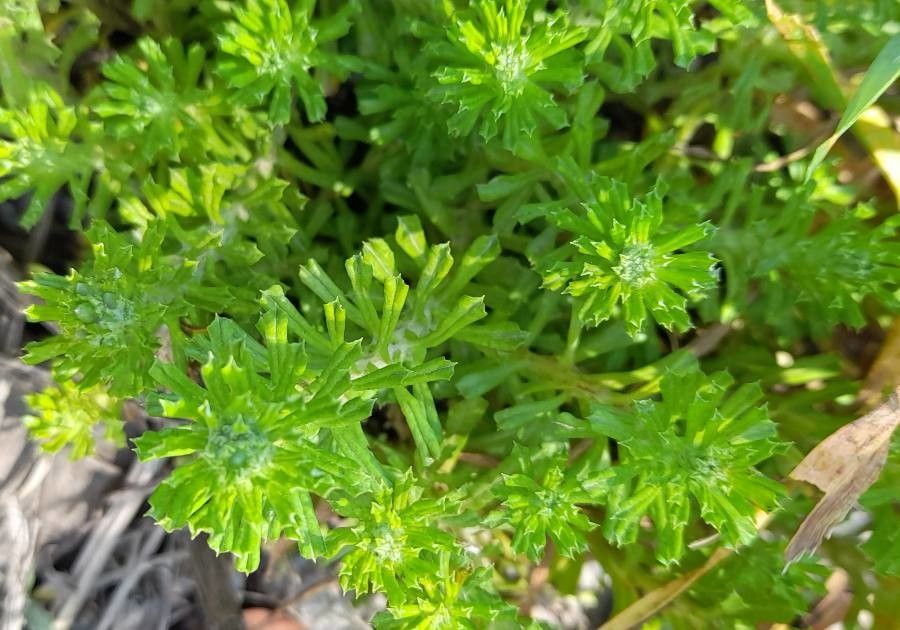
Facelis retusa, commonly known as the shrubby everlasting or shrubby goosefoot, is a perennial plant species in the Asteraceae family. Native to South America, it can be found in countries such as Argentina, Bolivia, Chile, and Peru.
This plant features a woody stem that can reach up to 1 meter in height, with small, oval-shaped leaves covered with fine hairs. The flowers are small, yellowish-green, and arranged in clusters at the ends of branches.
Facelis retusa has traditionally been used for medicinal purposes, particularly for treating respiratory issues like asthma and bronchitis, due to its anti-inflammatory properties. Additionally, it contains compounds that have shown potential against cancer cells.
Drought-tolerant and able to thrive in full sun exposure, Facelis retusa is suitable for xeriscaping gardens or landscaping projects where water conservation is essential.
Overall, Facelis retusa is an intriguing perennial with potential medicinal benefits and an attractive appearance, making it a valuable addition to any garden.
Annual trampweed has strong resistance to disease and is generally not susceptible to illnesses. However, it can be affected by pests and diseases present in its surroundings. These infections are usually mild. As for care, the plant needs moderate maintenance. It should be pruned regularly to preserve a good appearance and healthy growth. Fertilizing can also help encourage flowering. Annual trampweed is suitable for anyone with outdoor space, such as a garden or patio, and does not require extensive plant-care experience. It may need more attention when grown indoors.
How to keep Facelis Retusa.
Light
Annual trampweed thrives with plentiful daylight but can also adapt to conditions with somewhat reduced sunlight. Its need for abundant light influences its growth and vigor, mirroring its native habitat where full daytime illumination is typical. However, excessive exposure can be harmful, and insufficient exposure can impede its optimal development.
Water
Annual trampweed, native to South America, thrives in environments with moderate humidity and consistent moisture. To ensure healthy growth, it should be watered weekly, making sure not to waterlog the soil. This plant does particularly well outdoors, where it can benefit from natural rainfall as part of its irrigation. It is crucial to maintain adequate soil moisture throughout the growing season to support optimal growth, nutrient absorption, and overall plant health.
Temperature
Annual trampweed can tolerate a wide span of temperatures, though its range may still be restricted by particular combinations of moisture and heat. It performs best in warm summer climates with sufficient rainfall or irrigation. Extended spells of cloudy, rainy weather or prolonged high temperatures can raise the chance of Annual trampweed dying. In winter, adequate protection from cold can enhance the plant’s survival rate.
Fertilizer
Annual trampweed benefits from regular, light doses of fertilizer to encourage healthy leaf growth. You should fertilize Annual trampweed roughly once a month during the summer months. Nitrogen is important for foliage, and supplying nitrogen-rich sources helps Annual trampweed thrive.
Pruning
Annual trampweed is characterized by its small green leaf rosettes and thrives as an annual weed. To control its growth and prevent it from seeding, prune the plant from early to late spring. Additionally, removing any dead or diseased parts will help maintain the plant's health. Regular pruning not only curbs its invasiveness but also improves the overall appearance and health of your garden.
Botanical profile.
- Plant Type
- Herb
- Life Cycle
- Annual
- Genus
- Facelis
- Family
- Asteraceae
- Hardiness Zone
- 9-11
- Mature Height
- 30 cm
- Mature Spread
- 15 cm to 30 cm
- Leaf Color
- Gray, Silver
- Leaf Type
- Evergreen
- Flower Color
- White
- Flower Size
- 1.27 cm
- Bloom Time
- Mid spring, Late spring, Early summer
- Planting Time
- Spring, Summer, Autumn
- Harvest Time
- Summer
Other names.
Reader questions.
What are the sunlight requirements for Annual Trampweed?
Annual Trampweed thrives in full sun, requiring more than 6 hours of sunlight a day, but it can also adapt to partial sun conditions, which means about 3-6 hours of sunlight. It's important to observe how sunlight moves through your garden to find the perfect balance of light and shade, ensuring the happiness and health of your plants. This balance impacts the plant's growth and vitality, echoing its native habitat's conditions where full daylight is predominant.
Are there specific guidelines for using artificial lighting with Annual Trampweed?
When natural sunlight is insufficient, especially during winter or in less sunny spaces, artificial lights provide a vital solution for indoor plants, ensuring optimal growth. LED lights are recommended because they can offer specific wavelengths needed by plants. Full sun plants require 30-50W/sq ft, partial sun plants need 20-30W/sq ft, and full shade plants require 10-20W/sq ft of artificial light. The artificial light source should be placed 12-36 inches above the plant, mimicking natural sunlight as closely as possible, and most plants will need 8-12 hours of light per day.
What symptoms indicate light deficiency or overexposure in Annual Trampweed?
Symptoms of light deficiency in Annual Trampweed include smaller new leaves, leggy or sparse growth, early leaf drop, halted growth, and lighter-colored new leaves, indicating a lack of chlorophyll and essential nutrients. Overexposure symptoms include chlorosis, where leaves turn yellow and lose green color, sunscald, which appears as pale or necrotic spots on the plant, leaf curling as a defense mechanism to reduce sunlight exposure, wilting from excessive water loss, and leaf scorching, identified by brown, dry edges on leaves.
What are the recommended solutions for light-related issues in Annual Trampweed?
For indoor plants, gradually moving them to sunnier locations until they receive at least 6 hours of direct sunlight daily is recommended. Using artificial light, such as desk or ceiling lamps for at least 8 hours daily or investing in professional grow lights, can also provide additional light. Outdoors, plants should be moved gradually to better sunlight spots to avoid sunburn. It's crucial to reduce any obstructions blocking sunlight, such as by pruning trees or moving smaller plants during their dormant period to areas with ample sunlight and good drainage to promote healthy growth.