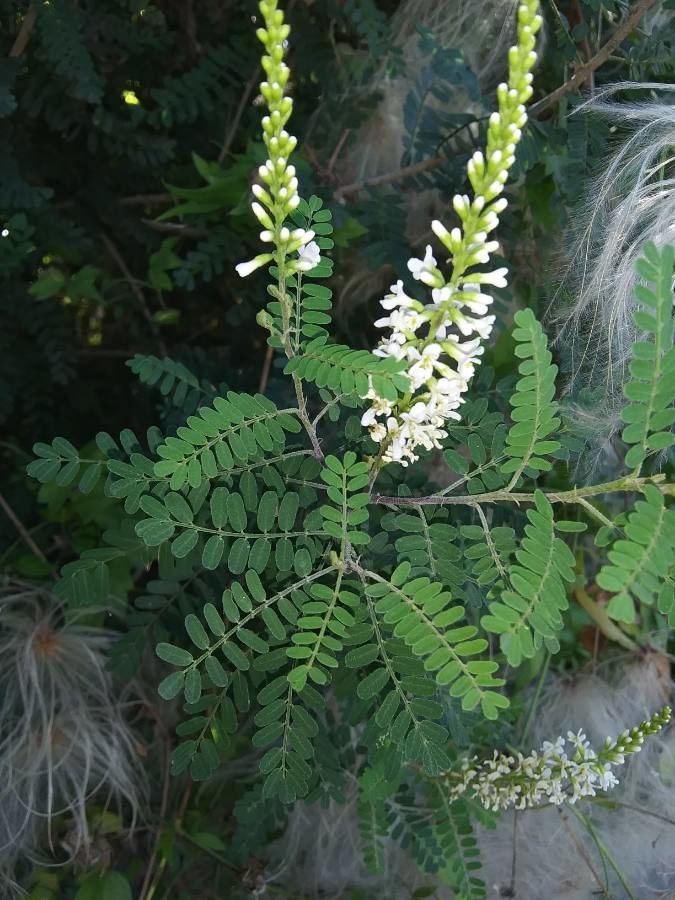
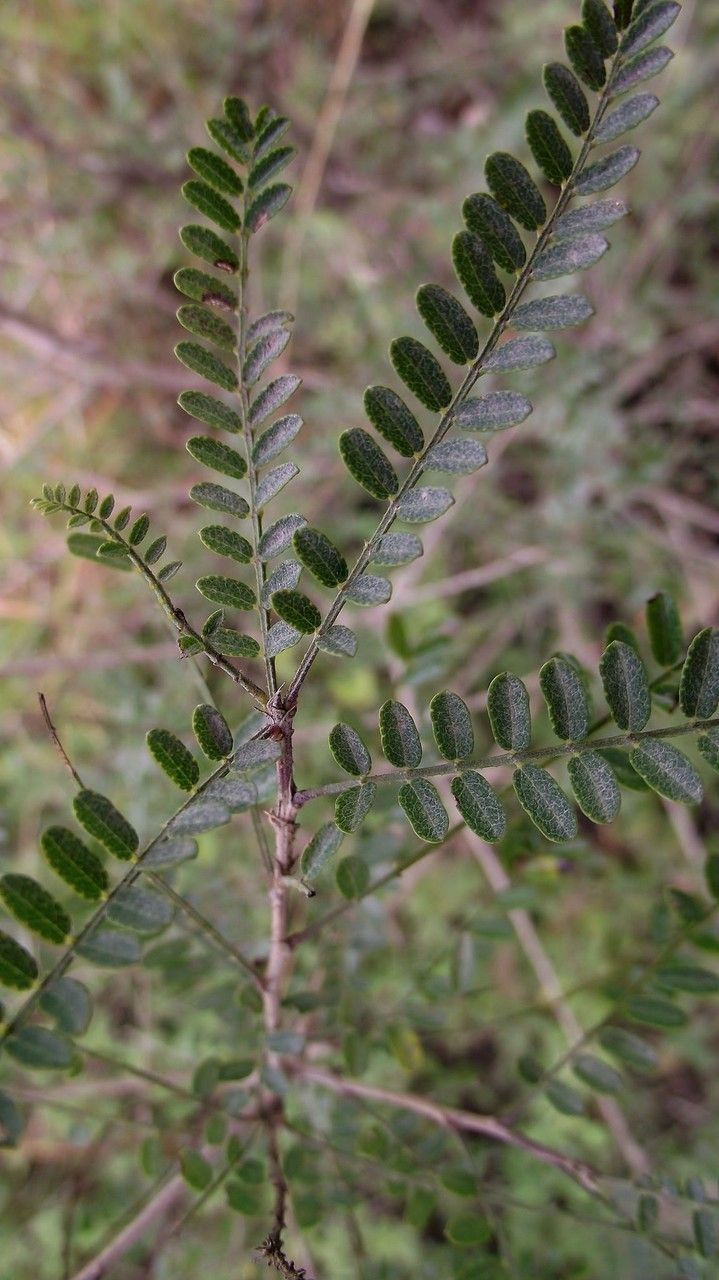
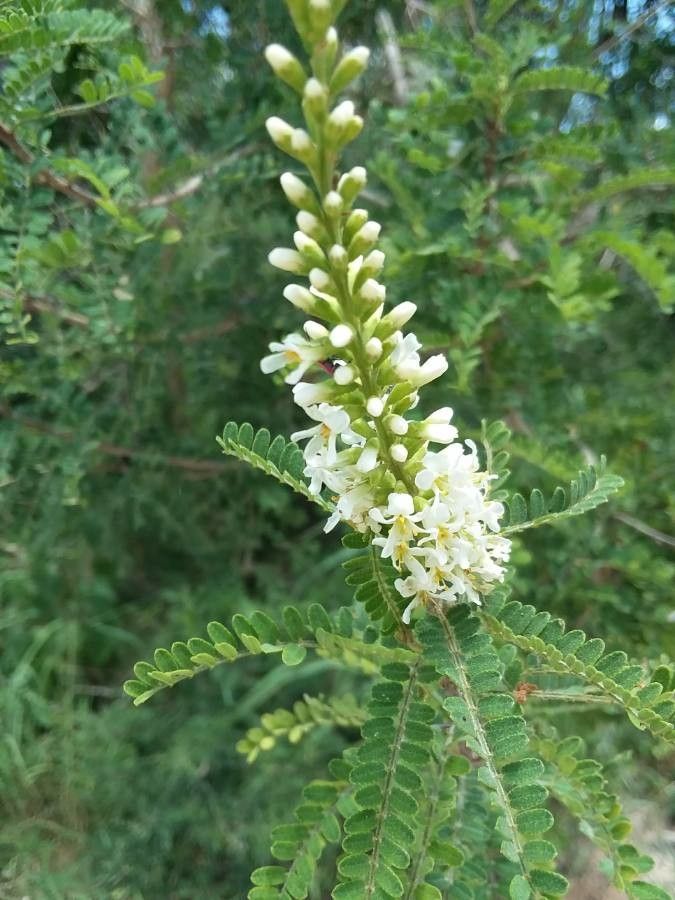
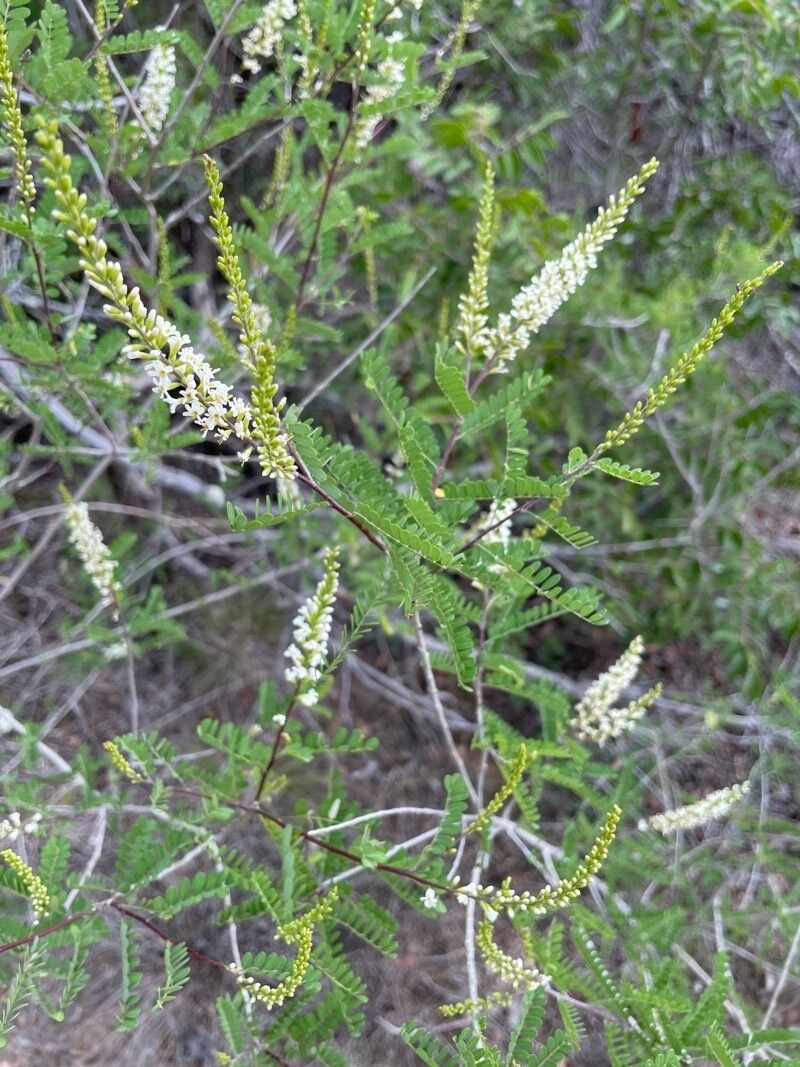
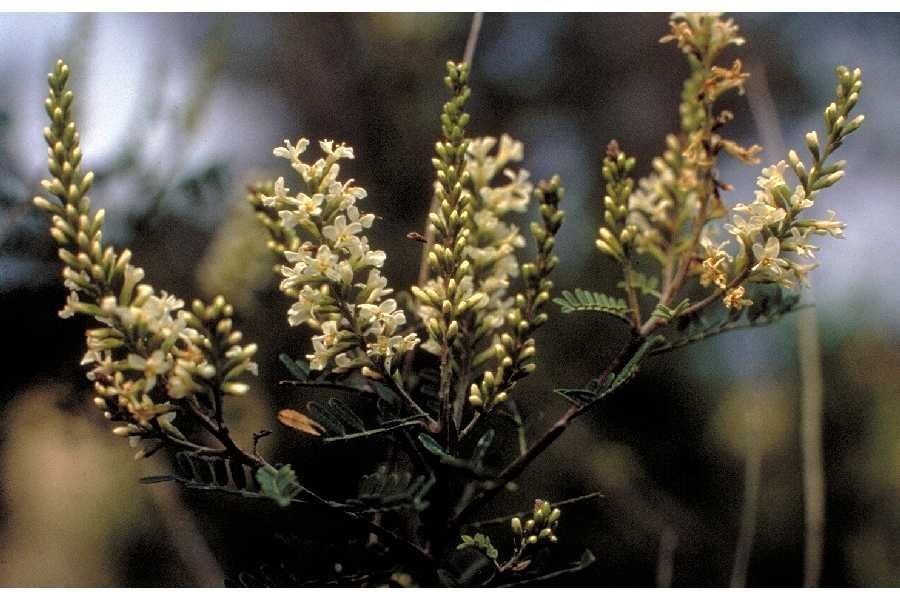
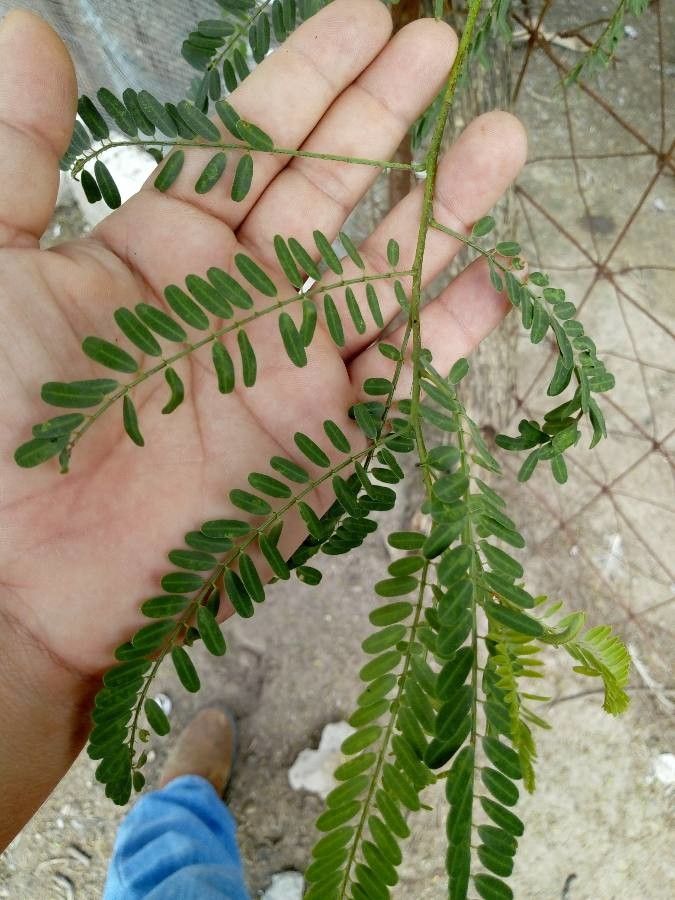
Eysenhardtia texana, commonly known as Texas kidneywood, bee-brush, or vara dulce, is a species of small flowering tree in the legume family, Fabaceae. It is found from south-central Texas south to northern San Luis Potosí in the Rio Grande Valley region of south Texas–Northeastern Mexico, and the species ranges into the eastern Chihuahuan Desert areas of Coahuila.
Texas kidneywood has strong disease resistance and is generally not prone to illnesses. However, it can be affected by pests and diseases present in its environment. These infections are usually mild. Regarding care, this plant requires moderate maintenance. It should be pruned regularly to preserve a good appearance and support healthy growth. Fertilizing can also encourage flowering. Texas kidneywood is suitable for anyone with outdoor space, such as a garden or patio, and does not demand extensive care experience. It may need more attention when grown indoors.
How to keep Eysenhardtia Texana.
Light
The Texas kidneywood does best in locations where it receives ample sunlight throughout the day. Abundant sun determines the plant’s health and vigorous growth. It also tolerates a range of light conditions. However, severe lack of light or excessive exposure can negatively affect its well-being.
Water
The Texas kidneywood is well-suited for semi-arid areas and is highly drought-tolerant, requiring only weekly watering to remain healthy. It thrives in dry environments and performs exceptionally well in xeric landscapes that mimic its natural habitat conditions. Thanks to its deep root system, it can access water even during extended dry spells.
Temperature
Texas kidneywood is a plant suited to temperate climates and prefers native growing conditions that fall within the 59 to 95 °F (15 to 35 ℃) range. Maintenance should be adjusted when temperatures fluctuate beyond this range.
Fertilizer
The best time to fertilize a Texas kidneywood is in early spring, when it is coming out of dormancy and starting active growth. Fertilizing supplies essential nutrients for healthy development. Although Texas kidneywood has fairly low fertilizer requirements, applying fertilizer once a year can boost its survival and encourage better, longer-lasting flowers.
Pruning
Texas kidneywood benefits from pruning in early to late spring, focusing on removing dead branches and thinning the plant for better airflow. Proper shaping encourages healthy growth and blooming, while regular maintenance improves the plant's overall health and enhances its appearance.
Botanical profile.
- Plant Type
- Herb
- Life Cycle
- Perennial
- Genus
- Eysenhardtia
- Family
- Fabaceae
- Hardiness Zone
- 7-10
- Mature Height
- 0.61 m to 3.05 m
- Mature Spread
- 0.91 m to 1.83 m
- Leaf Color
- Green, Blue
- Leaf Type
- Deciduous
- Flower Color
- White
- Flower Size
- 7.62 cm to 10.16 cm
- Bloom Time
- Mid spring, Late spring
- Planting Time
- Summer, Autumn
- Harvest Time
- Early summer, Mid summer
- Native Area
- Mexico
Other names.
Reader questions.
What are the sunlight requirements for Texas Kidneywood?
Texas Kidneywood requires full sun, meaning it thrives best when it is exposed to more than 6 hours of sunlight daily. It's important to observe how sunlight moves through your garden and select locations that offer a balance of light and shade, which is crucial for the plants' well-being. This plant is adaptable to different lighting conditions but its health and growth can be negatively affected by both extreme light deprivation and overexposure.
What is Texas Kidneywood and its ideal growth temperature?
Texas Kidneywood (Eysenhardtia texana) is a plant well-suited to temperate climates, thriving in temperatures between 59 to 95°F (15 to 35°C). It naturally grows in environments that fall within this temperature range. The plant is adapted to these conditions and generally requires only routine maintenance adjustments when temperatures significantly deviate beyond this spectrum.
Can Texas Kidneywood grow under artificial lighting?
Yes, Texas Kidneywood can grow under artificial lighting, especially when natural sunlight is insufficient such as in winter or in less sunny spaces. Indoor plants may benefit from artificial lights, which help promote faster and healthier growth. LED lights are recommended due to their ability to provide specific wavelengths needed by plants. Full sun plants require 30-50W/sq ft of artificial light, partial sun plants need 20-30W/sq ft, and full shade plants should have 10-20W/sq ft. The artificial light source should be placed 12-36 inches above the plant and turned on for 8-12 hours per day to mimic natural daylight hours.
How does Texas Kidneywood handle cold temperatures?
Texas Kidneywood exhibits strong resistance to cold, typically not necessitating special frost protection measures during winter. However, for extra precaution, especially when temperatures are forecasted to fall below -15°C, it is advisable to protect the plant by covering it with soil or straw. An abundant watering before the first autumn freeze is recommended to keep the soil moist, helping to prevent drought and water scarcity during the winter and early spring by ensuring the soil enters a frozen state with adequate moisture.
What are the symptoms of inadequate lighting for Texas Kidneywood?
Symptoms of inadequate lighting in Texas Kidneywood include smaller new leaves compared to mature ones, leggy or sparse growth, faster drop of older leaves, slower or ceased new growth, paler-colored new leaves, and conditions such as chlorosis, where leaves lose their green color. Other symptoms caused by too much sunlight include sunscald, leaf curling, wilting, and leaf scorching. These symptoms indicate the plant is struggling with the current light conditions, whether it's too little or too much exposure.
What should be done if Texas Kidneywood experiences low temperatures?
When experiencing low temperatures, especially below -15°C, Texas Kidneywood is cold-tolerant but may show a decrease in sprouting or fail to sprout at all during spring. In such cases, it's recommended to remove any parts of the plant that have failed to sprout as the weather warms in spring.
How can I improve the lighting conditions for Texas Kidneywood indoors?
To improve lighting conditions for Texas Kidneywood indoors, gradually move the plant to a sunnier spot each week until it receives at least 6 hours of direct sunlight daily, ideally through a south-facing window. Additionally, if the plant is large or not easily movable, consider supplementing with artificial light, such as keeping a desk or ceiling lamp on for at least 8 hours daily or investing in professional plant grow lights. Note that parts of the plant affected by previous insufficient sunlight may not recover, but new growth should be healthy with improved lighting.
How should Texas Kidneywood be cared for in high temperatures?
In times of high temperatures, particularly above 35°C and reaching or exceeding 41°C, the leaves of Texas Kidneywood may lighten in color, curl, become prone to sunburn, and the plant might wilt and dry in severe scenarios. To manage this, trim away any sunburned or dried parts of the plant. Relocate the plant to a shadier location, or use a shade cloth to protect it from intense midday and afternoon sun. Ensure the soil remains moist by watering in the morning and evening.
What are the outdoor and ground solutions for improving light exposure to Texas Kidneywood?
For outdoor Texas Kidneywood plants, improve sunlight exposure by gradually moving them to sunnier spots weekly, avoiding sudden changes to prevent sunburn. To increase light exposure on the ground, reduce obstructions by observing which areas block sunlight and pruning any obstructing trees. For smaller plants or relocations, transplant them during their dormant period in late winter or early spring to a location with ample sunlight and good drainage. This ensures the plants have the best chance at healthy growth.