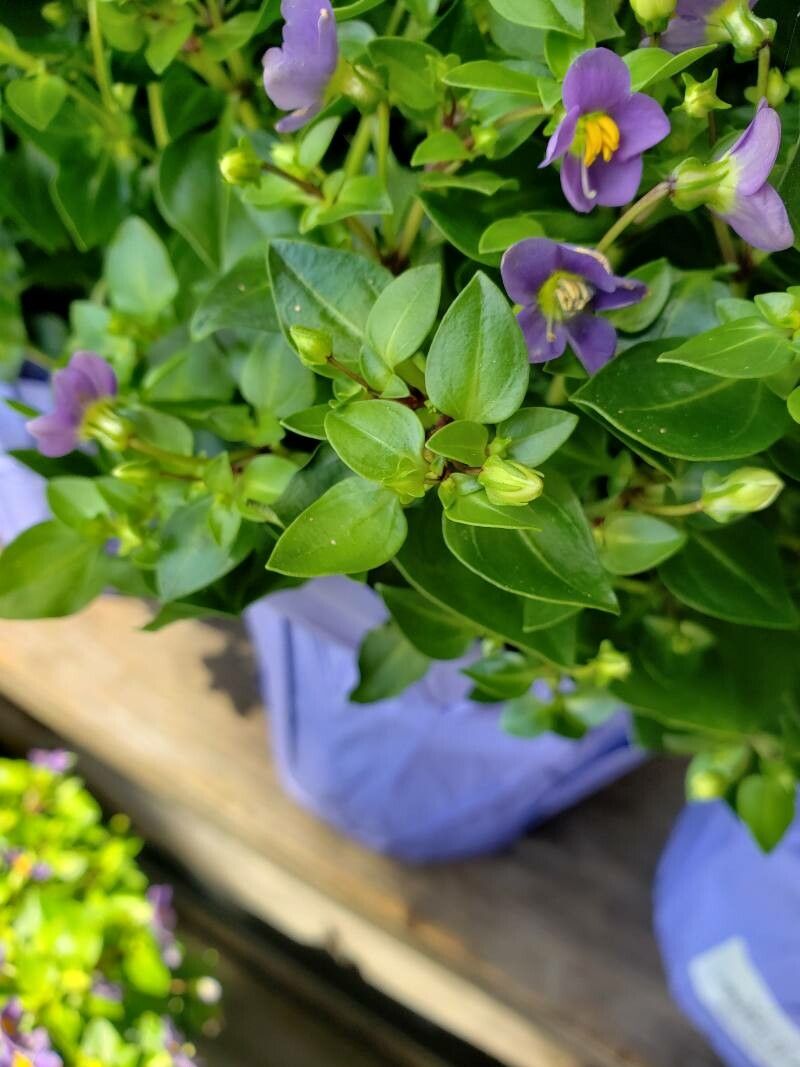
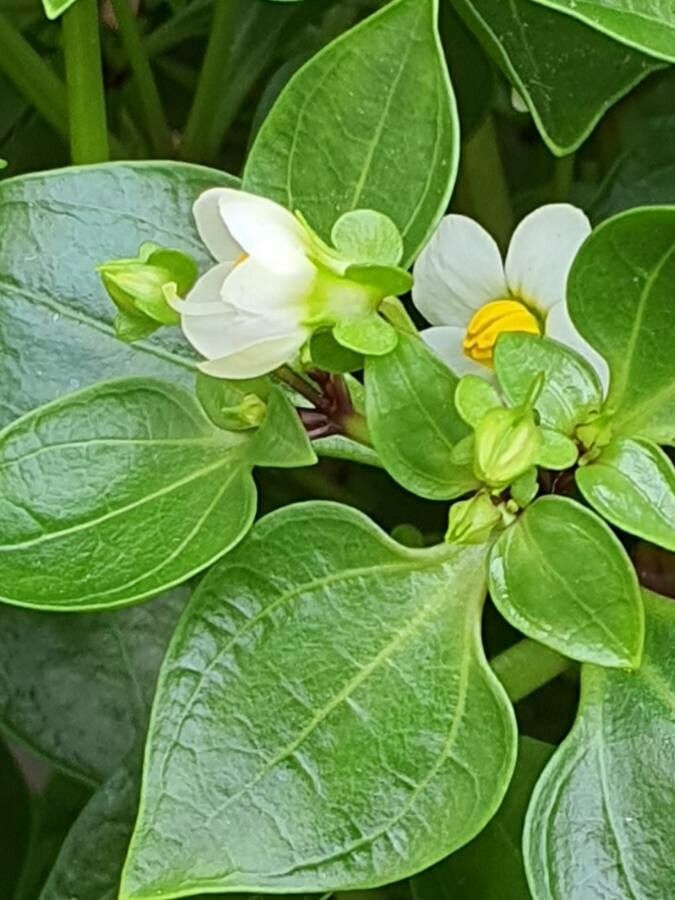
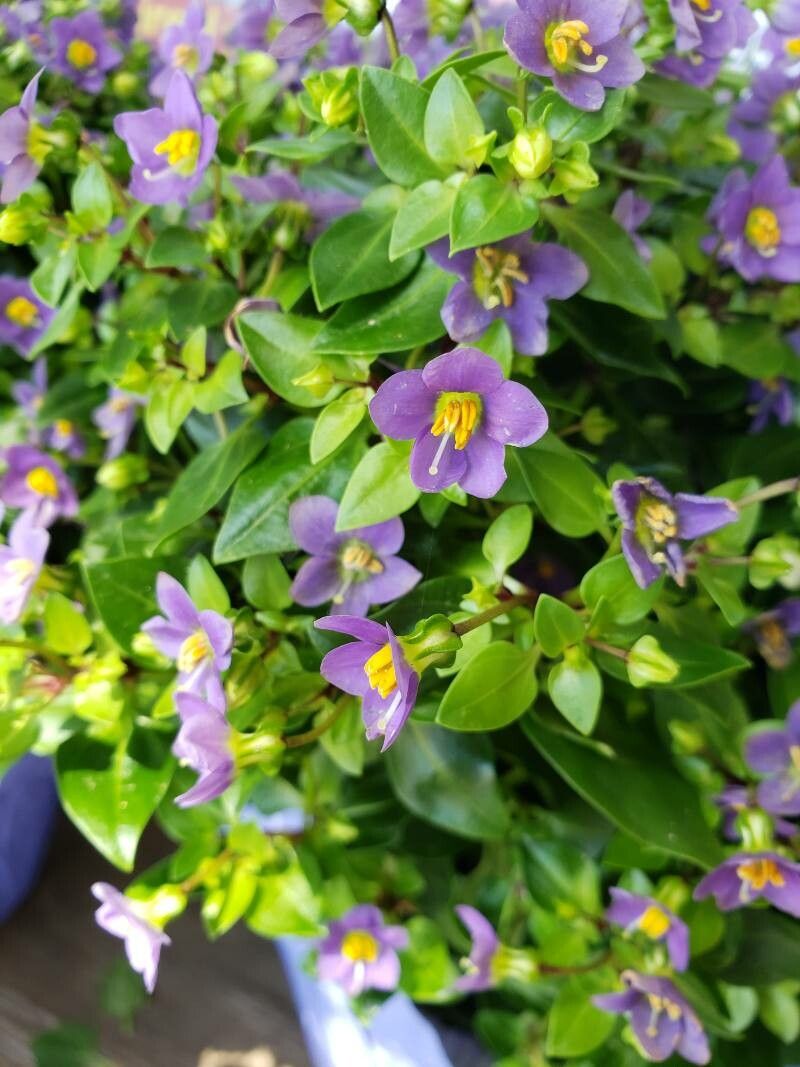
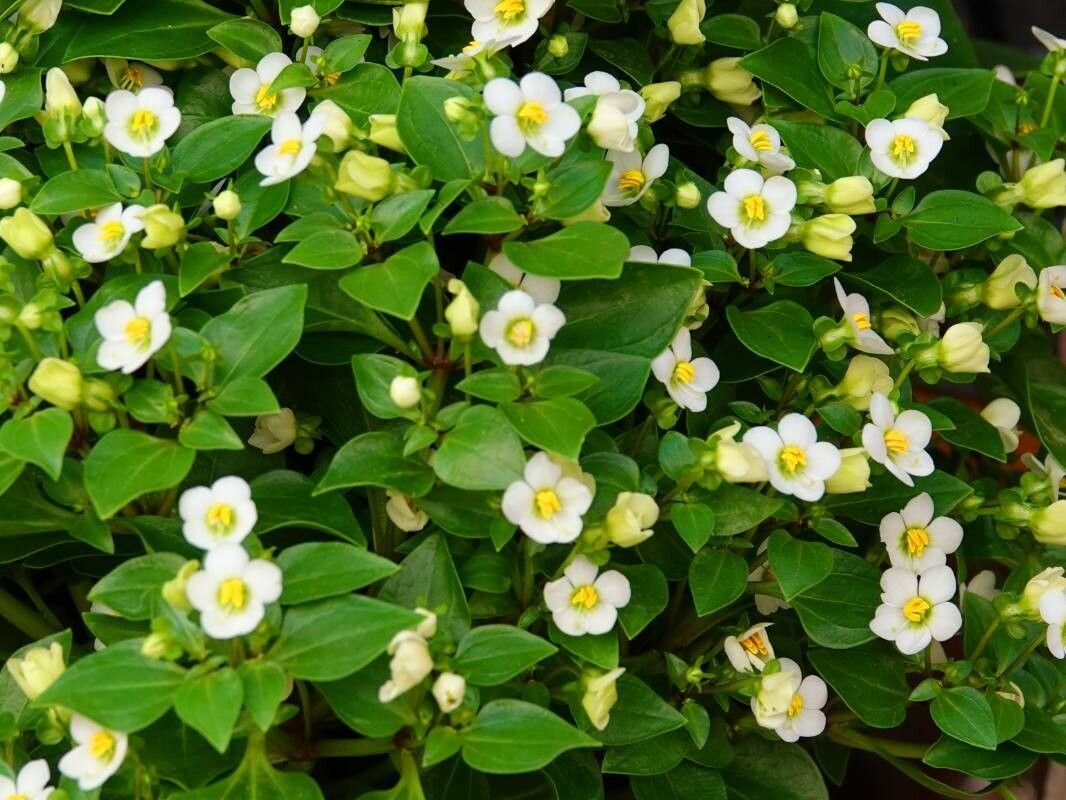
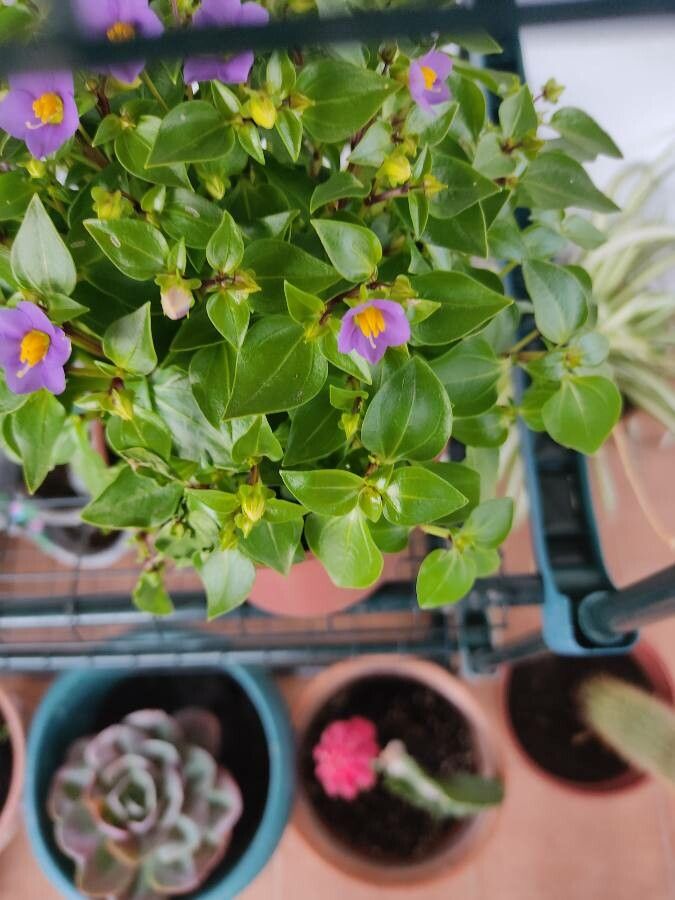
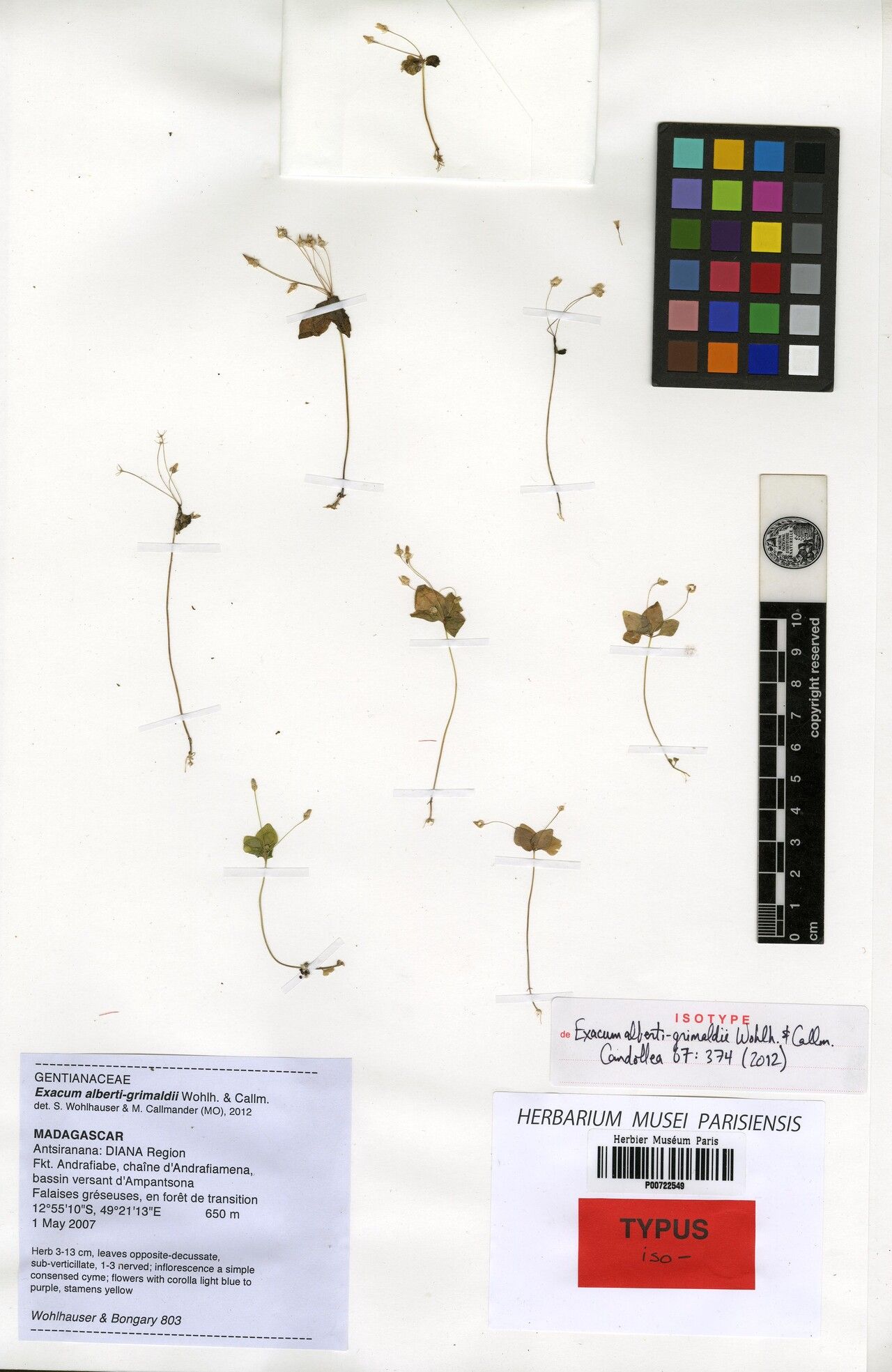
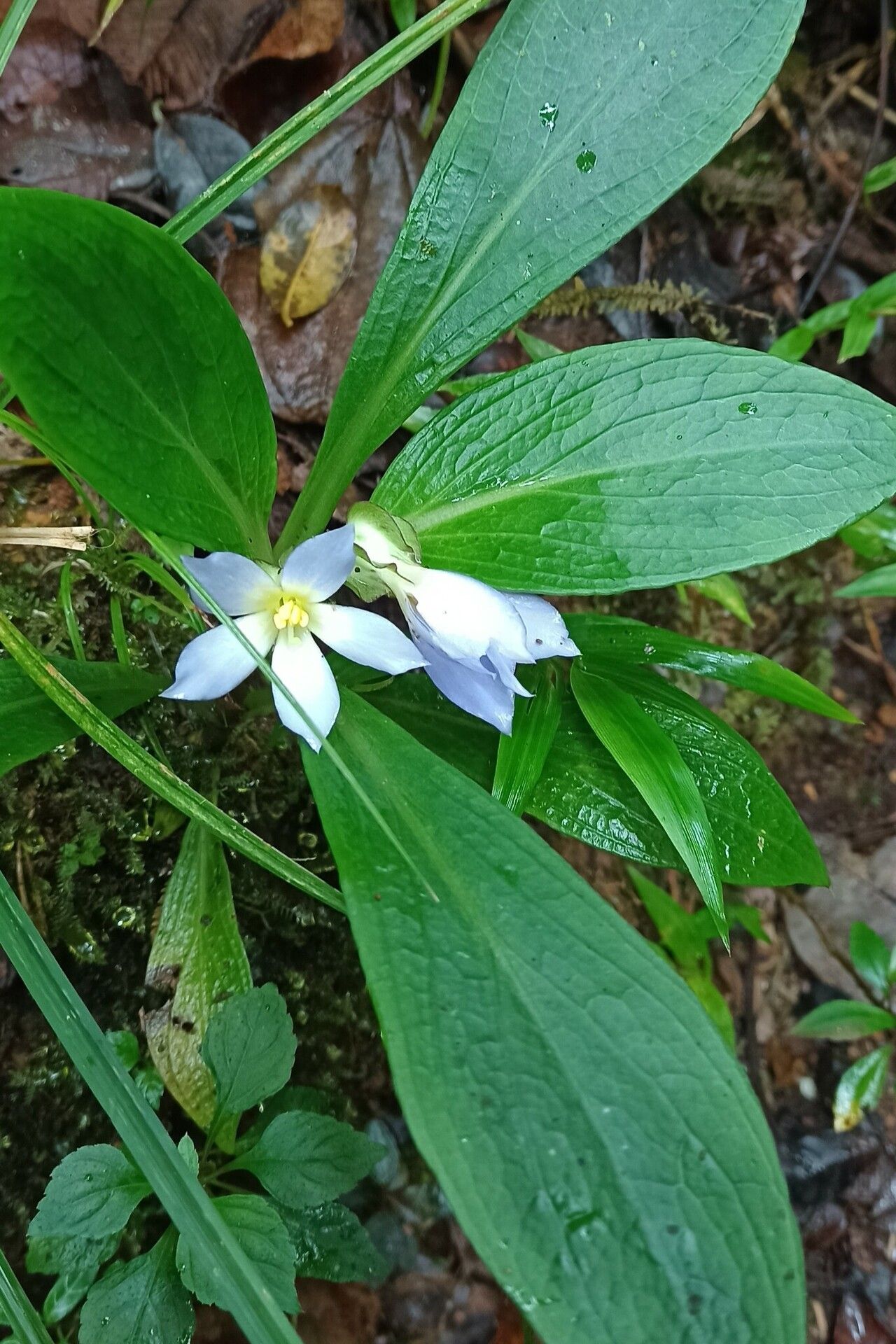
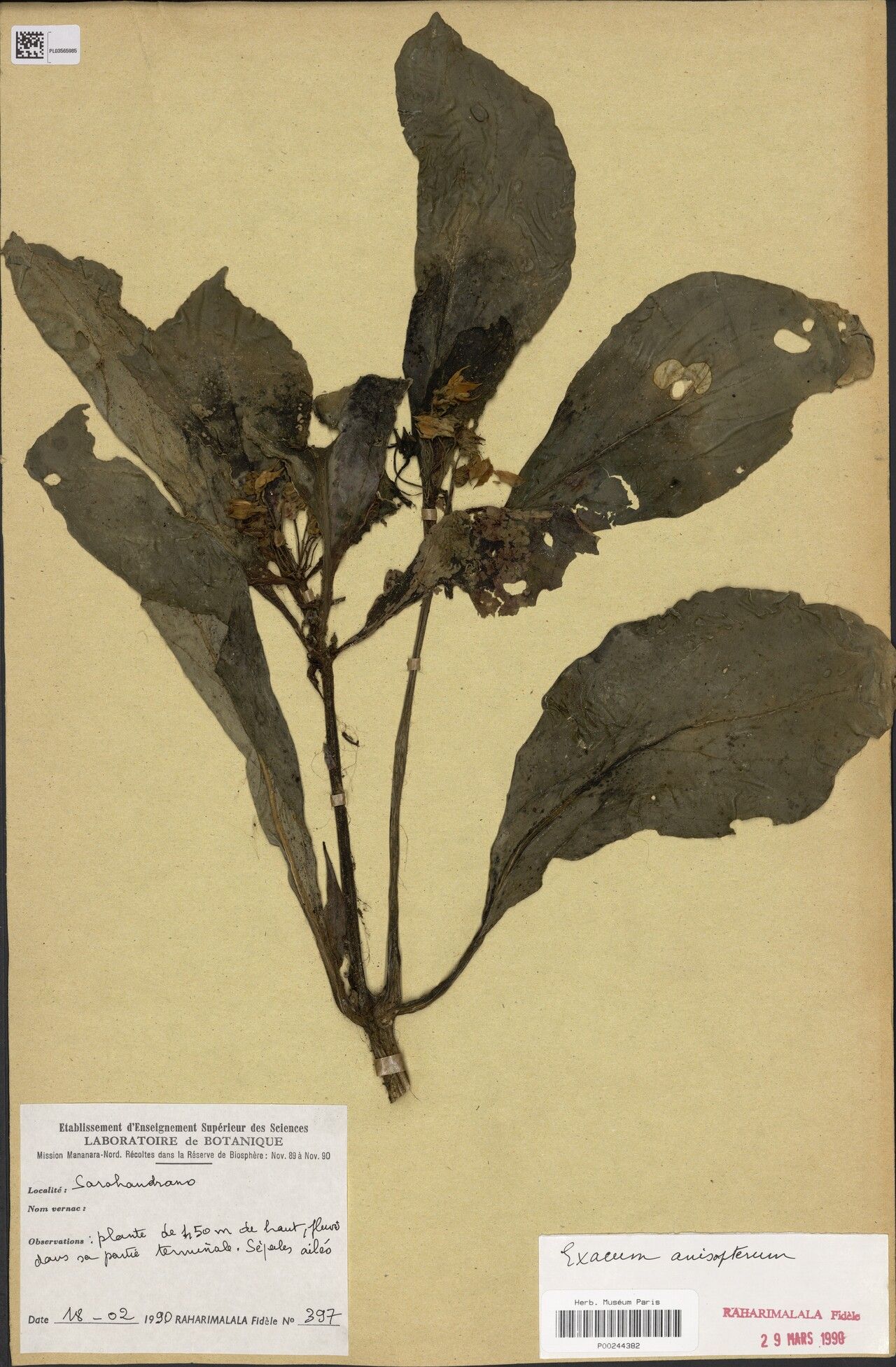
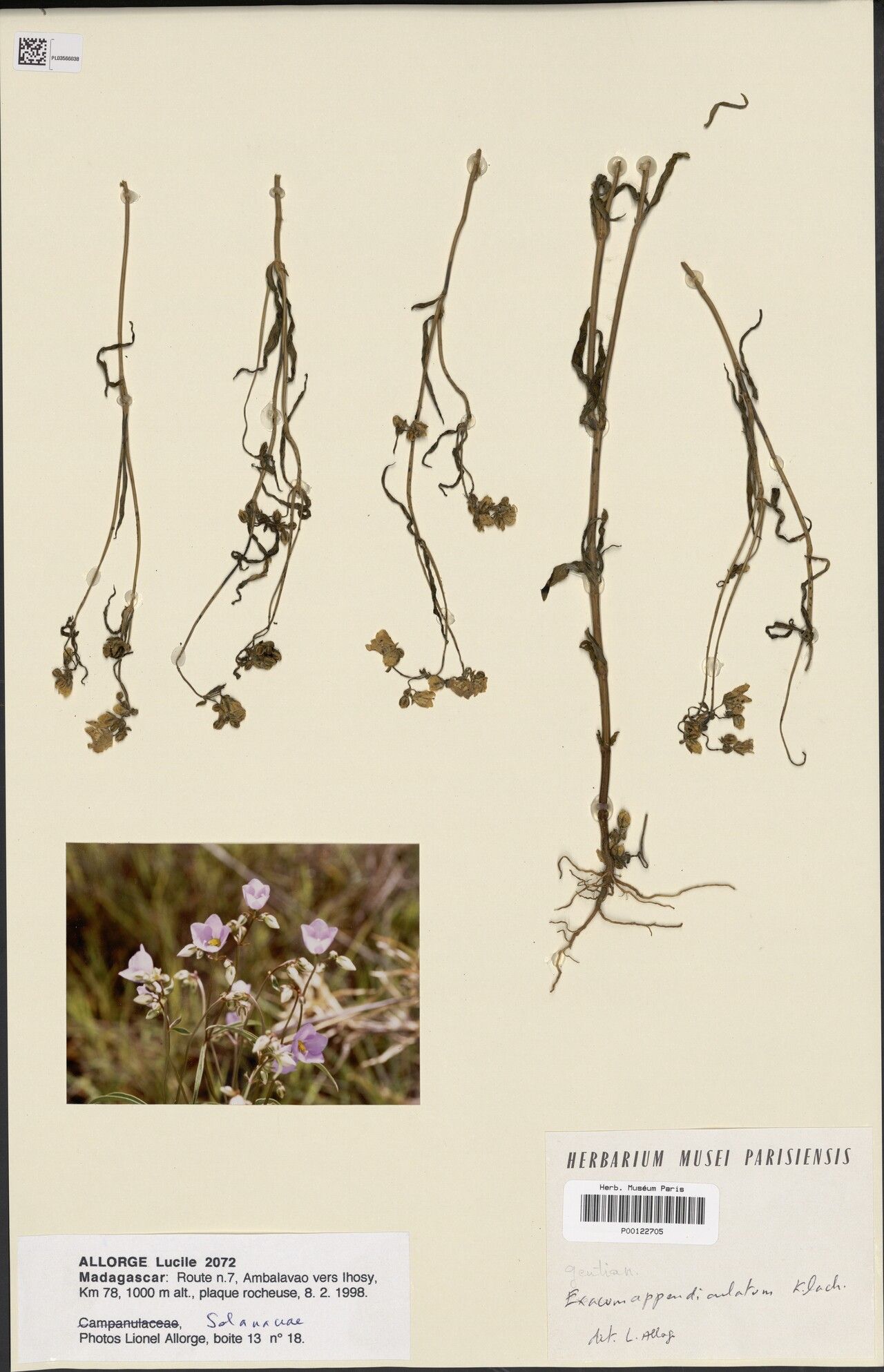
Exacum affine, commonly known as Persian violet or German violet, is a charming small flowering plant belonging to the family Gentianaceae. Native to Madagascar and tropical Africa, it has been widely cultivated as an ornamental plant around the world.
This plant exhibits a compact growth habit, reaching up to 30 cm in height. Its dark green leaves are oval-shaped and arranged oppositely along the stem. The star-shaped flowers, which can be blue, purple, pink, or white, have five petals each.
Exacum affine thrives in well-drained soil with moderate moisture and prefers exposure to partial shade or full sun. It can be cultivated indoors as a houseplant or outdoors in containers or garden beds.
Known for its long-lasting blooms, the Persian violet is an attractive addition to any garden or indoor space. Its delicate flowers also make it a popular choice for floral arrangements.
In summary, Exacum affine is a beautiful, low-maintenance flowering plant that offers maximum visual impact with its stunning blooms and lush foliage. It is an excellent choice for both novice gardeners and experienced horticulturists.
Persian violet is resistant to disease and generally not prone to illnesses. Nevertheless, it can develop leaf spots if light and ventilation are poor or if it is overwatered. Its care requirements are considered easy, since it mainly needs regular watering and little else. Persian violet is well suited to people who lack the time or energy to provide frequent care.
How to keep Exacum Affine.
Light
Persian violet generally does well in locations that receive ample but not overly intense light. Because of its native habitat, it prefers milder sun yet can tolerate stronger light when necessary. Both too much and too little light can impede its healthy growth, causing weakened foliage and fewer flowers.
Water
Persian violet, native to Yemen and Socotra, thrives in conditions of moderate moisture. It requires weekly watering and prefers consistent moisture, though it's important to avoid waterlogging. Usually cultivated indoors, this plant flourishes best with humidity levels that mirror its natural habitat, which enhances both its foliage growth and flowering potential.
Humidity
This plant needs special care because it loves high humidity levels of 60-80% or more. The best way to achieve this is by placing a humidifier near the plant. Daily misting is also essential! Make sure the room has good ventilation.
Temperature
The Persian violet originates from habitats where temperatures range from 68 to 100 °F (20 to 38 ℃). It favors these warm to hot conditions. To replicate that climate and support the plant’s health, seasonal temperature adjustments may be necessary.
Fertilizer
When most of a Persian violet's flowers have opened to full size, resume fertilizing. Around the time blooms reach peak production, fertilize again every three to four weeks, weather permitting. Then, once the plant begins producing fewer new blooms, stop fertilizing; there's no need to feed it when it can no longer produce additional flowers.
Pruning
Persian violet is known for its fragrant flowers and lush foliage. To keep it healthy, prune the plant from early to late spring. Start by removing any dead stems, and then lightly trim it to encourage growth and flowering. This practice not only improves air circulation but also boosts disease resistance, ensuring your Persian violet remains vibrant and compact.
Pot & Repot
When repotting Persian violet, choose a pot that's 1–2 inches (2.5–5.1 cm) larger in diameter and ensure it has good drainage. Use a well-draining potting mix and consider adding perlite for extra drainage. Repot in spring or early summer, water thoroughly afterward, and place it in a shady location at first.
Botanical profile.
- Plant Type
- Herb
- Life Cycle
- Annual, Perennial, Biennial
- Genus
- Exacum
- Family
- Gentianaceae
- Hardiness Zone
- 10-12
- Mature Height
- 15 cm to 46 cm
- Mature Spread
- 25 cm
- Leaf Color
- Green
- Leaf Type
- Evergreen
- Flower Color
- Purple
- Flower Size
- 1.02 cm to 2.03 cm
- Bloom Time
- Late spring, Summer, Early fall, Mid fall
- Planting Time
- Spring, Autumn
- Harvest Time
- Mid summer, Late summer, Fall, Early winter
Other names.
Reader questions.
How should I water my Persian violet?
To water Persian violets, there are several options available. You can use a garden hose with a spray nozzle, a watering can, or any other common watering tool. Persian violets are not too particular about how they receive water; they can thrive with rainwater, tap water, or filtered water. It is generally best to avoid watering this plant from overhead as it can damage the leaves and flowers and potentially lead to disease. A drip irrigation system is often the recommended method for watering Persian violets, as it applies water evenly and directly to the soil. If you have a container-grown Persian violet, the watering approach is similar, but the tools you use may vary. You can use a cup, watering can, or tap water to directly apply water to the soil.
Why should I put fertilizer on my Persian violet?
Plants, including Persian violets, require nutrients to grow and sustain themselves. While some plants are able to obtain all the necessary nutrients without additional fertilizers, Persian violets, like other plants, rely on nutrients for growth and internal processes. The main nutrients that plants utilize, such as nitrogen, phosphorus, and potassium, contribute to essential functions within a plant. When it comes to foliage growth, nitrogen plays a significant role. However, Persian violets often struggle to acquire enough nitrogen from the soil alone. As a result, many gardeners choose to supplement Persian violets with additional nitrogen through feeding.
What are the sunlight requirements for Persian violet?
Persian violet, known botanically as Exacum affine, needs generous but not exceedingly strong illumination to thrive. It generally does well in partial sun, which is about 3-6 hours of sunlight daily, but it can also flourish in full sun, defined as more than 6 hours of sunlight per day. It's essential to watch how sunlight moves through your garden to find the perfect balance of light and shade, ensuring your plants' health and happiness. Too much or too little light can lead to issues such as weakened foliage and diminished flowering.
What is the ideal temperature range for Persian violet?
Persian violet thrives in warm to hot environments, with an ideal temperature range between 68 to 100 °F (20 to 38 °C). To ensure the health of the plant, it's important to replicate this climate, especially considering the plant's love for heat. During the colder months, it's advisable to bring the Persian violet indoors if it has been grown outside, placing it near a bright window but at a distance from direct heat sources. Maintaining indoor temperatures above 20°C during winter benefits the plant's growth, while temperatures near 5°C or lower can be harmful.
What should I do if I give too much or too little water to my Persian violet?
The solution for underwatering a Persian violet is simple: water it more regularly when you see that it lacks moisture. On the other hand, overwatering can be a more serious problem, as it can cause diseases and ultimately lead to the plant's decline and death. To avoid this, choose a suitable location for your Persian violet that receives ample sunlight to dry out the soil and has good drainage to prevent waterlogging. If your potted Persian violet is overwatered, consider transferring it to a new pot with loose soil and efficient drainage.
When should I fertilize my Persian violet?
Persian violet generally grows well and benefits from monthly fertilization when it's actively growing. It's important to fertilize Persian violet once a month only during the spring and summer, as it becomes less active during fall and winter and requires fewer nutrients. You'll know when to start fertilizing if you notice new growth. Regardless of whether Persian violet is grown outside or indoors in a container, the fertilization schedule remains the same. However, if your plant is in a container, you may not need to fertilize for the first one to two months because the potting soil already contains enough nutrients. Only start fertilizing after your plant has been in the same soil for a while.
How can artificial lighting be used for Persian violets?
When natural sunlight is insufficient, particularly during winter or in less sunny spaces, artificial lighting can be a vital solution for Persian violets' growth. LED lights are a popular choice as they can be customized to provide specific wavelengths needed by plants. Full sun plants require artificial light of 30-50W/sq ft, partial sun plants need 20-30W/sq ft, and full shade plants need 10-20W/sq ft. The light source should be placed 12-36 inches above the plant to mimic natural sunlight, and most plants will need 8-12 hours of light per day.
How does low temperature affect Persian violets and what are the solutions?
Persian violets are not tolerant of low temperatures and perform best when the environment remains above 20°C. Exposure to temperatures below 1°C can lead to a lightening of the leaves' color, which further darkens to brown or black following frost damage. Symptoms such as wilting and drooping are common after frost exposure. To mitigate these effects, the frost-damaged parts should be trimmed off and the plant should be moved to a warmer, indoor environment. Placing the plant near a south-facing window ensures it gets enough sunlight without the harmful effects of heaters or air conditioning vents, which can dry out the air excessively.
How often should I give water to my Persian violet?
Persian violets require regular watering throughout the growing season. In the spring, water once a week. As the weather gets warmer, increase watering to two or three times a week, but be cautious not to exceed this rate as it can harm the plant. Regardless of how often you water, make sure the soil remains relatively moist but not wet. Watering potted Persian violets is slightly different. The soil in pots can dry out faster, so plan to water container-grown plants a few times a week, as opposed to just once a week for plants in the ground.
When is it best to not fertilize my Persian violet plant?
To ensure the health of your Persian violet, avoid fertilizing it if it is already sick or infested with insects. Similarly, refrain from fertilizing a dehydrated plant, as this will exacerbate the issue. Only fertilize plants that are in good health. When watering, be cautious not to splash fertilizer onto the leaves or stem, as it can cause burn spots. Unless you are using a specific foliage fertilizer, avoid direct contact between the plant and the fertilizer.
What are the common symptoms of inadequate lighting in Persian violets?
When Persian violets are cultivated indoors under inadequate light, several growth issues may arise, including smaller new leaves, leggy or sparse growth, faster leaf drop, slower or no new growth, and lighter-colored new leaves indicating a lack of chlorophyll. Excessive sunlight can also cause problems such as chlorosis, or yellowing of the leaves, sunscald, leaf curling, wilting from increased water loss, and leaf scorching characterized by brown, dry edges on leaves. Each of these symptoms can impact the plant's photosynthetic capacity and overall health.
How does high temperature affect Persian violets and what are the solutions?
In conditions above 38°C, care should be taken to protect Persian violets from overheating. Temperatures exceeding 43°C can cause the leaves to lighten and increase susceptibility to sunburn. To address this, sunburned or dried-up parts of the plant should be trimmed away. Moving the plant to a shaded location, especially during the peak sun of midday and afternoon, can prevent further damage. Additionally, watering the plant in the early morning or evening hours helps keep the soil adequately moist, safeguarding against the stress of high temperatures.