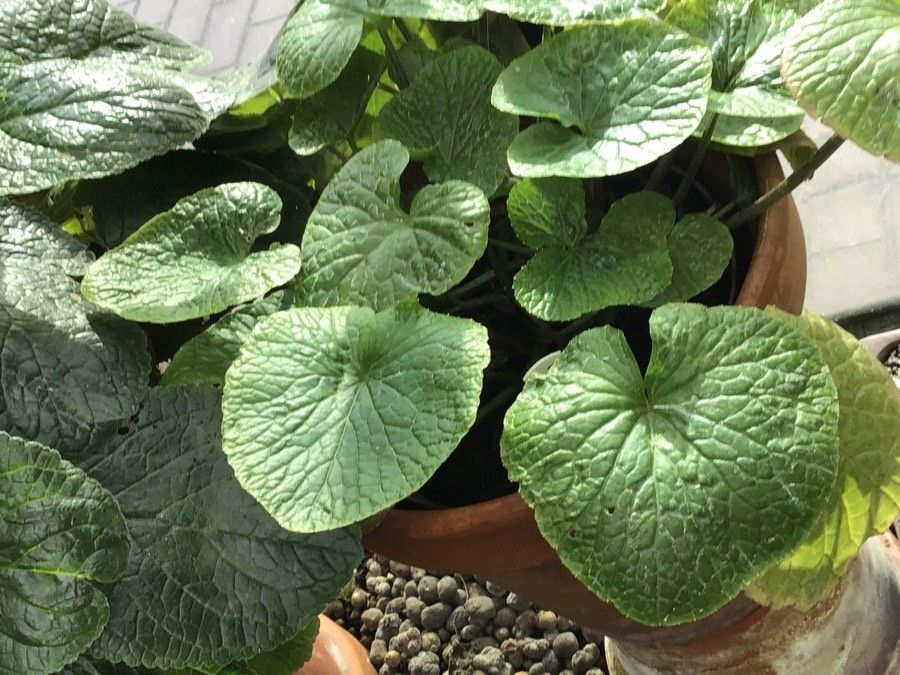
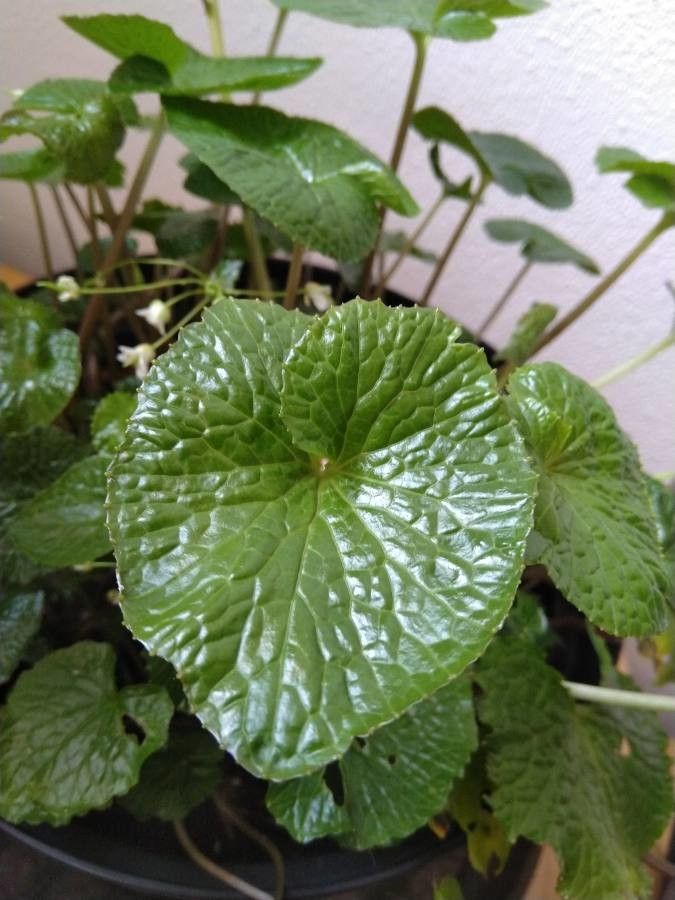
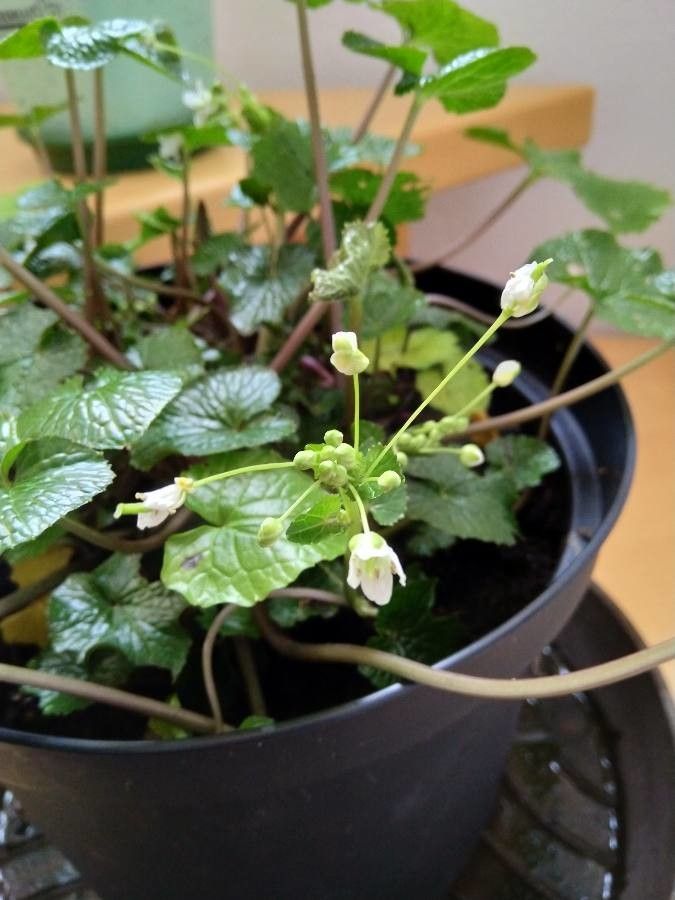
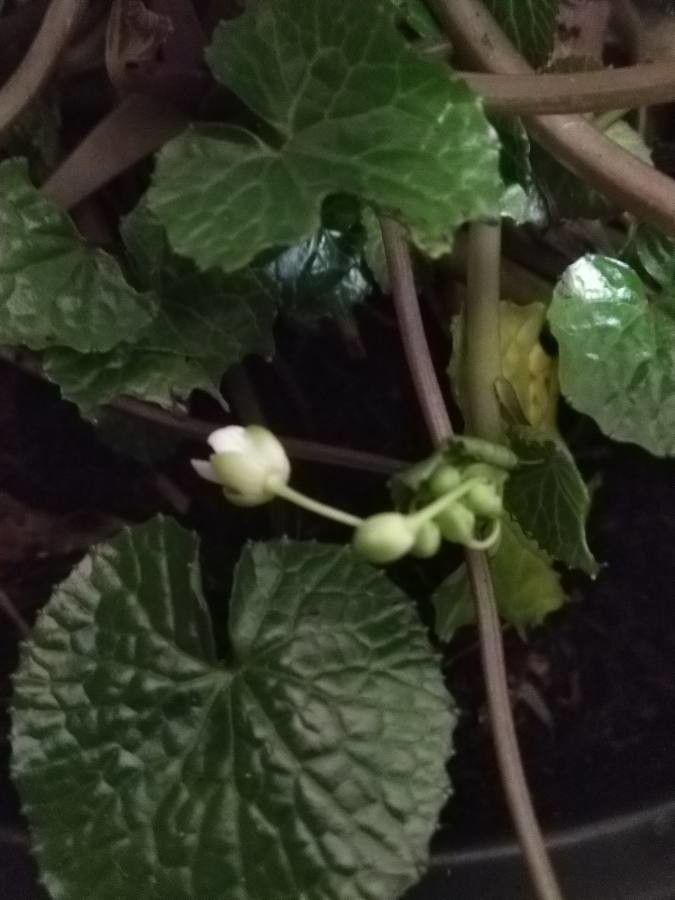
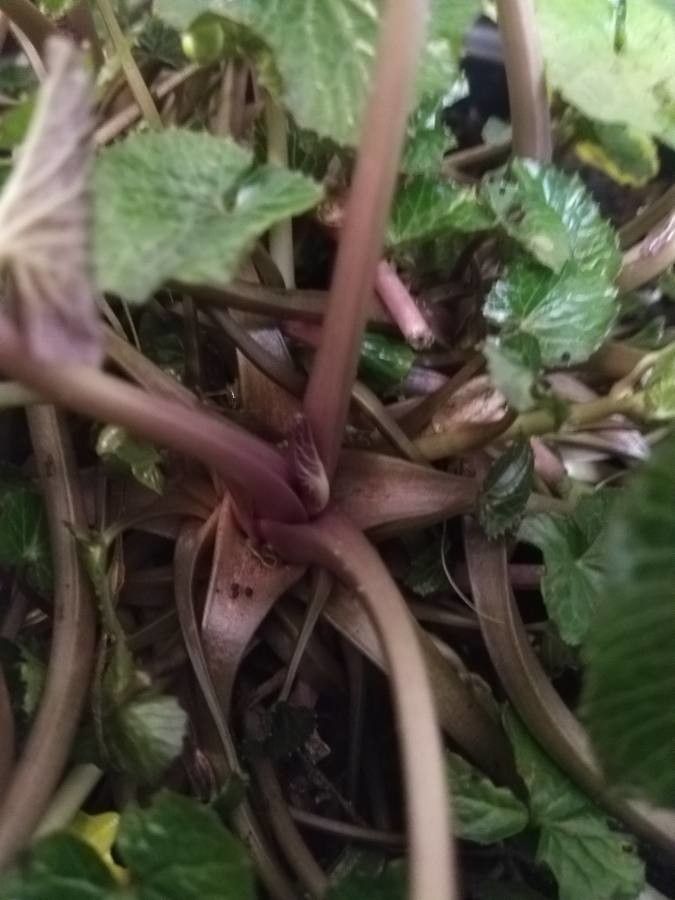
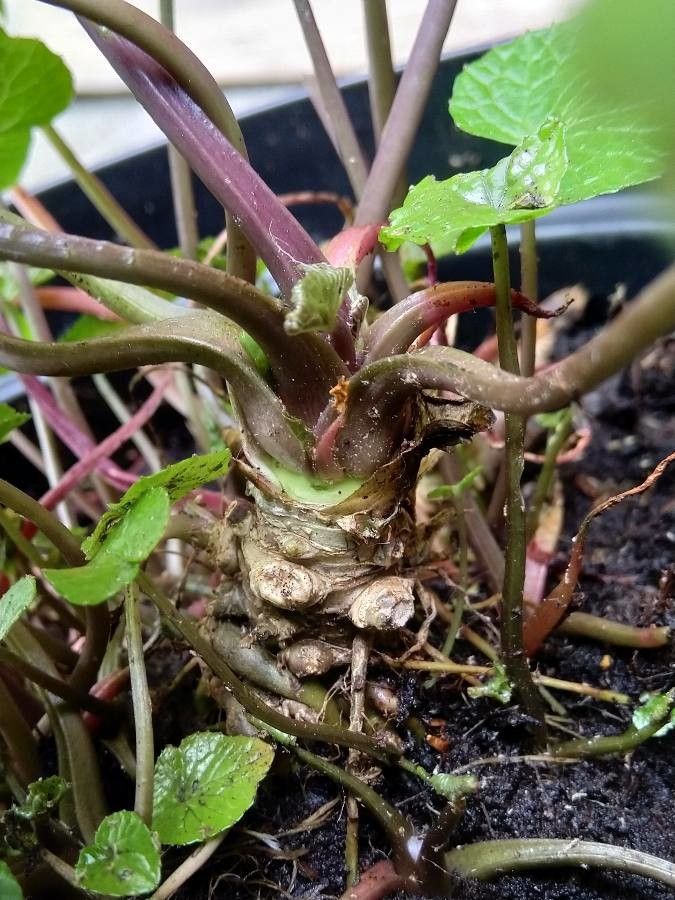
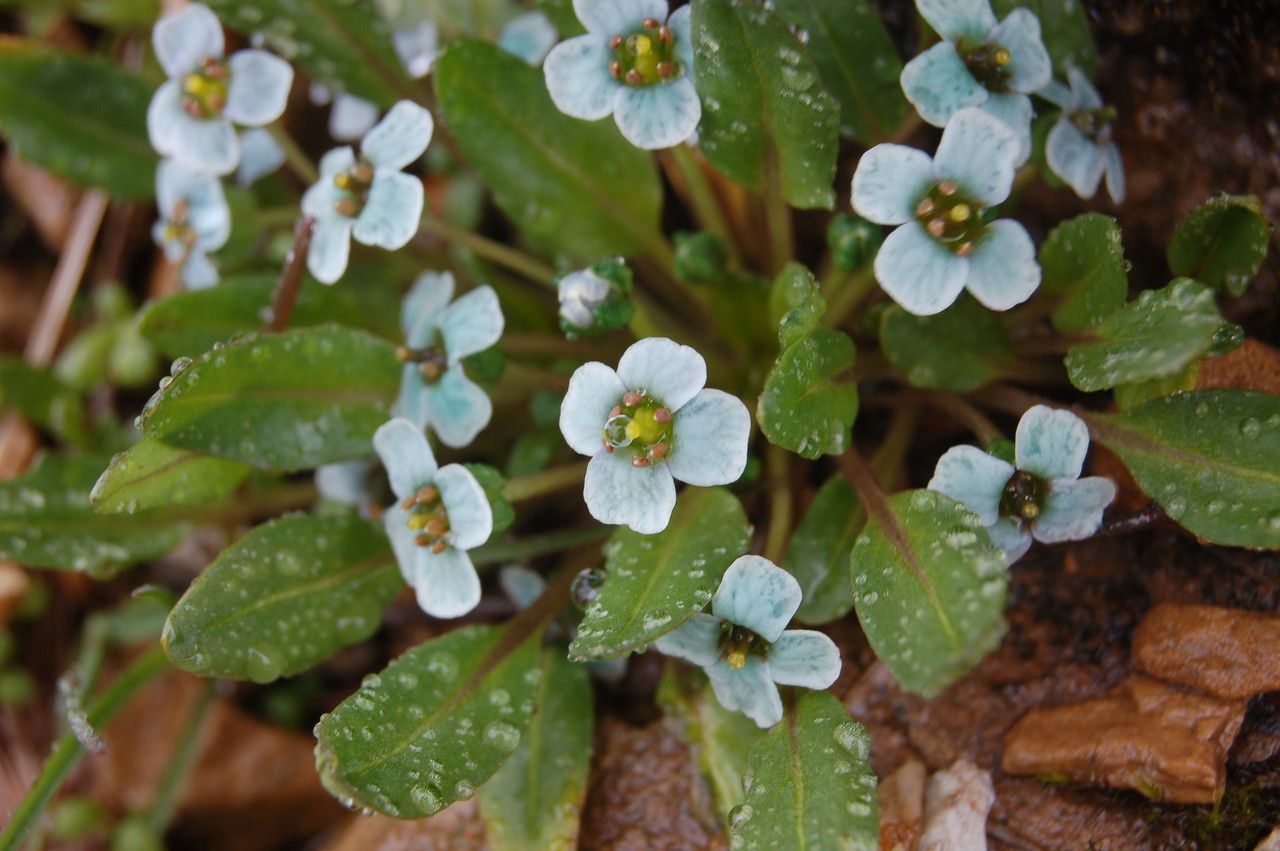
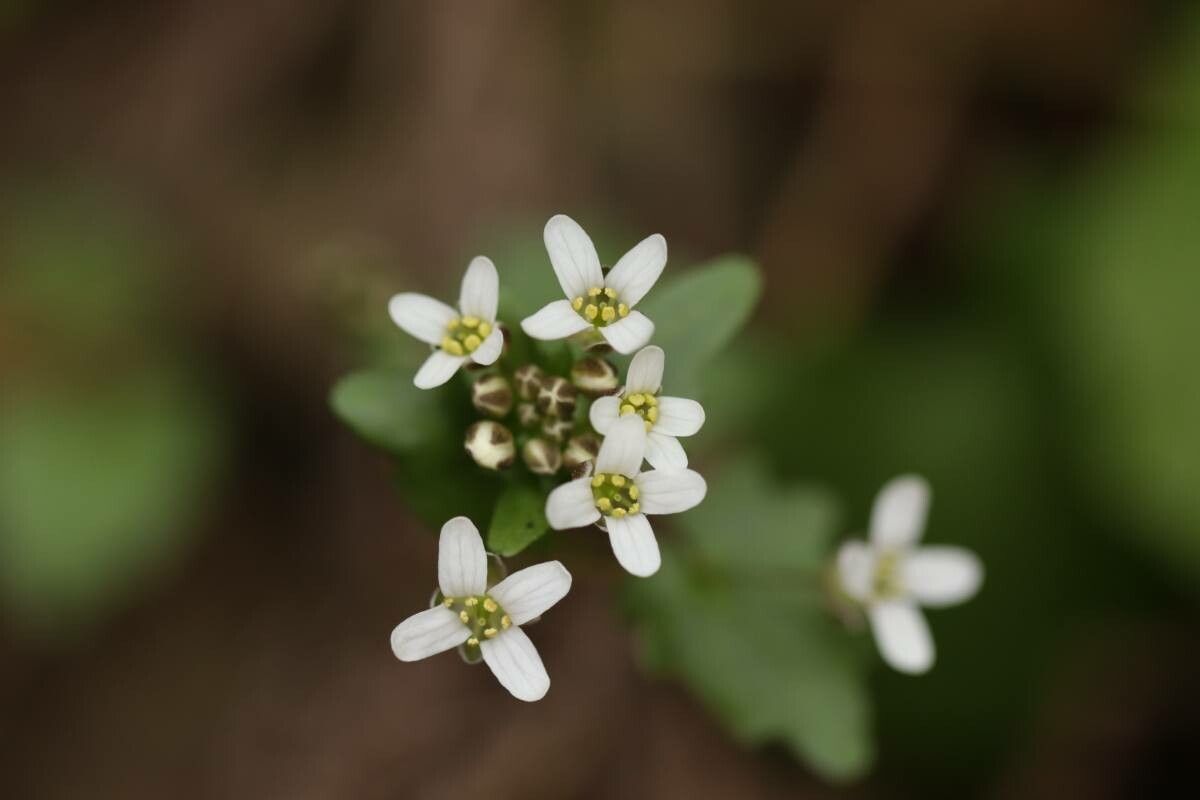
Eutrema japonicum, commonly known as Japanese wasabi, is a perennial herbaceous plant in the Brassicaceae family. Native to Japan, it thrives in cool and moist environments such as riverbanks and mountain streams. The plant features a short stem and large, heart-shaped or oval leaves that are dark green with a glossy texture, reaching up to 30 cm in length.
The most distinctive feature of Eutrema japonicum is its rhizome, or underground stem, which has been used for centuries in Japanese cuisine as wasabi paste due to its pungent flavor similar to horseradish. The rhizome can grow up to 30 cm long and 5 cm wide, with a pale green exterior and a white interior.
Eutrema japonicum requires cool temperatures between 10-20°C for optimal growth, but it can tolerate temperatures up to 25°C if adequate moisture levels are maintained. It prefers well-drained soil rich in organic matter but can also be cultivated hydroponically.
In addition to its culinary uses, Eutrema japonicum has medicinal applications due to its anti-inflammatory properties, which can help alleviate pain associated with arthritis and other inflammatory conditions.
In conclusion, Eutrema japonicum is an intriguing plant species that offers both culinary delights and medicinal benefits. It holds a significant place in Japanese culture and is gaining popularity worldwide due to its unique flavor profile. This makes it an important crop globally, especially among chefs who extensively use this herbaceous perennial in various cuisines around the world today.
Wasabi has moderate resistance to disease and can be vulnerable to issues like leaf spot. Its susceptibility to insect pests differs by cultivar, but most tend to be relatively susceptible to pests. For care, Wasabi needs consistent watering and feeding, plus regular removal of yellowing leaves. It’s important to manage pests and diseases when they appear and to harvest the plant promptly. Wasabi is suitable for people who can commit some time and effort to routine care.
How to keep Eutrema Japonicum.
Light
Wasabi comes from habitats such as forest understories or rocky locations with natural shade. It prefers partial sunlight but can endure full sun when necessary. This flexibility lets it prosper under a range of sunlight conditions.
Water
Wasabi, which originates from the mountainous stream beds of Japan, thrives in moist, semi-aquatic conditions. It needs watering every 1-2 weeks but has moderate drought tolerance. Wasabi prefers cool temperatures, so growing it outdoors is essential for optimal development.
Humidity
This plant needs special care because it loves high humidity levels of 60-80% or more. The best way to achieve this is by placing a humidifier near the plant. Daily misting is also essential! Make sure the room has good ventilation.
Temperature
Wasabi does best in moderate temperatures — roughly the same range people usually find comfortable. It flourishes in conditions that are not overly hot or overly cold. The primary problem with high temperatures is the risk of sunburn, so supplying some shade in summer is advisable to prevent excessive heat. When temperatures fall, Wasabi goes dormant; if you want it to keep growing, you need to keep temperatures higher during the winter. Frost can damage the plant and should be avoided.
Fertilizer
Wasabi plants benefit from one or two applications of organic, natural fertilizers that provide potassium and phosphorus. Apply the fertilizer before planting, incorporate it into the soil and water thoroughly. Usually a single application is enough, but a second can be applied once seedlings have established. Avoid overusing fertilizer, since excessive amounts can damage the plants.
Pruning
Wasabi, a leafy green perennial, thrives in cool, shaded areas. Prune it from early to late spring to remove damaged leaves and improve airflow, which reduces the risk of disease. Regular pruning also helps distribute nutrients more effectively, promoting vigorous growth and the overall health of the plant.
Botanical profile.
- Plant Type
- Herb
- Life Cycle
- Perennial
- Genus
- Eutrema
- Family
- Brassicaceae
- Hardiness Zone
- 5-9
- Mature Height
- 61 cm
- Mature Spread
- 40 cm
- Leaf Color
- Green, Dark Green
- Leaf Type
- Semi-evergreen
- Flower Color
- White
- Flower Size
- 0.51 cm to 0.76 cm
- Bloom Time
- Early spring, Mid spring
- Planting Time
- Autumn, Winter
- Harvest Time
- Late spring, Early summer
- Native Area
- Russia, Japan, South Korea
Other names.