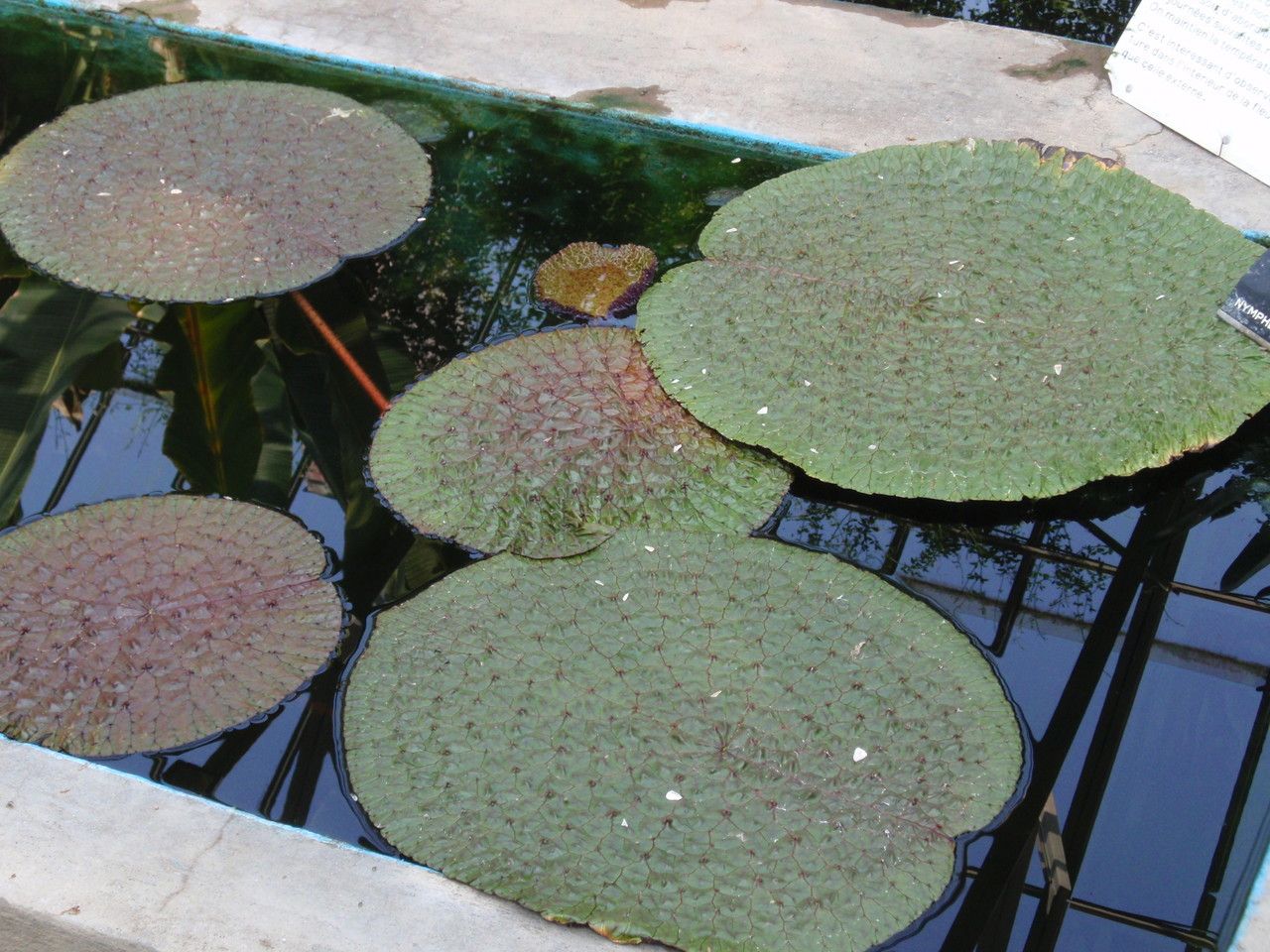
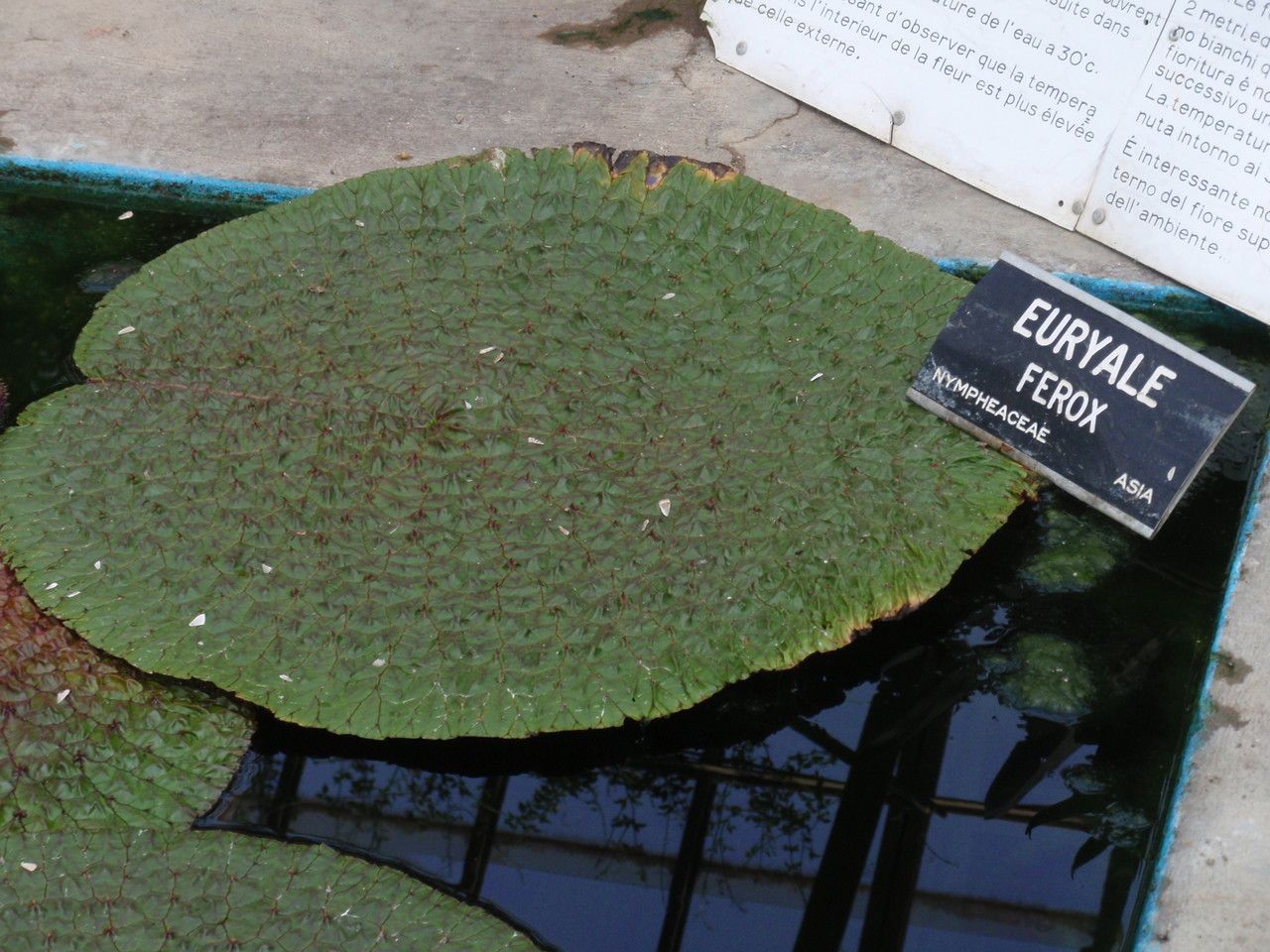
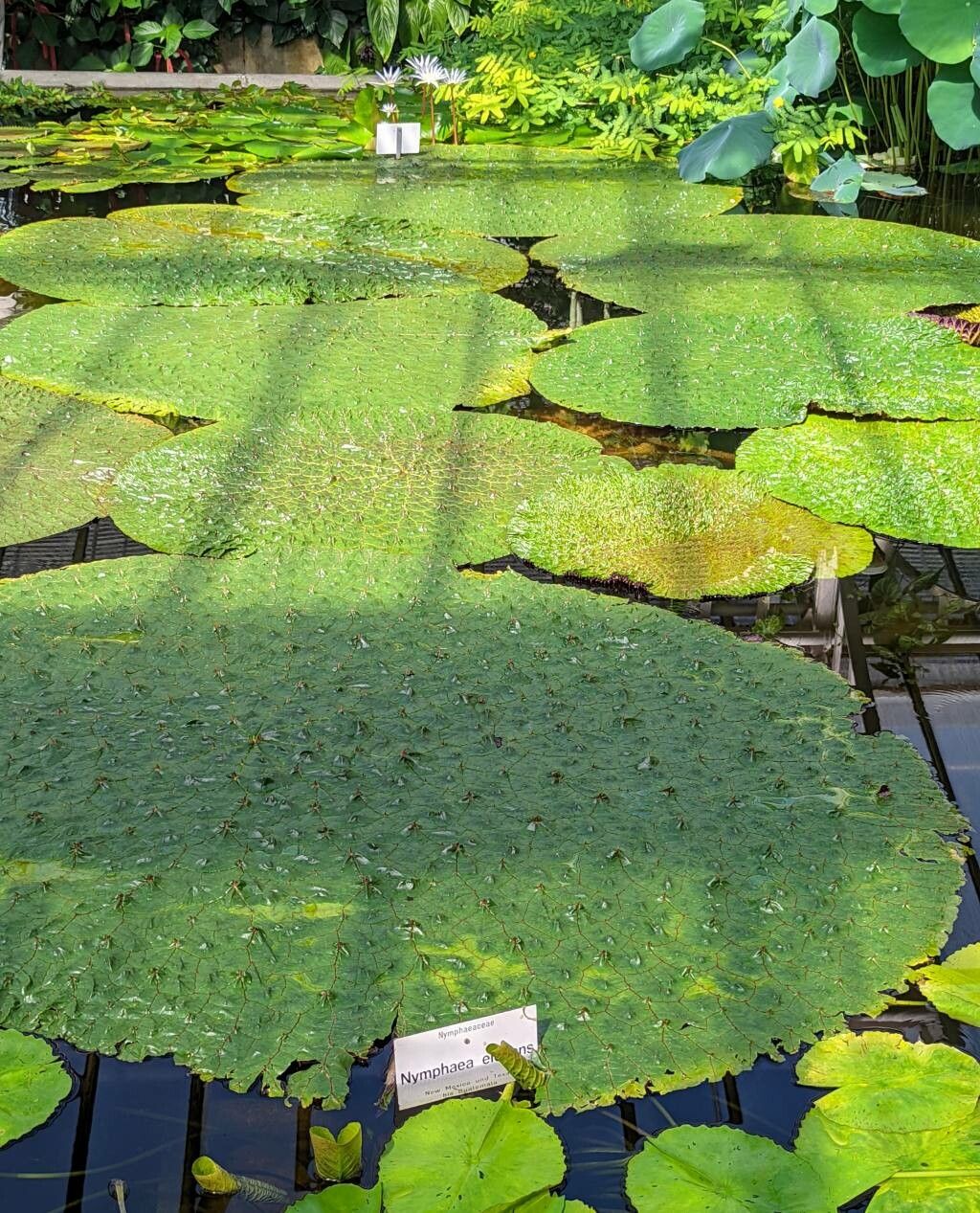
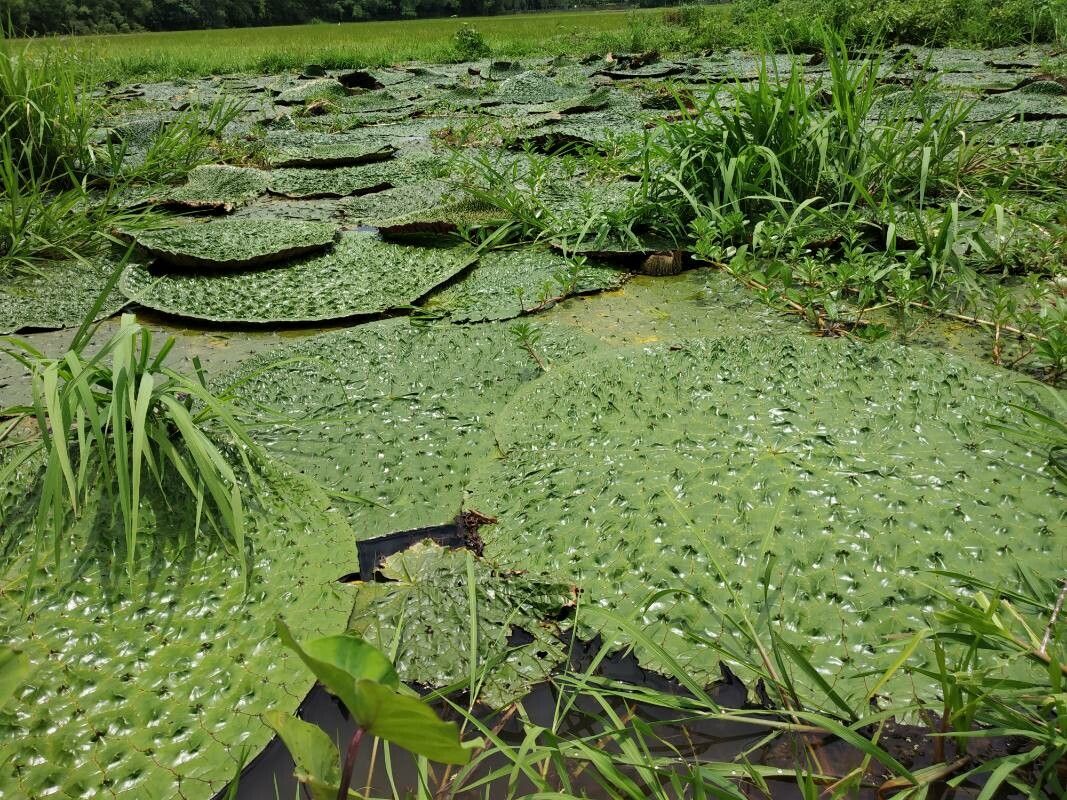
Euryale ferox, commonly known as the fox nut or gorgon nut, is an aquatic plant species belonging to the water lily family. Native to Asia, it thrives in countries such as India, China, and Japan, typically growing in shallow water bodies like ponds and lakes. The fox nut features unique floating leaves that can reach up to 1 meter in diameter. These leaves exhibit a distinctive vein pattern radiating from the center, resembling spokes on a wheel. The plant also produces beautiful flowers, which are either white or pink with striking purple centers. For centuries, the fox nut has been utilized in traditional medicine for its various health benefits. It is believed to possess anti-inflammatory properties and can aid in digestion, reduce anxiety levels, and boost immunity. Beyond its medicinal uses, Euryale ferox holds culinary value. Its seeds are commonly used in Asian cuisine to prepare desserts such as kheer (rice pudding) and laddu (sweet balls). The seeds are also roasted and enjoyed like popcorn. In summary, Euryale ferox is a fascinating aquatic plant species known for its medicinal and culinary applications, making it an integral part of Asian culture.
Prickly water lily has strong resistance to disease and is generally unlikely to develop illnesses. Still, it can be affected by pests and diseases found in its environment. Such infections are typically mild. Regarding care, this plant needs moderate upkeep. It should be pruned regularly to preserve a good appearance and encourage healthy growth. Applying fertilizer can also aid in boosting flowering. Prickly water lily is appropriate for anyone with an outdoor area, like a garden or patio, and does not demand extensive plant-care experience. It may need more attention when kept indoors.
How to keep Euryale Ferox.
Light
The prickly water lily is a natural sun-lover, flourishing in strong sunlight that supports its health and vigor. It originates from habitats with abundant sunshine and does not tolerate shade. However, both too much exposure and too little can be harmful, disrupting its normal growth.
Water
The prickly water lily flourishes in freshwater environments, particularly in still waters with consistent moisture levels. To ensure proper hydration, it should be watered weekly. Ideally grown outdoors, this plant thrives in full sunlight and requires large water bodies to achieve optimal growth in the warm season.
Temperature
The prickly water lily originates from milder climates and prefers temperatures between 68 and 95 °F (20 to 35 ℃). In hotter or colder seasons, appropriate adjustments can help the plant stay healthy and flourish.
Fertilizer
To ensure the healthy growth of prickly water lilies, it's important to use balanced nutritional fertilizers. During the flowering phase, opt for fertilizers high in phosphorus. Adjust the frequency of fertilization according to the season. Be cautious not to over-fertilize, as this can cause root burn; a good practice is to dilute the fertilizer to half-strength. Beginners should adhere to established guidelines, while experienced growers can customize their approach based on the plant's response.
Pruning
The prickly water lily has floating leaves and produces spiky fruit, requiring minimal pruning. The best time to prune is from early to late spring. During this period, trim any dead leaves to improve water circulation. Additionally, thin out dense growth to promote healthier foliage and enhance the plant's overall appearance and vitality.
Botanical profile.
- Plant Type
- Herb
- Life Cycle
- Perennial, Annual
- Genus
- Euryale
- Family
- Nymphaeaceae
- Hardiness Zone
- 7-10
- Mature Height
- 91 cm
- Mature Spread
- 0.91 m to 6.1 m
- Leaf Color
- Green, Purple, Lavender
- Leaf Type
- Deciduous
- Flower Color
- Purple, Violet
- Flower Size
- 2.54 cm to 5.08 cm
- Bloom Time
- Summer
- Planting Time
- Autumn, Winter
- Harvest Time
- Late summer, Early fall, Mid fall
- Native Area
- Russia, Nepal, India, Vietnam, Myanmar, Japan, Koppen, Bangladesh, South Korea, China
Other names.
Reader questions.
What are the sunlight requirements for Prickly Water Lily?
Prickly Water Lily thrives in areas that receive above 6 hours of sunlight daily, making full sun essential for its growth. It's important to observe how sunlight moves through your garden to find spots that offer a balance of light and shade, ensuring the plant's well-being. The prickly water lily is a natural sun-seeker, benefiting greatly from strong sunlight. However, both excessive exposure and insufficient sunlight can negatively affect its growth.
What is the preferred climate for the Prickly water lily?
The Prickly water lily, known botanically as Euryale ferox, thrives in milder climates and prefers a temperature range from 68 to 95 °F (20 to 35 °C). Despite its strong resistance to cold, it needs certain adjustments during hotter or cooler seasons to remain healthy.
How does artificial lighting affect the growth of indoor plants like the Prickly Water Lily?
Indoor plants, including the Prickly Water Lily, require adequate lighting to grow optimally. In conditions where natural sunlight is insufficient, especially during winter or in less sunny spaces, artificial lighting serves as a crucial alternative. LED lights are recommended because they can be tailored to offer specific wavelengths needed by plants. The required artificial light intensity varies: full sun plants need 30-50W/sq ft, partial sun plants 20-30W/sq ft, and full shade plants 10-20W/sq ft. The light source should be placed 12-36 inches above the plant, mimicking natural sunlight, and provided for 8-12 hours per day to promote healthy growth.
How to protect Prickly water lily during cold winters?
Prickly water lily possesses a strong cold resistance, meaning special frost protection measures are not typically necessary. However, if temperatures are expected to plummet below -15°C, protection is advisable. Wrapping the plant with soil or straw and watering abundantly before the first freeze can help maintain moisture throughout the winter, aiding in the plant's survival and growth come spring.
What are the common symptoms of inadequate lighting for a Prickly Water Lily?
When a Prickly Water Lily does not receive enough light, it may exhibit several symptoms including smaller new leaves, leggy or sparse growth, faster leaf drop, slower or no new growth, and paler new leaves. Chlorosis, or the loss of green color in leaves, can occur due to the breakdown of chlorophyll from intense sunlight, while sunscald, leaf curling, wilting, and leaf scorching are symptoms of excessive sunlight exposure. These symptoms highlight the plant's struggle with inadequate lighting conditions.
What should be done when a Prickly water lily experiences low temperatures?
The Prickly water lily is cold-tolerant and should ideally be kept above 0°C during winter, thriving best above 20°C. If temperatures fall below -15°C, you might not notice immediate changes, but there could be a reduction or absence of sprouting in the spring. In such cases, removing any parts that failed to sprout in the spring is recommended.
What solutions are available to address light-related issues in Prickly Water Lily?
To address light-related issues in Prickly Water Lily, consider gradually moving the plant to a location where it receives at least 6 hours of direct sunlight daily. For indoor plants that are large or hard to move, providing artificial light for at least 8 hours daily can offer a solution. Outdoors, adapting plants to sunlight gradually is key to preventing sunburn. This involves moving them to sunnier spots weekly. If sunlight is obstructed by elements like trees, consider pruning to enhance light exposure. For smaller plants, transplanting during their dormant period to a sunlit area with good drainage might be beneficial. Note that while affected parts may not recover, new growth should be healthy following these adjustments.
How to care for a Prickly water lily during high temperatures?
During the summer, it is essential to keep the Prickly water lily below 35°C. Temperatures above 41°C can cause the leaves to lighten, curl, become susceptible to sunburn, and, in severe cases, lead to wilting and dryness of the entire plant. Trimming sunburned and dried parts, relocating it to a shaded area, or using a shade cloth, along with watering in the mornings and evenings, are effective ways to manage excessive heat.