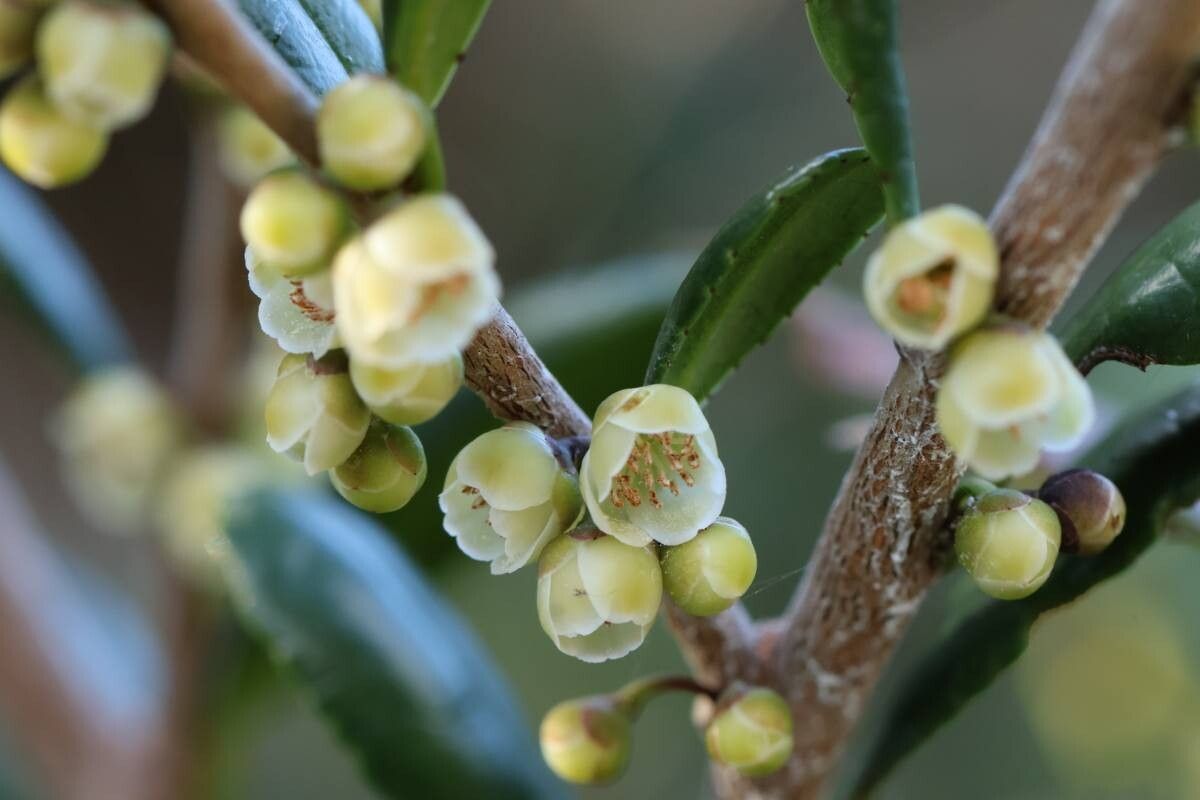
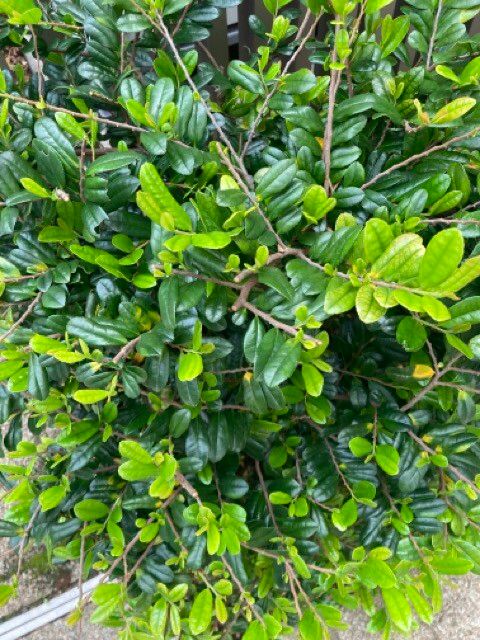
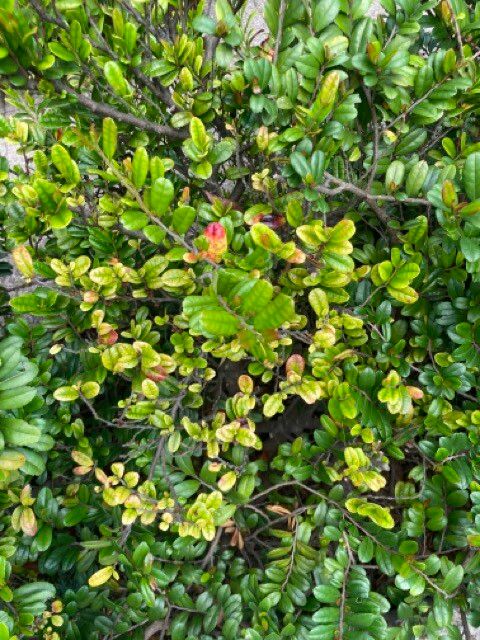
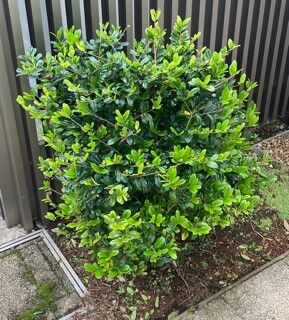
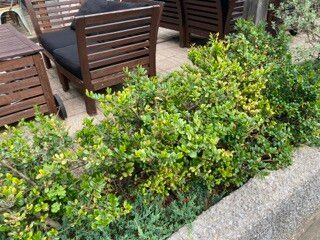
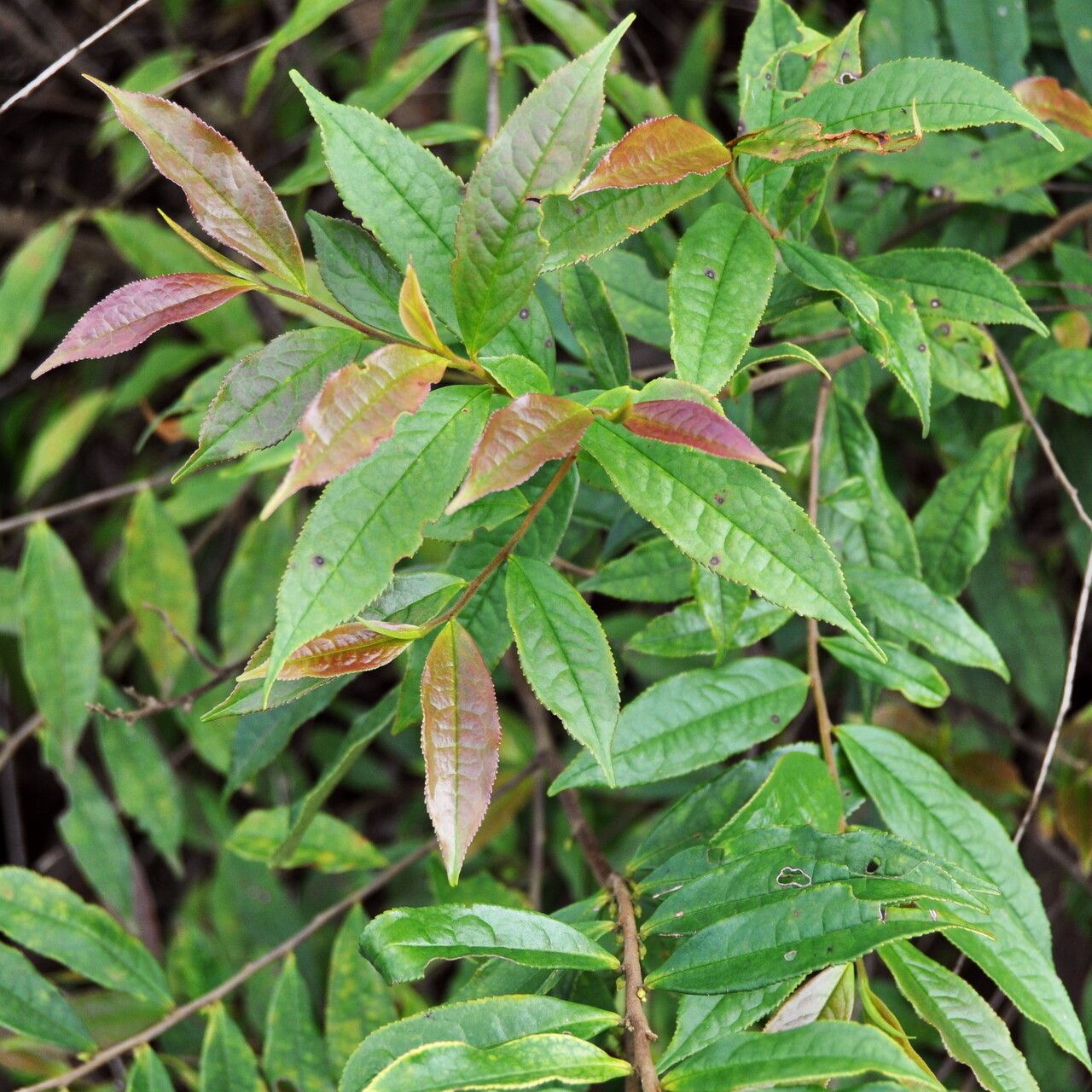
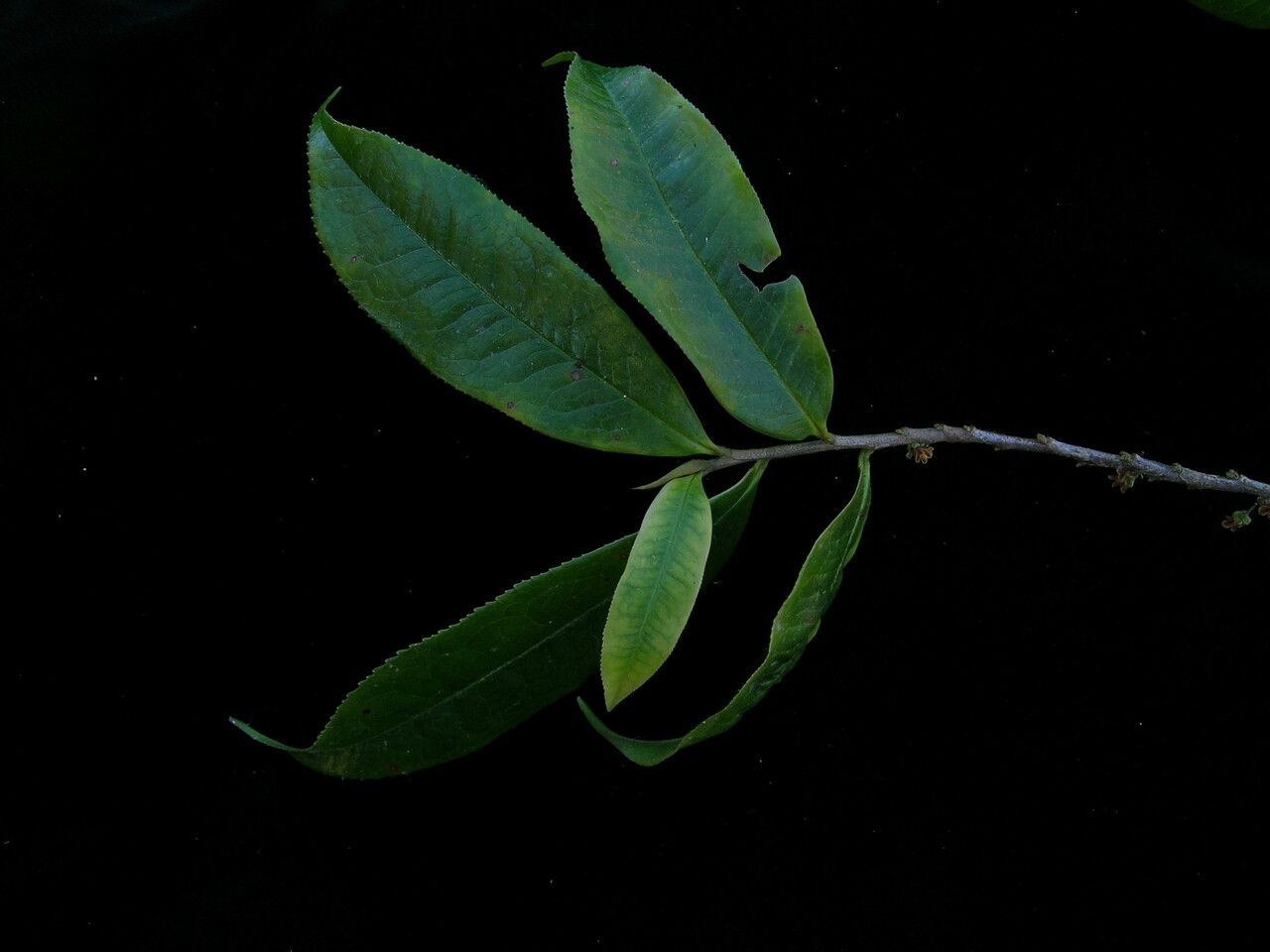
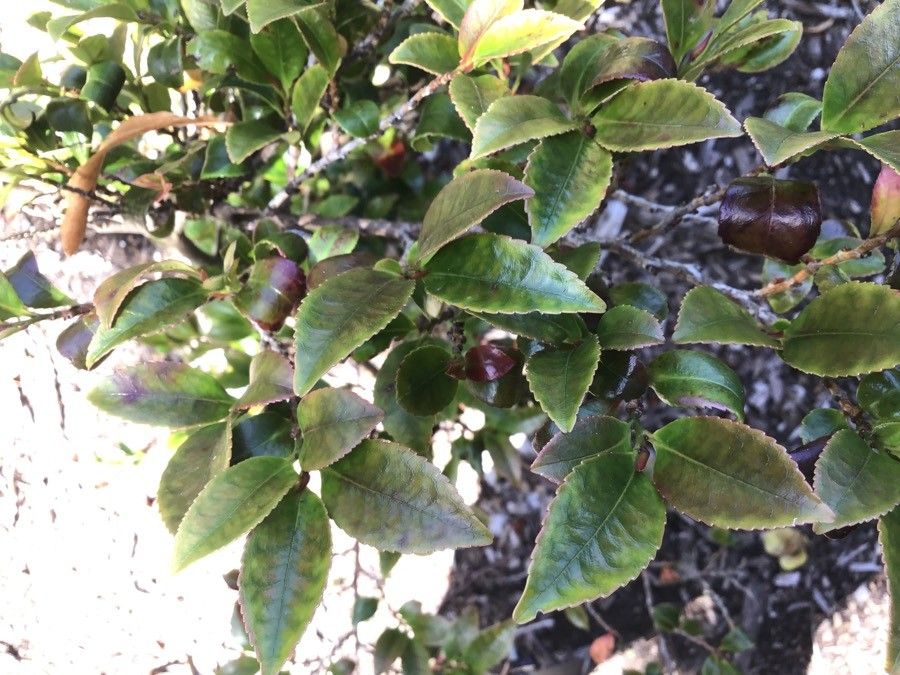
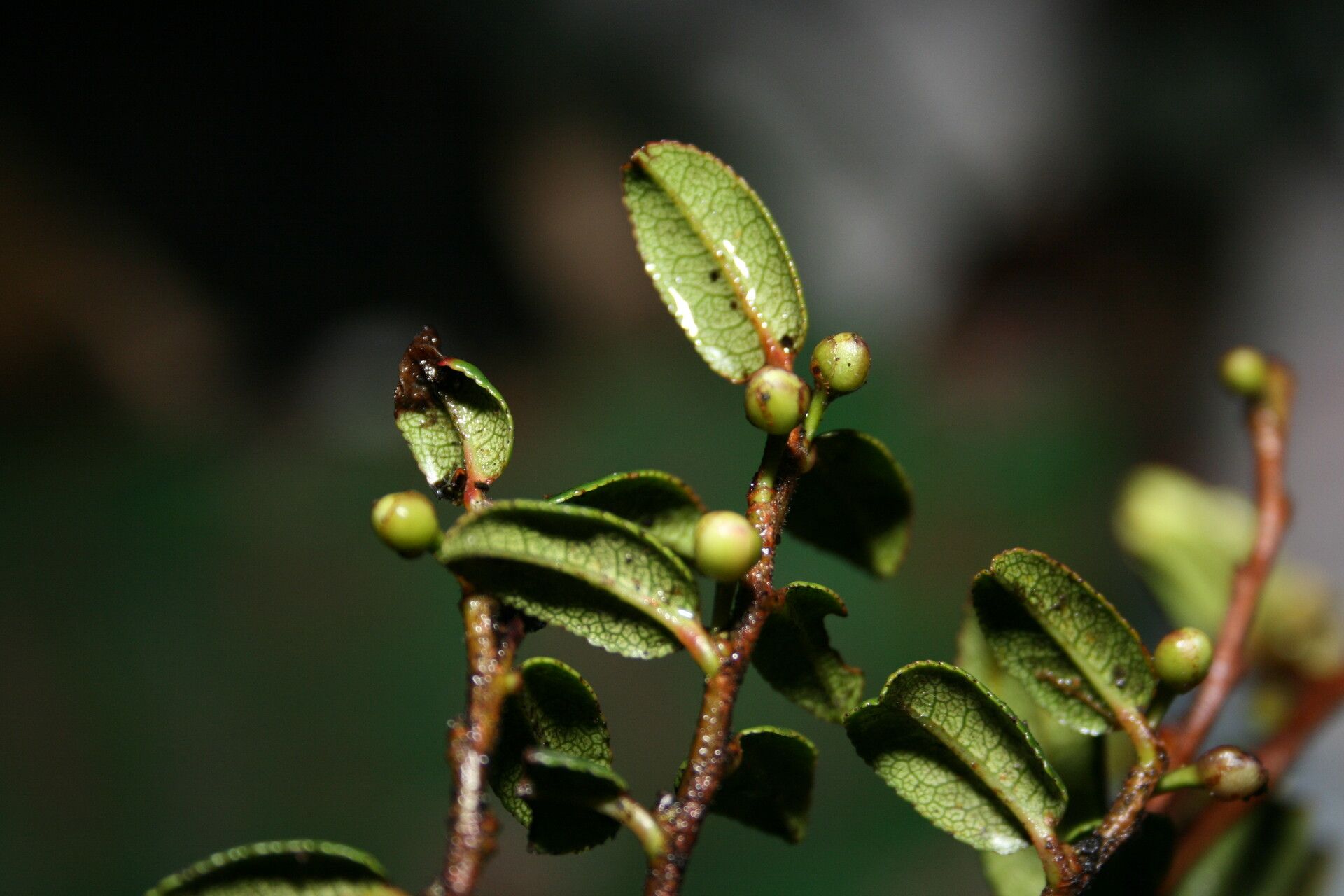
Emarginate eurya is resistant to disease and generally not susceptible to illnesses. In terms of care, this plant is fairly low-maintenance. When grown outdoors it needs only minimal watering, and larger specimens usually do not require pruning. Smaller specimens, however, should be pruned after they have finished blooming. Emarginate euryat is suitable for anyone with outdoor space, such as a garden or deck, and does not require extensive care experience.
How to keep Eurya Emarginata.
Light
Emarginate eurya is native to open habitats like sunlit meadows and woodland fringes that offer abundant light. It flourishes in Full Sun and can also bear Partial Sun, demonstrating good adaptability to diverse sunlight scenarios.
Temperature
Modest temperatures are best for Emarginate eurya, which originates from temperate climates, preferring a range from 59 to 95 °F (15 to 35 ℃). To promote its optimal development, it is suggested to slowly adjust temperatures in the cooler seasons to meet its desired range.
Fertilizer
Timing is critical for fertilizing Emarginate eurya. Apply fertilizer in early spring and continue monthly until early summer. Fertilizer encourages attractive blooms and supplies energy during both dormant and active growth periods.
Botanical profile.
- Plant Type
- Shrub
- Life Cycle
- Perennial
- Genus
- Eurya
- Family
- Pentaphylacaceae
- Hardiness Zone
- 7-9
- Mature Height
- 0.91 m to 2.13 m
- Mature Spread
- 1.83 m
- Leaf Color
- Dark Green
- Leaf Type
- Evergreen
- Flower Color
- White
- Flower Size
- 0.51 cm to 1.02 cm
- Bloom Time
- Mid spring, Late spring
- Planting Time
- Spring, Summer, Autumn
- Harvest Time
- Late summer, Early fall, Mid fall
- Native Area
- South Korea, Japan, China
Other names.