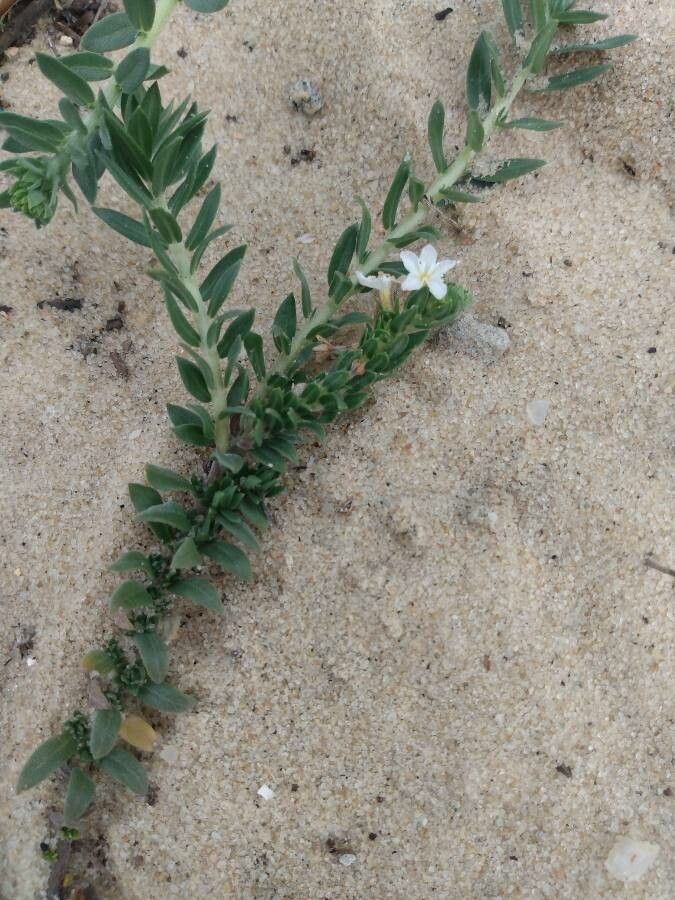
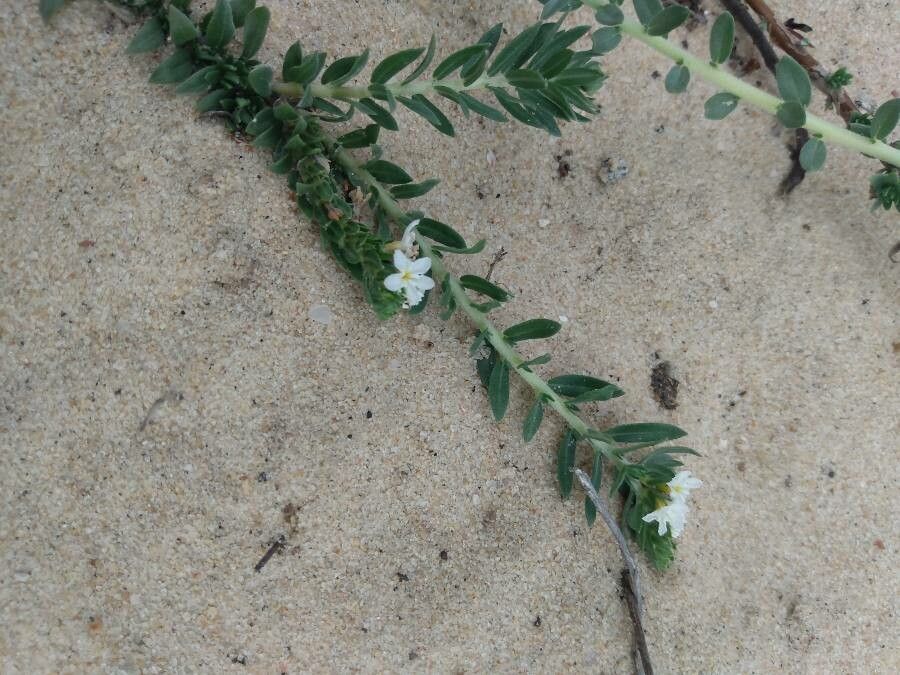
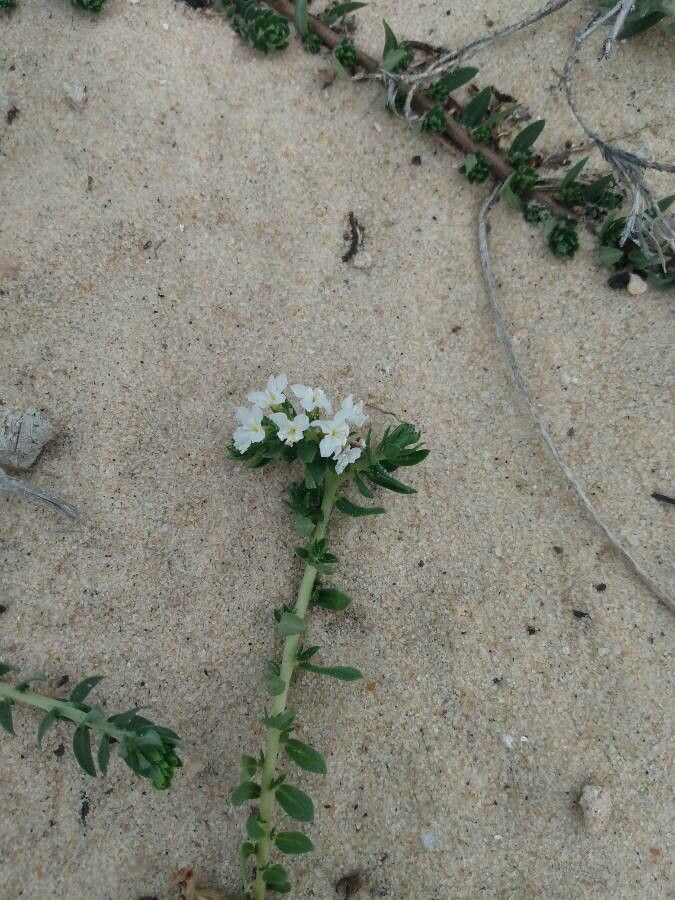
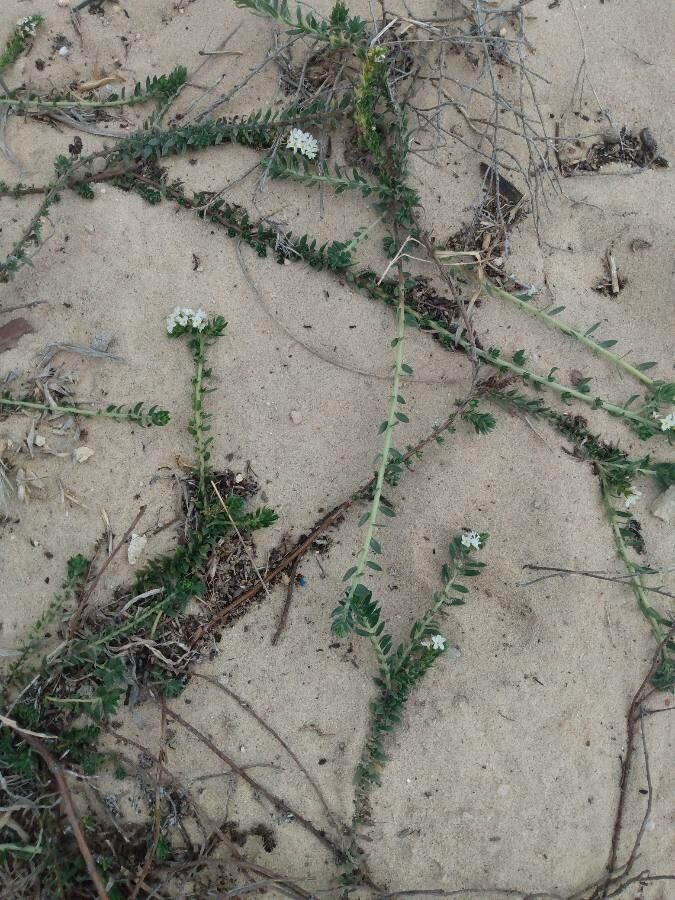
Pineland heliotrope has strong resistance to disease and is generally not prone to illnesses. However, it can be affected by pests and diseases that exist nearby. These infections are usually not serious. For care, this plant needs a moderate level of maintenance. It should be pruned regularly to preserve a neat appearance and support healthy growth. Fertilizing can also help encourage flowering. Pineland heliotrope is appropriate for anyone with an outdoor area, such as a garden or patio, and does not demand a lot of care experience. It may need more attention when kept indoors.
How to keep Euploca Polyphylla.
Light
Pineland heliotrope comes from sunny tropical habitats and grows best in direct sunlight. It prefers full sun but will also tolerate partial sun, doing well in lightly shaded areas.
Water
The pineland heliotrope flourishes in tropical environments, favoring consistent moisture and moderate humidity. Watering it weekly helps maintain evenly moist soil. Often grown outdoors, the pineland heliotrope is hardy and especially advantageous during periods of fluctuating water availability throughout the growing season.
Temperature
Pineland heliotrope originates from regions with moderate climates and does best at temperatures between 68 and 100 °F (20 to 38 ℃). As it adapts to seasonal shifts, it may need temperature adjustments in extreme weather. During severe winters, consider keeping it in warmer indoor locations.
Fertilizer
Proper fertilization is essential for the health and looks of Pineland heliotrope. Fertilize Pineland heliotrope during the summer, repeating the application monthly through the season. Nutrients supply the energy needed for growth and the maintenance of the plant’s parts. Fertilization improves the Pineland heliotrope’s floral display, helping it achieve the best blooms.
Pruning
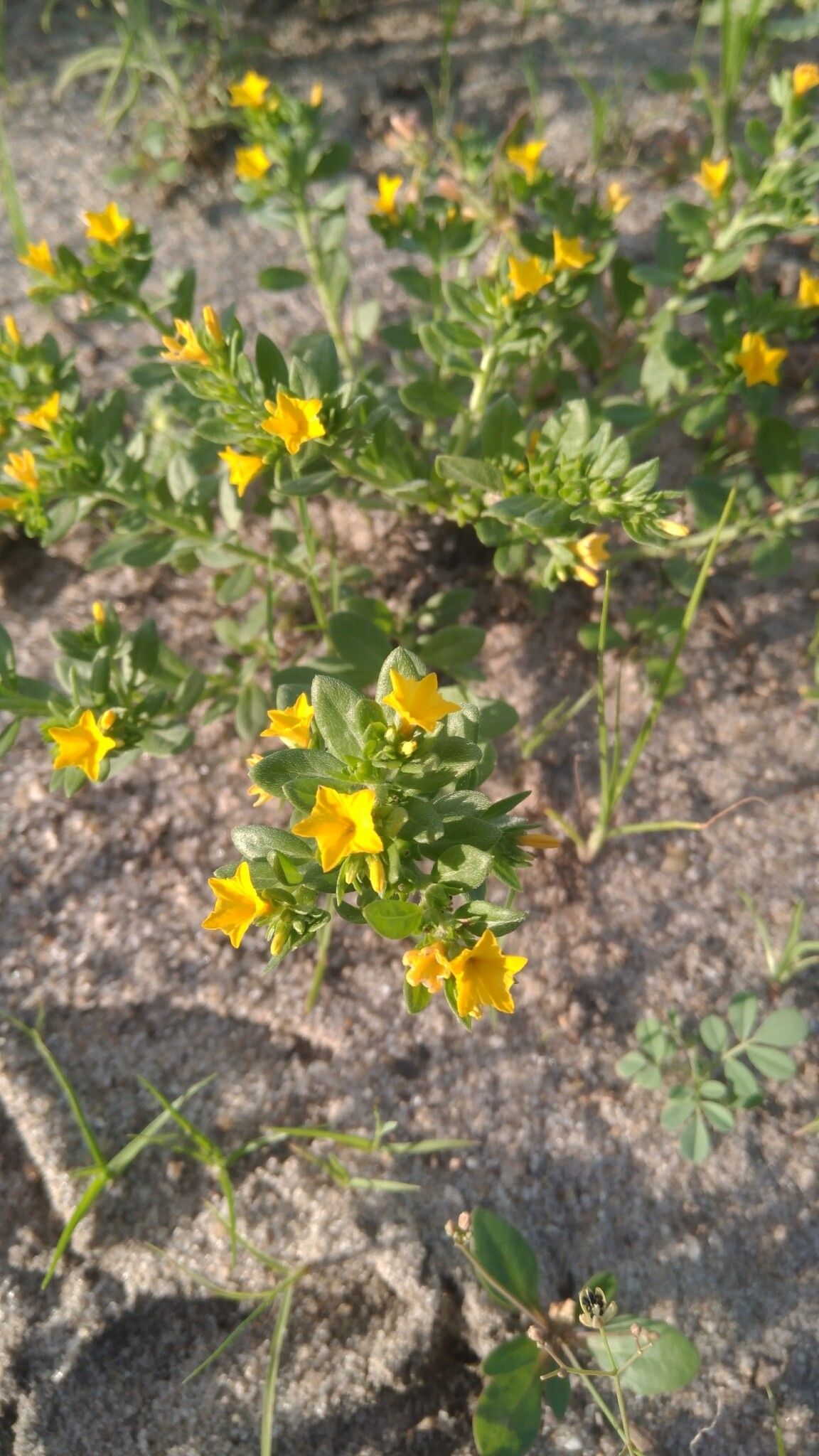
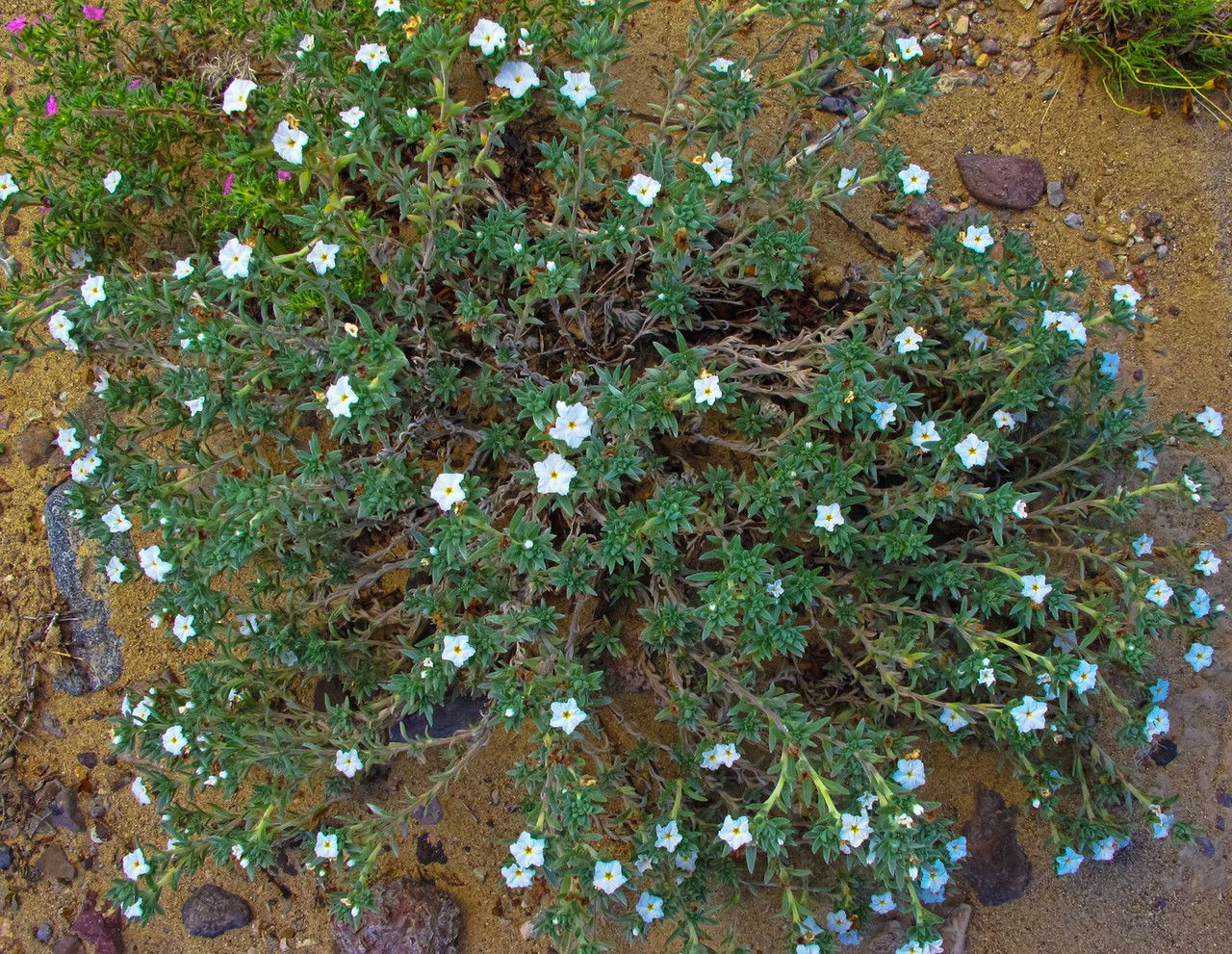
Pineland heliotrope thrives in sunny conditions and produces vibrant clusters of white flowers. To keep the plant healthy, prune it in early to late spring using clean shears. This will help remove any damaged stems and improve airflow. Regular pruning helps maintain the plant's shape, but avoid heavy pruning during peak bloom periods to protect the flowers.
Botanical profile.
- Plant Type
- Herb, Shrub
- Life Cycle
- Perennial
- Genus
- Euploca
- Family
- Boraginaceae
- Hardiness Zone
- 9-11
- Mature Height
- 15 cm to 30 cm
- Mature Spread
- 20 cm to 40 cm
- Leaf Color
- Green, Dark Green
- Leaf Type
- Deciduous
- Flower Color
- White
- Flower Size
- 0.51 cm to 0.76 cm
- Bloom Time
- Late spring, Summer, Early fall
- Planting Time
- Spring, Summer
- Harvest Time
- Mid summer, Late summer, Fall
- Native Area
- Bahamas, Venezuela
Other names.
Reader questions.
What is the optimal temperature range for Pineland heliotrope?
Pineland heliotrope, known botanically as Euploca polyphylla, thrives in moderate temperature environments ideally between 68 to 100 °F (20 to 38 °C). To maintain its growth and health, especially in areas experiencing extreme weather conditions, it's advisable to manipulate the plant’s environment to ensure it remains within this temperature range. During harsh winters, moving the plant to a warmer indoor location can protect it from cold damage. It's crucial to keep the plant in a space with enough warmth, specifically maintaining the temperature above 20°C, and avoid exposure to temperatures approaching 0°C to prevent detrimental effects.
How should Pineland heliotrope be cared for in low temperatures?
In colder conditions, it's important to safeguard Pineland heliotrope from low temperatures as it is not tolerant to cold, thriving best when kept above 20°C. Exposure to temperatures below -5°C can result in leaf discoloration, where leaves may begin to lighten before eventually turning brown or black. Symptoms such as wilting and drooping might also occur after frost damage. To mitigate these effects, frost-damaged parts should be trimmed off, and the plant should be immediately relocated indoors to a warmer setting, preferably near a south-facing window which provides ample sunlight. Additionally, avoid placing the plant near heaters or air conditioning vents to prevent air dryness.
What are the necessary steps if Pineland heliotrope is exposed to temperatures above its tolerance during summer?
Pineland heliotrope should ideally be maintained in conditions below 38°C during the summer months. If the temperature rises above 43°C, the plant may suffer from lightened leaf colors and increased vulnerability to sunburn. To care for a plant affected by high temperatures, it's advisable to trim away sunburned or dried parts of the plant, and relocate it to an area that provides shade from the intense midday and afternoon sun. Ensuring the soil remains moist by watering the plant in the cooler morning and evening hours is also critical for its recovery and ongoing health.