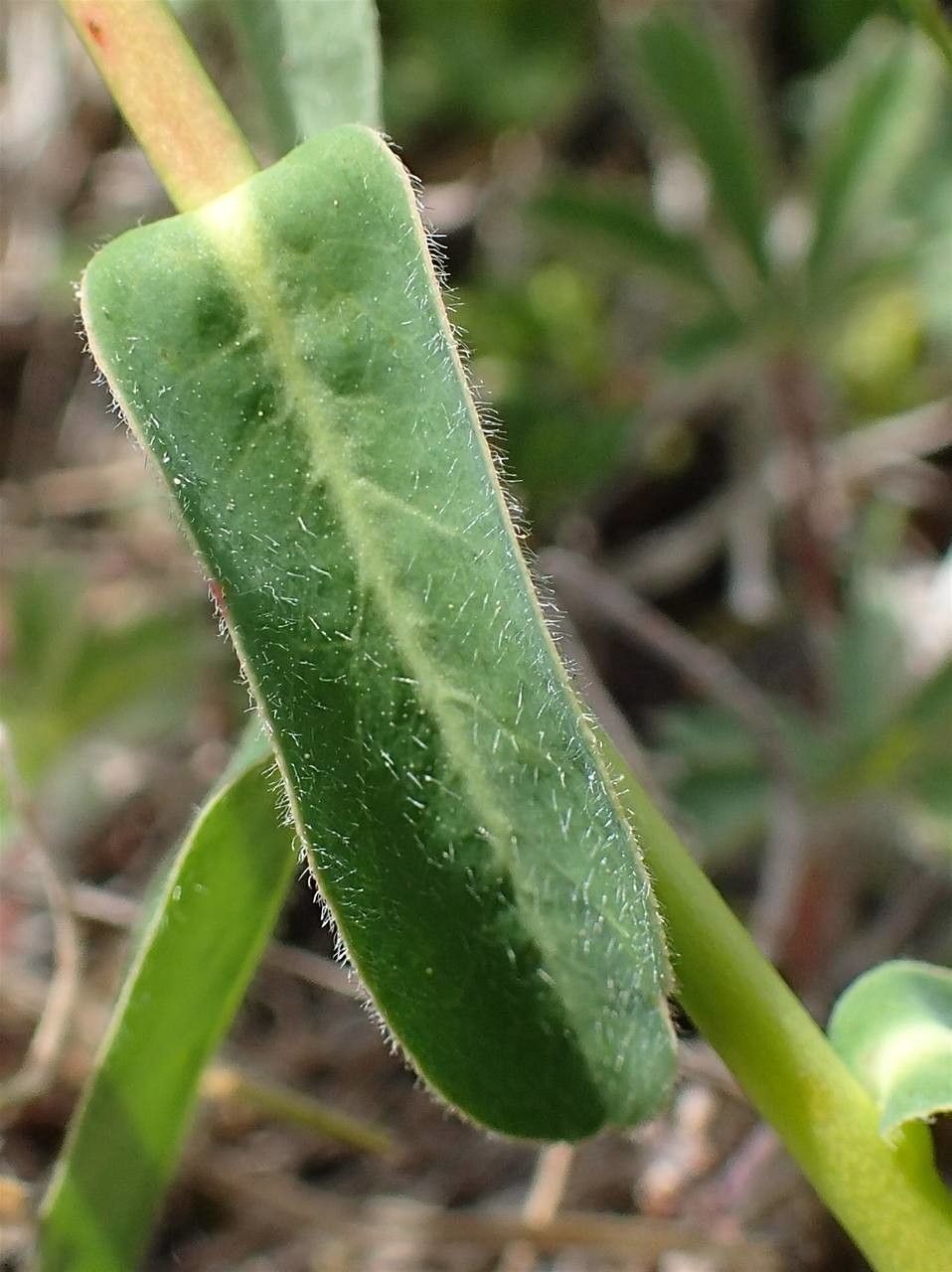
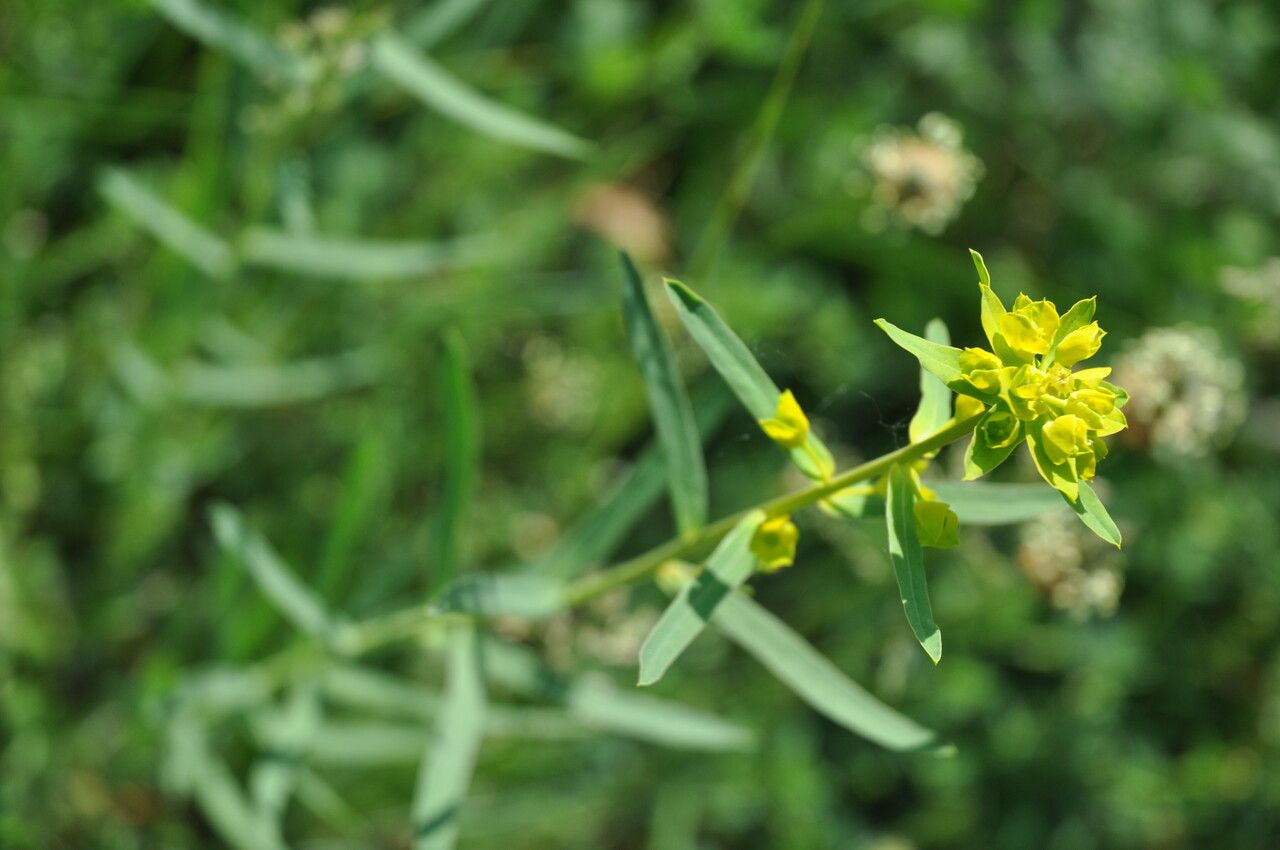
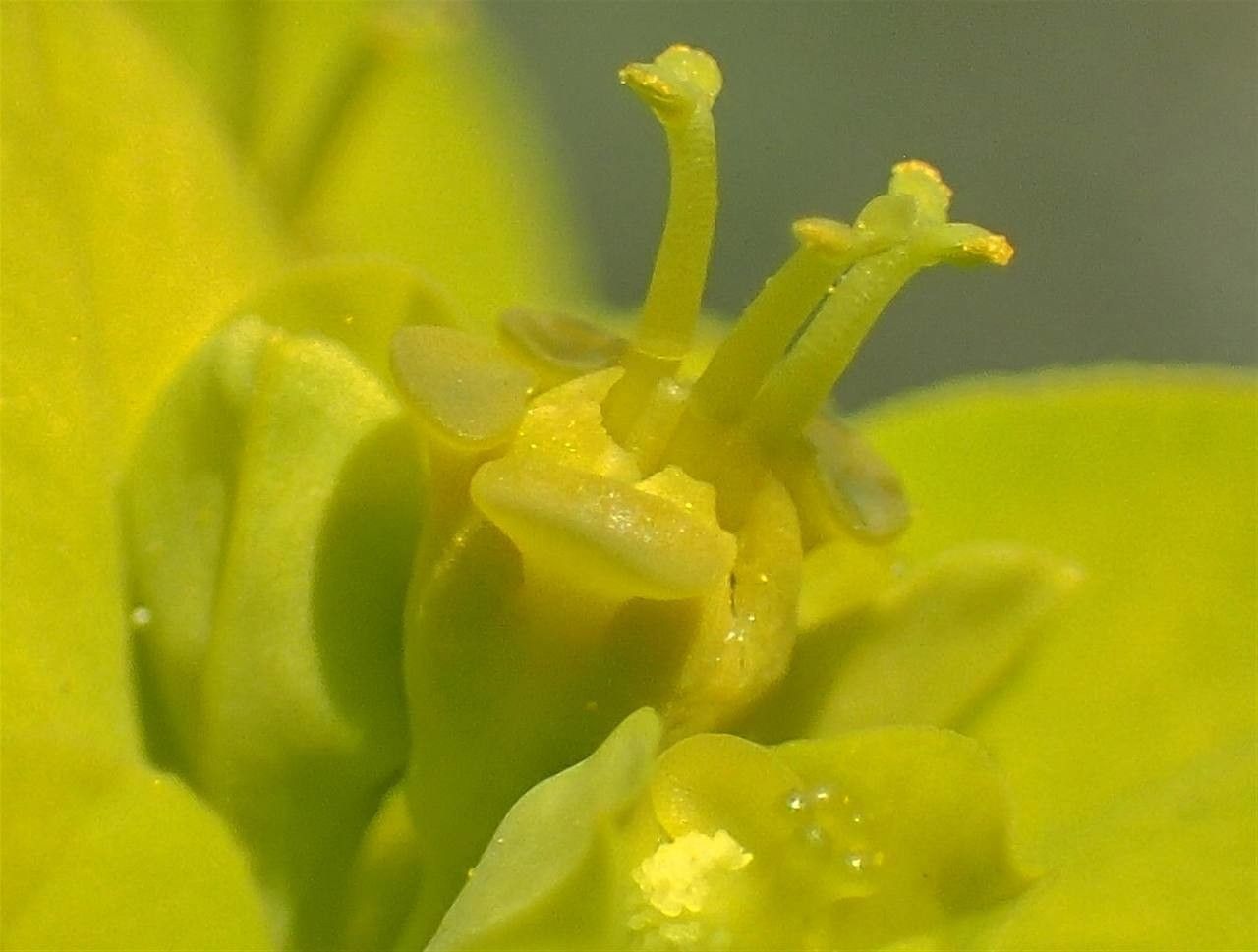
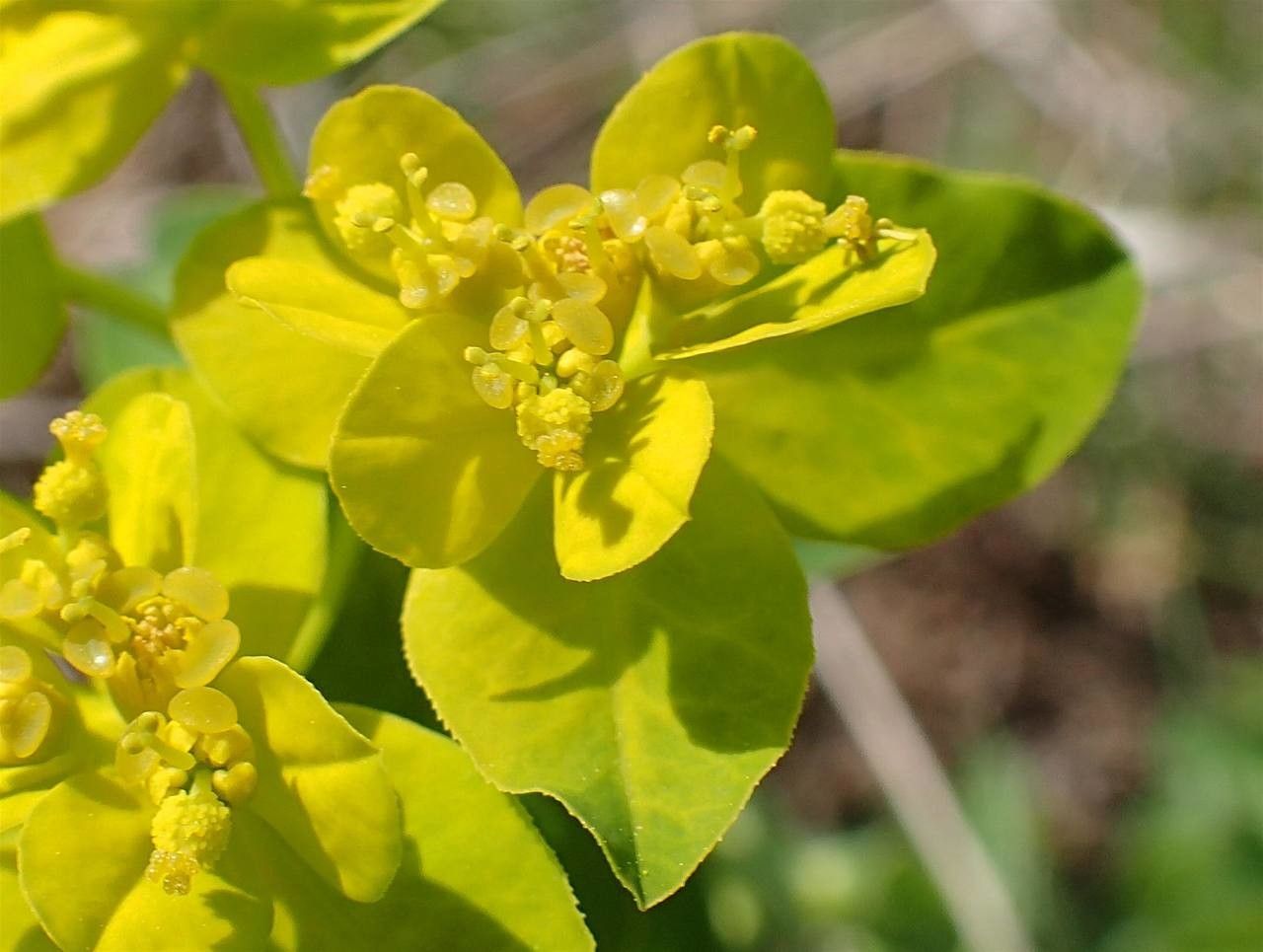
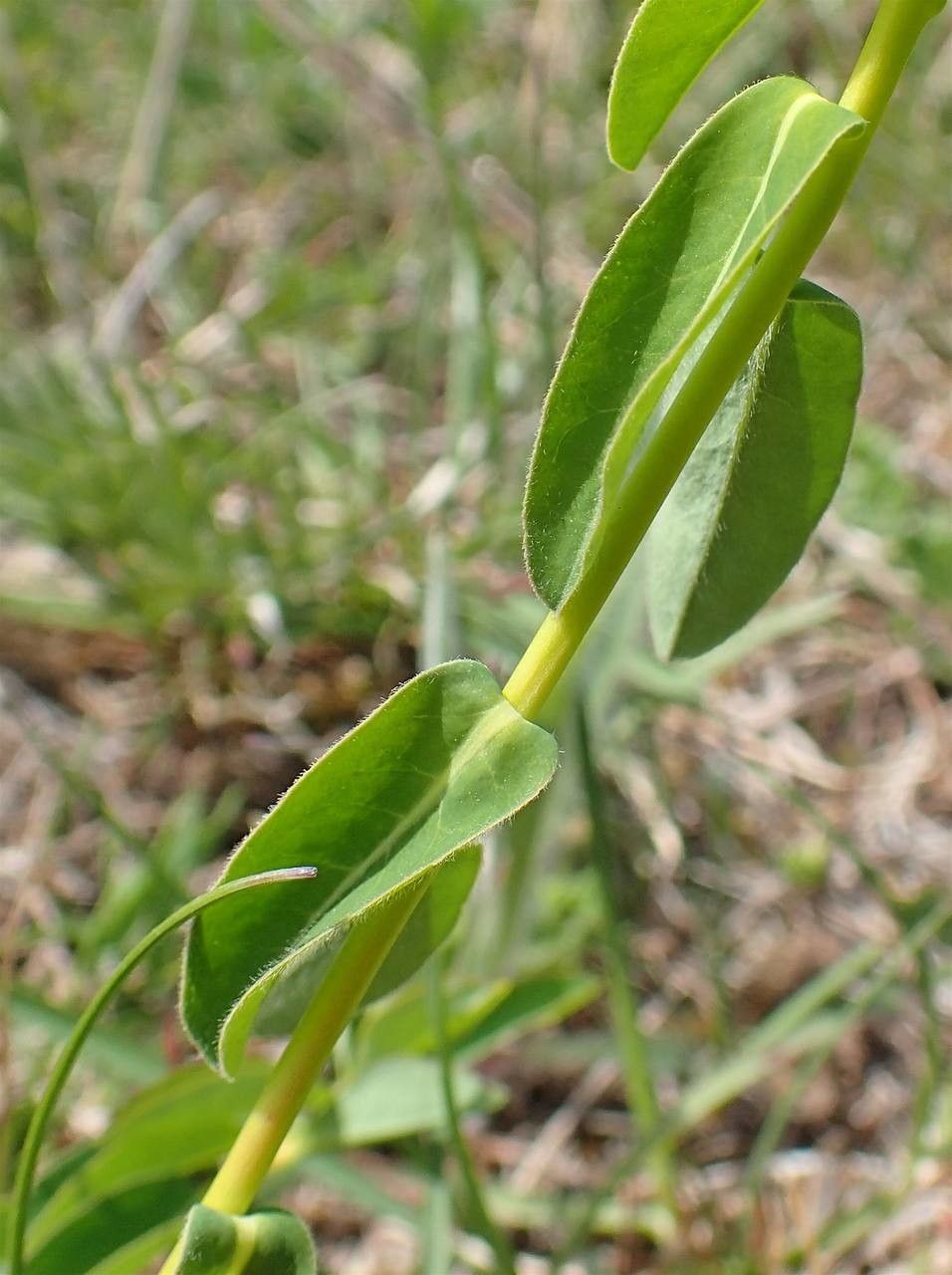
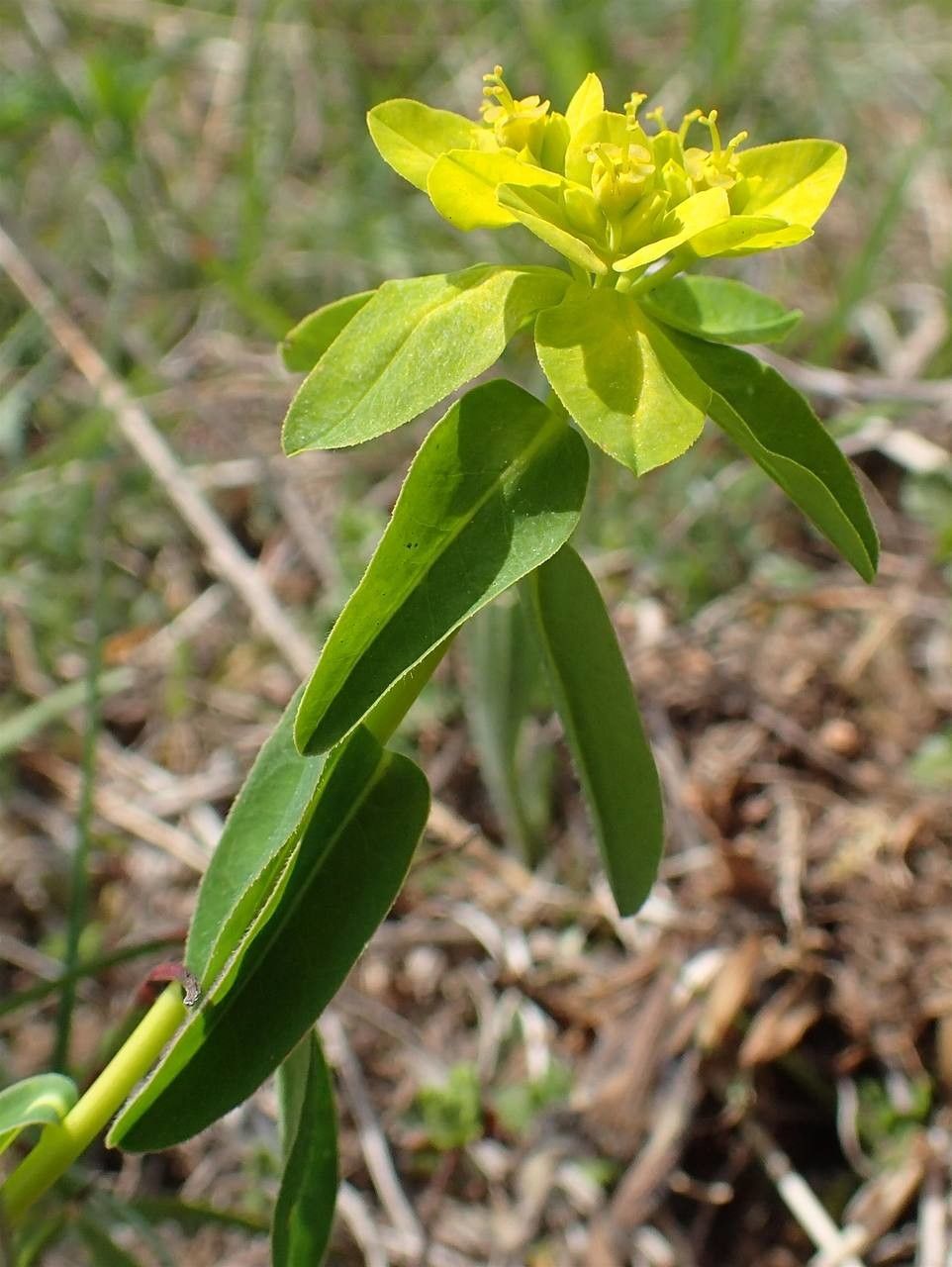
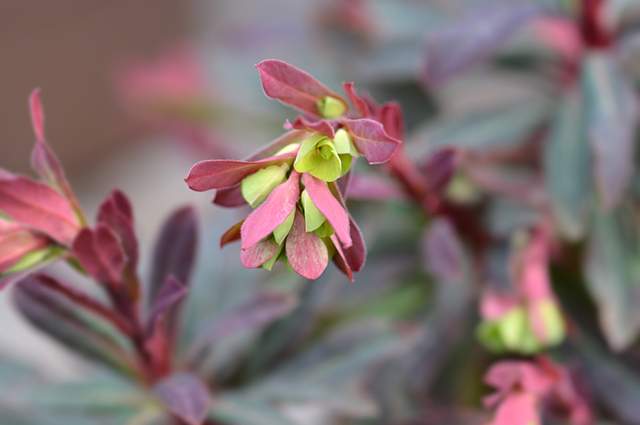
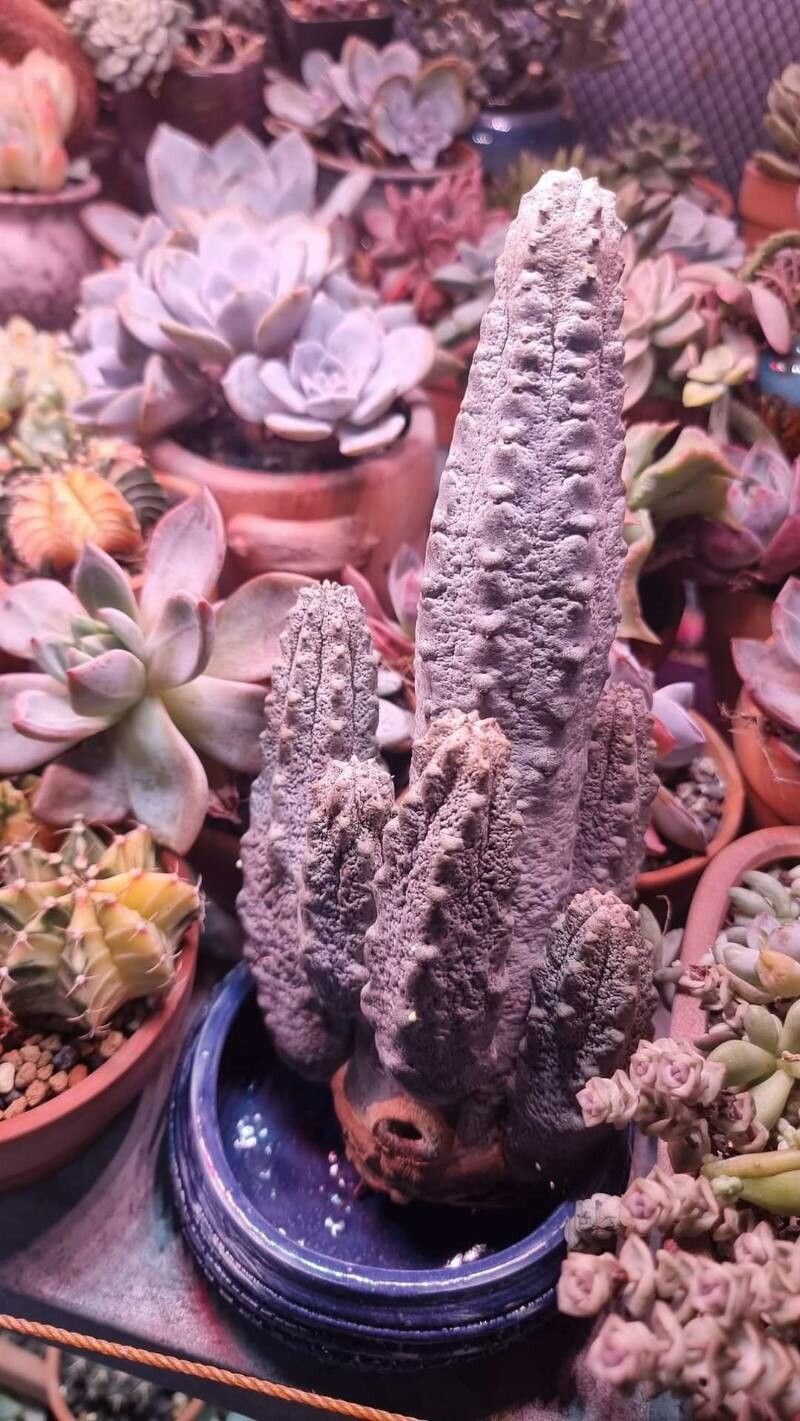
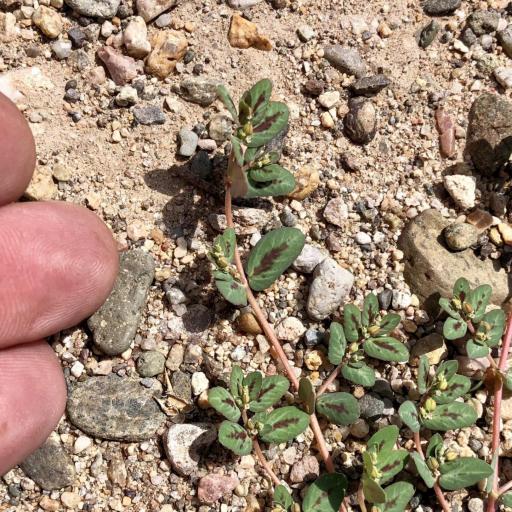
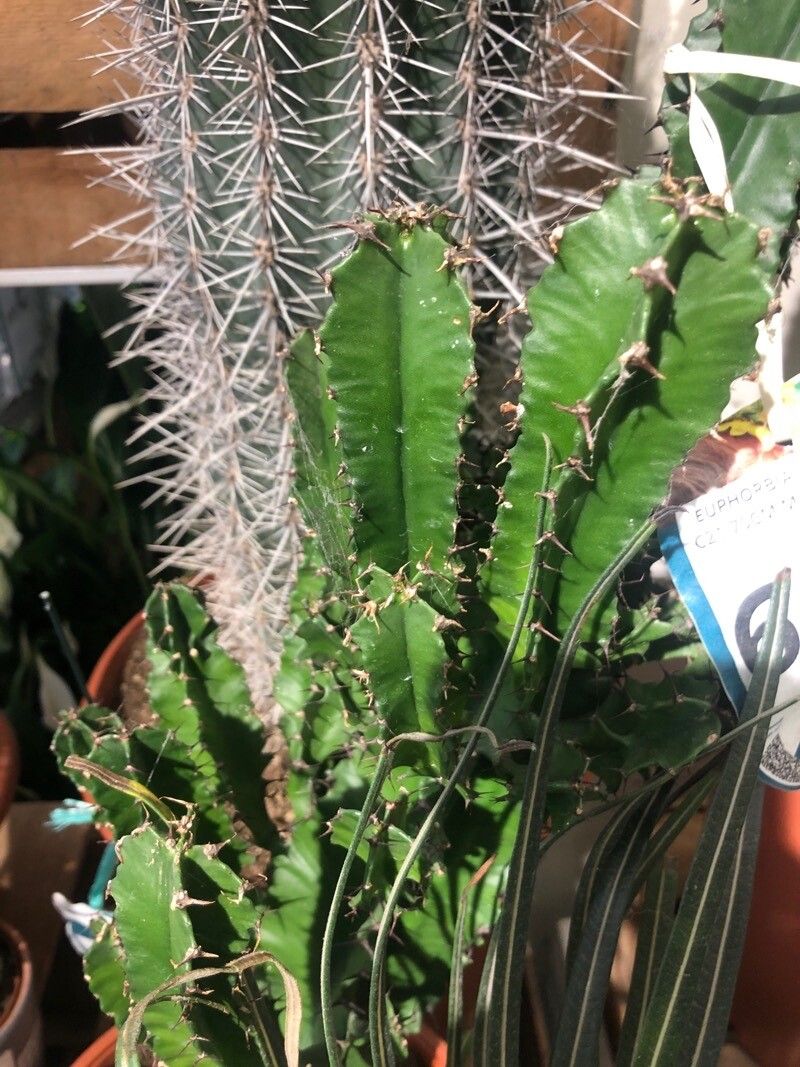
Warty spurge has moderate resistance to disease but is more sensitive to humidity and overwatering. It becomes more prone to illness when it lacks light and is overwatered. Regarding care, Warty spurge is drought-tolerant and can endure long periods without watering. It needs little fertilizer and only occasional pruning. This makes it appropriate for people of all experience levels, especially those who want to spend less time on plant care and who may sometimes be away from home for long periods. It is a good option for anyone who does not want to dedicate much time to maintenance yet still wants an easy-to-care-for plant.
How to keep Euphorbia Verrucosa.
Light
Warty spurge, native to arid regions, does best in full sun; its natural habitat features strong sunlight and very little shade. It can also tolerate partial sun, giving it some adaptability in how it grows.
Water
Euphorbia verrucosa flourishes in environments with periodic moisture. To prevent over-saturation, it needs watering once a week. This plant's adaptability makes it ideal for indoor settings, where it is appreciated for its resilience. As an evergreen, it requires consistent hydration to maintain its lush foliage throughout the year.
Temperature
Warty spurge does best in warm conditions and needs elevated temperatures during the growing season to support its growth and metabolism. It prefers abundant sunlight, suitable moisture levels, and adequate air circulation. It is vulnerable to harm from very low temperatures and from overwatering. Likewise, care should be taken to avoid excessively high temperatures and overly dry conditions.
Fertilizer
For Warty spurge, light doses of fertilizer once or twice a year during the growing season are sufficient. Avoid fertilizing in winter and in summer when the plant is dormant. Reduce the amount of fertilizer for repotted plants and wait a couple of months after repotting before applying fertilizer. Fertilizing promotes healthy growth and encourages blooms.
Pruning
Pruning euphorbia verrucosa is an important practice for enhancing its shape and promoting healthy growth. The best time to prune is between early and late spring. This process encourages vigorous growth, removes dead stems, and improves air circulation, which helps reduce the risk of disease. Remember to use clean cuts and wear gloves for safety, as the plant can be toxic.
Botanical profile.
- Plant Type
- Succulent, Herb
- Life Cycle
- Perennial
- Genus
- Euphorbia
- Family
- Euphorbiaceae
- Hardiness Zone
- 6-9
- Mature Height
- 20 cm to 49 cm
- Mature Spread
- 30 cm to 61 cm
- Leaf Color
- Green, Dark Green
- Leaf Type
- Deciduous
- Flower Size
- 0.51 cm to 1.02 cm
- Bloom Time
- Mid spring, Late spring, Early summer
- Planting Time
- Spring, Autumn
- Harvest Time
- Summer
- Native Area
- Turkey, Austria, Slovakia, Romania, Montenegro, Cyprus, Greece, Lebanon, Iraq, Syria, Germany, Italy, Spain, Switzerland, Albania, Hungary, Belgium, France
Other names.
Reader questions.
What are the sun requirements for Euphorbia verrucosa?
Euphorbia verrucosa thrives under specific sunlight conditions. For 'Full sun', it requires above 6 hours of sunlight daily, which is crucial for its optimal growth and flowering. If you're planting it in 'Partial sun', it should receive about 3-6 hours of sunlight. It's important to observe how sunlight moves through your garden throughout the day. Selecting the right spots that offer a balanced mix of light and shade will significantly contribute to the health and happiness of your Euphorbia verrucosa.