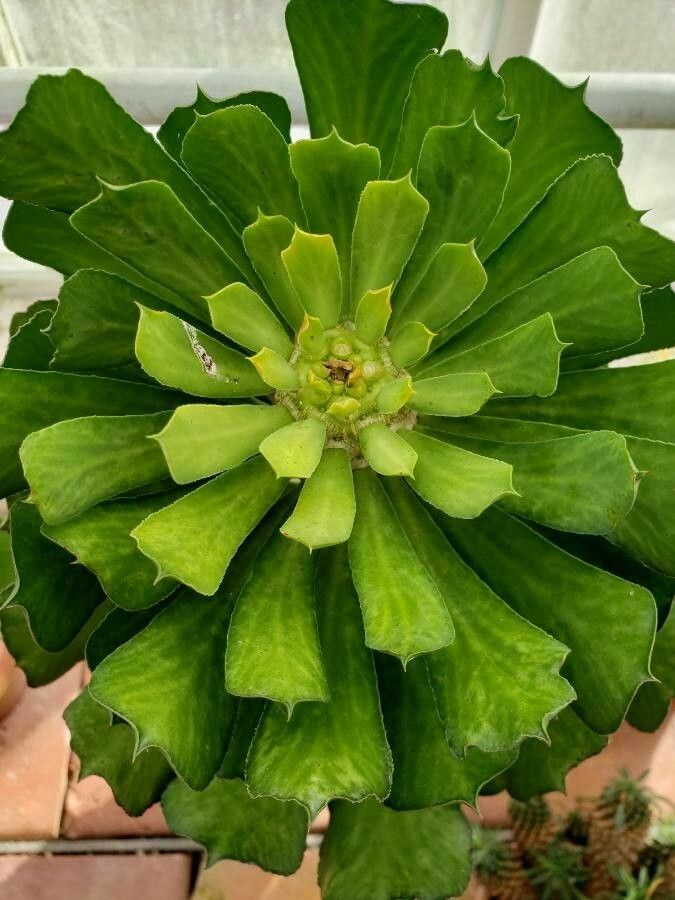
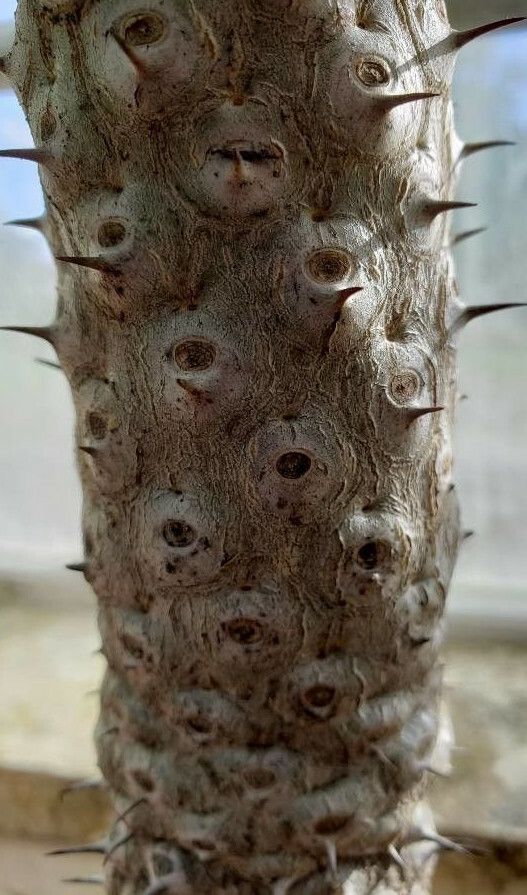
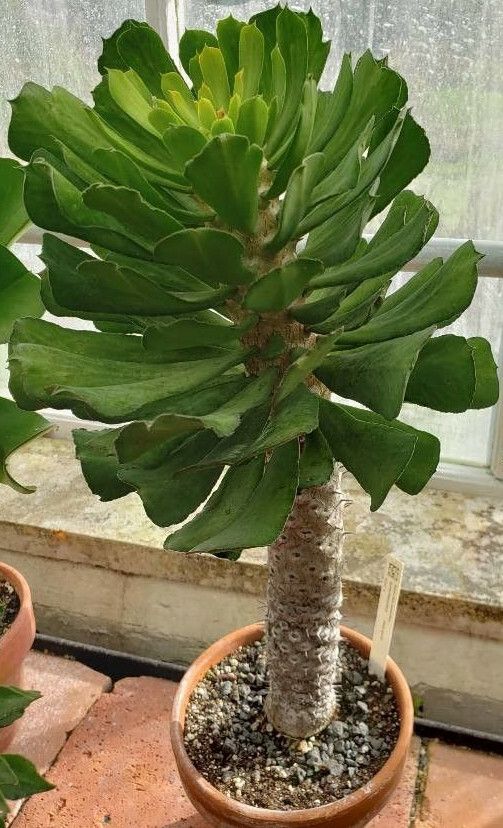
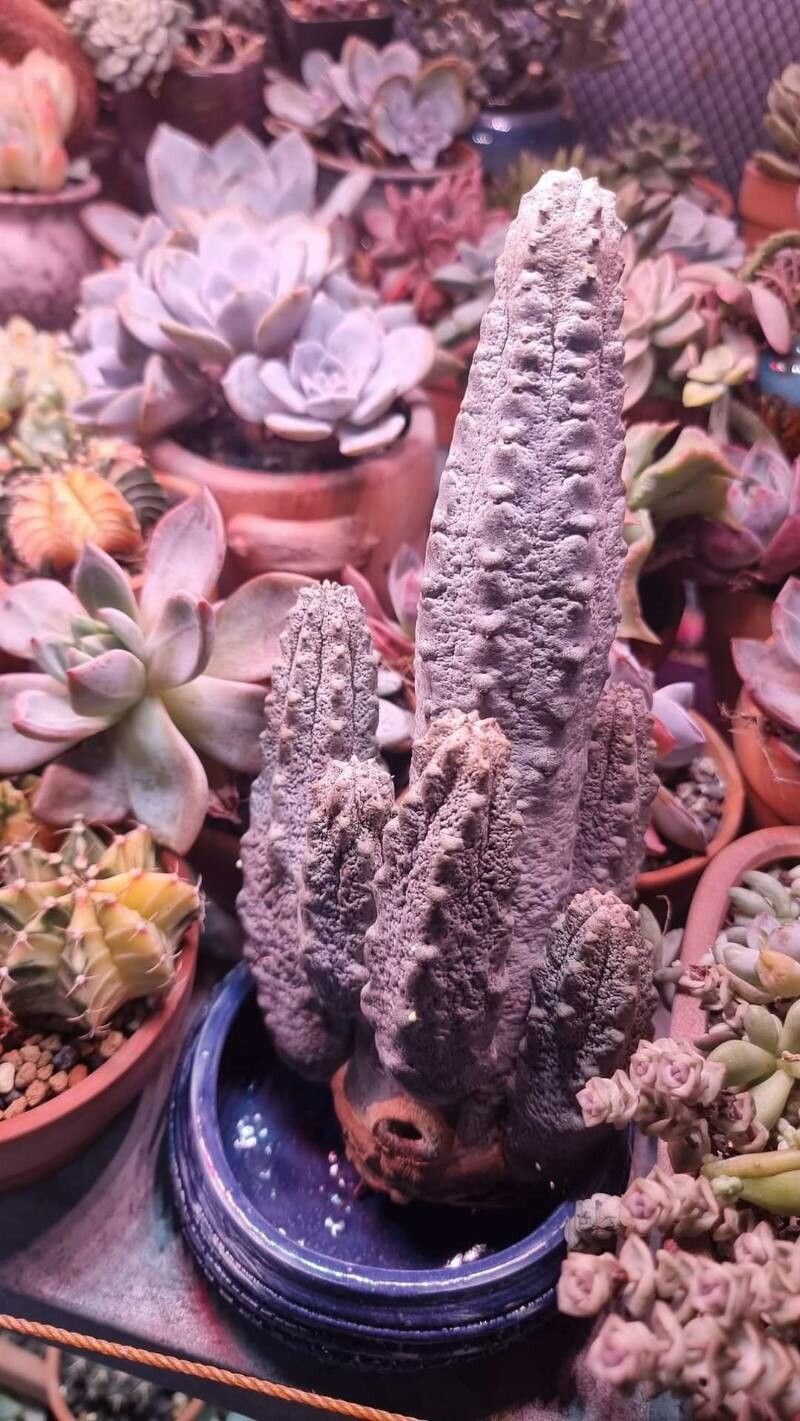
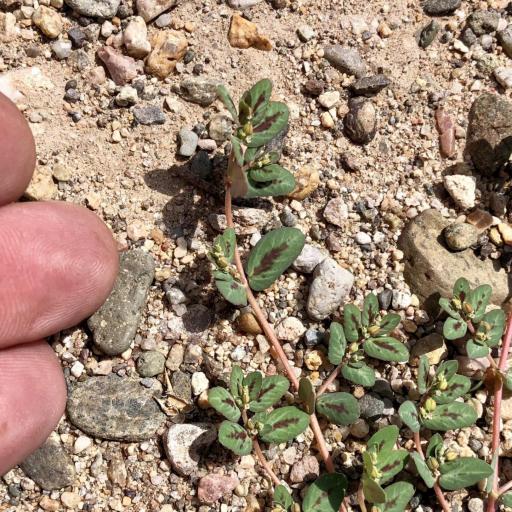
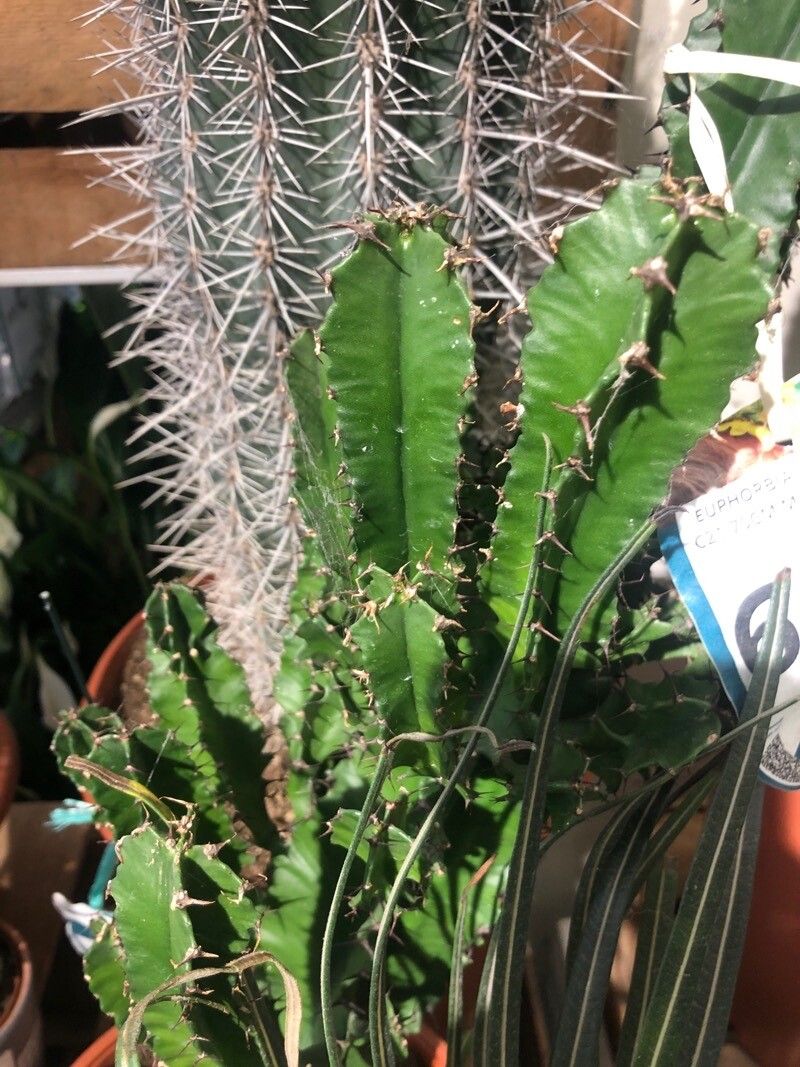
Cylindrical euphorbia has moderate disease resistance and is more sensitive to humidity and overwatering. It is also more prone to disease when it lacks light and is overwatered. In terms of care, Cylindrical euphorbia is drought tolerant and can withstand long periods without watering. It does not require much fertilizer and only needs occasional pruning. This makes it suitable for people of all experience levels, especially those who prefer to spend less time on plant care and who may be away from home for extended periods. It is a good option for those who do not want to invest a lot of time in caring for plants but still want one that is easy to maintain.
How to keep Euphorbia Venenifica.
Light
Cylindrical euphorbia does best in places with plenty of sunlight, and it can also tolerate locations where the light is somewhat filtered. Excessive or insufficient sun exposure can impede its growth and overall health. In its native habitat it developed under abundant sunlight, which makes it sturdy in sunny conditions.
Water
The cylindrical euphorbia is well-suited for arid environments due to its excellent drought tolerance, requiring watering only once every three weeks. Its succulent nature enables effective water storage. When grown indoors, it should be planted in well-draining soil to prevent root rot, which mimics its natural dry habitat.
Temperature
Cylindrical euphorbia originates from temperate regions and requires temperatures of 68 to 100 °F (20 to 38 ℃) for optimal growth. In colder months, measures must be taken to maintain a warm environment.
Fertilizer
For cylindrical euphorbia, light applications of fertilizer once or twice a year during the growing season are enough. Do not fertilize in winter or summer when the plant is dormant. Cut back on fertilizer for plants that have been repotted and wait a couple of months after repotting before applying fertilizer. Fertilizing helps maintain healthy growth and promotes blooming.
Pot & Repot
Repot your cylindrical euphorbia every 2-3 years to maintain its healthy, upright growth. Use well-draining pots for the best results, and aim to repot during late spring, which is the ideal time for this task. After repotting, ensure the plant receives bright, indirect light and is watered moderately. Handle the plant carefully, as it has toxic sap.
Botanical profile.
- Plant Type
- Succulent
- Life Cycle
- Perennial
- Genus
- Euphorbia
- Family
- Euphorbiaceae
- Hardiness Zone
- 10-11
- Mature Height
- 2.13 m to 6.1 m
- Mature Spread
- 0.91 m to 2.13 m
- Leaf Color
- Green
- Leaf Type
- Evergreen
- Flower Color
- Yellow, Green
- Flower Size
- 0.51 cm
- Bloom Time
- Late spring, Summer
- Planting Time
- Spring, Summer, Autumn
- Harvest Time
- Late summer, Fall
- Native Area
- Sudan, Côte d'Ivoire, Ethiopia, Uganda, Chad
Reader questions.
What are the sunlight requirements for Cylindrical euphorbia?
Cylindrical euphorbia thrives best in full sun, requiring more than 6 hours of sunlight daily, but it can also adapt to partial sun conditions with about 3-6 hours of sunlight. It's crucial to observe the movement of sunlight through your garden to ensure you're placing your euphorbia in spots that offer a harmonious balance of light and shade. This careful placement ensures the plant's health and happiness. In its natural habitat, Cylindrical euphorbia has adapted to flourish under abundant sun, showcasing its resilience to sunny environments.
What is the optimal temperature range for growing Cylindrical euphorbia?
Cylindrical euphorbia thrives in temperate climates, with an optimal growth temperature range between 68 to 100 °F (20 to 38 °C). It's a heat-loving plant that prefers to be in a warm environment for its best growth.
How can artificial lighting support the growth of Cylindrical euphorbia indoors?
For indoor Cylindrical euphorbia, especially during seasons or in spaces with insufficient natural sunlight, artificial lighting can be a lifesaver. LED lights, which can be tailored to provide specific wavelengths necessary for plant growth, are a recommended choice. The intensity of artificial light should be adjusted based on the plant's needs: full sun plants require 30-50W/sq ft, partial sun plants 20-30W/sq ft, and full shade plants 10-20W/sq ft. Placement is key, with the light source ideally being 12-36 inches above the plant to mimic the natural sun. Additionally, simulating natural daylight hours—typically 8-12 hours a day depending on the species—is important for optimal plant growth.
How should Cylindrical euphorbia be cared for during the winter?
During colder seasons, when outdoor temperatures drop below 5°C, it's essential to move Cylindrical euphorbia indoors to continue its cultivation. Placing it near a south-facing window will provide ample sunlight. If natural light is insufficient, supplemental lighting should be considered. As the plant's growth slows down when temperatures fall below 20°C, reduce or halt watering to prevent root rot. If the plant is outdoors, completely stop watering during low temperatures, consider insulating it with a temporary greenhouse, or wrap it with materials like plastic film or fabric for protection.
What are common symptoms of inadequate light in Cylindrical euphorbia?
When Cylindrical euphorbia doesn't receive enough light, several symptoms may appear. New leaves might grow smaller, and the plant could exhibit leggy or sparse growth due to longer spaces between leaves or stems. This issue can lead to a weak, stretched-out look, and the plant may start dropping older leaves sooner than usual to conserve resources. Growth can slow down significantly or stop if the light condition does not improve, and new leaves could appear lighter in color or pale, indicating a deficiency in chlorophyll and nutrients. Moreover, symptoms like chlorosis, sunscald, leaf curling, wilting, and leaf scorching can occur under various light stress conditions, reflecting issues with too much or too little light.
What should I do if my Cylindrical euphorbia is affected by low temperatures?
If your Cylindrical euphorbia is suffering due to low temperatures, showing signs of weakness, wilting, or root rot, especially when temperatures fall below 1°C, you should first trim off the frostbitten areas. Check the roots for rot and cut off any affected parts. You can then propagate the plant through cuttings. Move the plant to a warmer indoor setting near a south-facing window for ample sunlight, and use supplemental lighting if necessary.
What solutions are available for light-related issues in Cylindrical euphorbia?
To resolve light-related issues in Cylindrical euphorbia, a gradual adjustment to the correct light condition is essential. For indoor plants, this involves moving the plant progressively each week towards a location where it receives at least 6 hours of direct sunlight daily, utilizing a south-facing window if possible. Alternatively, especially for large or immobile plants, supplementing with artificial light for at least 8 hours daily can help. For outdoor plants, similar gradual relocation to sunnier spots is advised to prevent sunburn, ensuring a smooth transition to better light conditions. If sunlight is blocked by physical obstructions, consider pruning or relocating smaller plants during their dormant period to a more suitable, well-lit location. Note that parts of the plant already affected by poor light might not recover, but new growth should be healthy with improved light exposure.
How do I care for Cylindrical euphorbia during high temperatures?
Cylindrical euphorbia should be kept in conditions below 38°C to prevent stress from high temperatures. If exposed to temperatures above 43°C, the plant may cease growth, lose water, wilt, and become susceptible to sunburn. In this case, remove any sunburned or rotten parts. Protect the plant from direct afternoon sunlight until it recovers and resumes growth. If the plant experiences root rot, stop watering until new roots develop.
What are the botanical characteristics of Cylindrical euphorbia?
Cylindrical euphorbia, scientifically named Euphorbia venenifica, is known for its resilience in heat and preference for temperate climates. The care of this plant revolves around maintaining optimal temperature conditions and managing its exposure to sunlight, especially during extreme weather conditions.