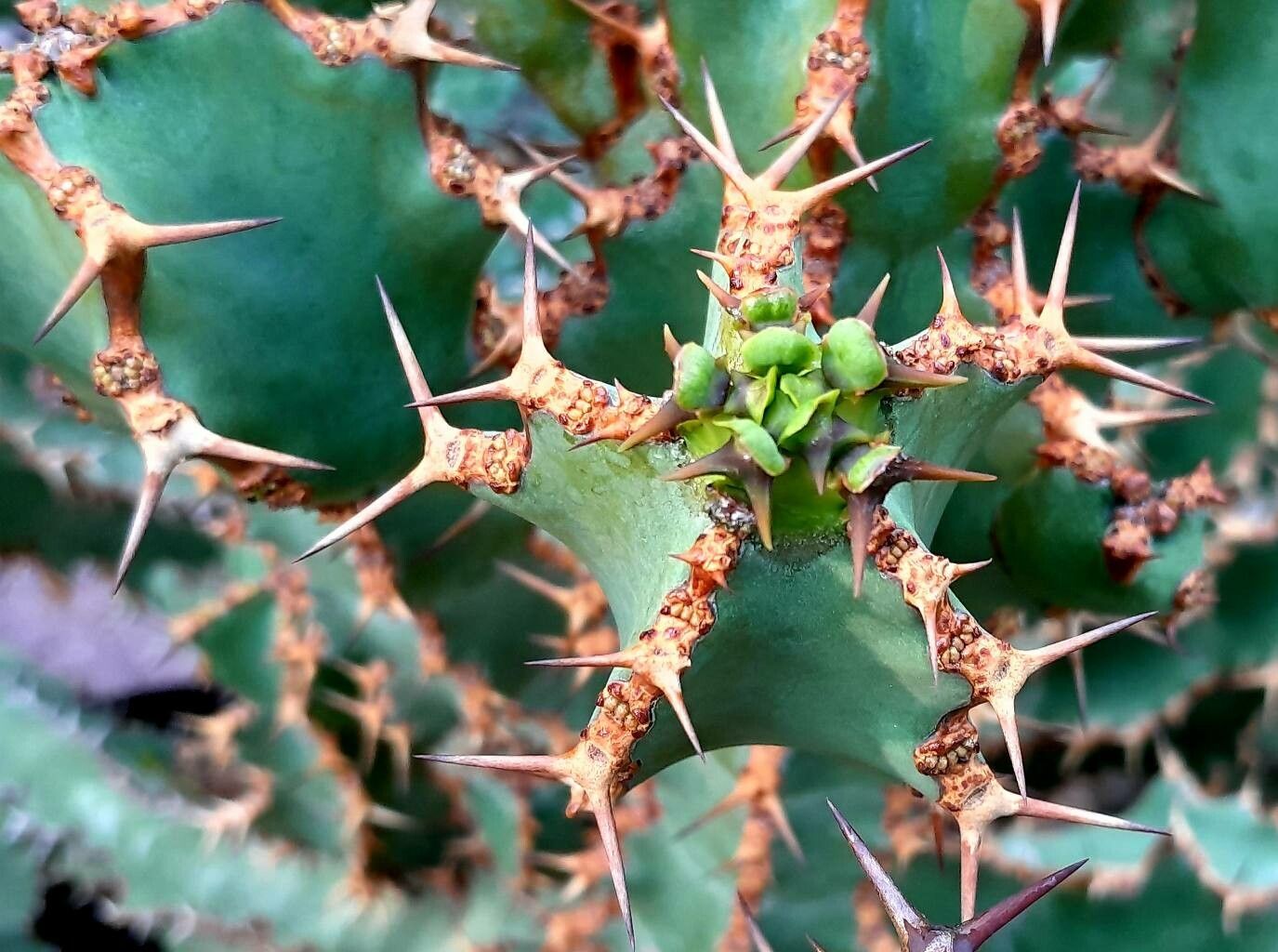
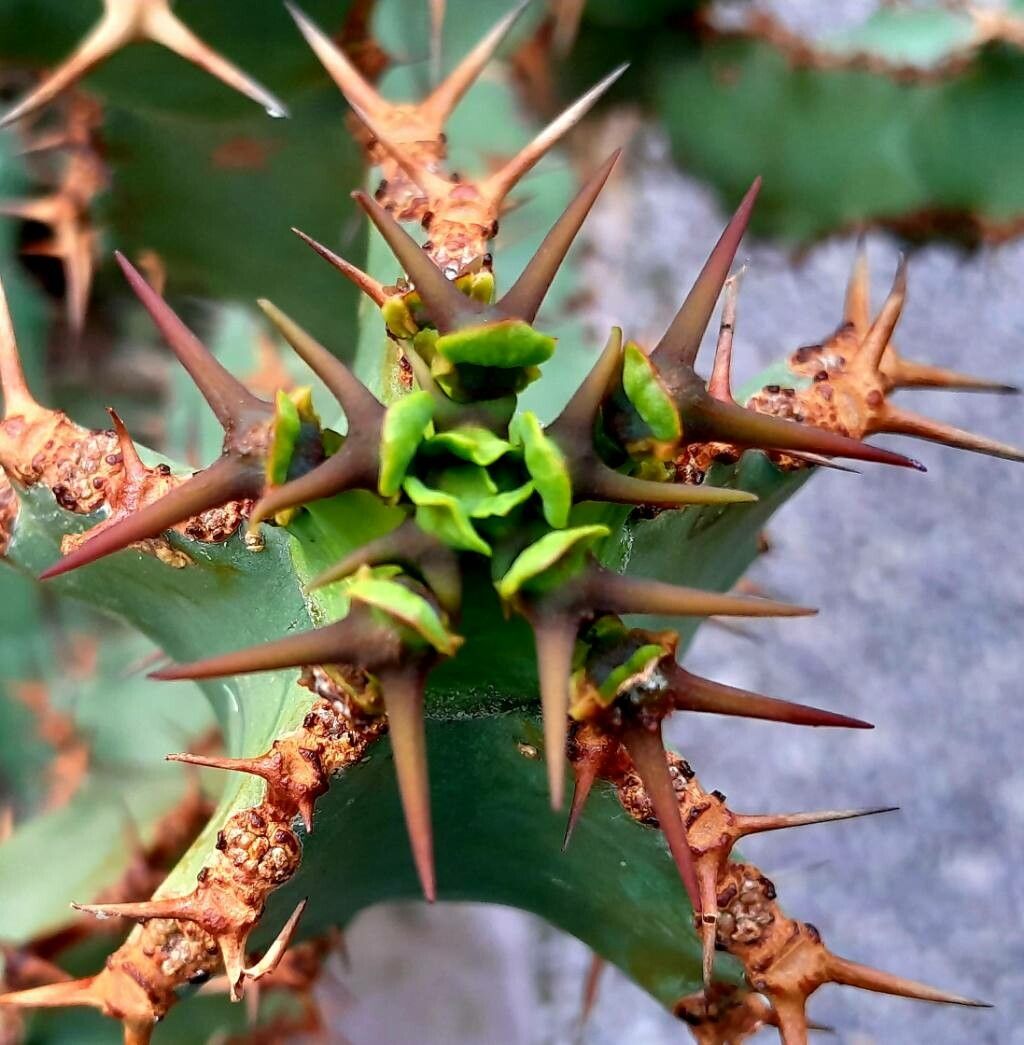
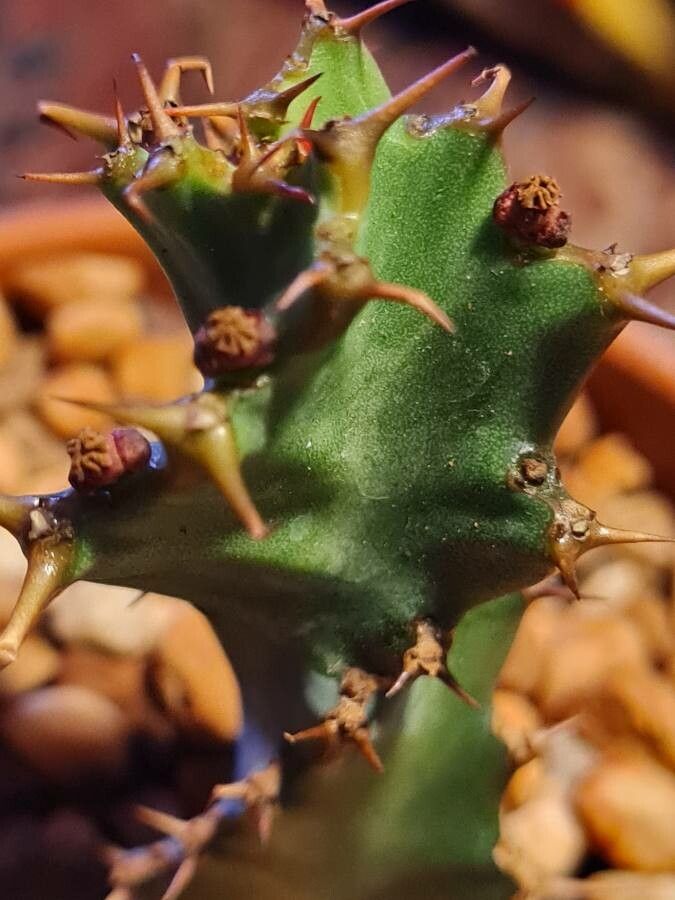
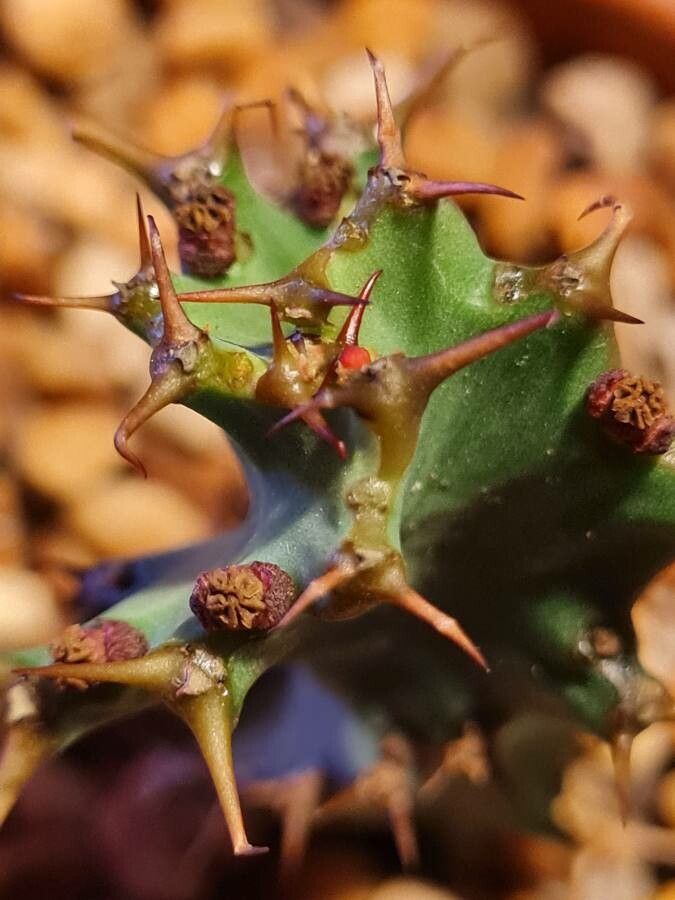
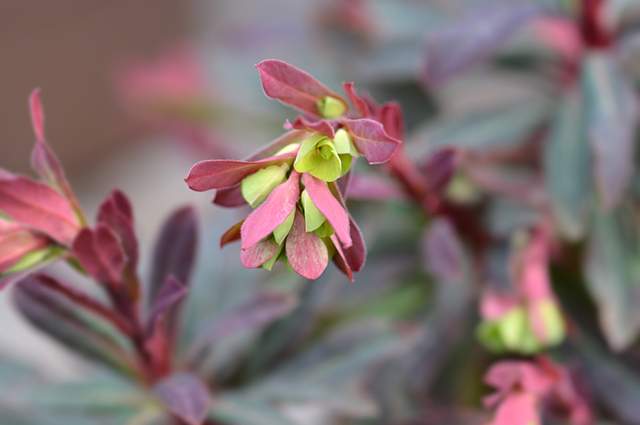
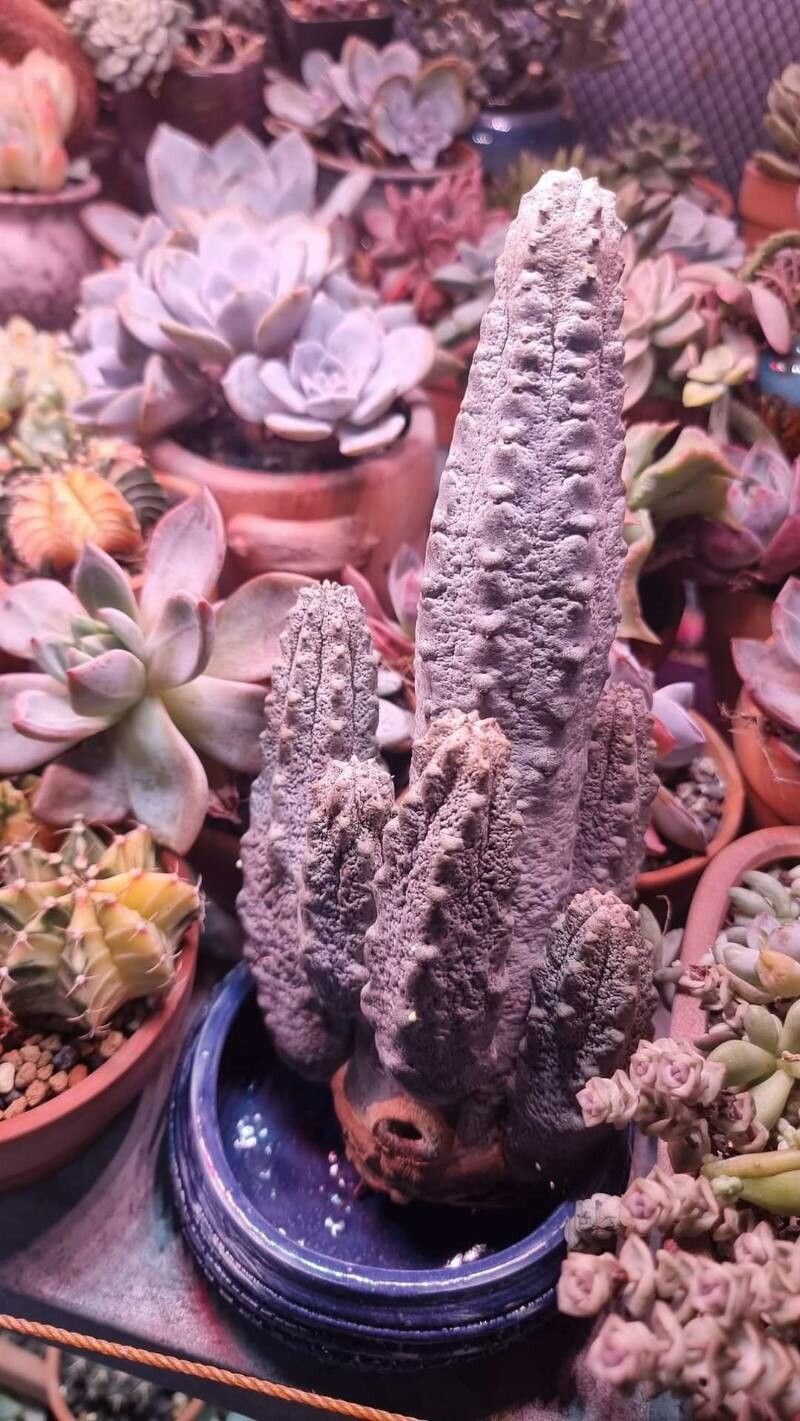
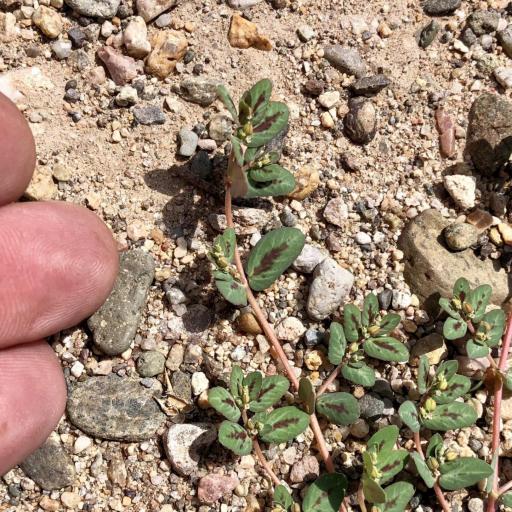
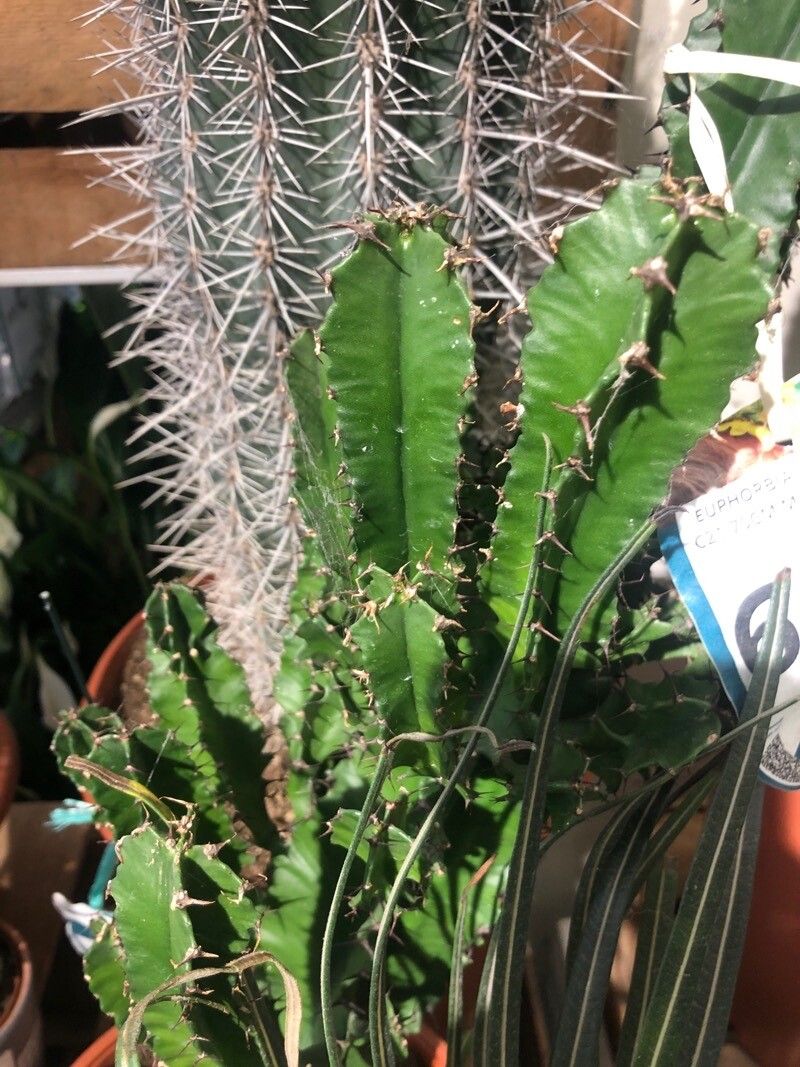
Twisted Spurge has moderate disease resistance and is more sensitive to humidity and overwatering. It is also more liable to disease when it is low on light and overwatered. Regarding care needs, Twisted Spurge is drought-tolerant and can withstand long periods without watering. It requires little fertilizer and only occasional pruning. This makes it suitable for people of all experience levels, especially those who prefer to spend less time on plant care and who may sometimes be away from home for extended periods. It is a good option for those who do not want to invest a lot of time caring for their plants but still want an easy-to-maintain plant.
How to keep Euphorbia Tortirama.
Light
Twisted Spurge performs best when it receives ample sunlight, reflecting its roots in naturally sunlit environments. Although it can adjust to spots with less continuous light, it reaches peak growth with brighter, more regular sun exposure. Excessive sun can cause leaf burn, and insufficient light may hinder healthy growth.
Water
Twisted Spurge is highly drought-tolerant and requires minimal water, making it ideal for dry conditions. When grown indoors, water the plant about once every three weeks and use well-draining soil to prevent root rot. This approach mimics the plant's natural arid habitat, ensuring a balance between hydration and overall plant health.
Temperature
Twisted Spurge originates from areas where temperatures typically range from 68 to 100°F (20 to 38℃). The plant prefers a bit warmer conditions but can adjust when needed. In cooler seasons, consider increasing indoor temperatures to fulfill its needs.
Fertilizer
For Twisted Spurge, light applications of fertilizer once or twice a year during the growing season are enough. Do not fertilize in winter or during summer dormancy. Cut back on fertilizer for plants that have been repotted and wait a couple of months after repotting before feeding. Fertilizing helps maintain healthy growth and promotes blooms.
Pot & Repot
Repot your twisted spurge every 2 to 3 years during the spring season. Use a slightly larger container with good drainage to accommodate its vertical growth. After repotting, place the plant in bright, indirect light and water it sparingly to encourage recovery and maintain its health.
Botanical profile.
- Plant Type
- Succulent
- Life Cycle
- Perennial
- Genus
- Euphorbia
- Family
- Euphorbiaceae
- Hardiness Zone
- 9-11
- Mature Height
- 43 cm
- Mature Spread
- 30 cm
- Leaf Color
- Green, Blue
- Leaf Type
- Semi-evergreen
- Flower Color
- Yellow, Green
- Flower Size
- 2.54 cm
- Bloom Time
- Late spring, Summer
- Planting Time
- Spring, Summer
- Harvest Time
- Late summer, Fall
- Native Area
- South Africa
Other names.
Reader questions.
What are the sunlight requirements for Twisted Spurge?
Twisted Spurge requires full sun, which means it thrives best with more than 6 hours of direct sunlight daily, but it can also grow in partial sun, receiving about 3-6 hours of sunlight. Originating from sun-drenched habitats, Twisted Spurge achieves optimal growth under strong, consistent sunlight exposure. However, overexposure might lead to leaf burn, whereas insufficient sunlight can stunt its growth. Observing the sunlight's movement through your garden helps in choosing spots that provide the ideal balance of light and shade, ensuring your plants' health and happiness.
What is the native temperature range for Twisted Spurge?
Twisted Spurge is native to regions where temperatures typically range between 68 to 100°F (20 to 38°C). This plant thrives in slightly warmer conditions but can adapt to various environments. During cooler seasons, it's beneficial to raise indoor temperatures to accommodate its preferences. Twisted Spurge loves heat and enters a dormant state in the winter, ceasing growth. It should be moved indoors if the outdoor temperature falls below 0°C, ideally near a south-facing window for maximum sunlight exposure. Supplementary lighting may be necessary if natural light is insufficient. When temperatures drop below 20°C, its growth slows, prompting a reduction or cessation of watering to prevent root rot. Outdoor plants require watering to be completely stopped in cooler weather, with additional protective measures like a temporary greenhouse or wrapping the plant in plastic film or fabric for insulation.
How do artificial lights support indoor growth of Twisted Spurge?
When natural sunlight is insufficient for indoor Twisted Spurge, especially during winter or in less sunny spaces, artificial lighting becomes essential for promoting healthy growth. LED lights are favored for their ability to be customized to specific wavelengths needed by plants. Full sun plants should receive 30-50W per square foot, partial sun plants 20-30W per square foot, and full shade plants need 10-20W per square foot of artificial light. Positioning the light source 12-36 inches above the plant and ensuring it receives 8-12 hours of artificial light daily mimics natural daylight hours and supports optimal plant development.
How does Twisted Spurge respond to low temperatures?
Twisted Spurge flourishes in high temperatures and struggles with low temperatures, growing best above 20°C. It's crucial to keep the plant above 0°C during winter to avoid damage. Exposure to temperatures below -5°C can weaken the plant, leading to wilting and susceptibility to root rot. Mild frost damage may not show immediate symptoms, but the plant will likely begin to wither after a week. To mitigate frost damage, trim the frostbitten areas and check for root rot, which requires cutting off the rotted roots. The plant can then be propagated through cuttings. It's advisable to move the plant to a warm indoor environment near a south-facing window for sufficient sunlight. If sunlight is inadequate, supplemental lighting should be considered.
What are the symptoms of inadequate light in Twisted Spurge?
Twisted Spurge displays several symptoms when exposed to suboptimal lighting, including the growth of smaller new leaves, leggy or sparse growth due to elongated spaces between leaves or stems, faster leaf drop as a resource-conserving measure, slower or halted new growth, and leaves that may develop lighter colors or show chlorosis (yellowing) due to insufficient chlorophyll. Excessive sunlight can cause symptoms like sunscald, leaf curling, wilting, and leaf scorching, which are indications of overexposure to sunlight.
How should Twisted Spurge be cared for in high temperatures?
During the summer, it's important to keep Twisted Spurge below 38°C to prevent stress and damage. Temperatures exceeding 43°C halt the plant's growth and lead to water loss, wilting, and an increased risk of sunburn. To care for the plant under these conditions, remove sunburned and rotten parts and protect it from the harsh afternoon sun until it recovers and resumes growth. If the plant has suffered from root rot, watering should be ceased until new roots develop. Proper care and attention during high temperatures can help Twisted Spurge recover and thrive.
What are the solutions for Twisted Spurge facing light-related issues?
For indoor Twisted Spurge, gradually moving the plant to a sunnier location each week until it receives at least 6 hours of direct sunlight daily is recommended. Use a south-facing window and keep curtains open during the day. Additional or supplemental artificial lighting, such as desk or ceiling lamps for at least 8 hours a day or professional grow lights, can provide ample light for optimal growth. For outdoor plants, moving them to progressively sunnier spots weekly helps them adapt without the risk of sunburn. Removing obstructions or transplanting to sunnier locations with good drainage can also mitigate insufficient sunlight issues. While parts of the plant that suffered might not recover, new growth should be healthy with increased light exposure.