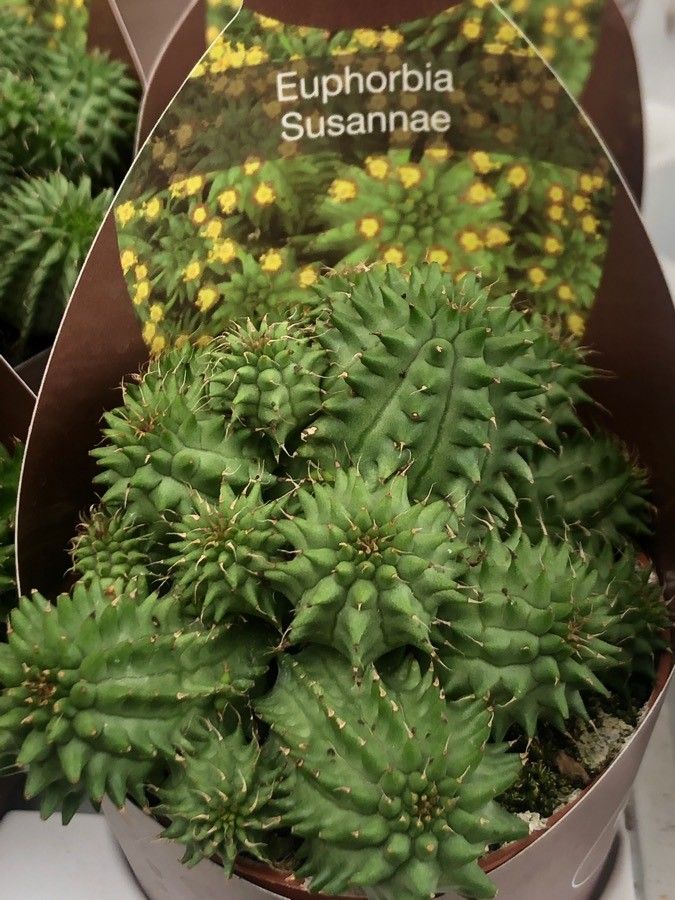
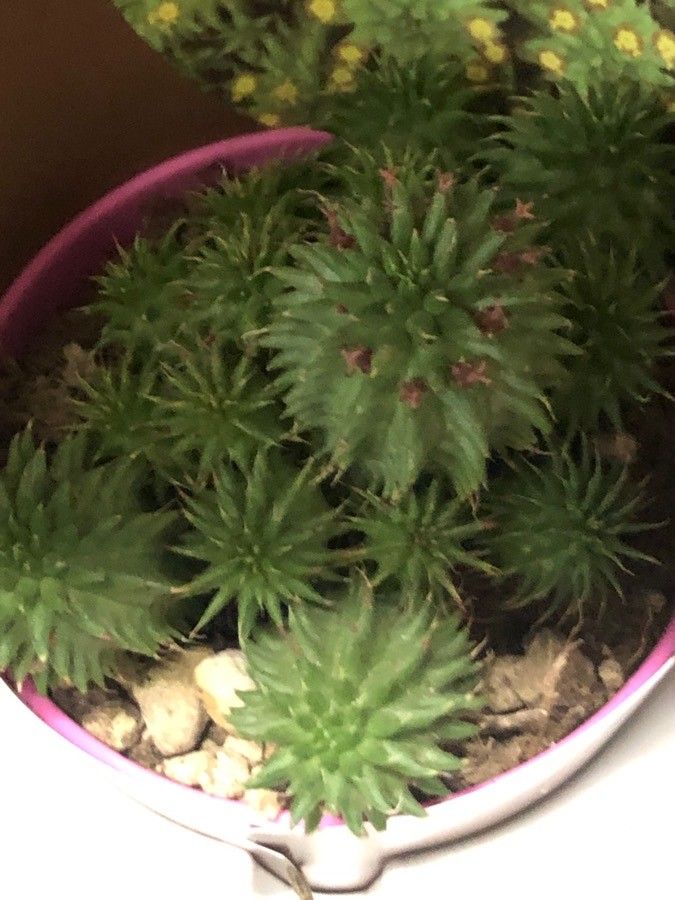
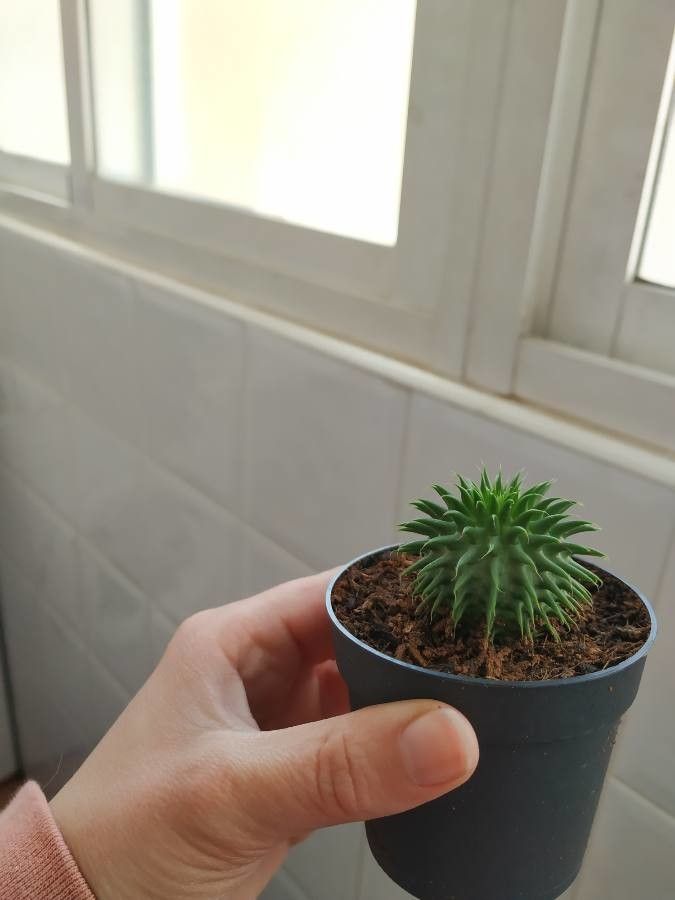
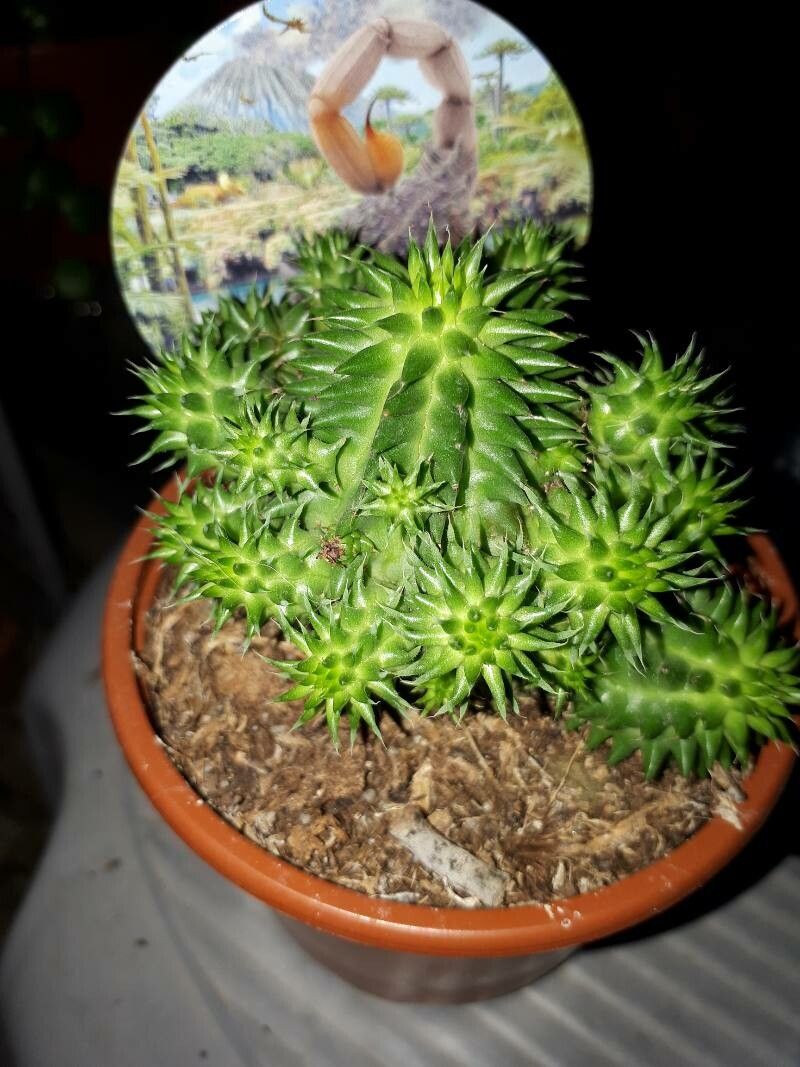
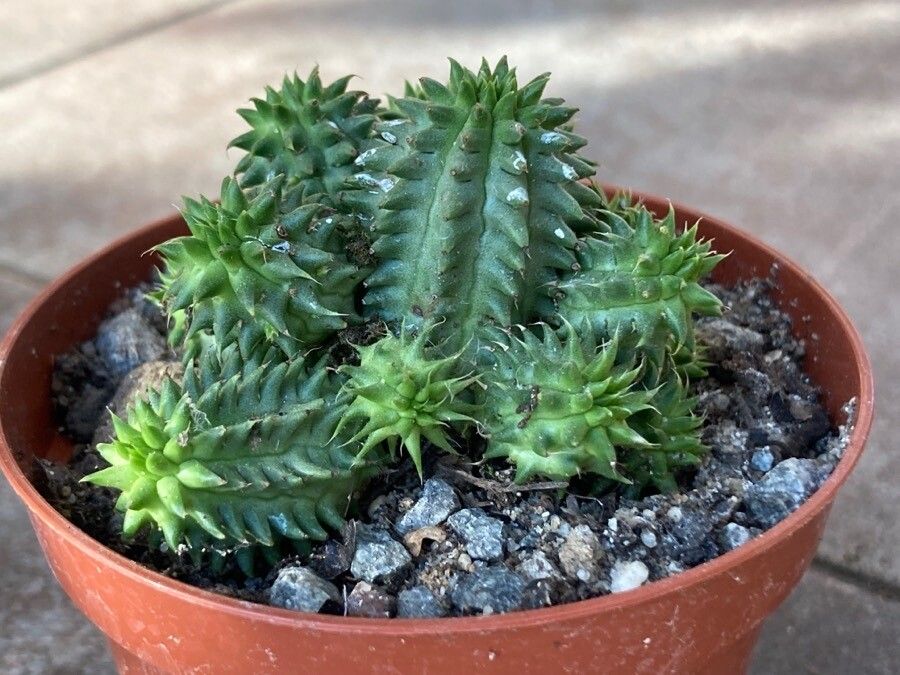
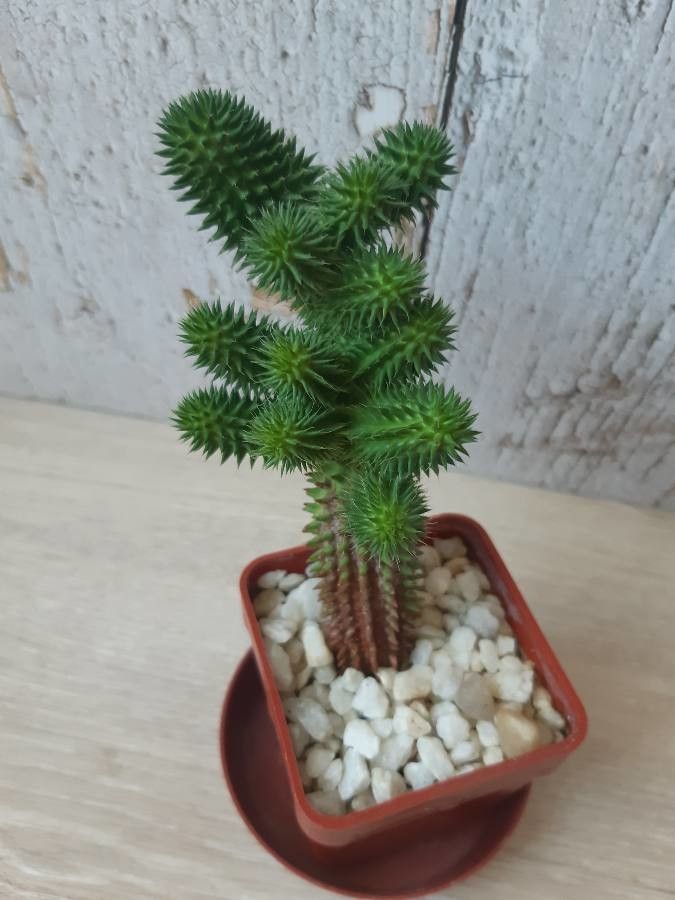
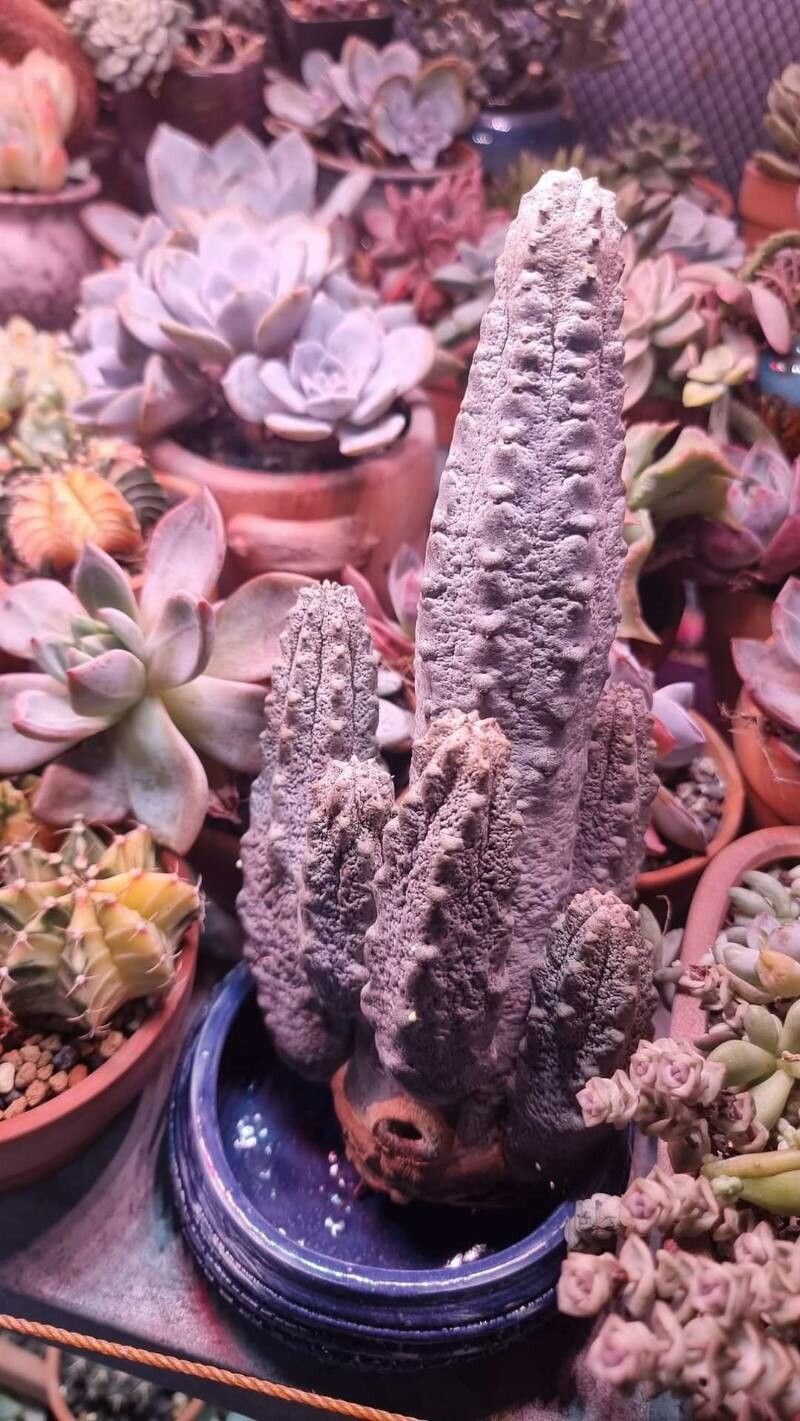
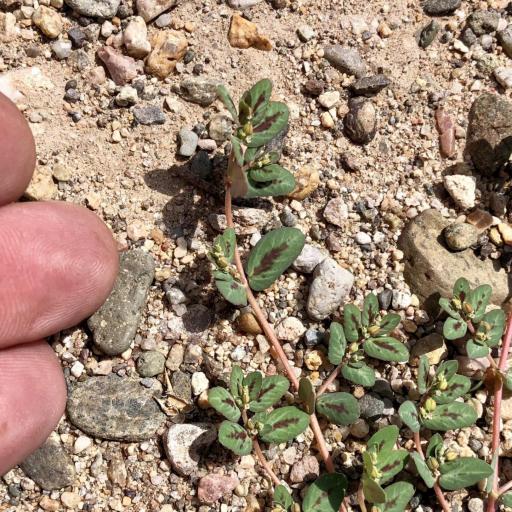
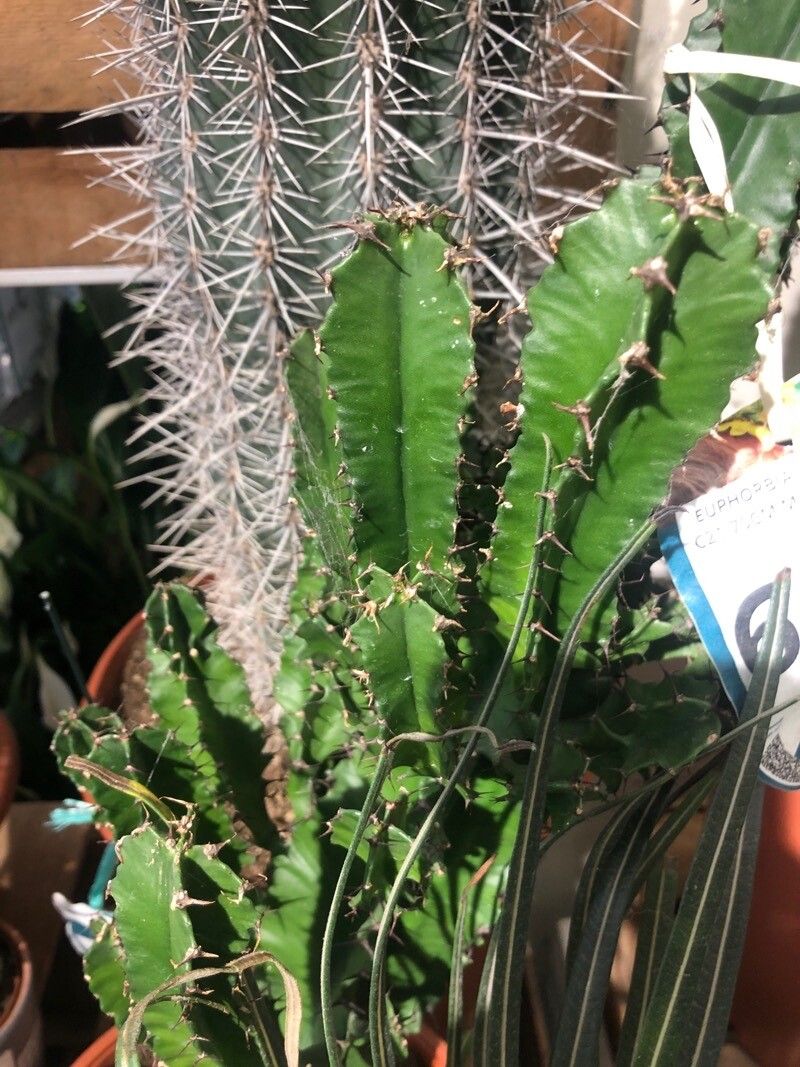
Euphorbia susannae, a succulent plant from the Euphorbia family, is native to Madagascar and is commonly known as the "Madagascar Jewel." This plant stands out with its distinctive, thick, cylindrical stem, which can grow up to 30 cm in height and 5 cm in diameter. The stem features multiple ridges adorned with small, oval-shaped leaves.
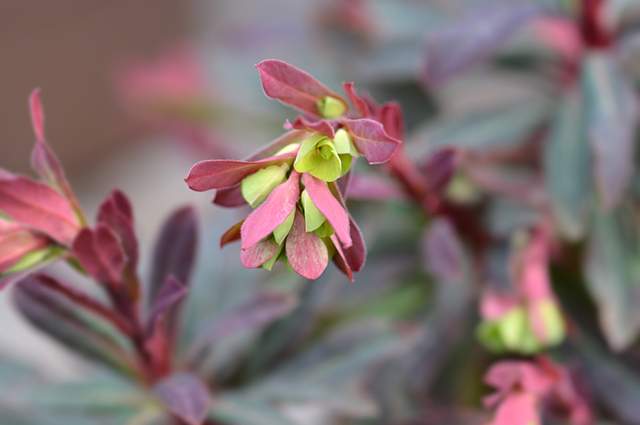
During its blooming season, Euphorbia susannae produces small, yellow-green flowers at the top of its stem. The plant requires minimal care, thriving in well-draining soil and with moderate watering.
However, the plant's sap contains toxic substances that can cause skin irritation or allergic reactions if it comes into contact with skin or eyes. Therefore, it should be handled with care, especially during pruning or repotting.
Euphorbia susannae is an excellent choice for indoor gardening. Its unique appearance and low maintenance requirements make it a captivating addition to any space.
Hedgehog Milkball has moderate disease resistance and is more sensitive to humidity. It becomes vulnerable to disease under high humidity and is liable to develop root rot while dormant. In terms of care, Hedgehog Milkball tolerates drought but requires more water during the growing season. Watering should be sharply reduced or stopped entirely during dormancy. Hedgehog Milkball is best suited to people with some growing experience, as it can be difficult to care for, particularly during the dormant period. It is especially appropriate for those who can devote time to its care during the winter months.
How to keep Euphorbia Susannae.
Light
Native to dry habitats, Hedgehog Milkball does best in full sun, as its natural environment features intense sunlight and little shade. It will also tolerate partial sun, giving it some flexibility in where it can grow.
Water
Euphorbia susannae is a hardy plant that thrives in arid regions due to its excellent drought tolerance. It only needs watering every 2 to 3 weeks. To prevent root rot, it's important to plant it in well-draining soil. This makes it an ideal choice for a low-maintenance indoor plant. Proper hydration helps maintain its succulent form without the risk of overwatering.
Temperature
Hedgehog Milkball tolerates some heat, but it mainly thrives and grows in cooler seasons and goes dormant in summer. In hot summer conditions, give it shade to avoid scorching from intense sunlight. Watering should be reduced or stopped during the hottest period to prevent root rot. It shows vigorous growth in winter and spring, and so long as temperatures do not fall too low, it will continue to grow steadily.
Fertilizer
For Hedgehog Milkball, light applications of fertilizer once or twice a year during the growing season are adequate. Do not fertilize in winter or summer while it is dormant. Use less fertilizer on repotted plants and wait a couple of months after repotting before applying fertilizer. Fertilizing promotes healthy growth and encourages blooms.
Pot & Repot
Repot Hedgehog Milkball in the warmer months, choosing a container just a bit larger than the current pot with good drainage. Use a well-draining cactus or succulent potting mix. Be careful with the roots and caudex when repotting. After repotting, wait about a week before watering to avoid root rot. Place the plant in a sunny location for best growth.
Botanical profile.
- Plant Type
- Shrub, Succulent
- Life Cycle
- Perennial
- Genus
- Euphorbia
- Family
- Euphorbiaceae
- Hardiness Zone
- 9-11
- Mature Height
- 10 cm
- Mature Spread
- 30 cm
- Leaf Color
- Light Green, Pale Green
- Leaf Type
- Evergreen
- Flower Color
- Yellow, Green
- Flower Size
- 0.51 cm to 0.76 cm
- Bloom Time
- Mid spring, Late spring, Early summer
- Planting Time
- Spring, Summer, Autumn
- Harvest Time
- Summer
- Native Area
- South Africa
Other names.