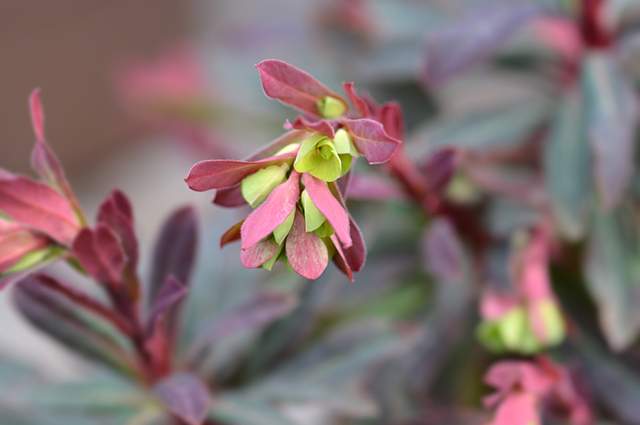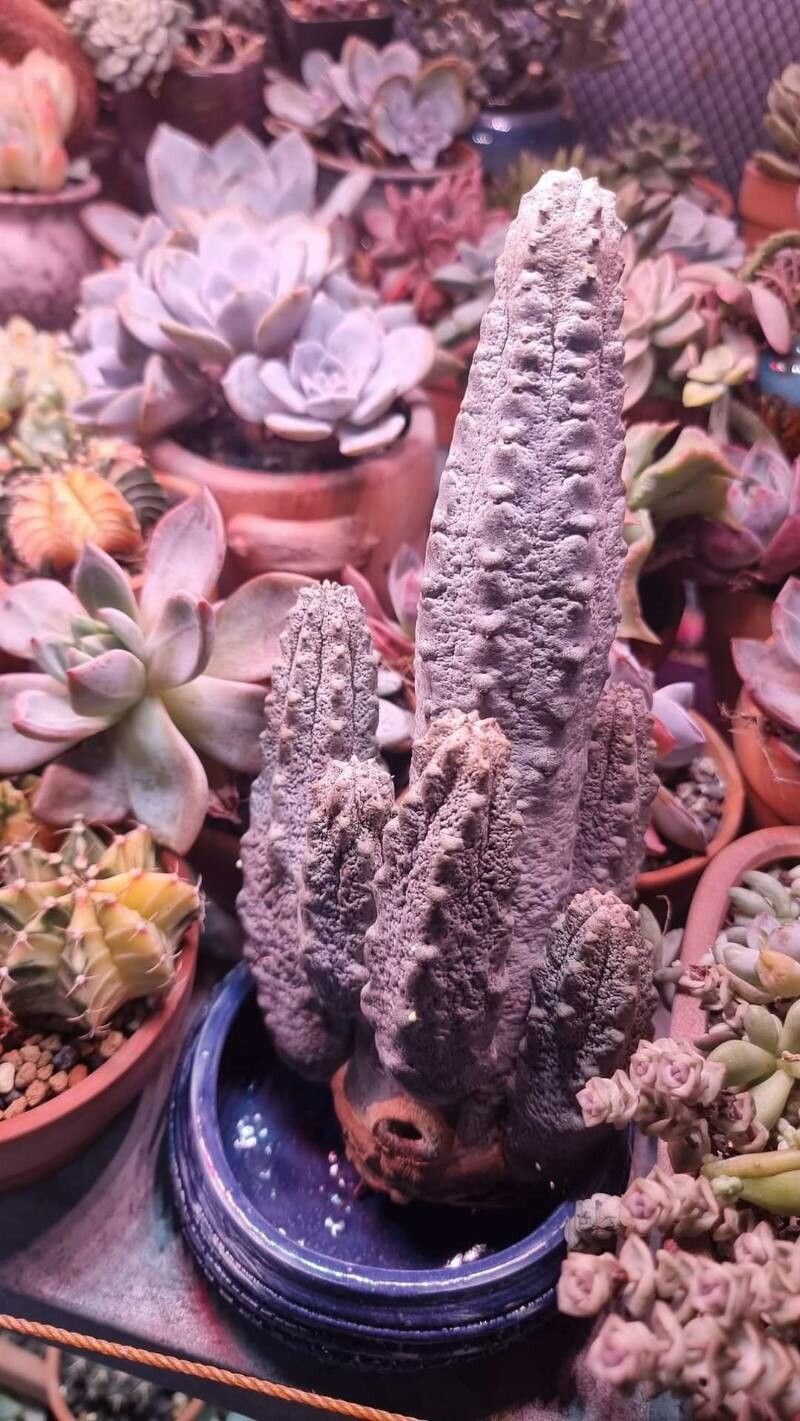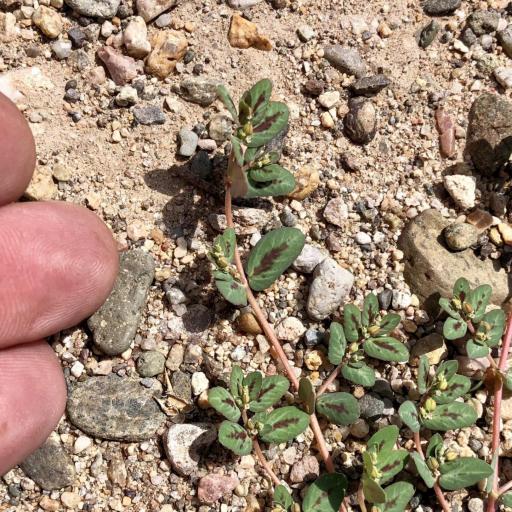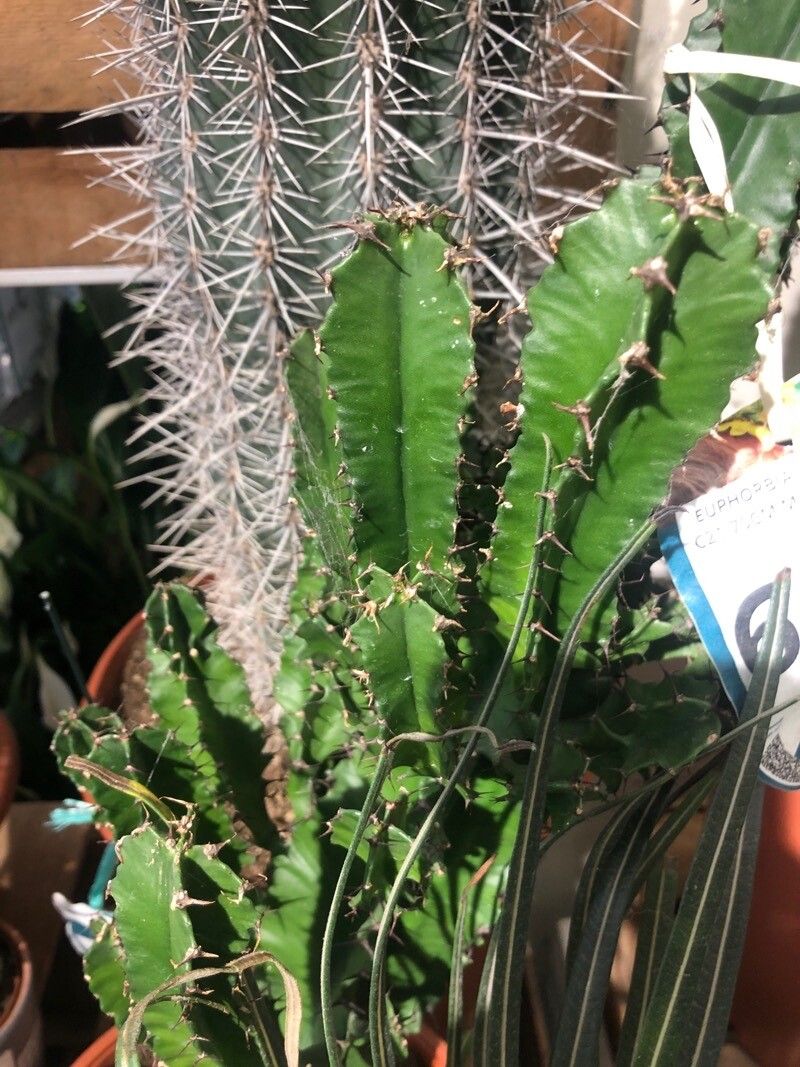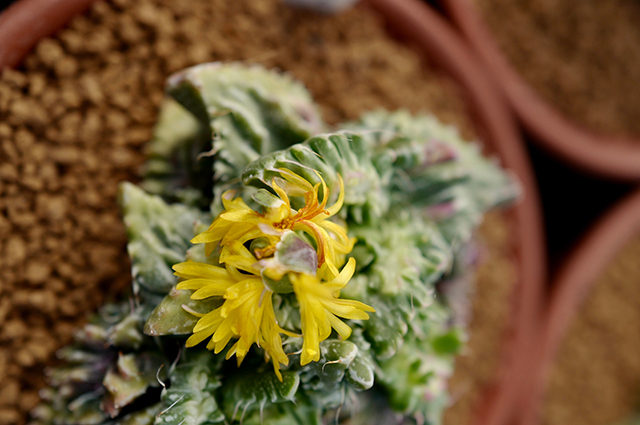
Native to the Eastern Cape of South Africa, it is a spiny succulent that has a fleshy, underground root which erupts into many branches above the soil.
Milkthorn has moderate disease resistance and is fairly sensitive to humidity. It becomes vulnerable to disease in high-humidity conditions and is prone to root rot while dormant. Regarding care, Milkthorn tolerates drought but requires more water during the growing season. Watering should be greatly reduced or stopped entirely during the dormant period. Milkthorn is appropriate for growers with some experience, though it can be difficult to care for, particularly during dormancy. It is especially suitable for those who can devote time to its care during the winter months.
How to keep Euphorbia Squarrosa.
Light
Native to dry regions, Milkthorn performs best in full sun, its native habitat marked by intense sunlight and scarce shade. It can also tolerate partial sun, providing some flexibility in its growth.
Water
Water whenever the top couple inches of soil feels dry from spring to fall when the plant is actively growing. During the winter, reduce watering to only when the plant shows signs of wilt.
Temperature
Although Milkthorn can tolerate some heat, it mainly does best and grows during the cooler seasons and goes dormant in summer. In very hot summer weather, provide shade to avoid scorching from strong sunlight. Watering should be cut back or stopped during the hottest period to prevent root rot. Milkthorn grows most vigorously in winter and spring. As long as temperatures don’t fall too low, it will continue to grow steadily.
Fertilizer
Milkthorn only requires light fertilizer applications once or twice a year during the growing season. Do not fertilize in winter or summer when it is dormant. Reduce fertilizer for repotted plants and wait a couple of months after repotting before you fertilize. Fertilizing helps maintain healthy growth and promotes blooming.
Toxicity
The milky sap (latex) running throughout Euphorbia plants is toxic to people and animals both via skin contact and ingestion. The plants actually use the sap as a defense mechanism to prevent animals from feeding on it, and the sap has some antifungal and antibacterial properties.
Further reading →
The toxicity and danger assessments provided are for reference only. We do not assure their accuracy, so it's crucial not to depend on them. Seek professional advice when necessary for accurate guidance.
Botanical profile.
- Plant Type
- Succulent
- Life Cycle
- Perennial
- Genus
- Euphorbia
- Family
- Euphorbiaceae
- Hardiness Zone
- 9-11
- Mature Height
- 13 cm
- Mature Spread
- 15 cm
- Leaf Color
- Green, Dark Green
- Leaf Type
- Deciduous
- Flower Size
- 0.51 cm to 1.02 cm
- Bloom Time
- Mid spring, Late spring
- Planting Time
- Spring, Summer, Autumn
- Harvest Time
- Early summer, Mid summer
- Native Area
- South Africa