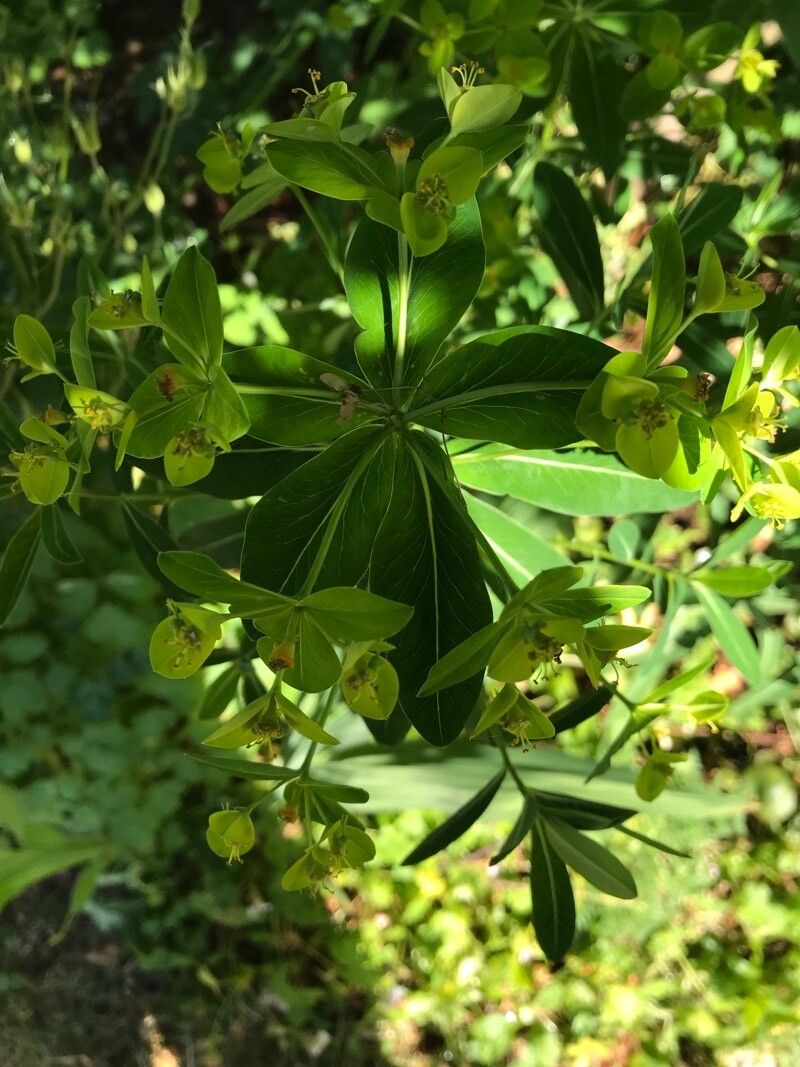
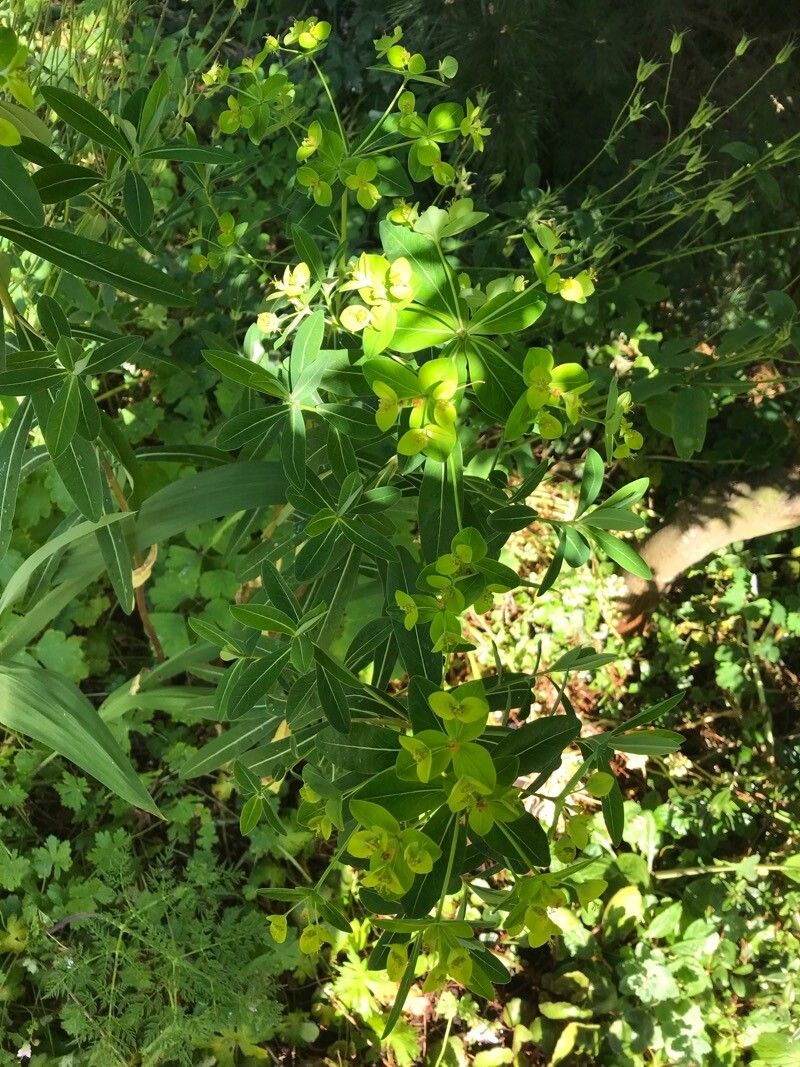
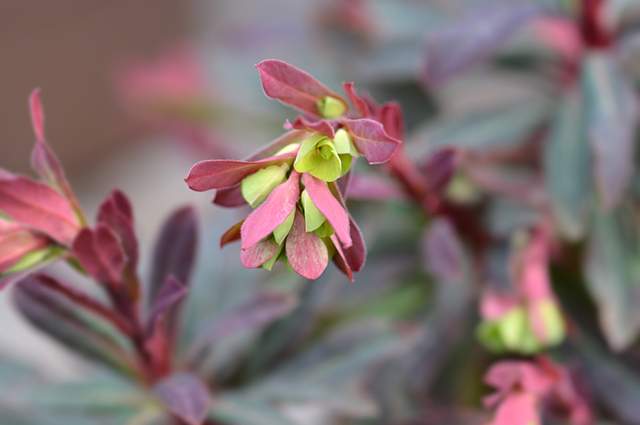
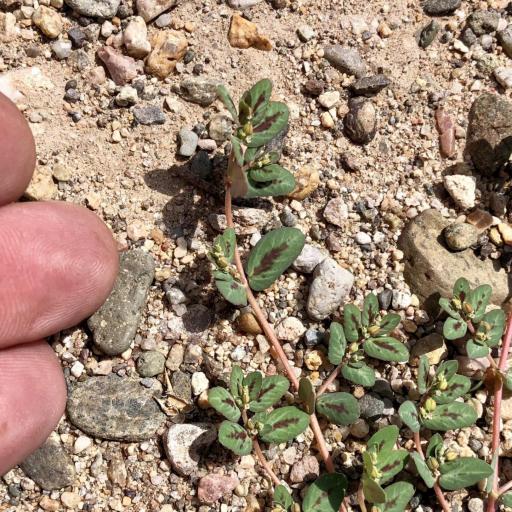
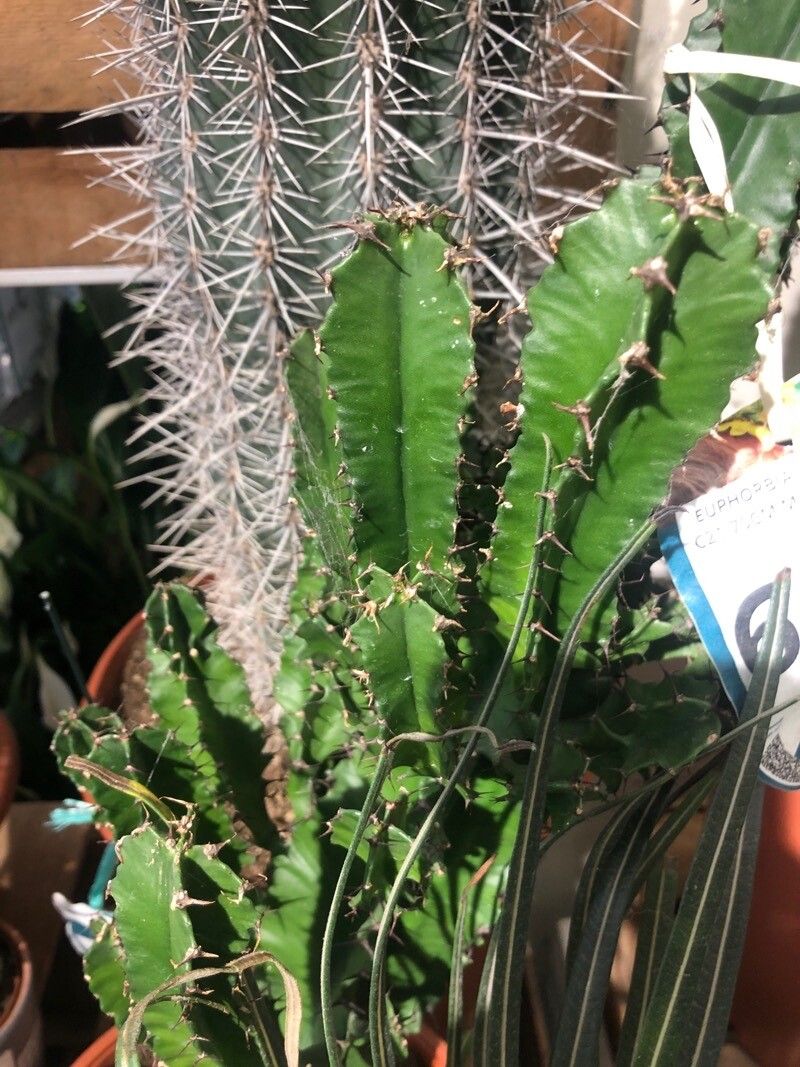
Euphorbia sikkimensis, called the Sikkim spurge, is a species of flowering plant in the genus Euphorbia, native to Nepal, the eastern Himalayas, Tibet, south-central and southeast China, Myanmar, and Vietnam. It grows in alpine meadows, sparse forests, and scrub. It has gained the Royal Horticultural Society's Award of Garden Merit.
Sikkim spurge is fairly resistant to disease and usually does not suffer from illnesses. However, it can be vulnerable to pests and diseases present in its surroundings. These problems are generally not serious. With respect to care, this plant needs moderate maintenance. It should be pruned regularly to maintain an attractive appearance and healthy growth. Fertilizing can also help encourage flowering. Sikkim spurge is appropriate for someone with outdoor space, such as a garden or patio, and does not require extensive care experience. It may need more attention when kept indoors.
How to keep Euphorbia Sikkimensis.
Light
Sikkim spurge prefers sites that receive full sun but can also adapt and grow well in places where the sunlight is softened. In its natural habitat, locations with plenty of sunlight encourage healthy growth. Excessive sun can cause stress, while too little light can hinder its growth and overall health.
Water
The Sikkim spurge flourishes in moist montane forests and thrives in consistently humid conditions. To mimic its natural environment, it should be watered weekly, ensuring it receives the needed moisture levels. Additionally, applying mulch can help retain soil moisture during its growing season, particularly in temperate zones.
Temperature
Sikkim spurge is indigenous to habitats where temperatures range from 50 to 95 °F (10 to 35 ℃). Its preferred temperature lies within that interval, and it adapts to seasonal changes as needed.
Fertilizer
The best time to fertilize a Sikkim spurge is in early spring, when it is coming out of dormancy and beginning active growth. Fertilizing supplies essential nutrients for healthy development. Although Sikkim spurge has relatively low fertilizer requirements, an annual application can improve its survival and encourage better, longer-lasting flowers.
Pruning
To keep your Sikkim spurge healthy and flourishing, regular pruning is essential. The best time for pruning is from early to late spring. During this time, focus on removing dead stems and thinning out older branches to improve air circulation. It's important to avoid pruning late in the season to prevent the risk of cold damage. By following these guidelines, you can enhance the plant's vigor and encourage vibrant blooms.
Pot & Repot
Repot Sikkim spurge every 2-3 years in the spring to promote healthy growth. Choose a slightly larger pot to give the roots more space, and place the plant in bright, indirect light. Be careful not to overwater, as this will help the plant recover. By following these care tips, you can ensure that your Sikkim spurge thrives after being transplanted.
Botanical profile.
- Plant Type
- Herb
- Life Cycle
- Perennial
- Genus
- Euphorbia
- Family
- Euphorbiaceae
- Hardiness Zone
- 6-9
- Mature Height
- 1.22 m
- Mature Spread
- 46 cm
- Leaf Color
- Green
- Leaf Type
- Deciduous
- Flower Color
- Yellow
- Flower Size
- 2.54 cm to 5.08 cm
- Bloom Time
- Early summer, Mid summer
- Planting Time
- Spring, Autumn
- Harvest Time
- Late summer, Early fall
- Native Area
- Nepal, India, Vietnam, Bhutan, Laos, China
Reader questions.
What are the sunlight requirements for Sikkim spurge?
Sikkim spurge requires full sun exposure, defined as above 6 hours of sunlight per day, but it can also grow well in partial sun conditions, which means about 3-6 hours of sunlight daily. It's essential to observe how sunlight moves through your garden to ensure you place your plants in spots that provide the perfect balance of light and shade. This careful placement ensures the plants' health and happiness by matching their natural needs.
What is the temperature range for growing Sikkim spurge?
Sikkim spurge, also known as Euphorbia sikkimensis, is native to environments where temperatures vary widely, from as low as 50°F (10°C) to as high as 95°F (35°C). Its ability to adjust to different seasonal temperatures makes it a versatile plant. Despite its strong cold resistance, it's important to take precautions when winter temperatures are expected to drop below -25°C, such as covering the plant with insulating materials like soil or straw. Additionally, watering the plant abundantly before the first freeze in autumn helps keep the soil moist and protects the plant against drought and water scarcity during the colder months.
How does exposure to sunlight affect Sikkim spurge?
Exposure to sunlight is crucial for the healthy growth of Sikkim spurge. Originating in settings with ample sunlight, it thrives in fully sunny areas but also adapts well to conditions where sunlight is filtered through or partial. Inadequate sunlight exposure can impair the plant's growth and overall health, while too much direct sunlight without proper acclimation can stress the plant. If natural sunlight is insufficient, especially during winter or in less sunny locations, artificial lighting can be used to supplement the plant's lighting needs. Indoor plants require specific amounts of artificial light depending on whether they are full sun, partial sun, or full shade plants, with recommendations ranging from 10-20W/sq ft to 30-50W/sq ft.
How does Sikkim spurge react to low temperatures?
Sikkim spurge is remarkably cold-tolerant, thriving best in temperatures above 10°C. However, during winter, it's crucial to ensure the temperature stays above -15°C to prevent damage. If temperatures plummet below -25°C, while immediate damage may not be apparent, the plant's ability to sprout in the spring could be significantly diminished, leading to decreased sprouting or, in some cases, no sprouting at all. To mitigate these effects, removing parts of the plant that have failed to sprout in the spring is recommended.
What symptoms indicate Sikkim spurge is not receiving enough light?
Symptoms of insufficient light for Sikkim spurge include smaller new leaves compared to mature ones, leggy or sparse growth, faster leaf drop, slower or no new growth, and new leaves that appear lighter in color or pale due to a lack of chlorophyll and essential nutrients. Additionally, chlorosis, or the loss of green leaf color turning leaves yellow, can occur from too much sunlight, as can sunscald, leaf curling, wilting, and leaf scorching due to excessive light exposure. These symptoms indicate the plant is struggling with its current light conditions, whether it's too little or too much light.
What should I do if my Sikkim spurge experiences high temperatures?
Sikkim spurge should ideally be kept below 35°C during the summer to prevent heat stress. Temperatures exceeding 38°C can cause the leaves to lighten in color, become prone to curling, and become susceptible to sunburn. In severe cases, the plant may wilt and dry out completely. To protect your plant, trim away any sunburned or dried-up parts. Additionally, moving the plant to a shaded location or using a shade cloth to protect it from intense midday and afternoon sun can be beneficial. Ensuring the soil remains moist through watering in the morning and evening will further help mitigate the effects of high temperatures.
What are some solutions for Sikkim spurge experiencing light-related issues?
To combat light-related issues in Sikkim spurge, gradually acclimate your plant to receive at least 6 hours of direct sunlight daily by moving it to sunnier spots each week, especially if using a south-facing window indoors. For large or immobile plants indoors, supplement with artificial light for at least 8 hours daily. Outdoors, adapt your plants gradually to avoid sunburn by moving them over time to progressively sunnier spots. If sunlight is blocked by trees or other obstructions, prune to allow more light through or consider transplanting smaller plants during their dormant period to a location with better sun exposure and drainage. While damaged parts may not recover, new growth should be healthy with proper light adjustment.