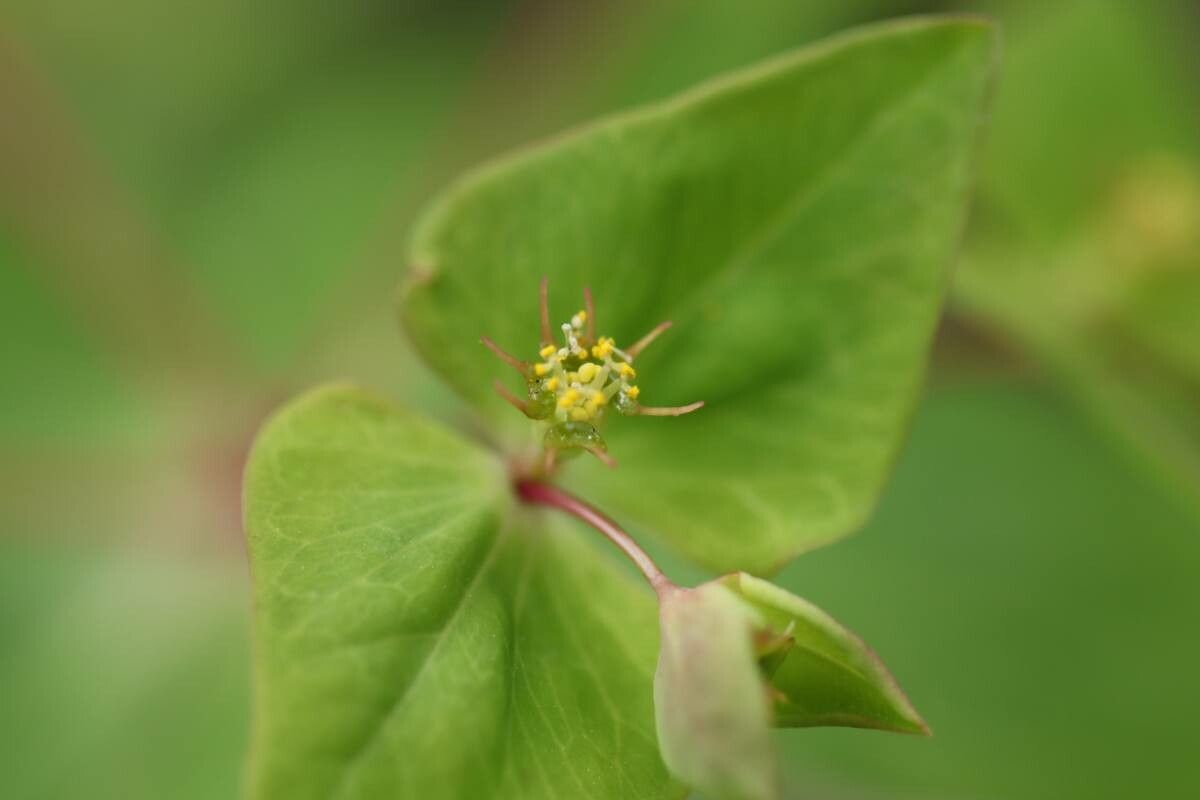
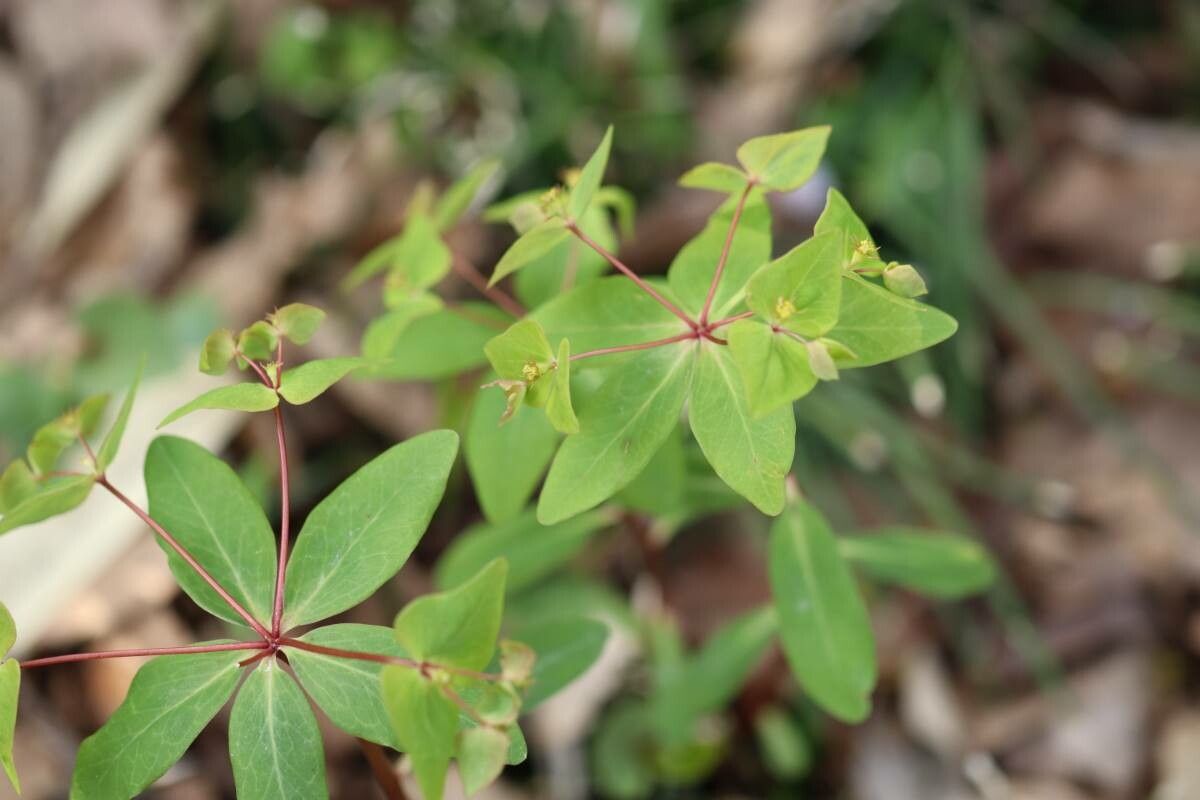
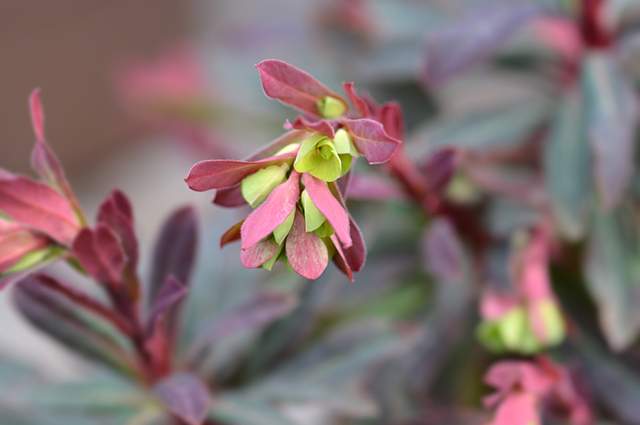
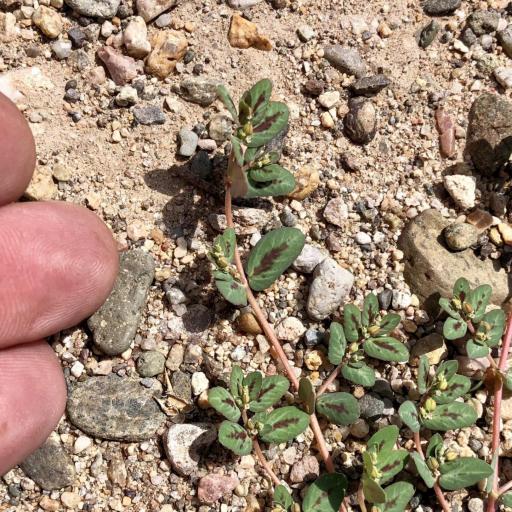
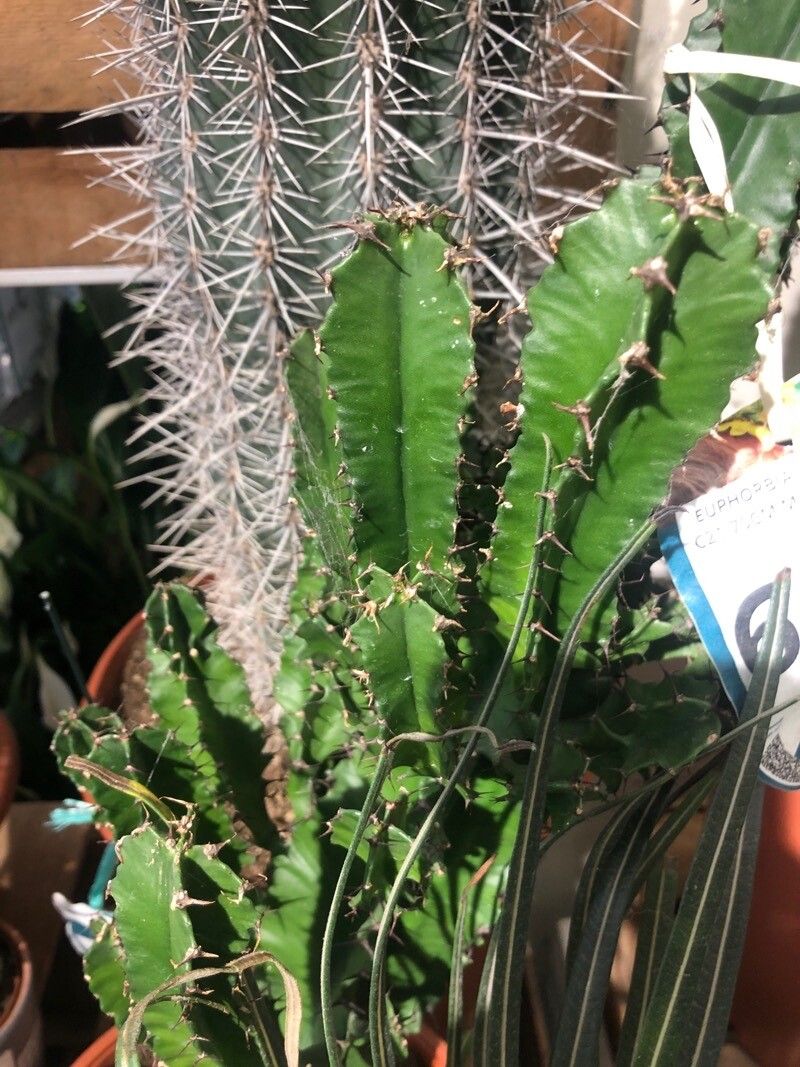
Euphorbia sieboldiana, the Siebold's spurge, is a species of flowering plant in the spurge family Euphorbiaceae. It is native to eastern Asia, where it is found in China, Japan, Korea, and eastern Russia. Its natural habitat is in grassy areas and forest margins. It is a common species in Japan.
Siebold's spurge is fairly resistant to disease and is generally not highly susceptible. It can, however, be affected by pests and diseases present in its environment, though such issues are usually minor. Regarding care, the plant requires moderate maintenance. Regular pruning is necessary to keep a good appearance and support healthy growth. Fertilizing can also help encourage flowering. This spurge is suitable for those with outdoor spaces like a garden or patio and does not demand extensive gardening experience. It may need more attention if grown indoors.
How to keep Euphorbia Sieboldiana.
Light
The natural habitat of Siebold's spurge includes forest understories and rocky regions where it experiences organic shading. It thrives best in conditions of partial sunlight, yet can acclimate to either full sun or complete shade, illustrating its flexible and robust characteristics.
Temperature
Siebold's spurge can adjust to a diverse array of temperature circumstances, yet its prevalence might be constrained by various mixtures of aquatic and thermal conditions. It flourishes optimally in balmy summer environments with sufficient precipitation or hydration. Extended durations of overcast and wet weather, along with persistent high temperatures, can heighten the chances of Siebold's spurge perishing. During winter, appropriate safeguarding against chilliness can enhance the plant's likelihood of survival.
Fertilizer
Typically, a one-time fertilizer application in the spring is enough for Siebold's spurge, though more regular feedings can encourage optimal growth. Consider feeding it once every 4-6 weeks. Fertilization improves the look and function of leaves, maintaining their color and promoting a healthy texture. Besides, it triggers the growth of the root and aids in absorbing nutrients, contributing to the plant's overall health in the long run.
Botanical profile.
- Plant Type
- Herb
- Life Cycle
- Perennial
- Hardiness Zone
- 5-9
- Mature Height
- 61 cm
- Mature Spread
- 30 cm to 46 cm
- Leaf Color
- Green, Dark Green
- Leaf Type
- Semi-evergreen
- Flower Color
- Green
- Flower Size
- 0.25 cm
- Bloom Time
- Early spring, Mid spring
- Planting Time
- Spring, Summer
- Harvest Time
- Late spring, Early summer
- Native Area
- Russia, Japan, Koppen, South Korea, China
Other names.