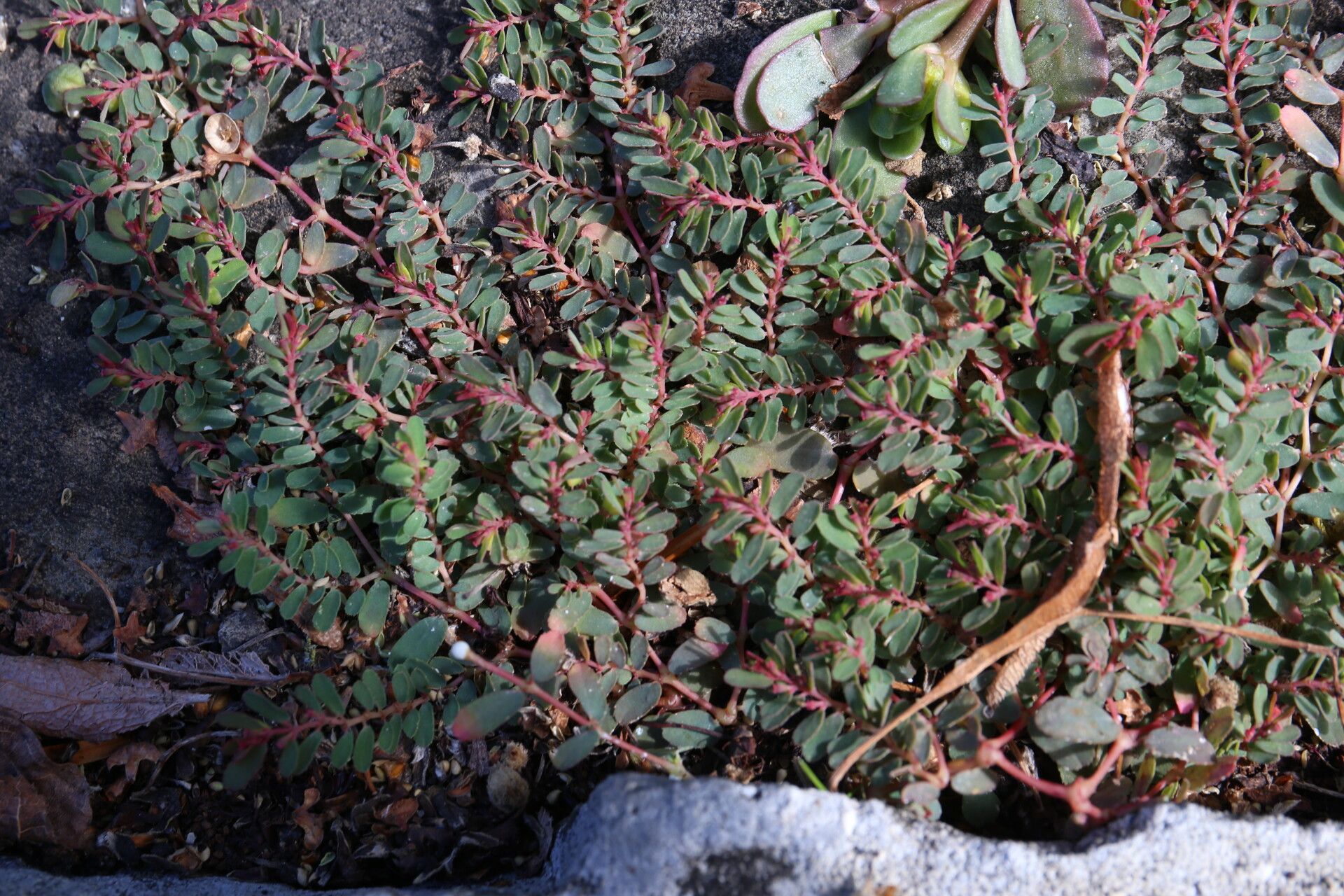
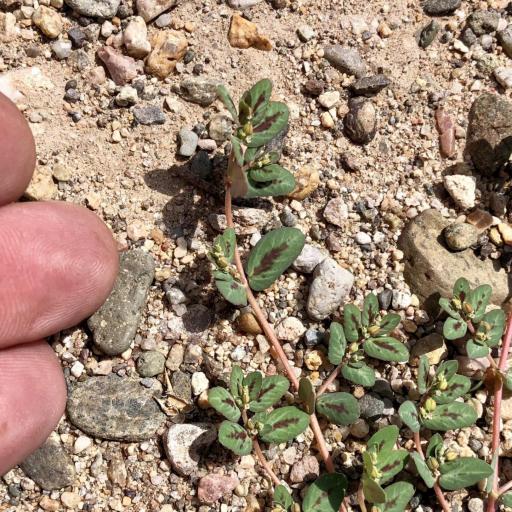
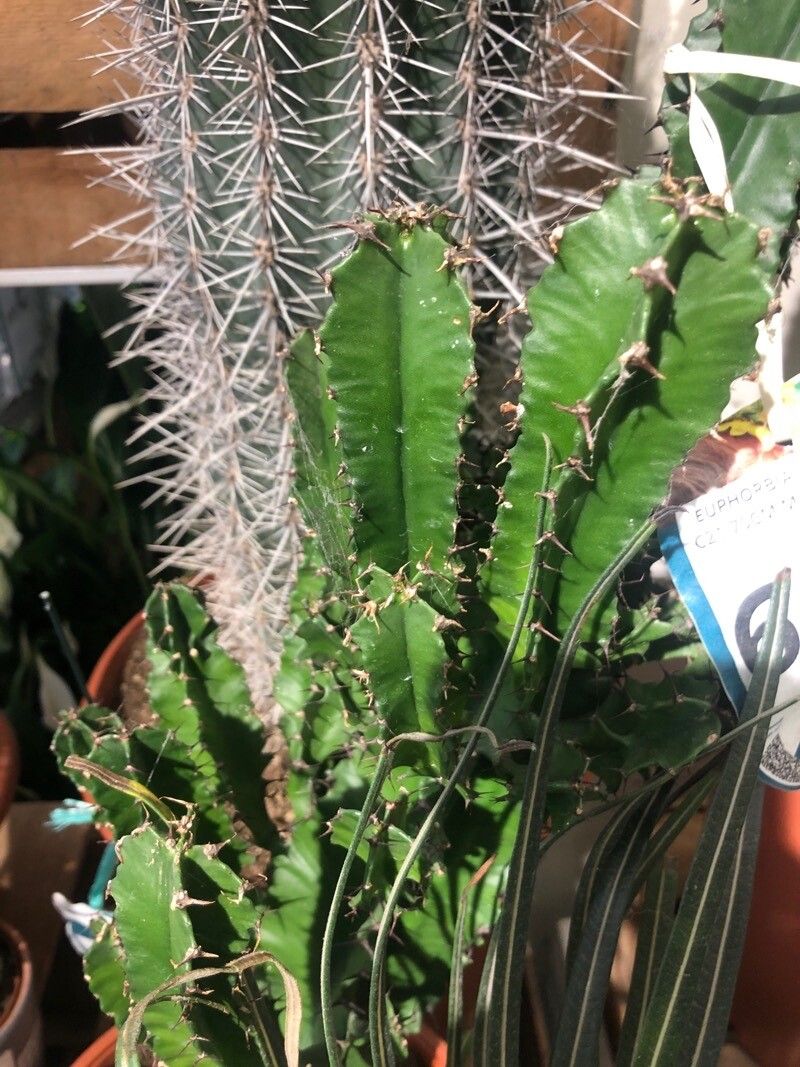
Thymeleaf sandmat has strong disease resistance and is generally unlikely to suffer from illnesses. However, it can be affected by pests and diseases present in its environment. Those infections are usually mild. In terms of care, the plant requires a moderate level of maintenance. It should be pruned regularly to maintain a neat appearance and promote healthy growth. Fertilizing can also encourage flowering. Thymeleaf sandmat is suitable for anyone with outdoor space, such as a garden or patio, and does not demand much care experience. It may need more attention when grown indoors.
How to keep Euphorbia Serpillifolia.
Light
The thymeleaf sandmat flourishes when it receives plenty of light for most of the day, a factor crucial for its healthy growth. Although it can manage in conditions with less light for a while, sustained absence or overexposure may obstruct its growth or induce stress, echoing the sunny conditions of its original habitat.
Temperature
Sandmat Thymeleaf thrives in moderate climates, favoring a temperature spectrum of 68 to 105.8 °F (20 to 41 ℃). Modifications to its habitat, like providing shade during hotter months, may be required to stay within the plant's ideal temperature boundaries.
Fertilizer
The Thymeleaf sandmat greatly appreciates regular, gentle applications of fertilizer to stimulate robust leaf development. It's suggested to feed Thymeleaf sandmat approximately on a monthly basis during the summer period. Nitrogen is essential for leaf growth, and providing Thymeleaf sandmat with nitrogen-filled resources allows it to flourish.
Botanical profile.
- Plant Type
- Herb
- Life Cycle
- Annual
- Genus
- Euphorbia
- Family
- Euphorbiaceae
- Hardiness Zone
- 6-13
- Mature Height
- 1 cm to 10 cm
- Mature Spread
- 0.2 m to 3.96 m
- Leaf Color
- Green, Dark Green
- Leaf Type
- Semi-evergreen
- Flower Color
- White, Yellow, Green, Red
- Flower Size
- 0.10 cm
- Bloom Time
- Late spring, Summer, Fall
- Planting Time
- Spring, Autumn
- Harvest Time
- Summer, Fall, Early winter
Other names.