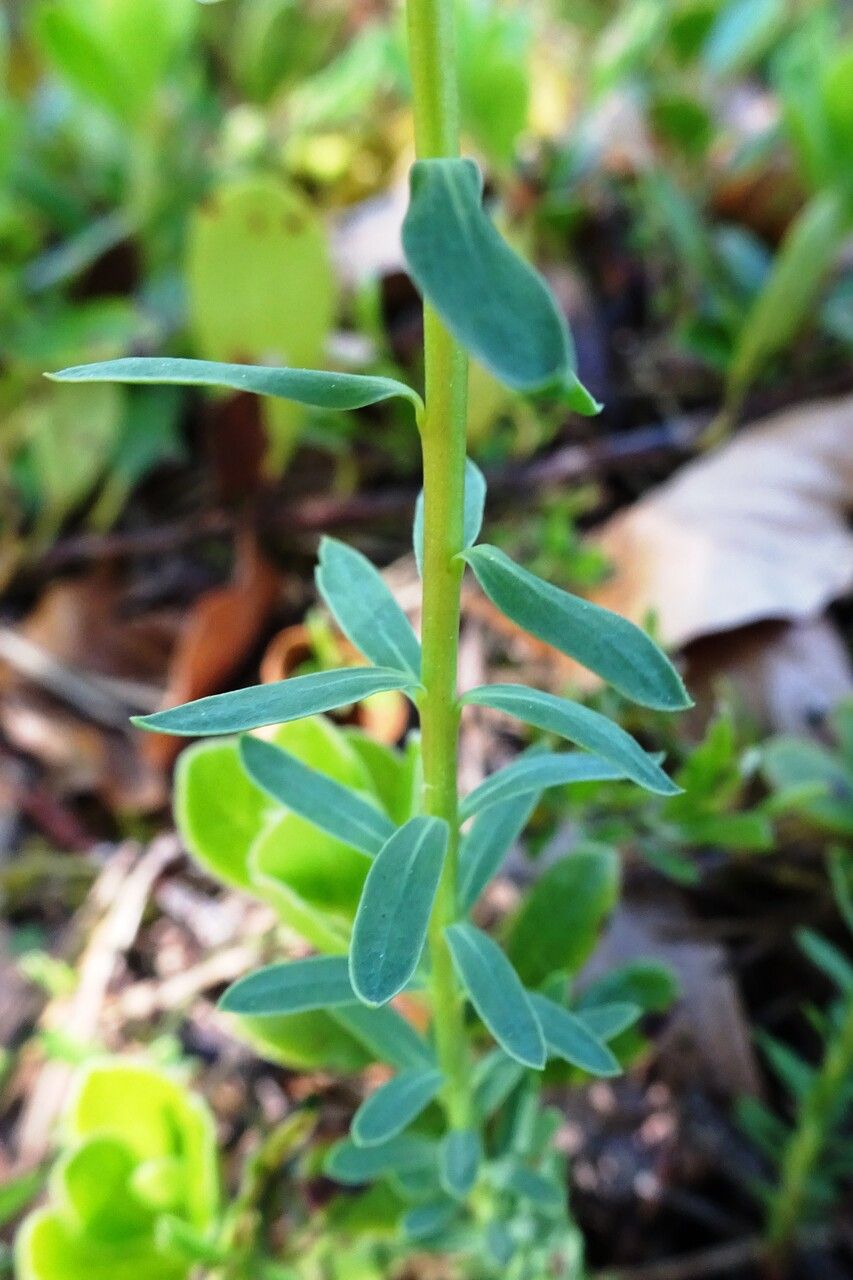
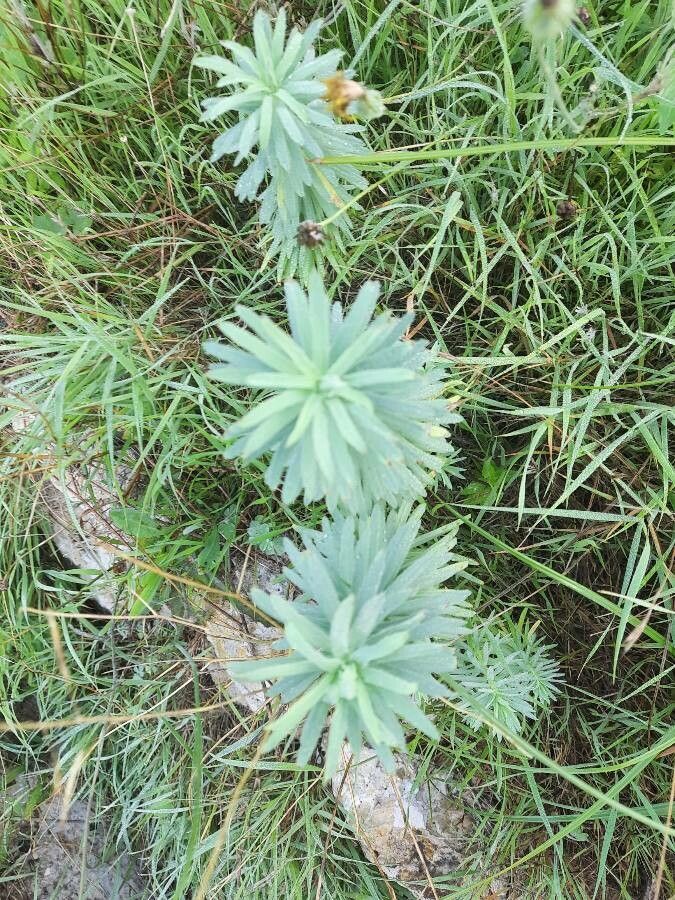
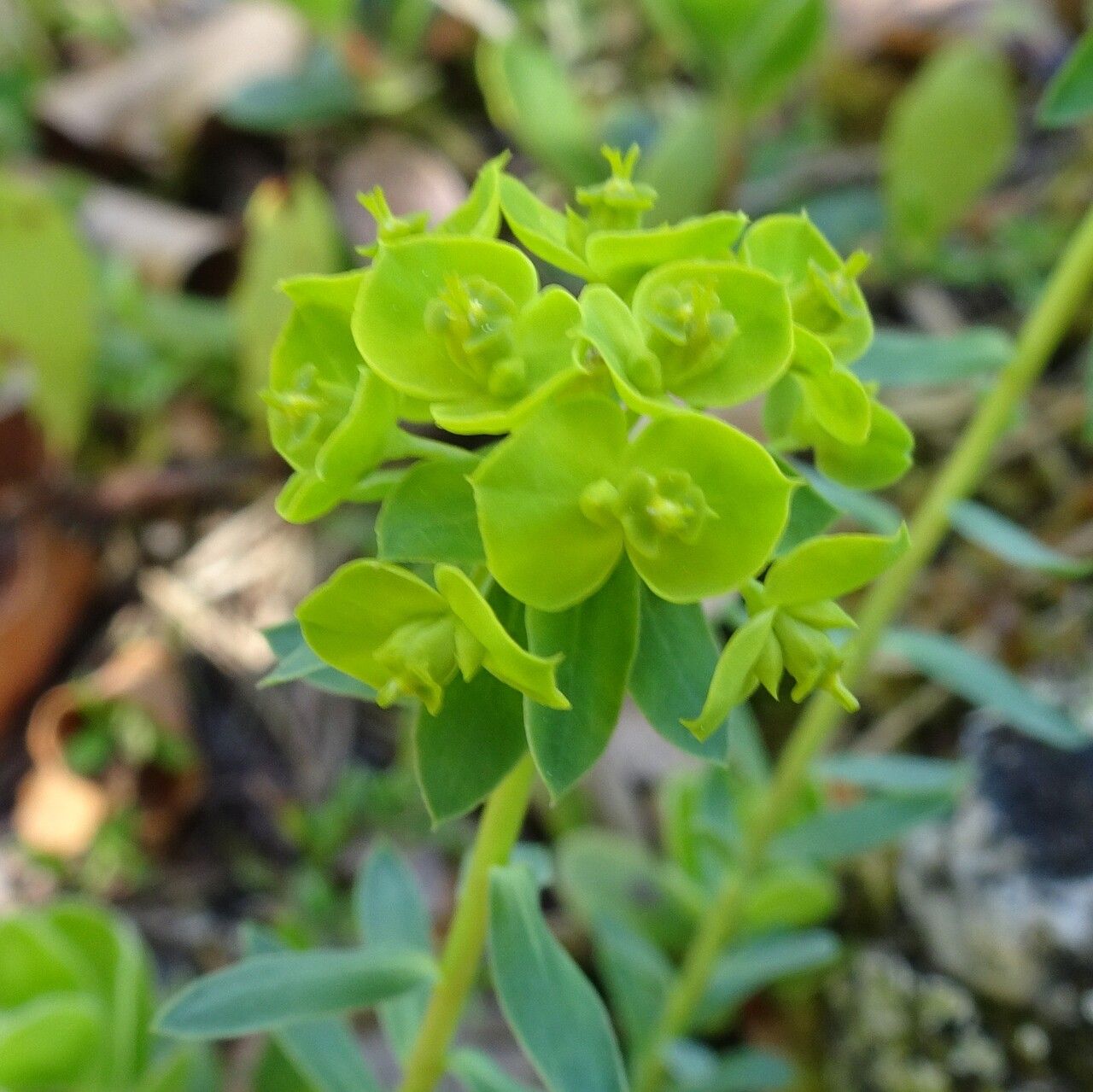
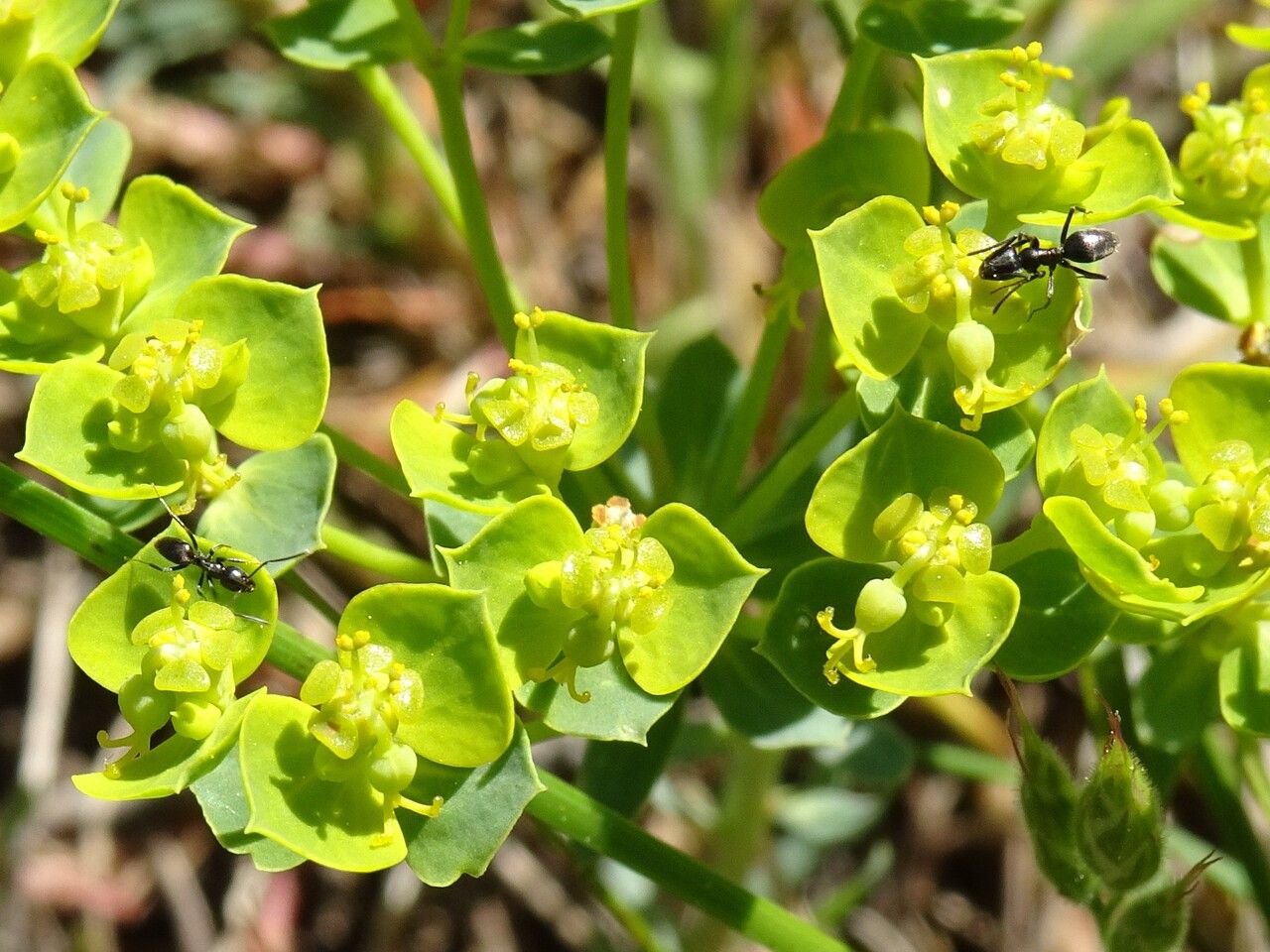
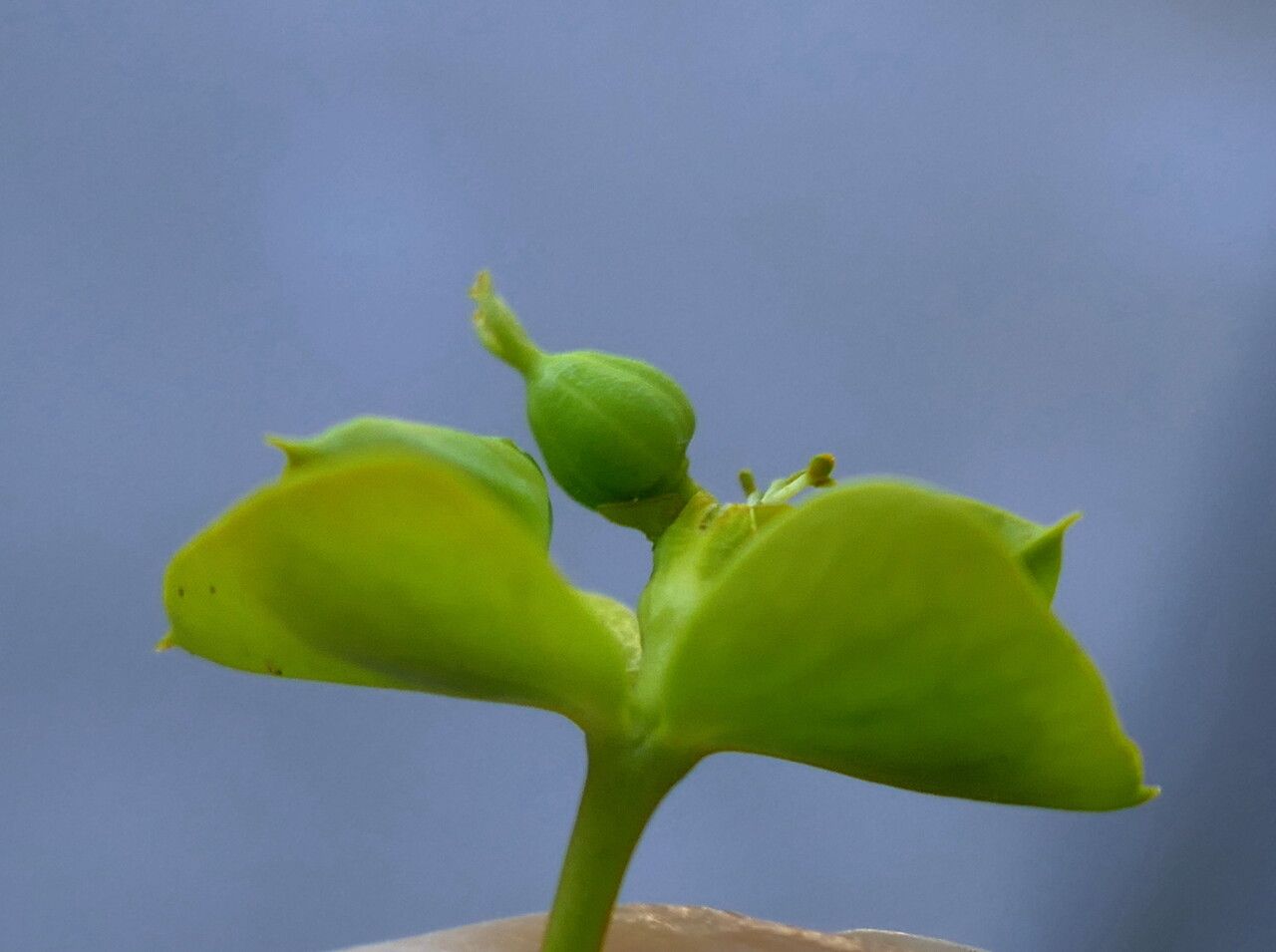
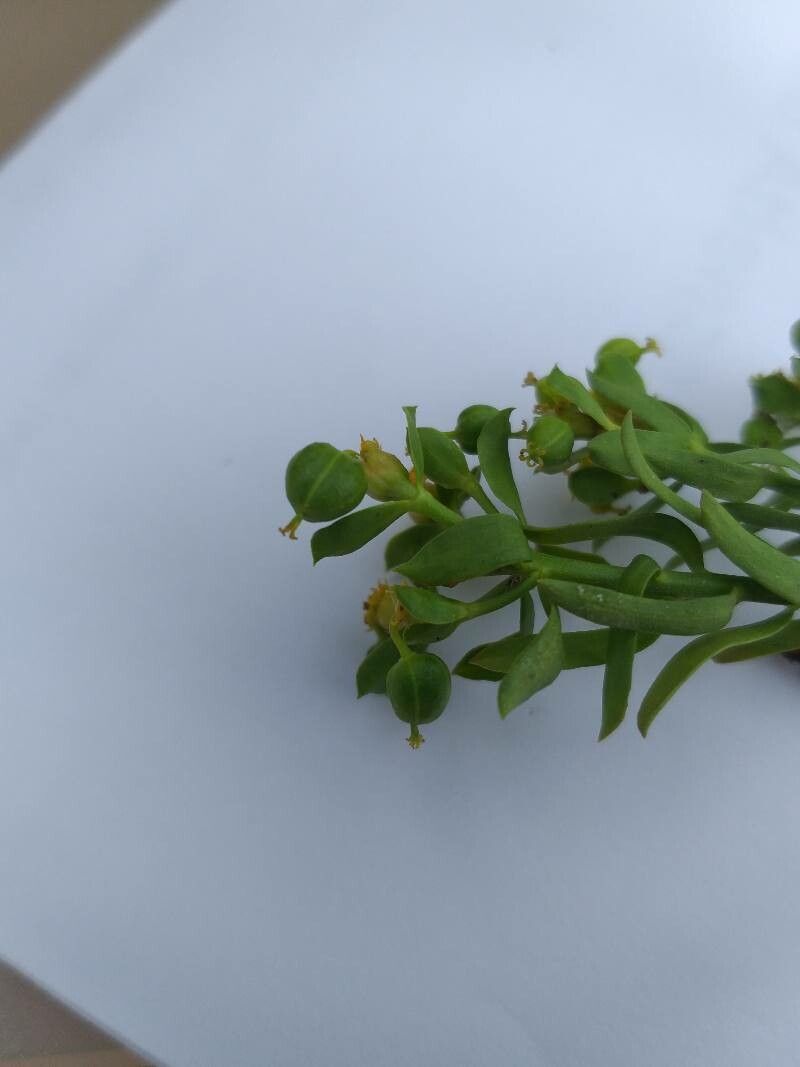
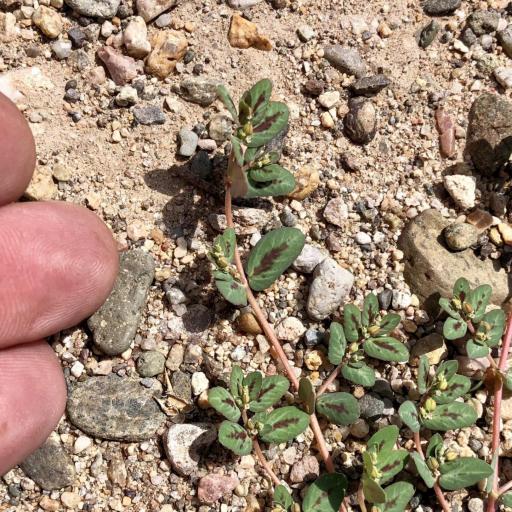
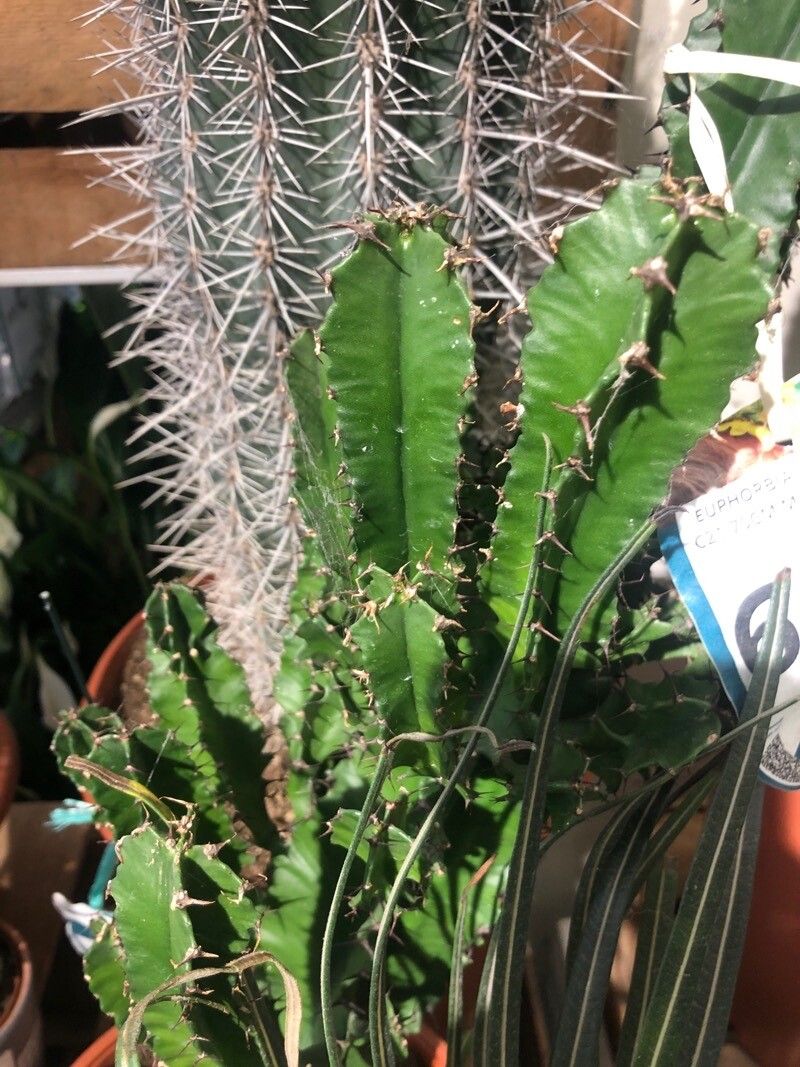
Euphorbia seguieriana is a perennial plant belonging to the Euphorbiaceae family, native to Europe and Asia. It can grow up to 60 cm in height and has a bushy habit with multiple stems covered in small, green leaves arranged alternately along the stem in a lanceolate shape.
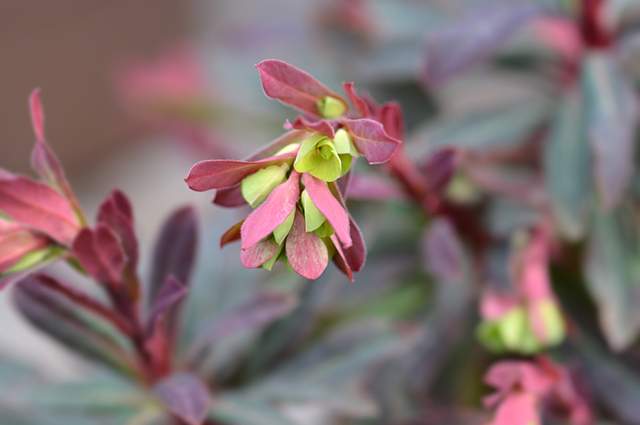
The flowers of Euphorbia seguieriana are small and yellow-green, appearing from late spring through summer on short stalks at the top of each stem or branch.
This plant thrives in well-drained soil with full sun exposure but can also tolerate partial shade. Once established, it is drought-tolerant but requires regular watering during its first growing season.
Euphorbia seguieriana has been used for medicinal purposes for centuries due to its anti-inflammatory properties. However, it should be handled with care, as its toxic sap can cause skin irritation or allergic reactions if ingested or touched without protection.
Overall, Euphorbia seguieriana is an attractive perennial that adds color and texture to any garden while potentially offering health benefits when used appropriately under medical supervision.
Steppe spurge is fairly disease-resistant and is generally not prone to illnesses. However, it can be affected by pests and diseases present in its environment. Such infections are usually mild. Regarding care, this plant requires a moderate level of maintenance. Regular pruning is needed to preserve a good appearance and healthy growth. Applying fertilizer can also encourage flowering. Steppe spurge is suitable for people with outdoor spaces, such as a garden or patio, and does not demand extensive care experience. It may require more attentive care when grown indoors.
How to keep Euphorbia Seguieriana.
Light
Steppe spurge does best when it is exposed to direct, unfiltered sunlight that it fully absorbs, permitting optimal photosynthesis and good health. The plant's native habitat provides this kind of strong illumination. Both insufficient and excessive radiation can negatively affect its growth and vigor.
Water
Steppe spurge is a drought-tolerant perennial herb that thrives in dry conditions with minimal water. To mimic its natural environment, it should be watered once a week, reflecting the light rainfall of its native habitat. Maintaining consistent soil moisture during its growing season is crucial for supporting its flowering, making it an excellent choice for outdoor cultivation.
Temperature
Steppe spurge is a plant that naturally thrives in conditions where temperatures range from 50 to 100 °F (10 to 38 °C). It prefers a moderate-to-warm climate. During extreme seasonal variations, relocating it or providing protective cover would be beneficial.
Fertilizer
One fertilizer application in spring is typically enough for Steppe spurge, though several feedings can boost growth to its fullest. Apply fertilizer about once every month to a month and a half. Fertilization improves the leaves' appearance and performance, helping maintain uniform color and a healthy texture. It also promotes root development and nutrient uptake, supporting the plant's long-term health.
Pruning
Steppe spurge is a low-maintenance plant known for its unique succulent leaves and upright growth habit. To keep it healthy and looking its best, prune the plant in early to late spring. This will help remove dead stems, improve air circulation, and maintain its shape. Regular spring pruning enhances the plant's vitality and promotes a healthier appearance.
Pot & Repot
When repotting Steppe spurge, pick a pot 1-2 inches larger (2.5–5.1 cm) with ample drainage. Use a well-draining potting mix. Repot in spring or fall, making sure the root ball is slightly lower than the rim of the flower pot. Water thoroughly after repotting and place it in a warm spot with indirect sunlight.
Botanical profile.
- Plant Type
- Herb
- Life Cycle
- Perennial
- Genus
- Euphorbia
- Family
- Euphorbiaceae
- Hardiness Zone
- 6-11
- Mature Height
- 46 cm
- Mature Spread
- 46 cm
- Leaf Color
- Green, Blue
- Leaf Type
- Semi-evergreen
- Flower Color
- Green, Yellow
- Flower Size
- 0.20 cm to 0.25 cm
- Bloom Time
- Late spring, Early summer, Mid summer
- Planting Time
- Spring, Summer
- Harvest Time
- Mid summer, Late summer, Early fall
Other names.
Reader questions.
How should I water my Steppe spurge plant to keep it healthy?
When watering the Steppe spurge, it is recommended to use filtered water at room temperature. Tap water can have harmful particles, so filtered water is better. The Steppe spurge is from a warm environment, so it is important to use warm water to prevent shock. It is also important to avoid overhead watering as it can cause problems with the foliage. Instead, water the soil directly until it is completely soaked. This helps moisturize the roots and allows them to spread and gather nutrients.
Why should I put fertilizer on my Steppe spurge plant?
Ensuring that the leaves of the Steppe spurge look great and perform their function is mostly reliant on fertilization. Proper fertilization will not only enhance the color and texture of the leaves, but also promote root growth and maintenance. By fertilizing, you are not just keeping your plant healthy in the present, but also aiding its ability to absorb soil nutrients in the future.
What are the sun requirements for Steppe spurge?
Steppe spurge requires ‘full sun’ conditions to thrive optimally, meaning it needs above 6 hours of direct sunlight daily. It can also grow under 'partial sun' conditions, which entail about 3-6 hours of sunlight. It's essential to watch how sunlight moves through your garden to choose spots that provide the perfect balance of light and shade, ensuring the plant's happiness.
What is Steppe spurge?
Steppe spurge, botanically known as Euphorbia seguieriana, is a resilient plant that thrives in environments with temperatures ranging between 50 to 100 °F (10 to 38 °C). It is native to regions that experience moderate to warm climates, boasting significant cold resistance. This plant exhibits a remarkable ability to adapt to extreme seasonal variations, although certain precautions may be necessary to ensure its continued vitality during harsh weather conditions.
What should I do if I give my Steppe spurge too much water or not enough water?
Overwatering is a common issue for Steppe spurge and can have detrimental effects on its health. When this plant gets too much water, its stems and leaves may wilt and turn yellow. Overwatering for a long time can also lead to diseases like root rot, mold, and mildew, which can be fatal to the plant. On the other hand, underwatering is less common for Steppe spurge because it can tolerate drought. However, it is still possible and can cause brittle, brown leaves. Detecting signs of overwatering is essential to saving your Steppe spurge. Some diseases caused by overwatering, like root rot, may not be reversible if left unaddressed for too long. If you notice early signs of overwatering, decrease your watering schedule immediately. Additionally, check your soil's quality; if it drains poorly, replace it with a loose, well-draining potting mix. Conversely, if you observe signs of insufficient water, increase your watering frequency until the signs disappear.
When should I fertilize my Steppe spurge plant?
If you grow your Steppe spurge outdoors each year, it will send out new growth in early spring, indicating that it's time to fertilize. Usually, one application of fertilizer in the spring is enough for the plant to thrive. However, if you want maximum growth, you can fertilize multiple times in the spring and early summer, about once every month to a month and a half.
How does the right amount of sunlight affect Steppe spurge?
The right amount of sunlight is crucial for Steppe spurge, as it thrives in unfiltered, complete absorption of solar emission, mirroring its native strong illumination habitat. This optimal light exposure is vital for ensuring successful photosynthesis and overall plant health. Both inadequate and excessive exposure to sunlight can adversely affect its growth, vigor, and ability to photosynthesize effectively.
How can Steppe spurge be cared for during extreme cold weather?
Despite Steppe spurge's strong cold resistance, it is crucial to provide additional protection when winter temperatures are expected to drop below -25°C. This protection can be achieved by covering the plant with insulating materials such as soil or straw to shield it from the extreme cold. Moreover, before the onset of the first freeze in autumn, it's advisable to water the plant abundantly, ensuring that the soil around it remains moist and freezes in that state. This method helps in preventing drought and water scarcity for the plant throughout the winter and into early spring.
How frequently should I give water to my Steppe spurge plant?
To determine if your Steppe spurge plant needs water, there are different methods depending on whether it is in a pot or grown outdoors in the ground. If your Steppe spurge is in a pot, the most precise way is to check the moisture level of the soil by plunging your finger into it. If the top two to three inches of soil are dry, it's time to water the plant. For Steppe spurge plants grown outdoors, you can use a similar method to test the soil. Once again, if the first few inches of soil have dried out, it's time to provide water. Typically, during the spring and early fall, watering your Steppe spurge once a week is sufficient using this method. However, during extremely hot weather, you may need to increase the frequency to around twice or even more frequently per week. It's worth noting that mature and well-established Steppe spurge plants have a remarkable ability to tolerate drought.
When is it not a good idea to fertilize my Steppe spurge?
During the late fall and winter months, your Steppe spurge will go into a dormant phase and stop growing. It's important to avoid fertilizing it during this time. If you decide to fertilize your Steppe spurge in the spring and summer, remember to gradually reduce the amount of fertilizer as summer approaches because the growth rate of the plant will slow down. It is never a good idea to fertilize your Steppe spurge when the weather is unusually hot or the soil is extremely dry as this can cause stress and premature death of the plant.
What artificial lighting requirements does Steppe spurge have?
When natural sunlight is insufficient, especially during winter or in spaces that don’t receive enough sunlight, artificial lighting becomes crucial for Steppe spurge’s growth. LED lights are recommended since they can be customized to provide specific wavelengths needed by the plant. The requirements vary based on the plant's needs: full sun plants require 30-50W/sq ft, partial sun plants need 20-30W/sq ft, and full shade plants require 10-20W/sq ft of artificial light. The artificial light source should be placed 12-36 inches above the plant and kept on for 8-12 hours a day to mimic natural sunlight conditions.
How does Steppe spurge react to low and high temperatures?
Steppe spurge displays notable tolerance to low temperatures, thriving best when the temperature stays above 10°C. In winter, precautions should be taken to keep the temperature above -15°C. However, if temperatures plummet below -25°C, the plant may not show immediate damage but can exhibit decreased sprouting, or in some cases, fail to sprout at all come spring. In the face of high temperatures, particularly above 38°C and peaking over 43°C, Steppe spurge may suffer. Its leaves can become lighter in color, curl, become prone to sunburn, or in severe cases, the plant may wilt and dry out completely.