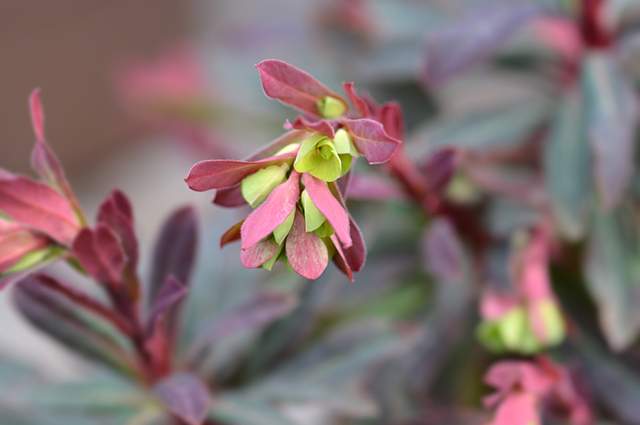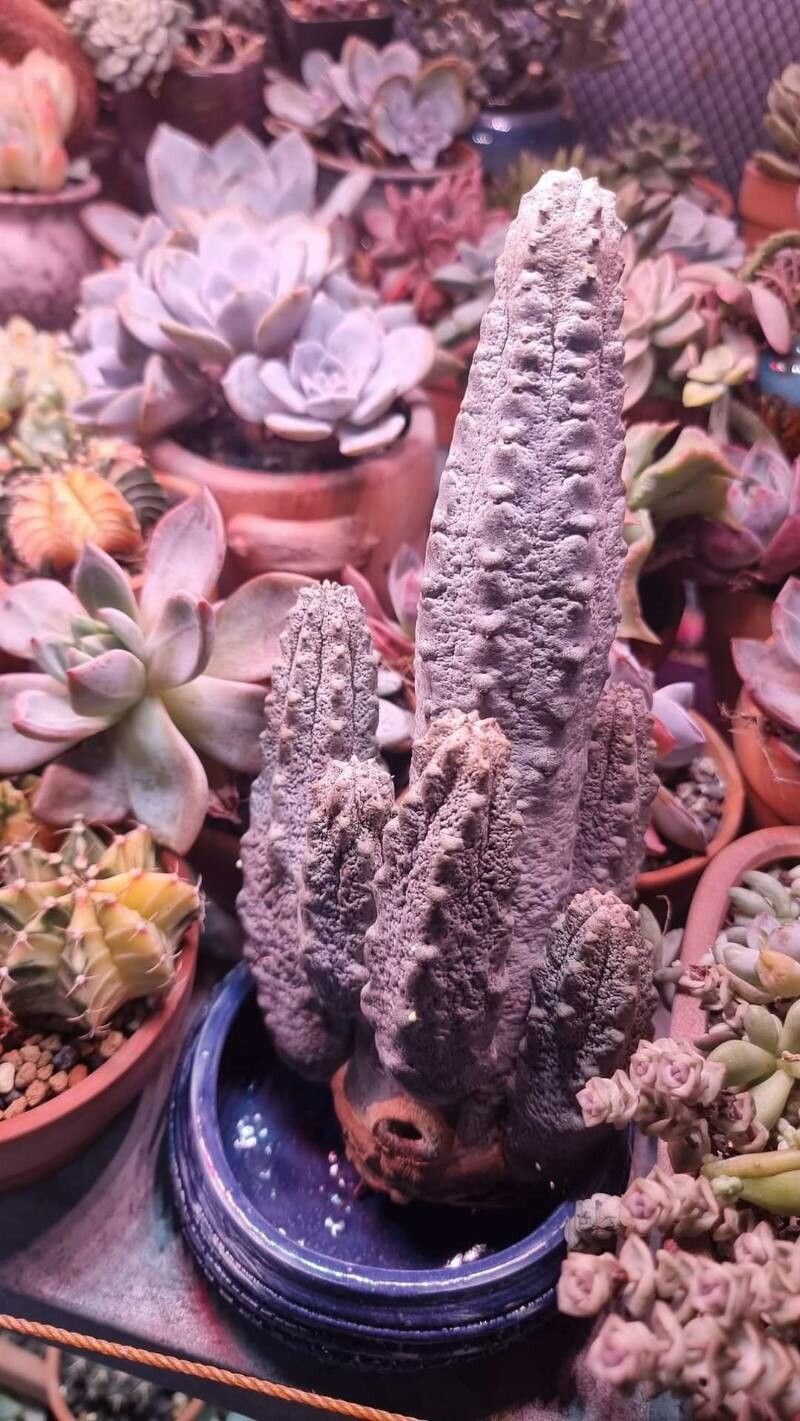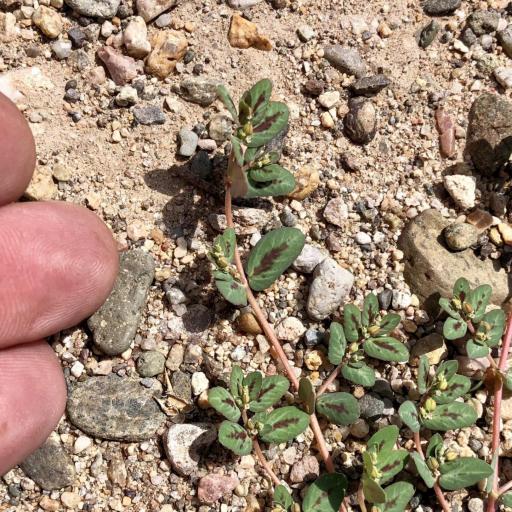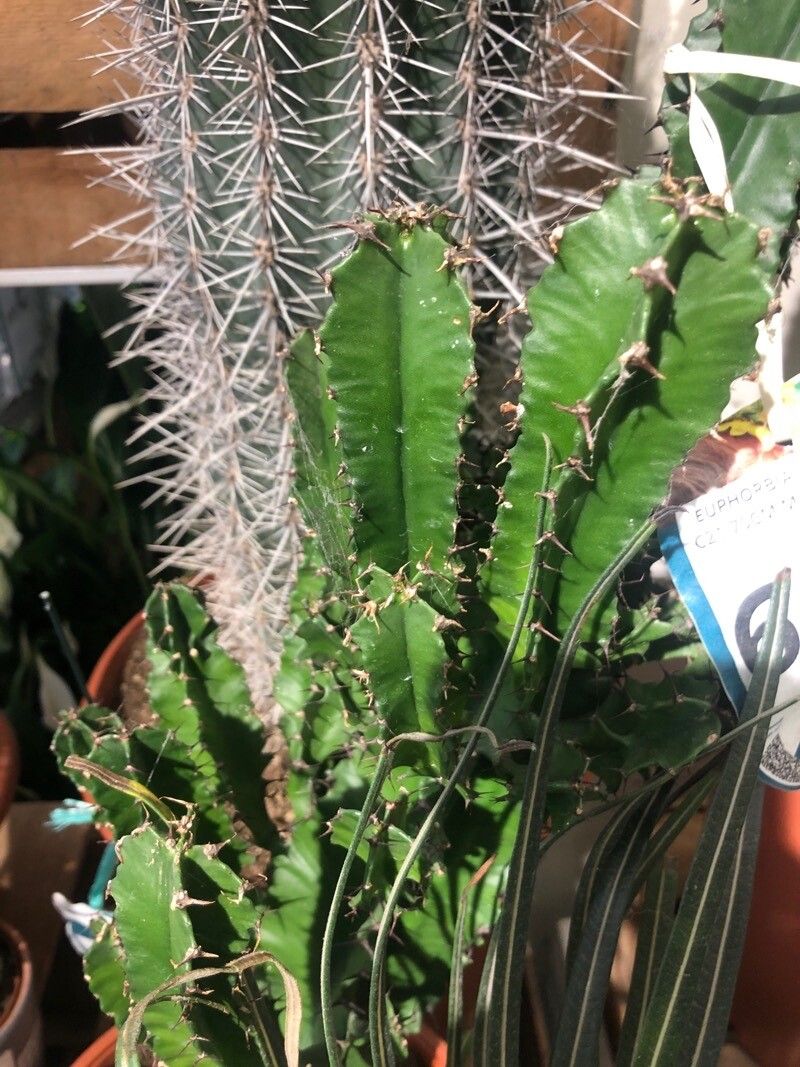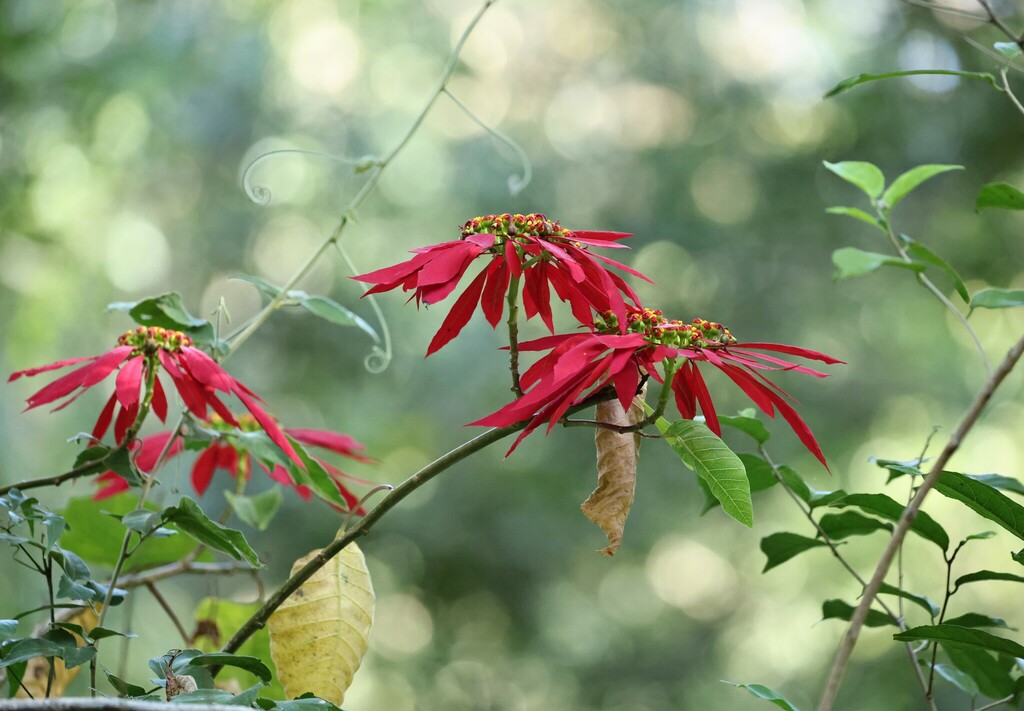
Euphorbia pulcherrima, commonly known as the poinsettia, is a popular ornamental plant native to Mexico. It belongs to the Euphorbia family and is renowned for its vibrant red and green foliage that blooms during the winter months. This plant has been cultivated for centuries and has become a symbol of Christmas in many cultures.
Poinsettias are typically grown as potted plants or used in holiday decorations such as wreaths and centerpieces. They thrive in well-draining soil, require moderate watering, and prefer bright indirect light. Although poinsettias can grow up to 10 feet tall in their natural habitat, they usually reach only 2-3 feet when cultivated indoors.
Beyond their association with Christmas, poinsettias have been used for medicinal purposes by indigenous people in Mexico. The plant’s sap has traditionally been employed to treat fevers and skin irritations.
Overall, Euphorbia pulcherrima is an attractive ornamental plant that brings color and beauty during the winter months, while also holding cultural significance around the world.
Poinsettia has a good level of disease resistance and is generally not prone to disease. However, if the plant is kept in a poor environment it can become more susceptible to disease. It also has few insect pests. In terms of care, this plant has medium requirements. It is important to give it plenty of sunlight, because insufficient light can make it susceptible to disease and lead to thin growth. Since it is often kept indoors, it may need to be moved regularly to a well-lit spot. It does not require frequent watering. Overall, Poinsettia is suitable for most people, but it is best suited to those who can provide it with good light conditions.
How to keep Euphorbia Pulcherrima.
Light
Poinsettia does best with plenty of sunlight, which supports healthy development. Although its natural habitat delivers abundant sun, it can tolerate lower-intensity light. Throughout its growth stages, adequate sunlight promotes vivid color in the plant’s red and green leaves. Excessive exposure can damage the plant, while insufficient light may cause muted coloring and slowed growth.
Water
Poinsettias, which come from tropical deciduous forests, thrive in environments with high humidity and consistent moisture, though they can tolerate moderate drought. To keep your poinsettia healthy, water it every 1-2 weeks to maintain moist soil, and mist the plant regularly to simulate the humidity of its native climate.
Humidity
This plant will thrive in moderate humidity, which is probably the level in your home. However, misting it a few times a week can be very beneficial. Make sure the room has good ventilation.
Temperature
Poinsettia's native habitat causes it to favor a warm climate. It does best in temperatures of 68 to 100 ℉ (20 to 38 ℃), thriving in moderately high heat. In colder seasons, maintain the poinsettia at 60 to 75 ℉ (15 to 24 ℃) by adjusting the indoor heating.
Fertilizer
The best time to fertilize a Poinsettia is in early spring, when it comes out of dormancy. This encourages overall growth and flower formation. Fertilization improves the foliage, stems, and branches, and supports the development of larger, more vibrant, and longer-lasting flowers. It helps move nutrients from the roots to the flowers and boosts the plant’s health and resistance to disease.
Pruning
To help your Poinsettia thrive, it's important to prune it properly. The best time to do this is in late spring, after it has finished flowering. Cut the stems back to 4-6 inches, focusing on removing any weak growth. This will encourage the plant to become fuller and produce more blooms in the future. Regular maintenance not only helps the plant stay compact and prevent legginess but also promotes vibrant health, ensuring it looks appealing year-round.
Pot & Repot
When repotting a Poinsettia, pick a pot 1-2 inches (2.5–5.1 cm) larger with good drainage. Use a well-draining potting mix. Repot in spring or fall, making sure the root ball sits slightly below the rim of the pot. Water thoroughly after repotting and place it in a warm spot with indirect sunlight.
Botanical profile.
- Plant Type
- Shrub
- Life Cycle
- Perennial
- Genus
- Euphorbia
- Family
- Euphorbiaceae
- Hardiness Zone
- 10-12
- Mature Height
- 0.61 m to 3.96 m
- Mature Spread
- 0.91 m to 2.13 m
- Leaf Color
- Green, Red
- Leaf Type
- Evergreen
- Flower Color
- Red, Yellow
- Flower Size
- 0.51 cm to 0.76 cm
- Bloom Time
- Early spring, Late summer, Fall, Winter
- Planting Time
- Spring, Summer, Autumn, Winter
- Harvest Time
- Spring
- Native Area
- Honduras, Mexico, Guatemala, Nicaragua, Costa Rica, Panama
Other names.
Reader questions.
When Should I Water My Poinsettia?
Watering your poinsettia properly is essential for its health and to maintain its vibrant color. Wait until the soil is dry to the touch about an inch deep before watering. If the leaves start drooping or showing signs of discoloration such as yellowing or browning, it might be time to water. Be cautious of overwatering as it can cause root rot, indicated by yellow, brown leaves or leaf fall. Always check the soil's moisture level and adjust your watering schedule accordingly to prevent both underwatering and overwatering.
Why should I put fertilizer on my Poinsettia?
Fertilization plays a crucial role in the overall health and well-being of a Poinsettia. By supplying the right energy and nutrients, your Poinsettia will grow a healthy foliage with strong stems and branches. However, the flowers are the most valuable to gardeners who cultivate Poinsettias. Luckily, fertilization also helps in the production of large, vibrant, and long-lasting flowers. This is because the right fertilizer makes it easier for the plant to transfer fuel from its roots to its flowers through its stems. Additionally, proper fertilization maintains the plant's overall health, enhancing its ability to fight off diseases.
What are the sunlight requirements for a Poinsettia plant?
Poinsettias require full sun, which means above 6 hours of sunlight, to thrive but they can also manage in partial sun, with about 3-6 hours of sunlight. It's crucial to observe how sunlight travels through your garden to find spots that offer a perfect mix of light and shade, ensuring the well-being of your plants.
What is the ideal temperature for growing poinsettias?
Poinsettias thrive in warm climates, ideally within a temperature range of 68 to 100 °F (20 to 38 °C). During the cooler seasons, it's beneficial to keep them between 60 to 75 °F (15 to 24 °C). It's important to adjust indoor heating to maintain these temperatures during winter, especially since poinsettias are extremely sensitive to cold. For optimal growth, poinsettias should be kept above the suitable growth temperature minimum during winter, avoiding temperatures close to the tolerable growing temperature minimum to prevent harm to the plant.
How Should I Water My Poinsettia?
For optimal hydration of your poinsettia, bottom-watering is recommended. Place the pot in a tray of water and allow the plant to absorb moisture from the bottom to prevent dampening the foliage, which can lead to fungal diseases. Using a watering can with a narrow spout allows for more precise watering at the plant's base. To prevent overwatering, let the soil dry somewhat before rewatering. Use room temperature water and avoid letting the poinsettia sit in standing water to minimize the risk of root rot. Observing the plant closely will help you adjust your watering technique and frequency as needed.
When should I fertilize my Poinsettia?
The best time to fertilize a Poinsettia is in early spring when it is coming out of dormancy and preparing to bloom. This gives the plant energy to grow and develop flowers. However, it's also beneficial to fertilize in the fall, though a smaller amount is needed. Some gardeners choose to fertilize when planting, but this isn't always necessary.
How does sunlight affect the growth and coloration of Poinsettia leaves?
Generous sunlight exposure is essential for Poinsettias, aiding in their healthy growth. While they naturally receive abundant sunlight in their native habitat, they can tolerate less intense light. Sufficient solar radiation promotes the vibrant red and green hues in Poinsettia leaves. However, overexposure to sunlight can damage the plant, while underexposure may result in dull coloration and hindered growth.
How do low temperatures affect poinsettias and what can be done?
Poinsettias prefer warm temperatures and are not tolerant of low temperatures. They thrive best when kept above a certain minimum suitable growth temperature. During winter, it's crucial to ensure the temperature remains above the tolerable growth temperature minimum. Exposure to temperatures below the limit growth temperature can cause the leaves to lighten in color and, following frost damage, they may turn brown or black. Drooping and wilting are common symptoms of cold stress. To mitigate damage, it's advisable to trim off frost-damaged parts and immediately move the plant indoors to a warm environment. Placing the plant near a south-facing window while avoiding proximity to heaters or air conditioning vents can help prevent air dryness.
How Much Water Does Poinsettia Really Need?
Poinsettias require a balance in watering to thrive, emulating their native humid, tropical environment. Provide sufficient water to saturate the root zone without causing the pot to drain excessively. A good measure is watering until about 20% of the water drains out. A well-hydrated poinsettia will have glossy leaves and vibrant bracts. Avoid both over and underwatering to prevent root rot and ensure healthy growth. The soil should remain slightly moist but not waterlogged, and drying out slightly between waterings is advised.
When is it not a good idea to give fertilizer to my Poinsettia?
During the winter, Poinsettias are in a dormant phase and do not require fertilization. They do not need much energy from the soil to grow during this time, so fertilizing them can lead to overfertilization and negative outcomes. The best times to feed Poinsettias are in early spring and fall. They do not need fertilizer for most of the spring and summer. If the plant is experiencing hot or dry conditions, it is recommended to hold off on feeding.
What should I do if my indoor Poinsettia does not receive enough natural sunlight?
For indoor plants lacking sufficient natural sunlight, especially during winter or in less sunny spaces, artificial lighting is a beneficial solution. LED lights are preferred as they can provide specific wavelengths needed by plants. Full sun plants require 30-50W/sq ft, partial sun plants 20-30W/sq ft, and full shade plants 10-20W/sq ft of artificial light. Position the light source 12-36 inches above the plant, mimicking natural sunlight, and ensure the plant gets 8-12 hours of light per day.
What should be done when poinsettias are exposed to high temperatures?
During summer, it's imperative to keep poinsettias below the suitable growth temperature maximum. Exceeding the tolerable growing temperature maximum can lead to lighter leaf colors and increased susceptibility to sunburn. In such cases, trim away sunburned and dried parts of the plant and relocate it to a spot that's shaded during midday and afternoon sun. Watering the plant in the morning and evening helps keep the soil sufficiently moist, aiding in the plant's recovery from heat stress.