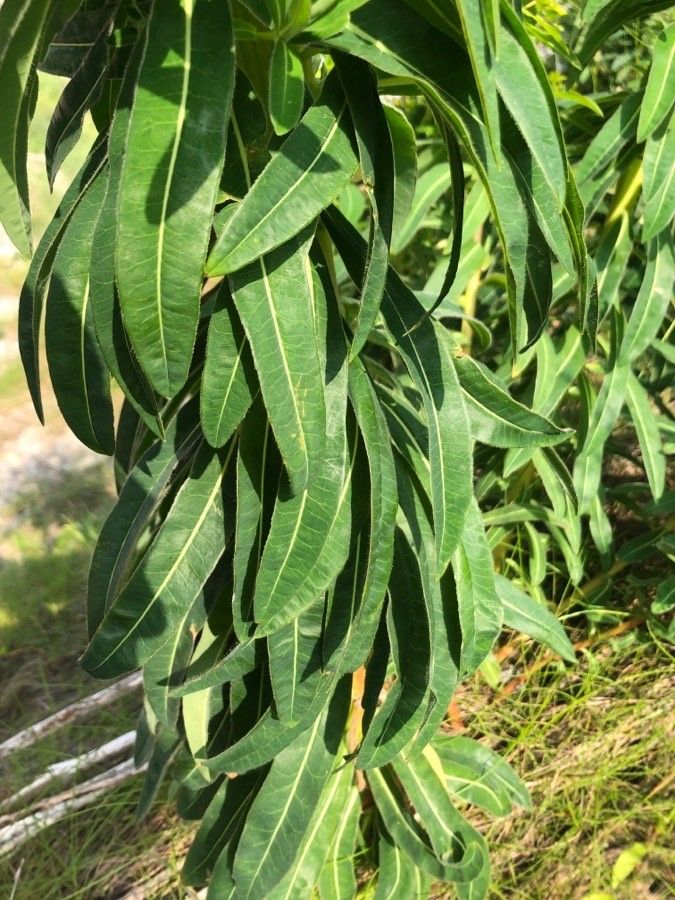
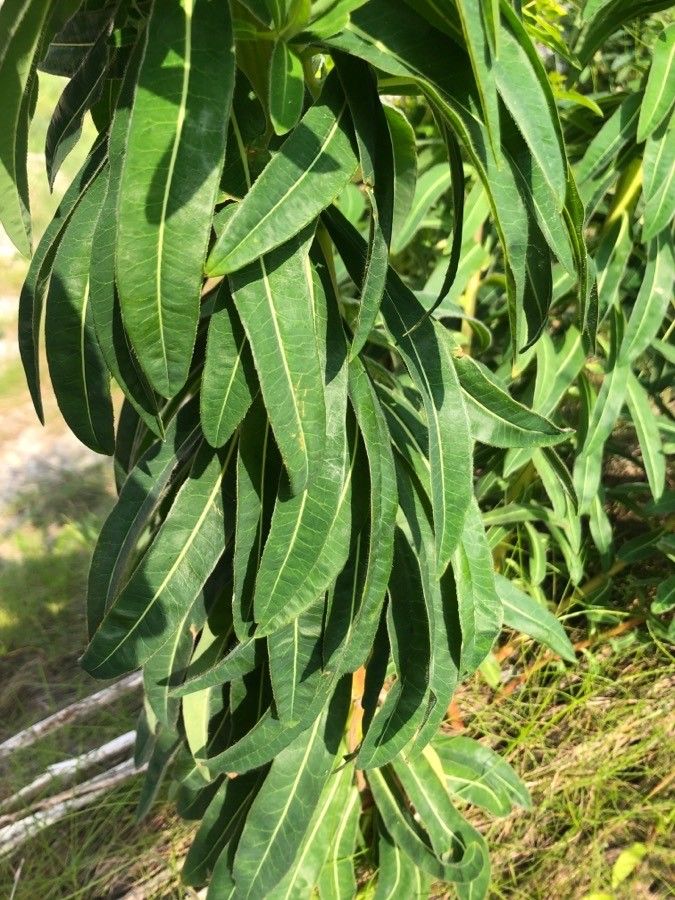
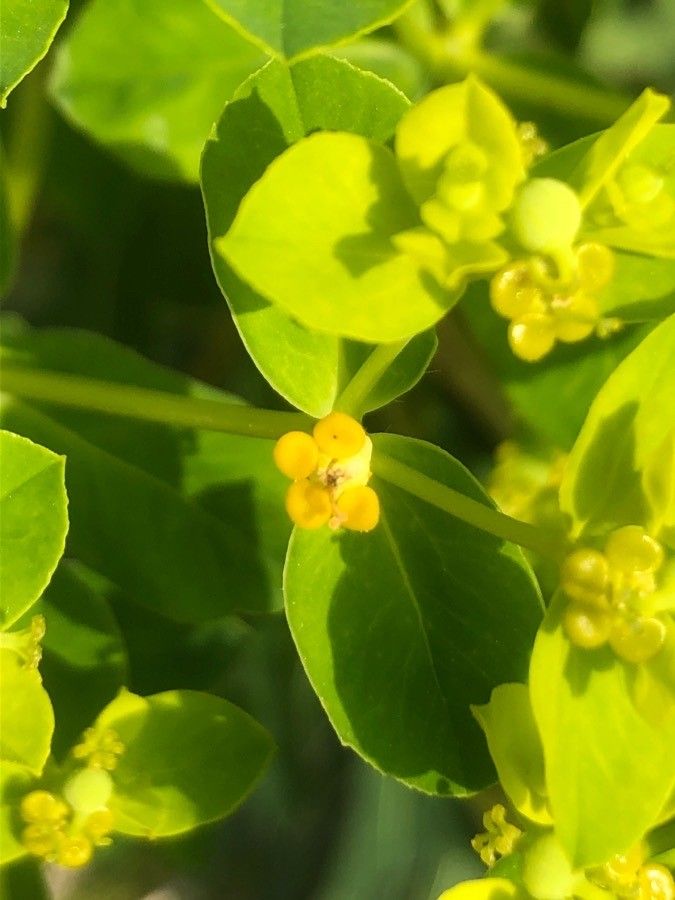
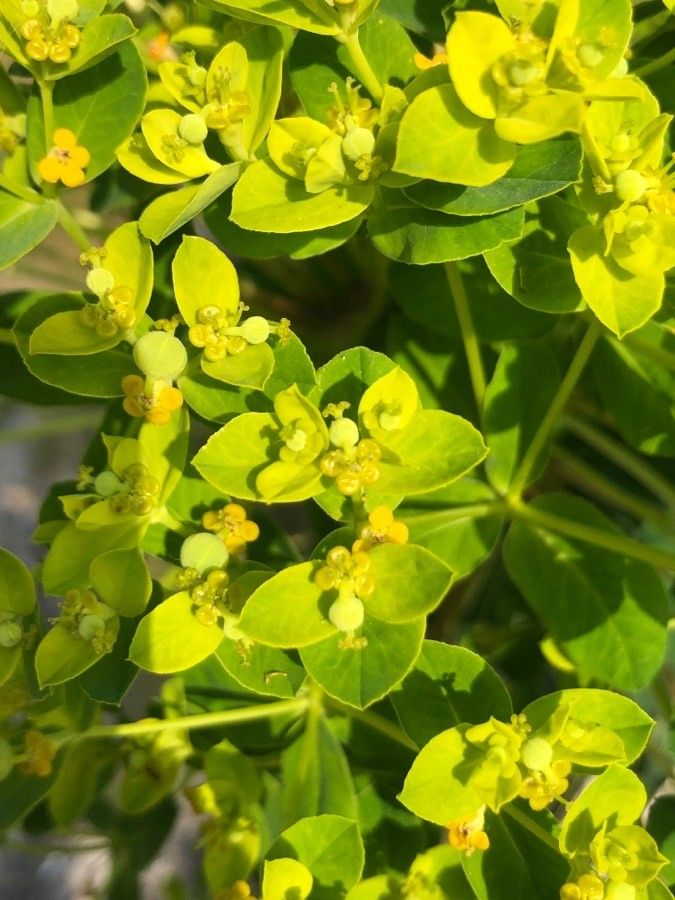
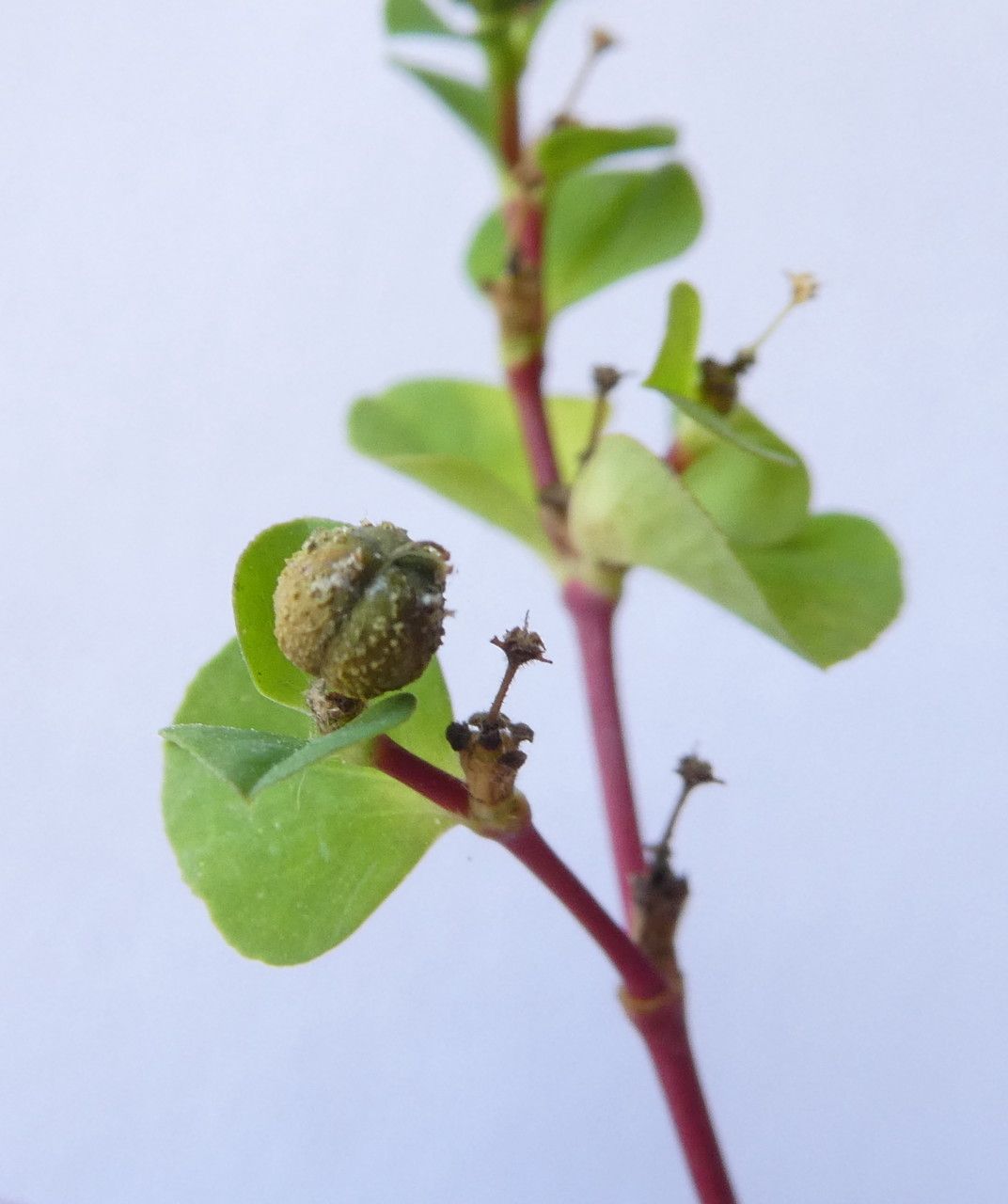
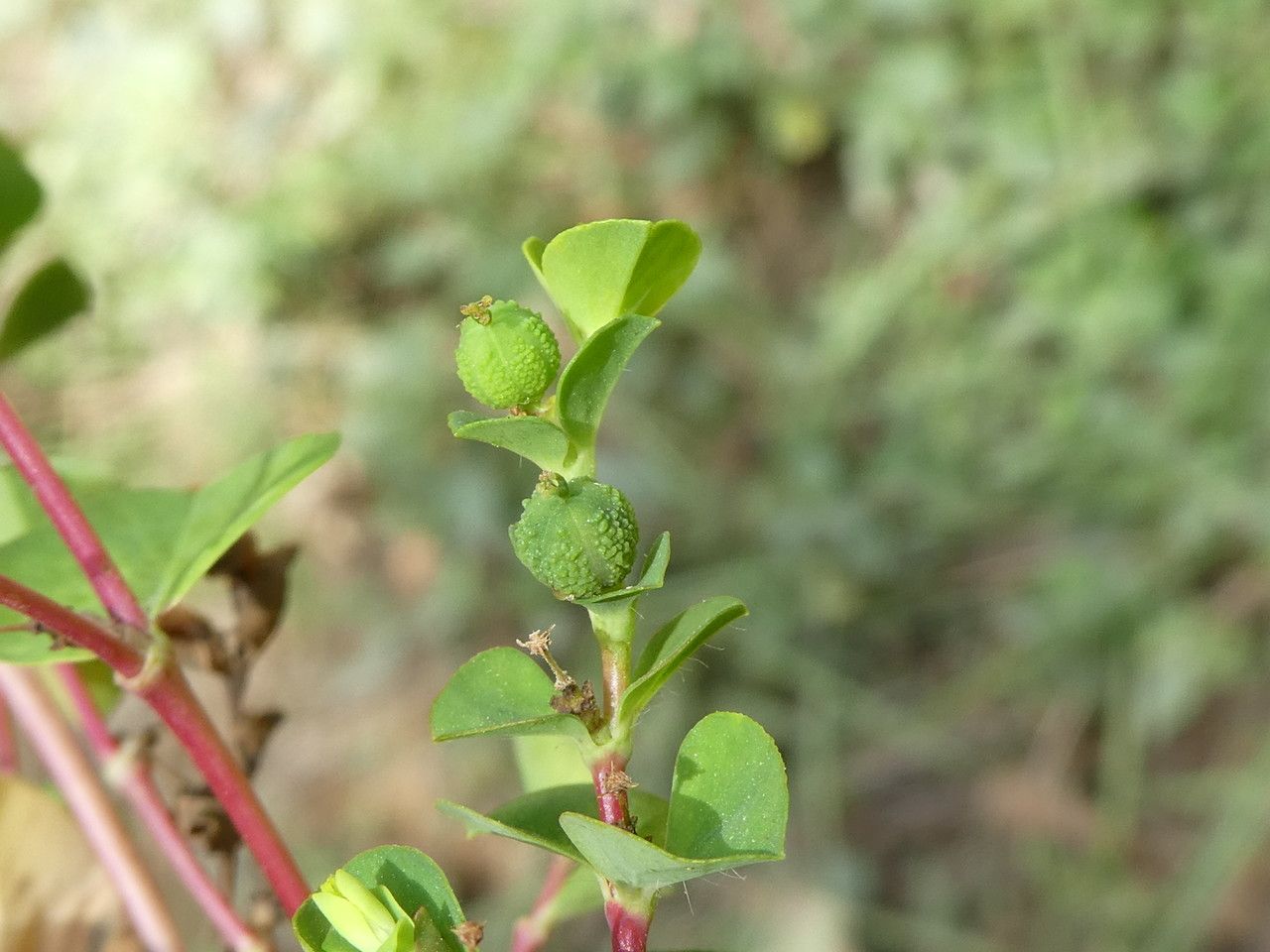
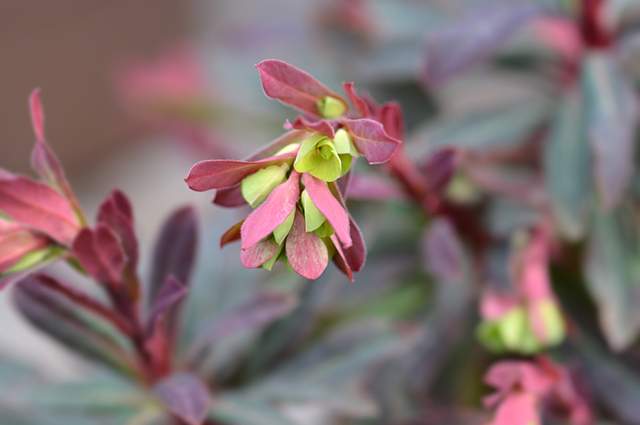
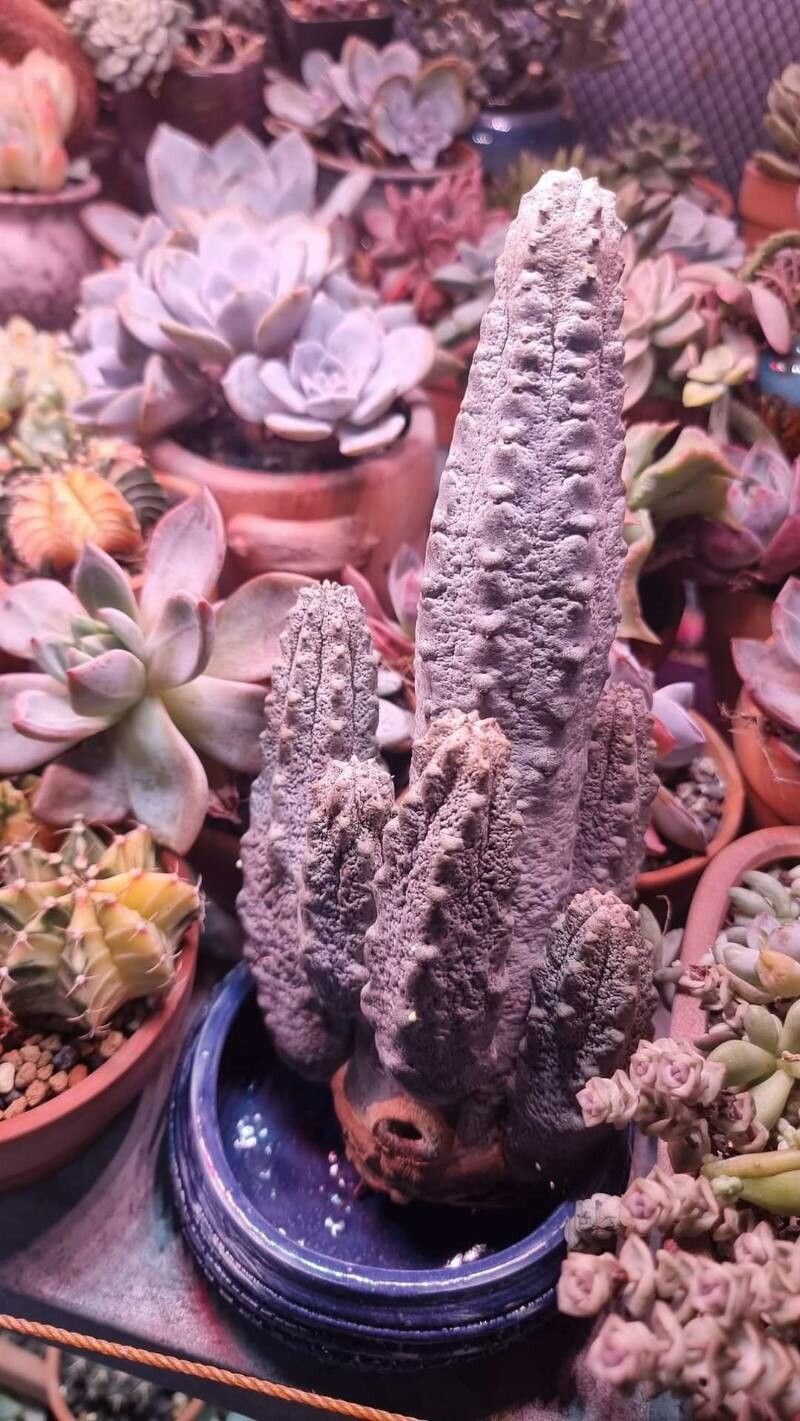
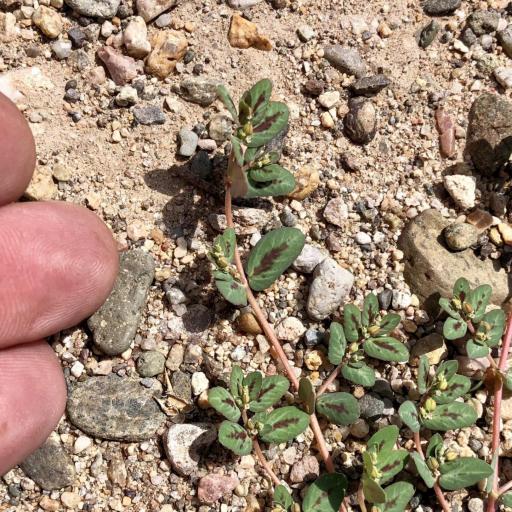
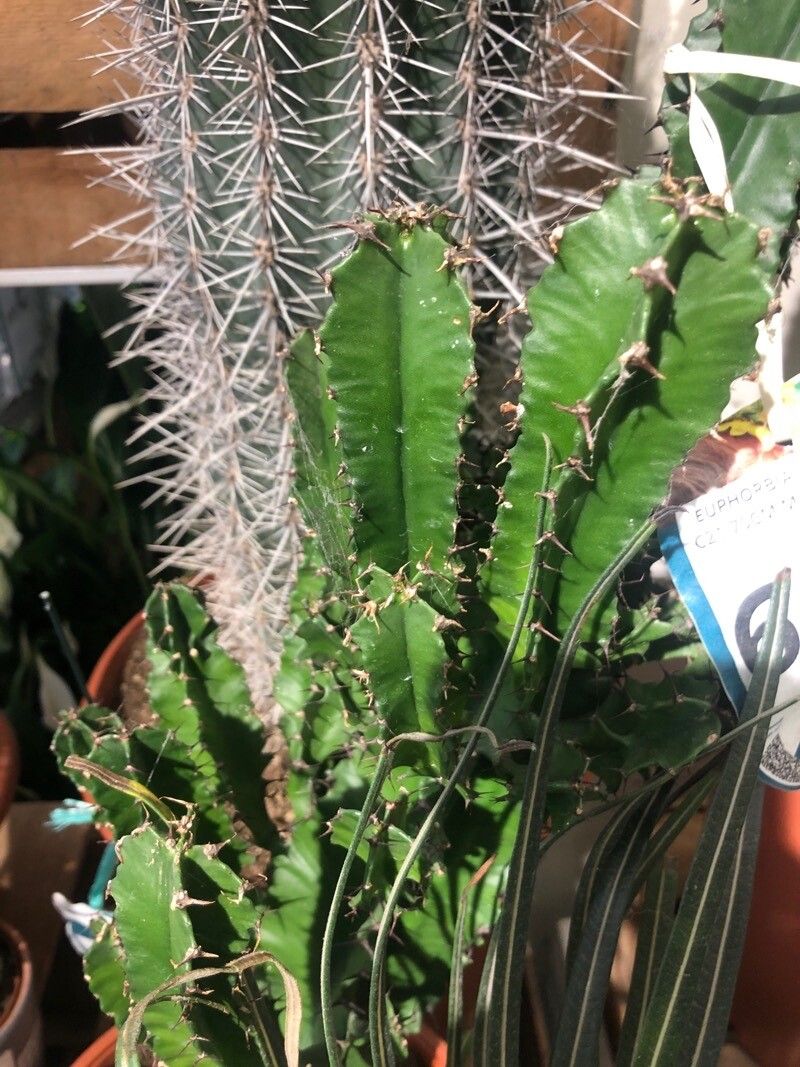
Broad leaved spurge is fairly resistant to disease and generally not prone to illnesses. It can, however, be affected by pests and diseases present in its environment. These infections are typically not severe. For care, this plant needs a moderate level of maintenance. It should be pruned regularly to keep a neat appearance and support healthy growth. Fertilizing can also encourage flowering. Broad leaved spurge is appropriate for anyone with outdoor space, like a garden or patio, and does not demand extensive care experience. It may need more attention when grown indoors.
How to keep Euphorbia Platyphyllos.
Light
Broad-leaved spurge does well in the abundant sunlight common to its native habitat. While it prefers higher light exposure, it can persist with moderate sunlight. Both seedlings and mature plants can tolerate these light levels. However, too much or too little sun can impede its best growth and overall health.
Water
Broad-leaved spurge, native to temperate regions, thrives in moderate moisture conditions and can withstand short periods of drought. To maintain its optimal health, water it weekly. It grows best outdoors, where it benefits from natural rainfall patterns, making it an excellent choice for gardeners in areas with consistent rainfall.
Temperature
Broad leaved spurge originates from areas with temperate climates, which implies it prefers temperatures of about 68 to 95 °F (20 to 35 °C). When adjusting for seasonal changes, make sure it is kept warm enough, especially during the colder months.
Fertilizer
Broad leaved spurge benefits from regular, light applications of fertilizer to encourage healthy leaf growth. You should apply fertilizer about once a month during the summer. Nitrogen is vital for foliage, and providing nitrogen-rich supplements helps Broad leaved spurge prosper.
Pruning
Broad-leaved spurge, known for its wide leaves and rapid growth, should be pruned from early to late spring to maintain its health. Pruning helps remove dead stems and thins out dense clusters, improving air circulation. Regular pruning prevents overcrowding and pest problems, ensuring the plant remains vigorous and well-shaped.
Botanical profile.
- Plant Type
- Herb
- Life Cycle
- Annual
- Genus
- Euphorbia
- Family
- Euphorbiaceae
- Hardiness Zone
- 2-7
- Mature Height
- 30 cm to 76 cm
- Mature Spread
- 20 cm to 40 cm
- Leaf Color
- Green, Yellow Green
- Leaf Type
- Deciduous
- Flower Color
- Yellow
- Flower Size
- 1.02 cm to 1.52 cm
- Bloom Time
- Summer
- Planting Time
- Spring, Autumn
- Harvest Time
- Late summer, Early fall, Mid fall
Other names.
Reader questions.
How should I water my Broad leaved spurge?
To water Broad leaved spurge, you have several options such as using a garden hose with a spray nozzle, a watering can, or any other common watering tool. This plant is not too particular about the type of water it receives, as it can thrive with rainwater, tap water, or filtered water. However, it is generally recommended not to water it from above as this may harm the leaves and flowers and even lead to disease. Instead, a drip irrigation system is often the best method for watering. This type of system applies water evenly and directly to the soil. For container-grown Broad leaved spurge, you can still use a similar watering approach but with different tools. Use a cup, watering can, or your tap to apply water directly to the soil in the container.
What are the sunlight requirements for Broad leaved spurge?
Broad leaved spurge requires generous sunlight conditions for optimal growth, ideally thriving under full sun conditions, which means above 6 hours of sunlight daily. It can also adapt to partial sun, about 3-6 hours of sunlight, but its health could be compromised with less than optimal sun exposure. Observing your garden's sunlight patterns and choosing sites that strike a balance between light and shade will help ensure the best growth for your plants.
What is the preferred temperature range for Broad leaved spurge?
Broad leaved spurge thrives in environments with temperate climates, favoring temperatures between 68°F (20°C) and 95°F (35°C). It is important to maintain sufficient warmth for the plant during the colder months to accommodate its temperature preferences.
What should I do if I give too much or too little water to my Broad leaved spurge?
The solution for underwatering Broad leaved spurge is simple: start watering it more regularly when you see that it lacks moisture. However, overwatering can be a much bigger problem if not caught early. When Broad leaved spurge is overwatered, it can get diseases that cause it to decline and die. To prevent this, choose a suitable growing location with plenty of sunlight to help dry the soil, and ensure good drainage to avoid water pooling. If your potted Broad leaved spurge is overwatered, consider changing it to a new pot. The previous container may not have had good soil drainage or enough drainage holes. When repotting, use loose soil and a pot that drains efficiently.
How can artificial lighting be used for Broad leaved spurge?
When natural sunlight is insufficient, especially in winter or shady areas, artificial lighting becomes crucial for the growth of Broad leaved spurge indoors. For optimal growth, LED lights are recommended as they can provide specific wavelengths needed by the plant. Full sun plants require 30-50W/sq ft of artificial light, partial sun plants need 20-30W/sq ft, and full shade plants require 10-20W/sq ft. The artificial light source should be placed 12-36 inches above the plant to mimic natural sunlight and kept on for 8-12 hours per day to match the plant's natural daylight needs.
How does Broad leaved spurge handle cold weather?
Broad leaved spurge exhibits a high tolerance for cold weather and does not require special frost protection measures during winter. However, to prepare for the first freeze of autumn, it is advisable to water the plant generously. This ensures the soil stays moist as it enters a frozen state, helping to prevent drought and water scarcity for the plant during winter and early spring.
How often should I water my Broad leaved spurge plant?
Broad leaved spurge needs regular watering throughout the growing season. In spring, water once a week. As it gets warmer, increase watering to two to three times per week, but be careful not to overwater. Maintain relatively moist soil for the plant. Watering broad leaved spurge in a pot is different as the soil can dry out faster. Water container-grown plants a few times per week, compared to once per week for plants in the ground.
What are the symptoms of inadequate sunlight for Broad leaved spurge?
Inadequate sunlight can lead to multiple symptoms in Broad leaved spurge, including smaller new leaves, leggy or sparse growth, early leaf drop, slower or halted new growth, lighter-colored new leaves, chlorosis, sunscald, leaf curling, wilting, and leaf scorching. These symptoms indicate that the plant is not receiving the optimal light conditions it requires for growth and photosynthesis, affecting its overall health.
What should be done if the temperature falls below -40°C for Broad leaved spurge?
Despite Broad leaved spurge's extreme cold tolerance, temperatures below -40°C can hinder its ability to sprout in spring, with potential for decreased sprouting or none at all. To mitigate this, any parts of the plant that failed to sprout during this time should be removed in spring.
How much water does my Broad leaved spurge plant require?
Determining how much water to give to your Broad-leaved spurge can be approached in a few ways. Some gardeners prefer to assess the soil's moisture level by feeling it, and they suggest watering until the top six inches of soil feel moist. Alternatively, you can use a fixed measurement, such as two gallons per week, for watering your Broad-leaved spurge, depending on temperature and soil dryness. However, adhering strictly to this guideline may result in overwatering if your plant requires less. In the case of growing Broad-leaved spurge in a container, a different method is needed. Here, you should water enough to moisten all dry soil layers. You can test this by inserting your finger into the soil and checking for moisture. Alternatively, you can water until you see a slight trickle of excess water draining from the pot's holes.
How can I manage my Broad leaved spurge's sunlight exposure?
To ensure your Broad leaved spurge receives adequate sunlight, gradually move it to a sunnier location, aiming for at least 6 hours of direct sunlight daily. For indoors, using a south-facing window or artificial lighting such as desk, ceiling lamps, or professional plant grow lights for at least 8 hours daily can supplement needed light. Outdoors, avoid sudden changes in light intensity by slowly transitioning the plant to sunnier spots. Pruning obstructions and transplanting smaller plants to sunnier locations with good drainage are effective strategies for outdoor plants.
How does Broad leaved spurge react to high temperatures and what can be done?
Broad leaved spurge is vulnerable to high temperatures, with growth stopping and an increased susceptibility to rot when temperatures exceed 35°C. To protect the plant, trim away sunburned and dried-up parts. Relocate the plant to a shaded area or utilize a shade cloth to shield it from midday and afternoon sun. Ensure the soil remains moist by watering the plant in the morning and evening.