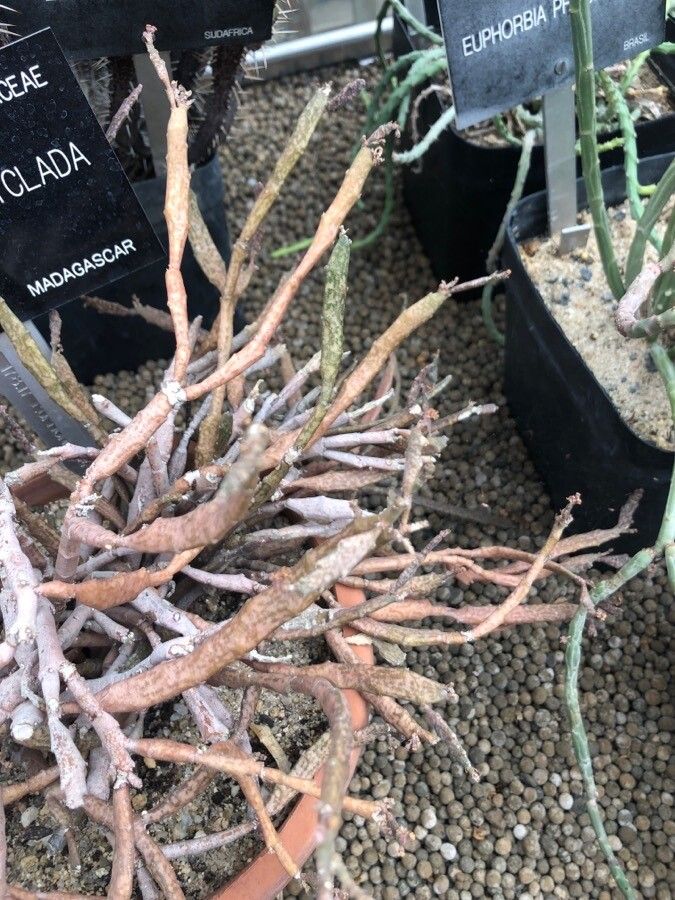
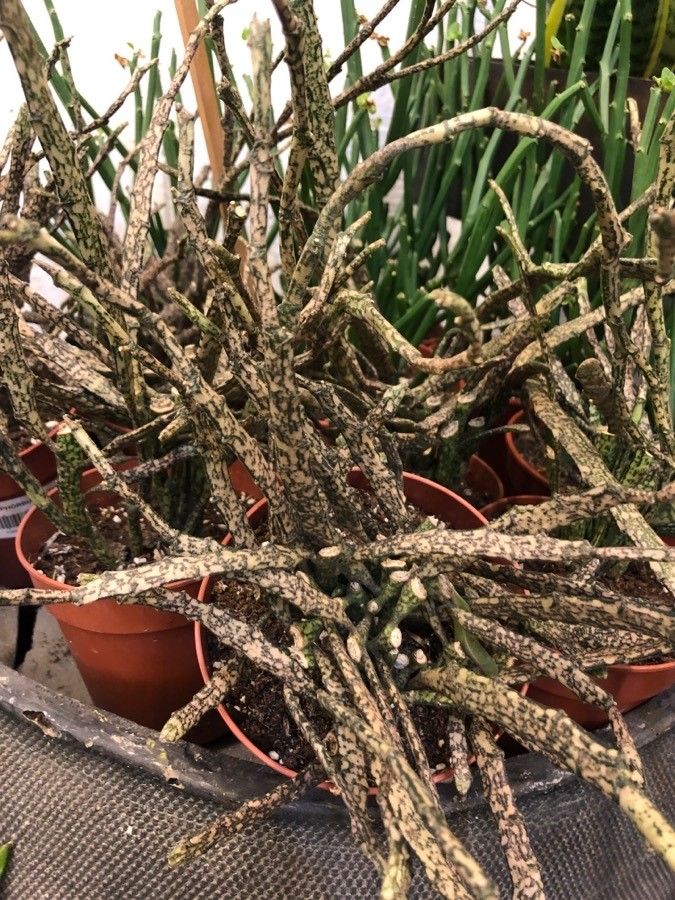
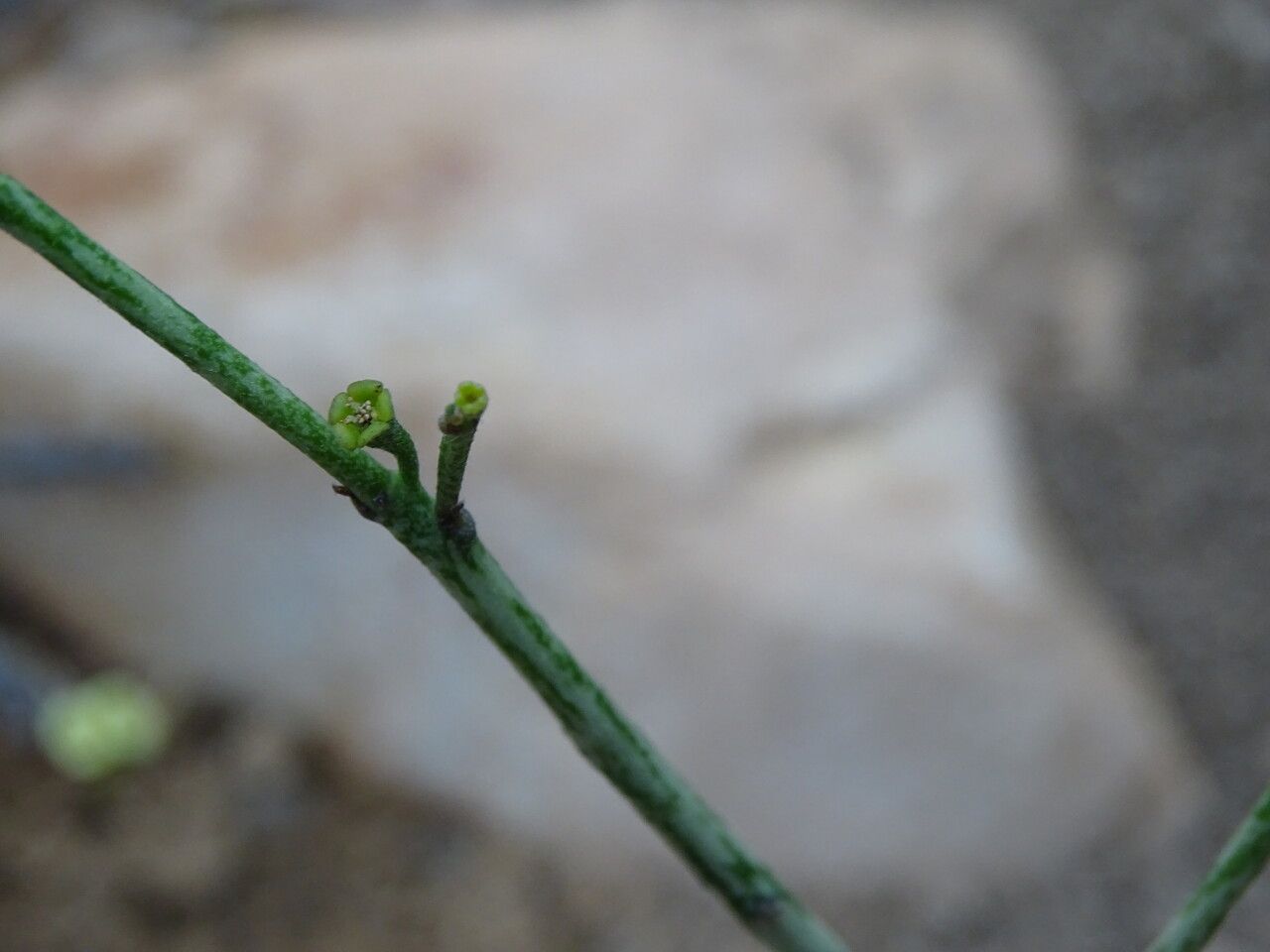
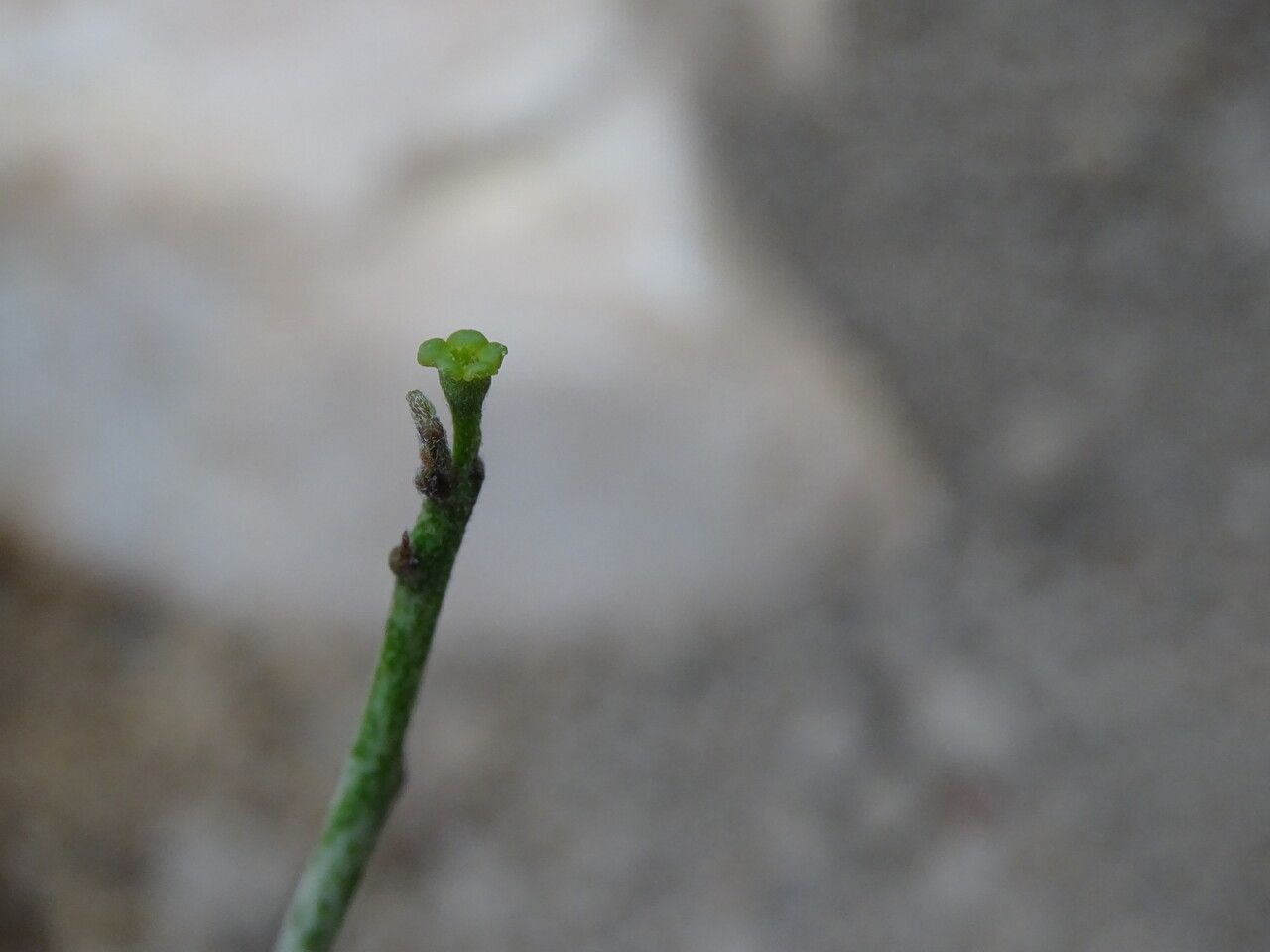
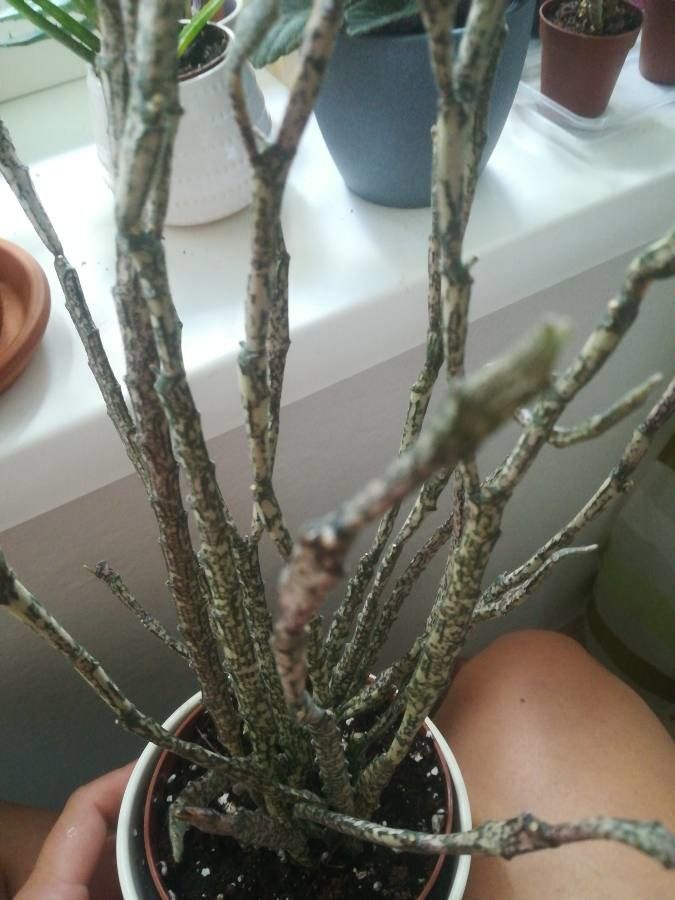
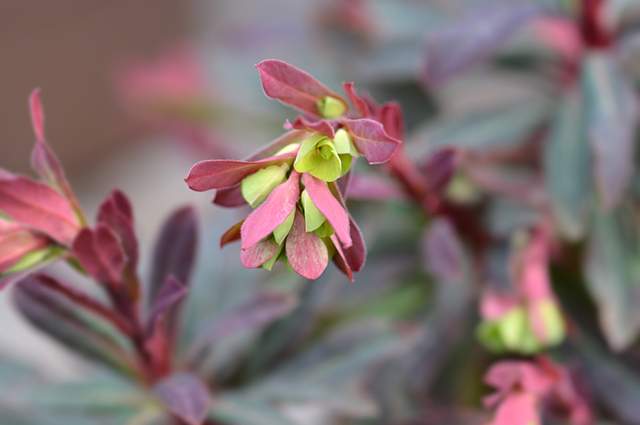
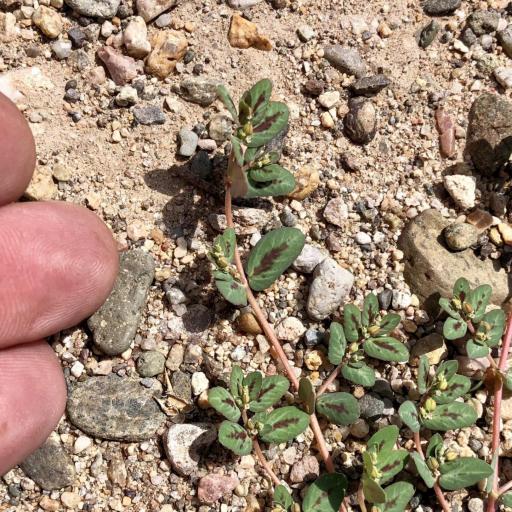
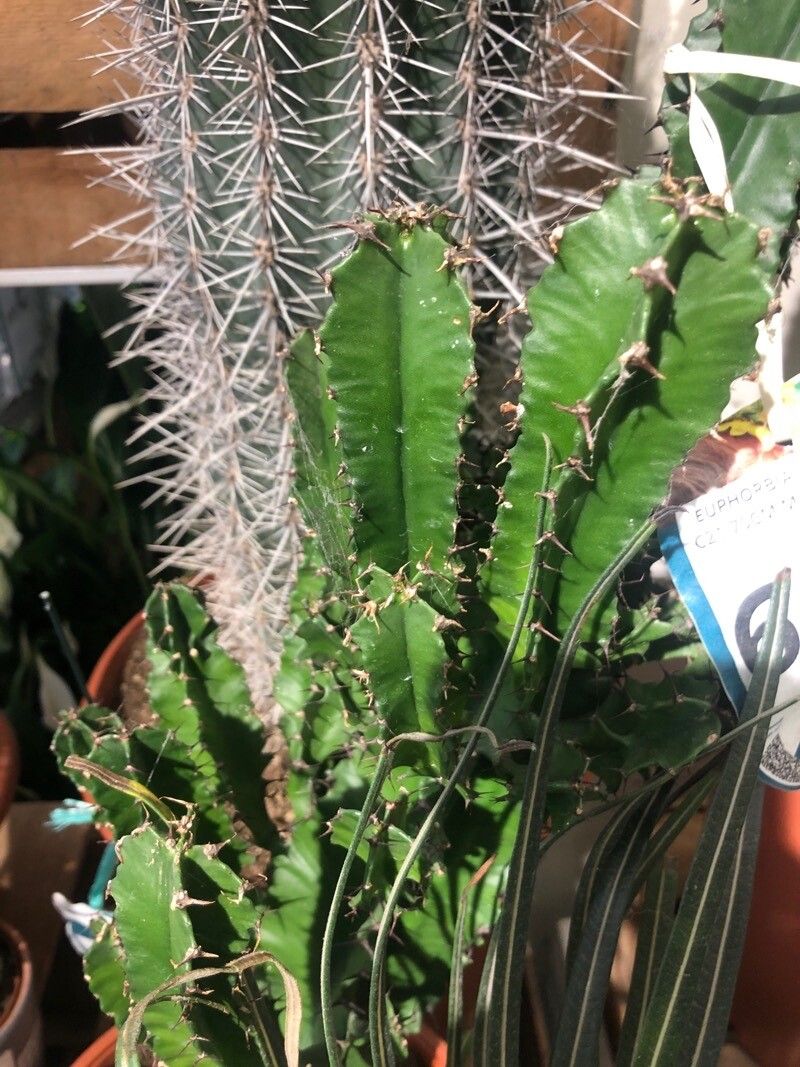
Euphorbia platyclada is a species of plant in the family Euphorbiaceae. It is endemic to Madagascar. Its natural habitat is subtropical or tropical dry forests. It is threatened by habitat loss.
Dead Plant has moderate disease resistance and is more sensitive to humidity and overwatering. It is also more prone to disease when it receives insufficient light and is overwatered. Regarding care, Dead Plant is drought-tolerant and can withstand long periods without watering. It requires little fertilizer and only occasional pruning. This makes it suitable for people of all experience levels, particularly those who want to spend less time on plant care and who may be away from home for extended periods. It is a good option for people who do not wish to devote much time to upkeep but still want a plant that is easy to maintain.
How to keep Euphorbia Platyclada.
Light
Originating in dry regions, Dead Plant does best in full sun; its native habitat features intense sunlight and little shade. It also tolerates partial sun, giving it some flexibility in growth.
Temperature
Dead Plant does best in warm conditions and needs higher temperatures during the growing season to support growth and metabolic activity. It prefers plenty of sunlight, suitable moisture levels, and good air circulation. However, it can be damaged by very low temperatures and by excessive watering. It's therefore important to maintain a balance and avoid both extreme heat and overly dry conditions.
Fertilizer
For Dead Plant, apply light doses of fertilizer once or twice a year during the growing season. Avoid fertilizing in winter and in summer when the plant is dormant. Use less fertilizer on repotted plants and wait a couple of months after repotting before you begin feeding. Fertilizing helps maintain healthy growth and promotes blooms.
Pruning
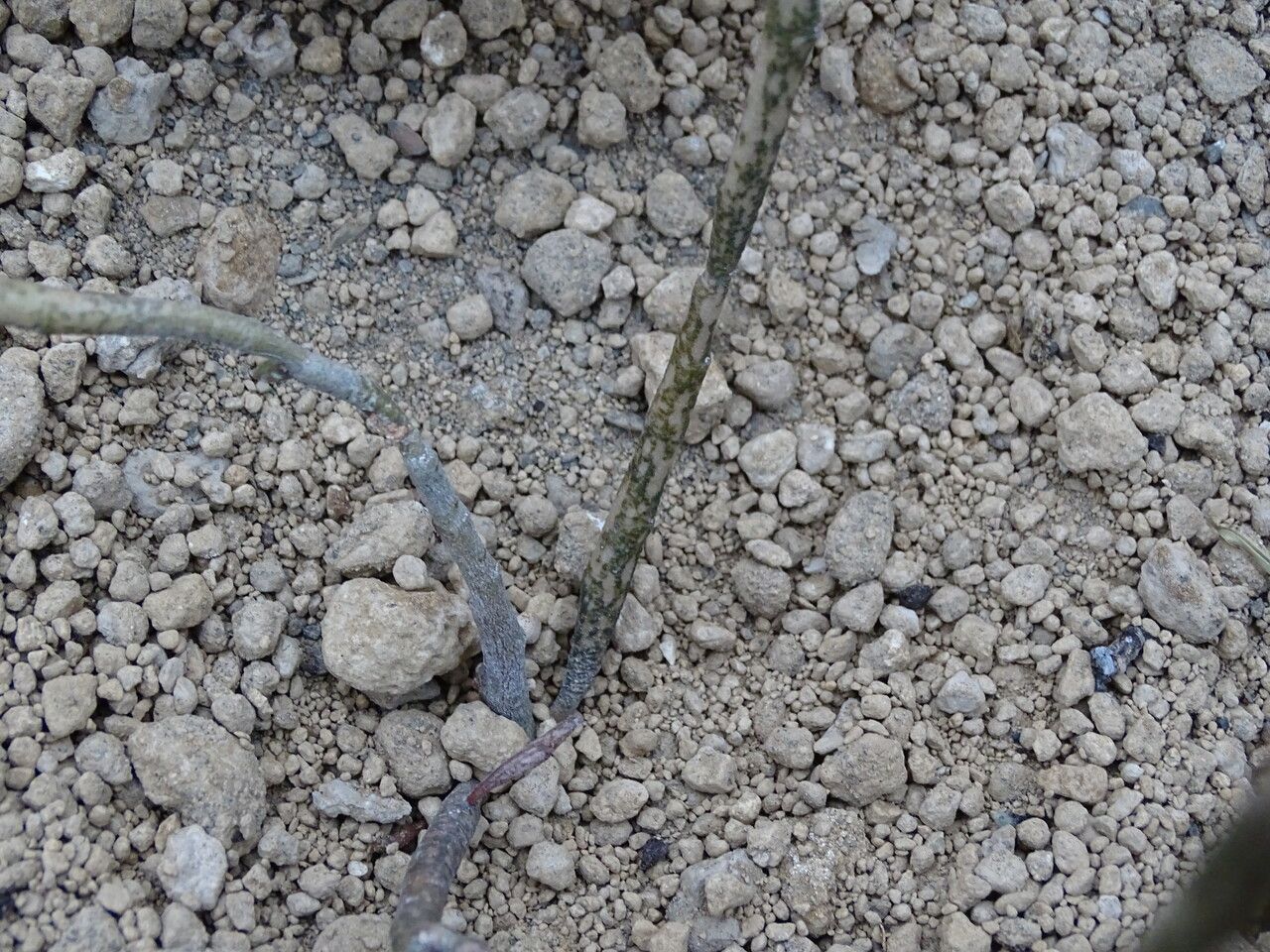
Except for trimming away the dead, wrinkled stems, this plant does not need any pruning. Instead of the normal plant hue of variegated green or pink, the dead stems are dark and wrinkled.
Pot & Repot
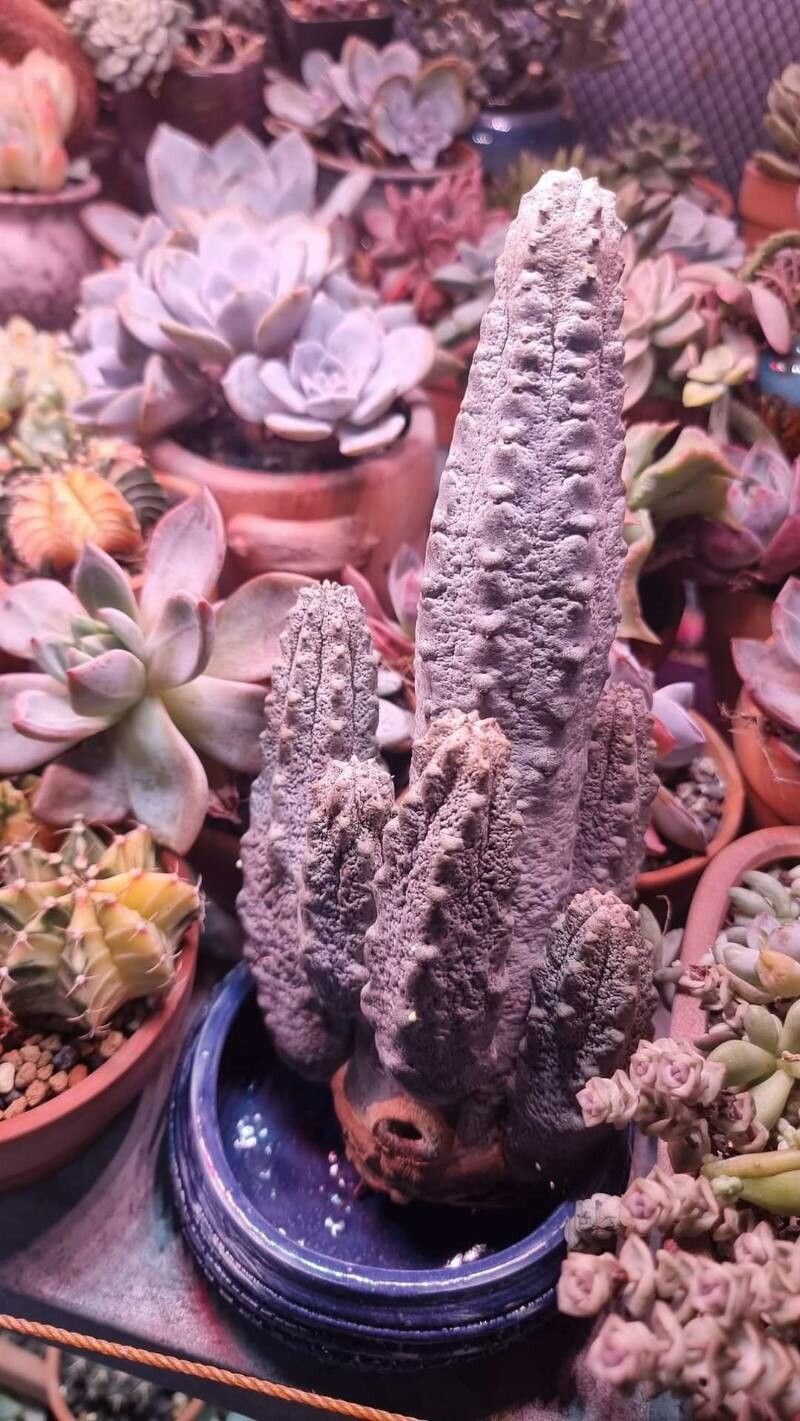
Repot the dead plant during the warmer months, selecting a container only slightly larger than the current one with good drainage. Use a well-draining cactus or succulent potting mix. Handle the roots and caudex gently when repotting. After repotting, wait about a week before watering to avoid root rot. Place the pot in a sunny location for the best growth.
Toxicity
All Euphorbia species generate a milky secretion termed latex, which is toxic and may vary from mildly irritating to very dangerous.
Further reading →
The toxicity and danger assessments provided are for reference only. We do not assure their accuracy, so it's crucial not to depend on them. Seek professional advice when necessary for accurate guidance.
Botanical profile.
- Plant Type
- Succulent
- Life Cycle
- Perennial
- Genus
- Euphorbia
- Family
- Euphorbiaceae
- Hardiness Zone
- 10-12
- Mature Height
- 30 cm
- Mature Spread
- 49 cm
- Leaf Color
- Gray
- Leaf Type
- Evergreen
- Bloom Time
- Summer, Early fall
- Planting Time
- Spring
- Harvest Time
- Late summer, Fall
- Native Area
- Africa, Asia, North America, South America