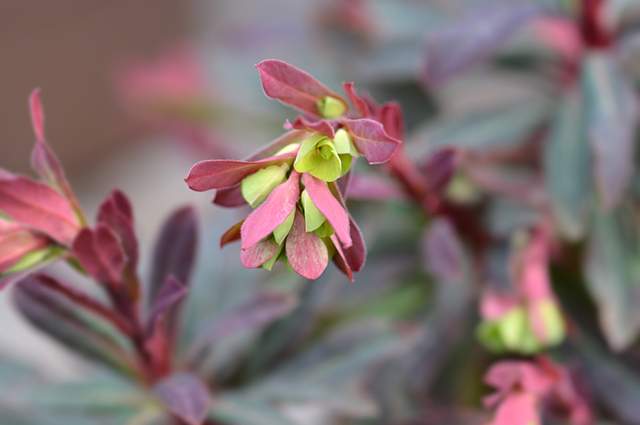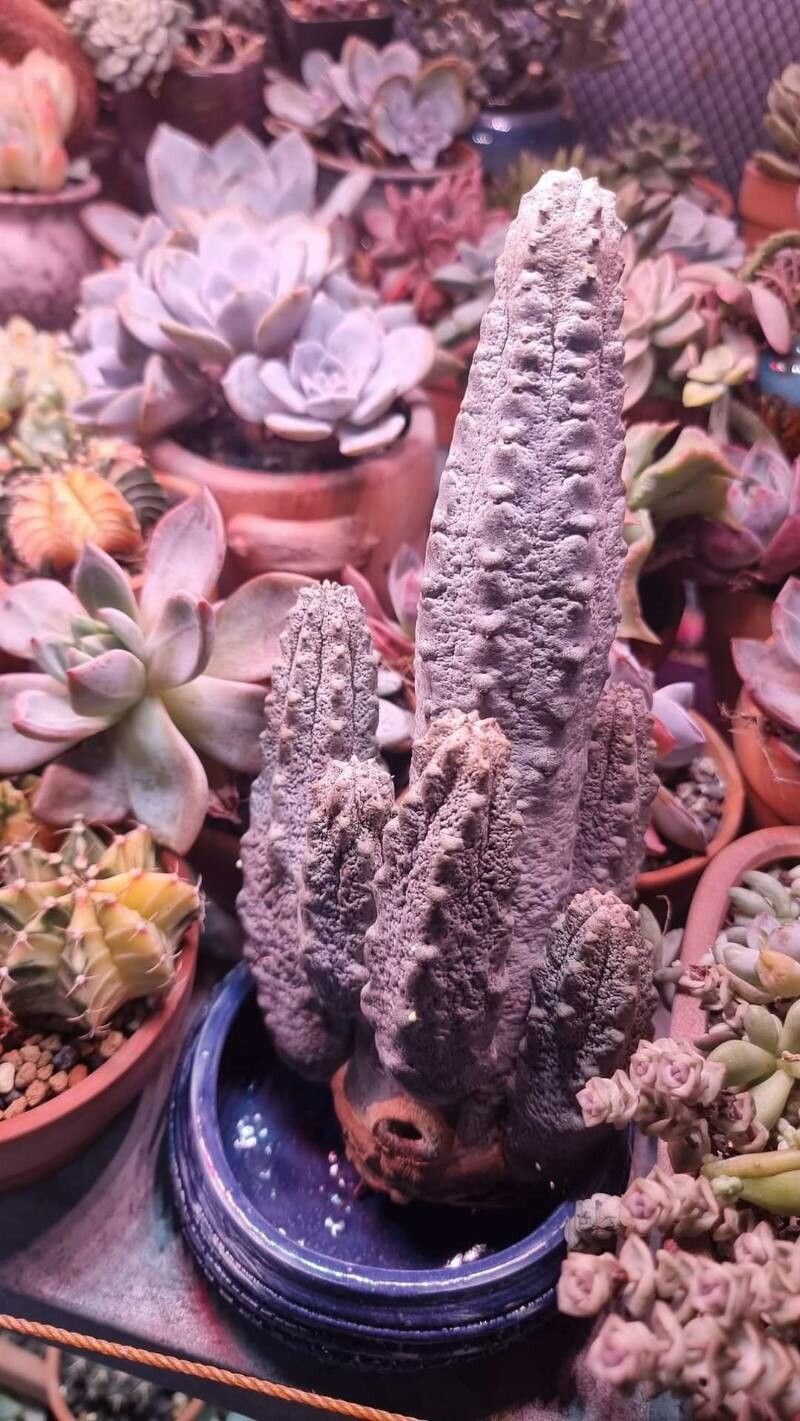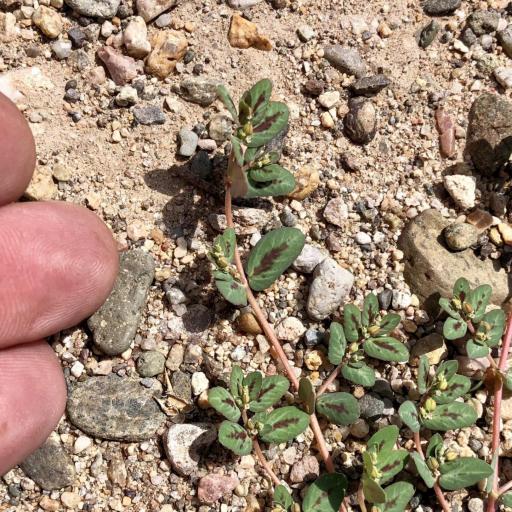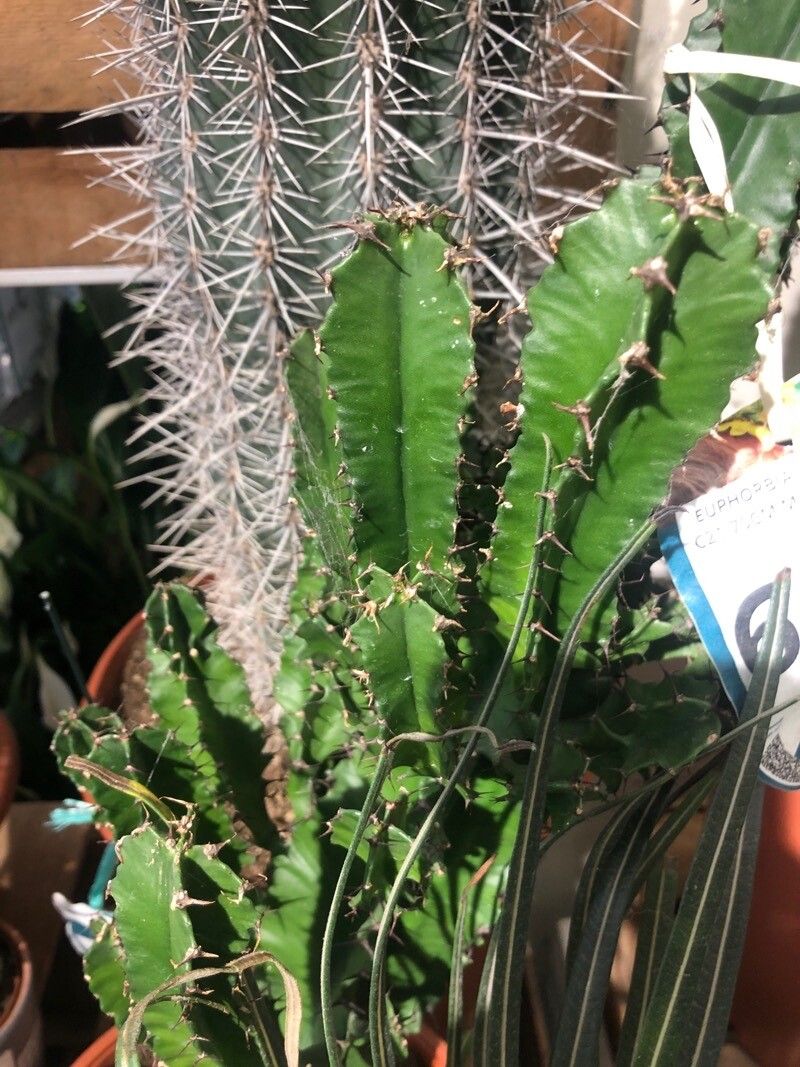
How to keep Euphorbia Parryi.
Water
Dune spurge needs regular watering, about once a week, especially during the growing season. Make sure the top 2 inches of the soil are dry before you water it. During the resting season, indoor plants still require some moisture, so don’t forget to water them as needed. To avoid excess moisture, water the plants from below.
Pruning
Dune spurge benefits from being pruned in early spring, as this promotes compact growth and removes any dead branches. When timed correctly, pruning coincides with the plant's active growth phase, which encourages the development of new shoots and blooms. Regular pruning helps the plant maintain a fuller appearance, prevents legginess, and increases its ornamental appeal.
Botanical profile.
- Plant Type
- Succulent
- Genus
- Euphorbia
- Family
- Euphorbiaceae
- Mature Height
- 30 cm to 91 cm
Other names.
Reader questions.
What are the sun requirements for Dune Spurge (Euphorbia parryi)?
Dune Spurge, or Euphorbia parryi, has specific sun requirements to thrive. It needs 'Full sun' exposure, meaning it should receive above 6 hours of sunlight daily. However, it can also manage with 'Partial sun,' which involves about 3-6 hours of sunlight per day. It's important to observe the movement of sunlight through your garden to find spots that ensure an ideal mix of light and shade, creating the perfect environment for your Dune Spurge, guaranteeing its wellbeing.
What is the botanical name of Dune Spurge?
The botanical name of Dune Spurge is Euphorbia parryi. This plant is identified by its unique botanical identifier, distinguishing it from other species within the Euphorbia genus.
What are the essentials to know about Dune Spurge?
There are no specified essentials provided about Dune Spurge. Typically, essential information might include its habitat, care requirements, or any special features. However, such details are not provided in the available data.
What are the symptoms of issues associated with Dune Spurge?
No symptoms related to issues or problems with Dune Spurge have been specified. Typically, this could involve information about common pests, diseases, or environmental stresses affecting the plant, but this information is not available in the provided data.