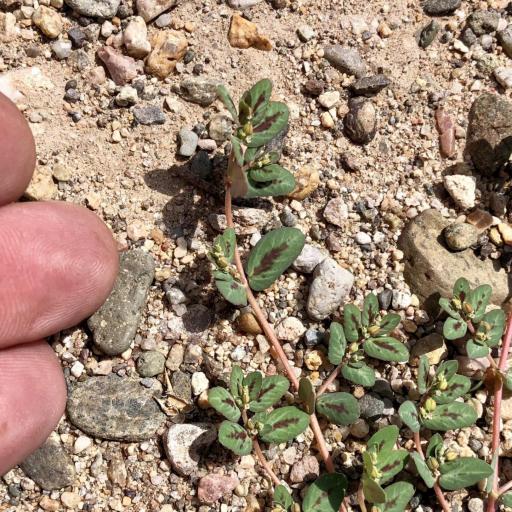
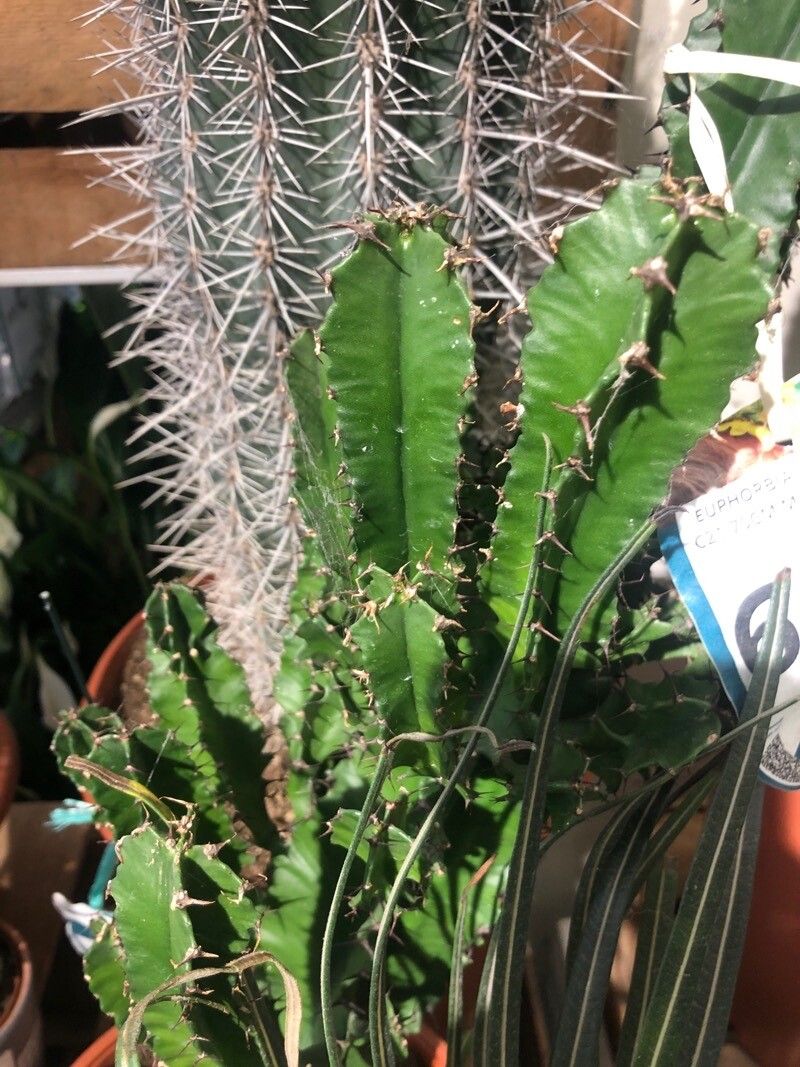
Euphorbia neriifolia, commonly known as the Indian spurge tree or Oleander spurge, is a succulent plant species within the Euphorbia family. Native to India and other parts of Asia, it has been widely cultivated in tropical regions around the world.
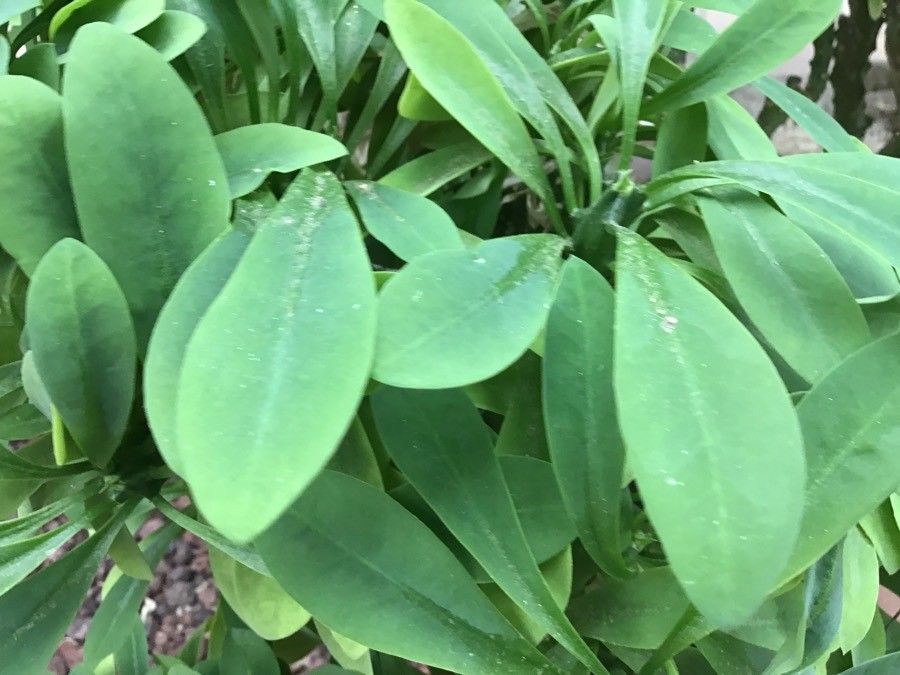
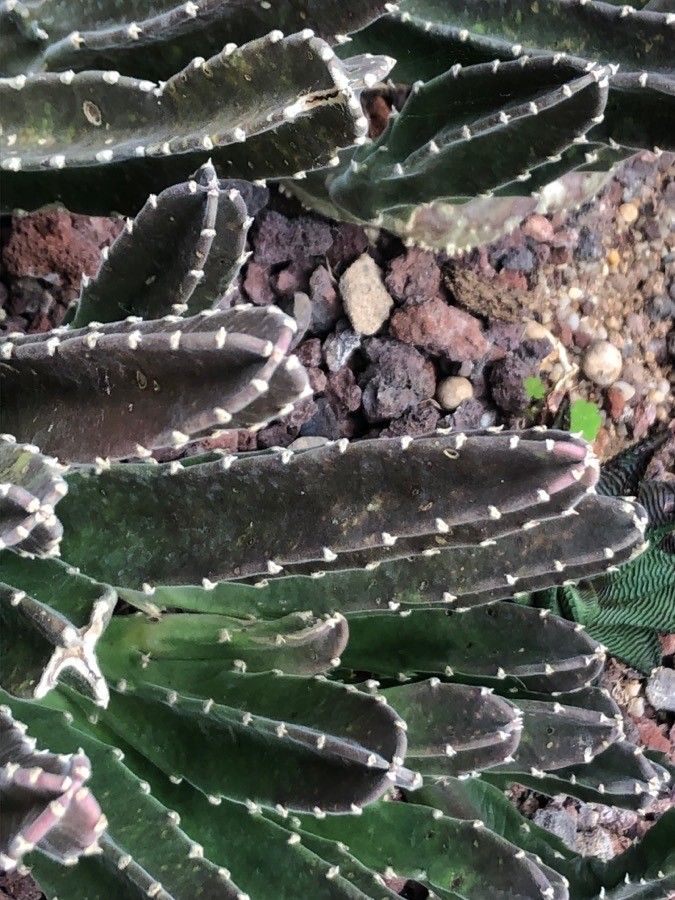
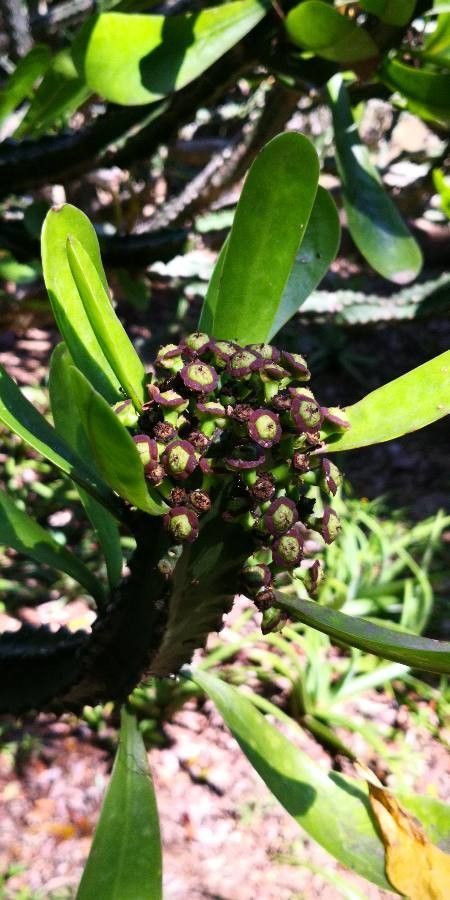
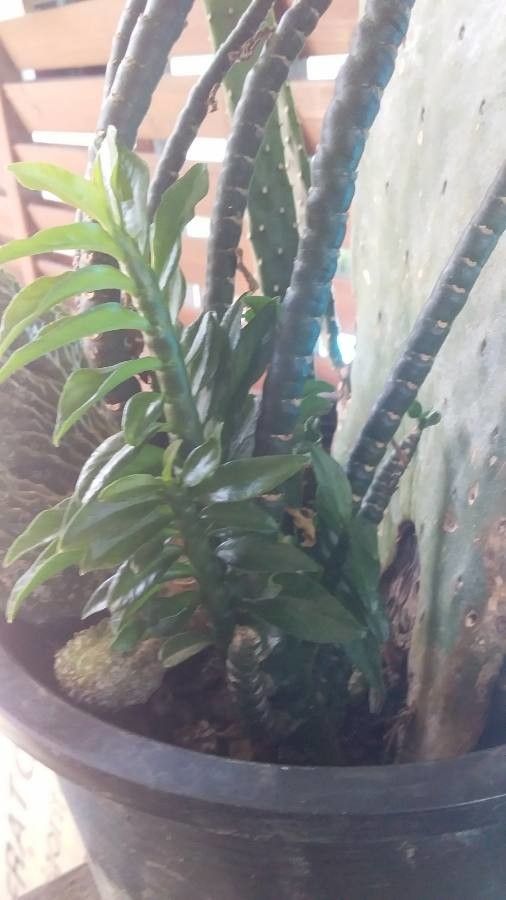
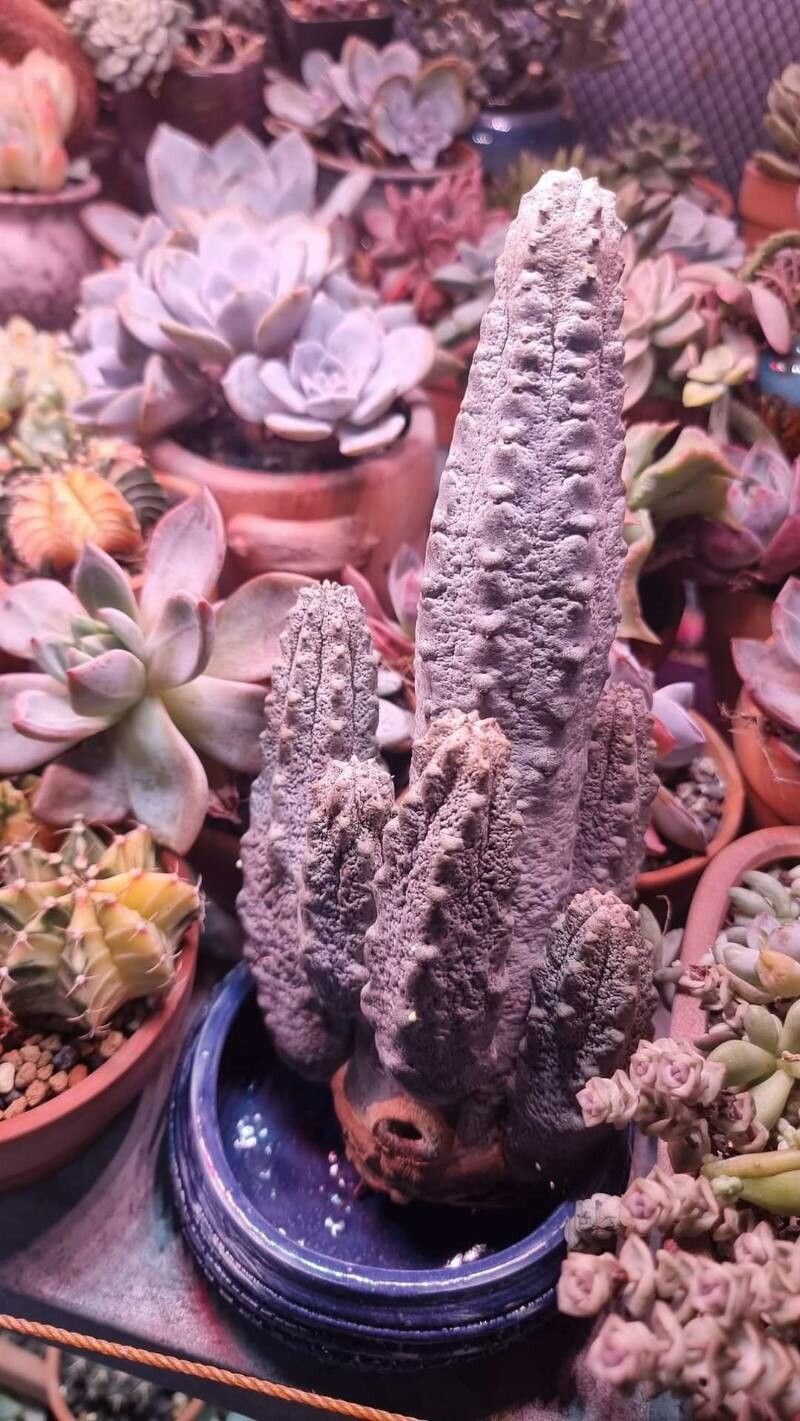
This plant has a distinct appearance, characterized by thick stems that can grow up to 2 meters tall. These stems are adorned with small leaves arranged in whorls. The leaves are narrow, elongated, pointed at the tip, and display a glossy green color.
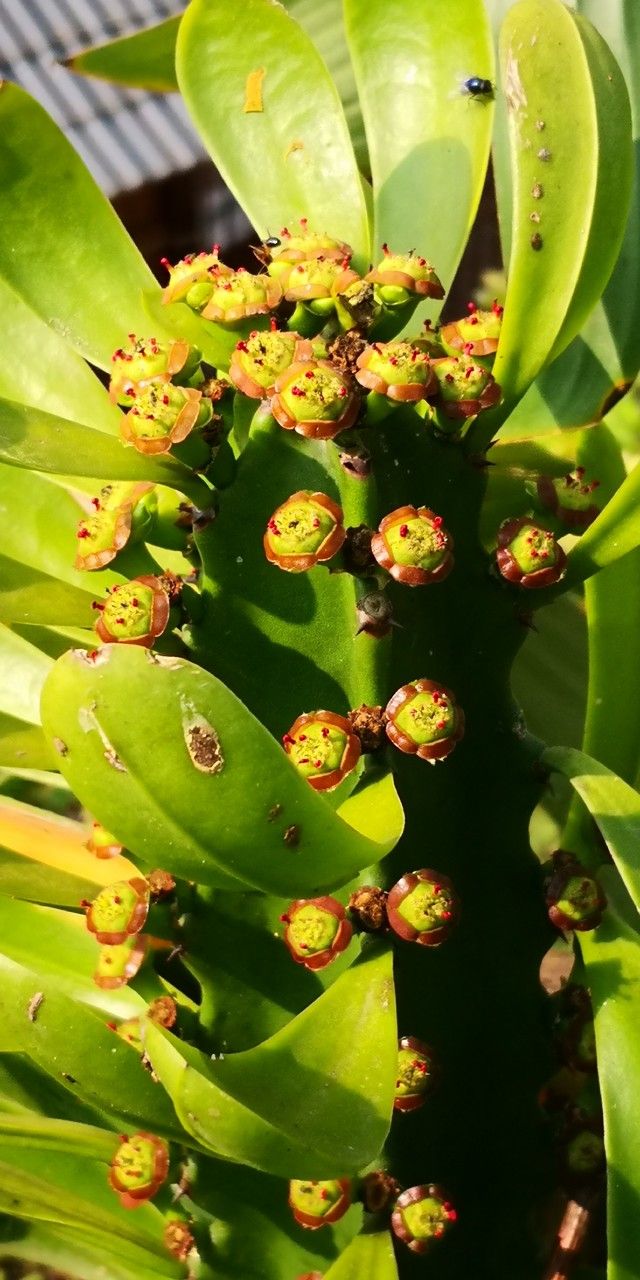
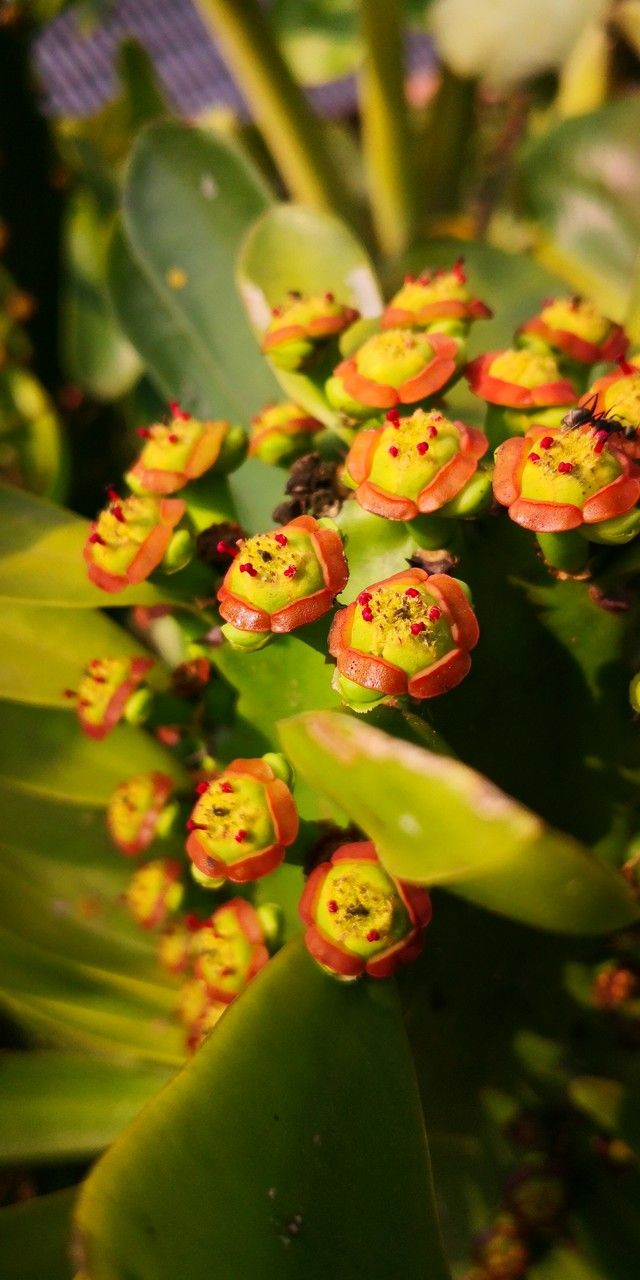
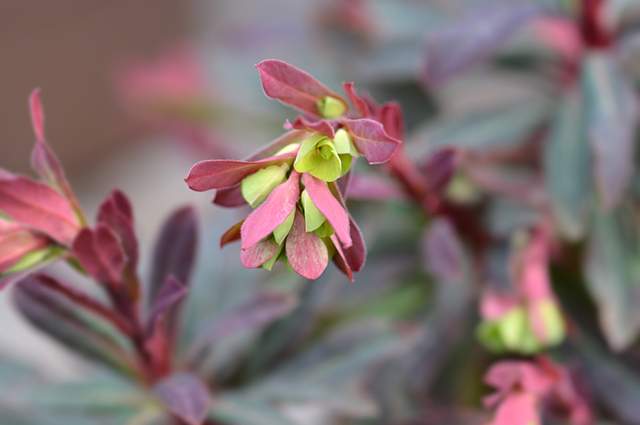
During the summer months, Euphorbia neriifolia produces small yellow-green flowers that grow in clusters at the end of its stems. These flowers lack petals but are surrounded by bracts that provide their color.
Known for its medicinal properties, Euphorbia neriifolia contains several bioactive compounds such as flavonoids, alkaloids, and terpenes. These compounds have been used for centuries in traditional medicine to treat various ailments, including skin diseases like eczema and psoriasis.
However, it is important to note that Euphorbia neriifolia also contains toxic compounds like diterpenes. These can cause skin irritation or even blindness if ingested. Therefore, caution should be exercised when handling this plant.
In summary, Euphorbia neriifolia is a fascinating succulent species with a unique appearance and notable medicinal properties. However, due to its toxicity, it requires careful handling.
Indian spurgetree has moderate disease resistance but is more sensitive to humidity and excessive watering. It becomes more prone to disease if it lacks light and is overwatered. Regarding care, Indian spurgetree is drought tolerant and can withstand long periods without watering. It needs little fertilizer and only occasional pruning. These characteristics make it suitable for people of all experience levels, especially those who want to spend less time on plant care and who may occasionally be away from home for extended periods. It is a good option for anyone who does not want to spend much time caring for plants but still wants an easy-to-maintain plant.
How to keep Euphorbia Neriifolia.
Light
The Indian spurgetree does best with abundant sunlight, which is vital for its healthy growth and development. Native to areas where sunny conditions are common, it can also cope with moderate amounts of light. Still, both very low light and excessive sun exposure can harm its vitality and vigor.
Water
Originating from arid regions, the Indian spurgetree is drought-tolerant and requires watering only once every three weeks. It thrives in well-draining soil and is typically grown outdoors. As a deciduous plant, the Indian spurgetree requires less water during its dormant phase to conserve resources for the growing season.
Temperature
Indian spurgetree is a plant whose native habitat is associated with temperate climates, particularly preferring temperatures between 68 and 100 °F (20 to 38 ℃). Adjust seasoning temperature to conform to these thresholds to ensure optimal growth.
Fertilizer
For the Indian spurgetree, light applications of fertilizer one to two times a year during the growing season are sufficient. Do not fertilize in winter or in summer, when it is dormant. Cut back on fertilizer for repotted plants and wait a couple of months after repotting before feeding. Fertilizing promotes healthy growth and encourages flowering.
Pruning
The Indian spurgetree has thick, succulent-like stems that need regular pruning to maintain their shape and health. Key pruning techniques include cutting back overgrown stems and thinning them to enhance airflow. It's best to prune from early to late winter, making sure to wear gloves and use sterilized tools to prevent infections. Pruning offers benefits such as improved growth and a reduced risk of disease.
Botanical profile.
- Plant Type
- Tree, Shrub
- Life Cycle
- Perennial
- Genus
- Euphorbia
- Family
- Euphorbiaceae
- Hardiness Zone
- 10-12
- Mature Height
- 5.49 m to 7.32 m
- Mature Spread
- 20 cm
- Leaf Color
- Green
- Leaf Type
- Evergreen, Deciduous
- Flower Color
- Yellow
- Flower Size
- 0.25 cm
- Bloom Time
- Winter, Early spring, Mid spring
- Planting Time
- Spring
- Harvest Time
- Spring, Early summer, Mid summer
- Native Area
- Nepal, India, Indonesia, Cambodia, Vietnam, Myanmar, Philippines, Iran, Bangladesh, Pakistan, Thailand, China
Other names.
Reader questions.
How should I water my Indian spurgetree?
Watering your Indian spurgetree is quite flexible, as you can use various common watering tools like watering cans, hoses, or even cups. Regardless of the tool, it's important to water the soil directly and ensure all areas are evenly moistened to support the root system. For best results, consider using filtered water and water at or slightly above room temperature, as tap water may contain harmful particles and extreme temperatures can shock the plant. Nonetheless, the Indian spurgetree usually thrives with any type of water you provide.
Why should I put fertilizer on my Indian spurgetree?
Fertilization plays a crucial role in ensuring the overall health and well-being of an Indian spurgetree. By supplying the right amount of energy and nutrients, fertilization enables the development of a healthy foliage, as well as strong stems and branches. Gardeners often value the flowers of an Indian spurgetree the most, and fertilization helps in producing large, vibrant, and long-lasting blooms. This is because the right fertilizer facilitates the transfer of fuel from the roots to the flowers through the stems. In addition to promoting flower production, proper fertilization also maintains the overall health of the plant, enhancing its ability to resist diseases.
What are the sunlight requirements for the Indian spurgetree?
The Indian spurgetree requires significant sun exposure for healthy growth and originates from habitats where sunny conditions prevail. It thrives best in full sun, which means above 6 hours of direct sunlight per day, but it can also tolerate partial sun, about 3-6 hours of sunlight. However, it's essential to watch how sunlight moves through your garden to ensure you choose spots that offer a balance of light and shade, as both extreme light scarcity and overexposure could affect the plant negatively.
What is the ideal growth temperature for Indian spurgetree?
The Indian spurgetree thrives in temperate climates, favoring temperatures ranging from 68 to 100 °F (20 to 38 ℃). It is highly heat-loving, and exposure to cold temperatures can harm it. To promote optimal growth, adjust the seasoning temperature within these recommended thresholds. During autumn, if your Indian spurgetree is grown outdoors, it is advisable to bring it indoors and place it near a bright window, ensuring it is not too close to heaters. Maintaining temperatures above the suitable growth temperature minimum during winter benefits the plant's growth, while temperatures approaching the tolerable growing temperature minimum can be detrimental.
What do I need to do if I give my Indian spurgetree too much or too little water?
Outdoor plants, especially newly planted ones or plant seedlings, are prone to lack of watering. To ensure the survival of the small or recently planted tree, consistent watering is necessary for the first few months. This is because once the roots are established, the Indian spurgetree can rely on rain most of the time. When planting an Indian spurgetree in a pot, overwatering is more likely to occur. If you accidentally overwater your Indian spurgetree, it's important to address the situation promptly. First, stop watering the plant immediately to minimize the impact of overwatering. Next, remove the Indian spurgetree from its pot to inspect the roots. If there are no signs of root rot, you can return the plant to its container. However, if root rot is present, trim away the affected roots and consider using a fungicide to prevent further damage. Lastly, repot the Indian spurgetree in well-draining soil. In the case of underwatering, simply water the Indian spurgetree more frequently. This is a relatively easy fix as the plant's leaves will droop, dry out, and may even fall off. However, they will quickly regain their fullness after sufficient watering. It's important to adjust your watering frequency as soon as you notice signs of underwatering.
When should I fertilize my Indian spurgetree for the best results?
It is best to fertilize an Indian spurgetree during early spring when it is no longer dormant and about to bloom. This will provide the necessary energy for growth and flowering. However, feeding the plant in late fall can also be beneficial, although a smaller amount is needed. Fertilizing during planting is optional.
How can I use artificial lighting for indoor Indian spurgetrees?
When natural sunlight is insufficient for indoor Indian spurgetrees, especially in winter or in less sunny spaces, artificial lighting can be a vital solution. For optimal growth, consider the following: 1) Choose LED lights since they can provide specific wavelengths needed by plants. Full sun plants require 30-50W/sq ft, partial sun plants need 20-30W/sq ft, and full shade plants need 10-20W/sq ft of artificial light. 2) Position the light source 12-36 inches above the plant to mimic natural sunlight. 3) Ensure the plants receive 8-12 hours of light per day to mimic natural daylight hours. This promotes faster, healthier growth.
How should I care for Indian spurgetree in low temperatures?
The Indian spurgetree prefers warm temperatures and struggles in cold conditions. It is imperative to keep the plant above the suitable growth temperature minimum during winter. Should temperatures fall below the limit growth temperature, you may notice the leaves lighten in color, which can lead to them turning brown or black after frost damage, accompanied by wilting and drooping. To manage this, trim off the frost-damaged parts and move the plant to a warm environment indoors immediately. For optimal cold protection, place the plant near a south-facing window for adequate sunlight, but avoid placing it near heaters or air conditioning vents to prevent air from becoming too dry.
How often should I give water to my Indian spurgetree?
To properly care for outdoor plants, they usually rely on rainfall. However, in areas with low rainfall, it's important to water plants adequately every 2 weeks in spring and fall. During summer, more frequent watering is necessary, but in winter, when growth slows down, plants need less water, so watering should be done sparingly or not at all. Young or newly planted Indian spurgetrees require more frequent watering to help them establish and become more drought tolerant. For potted plants, there are two main approaches to determine watering frequency for Indian spurgetrees. The first is setting a predetermined watering schedule, ideally once a week or every other week. However, this may not account for the specific growing conditions of your plant. Watering frequency may also need adjustment depending on the season. During summer, when water needs are highest, a fixed schedule may not be enough. Alternatively, you can base watering on soil moisture. It's generally recommended to wait until the top 2 to 4 inches of soil have completely dried out before watering again, which typically corresponds to about one-third to one-half of the pot's depth.
When is it not a good idea to add fertilizer to my Indian spurgetree?
During the winter, Indian spurgetrees do not need to be fertilized. This is because they are in a dormant phase and do not require extra energy from the soil to grow. Fertilizing during this time can actually lead to negative effects from overfertilization. The best times to feed the Indian spurgetree are in early spring and fall. This means that during most of the spring and summer, fertilizer is not necessary. Additionally, it is recommended to avoid feeding the plant if it is experiencing extremely hot or dry conditions.
What are the symptoms of light deficiency in Indian spurgetrees?
Symptoms of light deficiency in Indian spurgetrees include smaller new leaves compared to mature ones, leggy or sparse growth with longer spaces between leaves or stems resulting in a stretched-out appearance, faster leaf drop to conserve resources, delayed or halted plant growth, pale new leaves indicating a lack of chlorophyll, chlorosis where leaves lose their green color and turn yellow, sunscald from intense sunlight causing damage to leaves or stems, leaf curling as a defense mechanism against excessive sunlight, wilting due to higher water loss from overexposure, and leaf scorching characterized by brown, dry edges on leaves due to too much sun.
What are the effects of high temperatures on Indian spurgetree and how can they be mitigated?
During summer, it is crucial to ensure that the Indian spurgetree is kept below the suitable growth temperature max. Exceeding the tolerable growing temperature max causes the leaves' color to lighten, increasing susceptibility to sunburn. To mitigate this, trim away any sunburned or dried-up parts of the plant. Relocate the plant to an area that provides shade, particularly during the midday and afternoon sun, to prevent further damage. Additionally, watering the plant in the morning and evening will help keep the soil moist and support the plant's health in high temperatures.