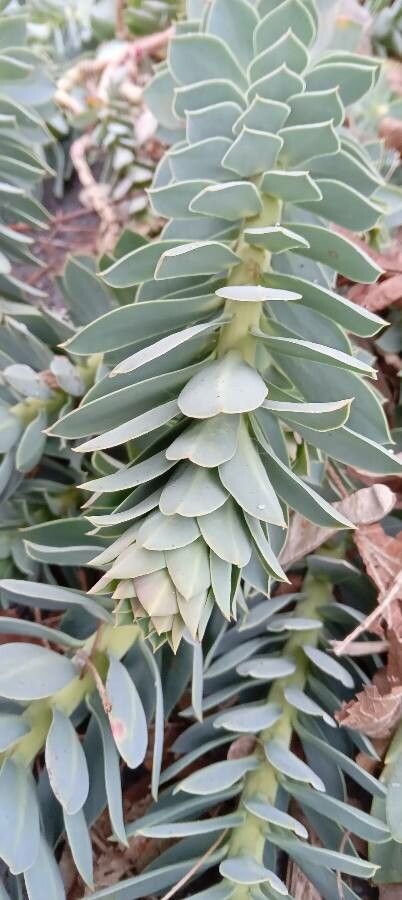
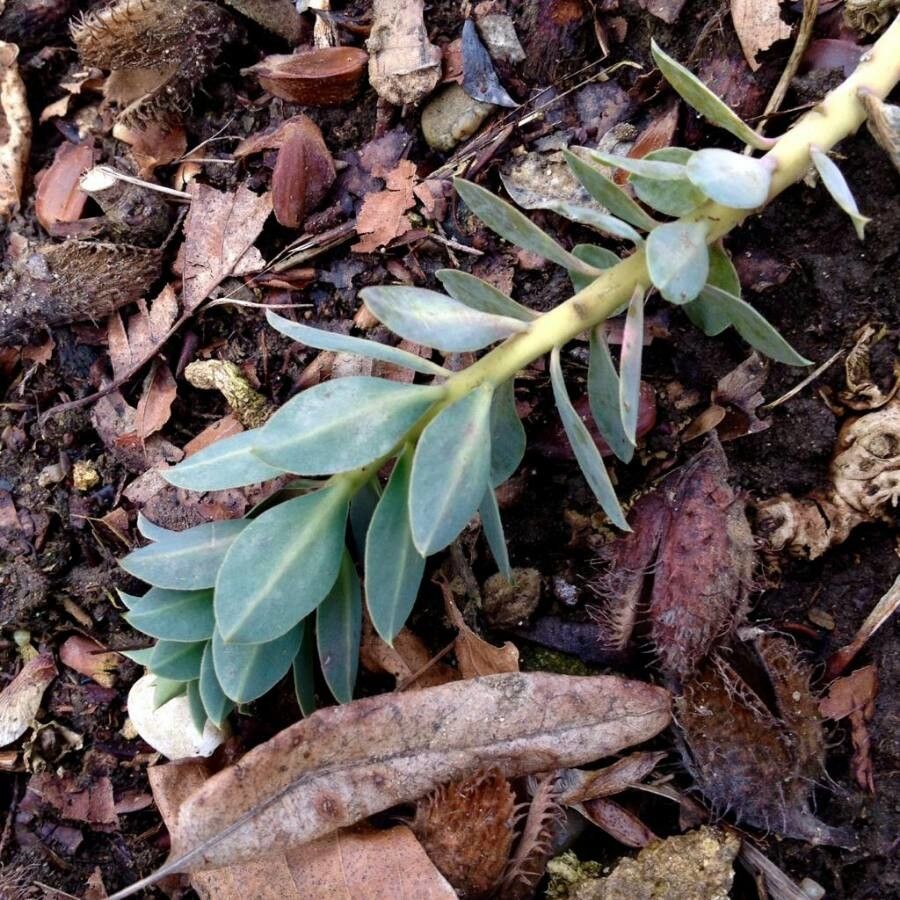
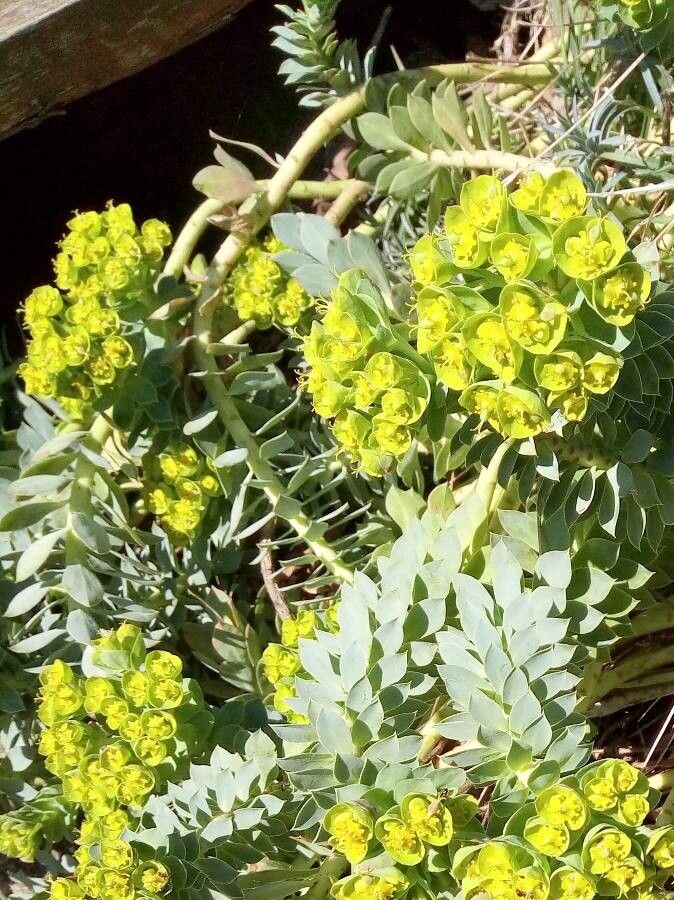
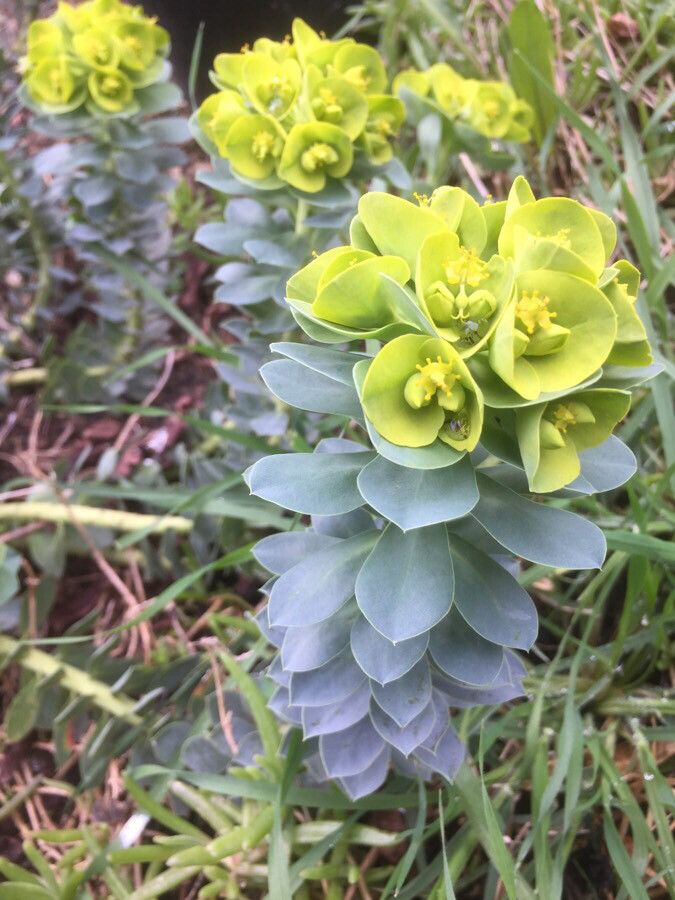
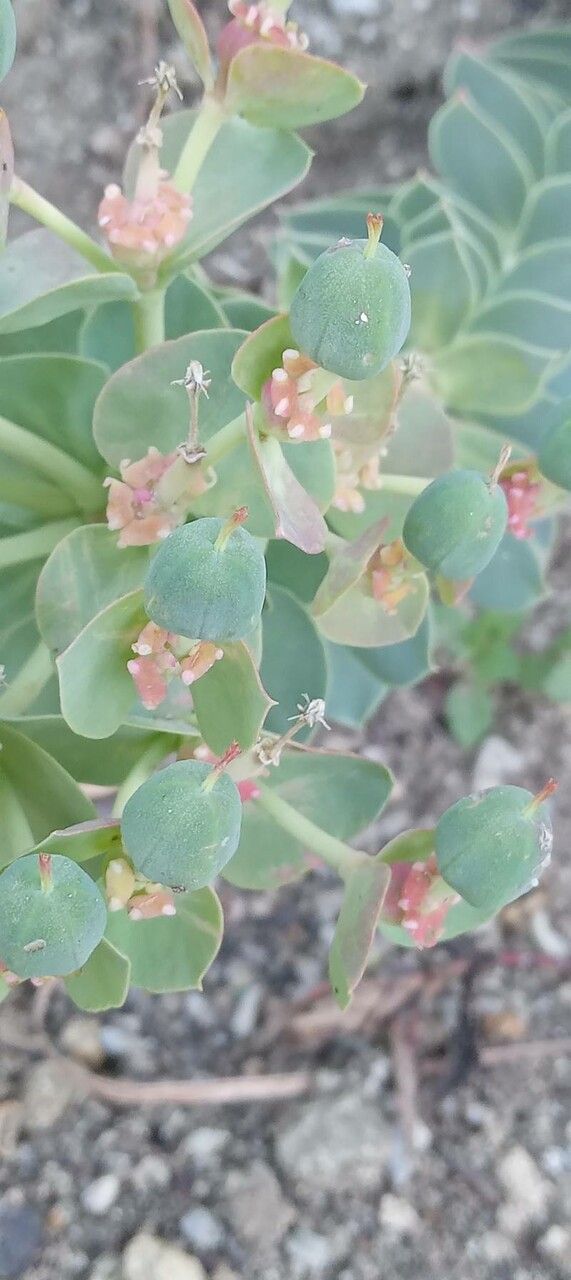
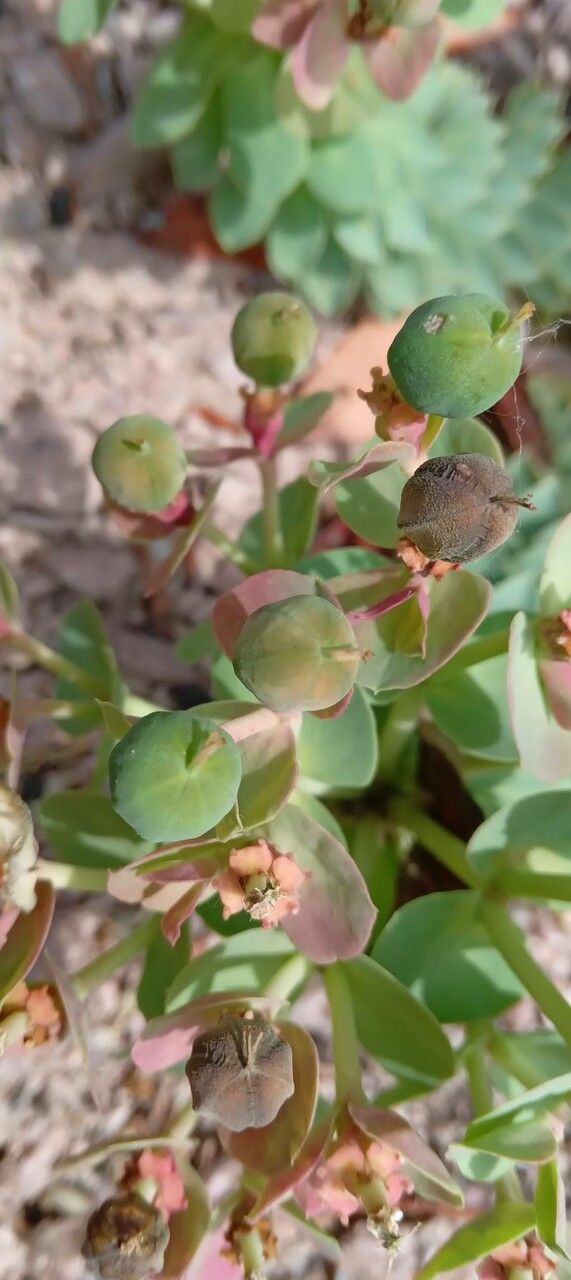
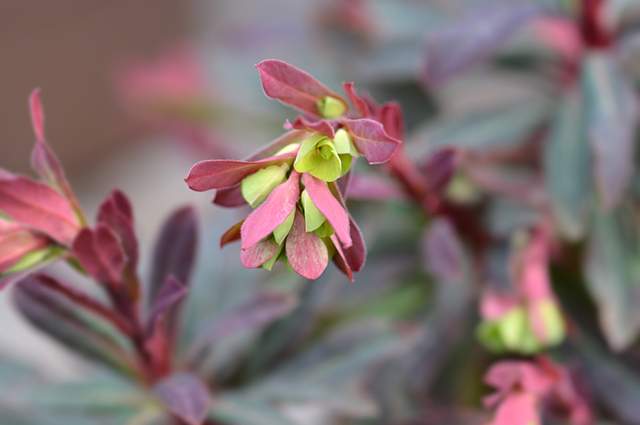
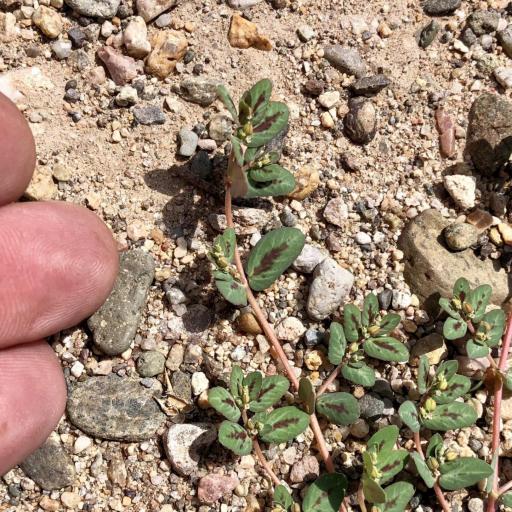
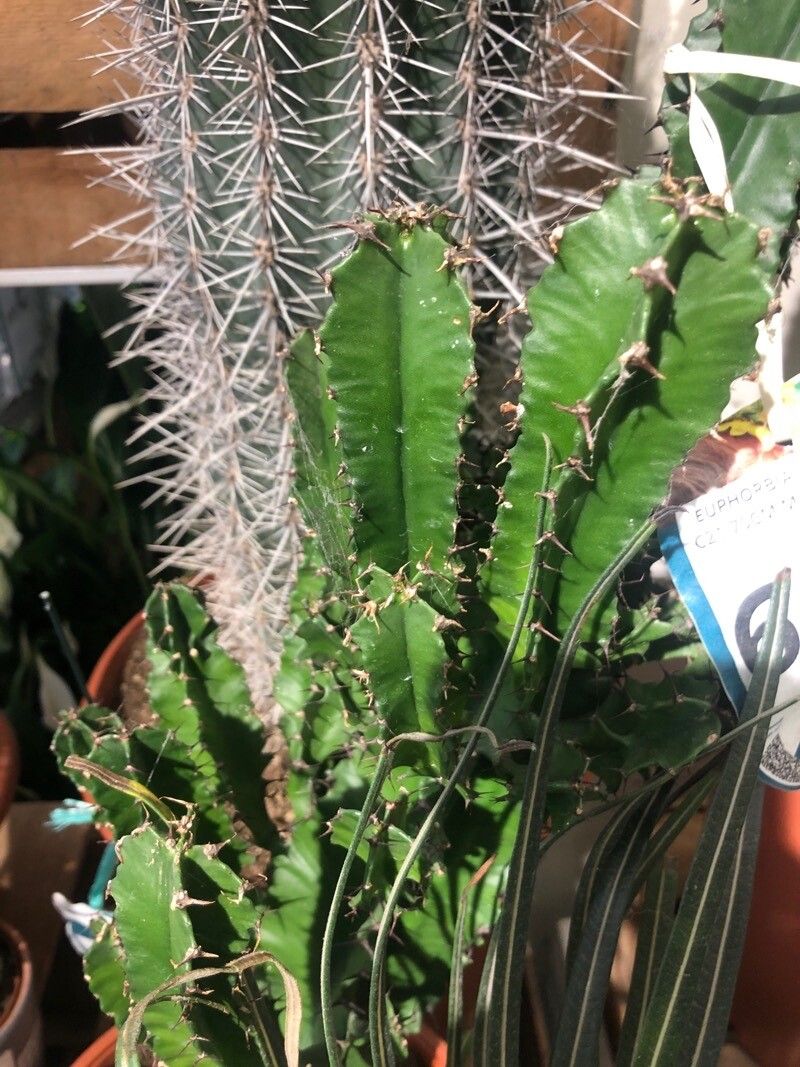
Euphorbia myrsinites, the myrtle spurge, blue spurge, or broad-leaved glaucous-spurge, is a succulent species of flowering plant in the spurge family Euphorbiaceae.
Myrtle spurge has moderate disease resistance and is more sensitive to humidity. It is prone to disease when humidity is high and can develop root rot during dormancy. In terms of care, myrtle spurge is drought-tolerant but requires more water in the growing season. Watering should be greatly reduced or stopped entirely during the dormant period. Myrtle spurge is suitable for people with some experience in growing, but it can be challenging to care for, especially during dormancy. It is particularly appropriate for people who can dedicate time to its care over the winter months.
How to keep Euphorbia Myrsinites.
Light
Myrtle spurge prefers abundant sunlight for optimal growth, reflecting its origin in environments with plentiful sun. Excess light can cause it to dry out, while too little may stunt its growth or prevent proper foliage coloration.
Water
Myrtle spurge, native to rocky environments, excels in dry conditions due to its high drought tolerance. It thrives with minimal moisture and requires only weekly watering to avoid root rot. Typically cultivated outdoors, myrtle spurge needs full sun and excellent drainage to stay vibrant year-round, even in areas with low precipitation.
Humidity
This plant prefers dry conditions, so don't mist it. However, watering it less often can also thrive in higher humidity.
Temperature
Myrtle spurge is a plant native to habitats with temperatures ranging from 68 to 95 °F (20 to 35 ℃). It performs best within that range, and in climates that differ significantly, adjustments may be necessary for optimal growth.
Fertilizer
Myrtle spurge requires only light applications of fertilizer once or twice a year during the growing season. Do not fertilize in winter or in the summer when it is dormant. Cut back on fertilizer for repotted plants and wait a couple of months after repotting before applying any. Fertilizing helps maintain healthy growth and promotes blooming.
Pruning
Though it does not require pruning to encourage healthy growth, you can snip off the flowers to prevent self-seeding and unwanted spread.
Pot & Repot
Repot myrtle spurge every 2 to 3 years in the spring, using a container that's slightly larger than the previous one. Make sure to use well-draining soil, and wear gloves to protect your skin from any sap irritation. After repotting, water sparingly and place the plant in bright, indirect light to support healthy recovery and growth.
Toxicity
The milky sap (latex) running throughout Euphorbia plants is toxic to people and animals both via skin contact and ingestion. The plants actually use the sap as a defense mechanism to prevent animals from feeding on it, and the sap has some antifungal and antibacterial properties.
Further reading →
The toxicity and danger assessments provided are for reference only. We do not assure their accuracy, so it's crucial not to depend on them. Seek professional advice when necessary for accurate guidance.
Botanical profile.
- Plant Type
- Herb
- Life Cycle
- Perennial, Biennial
- Genus
- Euphorbia
- Family
- Euphorbiaceae
- Hardiness Zone
- 5-9
- Mature Height
- 20 cm to 40 cm
- Mature Spread
- 46 cm
- Leaf Color
- Green, Blue, Gray, Silver
- Leaf Type
- Evergreen
- Flower Color
- Yellow
- Flower Size
- 10.16 cm
- Bloom Time
- Mid spring, Late spring, Early summer
- Planting Time
- Spring, Autumn
- Harvest Time
- Early summer, Mid summer
- Native Area
- Africa, Asia, North America, South America
Other names.
Reader questions.
What should I do if I give my Myrtle spurge too much water or too little water?
Myrtle spurge can survive without water for a long time, so it's rare for them to suffer from lack of watering. However, if you forget to water your Myrtle spurge for a month or more, you may notice it looking thirsty with some damage. Signs of underwatering include a lackluster and wrinkled appearance, dried up or brown and crispy leaves, and dry soil. To remedy this, give your Myrtle spurge plenty of water, submerging the pot in water for about 5-10 minutes until the soil feels moist on the surface. On the other hand, overwatering is dangerous for Myrtle spurge and can be fatal. Too much moisture can lead to root rot, which prevents the roots from absorbing nutrients and water. Symptoms of overwatering include yellow, swollen, and translucent organs that may burst open, as well as brown or black leaves that easily fall off. To prevent further damage, adjust the growing conditions by increasing air ventilation and reducing the frequency of watering. If root rot has already occurred, check the roots and soil by removing the plant from its pot. If the roots are dark brown or black, mushy, or slimy, it may not be possible to save the plant. However, if only a portion of the roots are affected, remove the unhealthy roots, dip the healthy ones in fungicide, and repot in fresh soil. With proper care, the Myrtle spurge can recover and produce new growth in the next growing season.
Why should I add fertilizer to my Myrtle spurge?
Fertilizing Myrtle spurge provides nutrients to the growing medium, supporting healthy growth. Even though it does store water and nutrients, applying plant food during the growing season can further enhance its growth. Additionally, fertilizing can stimulate mature specimens to produce blooms.
What are the sun requirements for Myrtle spurge?
Myrtle spurge requires significant sun exposure to thrive optimally, reflecting its roots in sunny environments. It needs full sun, defined as more than 6 hours of sunlight a day, for proper growth, coloration, and flower development. However, it can also grow in partial sun, which means about 3-6 hours of sunlight daily. Adequate sunlight is crucial as too much can lead to drying out, while too little can stunt growth or affect the foliage's color. Observing how sunlight moves through your garden and choosing the right spots can provide the perfect balance of light and shade, ensuring your Myrtle spurge's happiness.
What is the native temperature range for Myrtle spurge?
Myrtle spurge is native to environments where the temperature ranges from 68 to 95 °F (20 to 35 ℃). It thrives best within these temperatures, making adjustments necessary for optimal growth in climates that significantly differ from this range. This heat-loving plant gradually stops growing and enters a dormant state during the winter. To ensure the plant's health, it should be moved indoors if the outdoor temperature drops below its tolerable growing temperature minimum. A location near a south-facing window is ideal to provide as much sunlight as possible, and supplemental lighting can be used if natural light is insufficient. During periods when the temperature falls below its suitable growth temperature minimum, the plant’s growth slows, and watering should be reduced or stopped to prevent root rot. For outdoor cultivation, watering should be halted during low temperatures, and measures such as setting up a temporary greenhouse or using insulation materials can help protect the plant.
How frequently do I need to water my Myrtle spurge plant?
Determining how often to water Myrtle spurge does not have a strict rule. The easiest way to decide is by checking the soil's moisture level and only watering it when it is completely dry. To do so, you can either stick your finger in the pot or use a moisture meter to assess the soil below the surface. If the plant is placed in a deep pot, you can use a stick or chopstick instead. If the soil feels even slightly damp, wait for a few days and check it again. Generally, most people will need to water Myrtle spurge roughly every two weeks in the summer and once a month in the winter. However, the watering frequency can vary depending on various factors. The next section provides a list of considerations that can assist you in determining how often to water.
When should I fertilize my Myrtle spurge plant?
Myrtle spurge has different fertilizer needs compared to other plants. It only requires a small amount of fertilizer, and you should only fertilize it 1-2 times a year. The best times to fertilize are in the spring and autumn, avoiding the winter and summer when it is dormant. If you have recently repotted your Myrtle spurge, be cautious with fertilizer and use less of it. Wait a few months after repotting before applying any fertilizer.
How does artificial lighting support Myrtle spurge's growth?
For Myrtle spurge that's grown indoors or in areas with insufficient natural sunlight, artificial lighting serves as an essential alternative to support their growth. Indicating that indoor plants benefit significantly from proper artificial light, especially during winter or in less sun-exposed spaces. LED lights are recommended due to their customizable spectrums, which can cater to the specific light needs of the plants. The intensity needed varies depending on the plant type: full sun plants require 30-50W per square foot, partial sun plants 20-30W, and full shade plants 10-20W. The artificial light source should be placed 12-36 inches above the plant, mimicking natural sunlight conditions, and it's important to ensure plants receive 8-12 hours of light per day to simulate the length of natural daylight hours best.
How do you care for Myrtle spurge in low temperature conditions?
Myrtle spurge thrives in high temperatures and does not tolerate low temperatures well. It grows best when the temperature is maintained above its suitable growth temperature minimum. During winter, the temperature should be kept above its tolerable growing temperature minimum to prevent the plant from becoming weak, wilting, or becoming prone to root rot. If the temperature falls below its limit growth temperature, the plant may suffer damage. In the event of mild frost damage, symptoms might not appear immediately, but the plant will gradually wither over the course of a week. To care for Myrtle spurge in low temperature conditions, trim off the frostbitten areas, especially if the roots have rotted, in which case, the affected parts of the roots should be removed, and the plant can be propagated through cuttings. Move the plant to a warm indoor environment near a south-facing window for ample sunlight, and use supplemental lighting if necessary.
What things do I need to think about when giving water to my Myrtle spurges?
To properly water your Myrtle spurge, you need to consider various environmental factors such as container size, soil type, temperature, and humidity. The size of the container and the type of soil used will determine how often and how much water to use. Use a container with drainage holes to prevent water from being trapped. Smaller containers hold less moisture and require more frequent watering, while larger pots retain moisture and need less frequent watering. Avoid using an oversized pot, as this can lead to overwatering. When repotting, choose a container just one size larger than the current one. Shallow containers are better for Myrtle spurge, as it has shallow root systems. Water your Myrtle spurge less frequently during winter when growth slows down and the plant requires less water. In cooler winter air, water evaporates slower, so the soil stays wet for longer compared to summer. The general climate of your location also affects watering needs. If you live in a humid area with frequent rainfall, you will need to water less often than in a dry, arid climate. Keep in mind that conditions can vary within the same geographic location due to seasonal changes and indoor heating/air conditioning. If you have planted Myrtle spurge in the ground, it generally doesn't require additional watering once the root system is established, as it receives sufficient water from precipitation and dew. However, during extended dry periods, occasional watering may be necessary. If you are growing Myrtle spurge in a container, you can move it outdoors during suitable temperatures in spring and summer, but bring it back inside when temperatures start to drop. Potted Myrtle spurge kept outdoors usually needs more water due to increased sun exposure, even on a shaded porch.
When is the best time to not use fertilizer on my Myrtle spurge?
Myrtle spurge, like other plants, has a dormancy period where it stops growing. This is the time when you should avoid applying fertilizer. In both summer and winter, the plant ceases its growth, so fertilizing should be stopped during these seasons. Additionally, it is recommended to abstain from fertilizing for a couple of months after repotting in the spring.
What are the symptoms of insufficient light in Myrtle spurge?
Myrtle spurge can show several symptoms when it's not getting enough light, including smaller new leaves, leggy or sparse growth, faster leaf drop, slower or no new growth, lighter-colored new leaves, chlorosis (leaves turning yellow), sunscald, leaf curling, wilting, and leaf scorching. These symptoms arise from the plant's inability to photosynthesize effectively in low light, leading to a range of health issues, including reduced growth and potential damage to the plant's overall structure and appearance.
What should be done if Myrtle spurge is exposed to high temperatures?
During the summer, Myrtle spurge should be kept in conditions below its suitable growth temperature maximum to avoid ceasing growth, experiencing water loss, wilting, and becoming more susceptible to sunburn when the temperature exceeds its tolerable growing temperature maximum. To recover from exposure to high temperatures, remove the sunburned and rotten parts of the plant. Shield the plant from the afternoon sunlight until it recovers and starts growing again. If the plant suffers from root rot due to overwatering during high temperatures, cease watering until new roots begin to emerge, indicating recovery.