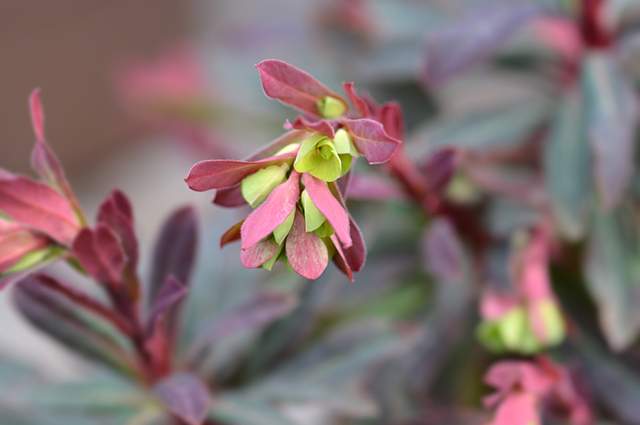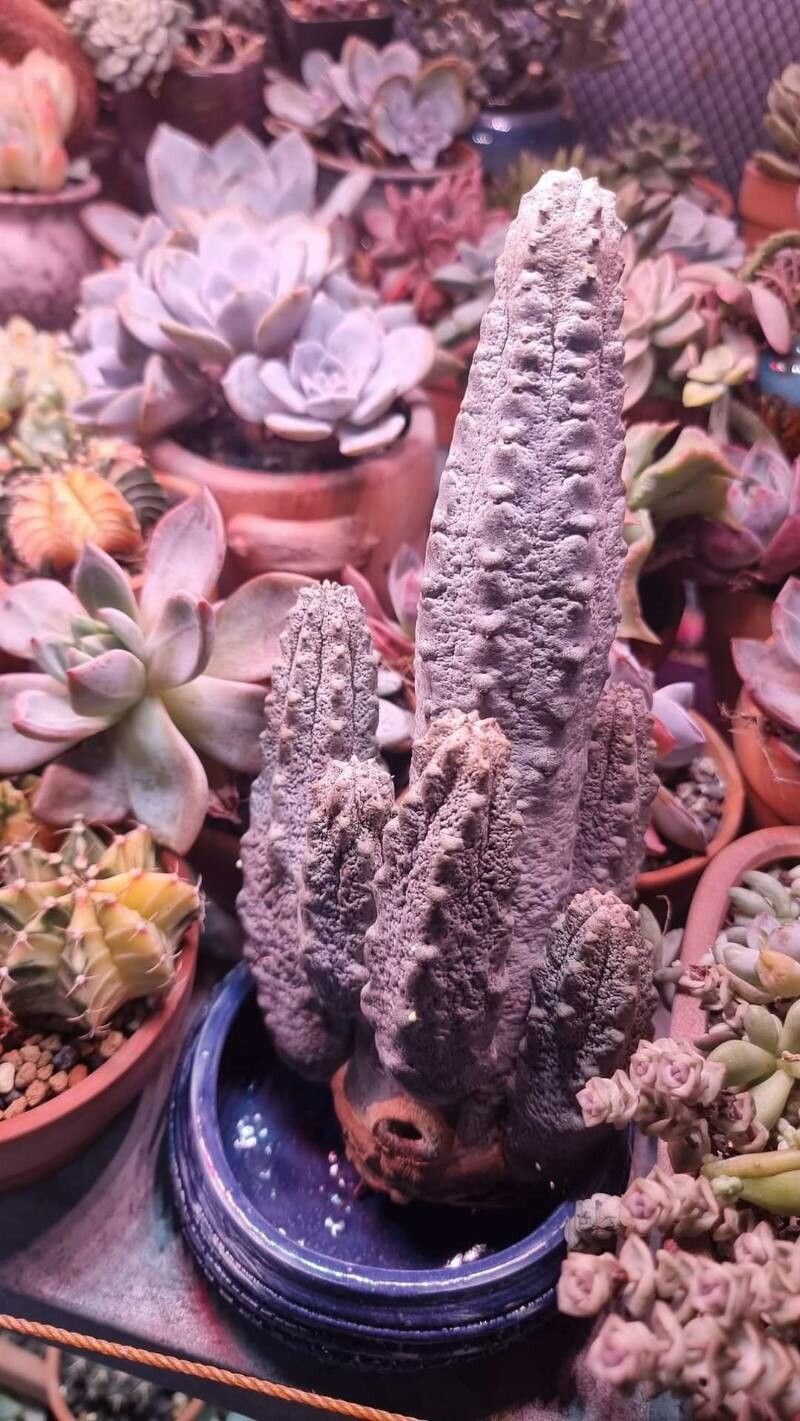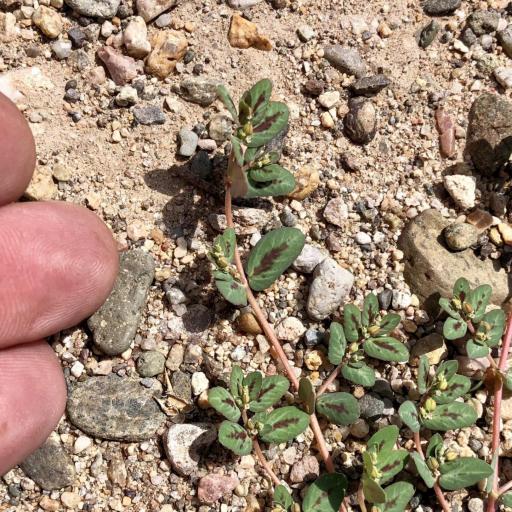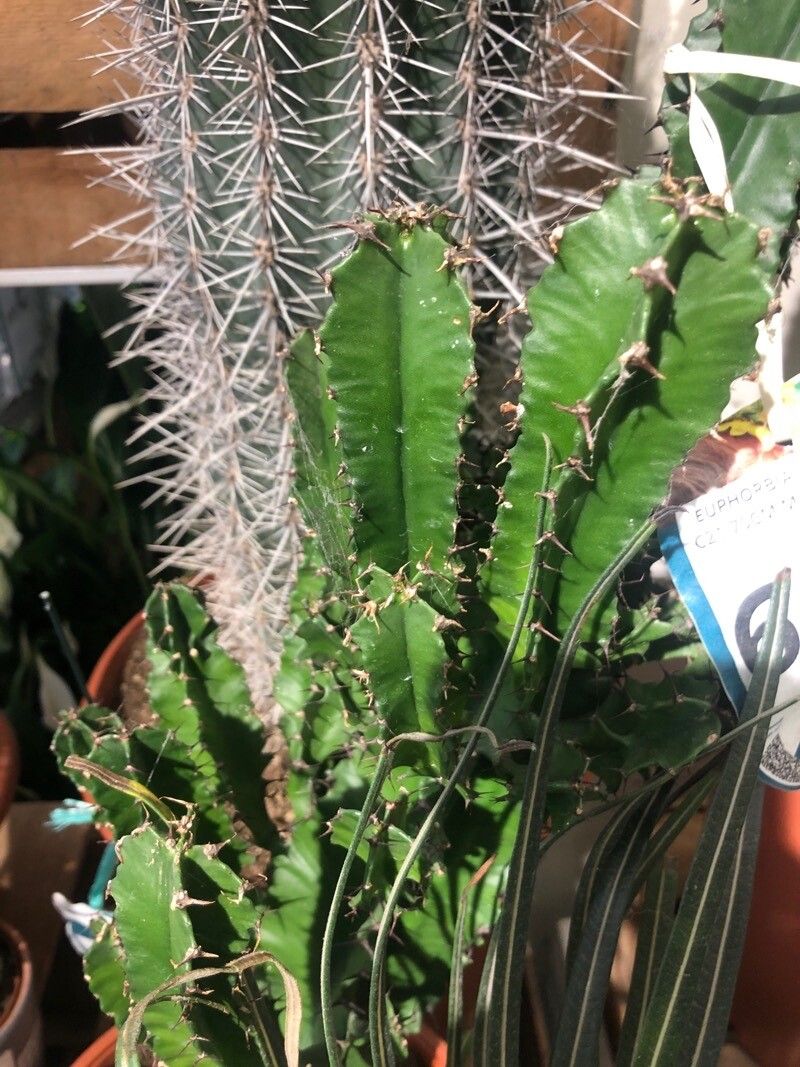
Euphorbia milii, commonly known as the Crown of Thorns, is a succulent plant native to Madagascar. It is a popular houseplant because of its attractive appearance and low maintenance needs. The plant features thick stems with sharp thorns and clusters of small green leaves that grow along the stem. The flowers of Euphorbia milii are small and come in a variety of colors, including red, pink, yellow, orange, and white.
Euphorbia milii thrives in bright, indirect light but can also tolerate some direct sunlight. It requires well-draining soil and should be allowed to dry out between waterings, as overwatering can cause root rot. The plant can be propagated through stem cuttings, which should be allowed to dry out for several days before planting.
While Euphorbia milii is generally easy to care for, it should be handled cautiously. The sap from the stems can cause skin irritation or allergic reactions in some people and pets if ingested.
The crown of thorns is likely one of the smallest flowers. It may not be as striking as the azalea, as pure and elegant as the narcissus, or as grand and noble as the peony, but it has its own charm. While many flowers and trees wither in the winter, the crown of thorns stands resilient against the frost. Its delicate and lovely flowers remain a pleasing sight. Shaped like a butterfly, each tiny flower consists of two petals and forms in small clusters, displaying green hues in summer and turning red in winter. Having several pots of these plants at home creates a sense of perpetual spring. FUN FACT · FROM THE LIBRARY
Overall, Euphorbia milii is an excellent addition to any indoor garden due to its attractive appearance and low maintenance requirements, making it an ideal choice for both novice gardeners and experienced green thumbs alike!
The Crown of Thorns is a small, woody shrub known for its sharp, half-inch long thorns that cover its main stems. Some believe that its branches were used by the Romans to make the crown placed on Jesus, which is why it is called the Crown of Thorns.
Crown of thorns has moderate disease resistance and is more sensitive to humidity and excess watering. It is also likelier to get sick when it receives little light and is overwatered. In terms of care, Crown of thorns is drought-tolerant and can endure extended periods without water. It needs little fertilizer and only occasional pruning. For these reasons it suits people at any experience level, particularly those who prefer to spend less time on plant care or who may be away from home for lengthy periods. It is a good option for anyone who does not want to invest much time in maintenance but still wants an easy-to-care-for plant.
How to keep Euphorbia Milii.
Light
Crown of thorns does best with plentiful sunlight, preferring places that receive a lot of sun but not overly scorching rays during the day. Though native to very sunny environments, it can tolerate somewhat reduced light levels. Still, both too little and too much sunlight can harm its growth.
Water
The crown of thorns plant thrives in dry conditions and has excellent drought tolerance. When cultivated, it requires well-draining soil and minimal watering, about once every three weeks, to allow the soil to dry out completely. Usually grown indoors, it does best in stable temperatures and has succulent leaves adapted for efficient water storage.
Humidity
This plant will thrive in moderate humidity, which is probably the level in your home. However, misting it a few times a week can be very beneficial. Make sure the room has good ventilation.
Temperature
Native to tropical and subtropical areas, the crown of thorns plant typically experiences average temperatures of about 20 to 38 ℃ (68 to 100.4 ℉). It prefers warm conditions and does not tolerate cold well. In cooler seasons, it is recommended to maintain temperatures between 18 to 24 ℃ (64.4 to 75.2 ℉) to help the plant acclimate.
Fertilizer
For Crown of thorns, light applications of fertilizer one to two times a year during the growing season are sufficient. Do not fertilize in winter or summer when it is dormant. Cut back on fertilizer for repotted plants and wait a couple of months after repotting before applying fertilizer. Fertilizing supports healthy growth and encourages blooms.
Pruning
Prune your Crown of Thorns lightly to manage its size and shape. In the fall, you can cut back old branches wherein most of the leaves have withered. Remove dead or spent leaves and flowers from the soil surface to prevent fungal disease.
Pot & Repot
Repot a Crown of Thorns in the warmer months, picking a pot only slightly larger than the current one with good drainage. Use a well-draining cactus or succulent soil mix. Handle the roots and caudex gently when repotting. After repotting, wait about a week before watering to avoid root rot. Keep it in a sunny spot for best growth.
Botanical profile.
- Plant Type
- Succulent, Shrub
- Life Cycle
- Perennial
- Genus
- Euphorbia
- Family
- Euphorbiaceae
- Hardiness Zone
- 9-11
- Mature Height
- 0.91 m to 1.83 m
- Mature Spread
- 46 cm to 91 cm
- Leaf Color
- Green
- Leaf Type
- Evergreen
- Flower Color
- Red, Pink
- Flower Size
- 1.27 cm
- Bloom Time
- Late spring, Summer
- Planting Time
- Spring, Summer, Autumn
- Harvest Time
- All year round
- Native Area
- Madagascar
Other names.
Reader questions.
When Should I Water My Crown Of Thorns?
To ensure the health and development of Crown of Thorns, it's critical to water the plant properly. Signs indicating it's time to water include the top 1 to 2 inches of soil being dry to the touch, leaves that appear wilted or are losing their vibrant color, and during the pre-flowering stage to prevent bud drop. High temperatures and sunlight exposure also increase the plant's water needs. Avoid watering when the soil is moist to prevent risks like root rot. Conversely, watering too late may lead to wilting or even plant death due to dehydration. Understanding these signals will help maintain the plant’s health, promote growth, and prolong its lifespan.
Why do I have to put fertilizer on my Crown of thorns?
When you fertilize the Crown of thorns, it adds nutrients to the growing medium. While it does store water and nutrients, applying plant food during the growing season aids in healthy growth. Additionally, fertilizing can stimulate mature specimens to produce blooms in the growing season.
What are the sunlight requirements for Crown of Thorns?
Crown of Thorns requires full sun, which means it needs above 6 hours of sunlight daily, but it can also thrive in partial sun, receiving about 3-6 hours of sunlight. Originating from sun-soaked habitats, it is suited to areas that receive ample yet not excessively hot sun rays throughout the day. It can adapt to conditions where light intensity is somewhat reduced. However, too little or too much sunlight may adversely affect its growth. It's important to observe how sunlight moves through your garden, choosing spots that provide a balance of light and shade to ensure the plant's happiness.
What is the native environment of the Crown of Thorns plant?
The Crown of Thorns plant is native to tropical and subtropical regions, thriving in an average temperature range of 20 to 38°C (68 to 100.4°F). It flourishes in warm temperatures and struggles with cold, suggesting its preference for climates that do not fluctuate into the extremes of cold.
How Should I Water My Crown Of Thorns?
Crown of Thorns, being a succulent, is particularly sensitive to over-watering. The preferred method is deep watering, letting the water drain out the bottom and allowing the soil to dry before the next watering. Bottom watering can also encourage deeper root growth. Use a moisture meter for accuracy, as this plant prefers drying out between waterings. Remember to water the soil directly and avoid getting the leaves wet to prevent fungal diseases. Adjust watering practices during winter, as the plant requires less water. A watering can with a thin spout can be beneficial for targeting water directly to the soil.
When should I put fertilizer on my Crown of thorns?
Crown of thorns only requires a small amount of fertilizer during its growing season, which occurs in the spring and autumn. Fertilization should occur 1-2 times a year, avoiding the winter and summer when the plant is dormant. If the plant has recently been repotted, it is important to reduce the amount of fertilizer and wait a few months before applying any.
How can artificial lighting be used for Crown of Thorns indoors?
Indoor Crown of Thorns plants require adequate lighting for optimal growth, especially when natural sunlight is insufficient, such as in winter or less sunny spaces. Artificial lights, like LED lights which can be customized to provide specific light wavelengths, offer a vital solution. The amount of artificial light required depends on the type of plant: full sun plants need 30-50W/sq ft, partial sun plants need 20-30W/sq ft, and full shade plants need 10-20W/sq ft. The light source should be placed 12-36 inches above the plant to mimic natural sunlight, and most plants need 8-12 hours of light per day.
How should the Crown of Thorns be cared for during colder seasons?
During colder seasons, it's recommended to maintain a temperature range between 18 to 24°C (64.4 to 75.2°F) for the Crown of Thorns plant. This helps the plant adjust away from its dormant state during winter. If temperatures fall below its tolerable growing minimum, it should be moved indoors, preferably near a south-facing window for maximum sunlight. In cases of insufficient natural light, supplemental lighting is advised. Watering should be reduced or ceased to prevent root rot, especially when temperatures drop below the suitable growth minimum.
How Much Water Does Crown Of Thorns Really Need?
Due to its origin in semi-arid regions of Madagascar, Crown of Thorns is drought-tolerant and doesn't need frequent watering. The amount of water required varies, with about two cups (around 500ml) every two weeks sufficing for a plant in a 10-inch pot. The goal is deep, infrequent watering to ensure thorough hydration of the roots. Signs of correct watering are vibrant, firm leaves, whereas under-watering leads to wilting, and over-watering may cause yellow leaves and root rot. Adjust watering amounts based on the plant size, pot size, and changing seasons.
When is it a bad idea to fertilize my Crown of thorns plant?
The Crown of thorns plant has a dormancy period, like most plants. During this time, which occurs in the summer and winter, it stops growing and it is best to avoid applying fertilizer. Additionally, it is recommended to not fertilize for a few months after repotting in the spring.
What are some common symptoms of light deficiency in Crown of Thorns?
When Crown of Thorns is placed in rooms with suboptimal lighting, it may display symptoms of light deficiency such as faster leaf drop, leggy or sparse growth, impact on flowering and fruiting, chlorosis (leaves turning yellow due to breakdown of chlorophyll), sunscald (pale or necrotic areas on the plant tissue), leaf curling, wilting (loss of turgor pressure), and leaf scorching (brown, dry edges on leaves). These symptoms indicate that the plant is not receiving the appropriate amount of sunlight necessary for its health.
What are the symptoms of low temperature effects on the Crown of Thorns, and how can they be addressed?
The Crown of Thorns plant suffers in low temperatures, showing weakness, wilting, and a susceptibility to root rot when the temperature falls below its suitable growth minimum. Mild frost damage might not be immediately apparent, but symptoms like gradual withering can emerge after a week. To counteract this, affected areas should be trimmed, with a check for root rot. If found, the rotted roots must be cut off, allowing for propagation through cuttings. The plant should then be moved to a warm indoor setting near a south-facing window, or provided with supplemental lighting if natural light is insufficient.