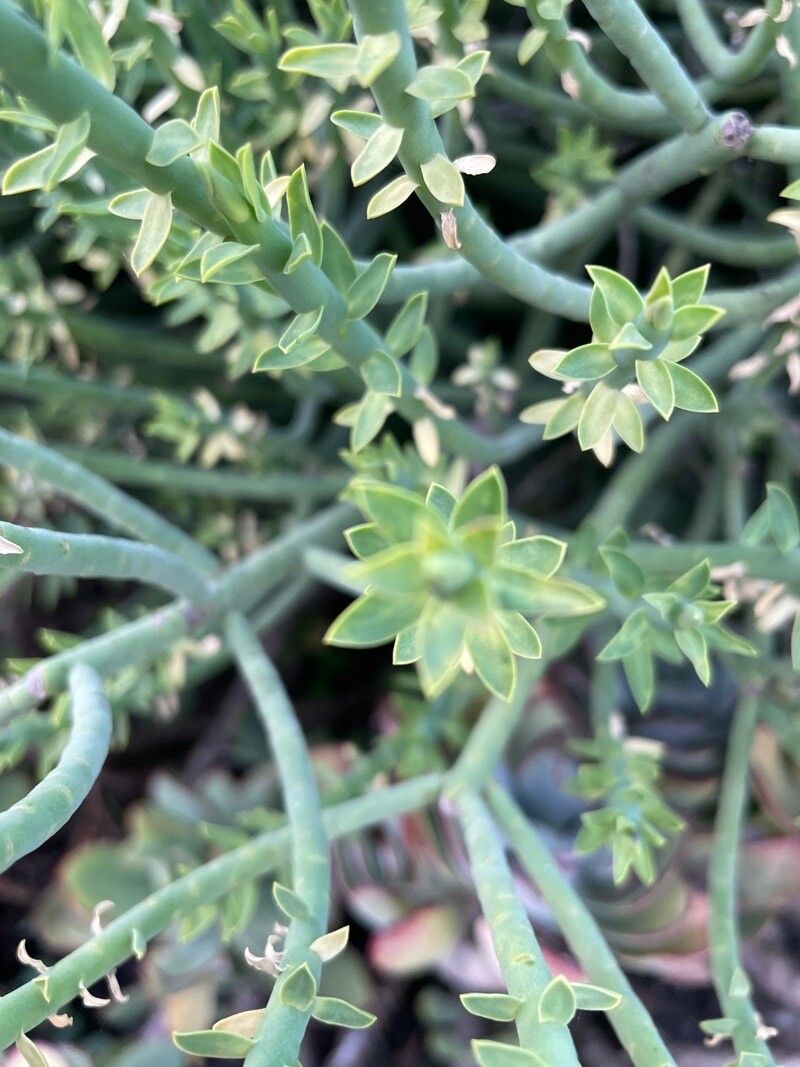
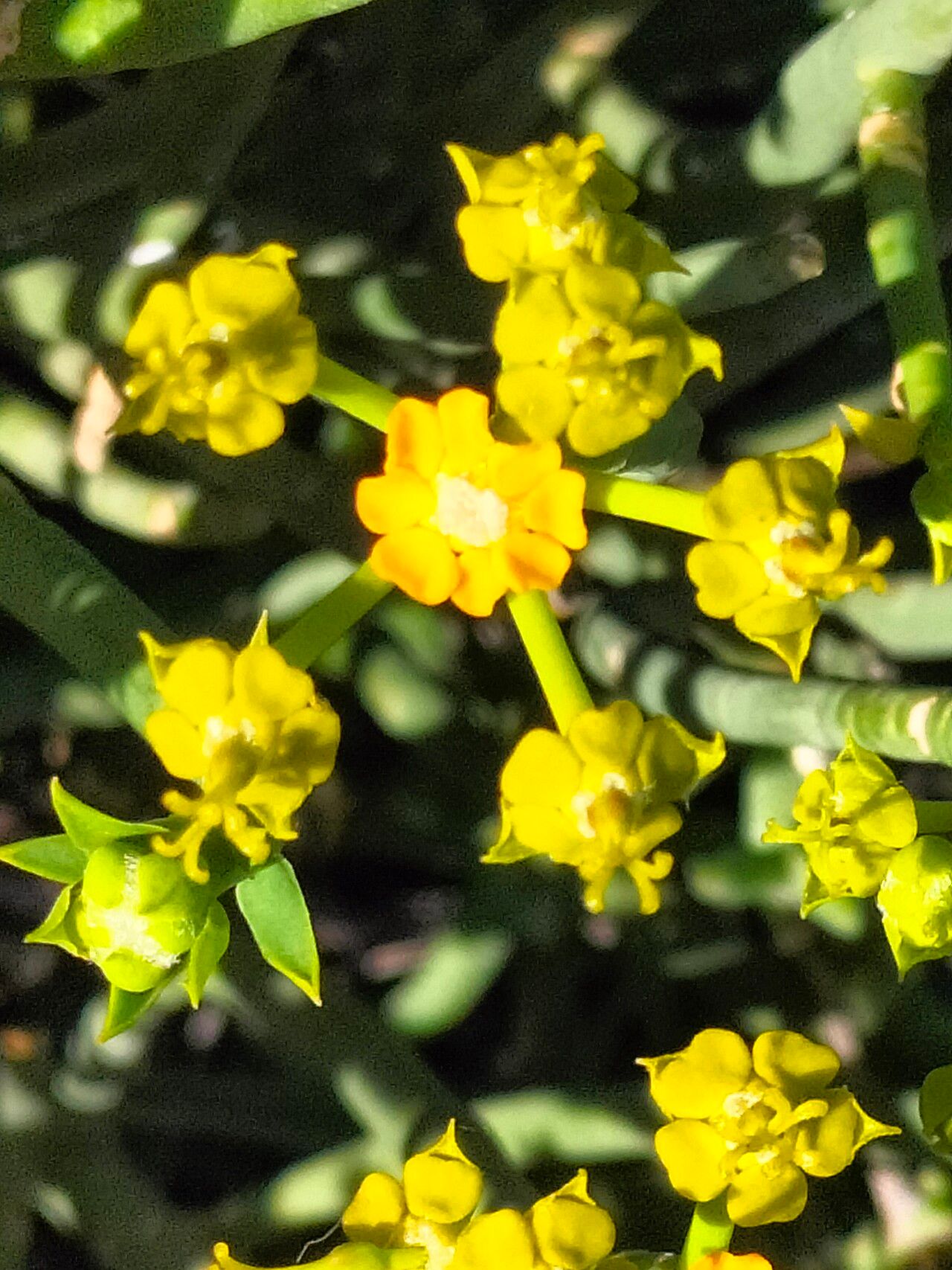
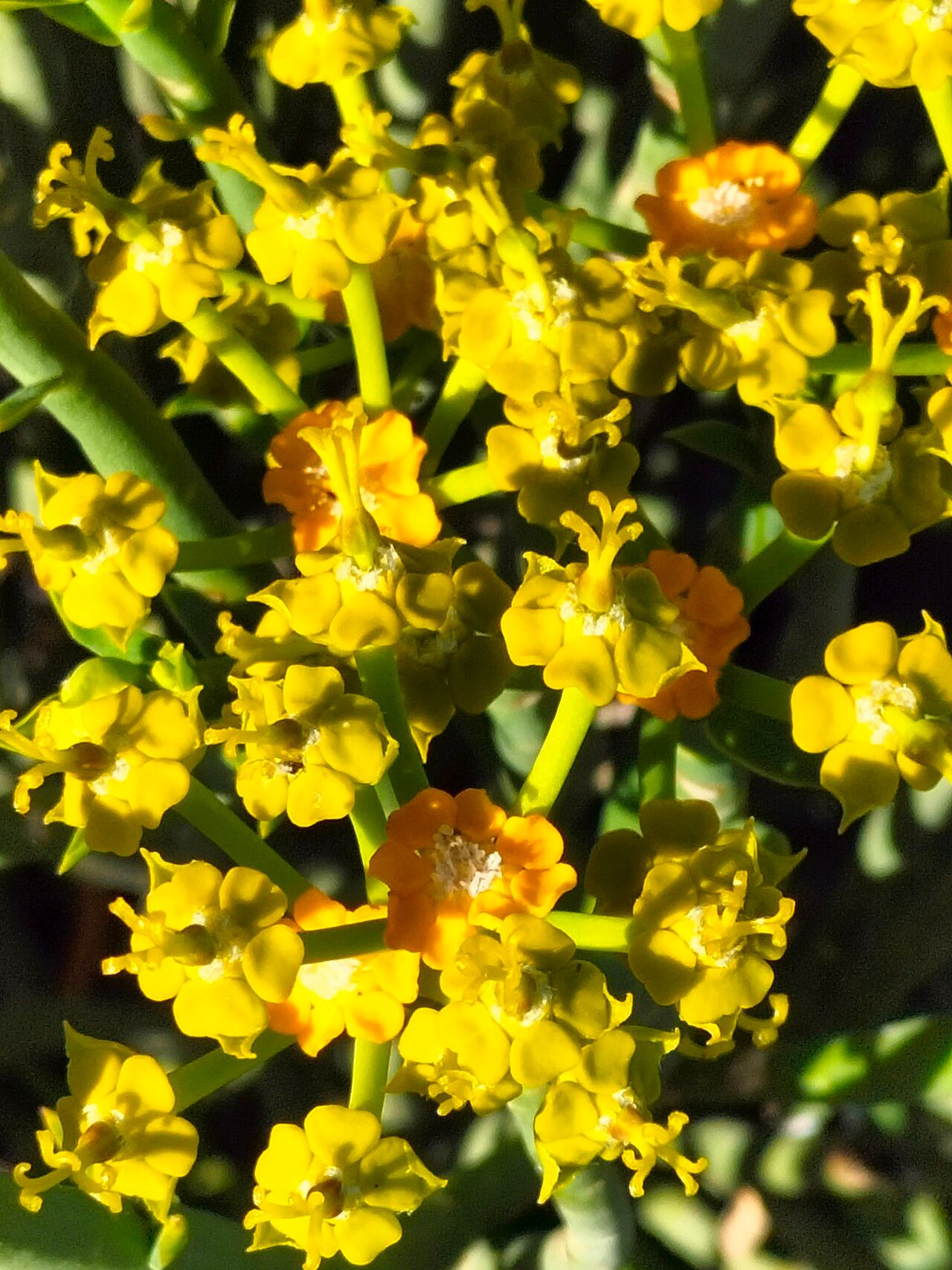
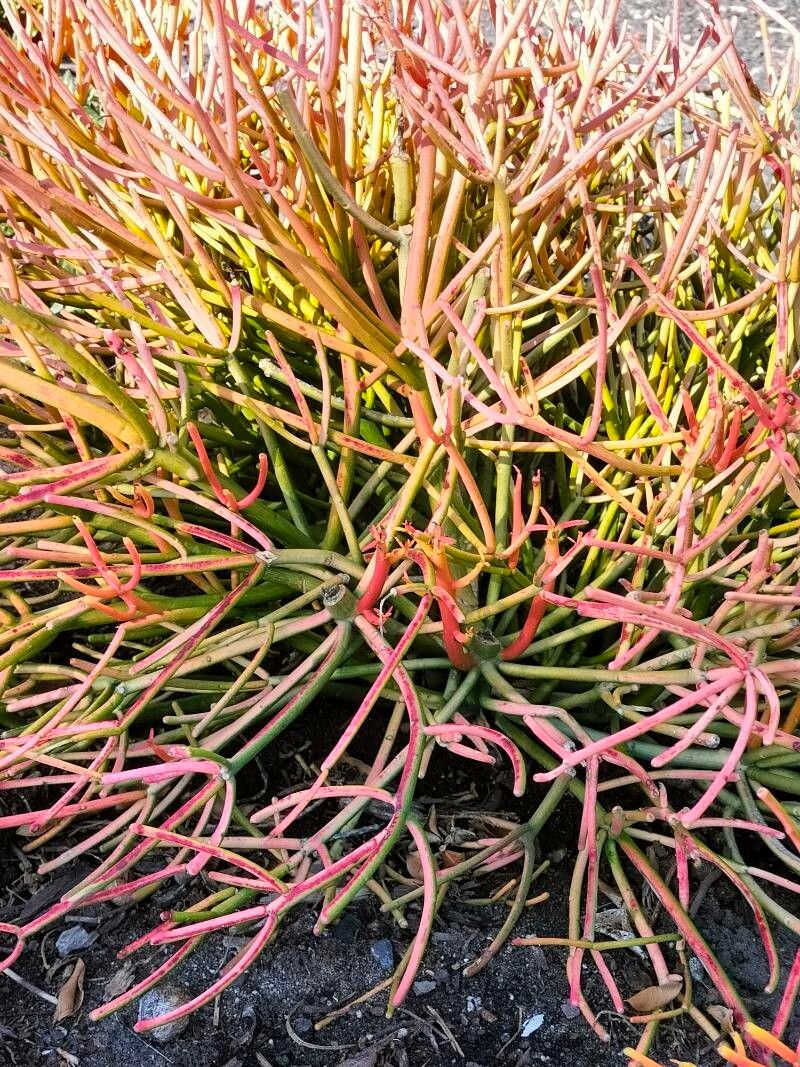
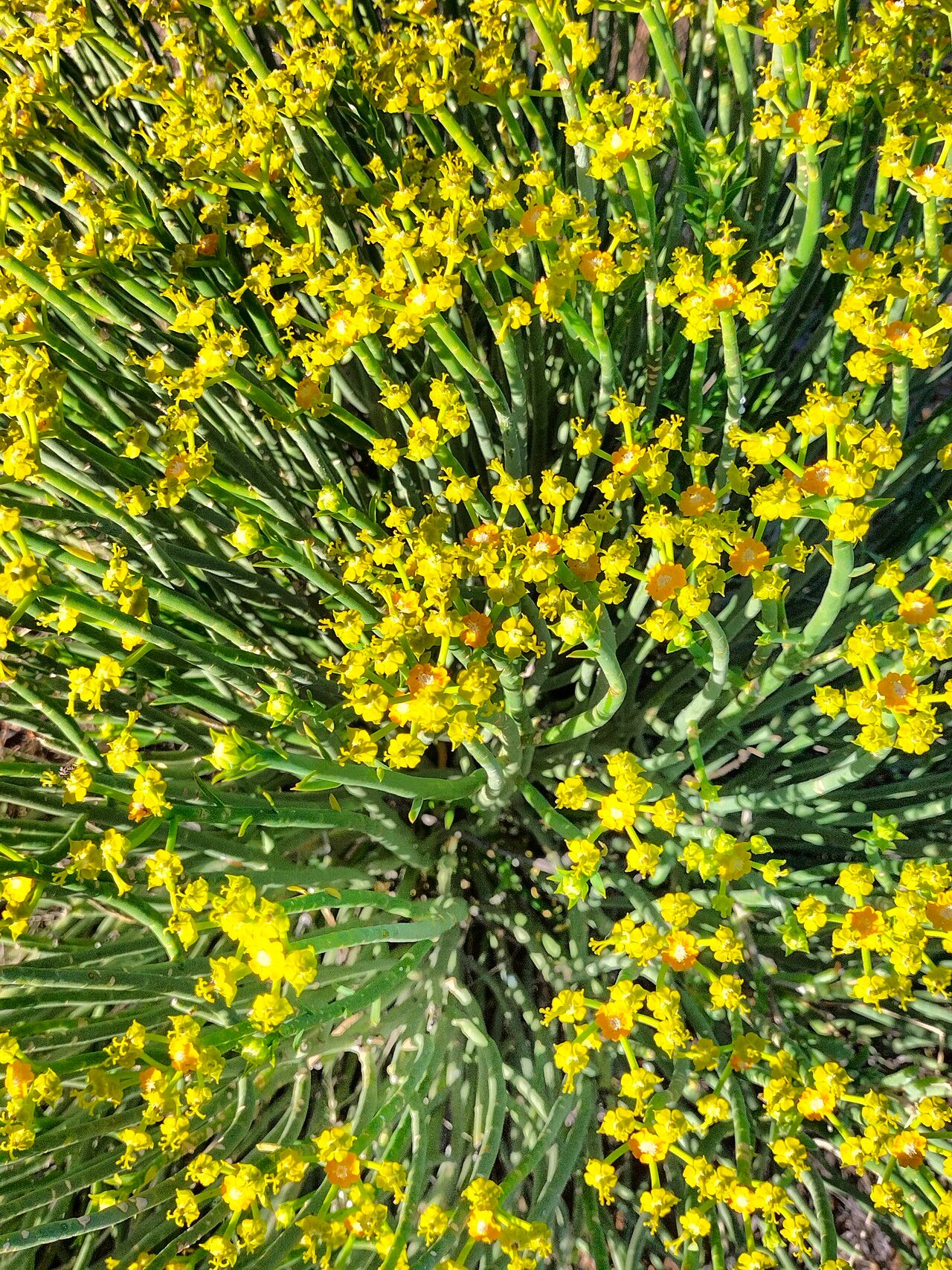
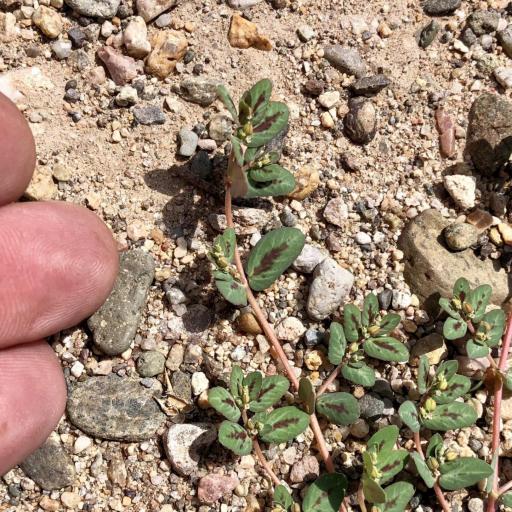
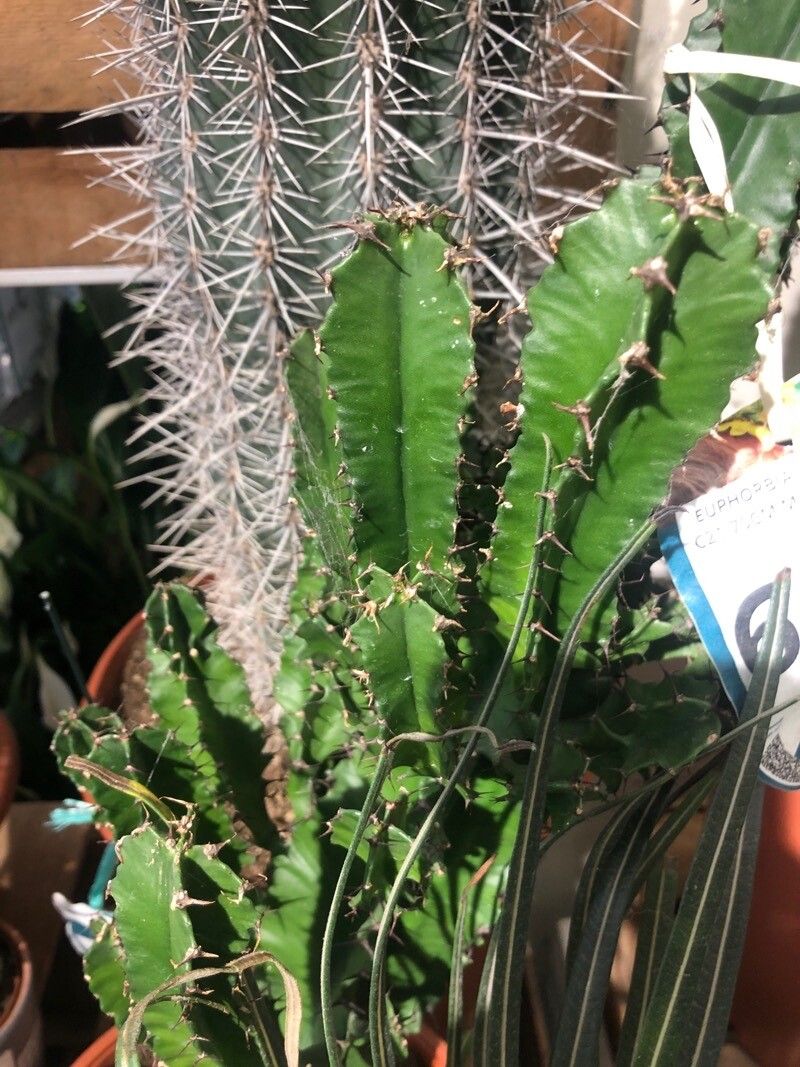
Euphorbia mauritanica, commonly known as yellow milk bush or golden spurge, is a species of plant in the family Euphorbiaceae native to Africa.
Pencil milkbush has moderate disease resistance but is relatively sensitive to humidity and to being overwatered. It becomes more prone to disease if it is kept in low light and watered too much. Regarding care, Pencil milkbush is drought-tolerant and can withstand extended periods without water. It requires little fertilizer and needs pruning only occasionally. For these reasons it is suitable for people at any experience level, particularly those who prefer to spend less time on plant care or who may be away from home for extended periods. It is a good option for anyone who does not want to invest a lot of time in maintenance but still wants an easy-to-care-for plant.
How to keep Euphorbia Mauritanica.
Light
Originating from arid regions, Pencil milkbush does best in full sun, as its native habitat features intense sunlight and little shade. It can also tolerate partial sun, giving it some flexibility in how it grows.
Water
The Pencil Milk Bush excels in dry conditions and is exceptionally drought-tolerant, requiring water only every three weeks. It thrives in well-draining soil to avoid root rot, reflecting its adaptation to conserve water and remain healthy as an indoor ornamental plant.
Temperature
Pencil milkbush does best in warm conditions and requires higher temperatures during the growing season to support growth and metabolism. It prefers plenty of sunlight, suitable moisture levels, and good air circulation. However, it can be harmed by very low temperatures and excessive watering. It's also important to maintain balance and prevent excessively high temperatures and overly dry conditions.
Fertilizer
For Pencil milkbush, light applications of fertilizer one to two times a year during the growing season are enough. Do not fertilize in winter or summer when the plant is dormant. Cut back on fertilizer for repotted plants and wait a couple of months after repotting before applying fertilizer. Fertilizing promotes healthy growth and encourages blooming.
Pruning
The pencil milkbush is characterized by its slender stems and milky sap. To maintain its health and appearance, it's important to prune it in early spring. During this time, remove any damaged or leggy stems and thin out crowded areas to improve air circulation. This practice prevents overgrowth and encourages vigorous new growth during the plant's active growth cycle.
Botanical profile.
- Plant Type
- Succulent
- Life Cycle
- Perennial
- Genus
- Euphorbia
- Family
- Euphorbiaceae
- Hardiness Zone
- 9-11
- Mature Height
- 76 cm
- Mature Spread
- 1.52 m
- Leaf Color
- Light Green
- Leaf Type
- Evergreen
- Flower Color
- Yellow
- Flower Size
- 0.51 cm to 0.76 cm
- Bloom Time
- Mid spring, Late spring, Early summer
- Planting Time
- Spring, Summer, Autumn
- Harvest Time
- Summer
- Native Area
- Lesotho, Mozambique, South Africa, Namibia, Botswana
Other names.
Reader questions.
What are the sunlight requirements for Pencil milkbush?
Pencil milkbush, or Euphorbia mauritanica, thrives under specific sunlight conditions. For plants requiring full sun, they should receive above 6 hours of sunlight daily. Those needing partial sun should get about 3-6 hours of sunlight. It's important to observe the way sunlight moves through your garden, selecting spots that offer a perfect balance of light and shade. This careful placement ensures the plants' health and happiness.
What is the botanical name of Pencil Milkbrush?
The botanical name of Pencil Milkbrush is Euphorbia mauritanica. It belongs to the Euphorbia family, known for its unique and diverse species often characterized by their milk-like sap.