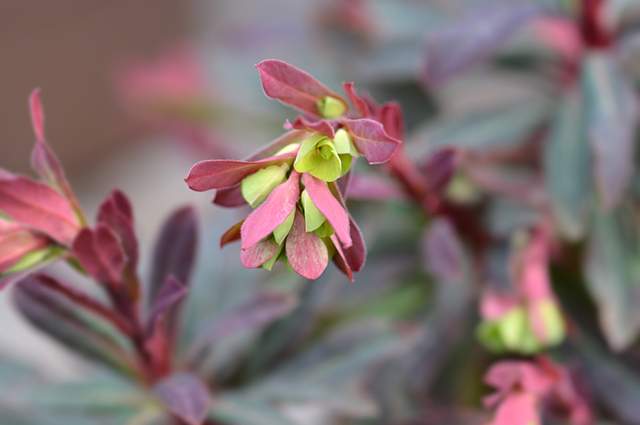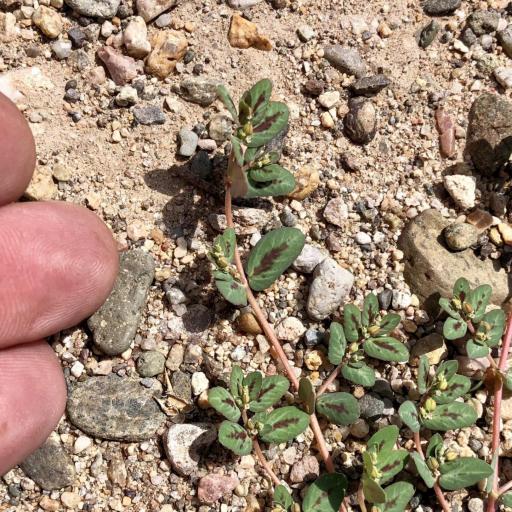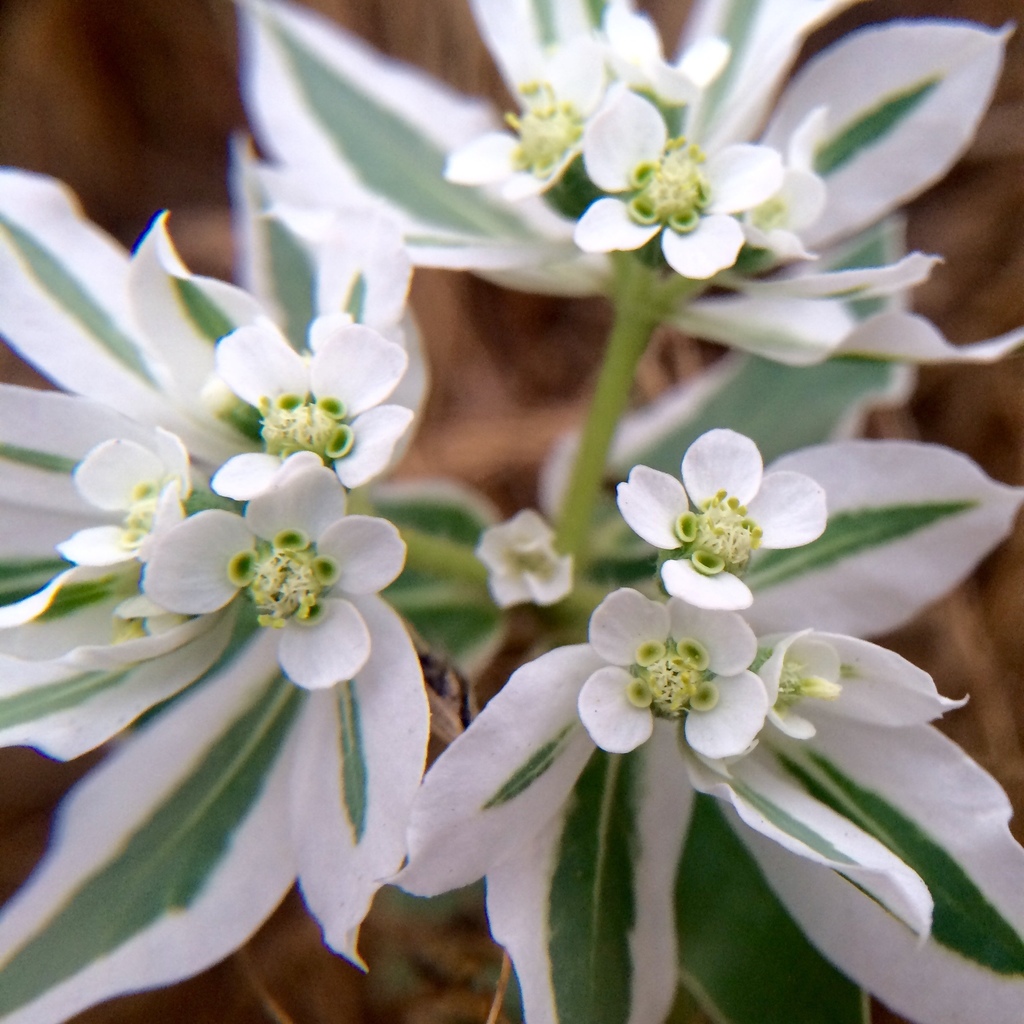
Euphorbia marginata, commonly known as snow-on-the-mountain, is a herbaceous annual plant in the Euphorbiaceae family. Native to North America, it thrives in diverse habitats including prairies, meadows, and open woodlands. The plant can grow up to 60 cm tall, featuring a branching stem and green leaves edged with white margins. While its flowers are small and inconspicuous, they are surrounded by striking white bracts that give the plant its characteristic appearance.
Euphorbia marginata is easy to grow and flourishes in full sun or partial shade with well-drained soil. Although it can tolerate drought, it prefers regular watering during dry spells. The plant is relatively free from serious pest or disease problems, though it may occasionally attract aphids or spider mites.
Handle Euphorbia marginata with care, as its sap contains toxic compounds that can cause skin irritation or allergic reactions in some individuals.
Often used as an ornamental garden plant, snow-on-the-mountain is valued for its attractive foliage and showy bracts. It also acts as a food source for various pollinators, such as bees and butterflies.
Overall, Euphorbia marginata is a beautiful and low-maintenance addition to any garden landscape, thanks to its unique appearance and ease of care.
Snow-on-the-mountain is fairly resistant to disease and typically does not suffer from them. That said, it can be vulnerable to pests and illnesses present in its surroundings. Such infections are generally not serious. Regarding care, the plant requires moderate maintenance. Regular pruning is needed to preserve a neat appearance and encourage healthy growth. Fertilizing can also aid in promoting blooms. Snow-on-the-mountain is suitable for anyone with outdoor space, like a garden or patio, and does not demand extensive care experience. It may need more attention if grown indoors.
How to keep Euphorbia Marginata.
Light
Snow-on-the-mountain does best in strong daytime sunlight, though it can tolerate periods of filtered light. Persistently shaded areas lead to poor growth over time, while too much sun can scorch the foliage. The ideal place to propagate it is a location with abundant solar exposure.
Water
Snow-on-the-mountain, a plant native to the prairies of North America, thrives with moderate watering, ideally on a weekly schedule. It prefers a balance between moisture and drought tolerance and requires sufficient indoor humidity to mimic its natural habitat. When grown outdoors, natural rainfall helps ensure optimal growth.
Temperature
Snow-on-the-mountain is native to temperate climates, and its preferred growth temperature ranges from 68 to 100.4°F (20 to 38℃). Seasonal variations may require adjustments to keep temperatures within this range.
Fertilizer
Snow-on-the-mountain benefits from regular light fertilization to encourage healthy leaf development. You should apply fertilizer about once a month throughout the summer. Nitrogen is essential for foliage, and providing nitrogen-rich sources helps Snow-on-the-mountain thrive.
Pruning
Snow-on-the-mountain is a plant characterized by its variegated leaves and upright growth. To maintain its shape and health, prune the plant between early and late spring, focusing on removing damaged stems. Regular pruning not only helps shape the plant but also increases foliage density and reduces legginess. Be sure to wear gloves while handling the plant, as its sap can cause skin irritation.
Pot & Repot
When repotting Snow-on-the-mountain, choose a pot that is 1-2 inches (2.5–5.1 cm) larger in diameter and ensure it has good drainage. Use a well-draining potting mix, and consider adding perlite for extra drainage. Repot in spring or early summer, water thoroughly afterward, and keep it in a shady spot at first.
Botanical profile.
- Plant Type
- Herb
- Life Cycle
- Annual, Biennial, Perennial
- Genus
- Euphorbia
- Family
- Euphorbiaceae
- Hardiness Zone
- 2-12
- Mature Height
- 61 cm to 76 cm
- Mature Spread
- 20 cm to 30 cm
- Leaf Color
- Green, White, Variegated
- Leaf Type
- Deciduous
- Flower Color
- White, Green
- Flower Size
- 1.02 cm to 2.03 cm
- Bloom Time
- Early summer, Mid summer
- Planting Time
- Spring
- Harvest Time
- Mid summer
- Native Area
- Mexico
Other names.
Reader questions.
How should I water my Snow-on-the-mountain plant?
Snow-on-the-mountain can be watered using a garden hose, watering can, or any common watering tool. It is not too particular about the type of water it receives, whether rainwater, tap water, or filtered water. However, it is best to avoid watering this plant from above as it can damage the leaves and flowers and potentially cause disease. Instead, setting up a drip irrigation system is recommended as it evenly and directly waters the soil. If the Snow-on-the-mountain is in a container, you can use a cup, watering can, or tap to water it directly into the soil.
Why should I put fertilizer on my Snow-on-the-mountain?
Plants require nutrients to grow, but certain types can obtain all the necessary nutrients without the need for additional fertilizers. Snow-on-the-mountain is a plant that, like others, relies on nutrients for growth and various internal processes. Nitrogen, phosphorus, and potassium are the main nutrients that contribute to a plant's essential functions. When it comes to foliage, nitrogen is particularly important in providing support. Obtaining enough nitrogen from the soil can be challenging for Snow-on-the-mountain plants, which is why many gardeners choose to supplement their growth by providing a nitrogen source.
What are the sunlight requirements for Snow-on-the-mountain?
Snow-on-the-mountain requires above 6 hours of sunlight to be considered in full sun, while about 3-6 hours of sunlight is needed for it to be in partial sun. It is important to observe how sunlight moves through your garden to find spots that provide the right balance of light and shade for your plants, ensuring they flourish.
What is the native climate for Snow-on-the-mountain?
Snow-on-the-mountain, also known by its botanical name Euphorbia marginata, is native to temperate climates. It thrives in a temperature range of 68 to 100.4°F (20 to 38°C). To ensure optimal growth, it may be necessary to adjust its environment based on the seasons to maintain this preferred temperature range. Despite its robust cold resistance, certain precautions may be advisable if winter temperatures are expected to plummet, ensuring the plant remains healthy and vibrant through varying conditions.
What should I do if I give my Snow-on-the-mountain plant too much or too little water?
To keep your Snow-on-the-mountain plant healthy, it's important to water it correctly. If you notice that the plant is lacking moisture, simply start watering it more regularly. Overwatering, on the other hand, can be a bigger problem. It can lead to diseases and even the death of the plant. To prevent this, choose a good location for your plant with plenty of sunlight and good drainage. If you have an overwatered plant in a pot, consider changing it to a new pot with better drainage. When repotting, use loose soil and a pot that drains well.
When should I fertilize my Snow-on-the-mountain for the best results?
Snow-on-the-mountain generally grows well and can benefit from monthly fertilization during its active growth period in the spring and summer. However, it does not require fertilization during the fall and winter when it is less active and requires fewer nutrients. Look for signs of new growth to determine when to start fertilizing. Whether grown indoors or outdoors in a container, the fertilization schedule remains the same. If your Snow-on-the-mountain is in a container, you may not need to fertilize for the first one to two months. The potting soil for container plants already contains enough nutrients, so wait until your plant has been in the soil for a while before beginning to fertilize.
How does Snow-on-the-mountain respond to sunlight and artificial lighting?
Snow-on-the-mountain thrives under full sun but can tolerate periods of filtered sunlight. However, being in chronically shaded areas can lead to inadequate growth, and too much direct sunlight may cause burnt foliage. For indoor plants, artificial lighting can be crucial for optimal growth, especially when natural sunlight is insufficient. LED lights, providing 30-50W/sq ft for full sun plants, 20-30W/sq ft for partial sun plants, and 10-20W/sq ft for full shade plants, are recommended. The light source should be 12-36 inches above the plant, mimicking natural sunlight for about 8-12 hours per day.
How can I protect Snow-on-the-mountain in winter?
To protect Snow-on-the-mountain during lower than optimal winter temperatures, it is recommended to cover the plant with protective materials such as soil or straw. Additionally, watering the plant abundantly before the first freeze of autumn is advised. This practice ensures that the soil remains moist and enters a frozen state, which helps prevent drought and water scarcity for the plant during the colder months, promoting its health and survival into spring.
How frequently should I water my Snow-on-the-mountain plant?
Snow-on-the-mountain requires regular watering during the growing season. In the spring, water the plant once a week. As the season progresses and gets warmer, increase watering to two to three times per week. Be careful not to exceed this rate as it can harm the plant. It's important to keep the soil moist but not wet, regardless of how often you water. When watering Snow-on-the-mountain in a pot, you'll need to water more frequently. Potted soil can become hotter and dry out faster than ground soil. Typically, water a container-grown Snow-on-the-mountain a few times per week compared to once per week for an in-ground plant.
When is not a good time to add fertilizer to my Snow-on-the-mountain?
To ensure optimal growth, it is important to fertilize your Snow-on-the-mountain only if it is in good health, free from diseases and pests. Additionally, avoid fertilizing plants that are dehydrated, as fertilizers can exacerbate this issue. It is best to only fertilize plants that are already healthy. When watering, be cautious not to splash fertilizer onto the leaves or stem of the plant, as this can cause damage. Unless using a specific foliage fertilizer, avoid direct contact between the plant and the fertilizer.
What symptoms indicate Snow-on-the-mountain is getting too little or too much light?
Symptoms of inadequate light include smaller new leaves, leggy or sparse growth, faster leaf drop, slower or no new growth, and lighter-colored new leaves. Symptoms of too much light include chlorosis, where leaves lose their green color and turn yellow; sunscald, resulting in pale, bleached areas on the plant; leaf curling, wilting, and leaf scorching, characterized by brown, dry edges on leaves. These symptoms show the plant's struggle with light management, indicating the need for adjustments in their environment.
What are the symptoms of Snow-on-the-mountain being affected by low temperature?
Although Snow-on-the-mountain exhibits strong cold tolerance, it thrives best when the temperature stays above its minimum suitable growth temperature. During winter, it should be kept above its tolerable growing temperature minimum. If the temperature falls below the critical limit, the plant may not show immediate changes, but a decrease in sprouting or even a lack of sprouting might occur by spring. In such cases, removing parts that have failed to sprout in the spring can help manage this issue.