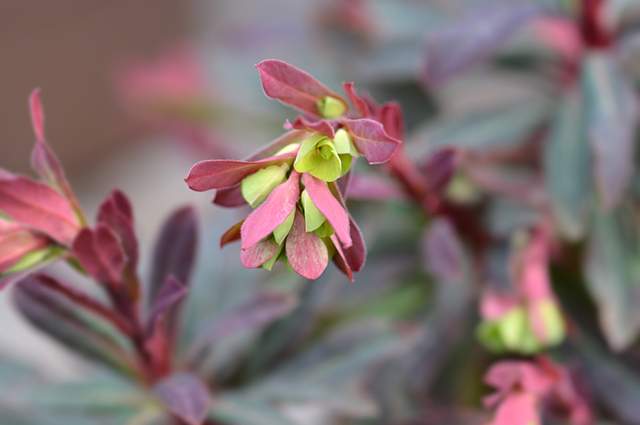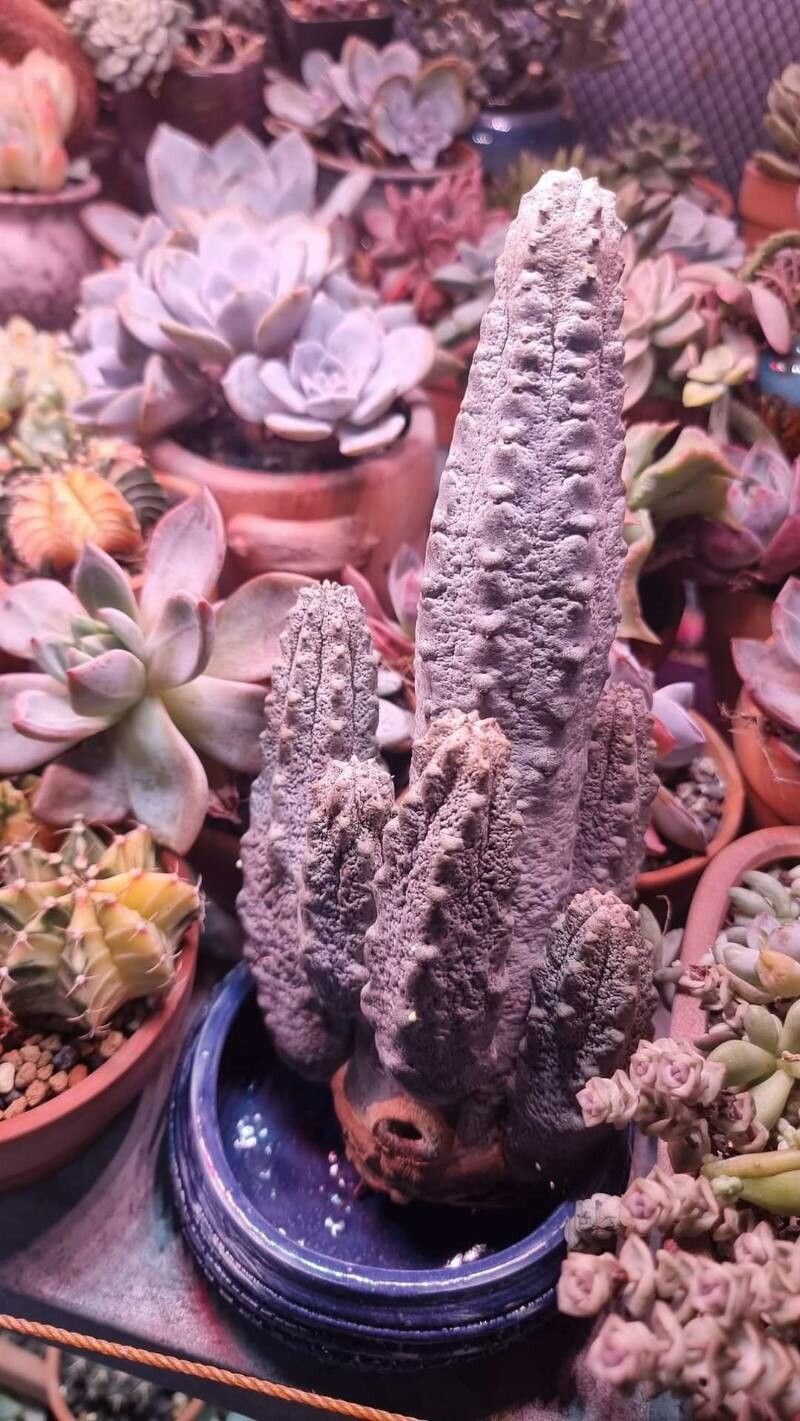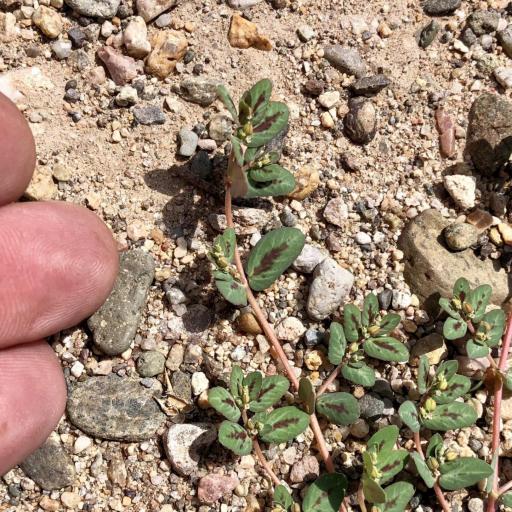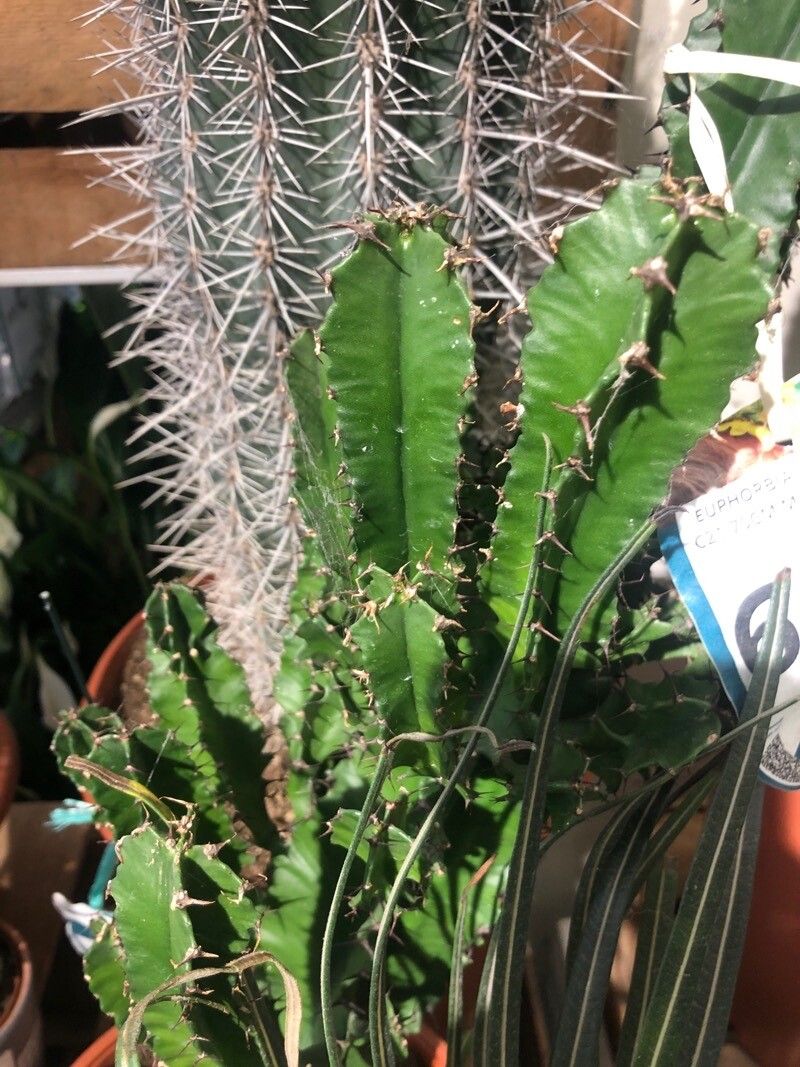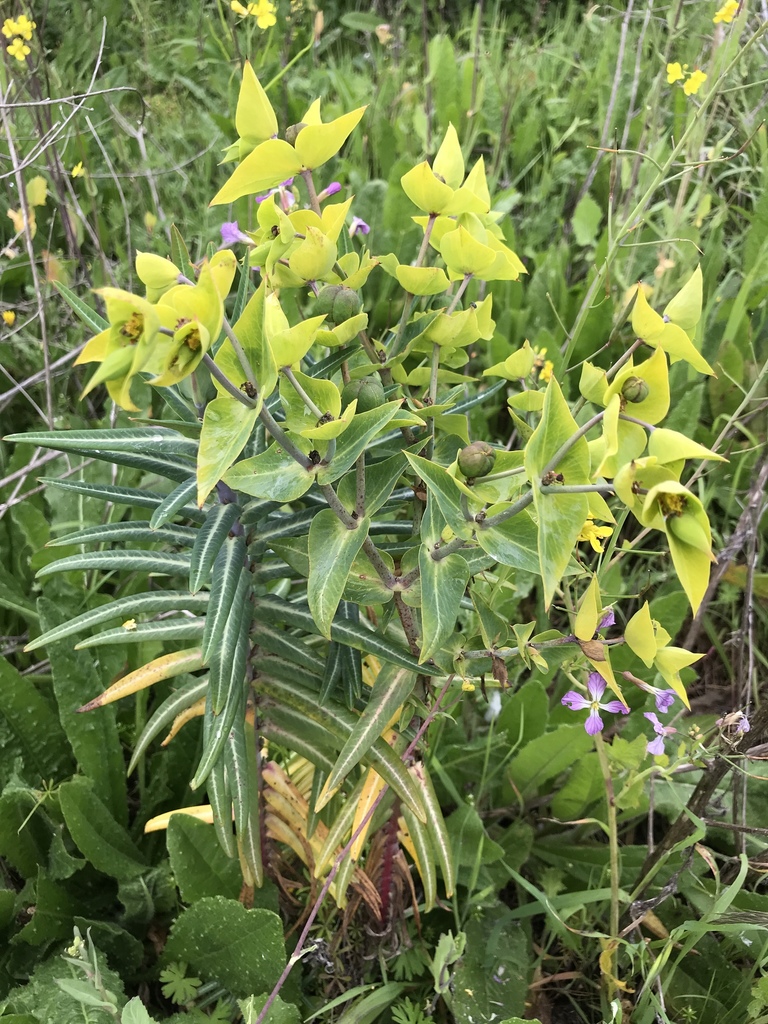
Euphorbia lathyris, commonly known as caper spurge or mole plant, is a herbaceous perennial belonging to the Euphorbiaceae family. Native to the Mediterranean region, it has since been introduced and naturalized in many parts of the world.
The plant can grow to a height of 1-2 meters, featuring a thick stem with multiple branches. Its leaves are alternate, simple, and oblong, bearing a bluish-green color. The small, yellow-green flowers bloom from May to August.
Euphorbia lathyris is renowned for its medicinal properties, owing to its toxic compounds like diterpenes, which have been traditionally used to treat skin conditions such as warts and corns.
Euphorbia lathyris can give your garden an ornamental look and even help deter moles. However, you should handle it with caution. Like all members of the Euphorbia species, this plant is poisonous and contains a toxic milky sap in all of its parts. FUN FACT · FROM THE LIBRARY
In gardening, the plant serves as an ornamental addition due to its unique appearance. It is also grown for its oil, which has applications in lubrication.
However, it's important to note that Euphorbia lathyris contains toxic compounds that can be harmful if ingested by humans or animals. Therefore, appropriate precautions should be taken when handling this plant.
Caper Spurge, also known as the Mole Plant, is scientifically referred to as Euphorbia lathyris. This plant earned the name "Caper Spurge" due to its large seedpods, which resemble those of the true caper (Capparis spinosa). It is also commonly called the "Mole Plant" because it has been shown to repel moles when grown in gardens.
Caper spurge is fairly resistant to disease and typically does not suffer from illnesses. Still, it can be affected by pests and diseases found nearby. Such infections tend to be mild. In terms of care, the plant needs moderate maintenance. Regular pruning is necessary to keep it looking neat and to support healthy growth. Applying fertilizer can also encourage flowering. Caper spurge is suitable for people with outdoor spaces like gardens or patios and does not require much gardening experience. When grown indoors, it may need more attention.
How to keep Euphorbia Lathyris.
Light
Caper spurge is a sun-loving plant that does best in well-exposed sites, making full use of strong light. It can, however, tolerate locations with a certain amount of shade. Shade beyond moderate levels may limit its growth. Excessive exposure can cause leaf scorch.
Water
Caper spurge, native to a Mediterranean climate, is drought-tolerant and requires minimal watering. Watering it once a week in well-draining soil helps maintain its health and prevents root rot. Typically grown outdoors, caper spurge thrives because of its resilience and natural adaptation to infrequent rainfall.
Temperature
Caper spurge grows best in its native temperate setting when temperatures are between 68 and 95 °F (20 to 35 ℃). During colder months, consider raising the heating to match caper spurge's temperature preferences.
Fertilizer
Caper spurge responds well to regular, dilute applications of fertilizer to encourage healthy leaf development. Fertilize caper spurge roughly once a month during the summer. Nitrogen is important for foliage, so adding nitrogen-rich fertilizers helps the plant thrive.
Pruning
Caper spurge benefits from pruning in the early to late spring, as this promotes healthy growth and improves air circulation. To maintain the plant's shape and prevent it from becoming too leggy, remove any dead branches and trim back overgrown stems. Pruning at the right time helps the plant recover quickly and thrive during its active growing season.
Pot & Repot
To thrive, caper spurge needs pots with excellent drainage to prevent excess water from accumulating and causing root rot.
Botanical profile.
- Plant Type
- Herb
- Life Cycle
- Annual, Biennial, Perennial
- Genus
- Euphorbia
- Family
- Euphorbiaceae
- Hardiness Zone
- 5-9
- Mature Height
- 1.52 m
- Mature Spread
- 30 cm
- Leaf Color
- Green, Blue
- Leaf Type
- Deciduous
- Flower Color
- Yellow, Green
- Flower Size
- 0.51 cm
- Bloom Time
- Late spring, Early summer, Mid summer
- Planting Time
- Spring
- Harvest Time
- Mid summer
- Native Area
- Vietnam, China
Other names.
Reader questions.
How should I water my Caper spurge plant?
To water Caper spurge, there are several options available. You can use a garden hose with a spray nozzle, a watering can, or any other common watering tool. Caper spurge is not too particular about the source of water. They can thrive with rainwater, tap water, or filtered water. However, it is generally recommended to avoid watering this plant from above as it may harm the leaves and flowers and potentially lead to diseases. For optimal watering, a drip irrigation system is often the best choice. These systems ensure even and direct application of water to the soil, which Caper spurge appreciates. If you have a container-grown Caper spurge, you can use a similar watering technique but with different tools. Simply use a cup, watering can, or tap water to apply water directly to the soil.
Why should I put fertilizer on my Caper spurge?
Not all plants require additional fertilizers as they are capable of obtaining the necessary nutrients for growth. However, plants like caper spurge do rely on nutrients to support growth and internal processes. The main nutrients required by plants, such as nitrogen, phosphorus, and potassium, serve various essential functions. In the case of caper spurge, nitrogen is particularly important for foliage growth. Unfortunately, it can be challenging for caper spurge to obtain sufficient nitrogen from the soil alone. Consequently, many gardeners choose to supplement caper spurge with an external nitrogen source.
What are the sunlight requirements for Caper spurge?
Caper spurge requires full sun, which means it should be exposed to more than 6 hours of sunlight daily. It can also grow in partial sun conditions, with around 3-6 hours of sunlight. Observing the movement of sunlight through your garden to find the perfect spot is crucial for the happiness of your plants. A balance of light and shade ensures the optimal growth of Caper spurge, avoiding areas with too much shade or excessive exposure that can lead to growth issues or leaf scorch.
How does caper spurge thrive in its native environment?
Caper spurge thrives best in its native temperate environments, with optimal temperatures ranging from 68 to 95 °F (20 to 35 °C). It possesses strong cold resistance, which typically negates the need for special frost protection measures during winter. In colder seasons, however, it may be necessary to increase heating to maintain these optimal temperature conditions. If winter temperatures are expected to drop below the plant's cold tolerance limit, providing cold protection by covering the plant with soil or straw is recommended. Additionally, watering the plant abundantly before the first freeze in autumn to ensure the soil remains moist can help prevent drought and water scarcity for the plant during winter and early spring.
What do I need to do if I give my Caper spurge too much or too little water?
The solution for underwatering Caper spurge is simple: when you notice the plant is lacking moisture, just water it more regularly. Overwatering, however, can be a serious issue if not caught early. It can cause diseases that lead to the decline and death of the Caper spurge. To avoid this, choose a suitable location for the plant - one that gets plenty of sunlight to dry out the soil and has good drainage to prevent water from pooling. If you have overwatered a potted Caper spurge, it may be necessary to repot it. Your previous container may have had poor soil drainage or not enough drainage holes. When repotting, use loose soil and a pot that drains well.
When should I fertilize my Caper spurge plant for the best results?
To keep Caper spurge growing well, it is recommended to fertilize it about once a month during the spring and summer months when it is actively growing. However, during the fall and winter when it becomes less active, fertilization is not necessary as it does not require as many nutrients. Look for signs of new growth as an indicator to start fertilizing Caper spurge. Whether it is grown outside or in a container indoors, the fertilization schedule remains the same. If your Caper spurge is in a container, you may not need to fertilize for the first one to two months as the potting soil already contains sufficient nutrients. Only begin fertilizing after your plant has been in the same soil for a while.
How does artificial lighting benefit indoor plants?
Indoor plants, including Caper spurge, may require additional lighting when natural sunlight is insufficient, such as in winter or less sunny spaces. Artificial lighting can be a vital solution that promotes faster, healthier growth. LED lights are popular for indoor lighting as they can be customized to provide specific wavelengths needed by plants. The amount of artificial light required varies: full sun plants need 30-50W/sq ft, partial sun plants need 20-30W/sq ft, and full shade plants need 10-20W/sq ft. For optimal growth, the light source should be placed 12-36 inches above the plant, mimicking natural sunlight as closely as possible, with most plants benefiting from 8-12 hours of light per day.
What should be done if caper spurge is exposed to temperatures below its cold tolerance limit?
Caper spurge is notably cold-tolerant, requiring temperatures to be kept above a certain minimum to thrive best. During winter, it's crucial to ensure the temperature does not fall below this minimum cold tolerance limit. If it does, the plant might not exhibit noticeable changes during the cold months, but a decrease in sprouting or even a complete lack of sprouting might occur come springtime. In such cases, removing any parts of the plant that have failed to sprout in the spring is advisable.
How frequently do I need to water my Caper spurge plant?
To properly care for your Caper spurge plant, you will need to water it regularly. In the spring, you should water it once a week. As the season progresses and it gets hotter, you may need to increase the frequency to two to three times a week. However, be careful not to water it too often, as this can harm the plant. Regardless of how often you water, make sure the soil remains moist but not overly wet. If your Caper spurge is in a pot, you will need to water it more frequently. Potted plants tend to dry out faster, so you should plan to water them a few times per week. In contrast, for in-ground plants, once a week should be sufficient.
When is the best time to not fertilize my Caper spurge plant?
If your Caper spurge is not healthy, such as if it has a disease or insect pests, do not fertilize it. Additionally, do not fertilize a dehydrated plant as this will make the problem worse. Only fertilize plants that are healthy. When watering, be cautious not to splash fertilizer onto the leaves or stem of the plant as it can cause burned spots. And unless you are using a special fertilizer specifically designed to be applied to the foliage, avoid allowing the fertilizer to directly touch the plant.
What symptoms indicate light deficiency in Caper spurge?
Symptoms of light deficiency in Caper spurge include smaller new leaves compared to previous ones, leggy or sparse growth, faster leaf drop, slower or no new growth, lighter-colored new leaves, chlorosis (leaves losing their green color and turning yellow), sunscald (damage from intense sunlight exposure), leaf curling (a defense mechanism to minimize water loss), wilting (loss of turgor pressure causing droopiness), and leaf scorching (brown, dry, and crispy leaf edges or patches due to excessive sunlight). These symptoms highlight the importance of providing adequate sunlight for healthy plant growth.
How does high temperature affect caper spurge, and what are the solutions?
During summer, keeping caper spurge below a specific maximum temperature is important to prevent heat stress. Exceeding this temperature can cause the leaves to lighten in color, become prone to curling, and become susceptible to sunburn. In severe cases, the plant might wilt and dry up entirely. To address these issues, trimming away sunburned and dried-up parts is recommended. Additionally, moving the plant to a location with shade during the midday and afternoon sun or using a shade cloth can protect it from excessive heat. Ensuring the soil remains moist by watering the plant in the morning and evening is also vital to its well-being in high temperature conditions.