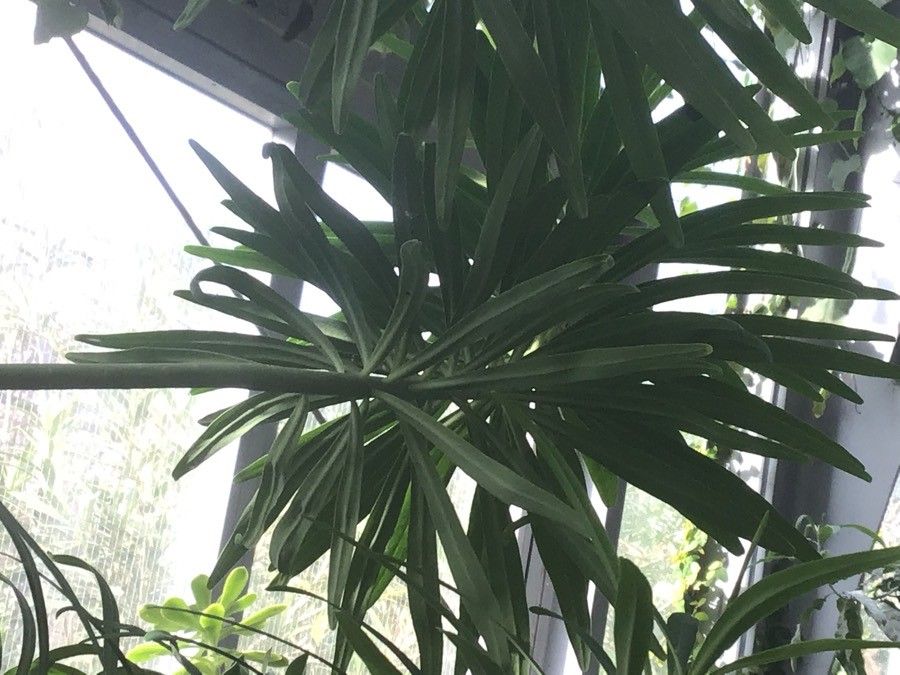
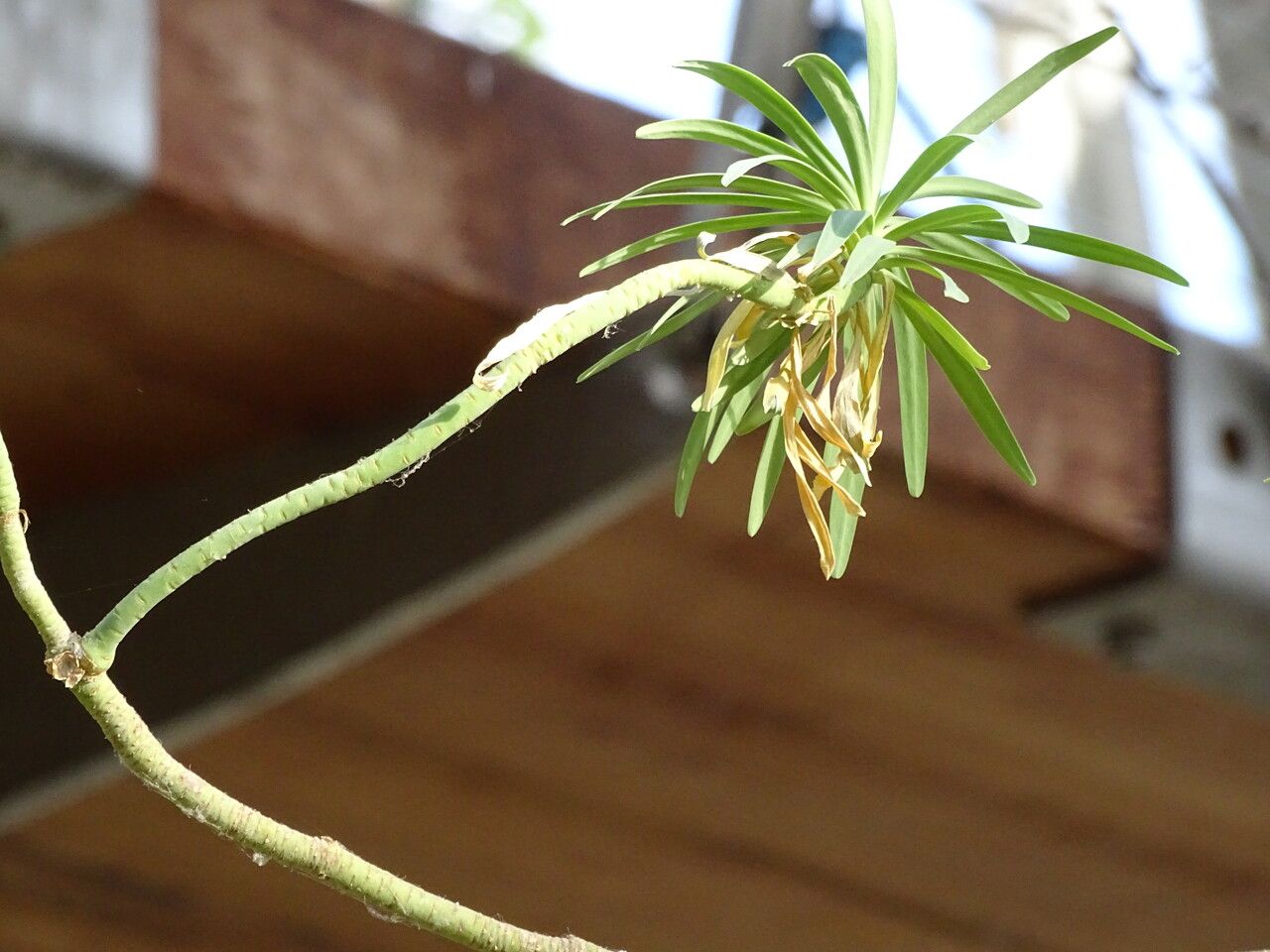
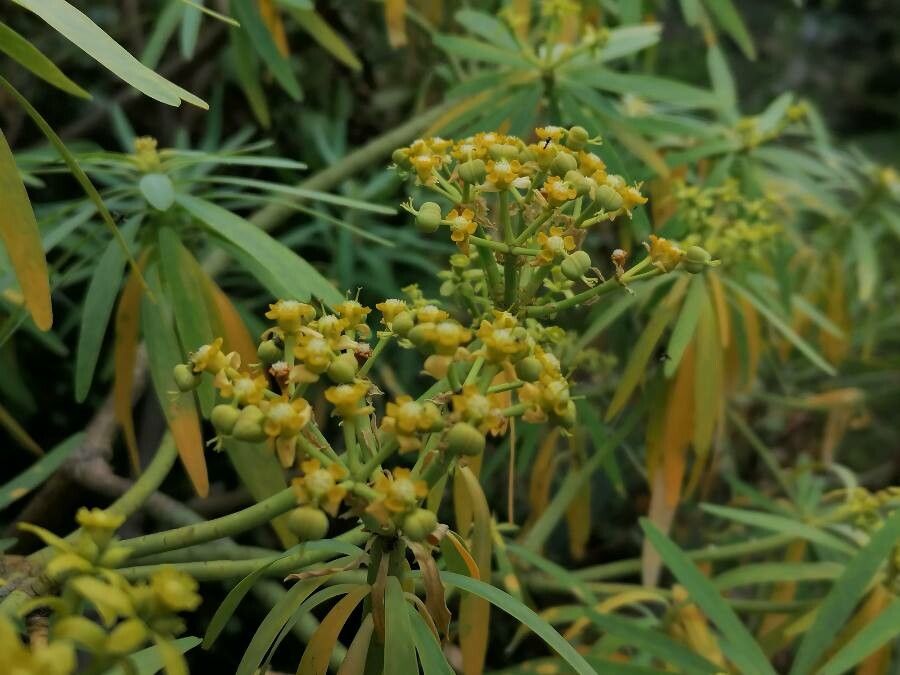
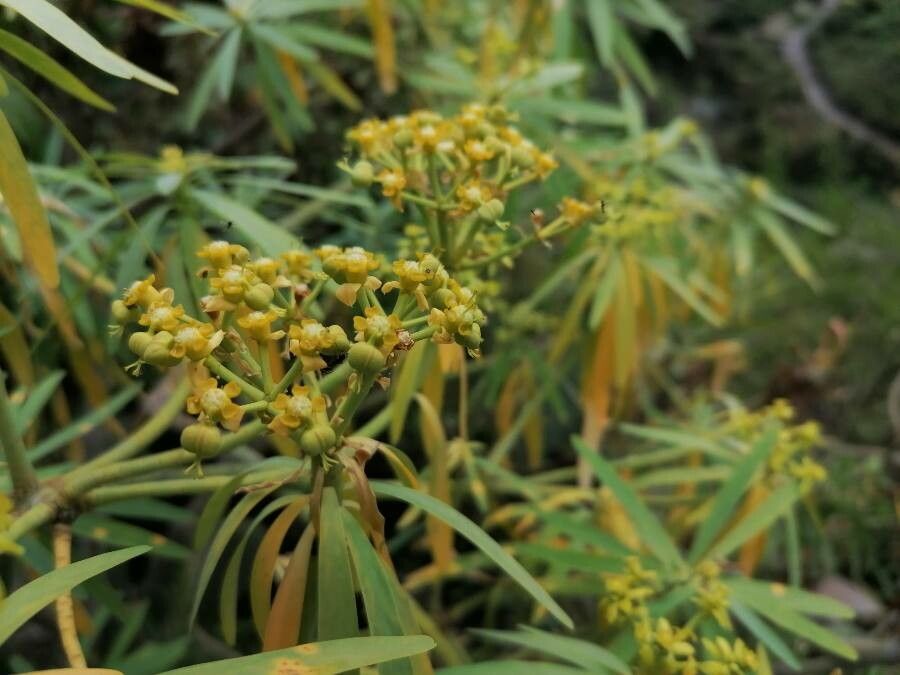
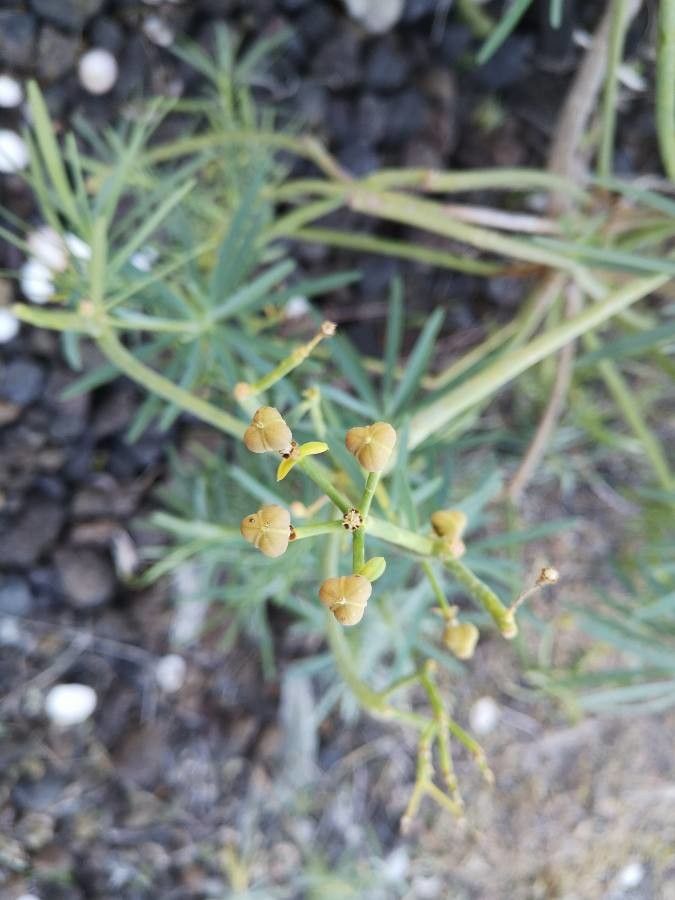
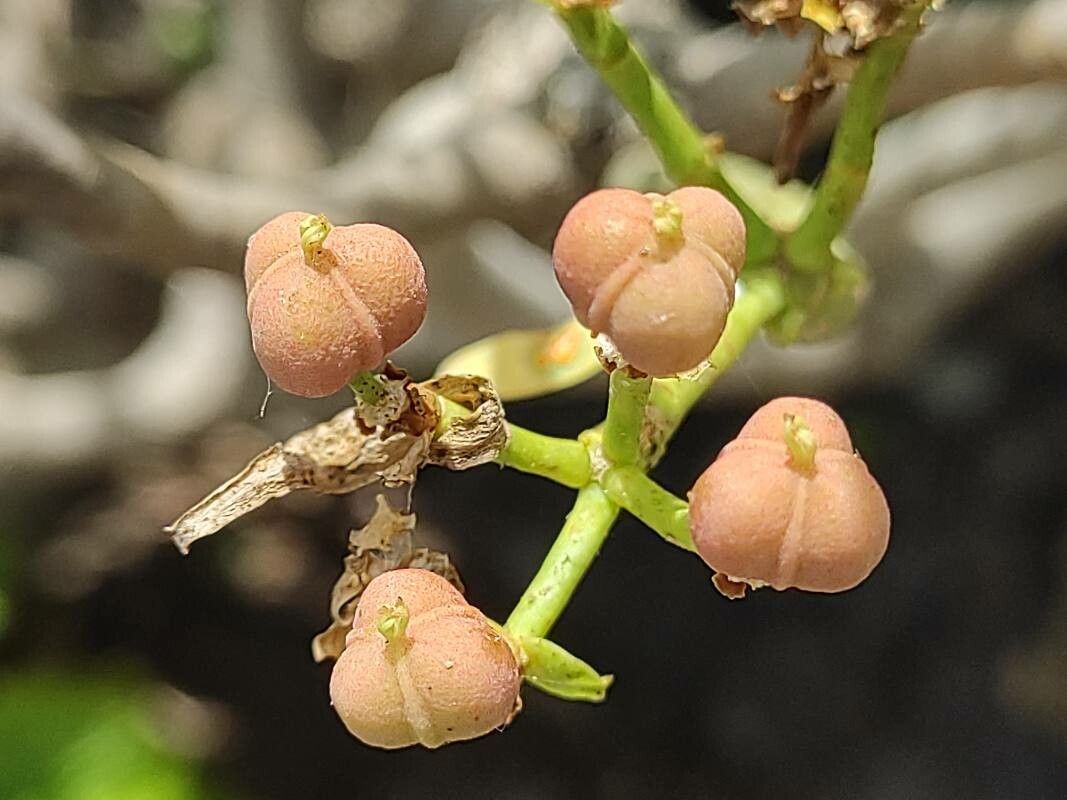
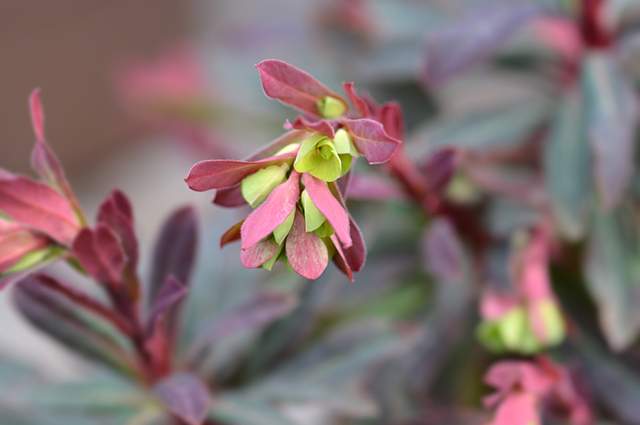
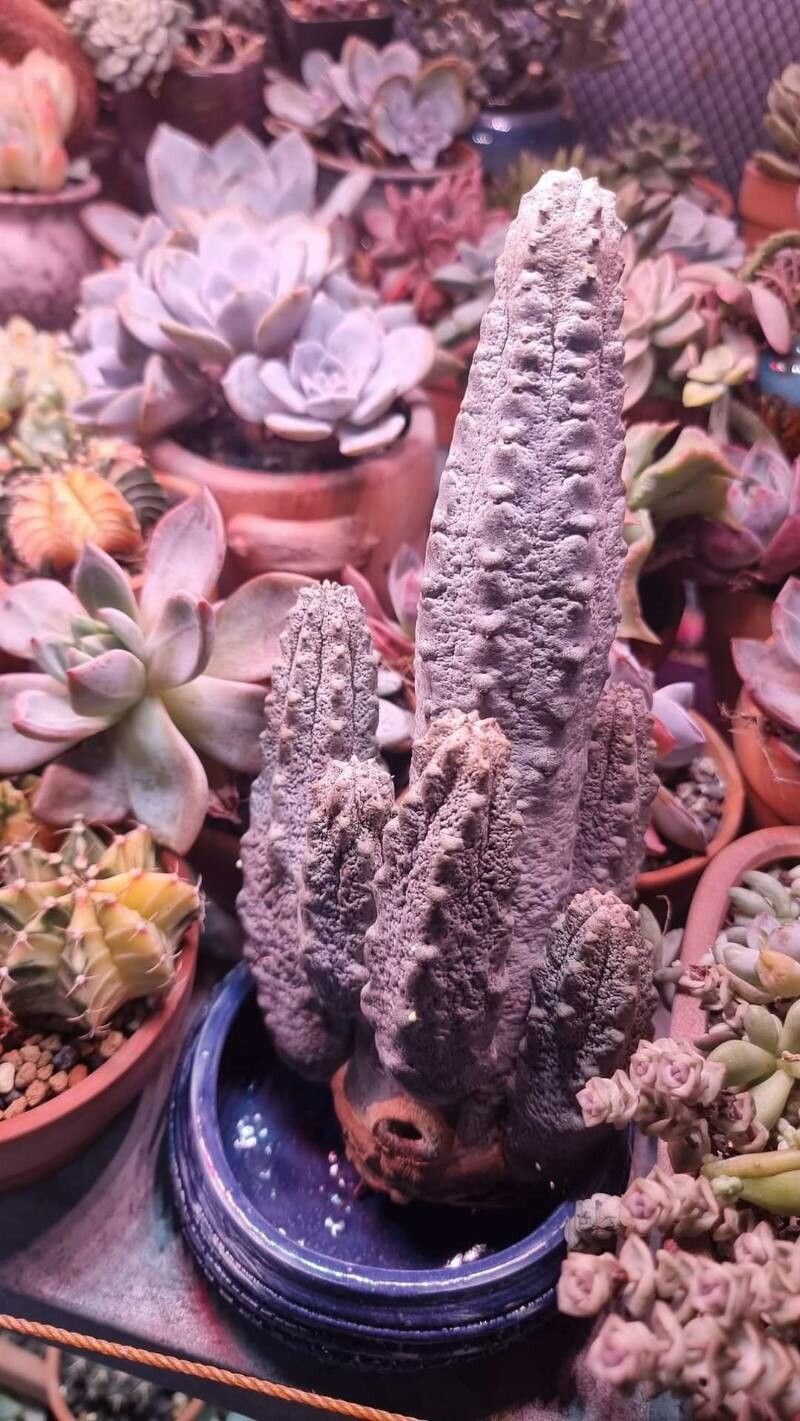
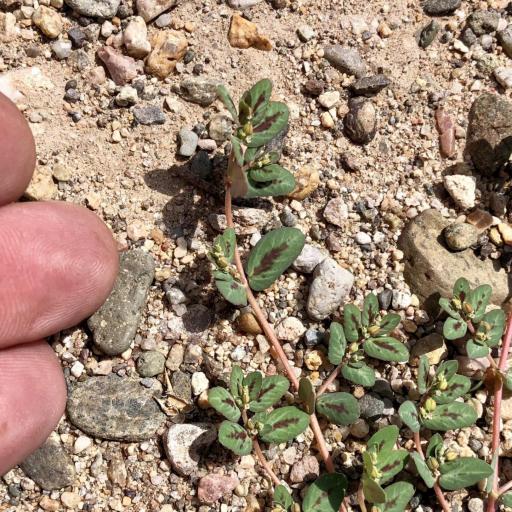
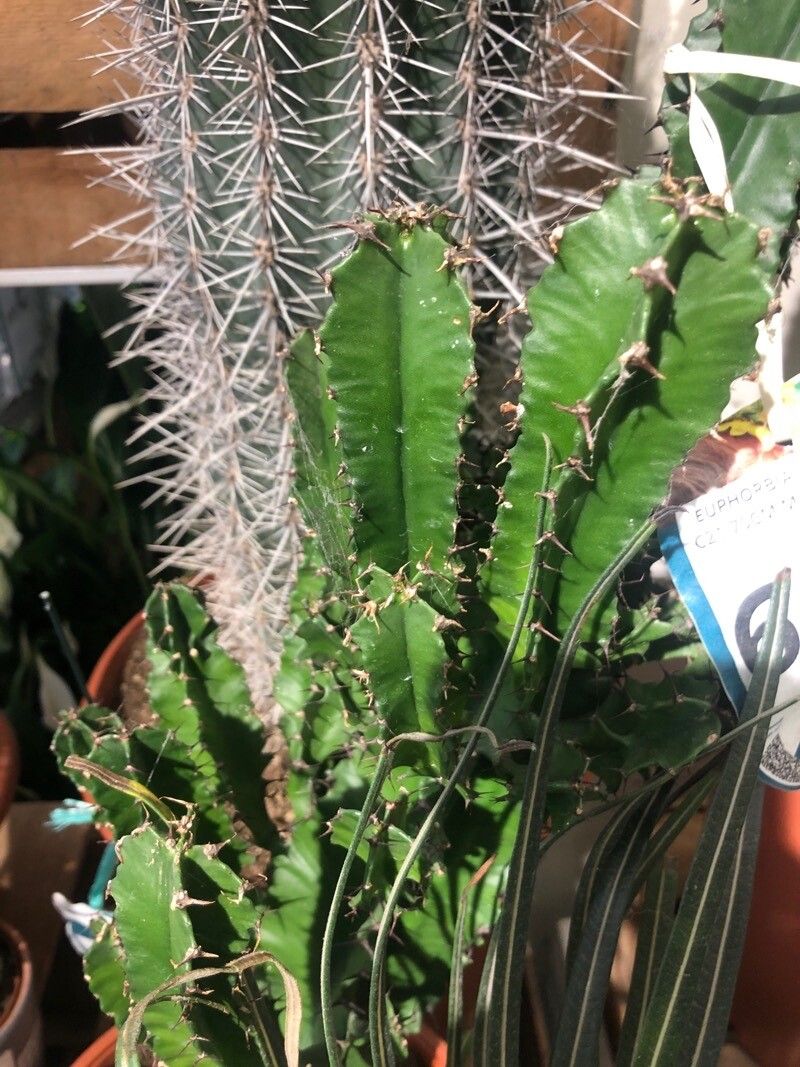
Euphorbia lamarckii is a species of flowering plant in the family Euphorbiaceae, native to the western Canary Islands (Tenerife, north-western La Gomera, La Palma and El Hierro). It resembles Euphorbia regis-jubae, with which it has been confused. Both have been called Euphorbia obtusifolia.
Euphorbia lamarckii is disease-resistant and generally unlikely to develop illnesses. In terms of care, the plant is fairly low maintenance. When grown outdoors it needs only minimal watering, and larger specimens typically do not require pruning. Smaller plants, however, should be trimmed after they have finished blooming. Euphorbia lamarckiit is suitable for anyone with an outdoor area, such as a garden or deck, and does not need a lot of gardening experience.
How to keep Euphorbia Lamarckii.
Light
Euphorbia lamarckii is native to open habitats, such as sunny meadows and the edges of forests, where light is plentiful. It performs best in Full Sun but can also endure Partial Sun, showing good adaptability to different light conditions.
Water
Euphorbia lamarckii needs regular watering, roughly once a week, particularly during its growing seasons. In hot weather, maintaining adequate moisture is crucial. Water the plant when the top 2 inches (5 cm) of the soil is dry. For indoor plants, make sure they also receive enough moisture during their resting periods.
Temperature
Euphorbia lamarckii is native to tropical areas, where the weather is generally warm and humid. Consequently, it is well suited to high heat and moisture. It does not tolerate abrupt temperature shifts and prefers a consistent thermal environment, so keeping indoor temperatures steady is important. It typically cannot withstand cold and needs warmer conditions to grow; if the surrounding temperature falls too much, the plant may stop growing or even die.
Fertilizer
The best time to fertilize a Euphorbia lamarckii is in early spring, when it breaks dormancy. This encourages overall growth and flower development. Fertilization improves the foliage, stems, and branches and promotes flowers that are larger, more vivid, and longer-lasting. It helps transport nutrients from the roots to the flowers and strengthens the plant’s health and resistance to disease.
Pruning
Euphorbia lamarckii, known for its milky sap and greenish-yellow flowers, requires minimal pruning during its dormant period, which occurs from early to late winter. To maintain its shape and improve airflow, use clean tools to remove any dead or diseased stems. This will enhance flowering, boost the plant's overall vigor, and improve its health and ornamental appeal.
Botanical profile.
- Plant Type
- Shrub
- Life Cycle
- Perennial
- Genus
- Euphorbia
- Family
- Euphorbiaceae
- Hardiness Zone
- 9-11
- Mature Height
- 2 m
- Mature Spread
- 0.76 m to 1.22 m
- Leaf Color
- Green, Blue
- Leaf Type
- Evergreen
- Flower Color
- Yellow
- Flower Size
- 0.51 cm to 0.76 cm
- Bloom Time
- Spring, Early summer, Mid summer
- Planting Time
- Spring, Summer
- Harvest Time
- Summer, Early fall, Mid fall
Reader questions.
What are the sun requirements for Euphorbia lamarckii?
Euphorbia lamarckii thrives in different lighting conditions depending on the variety. If it needs full sun, this means it should receive above 6 hours of sunlight daily. For those varieties that prefer partial sun, about 3-6 hours of sunlight per day is ideal. It's important to observe the way sunlight moves through your garden throughout the day. Select spots that offer a perfect balance of light and shade tailored to the needs of your plants, to ensure they grow healthy and happy.