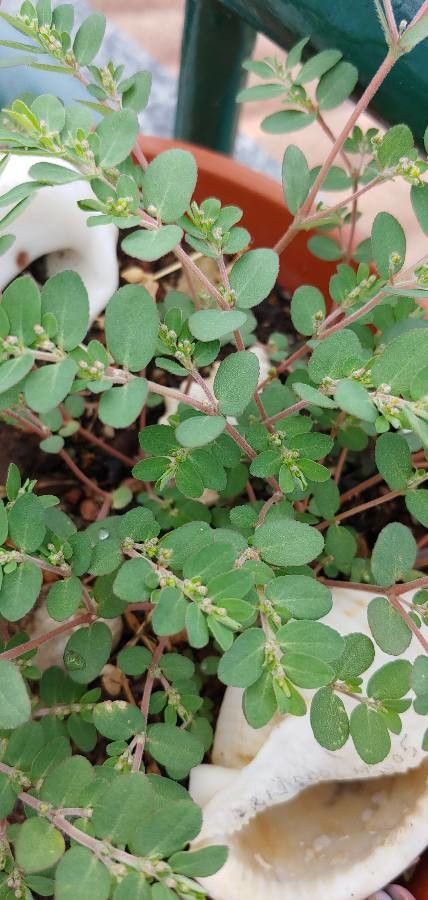
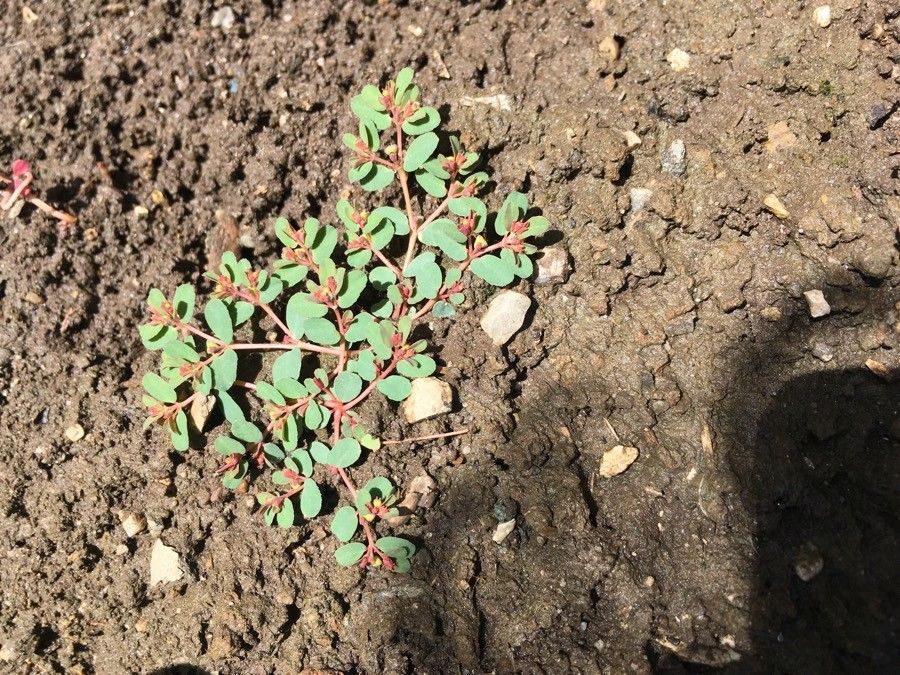
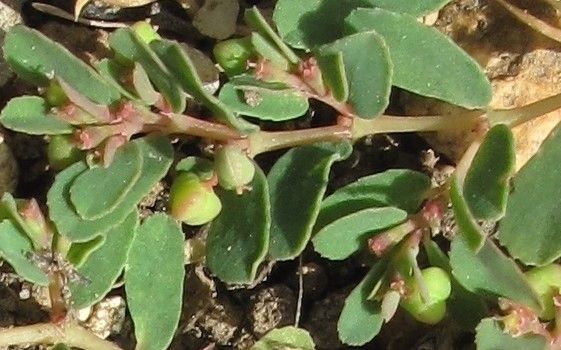
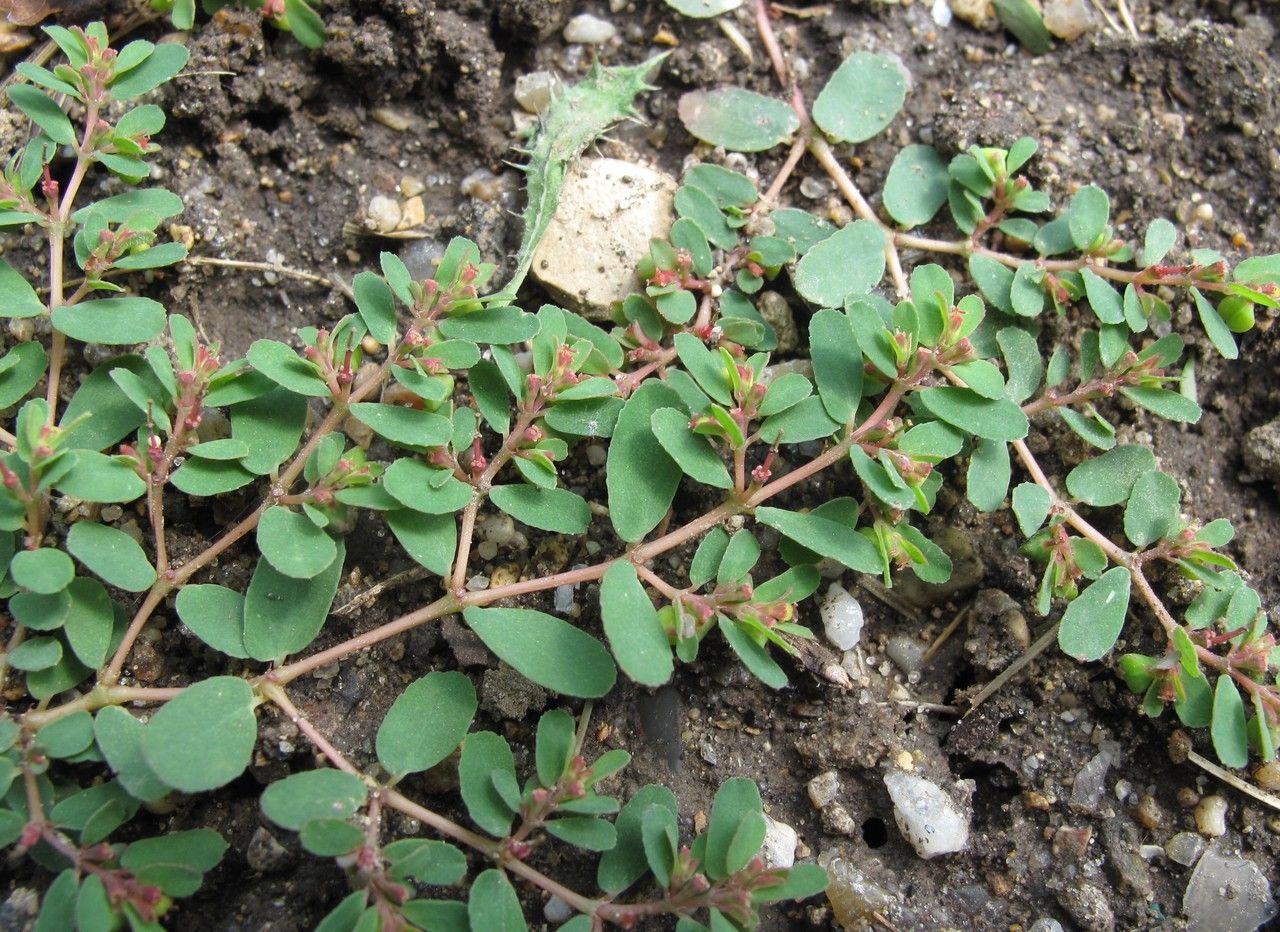
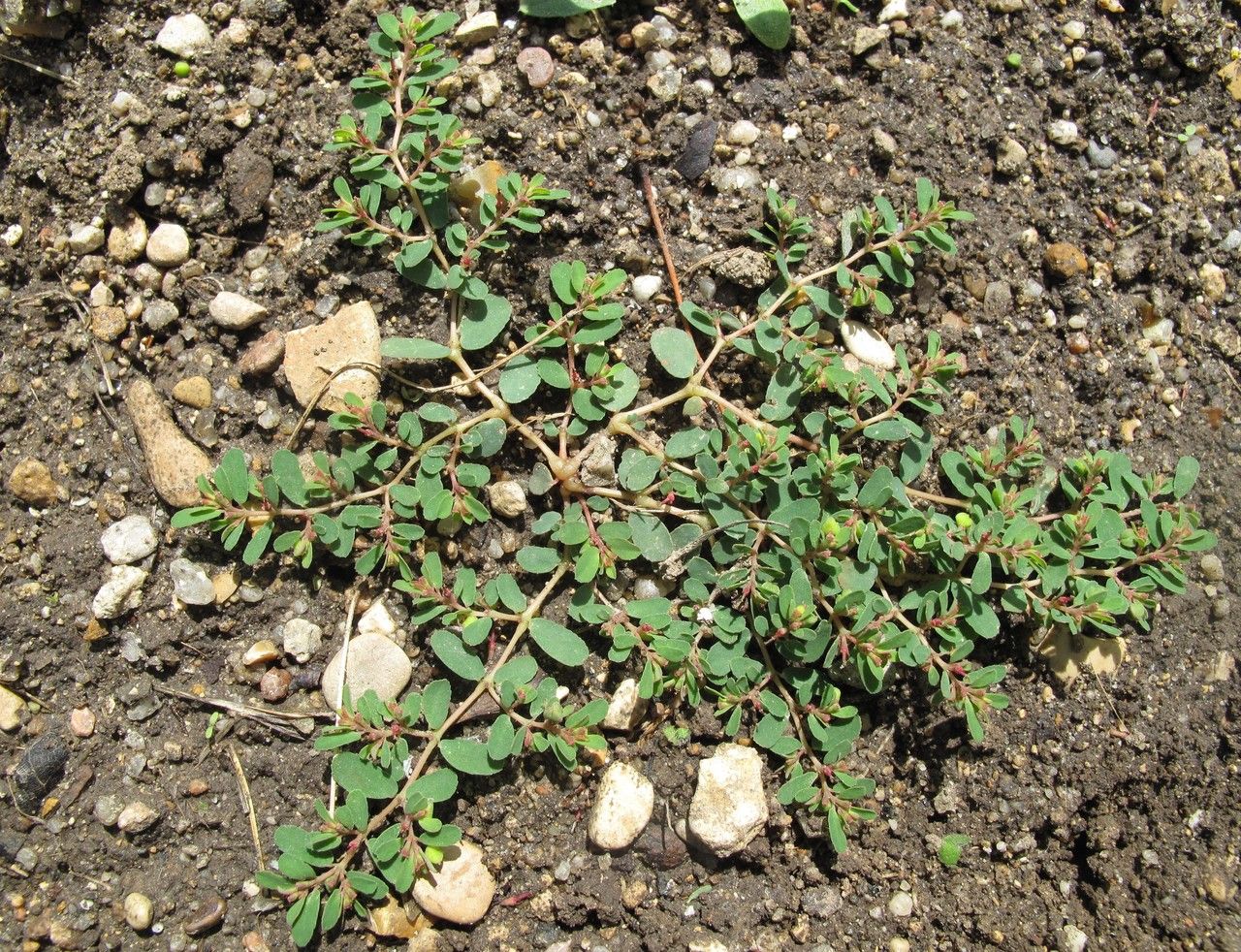
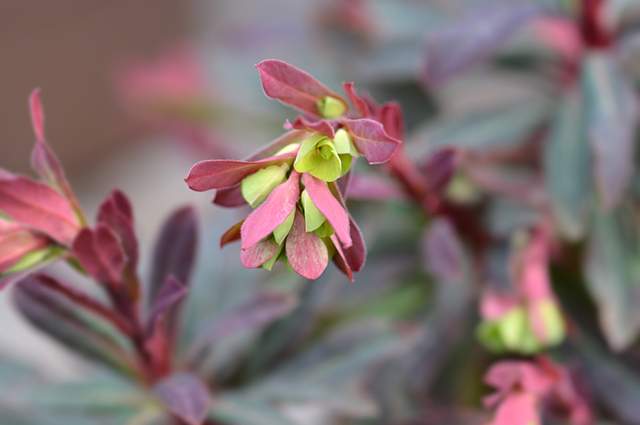
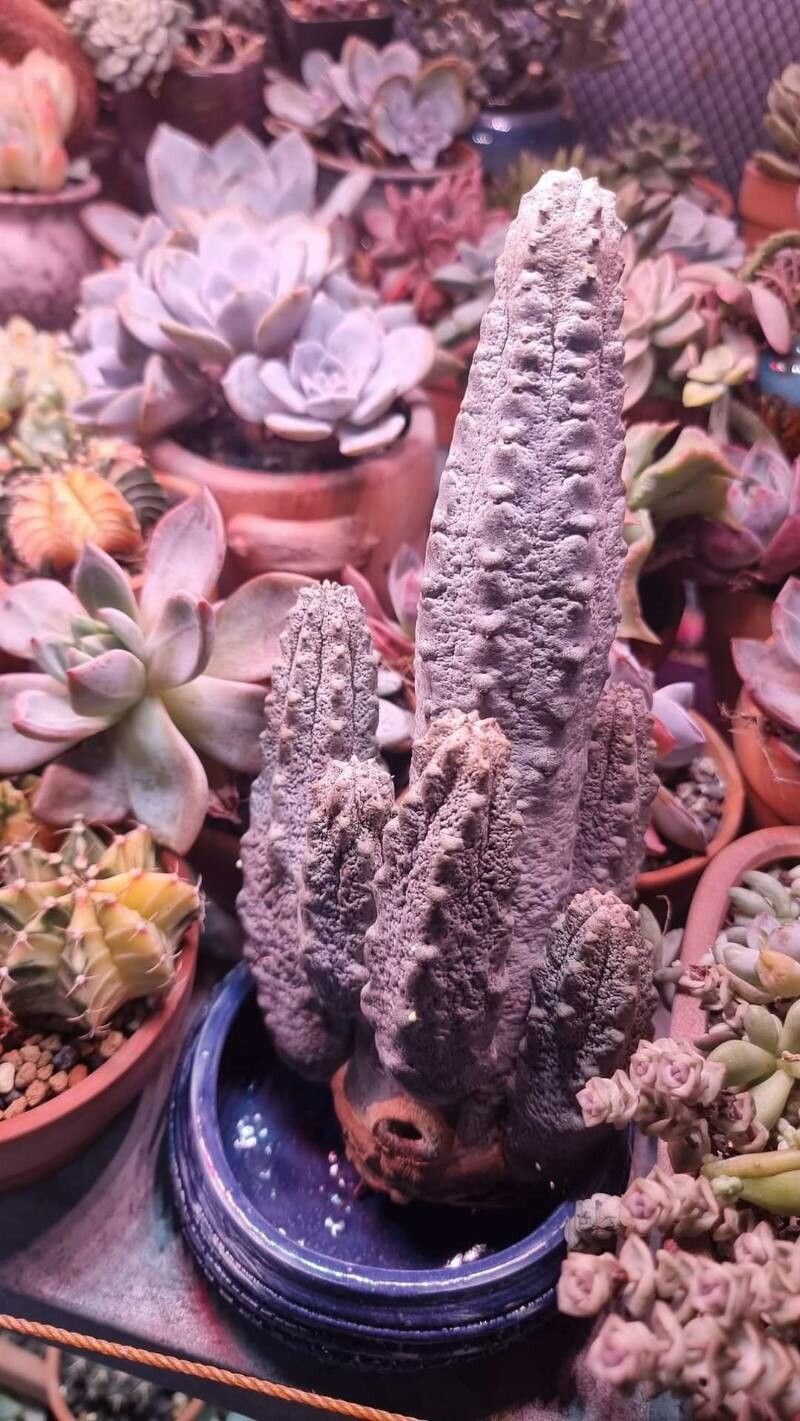
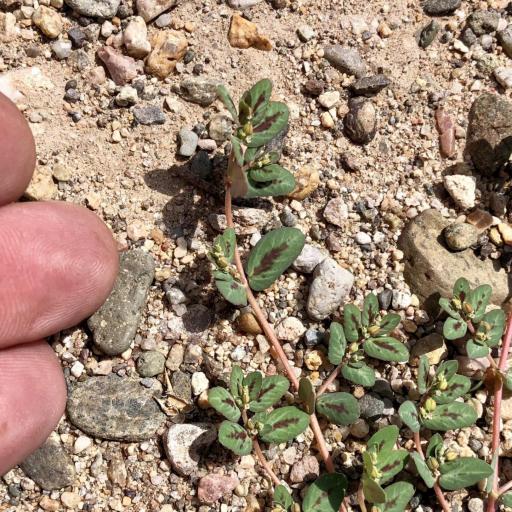
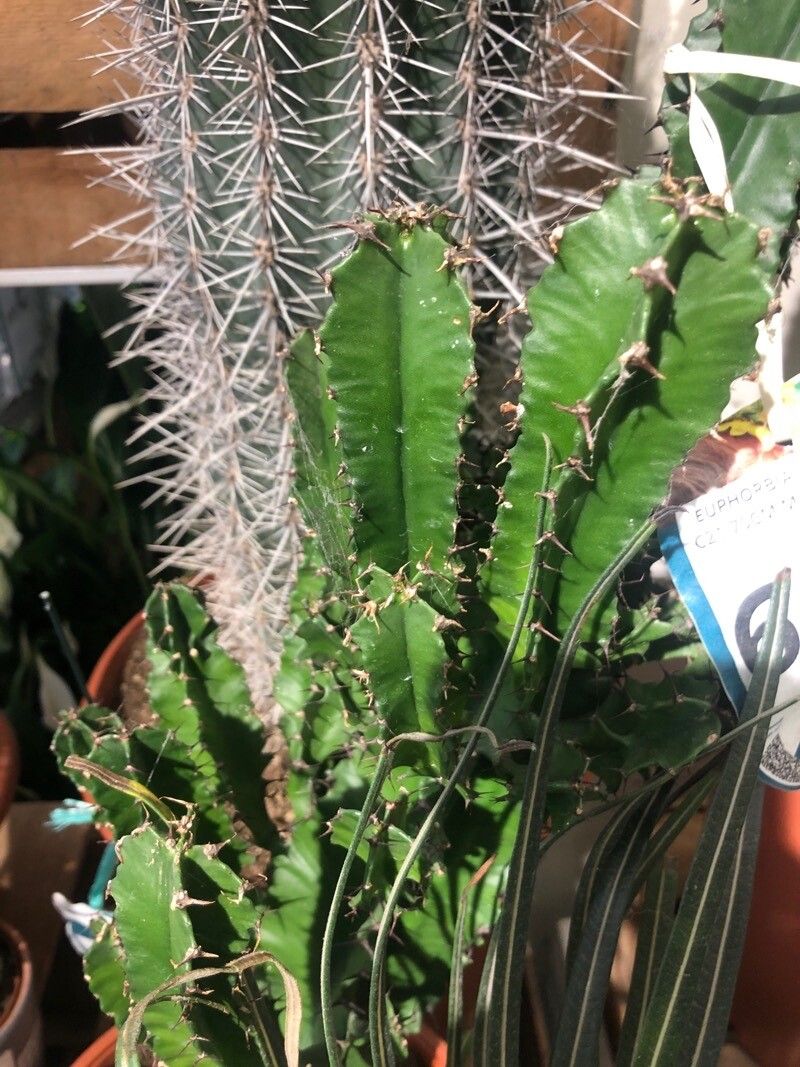
Creeping euphorbia is fairly resistant to disease and typically not vulnerable to illnesses. Still, it can be affected by pests and diseases present in its surroundings. Such infections are generally mild. Regarding care, the plant needs moderate attention. Regular pruning is required to keep it looking tidy and to support healthy growth. Applying fertilizer can also encourage flowering. Creeping euphorbia is suitable for anyone with outdoor space like a garden or patio and does not demand extensive care experience. It may need extra attention when grown indoors.
How to keep Euphorbia Humifusa.
Light
Creeping euphorbia does best with abundant sunlight, which mirrors its natural habitat. Greater sun exposure benefits the plant's growth. Both insufficient and excessive light can harm its vigor: too little light causes stunted growth, while too much leads to changes in color.
Water
Creeping euphorbia thrives in well-drained soils with moderate moisture. For optimal health, it should be watered weekly. Although it flourishes outdoors and benefits from rainwater, which mimics its natural habitat and climate, it can also tolerate short periods of dryness due to its efficient water storage capabilities.
Temperature
Creeping euphorbia comes from habitats where temperatures generally range from 68 to 100 °F (20–38 ℃). It is adapted to a temperate climate in which warmth is essential. Consider adjusting indoor temperatures to replicate these conditions for optimal growth, particularly during winter.
Fertilizer
Creeping euphorbia responds well to regular, dilute applications of fertilizer to encourage healthy leaf development. Apply fertilizer to Creeping euphorbia roughly once a month during the summer. Nitrogen is important for foliage, and supplying nitrogen-rich sources helps Creeping euphorbia thrive.
Pruning
Creeping euphorbia is a mat-forming plant characterized by its oblong leaves and tiny yellow-green flowers. To promote healthy growth and manage its spread, it is best to prune it from early to late spring. Trim the sprawling stems and remove any dead parts during this time. To prevent disease and make precise cuts, make sure to use clean, sharp tools.
Botanical profile.
- Plant Type
- Herb
- Life Cycle
- Annual
- Genus
- Euphorbia
- Family
- Euphorbiaceae
- Hardiness Zone
- 5-11
- Mature Height
- 15 cm
- Mature Spread
- 20 cm to 61 cm
- Leaf Color
- Green
- Leaf Type
- Semi-evergreen
- Flower Color
- Yellow, Green, Red
- Flower Size
- 0.20 cm to 0.25 cm
- Bloom Time
- Summer, Fall
- Planting Time
- Spring
- Harvest Time
- Late summer, Fall, Early winter
- Native Area
- Tajikistan, Turkey, Pakistan, Greece, Belarus, Ukraine, China, Uzbekistan, Russia, Kyrgyzstan, Kazakhstan, Japan, Mongolia, Koppen, Iran, Azerbaijan, South Korea, Moldova
Other names.
Reader questions.
What is the native environment of Creeping euphorbia?
Creeping euphorbia, scientifically known as Euphorbia humifusa, is native to environments where temperatures typically range between 68 to 100°F (20−38°C). These plants are accustomed to living in temperate climates where warmth is essential for their optimum growth.
How should indoor temperatures be adjusted for Creeping euphorbia?
To ensure the optimum growth of Creeping euphorbia indoors, it is suggested to adjust the indoor temperatures to closely mimic its native temperate environment, which enjoys warmth. This is especially important during the winter months to foster healthy growth.
Does Creeping euphorbia require special frost protection measures?
Creeping euphorbia exhibits strong cold resistance, making special frost protection measures generally unnecessary. However, in cases where winter temperatures are expected to plummet below -25°C, providing cold protection is crucial. Plant enthusiasts can cover the plant with soil or straw to safeguard it from harsh frosts. Additionally, watering the plant abundantly before the first autumn freeze to maintain moist soil can also help in preventing drought and water scarcity during the cold months.
How does low temperature affect Creeping euphorbia and what are the solutions?
Creeping euphorbia thrives best when the temperature remains above 20°C and should ideally stay above 0°C during winter. Temperatures dropping below -25°C may not prompt visible changes during the winter, but come spring, there might be a noticeable decrease in sprouting or even no sprouting at all. To combat this, it's advised to remove any parts of the plant that have failed to sprout in the spring.
How does high temperature affect Creeping euphorbia and what are the solutions?
During the warmer months, it is crucial to keep the Creeping euphorbia's temperature below 38°C. Exposure to temperatures above 43°C can cause the plant's leaves to lighten in color, curl, become prone to sunburn, and, in severe cases, cause the plant to wilt and dry out completely. To mitigate these effects, trim away the sunburned and dried-up parts of the plant. Moving the plant to a shade or employing a shade cloth to protect it from the midday and afternoon sun can also be beneficial. Additionally, watering the plant during the cooler times of day, like morning and evening, will help keep the soil appropriately moist.