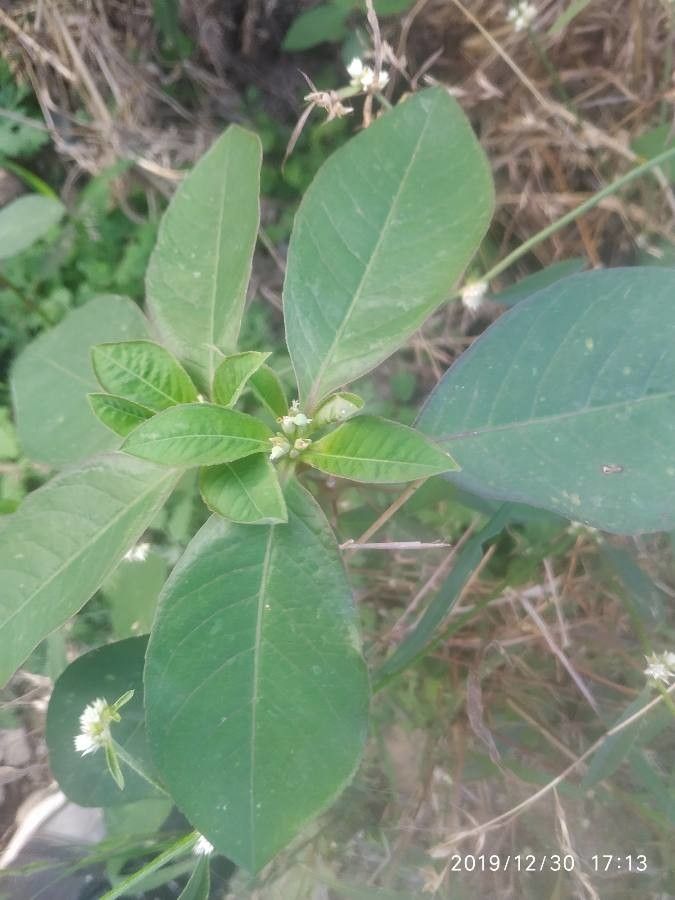
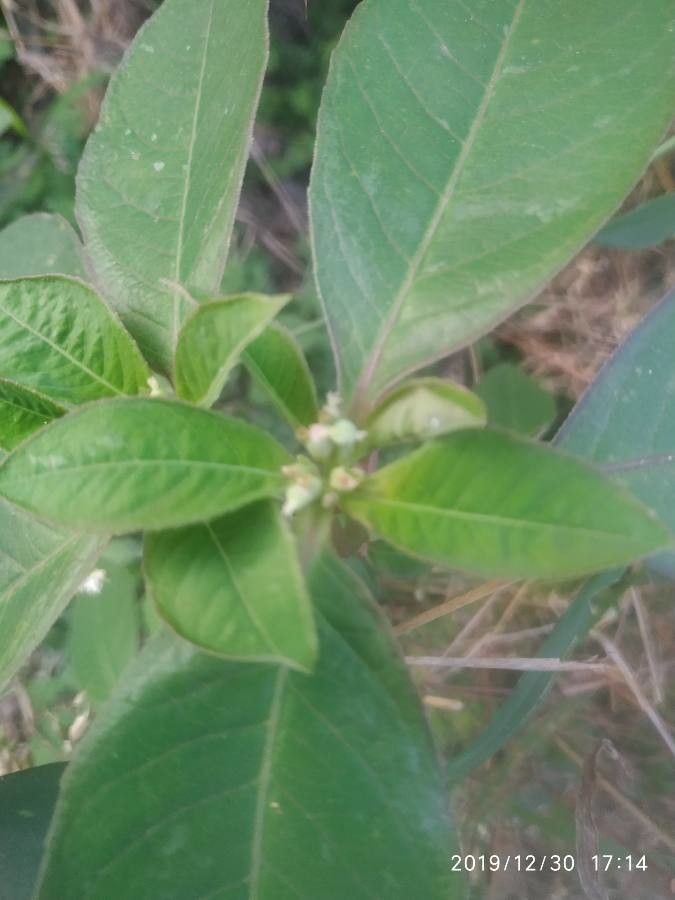
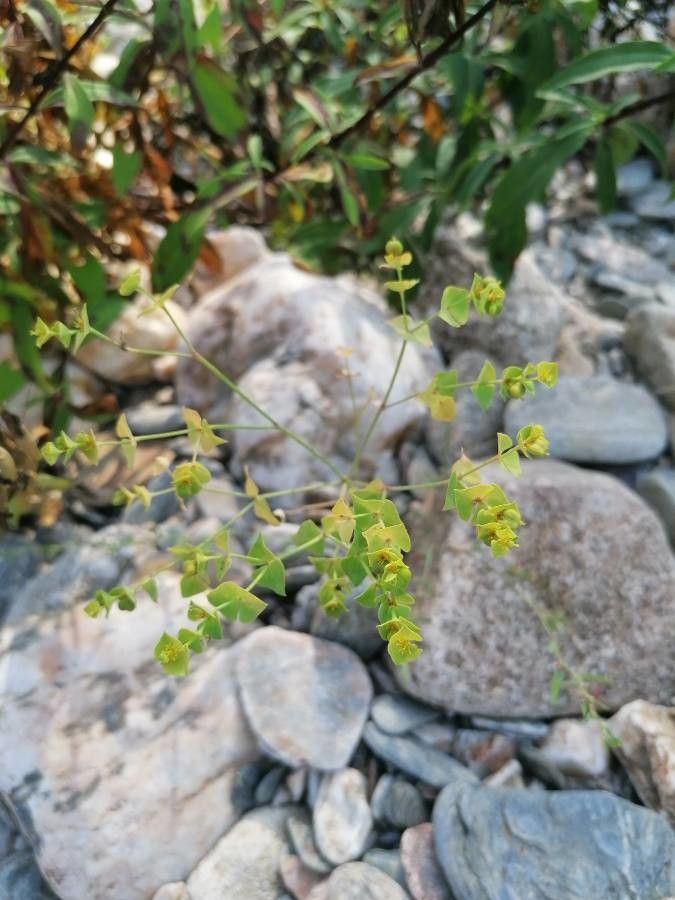
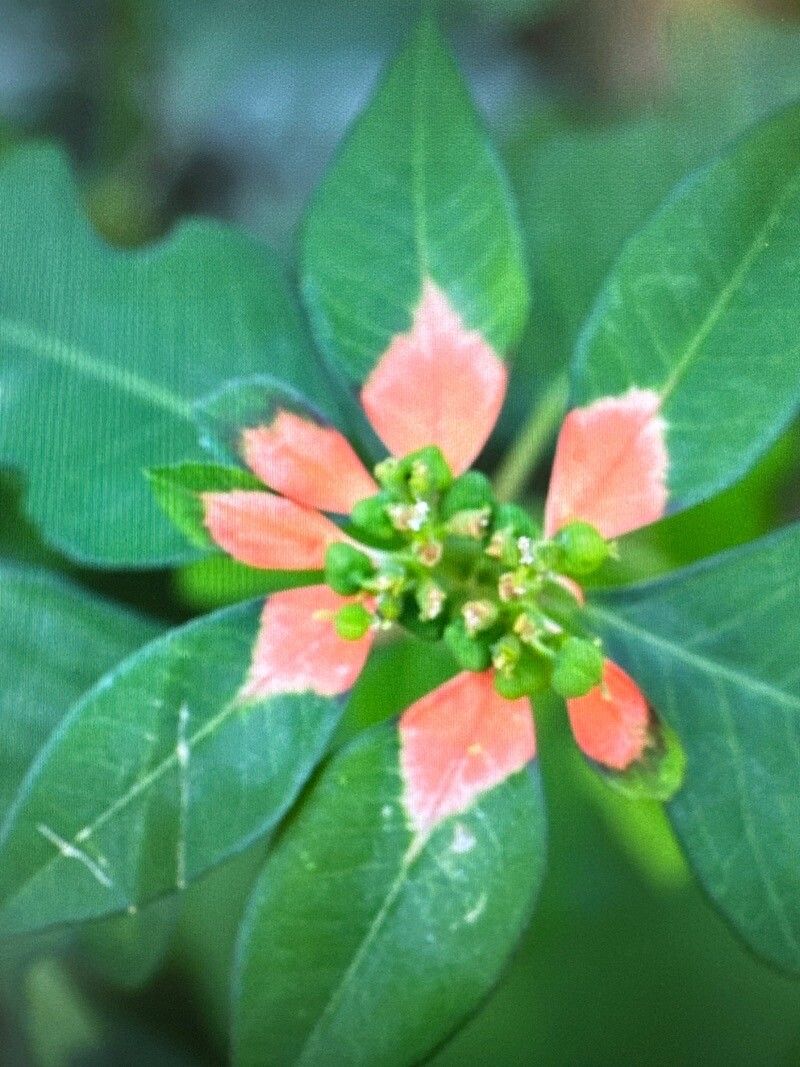
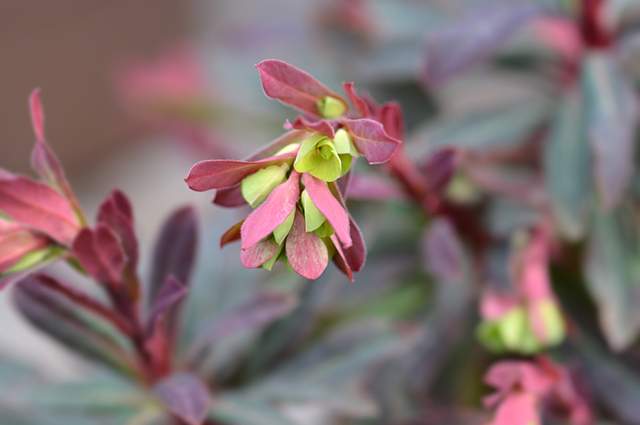
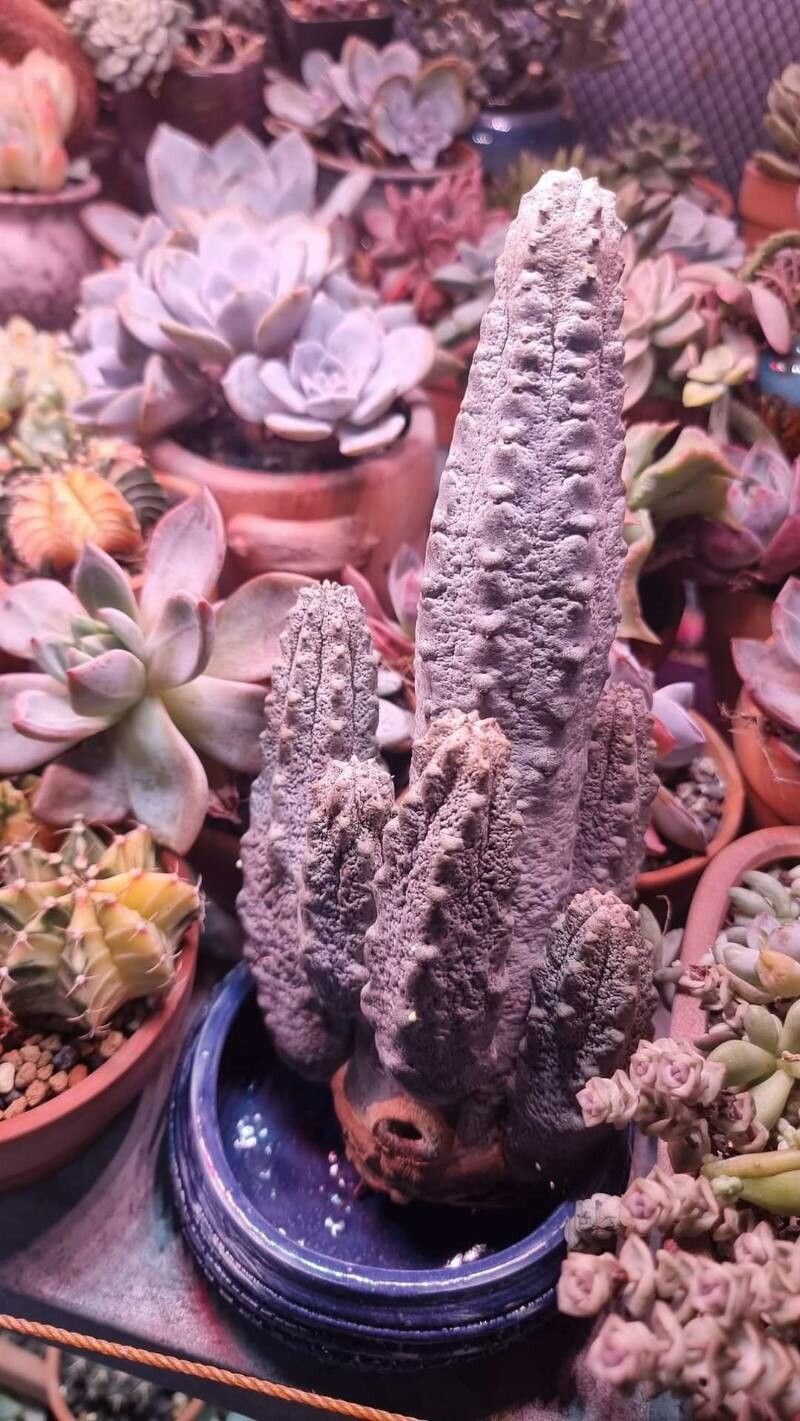
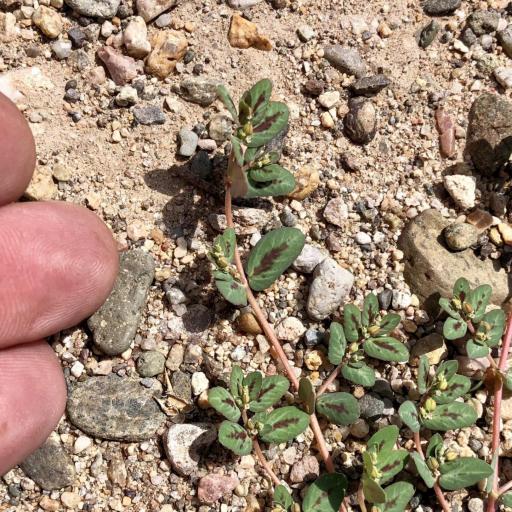
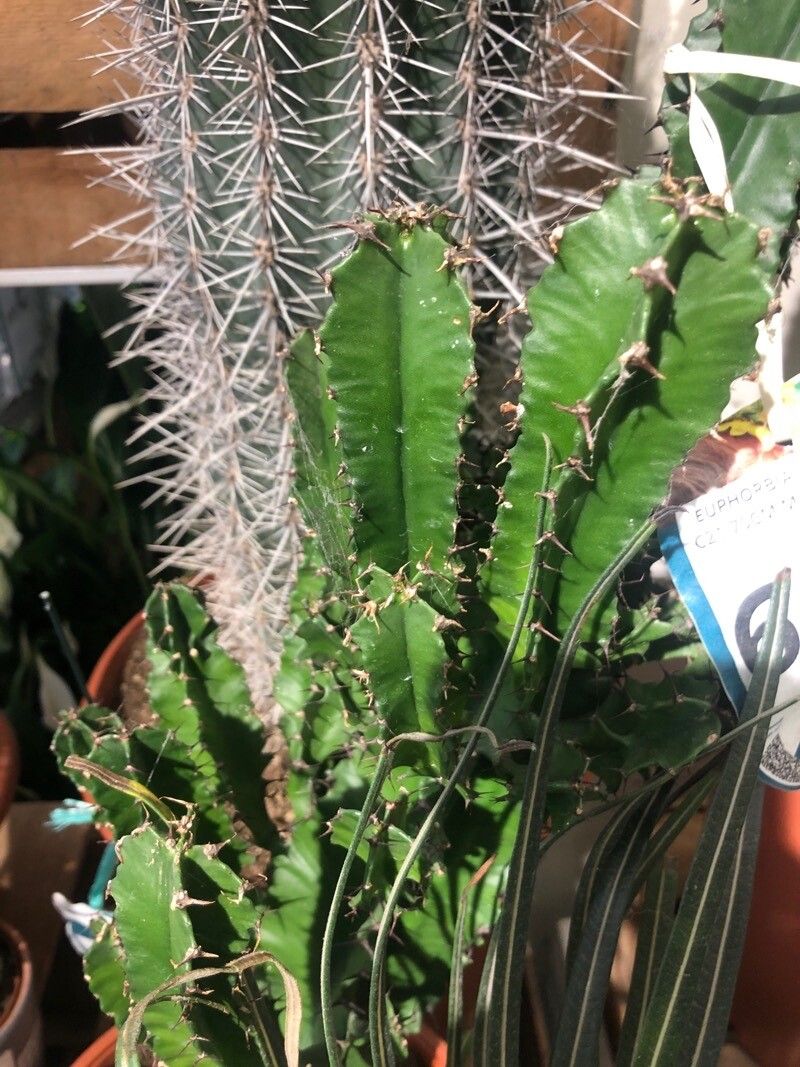
Wild poinsettia is fairly disease-resistant and generally not prone to illness. Nevertheless, it can be vulnerable to pests and diseases present in its environment. These problems are usually mild. In terms of care, this plant needs moderate maintenance. It should be pruned regularly to keep a pleasing appearance and encourage healthy growth. Fertilizing can also help stimulate flowering. Wild poinsettia is suitable for people with outdoor areas like a garden or patio and does not require extensive care experience. It may demand more attention when grown indoors.
How to keep Euphorbia Graminifolia.
Light
The wild poinsettia prospers in full sun and can also tolerate light shade. Native to regions with plentiful light, it can withstand variations in light quality. Too much or too little sun can result in less vibrant coloration or stunted growth, respectively.
Temperature
Wild poinsettia naturally grows in areas where temperatures range from 68 to 100 °F (20 to 38 ℃). Its ideal climate matches that range, favoring warm to hot conditions. Depending on the local climate—especially in colder times—seasonal adjustments may be necessary.
Fertilizer
When a Wild poinsettia has opened most of its blooms fully, resume fertilizing. At the peak of bloom production, apply fertilizer every three to four weeks, as the weather allows. Then, once the Wild poinsettia begins producing fewer new blooms, stop fertilizing; there is no need to feed the plant when it can no longer produce more blooms.
Botanical profile.
- Plant Type
- Herb
- Life Cycle
- Annual, Perennial
- Genus
- Euphorbia
- Family
- Euphorbiaceae
- Hardiness Zone
- 9-11
- Mature Height
- 30 cm to 91 cm
- Mature Spread
- 40 cm
- Leaf Color
- Green
- Leaf Type
- Deciduous
- Flower Color
- Red
- Flower Size
- 2.54 cm
- Bloom Time
- Summer
- Planting Time
- Spring
- Harvest Time
- Mid summer, Late summer, Early fall