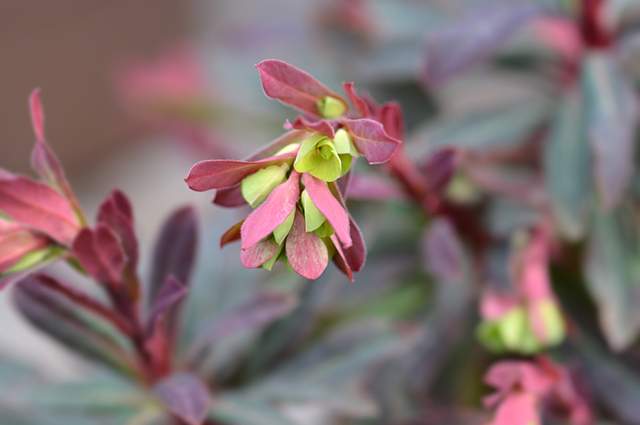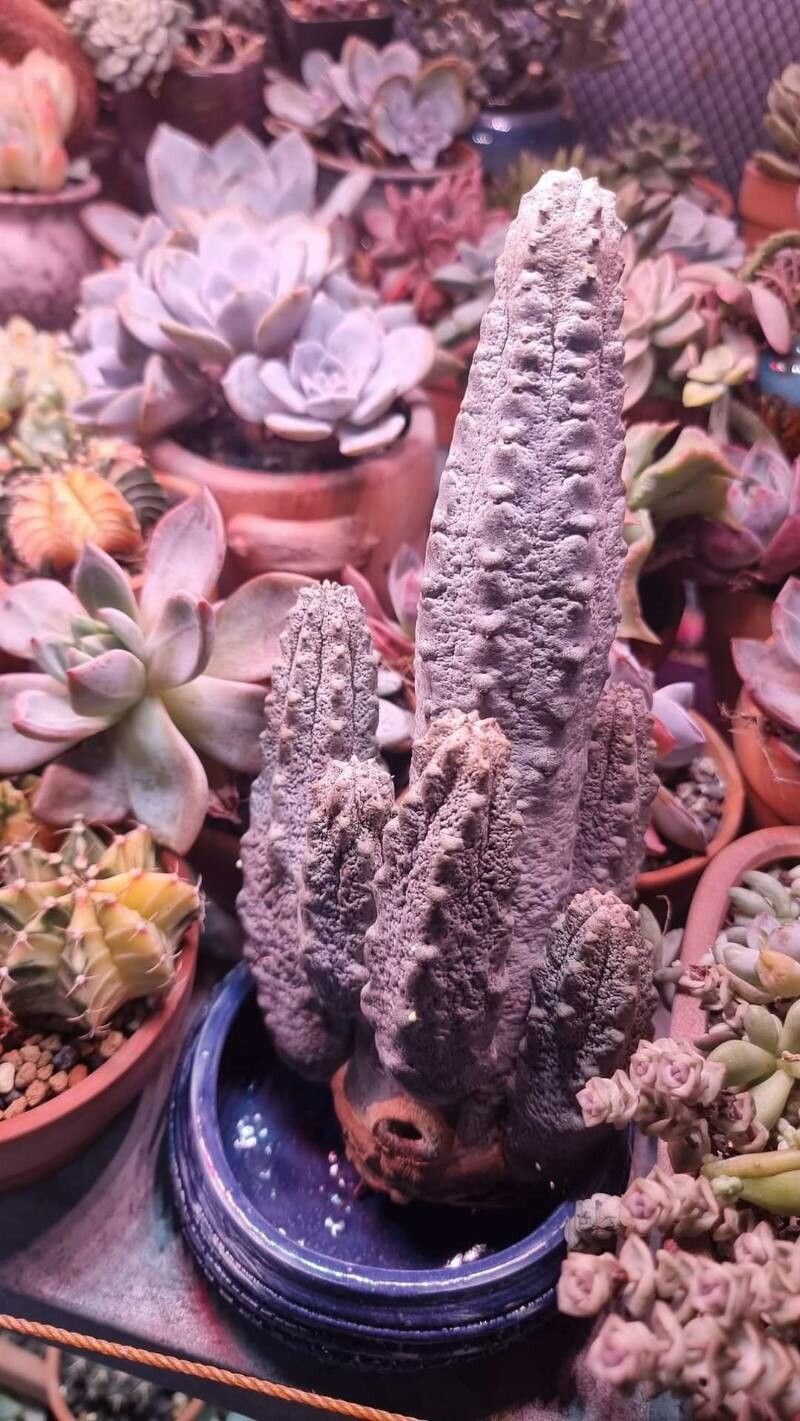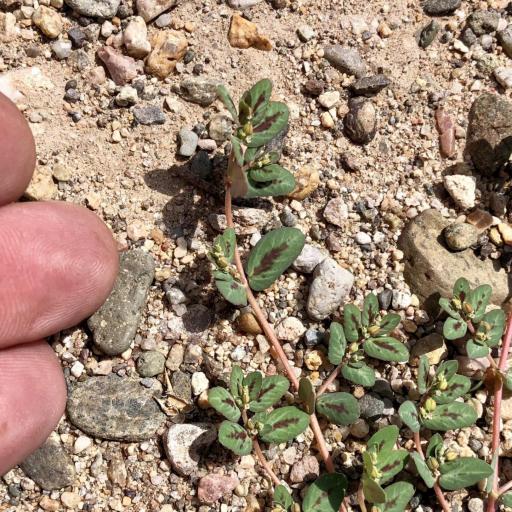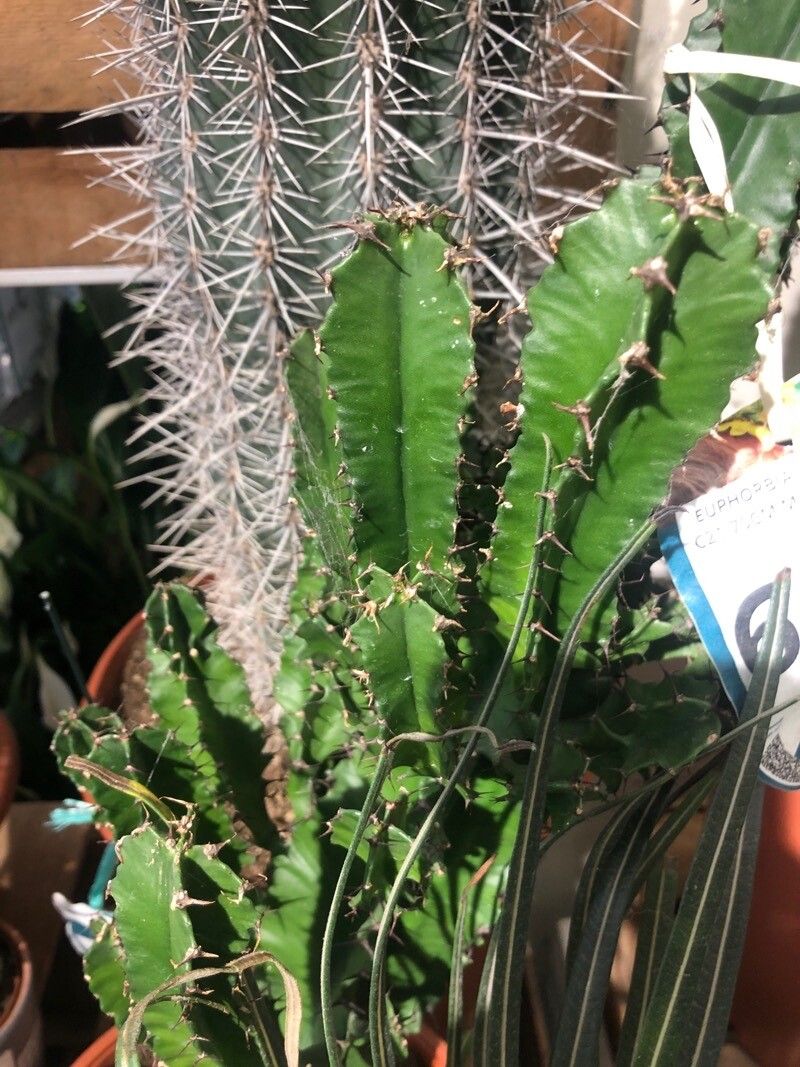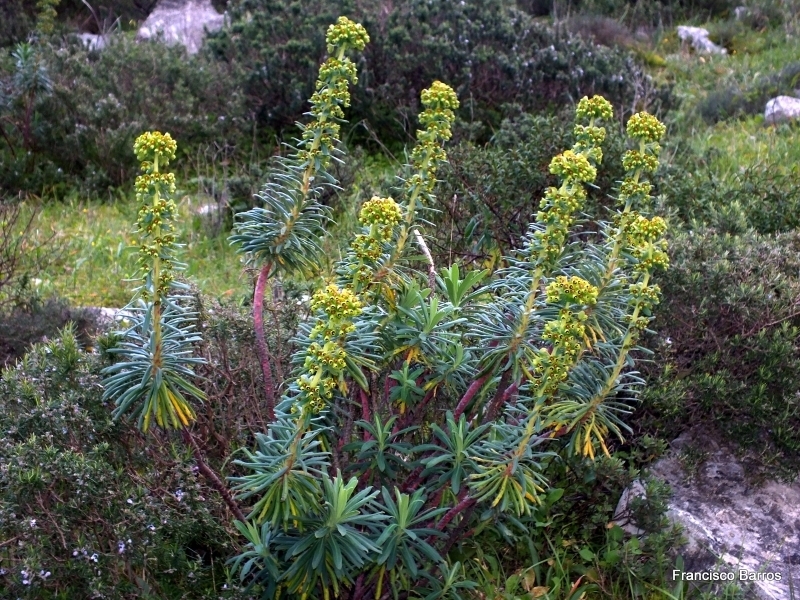
Euphorbia characias is a perennial plant belonging to the Euphorbiaceae family. Native to the Mediterranean region, it can grow up to 1.5 meters tall. The plant features blue-green leaves arranged in rosettes at the base of each stem, and its yellow-green flowers bloom in clusters at the top.
Euphorbia characias thrives in well-drained soil and full sun exposure, making it an excellent choice for rock gardens or dry garden areas. Its drought tolerance adds to its appeal for low-maintenance landscaping.
Caution should be exercised when handling this plant, as its sap can be toxic if ingested or if it comes into contact with skin or eyes.
Like all species of Euphorbia, the Mediterranean spurge produces a milky, toxic sap. This sap can cause skin irritation and painful inflammation if ingested. Despite its toxicity, the spurge has often been used in traditional medicine and is considered a valuable addition to gardens. FUN FACT · FROM THE LIBRARY
Historically, Euphorbia characias has been used for its anti-inflammatory properties in medicinal applications. Additionally, its vibrant yellow-green color has made it a source of natural dye.
In summary, Euphorbia characias is an attractive and hardy perennial that contributes unique texture and color to any garden setting, while also offering potential medicinal benefits.
Mediterranean Spurge, also known as Albanian Spurge or Large Mediterranean Spurge, gets its common English name from the region where it is predominantly found. This plant grows in the Mediterranean Basin and can reach a height of up to 1.2 meters, which is why it is also referred to as Large Mediterranean Spurge. It is sometimes called Albanian Spurge because it naturally occurs in Albania as well.
Mediterranean spurge resists disease well and is generally unlikely to suffer from illnesses. In terms of care, this plant is fairly low-maintenance. Planted outdoors it needs little watering, and larger specimens typically do not require pruning. Smaller plants, however, should be trimmed after they have finished blooming. Mediterranean spurge is suitable for anyone with outdoor space, such as a garden or deck, and does not demand much experience in plant care.
How to keep Euphorbia Characias.
Light
Mediterranean spurge does best with a large amount of sunlight, though it can also live with moderate sun exposure. Coming from a habitat where plentiful sunshine is typical, it prospers with considerable light. Too little sunlight can cause growth to stall, while too much can stress the plant or lead to sunburn.
Water
Mediterranean spurge is well-suited to the dry conditions of the Mediterranean region. It is remarkably drought-tolerant and only needs to be watered once every 2 to 3 weeks. This plant thrives outdoors, especially during hot, dry summers, as it can mimic its natural water cycle and efficiently conserve water.
Temperature
Mediterranean spurge is native to the warm regions of the Mediterranean and does best at temperatures of 59 to 95 °F (15 to 35 ℃). In colder months, it's advisable to slightly adjust its surroundings to recreate the warmth of its natural habitat.
Fertilizer
The timing of fertilizing Mediterranean spurge is critical. Apply fertilizer in early spring and continue once a month until early summer. Fertilizer encourages attractive blooms and supplies energy during both dormant and active growth periods.
Pruning
To keep Mediterranean spurge looking its best, prune it in late spring. Start by cutting back spent flower stalks and removing any damaged stems to promote growth and maintain its appearance. Thinning out older stems is also beneficial, as it improves air circulation and light penetration. This process helps prevent legginess and enhances the plant's overall health, ensuring vibrant displays in future seasons.
Toxicity
This plant is considered toxic to both humans and animals. When cut, this plant produces a milky sap that is a skin irritant. Gloves should be worn at all times when working with this plant. Additionally, keep this plant away from curious children and pets.
Further reading →
The toxicity and danger assessments provided are for reference only. We do not assure their accuracy, so it's crucial not to depend on them. Seek professional advice when necessary for accurate guidance.
Botanical profile.
- Plant Type
- Shrub
- Life Cycle
- Perennial
- Genus
- Euphorbia
- Family
- Euphorbiaceae
- Hardiness Zone
- 7-10
- Mature Height
- 1.22 m
- Mature Spread
- 1.22 m
- Leaf Color
- Green, Blue, White, Variegated, Silver
- Leaf Type
- Evergreen
- Flower Color
- Yellow, Green
- Flower Size
- 2.54 cm
- Bloom Time
- Mid spring, Late spring, Early summer
- Planting Time
- Spring, Autumn
- Harvest Time
- Early summer, Mid summer
- Native Area
- Southern Europe, Eastern Turkey, Balkans
Other names.
Reader questions.
How should I water my Mediterranean spurge?
Your Mediterranean spurge is not too particular about how you water it. You can use common watering tools like cans, hoses, or cups. Make sure to water the soil directly, ensuring that all areas are moistened equally to provide water to the entire root system. Using filtered water can be helpful as tap water may contain harmful particles. It is also beneficial to use water that is at or slightly above room temperature, as extreme temperatures can shock the Mediterranean spurge. However, this plant usually responds well to any type of water.
Why is it important to use fertilizer on my Mediterranean spurge?
To maximize the beauty of your Mediterranean spurge, it's important to fertilize it. The main benefit of fertilizer is that it promotes the growth of lovely blooms. To achieve excellent flowers during the spring, it is recommended to fertilize the plant in early spring. Additionally, fertilizer provides the spurge with ample energy to store in the ground during its dormant phases. By giving the plant extra nutrients in the fall or late spring, it can accumulate more energy for use once active growth returns.
What are the sunlight requirements for Mediterranean spurge?
Mediterranean spurge requires a significant amount of sunlight to thrive, ideally flourishing under conditions of full sun, which is above 6 hours of sunlight daily. It can also survive in partial sun, experiencing about 3-6 hours of sunlight. This adaptability underscores its origin in environments accustomed to abundant sunlight, where its health and growth are optimized with considerable light exposure. Insufficient sunlight may lead to stagnated growth, and excessive exposure can cause stress or sunburn to the plant. Observing the movement of sunlight through your garden and selecting locations that offer a harmonious balance of light and shade will ensure the happiness of your Mediterranean spurge.
What is the best temperature for Mediterranean spurge?
The ideal temperature for Mediterranean spurge to thrive is between 65 to 80℉ (18 to 27℃). During the main growing phase, it can tolerate highs of up to 95℉ (35℃) and lows of 15℉ (-10℃). This species is robust and can survive freezing winters. The recommended temperature range is as follows: - Ideal: 65 to 80℉ (18 to 27℃) - Highest allowable: 85 to 95℉ (30 to 35℃) - Lowest allowable: -5 to 15℉ (-20 to -10℃) or below
What should I do if I give too much or too little water to my Mediterranean spurge?
When it comes to outdoor plants, especially newly planted ones or seedlings, lack of watering can be a problem. Remember to water them enough for the first few months, especially when the tree is small or has just been planted. This is because once the roots are established, Mediterranean spurge can usually rely on rain for hydration. If you have Mediterranean spurge planted in pots, overwatering is more likely to occur. If you accidentally overwater your plant, it's important to act quickly to fix the situation. Stop watering the plant immediately to minimize the effects of overwatering. Then, remove the Mediterranean spurge from its pot and inspect its roots. If there are no signs of root rot, you can return the plant to its container. However, if you find any roots affected by rot, you should trim them away and consider applying a fungicide to prevent further damage. Finally, remember to repot the Mediterranean spurge in well-draining soil. On the other hand, if your Mediterranean spurge is underwatered, the fix is simpler. Just increase the frequency of watering. When underwatered, the plant's leaves may droop, dry out, and fall off, but they will quickly regain fullness after sufficient watering. Make sure to adjust your watering schedule promptly when you notice underwatering occurring.
When should I fertilize my Mediterranean spurge?
To effectively fertilize Mediterranean spurge, timing is crucial. Avoid fertilizing too early when the plant is still dormant, as the fertilizer will be ineffective and washed away by rainwater, leading to waste and pollution. Instead, start applying fertilizer in the early spring and continue doing so monthly until early summer.
How does artificial lighting support Mediterranean spurge growth?
Artificial lighting plays a crucial role in supporting the growth of Mediterranean spurge, especially when natural sunlight is inadequate. This is particularly relevant in winter or less sunny spaces where indoor plants may not receive enough sunshine. Utilizing artificial lights, such as LED lights customized to provide specific wavelengths of light, can promote healthier and faster growth. For optimal results, full sun plants need 30-50W per square foot of artificial light, partial sun plants require 20-30W per square foot, and full shade plants need 10-20W per square foot. The artificial light source should be placed 12-36 inches above the plant to mimic natural sunlight, and it's important to mimic the length of natural daylight hours, typically 8-12 hours per day, depending on the species.
Do I need to change the temperature for Mediterranean spurge as it grows?
According to research, Mediterranean spurge may experience slow growth when exposed to high temperatures for extended periods. This is particularly true during the stage of developing axillary buds and growing main shoots. However, if the temperatures are kept steady and cooler, at around 65℉(18℃), the plant will be more likely to grow vigorously after germination or transplanting.
How often do I need to water my Mediterranean spurge?
Most outdoor plants can rely on rainfall for their water needs. However, if you live in an area with little rainfall, you'll need to water your plants every 2 weeks in spring and fall, and more frequently in summer. In winter, when plants require less water, you can water them less frequently or not at all. If you have a young or newly planted Mediterranean spurge, it will need more regular watering to help it establish and grow into a drought-tolerant plant. For potted plants, there are two main approaches to determine watering frequency for your Mediterranean spurge. The first is to follow a set watering schedule, such as once a week or every other week. However, this method may not consider the specific growing conditions of your plant. Another option is to base watering frequency on soil moisture. Ideally, you should wait until the top two to four inches of soil have completely dried out before watering again, which is about one-third to one-half the depth of the pots. Keep in mind that during summer, when the plant's water needs are highest, a set watering schedule may not be sufficient.
When is the best time to not fertilize my Mediterranean spurge?
To ensure optimal growth and blooming of Mediterranean spurge, it is important to be mindful of the nitrogen content in fertilizers. Avoid using fertilizers that have excessive nitrogen, as this can result in abundant leaf growth but fewer blooms. Instead, choose fertilizers with a lower proportion of nitrogen compared to other nutrients. Timing is also crucial when it comes to fertilizing Mediterranean spurge. It should not be fertilized during the late autumn, as this can encourage excessive growth just before the onset of winter. Likewise, avoid fertilizing during hot and dry periods, as dry soil does not efficiently deliver nutrients. Fertilizing during such times can further stimulate growth, which requires more water that may not be readily available. It is preferable to apply fertilizer earlier in the season when temperatures are cooler. Lastly, be aware that Mediterranean spurge can absorb fertilizer that has been applied to nearby plants or lawns. Therefore, it is important to exercise caution and prevent inadvertently providing the tree or shrub with an excessive amount of nutrients.
What are the indicators of insufficient or excessive sunlight exposure in Mediterranean spurge?
Mediterranean spurge shows various symptoms in response to insufficient or excessive sunlight exposure. Insufficient light may lead to smaller new leaves, leggy or sparse growth, faster leaf drop, slower or halted new growth, and lighter-colored or pale new leaves due to lack of chlorophyll. Excessive light exposure can cause chlorosis, or the yellowing of leaves due to chlorophyll breakdown, sunscald characterized by pale or necrotic areas on plant tissues, leaf curling as a defense mechanism against sunlight, wilting from water loss through transpiration, and leaf scorching indicated by brown, dry edges on leaves. These symptoms highlight the plant's sensitivity to its light environment, affecting its health and growth.
How can I protect Mediterranean spurge in cold weather to keep it warm?
Mediterranean spurge can survive freezing temperatures if planted in the ground where winter temperatures do not drop below 15℉(-10℃). However, if planted in pots or containers, special care must be taken to protect their roots from the cold. This can be done by wrapping the container in a blanket or bringing it indoors for complete protection from the elements.