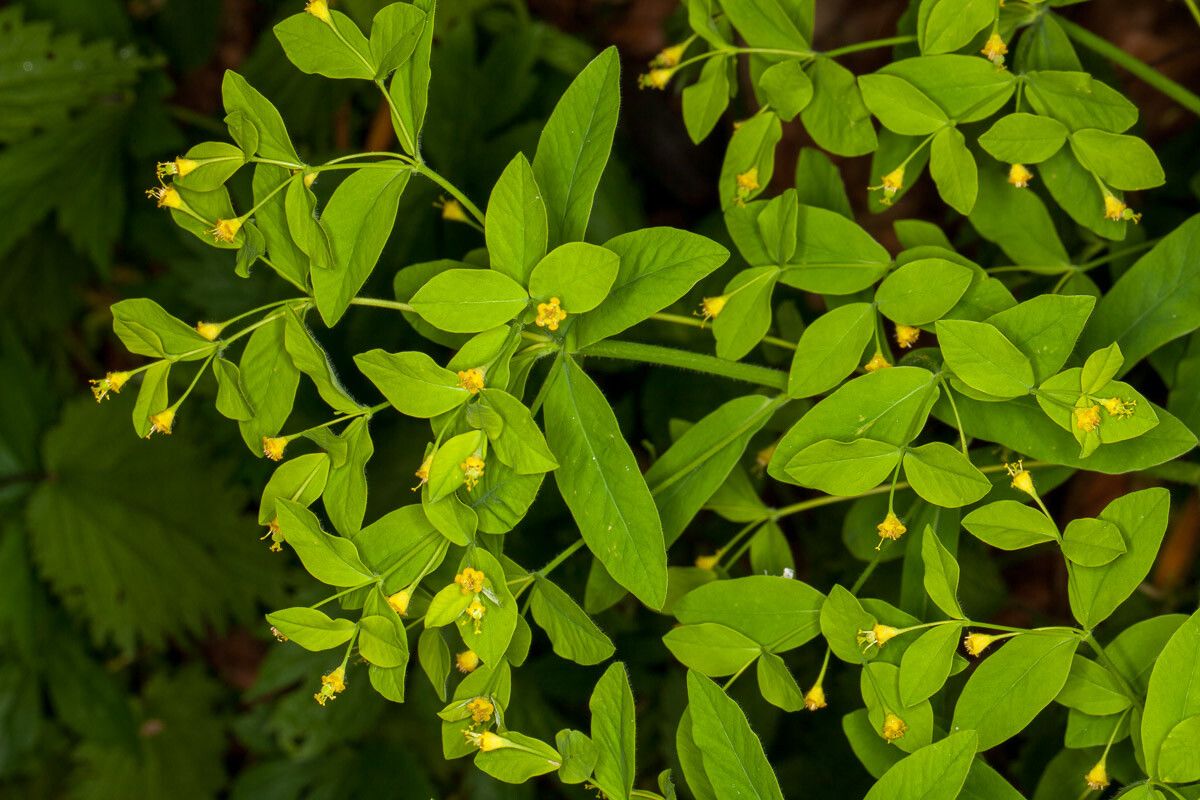
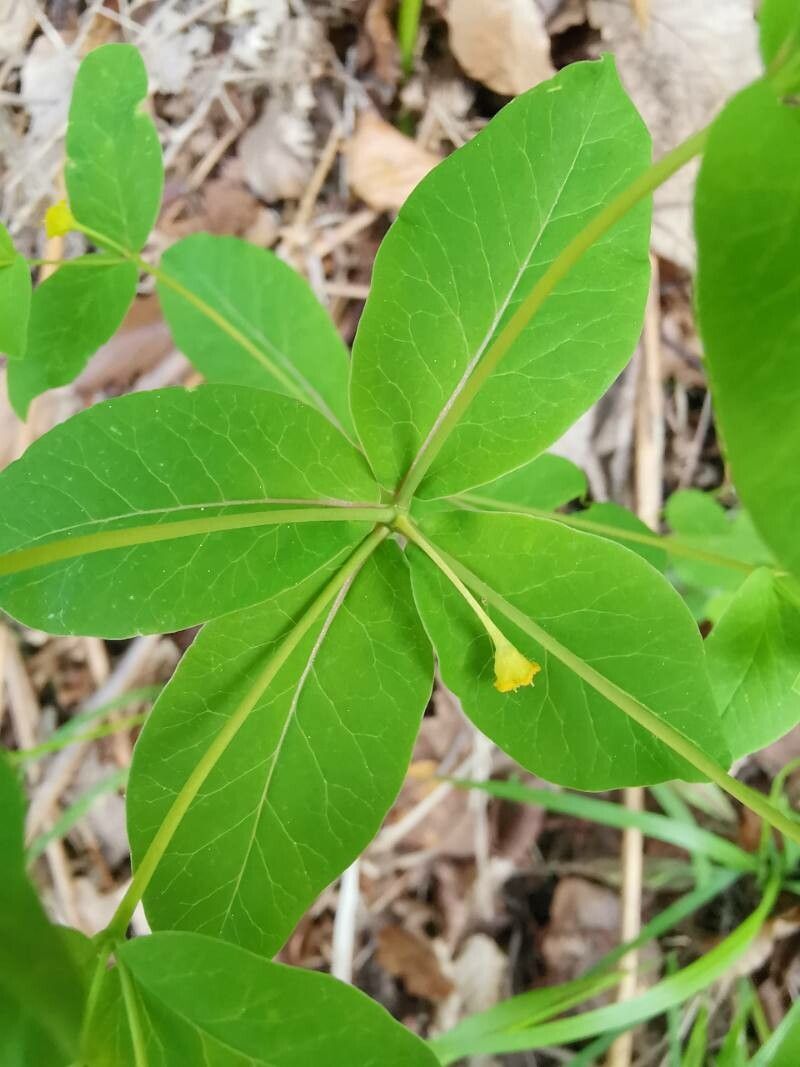
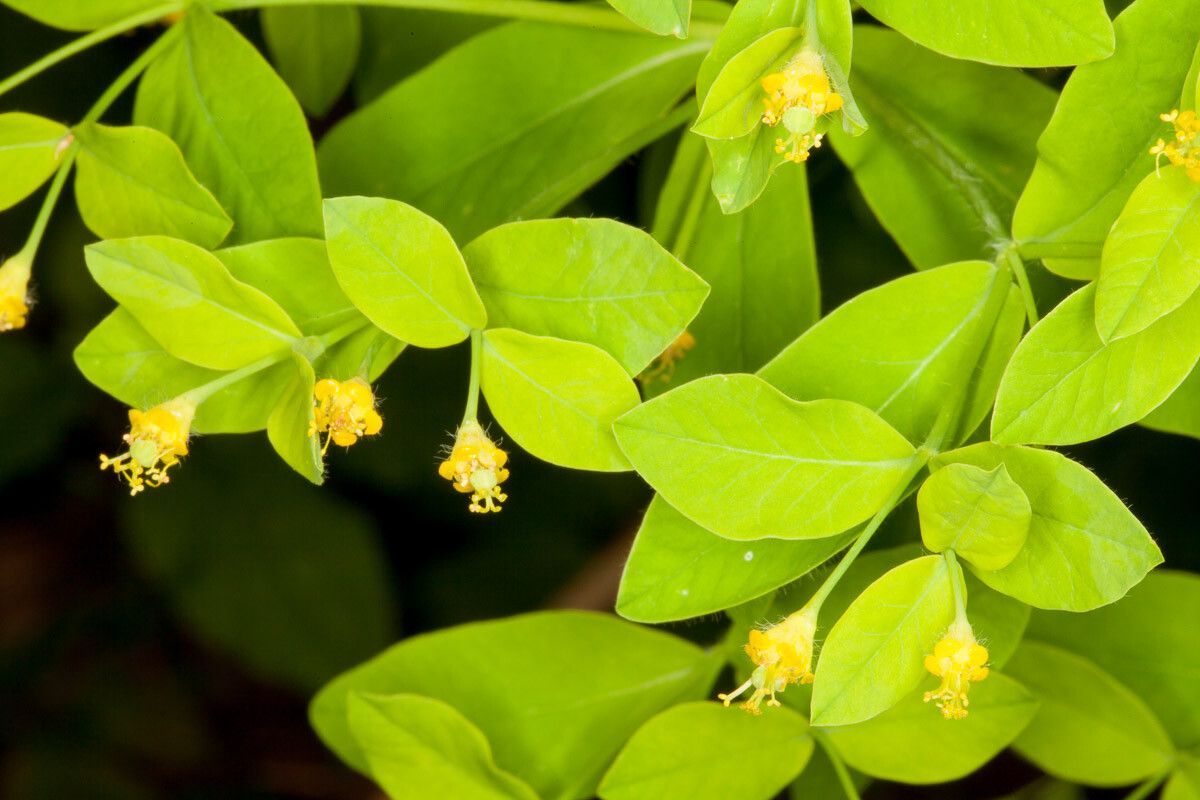
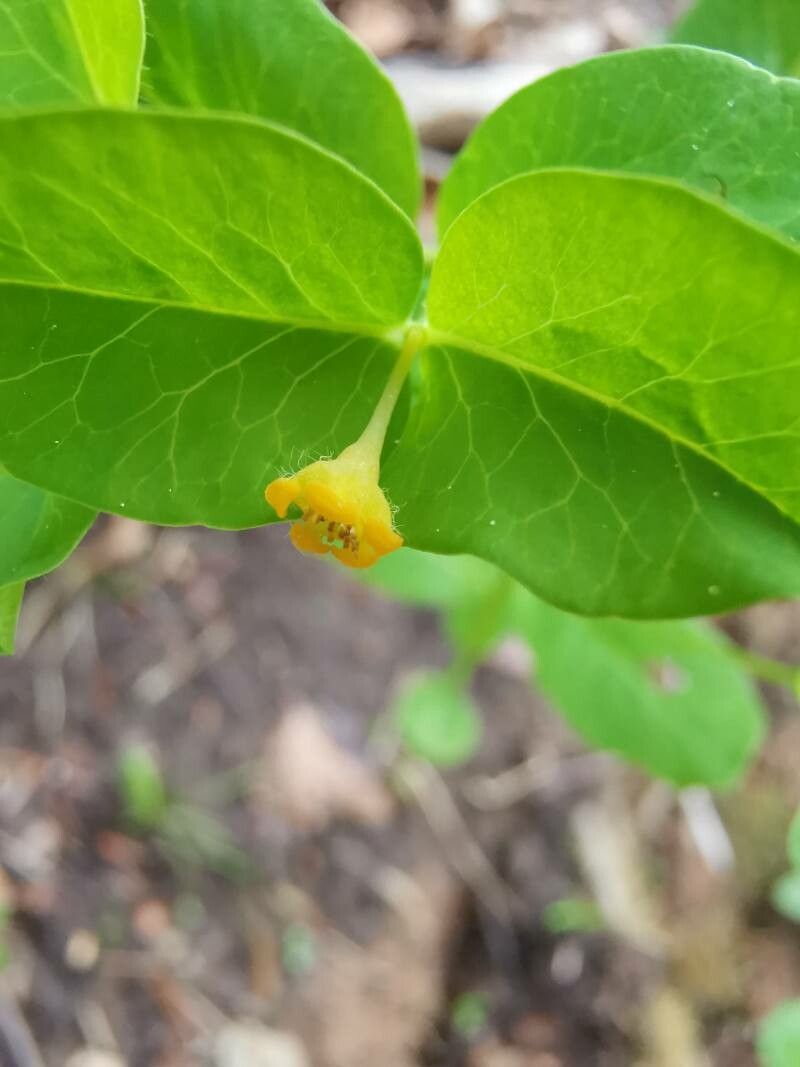
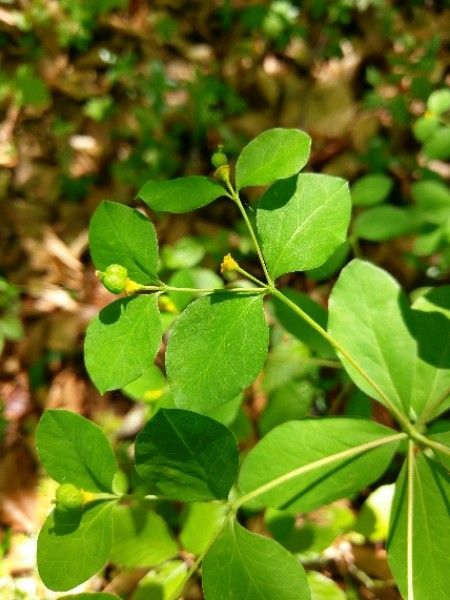
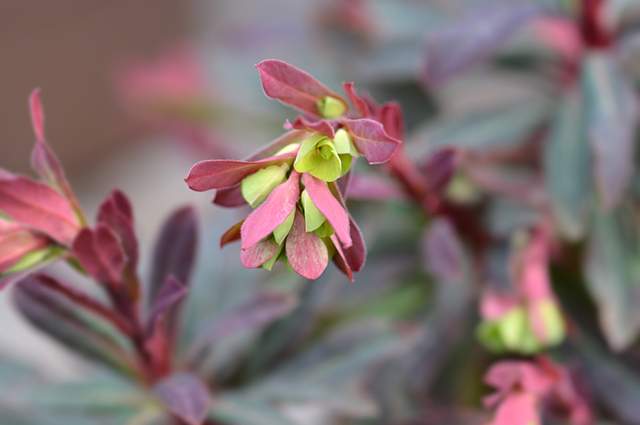
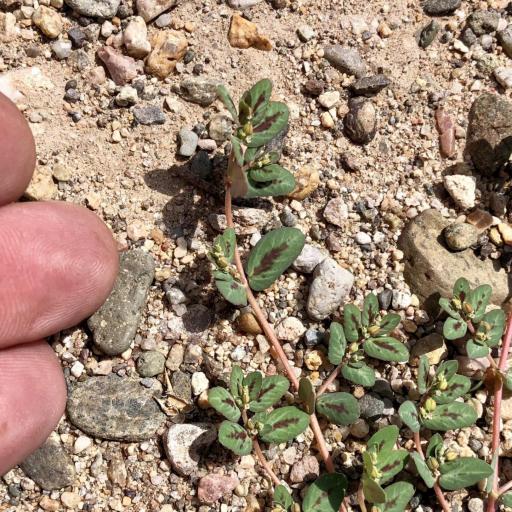
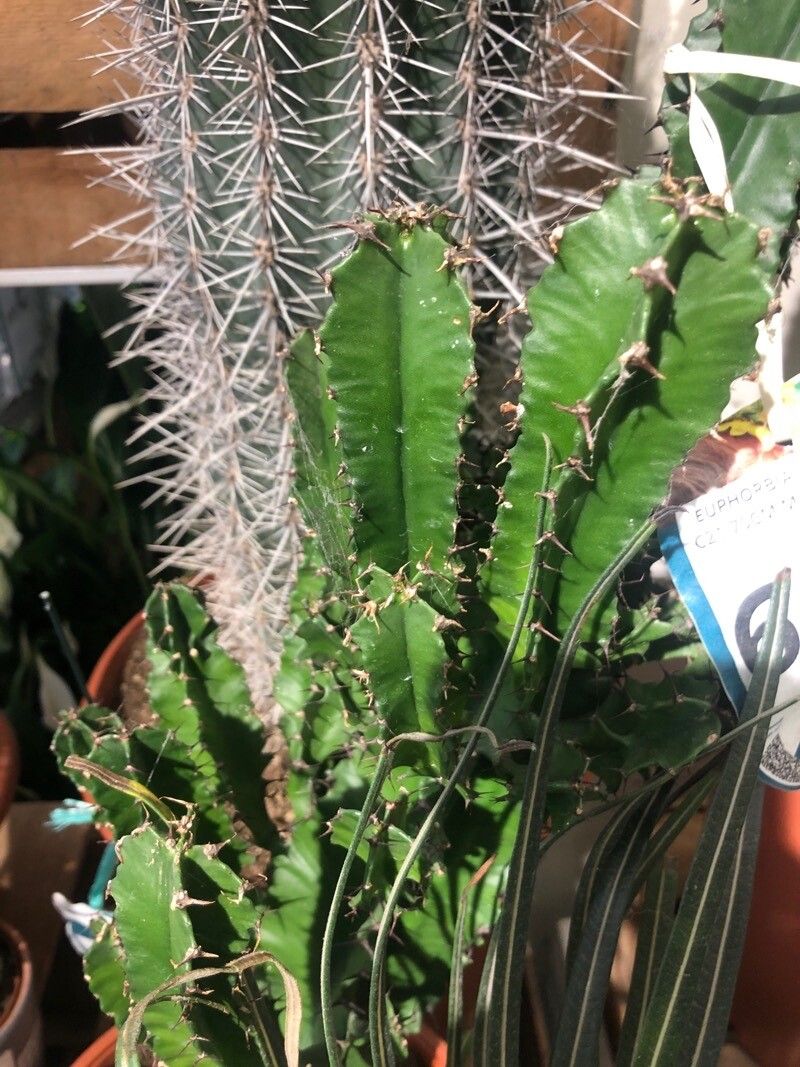
Irish spurge has strong resistance to disease and is generally not prone to problems. Still, it can be affected by pests and diseases present in its environment. Such infections are typically mild. Care-wise, this plant needs a moderate amount of attention. It should be pruned regularly to preserve a neat appearance and healthy growth. Fertilizing can also encourage flowering. Irish spurge is suitable for anyone with outdoor space, like a garden or patio, and does not demand extensive gardening experience. It may need more attention if grown indoors.
How to keep Euphorbia Carniolica.
Light
Irish spurge does best in full sun, though it can tolerate patches of shifting shade. Native to habitats that get sun all day, its growth and vigor are supported by abundant light. Too much shade can weaken its growth, while excess sunlight may not be harmful.
Temperature
Irish spurge, native to areas where temperatures range from 41 to 95°F (5 to 35 °C), can endure a range of climates though it tends to prefer warmer conditions. Seasonal temperature adjustments are recommended to maintain its well-being.
Fertilizer
The best time to fertilize an Irish spurge is in early spring, when it is coming out of dormancy and starting active growth. Fertilizing supplies key nutrients necessary for healthy development. Although Irish spurge has relatively low fertilizer needs, applying fertilizer once a year can improve its survival and encourage better, longer-lasting flowers.
Botanical profile.
- Plant Type
- Herb
- Life Cycle
- Perennial
- Genus
- Euphorbia
- Family
- Euphorbiaceae
- Hardiness Zone
- 5-9
- Mature Height
- 0.3 m to 1.22 m
- Mature Spread
- 10 cm to 23 cm
- Leaf Color
- Green, Blue
- Leaf Type
- Semi-evergreen
- Flower Color
- Yellow, Green
- Flower Size
- 1.52 cm to 2.54 cm
- Bloom Time
- Mid spring, Late spring, Early summer
- Planting Time
- Autumn
- Harvest Time
- Summer
Other names.