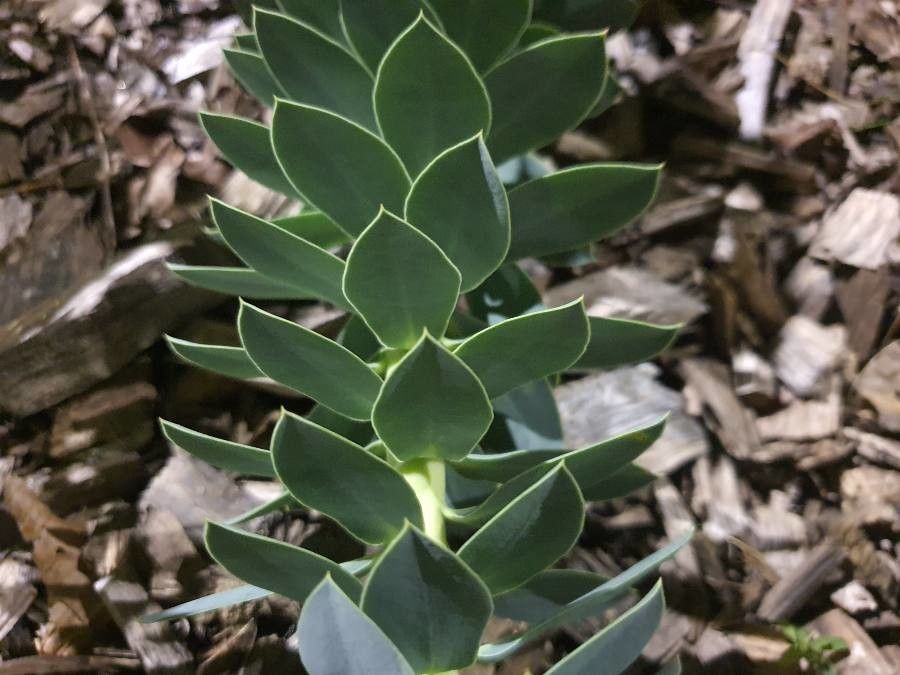
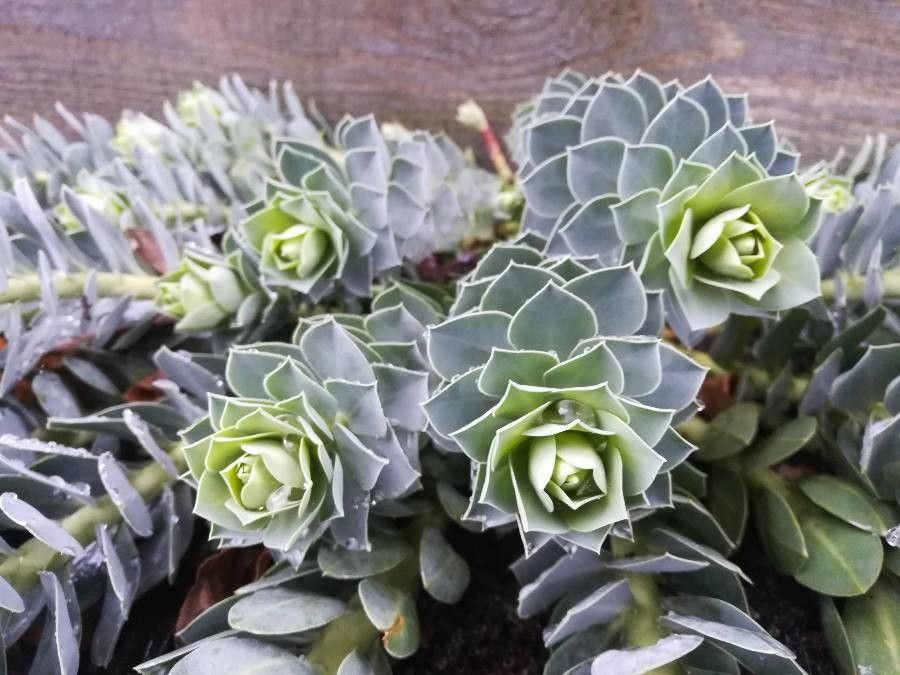
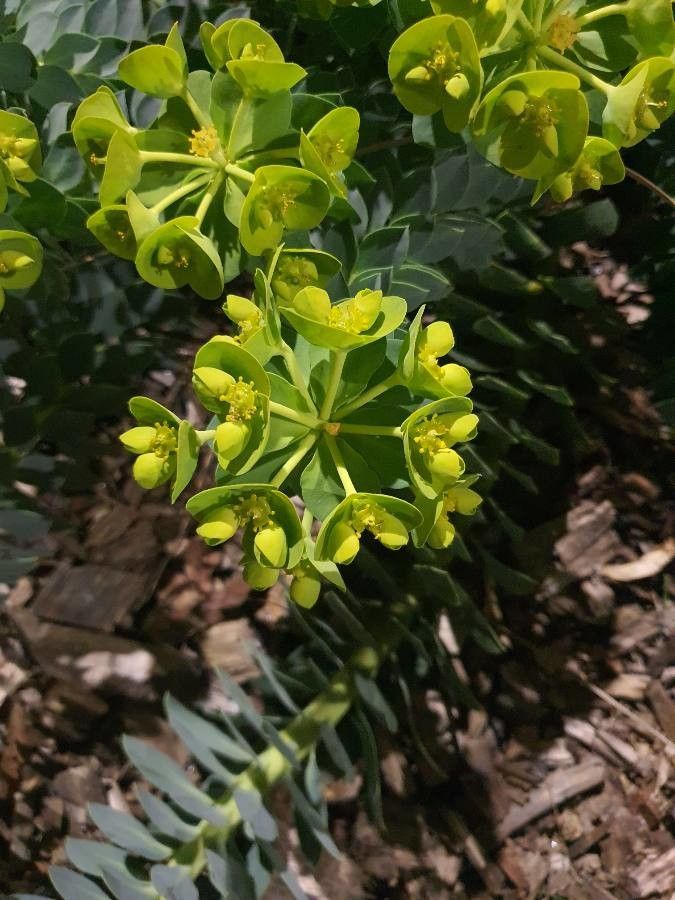
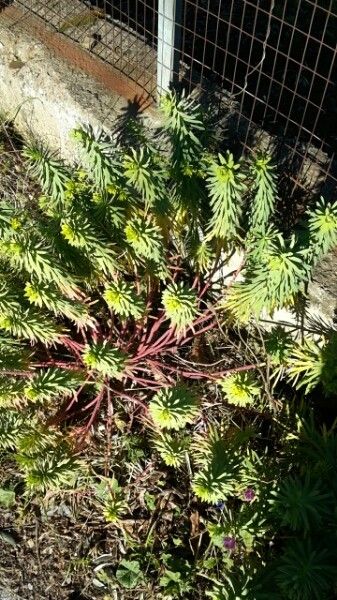
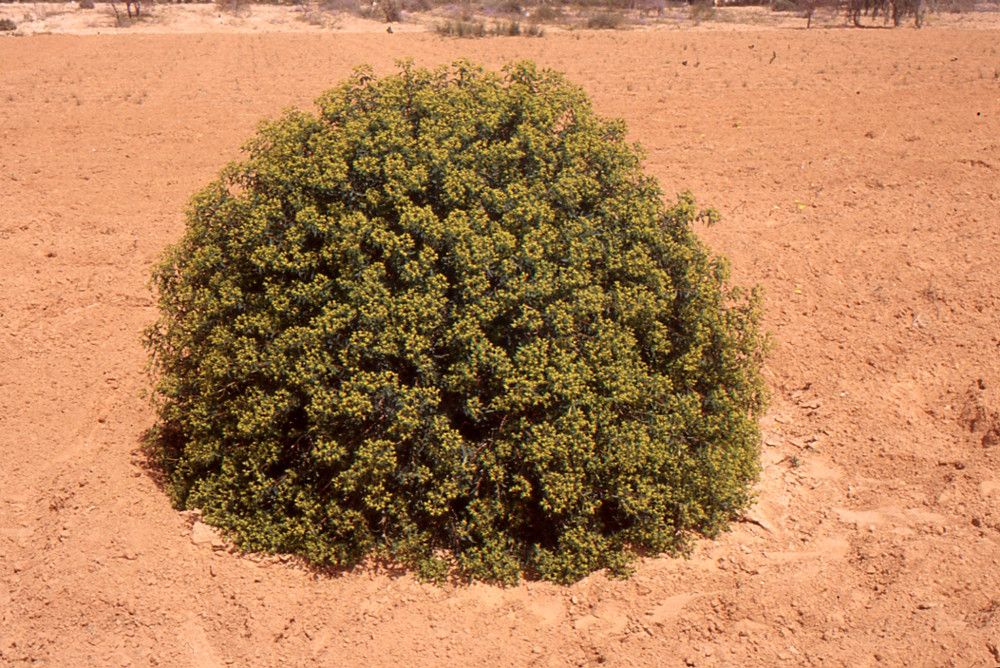
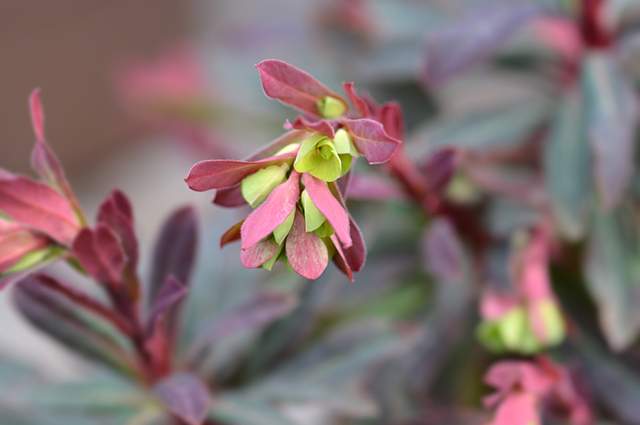
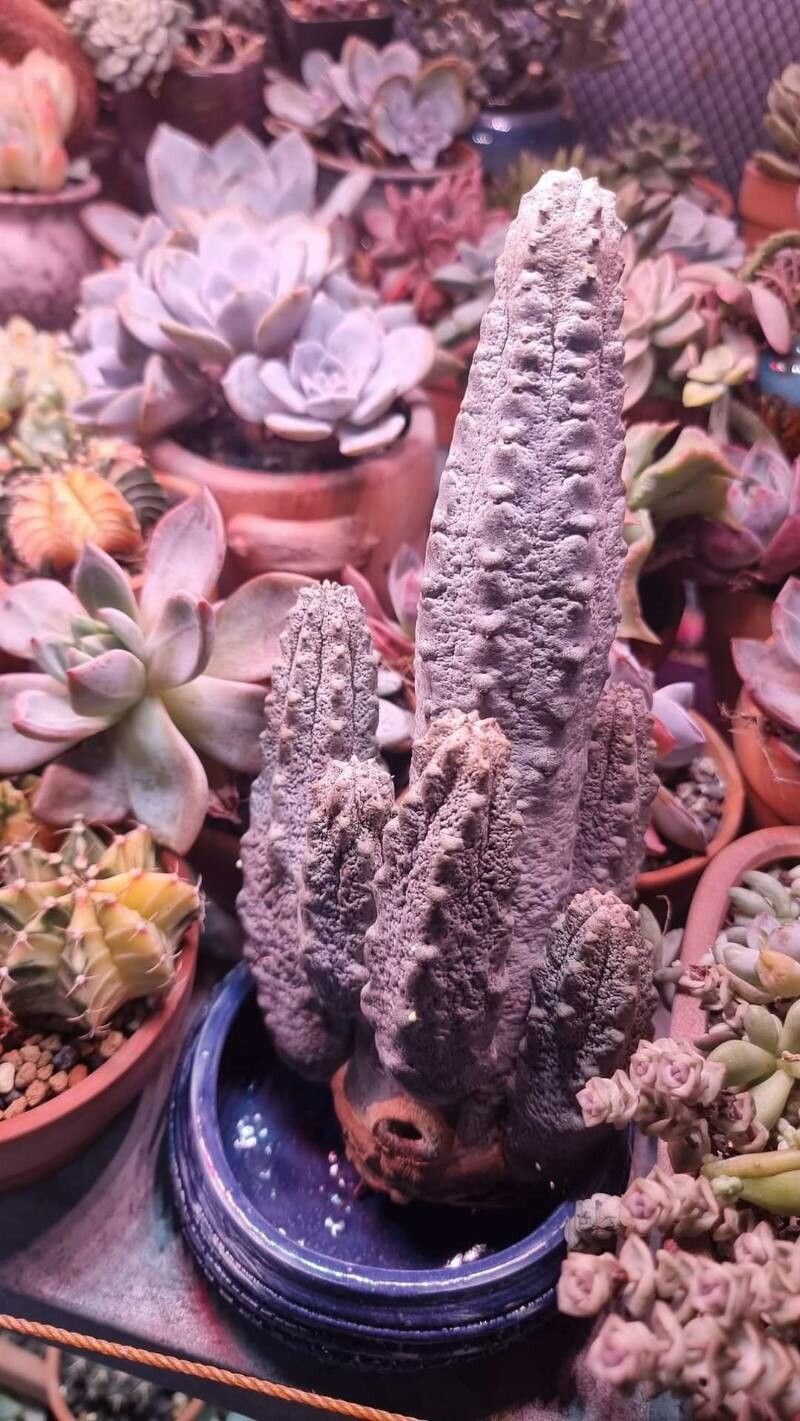
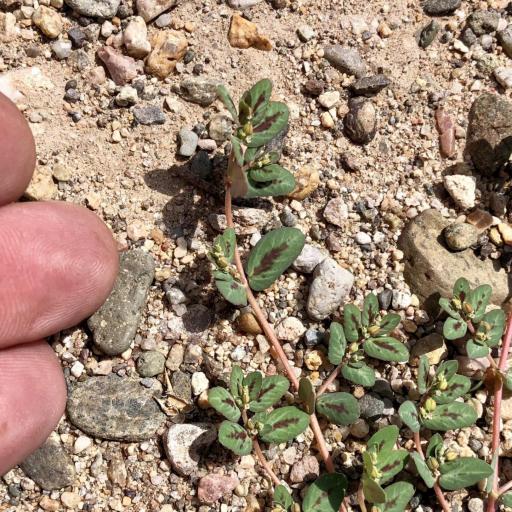
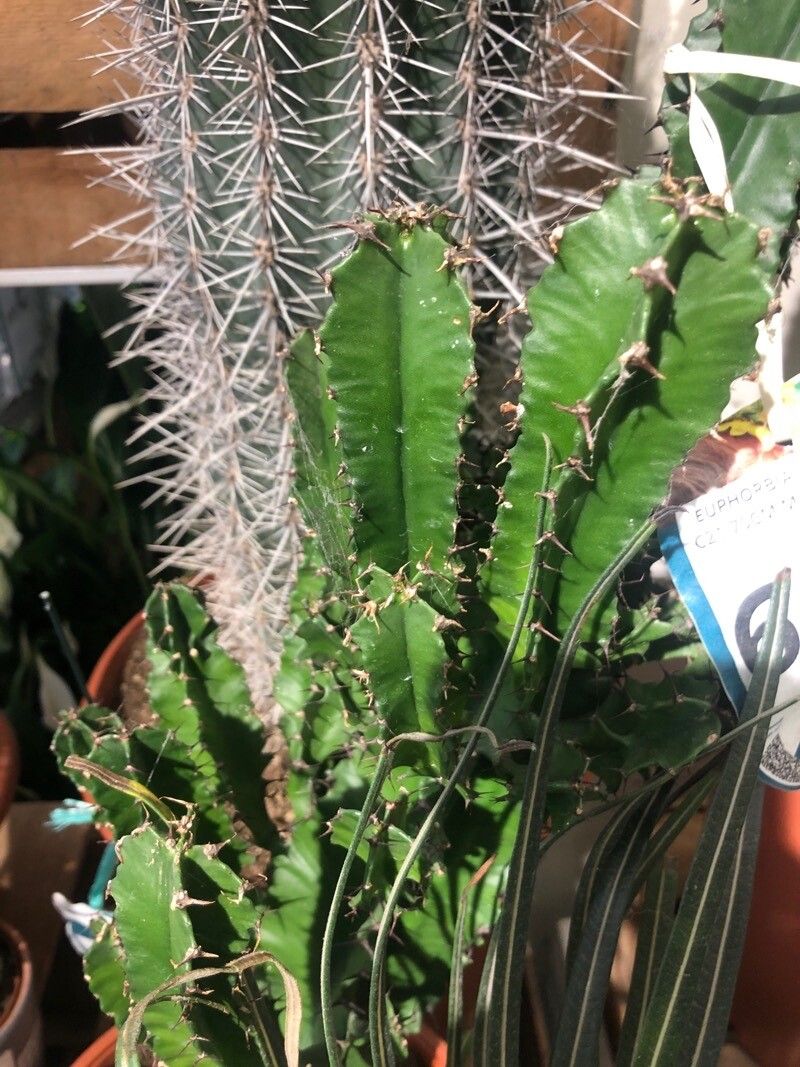
Euphorbia bivonae has moderate disease resistance and is more sensitive to humidity. It becomes vulnerable to disease when humidity is high and is liable to develop root rot during dormancy. Regarding care, Euphorbia bivonae tolerates drought but requires increased watering in the growing season. Watering should be greatly reduced or completely stopped during the dormant period. Euphorbia bivonae is appropriate for growers with some experience, though it can be challenging to maintain, especially during dormancy. It is particularly well suited to those who can dedicate time to its care in the winter months.
How to keep Euphorbia Bivonae.
Light
Native to dry regions, Euphorbia bivonae prospers in full sun; its natural habitat is marked by intense sunlight and very little shade. It will also tolerate partial sun, providing some flexibility in its growth.
Water
Euphorbia bivonae needs to be watered regularly, about once a week, especially during its growth periods. In temperate climates, you can reduce the amount of water, but during hot summers, it's important to increase watering. Always check that the top 2 inches of soil are dry before you water again. For indoor plants, it's crucial to maintain some moisture during their rest periods. To avoid overwatering, try using bottom watering techniques.
Temperature
Euphorbia bivonae can tolerate some heat, but it mainly does best and grows during the cooler months, becoming dormant in summer. In very hot summer weather, it should be shaded to prevent scorching from strong sunlight. Watering ought to be reduced or stopped during the hottest period to avoid root rot. The plant grows most vigorously in winter and spring. If temperatures don't fall too low, it will continue to grow steadily.
Fertilizer
For Euphorbia bivonae, applying fertilizer once or twice a year during the growing season is sufficient. Avoid fertilizing in winter and in summer when the plant is dormant. Reduce the amount of fertilizer for repotted plants and wait a couple of months after repotting before you fertilize. Fertilizing promotes healthy growth and encourages blooms.
Pruning
Euphorbia bivonae is an ornamental plant valued for its vibrant appearance and distinctive growth. To maintain its health and beauty, it's best to prune the plant in early spring. Use clean, sharp tools to remove dead stems and thin out overcrowded areas, which will improve air circulation. Pruning not only enhances the plant's appearance but also redirects nutrients more effectively. Since the sap can cause skin irritation, it's advisable to wear gloves while pruning.
Botanical profile.
- Plant Type
- Succulent, Shrub
- Life Cycle
- Perennial
- Genus
- Euphorbia
- Family
- Euphorbiaceae
- Hardiness Zone
- 9-11
- Mature Height
- 30 cm to 61 cm
- Mature Spread
- 40 cm to 76 cm
- Leaf Color
- Light Green, Dark Green
- Leaf Type
- Semi-evergreen
- Flower Size
- 0.51 cm to 1.02 cm
- Bloom Time
- Mid spring, Late spring, Early summer
- Planting Time
- Spring, Summer, Autumn
- Harvest Time
- Summer
Reader questions.
What are the sun requirements for Euphorbia bivonae?
Euphorbia bivonae thrives in conditions with varying amounts of sunlight. For 'Full sun' exposure, it requires above 6 hours of sunlight daily. Alternately, for 'Partial sun' conditions, about 3-6 hours of sunlight per day is sufficient. It's important to observe the movement of sunlight through your garden to find spots that offer the perfect balance of light and shade, ensuring your Euphorbia bivonae's happiness. Remember, the right amount of sunlight is crucial for the health and growth of your plants.
What is Euphorbia bivonae?
Euphorbia bivonae, also known by its botanical name Euphorbia bivonae, does not have further descriptions available in the provided data. This means details about its essentials, such as care, habitat, or unique features, as well as any symptoms it may cause if it's a plant with potential health effects, were not included.