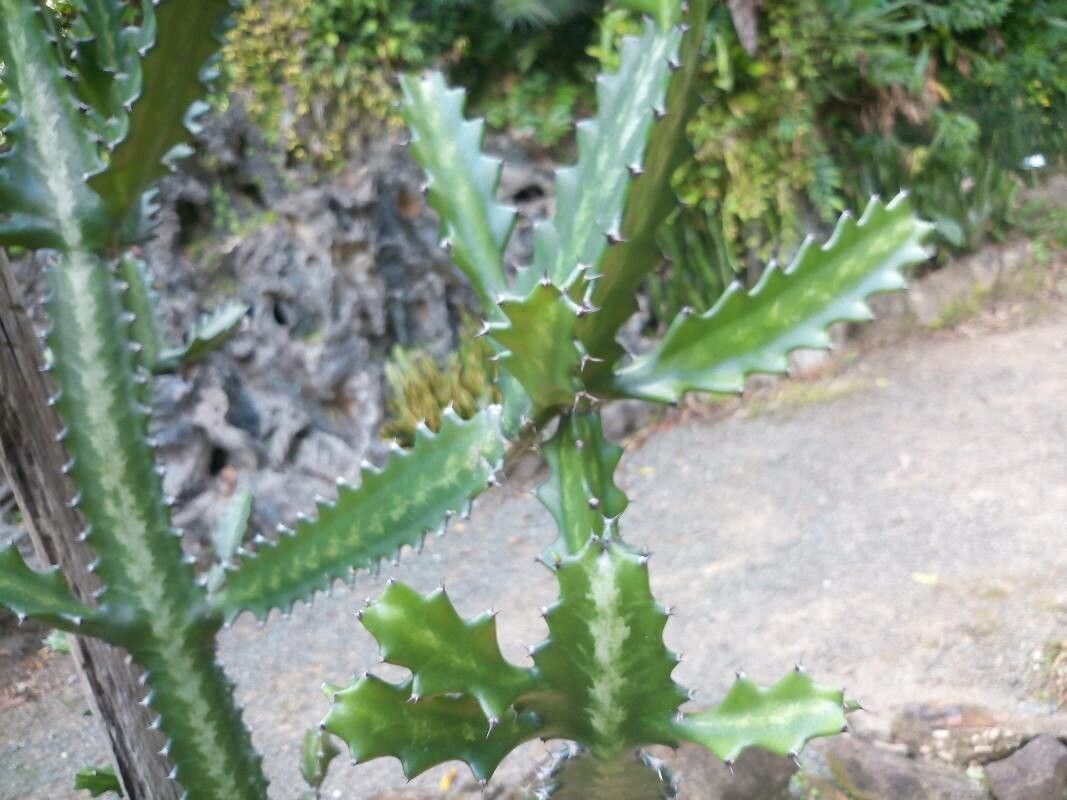
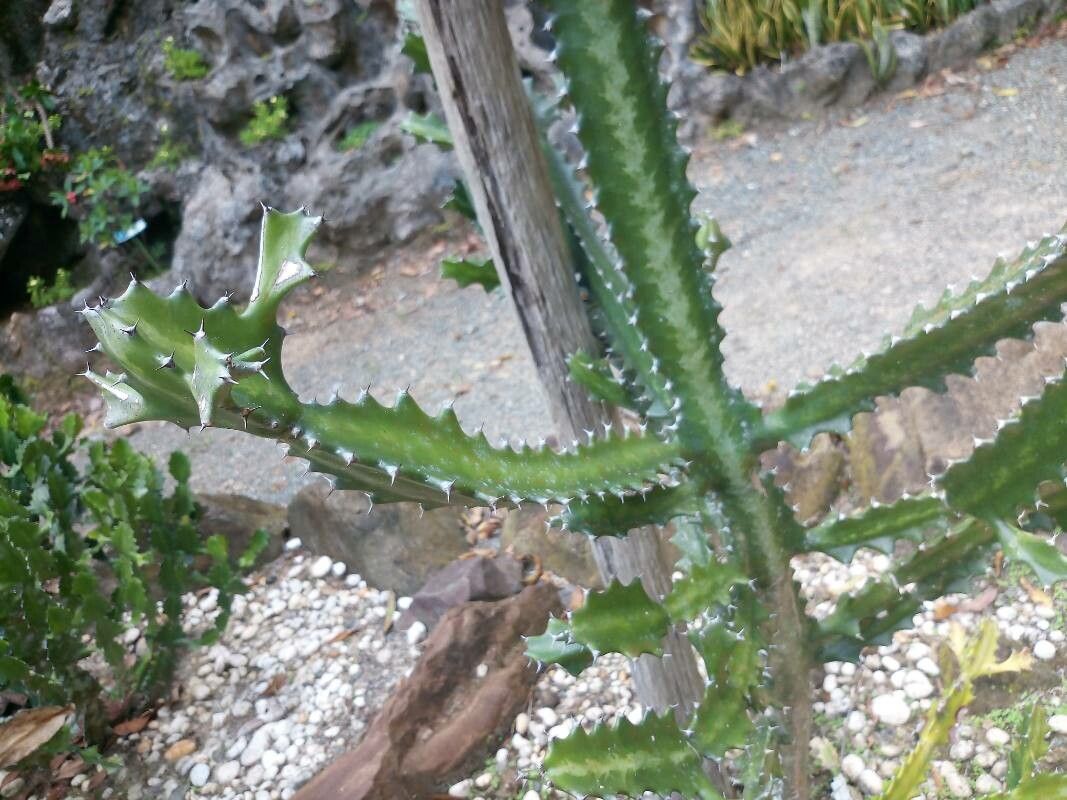
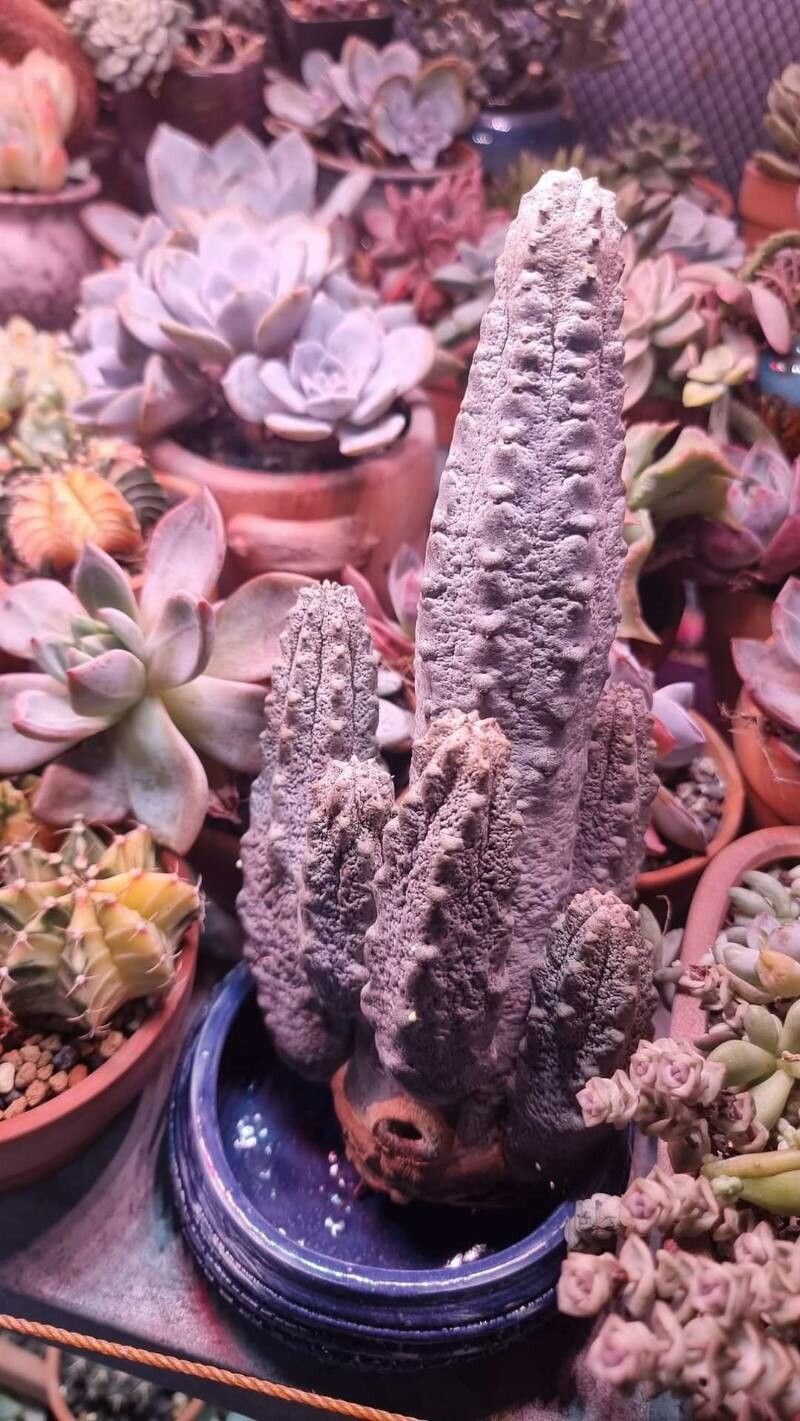
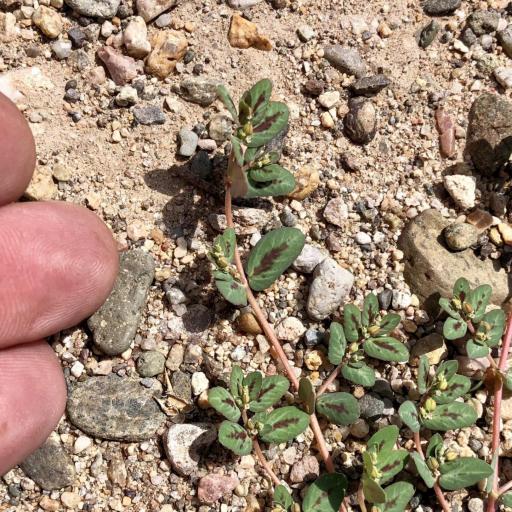
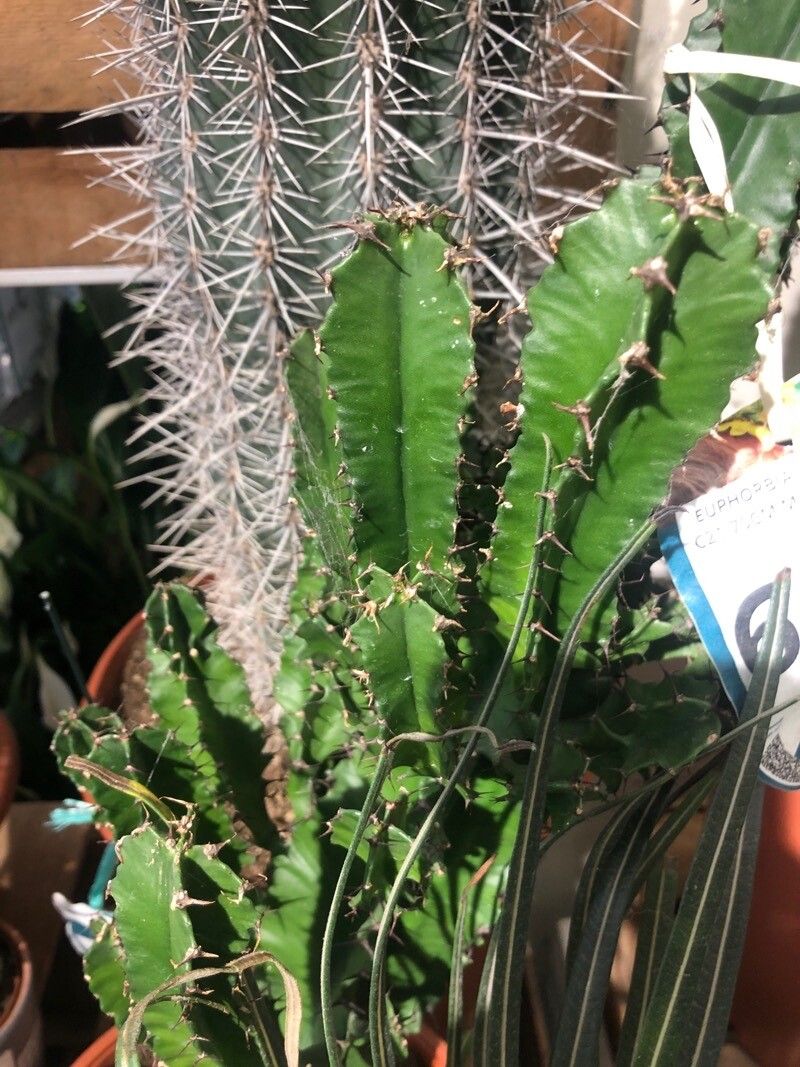
Euphorbia antiquorum, known as antique spurge and "Euphorbia of the Ancients", is a species of succulent plant in the family Euphorbiaceae. It is widespread throughout peninsular India, but its wild origin is obscure. Escaped or naturalized and widely cultivated in neighbouring regions, such as Burma, China, Bangladesh, India, Indonesia, Iran, Malaysia, Myanmar, Pakistan, Thailand, the Philippines, Sri Lanka, and Vietnam, and in many tropical zones worldwide.The juice of this plant is a potent ingredient for a mixture of wall plaster, according to the Samarāṅgaṇa Sūtradhāra, which is a Sanskrit treatise dealing with Śilpaśāstra (Hindu science of art and construction).This species is the type species of the genus Euphorbia.
Antique spurge has moderate disease resistance and is more sensitive to humidity and excessive watering. It is also more vulnerable to disease when it receives insufficient light and is overwatered. In terms of care, Antique spurge is drought-tolerant and can withstand long stretches without watering. It requires little fertilizer and only needs pruning occasionally. This makes it suitable for people at any experience level, especially those who prefer to spend less time on plant care and may sometimes be away from home for extended periods. It is a good option for those who do not want to devote much time to plant maintenance but still want an easy-to-care-for plant.
How to keep Euphorbia Antiquorum.
Light
Antique spurge needs a substantial amount of sunlight to stay healthy and vigorous. Native to places with abundant sun, it is adapted to take in plenty of rays. Too much shade can inhibit growth or make plants look dull. Conversely, excessive sun can be harsh and cause the plant to deteriorate.
Water
Antique spurge is well-suited for semi-arid environments due to its excellent drought tolerance. It thrives with infrequent watering, ideally every 2-3 weeks, allowing the soil to completely dry out between waterings to prevent root rot. This plant grows best in full sunlight and needs a well-draining soil mix to accommodate its minimal water requirements.
Temperature
Antique spurge grows best in temperatures from 68 to 100°F (20 to 38℃). Native to temperate regions, it favors mild warmth. Seasonal adjustments to temperature may be needed, particularly to prevent exposure to below-freezing conditions.
Fertilizer
For Antique spurge, apply light amounts of fertilizer once or twice a year during the growing season. Do not fertilize in winter and summer when the plant is dormant. Use less fertilizer for repotted plants and wait a couple of months after repotting before fertilizing. Fertilizing promotes healthy growth and encourages blooms.
Pruning
Antique spurge is a ribbed succulent that benefits from pruning in early spring. Pruning helps remove dead branches and encourages new growth. Be sure to use clean tools to prevent disease transmission, and prune conservatively to maintain the plant's shape. This process also enhances airflow and reduces the likelihood of pest infestations. Remember to wear gloves because the sap can be irritating to the skin.
Botanical profile.
- Plant Type
- Shrub
- Life Cycle
- Perennial
- Genus
- Euphorbia
- Family
- Euphorbiaceae
- Hardiness Zone
- 9-11
- Mature Height
- 3.66 m
- Mature Spread
- 3.66 m
- Leaf Color
- Green
- Leaf Type
- Deciduous
- Flower Color
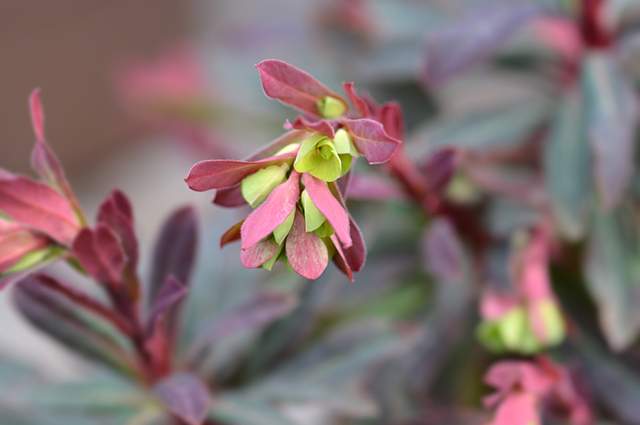
- Yellow, Green, Pink
- Flower Size
- 0.51 cm to 0.76 cm
- Bloom Time
- Late spring, Summer, Early fall
- Planting Time
- Spring
- Harvest Time
- Late summer, Fall
- Native Area
- Sri Lanka, India, Malaysia, Indonesia, Cambodia, Vietnam, Myanmar, Philippines, Bangladesh, Pakistan, Laos, Thailand, China
Other names.