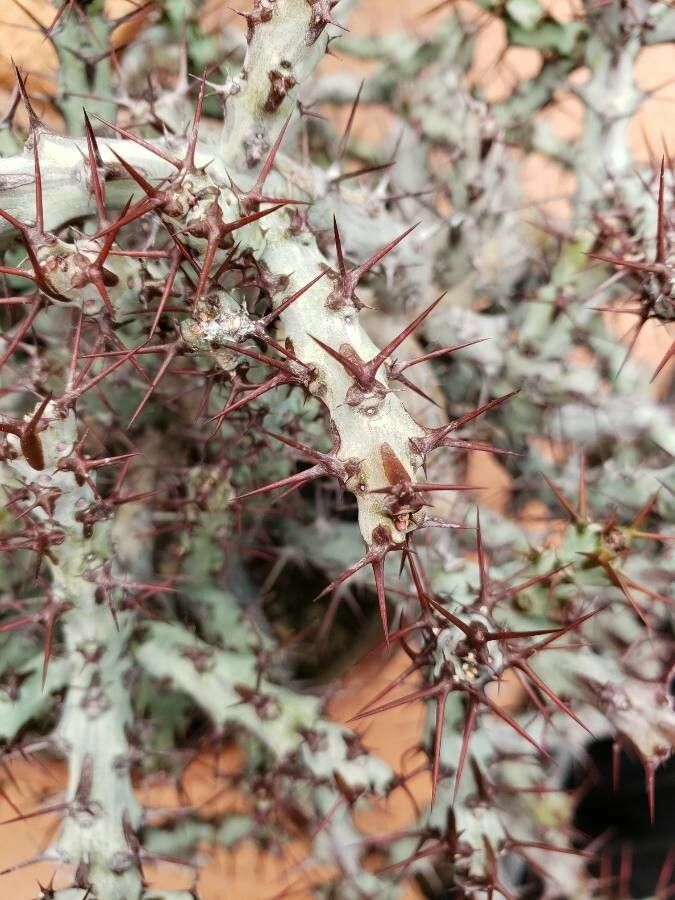
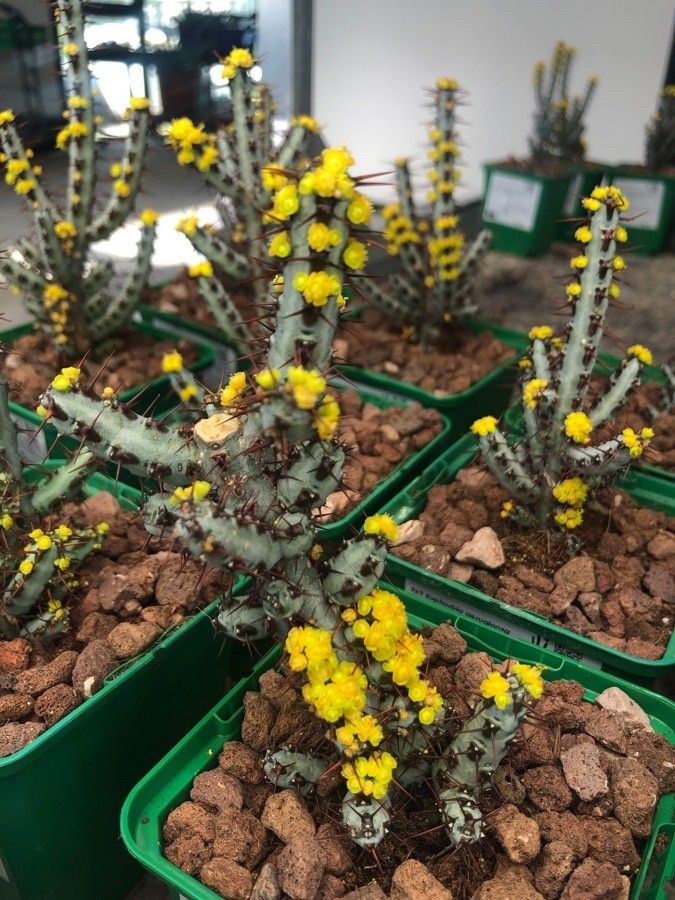
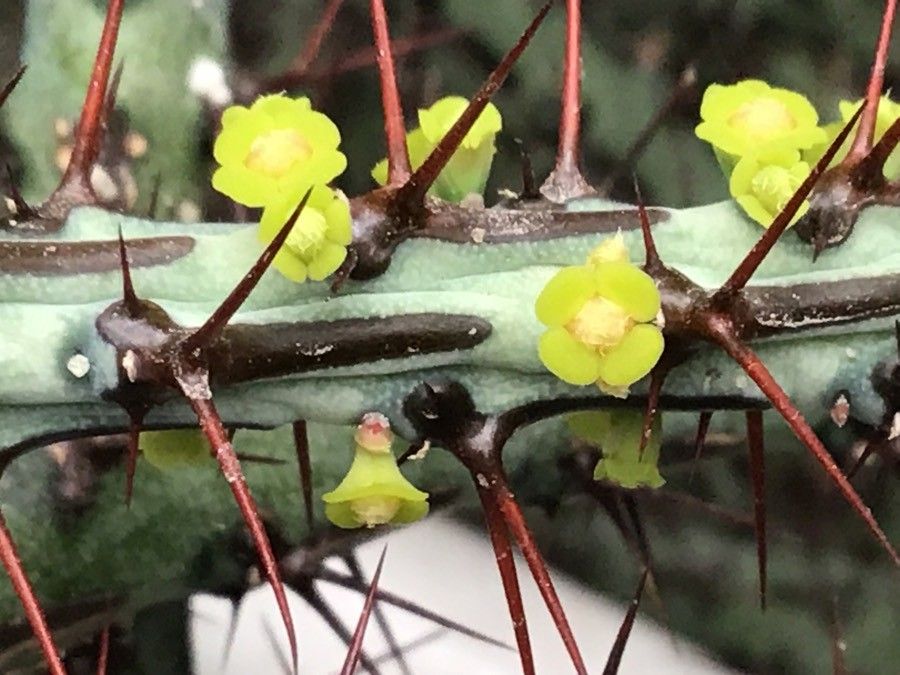
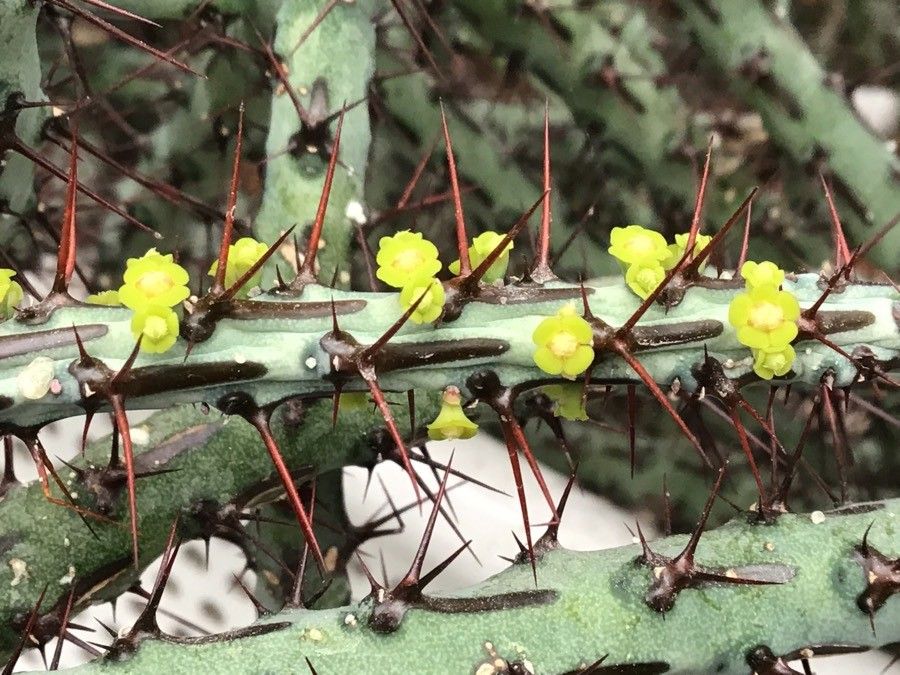
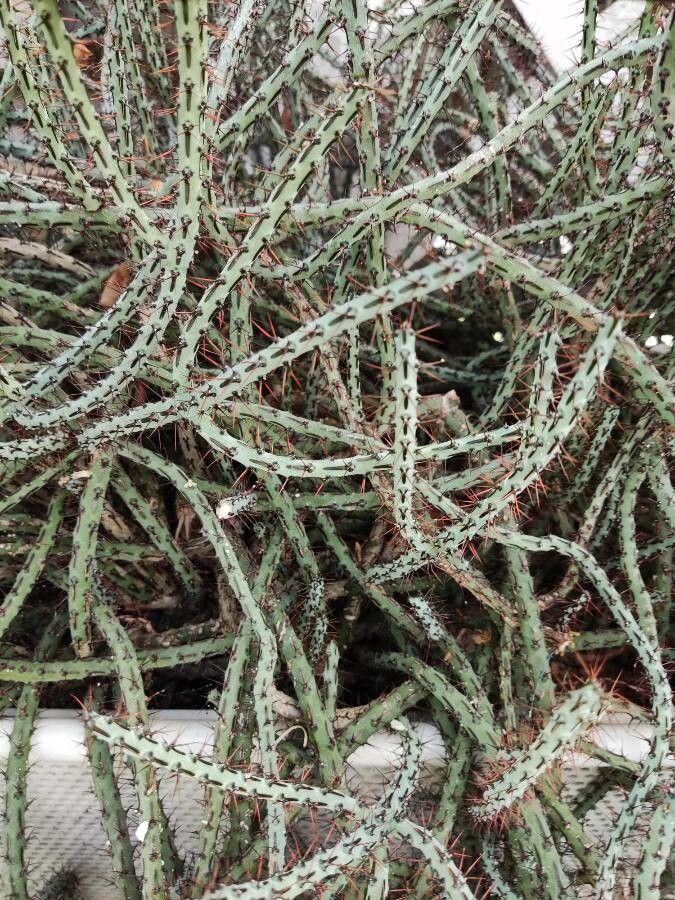
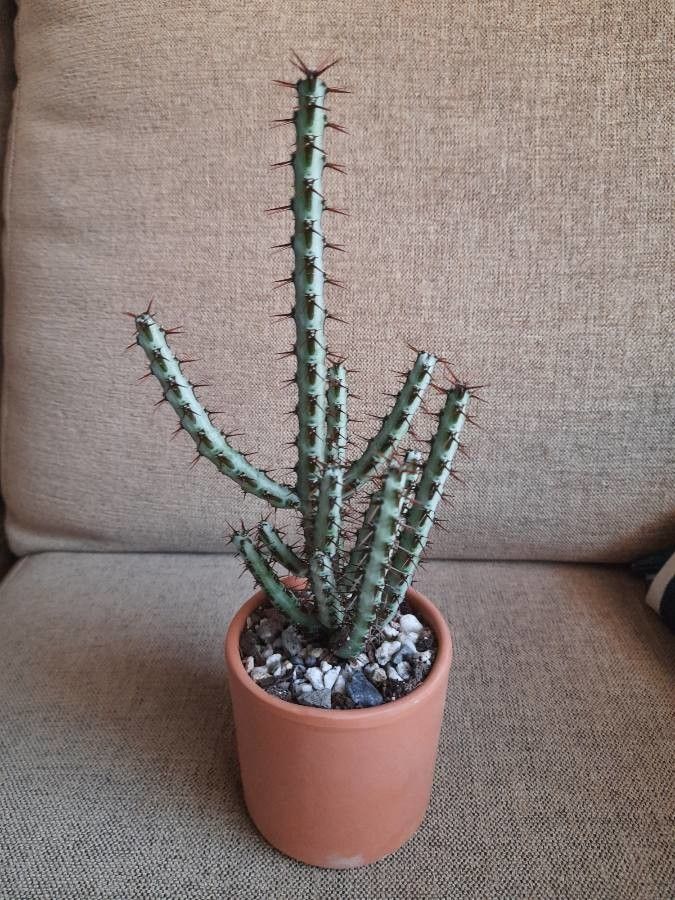
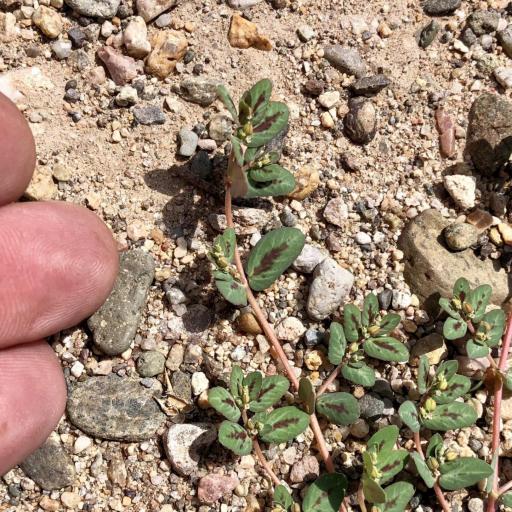
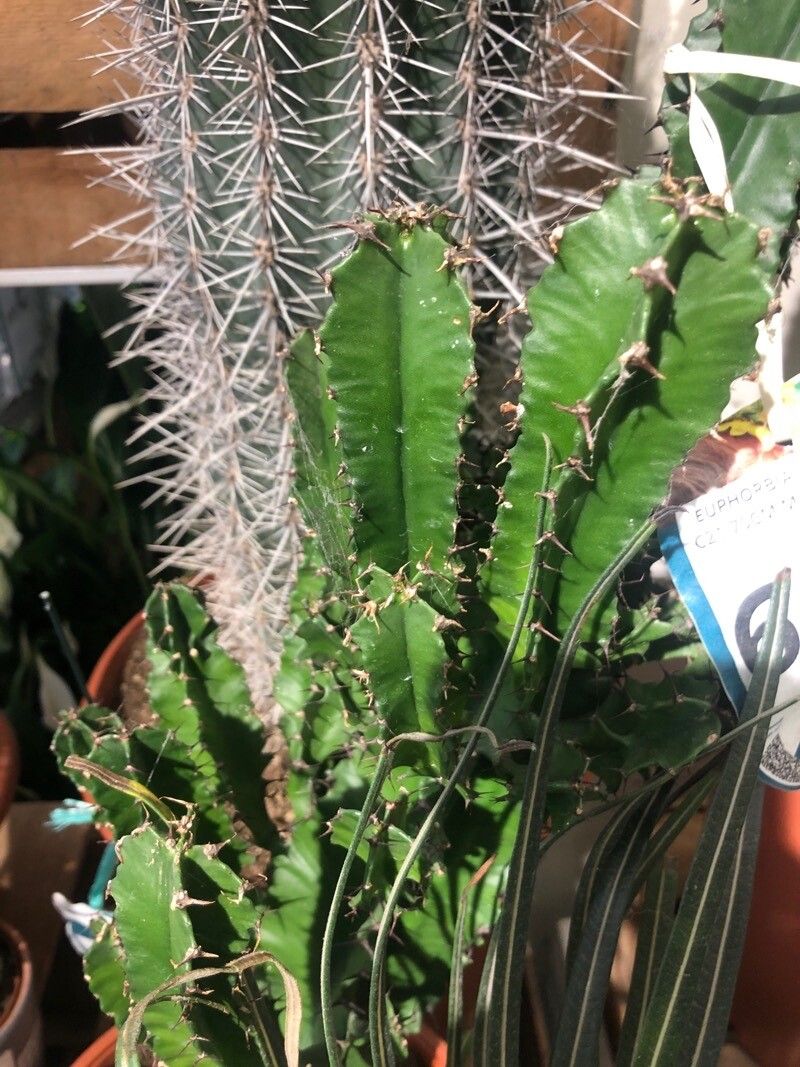
Euphorbia aeruginosa is a succulent member of the spurge family native to South Africa. It grows as a small shrub, in sandy soils and in the fractures of rocks sending up multiple spiny blue-green photosynthetic stems. The plant produces yellow cyathia or flowering heads.
The miniature saguaro has moderate disease resistance but is more prone to issues from humidity and excessive watering. It is also more vulnerable to disease if it lacks light and is overwatered. Regarding care, the miniature saguaro is drought-tolerant and can endure long stretches without watering. It needs little fertilizer and only occasional pruning. These qualities make it appropriate for people of all experience levels, especially those who want to spend less time on plant care or who may be away from home for extended periods. It is a good option for anyone who does not want to devote much time to plant maintenance but still wants an easy-to-care-for plant.
How to keep Euphorbia Aeruginosa.
Light
Originating from dry regions, the Miniature saguaro does best in full sun, as its natural habitat has intense sunlight and very little shade. It can also tolerate partial sun, which gives it some flexibility in its growth.
Water
The miniature saguaro cactus is well-adapted to arid environments, demonstrating excellent drought tolerance and efficient water storage capabilities. For optimal care, water it weekly and plant it in well-draining soil to prevent root rot. This succulent is ideal for indoor cultivation, mimicking its natural habitat where heavy rainfalls occur infrequently.
Temperature
The miniature saguaro performs best in warm conditions and needs higher temperatures during the growing season to support growth and metabolism. It prefers plenty of sunlight, suitable moisture levels, and adequate air circulation. However, it is vulnerable to harm from very low temperatures and from overwatering. It is therefore important to maintain balance and avoid both excessively high temperatures and overly dry conditions.
Fertilizer
For Miniature saguaro, light applications of fertilizer once or twice a year during the growing season are adequate. Do not fertilize in winter or in summer when the plant is dormant. Cut back on fertilizer for plants that have been repotted and wait a couple of months after repotting before applying feed. Fertilizing helps maintain healthy growth and encourages blooms.
Pruning
Little upkeep is needed to cultivate these plants. Pruning is only essential if sections of the plant are sick or damaged.
Pot & Repot
Repot miniature saguaro during the warmer months, choosing a container only slightly larger than the current one with good drainage. Use a well-draining cactus or succulent potting mix. Handle the roots and caudex gently when repotting. After repotting, wait about a week before watering to avoid root rot. Place it in a sunny location for optimal growth.
Toxicity
All Euphorbia plants have a poisonous sap that is severely dangerous if consumed and very irritating if touched with skin. Keep pets and children out of reach. Wear gloves and take extreme care while handling this plant.
Further reading →
The toxicity and danger assessments provided are for reference only. We do not assure their accuracy, so it's crucial not to depend on them. Seek professional advice when necessary for accurate guidance.
Botanical profile.
- Plant Type
- Shrub, Succulent
- Life Cycle
- Perennial
- Genus
- Euphorbia
- Family
- Euphorbiaceae
- Hardiness Zone
- 10-11
- Mature Height
- 30 cm
- Mature Spread
- 30 cm to 49 cm
- Leaf Color
- Green
- Leaf Type
- Evergreen
- Flower Color
- Yellow, Gold
- Bloom Time
- Late spring, Early summer, Mid summer
- Planting Time
- Spring, Summer, Autumn
- Harvest Time
- Mid summer, Late summer, Early fall
- Native Area
- South Africa, Botswana
Other names.