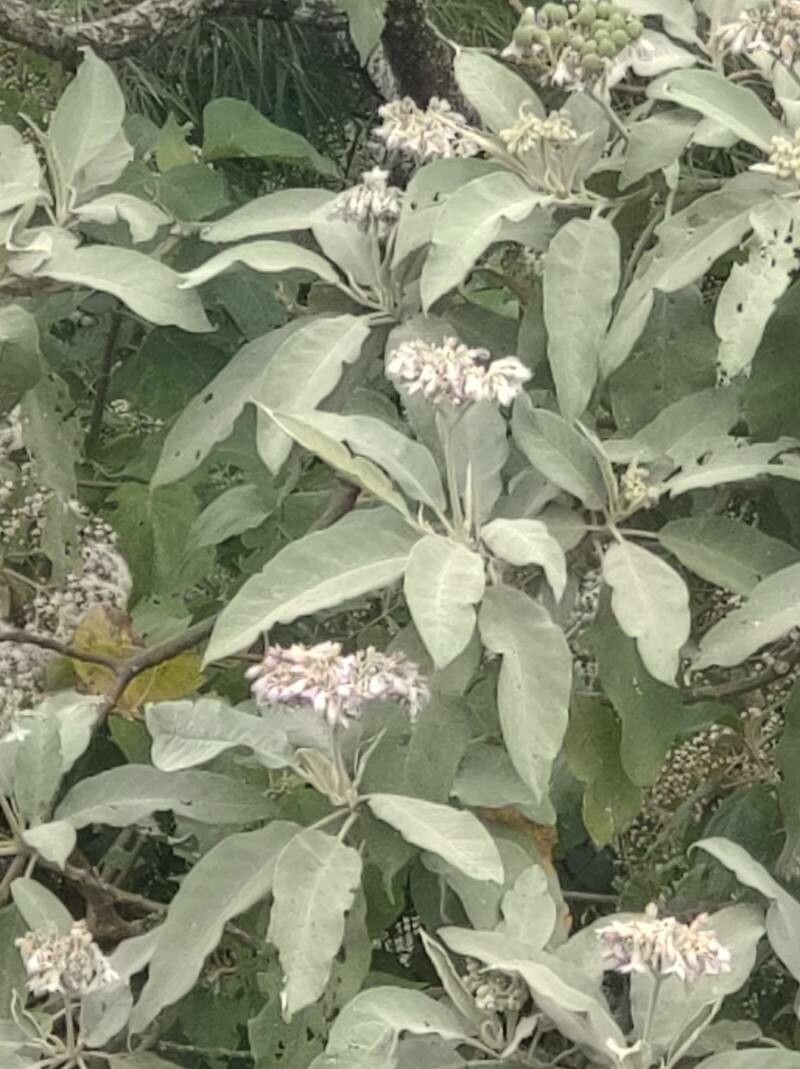
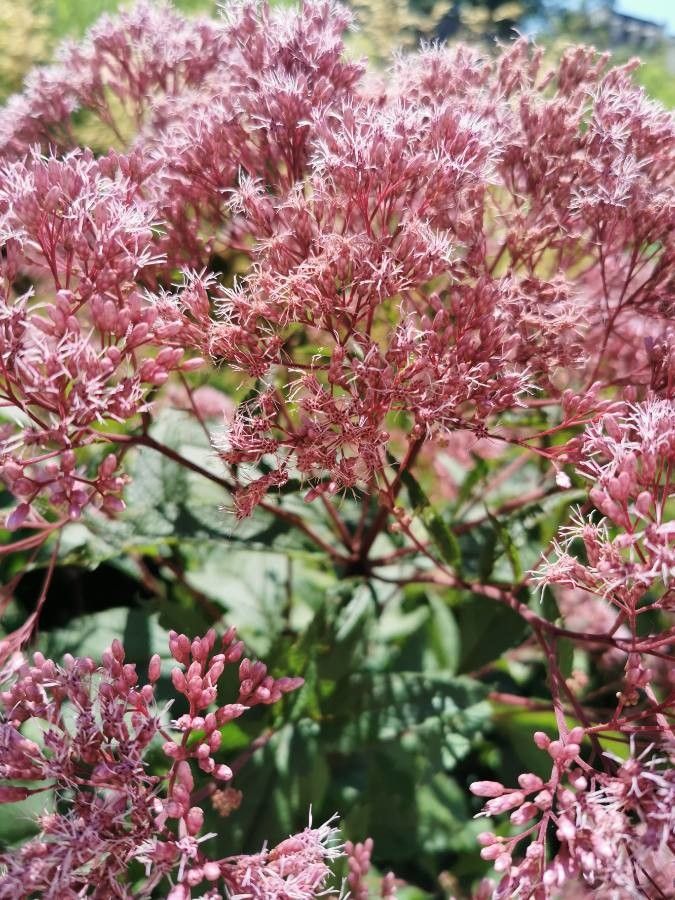
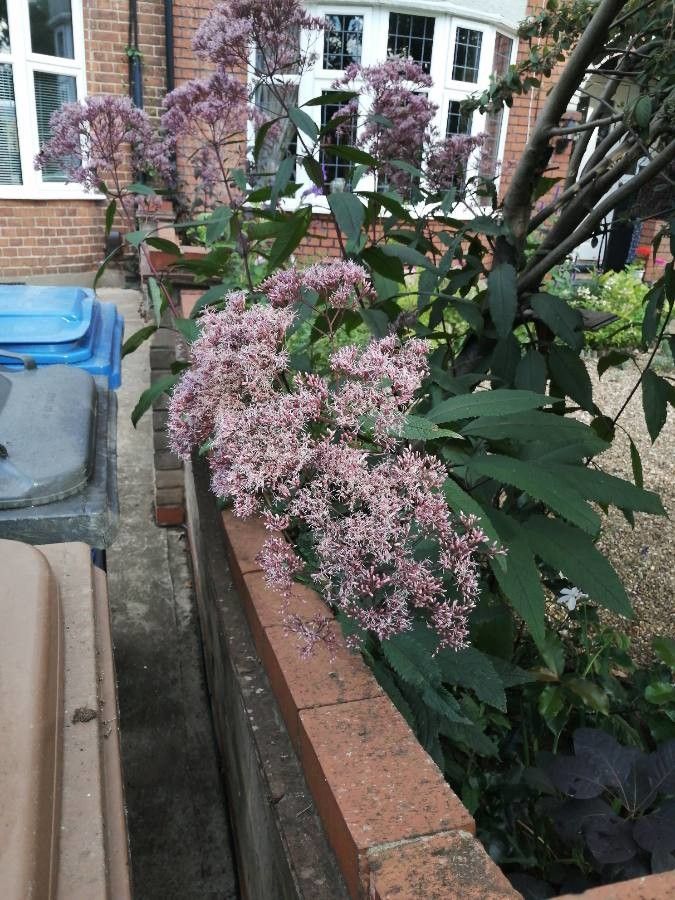
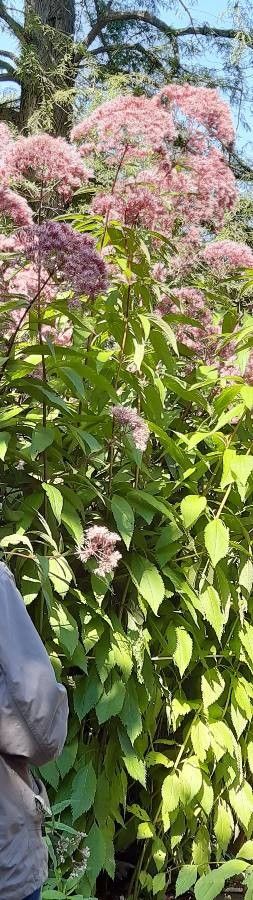
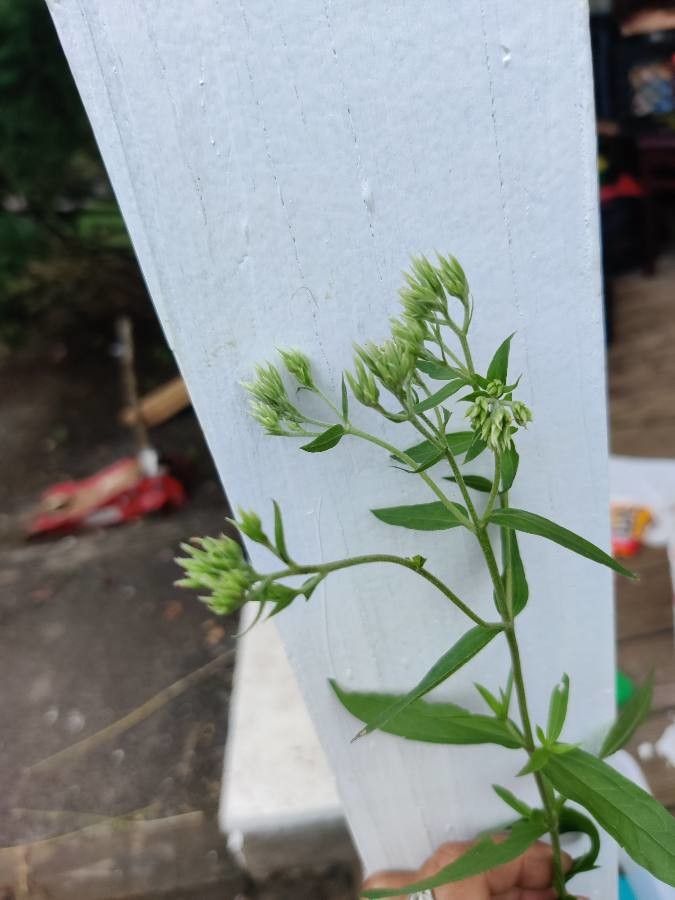
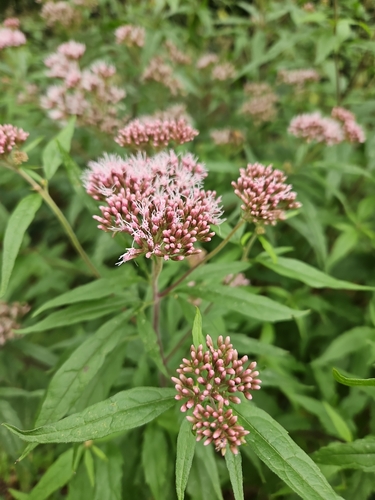
Eupatorium purpureum, commonly known as Joe-Pye weed, is a tall perennial plant native to eastern North America. It typically grows to a height of 4-7 feet and boasts large clusters of pinkish-purple flowers that bloom in late summer and early fall. The plant prefers moist soils and can often be found in wet meadows, along streams, or in other wetland habitats.
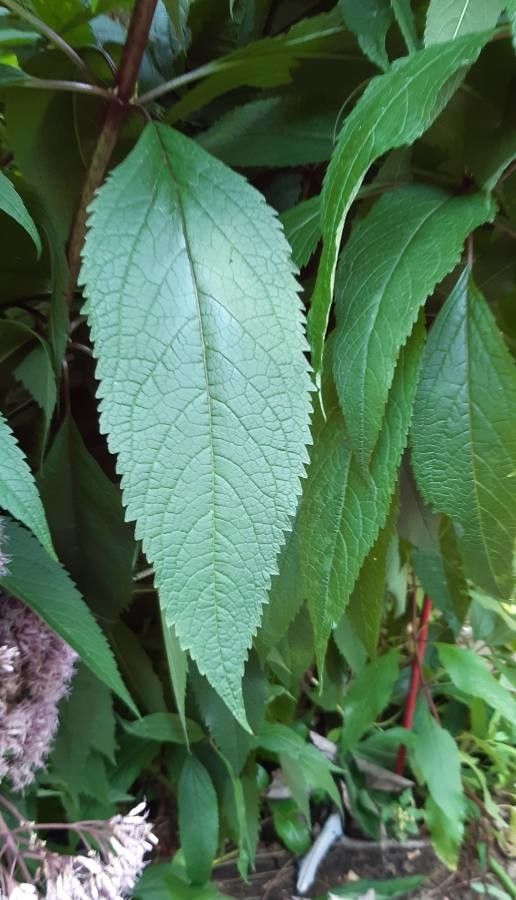
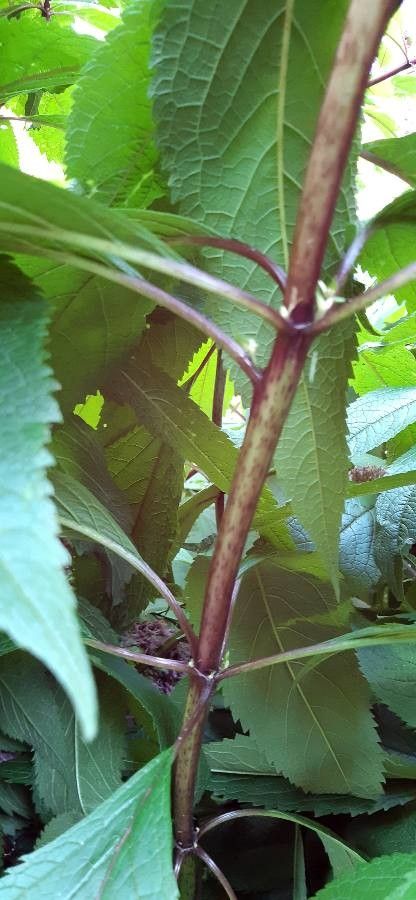
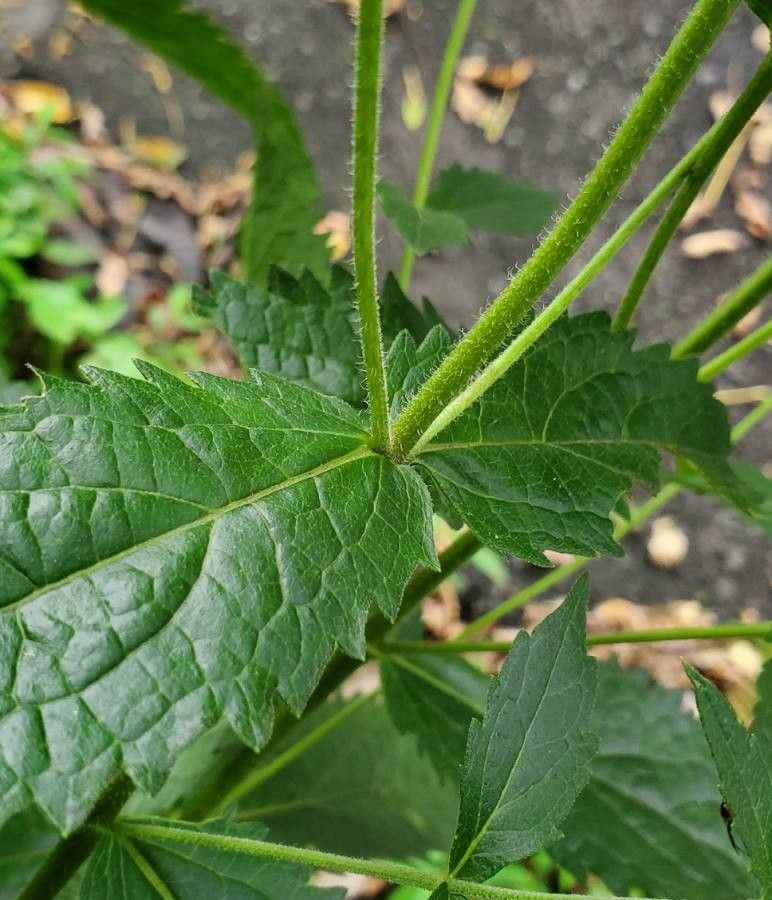
The leaves of Eupatorium purpureum are large, lance-shaped, and have a rough texture. They are arranged oppositely along the stem and can grow up to 12 inches long. The stems are sturdy and exhibit a reddish-purple coloration.
For centuries, Native Americans have used this plant for medicinal purposes due to its anti-inflammatory properties. Early settlers also employed it as an herbal remedy for various ailments, including fever, kidney stones, rheumatism, and urinary tract infections.
During its blooming period, Eupatorium purpureum serves as an essential nectar source for bees and butterflies, making it an excellent addition to pollinator gardens or naturalized areas. It also provides habitat for various wildlife species, such as birds that feed on its seeds during the winter months.
Overall, Eupatorium purpureum is an attractive native perennial with numerous ecological benefits, making it a valuable addition to any garden or natural area restoration project.
Sweet Joe-Pye weed has good disease resistance and is generally not susceptible to illnesses. However, it can be affected by pests and diseases present in its environment. These infections are usually mild. In terms of care, the plant requires moderate maintenance. It should be pruned regularly to keep a tidy appearance and support healthy growth. Fertilizing can also help encourage flowering. Sweet Joe-Pye weed is suitable for anyone with an outdoor area, such as a garden or patio, and does not demand much gardening experience. It may require extra care when grown indoors.
How to keep Eupatorium Purpureum.
Light
Sweet Joe-Pye weed prefers a generous amount of light, similar to the conditions of its native habitat. It does best with ample sunlight, though it can tolerate shadier spots with a likely slowdown in growth. Too little light causes a leggy appearance, while too much can scorch the plant.
Water
Mature Joe Pye weed can tolerate slightly wet soil and short periods of drought. But, it’s best to maintain consistently moist soil for healthy growth. As much as possible, do not let the soil dry out for more than a few days. Water occasionally but deeply and apply a thick layer of mulch to hold moisture around the roots and keep them cool.
Temperature
The sweet Joe-Pye weed favors temperatures from 32 to 95 ℉ (0 to 35 ℃) and generally prospers in a temperate climate. It is native to North America and occurs in wet meadows, prairies, and swamps. During warmer seasons it requires careful monitoring of soil moisture to prevent roots from drying out.
Fertilizer
Usually one spring fertilizer application is enough for Sweet Joe-Pye weed, though several feedings can maximize growth. Apply fertilizer about once every month to a month and a half. Fertilizing improves the look and function of the leaves, helping maintain even color and a healthy texture. It also promotes root development and better nutrient uptake, supporting long-term plant health.
Pruning
Prune back dead foliage until about 4-8 inches above ground level. You can do this in the late fall or early spring. Avoid pruning late in spring because it becomes challenging to prune around the new growth. If you want to control the size of your Joe Pye weed, cut back about half of the stems in June to stimulate shorter but bushier growth.
Pot & Repot
When repotting Sweet Joe-Pye weed, select a pot 1-2 inches (2.5–5.1 cm) larger with ample drainage. Use a well-draining potting mix. Repot in spring or fall, making sure the root ball sits slightly lower than the rim of the flower pot. Water thoroughly after repotting and place it in a warm spot with indirect sunlight.
Toxicity
Though it is related to other poisonous species, Joe Pye weed is not toxic to people and pets. In fact, some cultures use this plant for medicinal purposes. It is often dried and burned as a natural mosquito repellent or made into tea.
Further reading →
The toxicity and danger assessments provided are for reference only. We do not assure their accuracy, so it's crucial not to depend on them. Seek professional advice when necessary for accurate guidance.
Botanical profile.
- Plant Type
- Herb
- Life Cycle
- Perennial
- Genus
- Eupatorium
- Family
- Compositae
- Hardiness Zone
- 3-9
- Mature Height
- 0.61 m to 1.52 m
- Mature Spread
- 0.91 m to 1.52 m
- Leaf Color
- Green, Blue, Purple
- Leaf Type
- Deciduous
- Flower Color
- Pink
- Flower Size
- 2.54 cm
- Bloom Time
- Mid summer
- Planting Time
- Spring
- Harvest Time
- Mid summer
- Native Area
- Eastern and central North America
Other names.