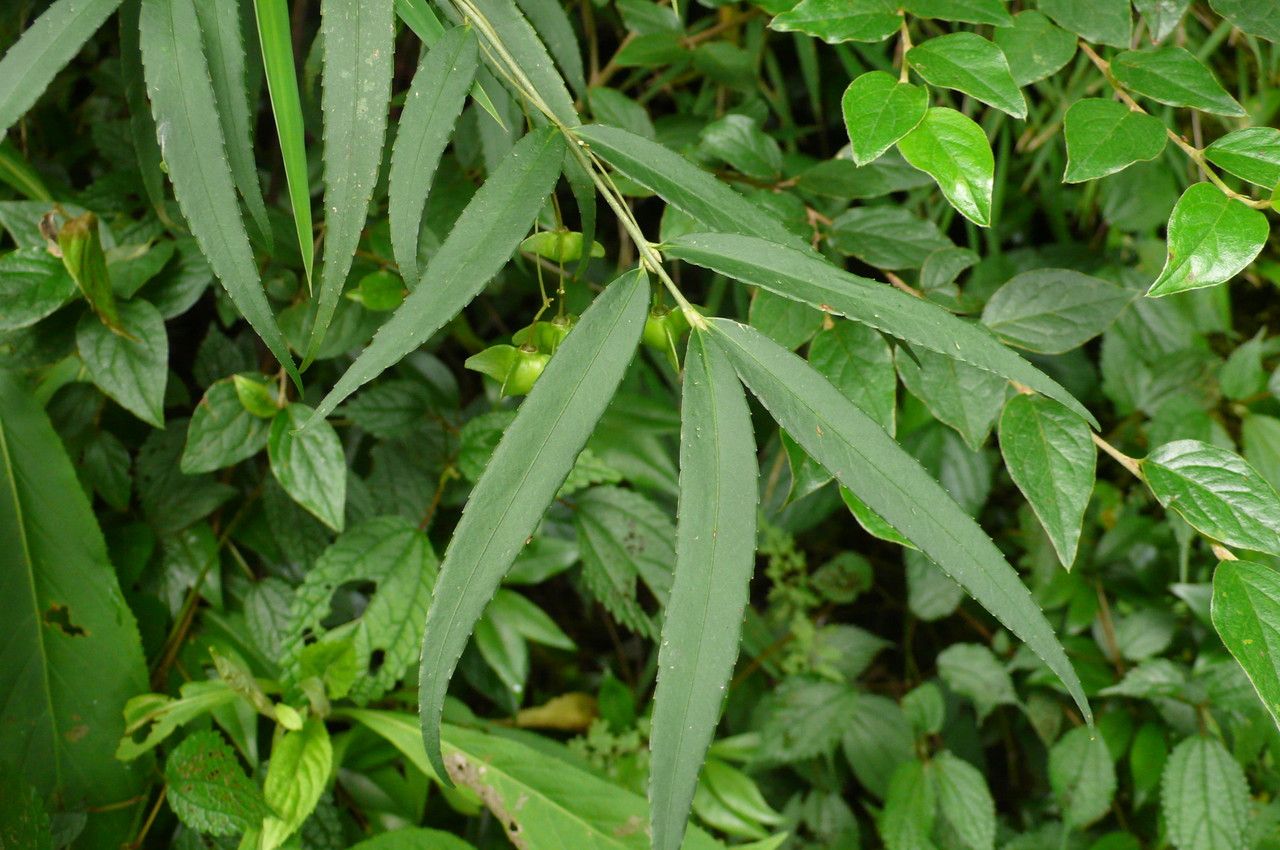
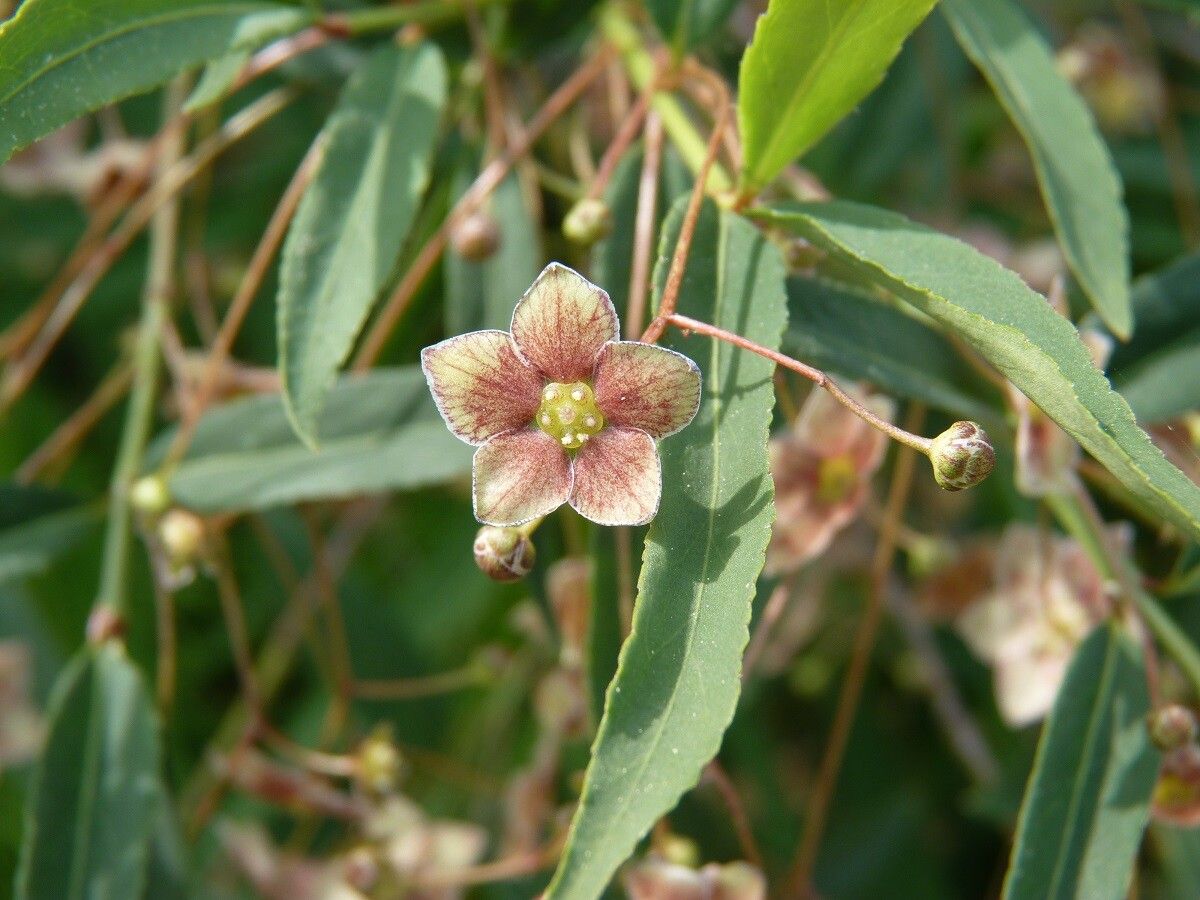
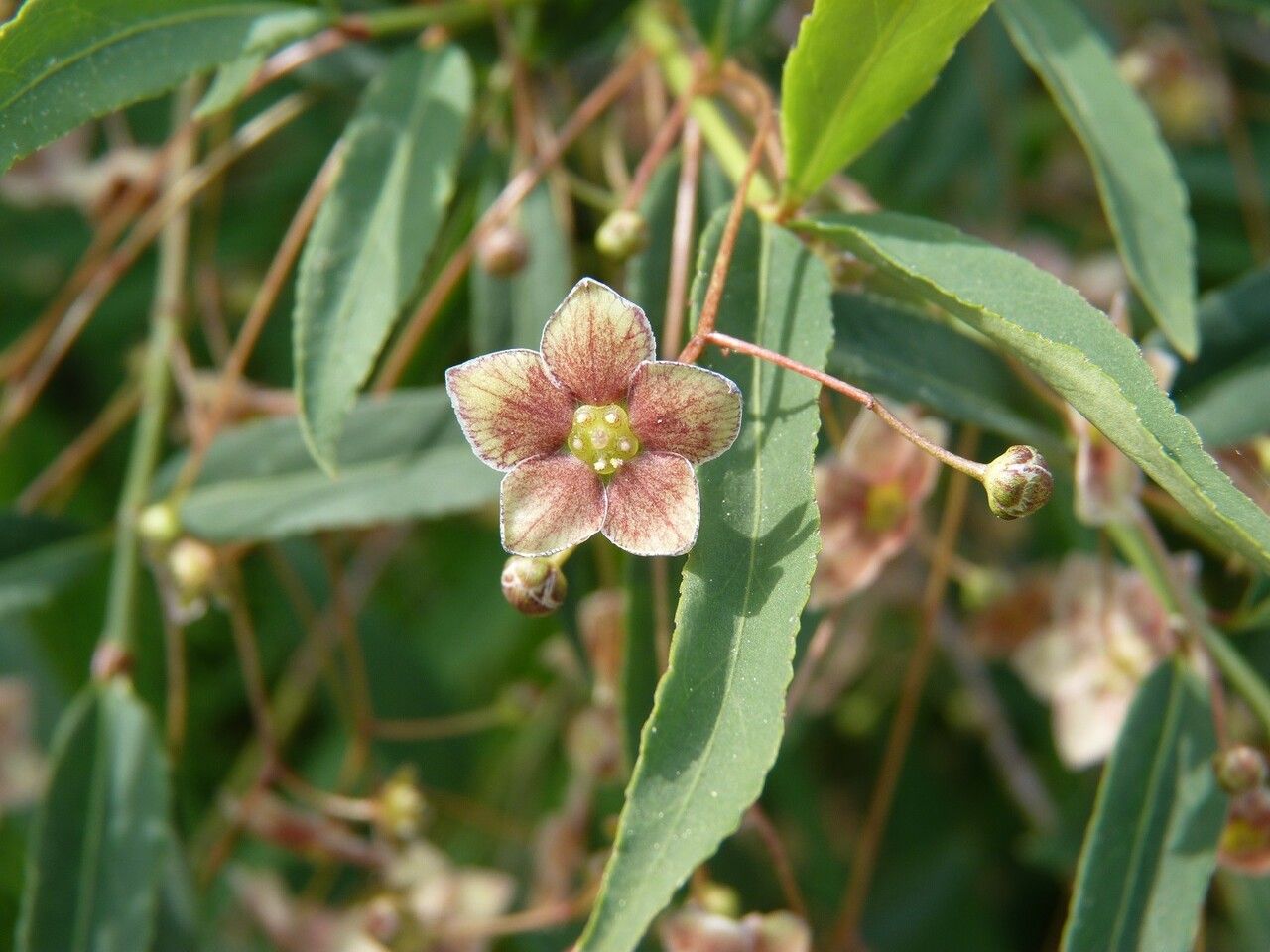
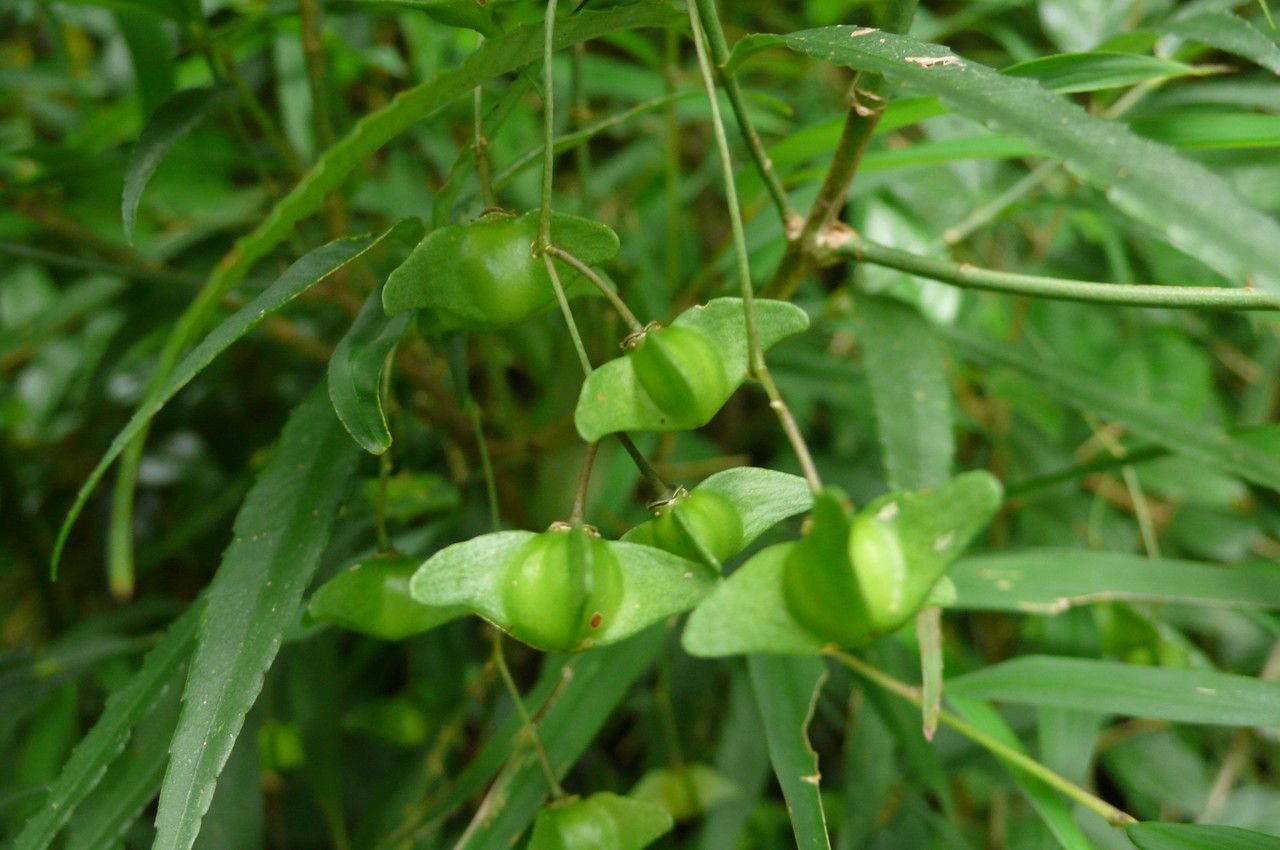
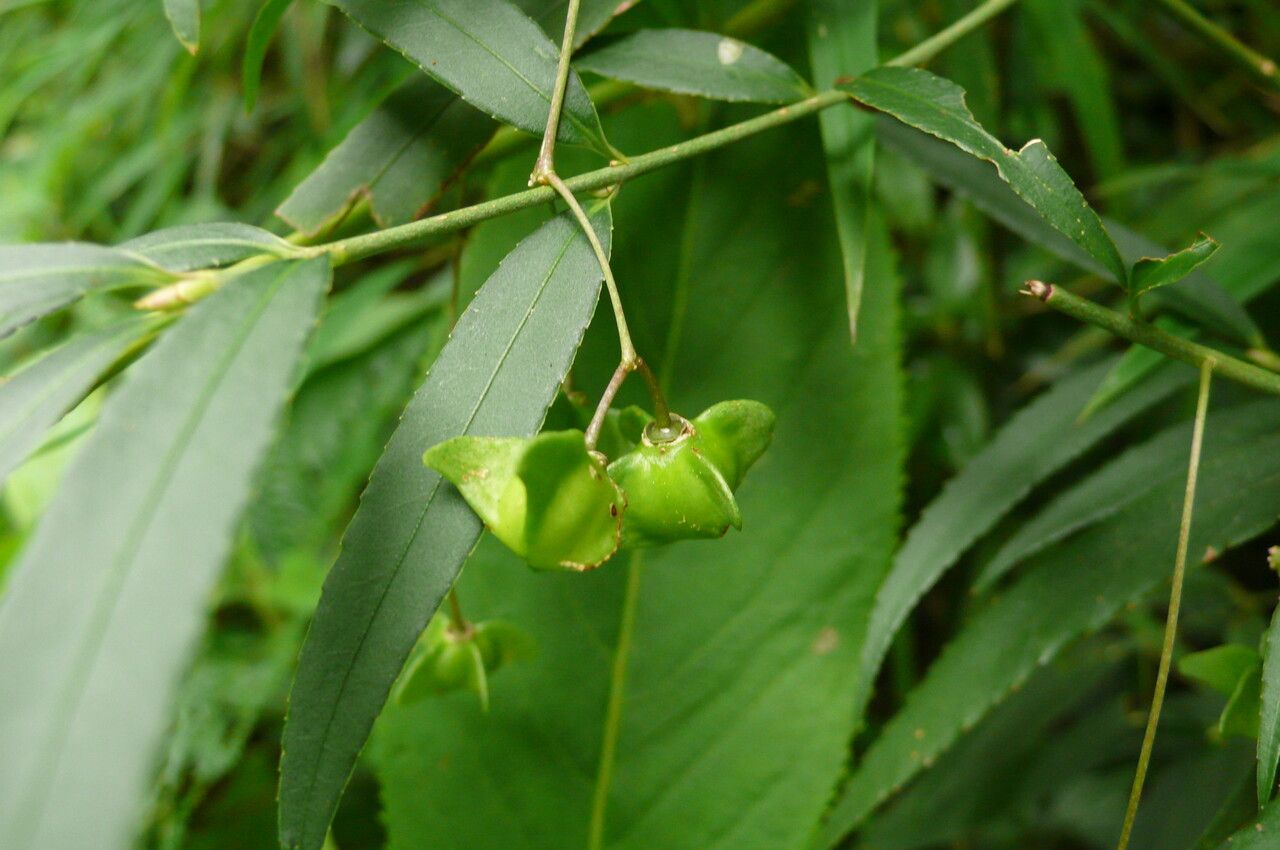
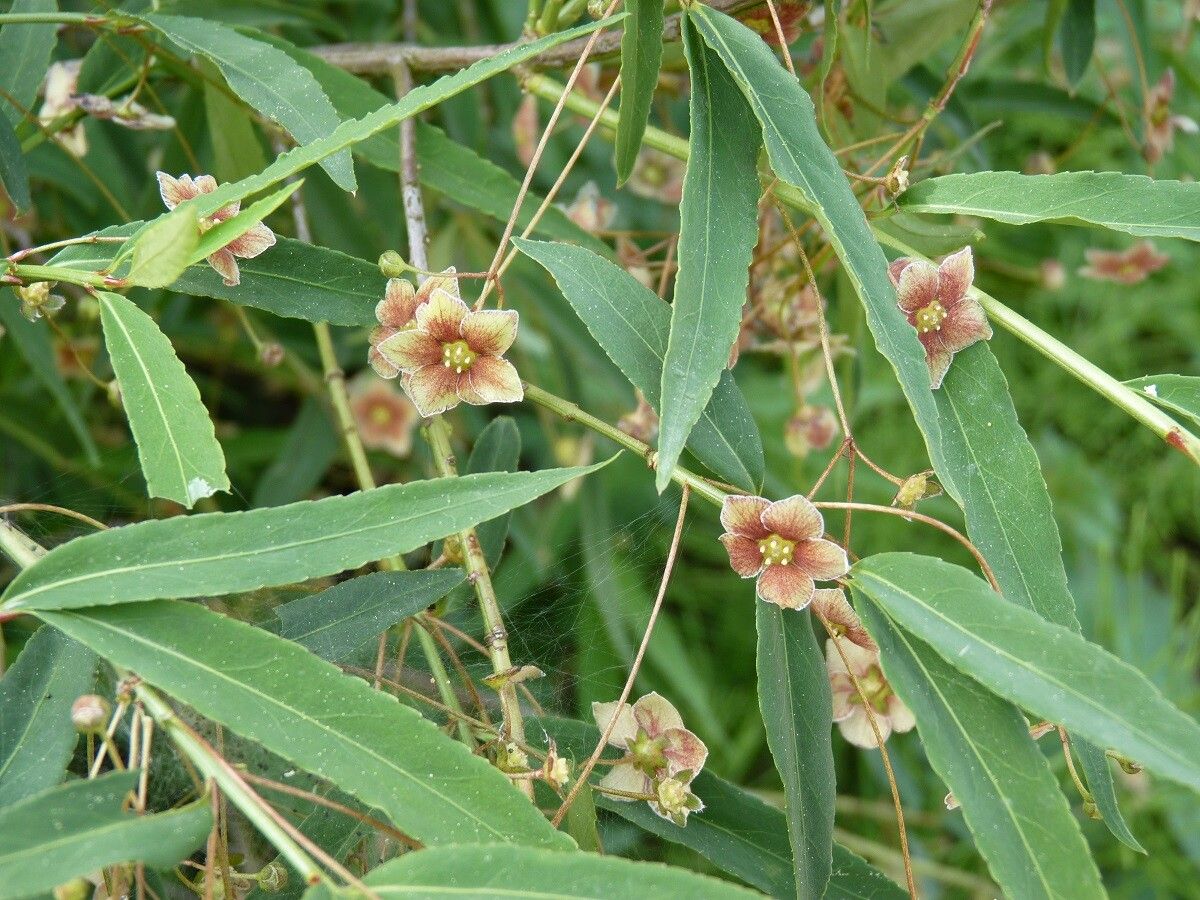
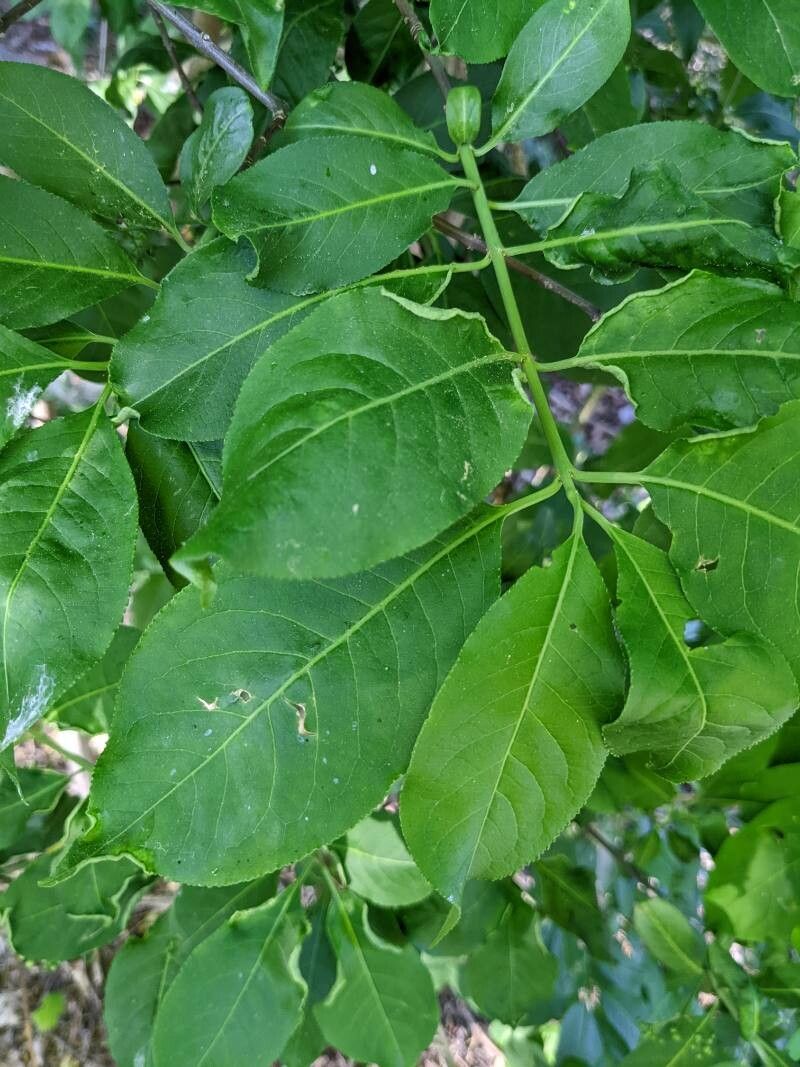
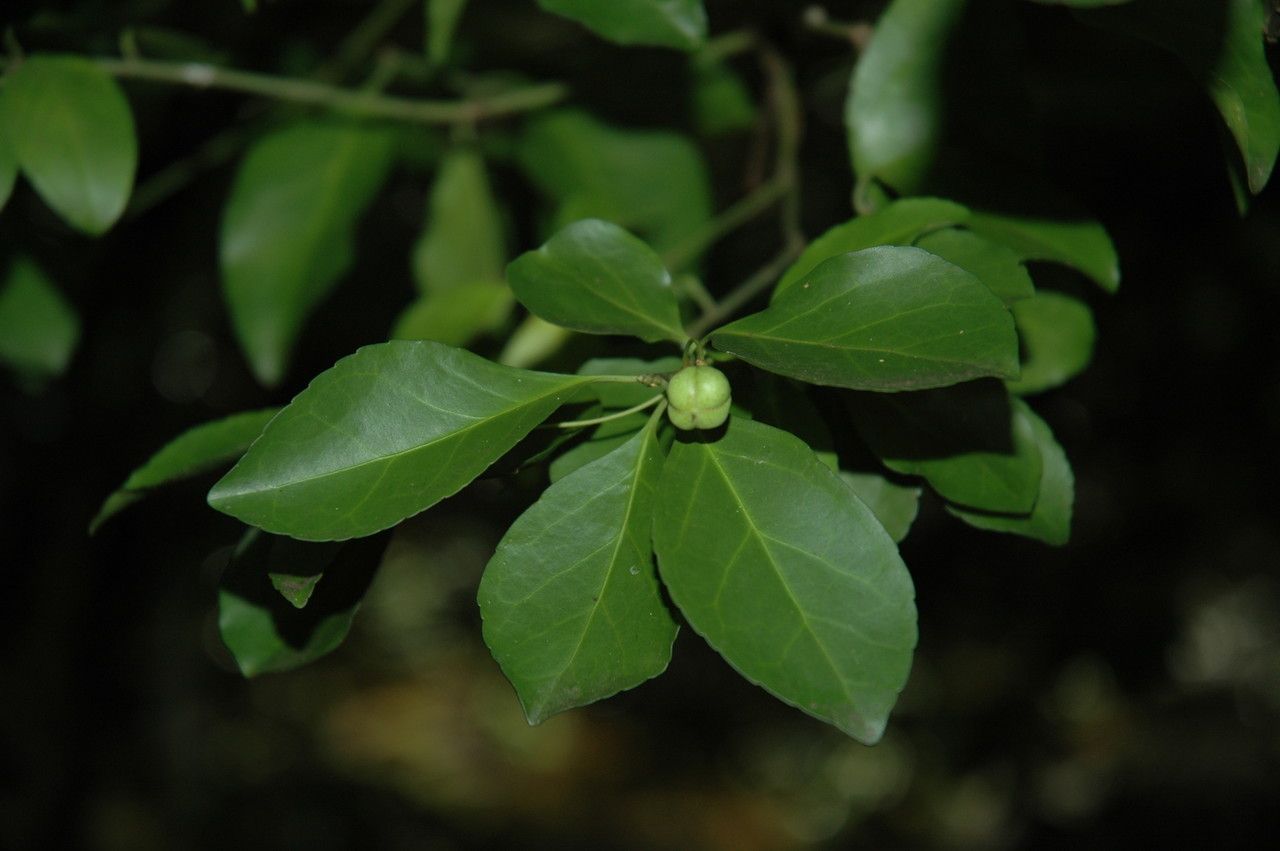
Euonymus cornutus is a species of flowering plant in the genus Euonymus, native to Tibet, central China and Myanmar. Its putative variety Euonymus cornutus var. quinquecornutus, called the five‑horned spindle, has gained the Royal Horticultural Society's Award of Garden Merit.
Five-horned spindleberry is highly resistant to disease and is typically not susceptible to illnesses. As for care, this plant is fairly low-maintenance. When grown outdoors it needs only minimal watering, and larger plants usually do not require pruning. Smaller plants, however, should be pruned after they finish blooming. Five-horned spindleberry is appropriate for anyone who has outdoor space, such as a garden or a deck, and it does not demand extensive care experience.
How to keep Euonymus Cornutus.
Light
Five-horned spindleberry occurs naturally in habitats like forest understories and rocky sites, where it grows in natural shade. It prefers partial sun but can tolerate full sun or full shade, showing its versatile, hardy nature.
Water
Originating from moist forests, the five-horned spindleberry thrives in moderate humidity and can tolerate drought conditions. To mimic its natural environment and maintain evenly moist soil, water it twice a week. If you are growing it outdoors, be sure to consider both rainfall patterns and drainage to support its healthy growth.
Temperature
Five-horned spindleberry is highly adaptable to a range of climates, from scorching summers to cold winters. However, it does have a preferred temperature range for growth. If temperatures rise too high, the plant is vulnerable to heat and humidity stress, which can kill it. In areas where temperatures approach the lower limit of its cold tolerance, it is important to insulate the plant for protection.
Fertilizer
The timing of fertilizing Five-horned spindleberry is important. Apply fertilizer in early spring and continue monthly until early summer. Fertilizer encourages attractive blooms and provides energy during both dormant and active growth periods.
Pruning
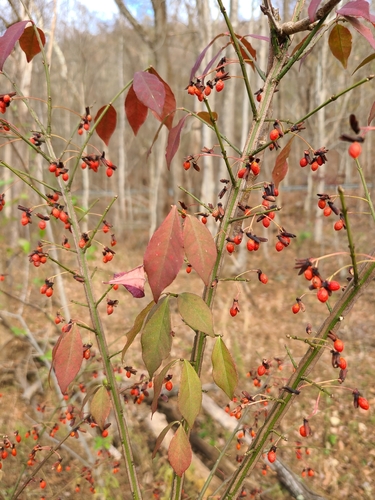
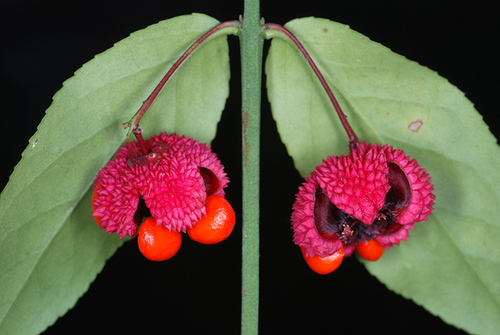
The five-horned spindleberry is known for its unique horn-like fruits and vivid autumn leaves. To encourage healthy growth, it's important to prune the plant in early spring. This helps to shape the plant and remove any dead branches. Proper pruning enhances airflow and increases light exposure, which reduces the risk of disease. Additionally, using clean tools during pruning minimizes stress on the plant.
Botanical profile.
- Plant Type
- Shrub
- Life Cycle
- Perennial
- Genus
- Euonymus
- Family
- Celastraceae
- Hardiness Zone
- 5-8
- Mature Height
- 3.05 m
- Mature Spread
- 2.13 m
- Leaf Color
- Green
- Leaf Type
- Deciduous
- Flower Color
- White, Red, Purple, Green, Pink
- Flower Size
- 0.51 cm to 0.76 cm
- Bloom Time
- Late spring, Early summer
- Planting Time
- Spring, Summer, Autumn
- Harvest Time
- Late summer, Early fall, Mid fall
- Native Area
- Myanmar, India, China
Other names.
Reader questions.
What are the sunlight requirements for Five-horned spindleberry plants?
Five-horned spindleberry plants, also known by their botanical name Euonymus cornutus, thrive best in conditions of partial sun. They require about 3-6 hours of sunlight each day to grow healthily. It's important to observe the way sunlight moves across your garden to identify areas that offer an ideal mix of light and shade, ensuring the optimal environment for your plants. This careful consideration of placement will cater to the needs of your Five-horned spindleberry plants, promoting their well-being.
What is the Five-horned spindleberry?
The Five-horned spindleberry, known scientifically as Euonymus cornutus, is a plant species notable for its distinctive characteristics. However, specific details about its essentials, appearance, or symptoms it may cause (if any) were not provided.